
Getting Around Side: Practical, Local-First Transport Guide
How to navigate Side, Turkey: walking the Old Town, using dolmuş and intercity buses, airport transfers, sustainable options, and tips for day trips to Antalya, Alanya, Belek and Kemer.
Clear, practical advice for moving between Side's Old Town, beaches and nearby cities. Sustainable, low-impact choices and seasonal tips to support local businesses while making the most of a 3-day Side itinerary.
Quick Answer
Clear, practical advice for moving between Side's Old Town, beaches and nearby cities. Sustainable, low-impact choices and seasonal tips to support local businesses while making the most of a 3-day Side itinerary.
Who This Page Is For
This page is for travelers planning a stay in Side who want clearer decisions about getting around, local logistics, timing, budgeting, and practical trip planning.
How This Page Was Prepared
This page was prepared through a structured editorial workflow that combines destination research, geographic context, and practical travel-planning review.
Plan the Rest of Your Trip
Use this page together with the full itinerary and the related planning pages below to make better booking, timing, transport, and budget decisions.
Most visitors get around Side by walking within the Old Town, using local shared minibuses (dolmuş) and regional buses from Manavgat for longer trips. Taxis are convenient for off-hours or direct airport rides, but are costlier. Rent a bike or electric scooter for short, low-impact trips along the lake and beachfront promenades. For airport transfers in high season, prebook a shared shuttle or choose a trusted local transfer to support family-run operators.
This page helps you move around Side efficiently and responsibly, whether you’re arriving from Antalya Airport, taking a day trip to nearby cities, or following our companion 3 days in Side itinerary. It focuses on practical choices that favor local businesses, lower-impact transport, and timing your travel to avoid heat and crowds.
What This Page Helps You Decide
Use this page to pick the right mode of transport for each need:
- Getting from Antalya Airport to Side and when to prebook a transfer.
- Moving between Side Old Town, Kumköy, Titreyengöl and the Manavgat bus station.
- Choosing public buses, shared shuttles, or taxis for day trips to Antalya, Alanya, Belek and Kemer.
- Whether to rent a car or rely on public transport during shoulder season.
The guidance is tuned to support local services and lower-impact choices when practical.
Top Recommendations
1) Walk the Old Town and harbor. The archaeological sites, narrow streets and waterfront are compact and best enjoyed on foot.
2) Use dolmuş (shared minibuses) for short hops: frequent, cheap, and a local way to travel between Side, Kumköy and Manavgat.
3) For airport transfers, pick a prebooked shared shuttle in summer or a licensed taxi for early/late flights; favor local transfer companies to keep revenue in the community.
4) Day trips: take the Manavgat intercity bus for Antalya or Alanya, or join an eco-conscious local tour from Side for nature-based visits.
5) If you need flexibility for evenings or remote beaches, hire a car for specific days rather than the whole trip; book with a local rental to support small businesses.
Local Context
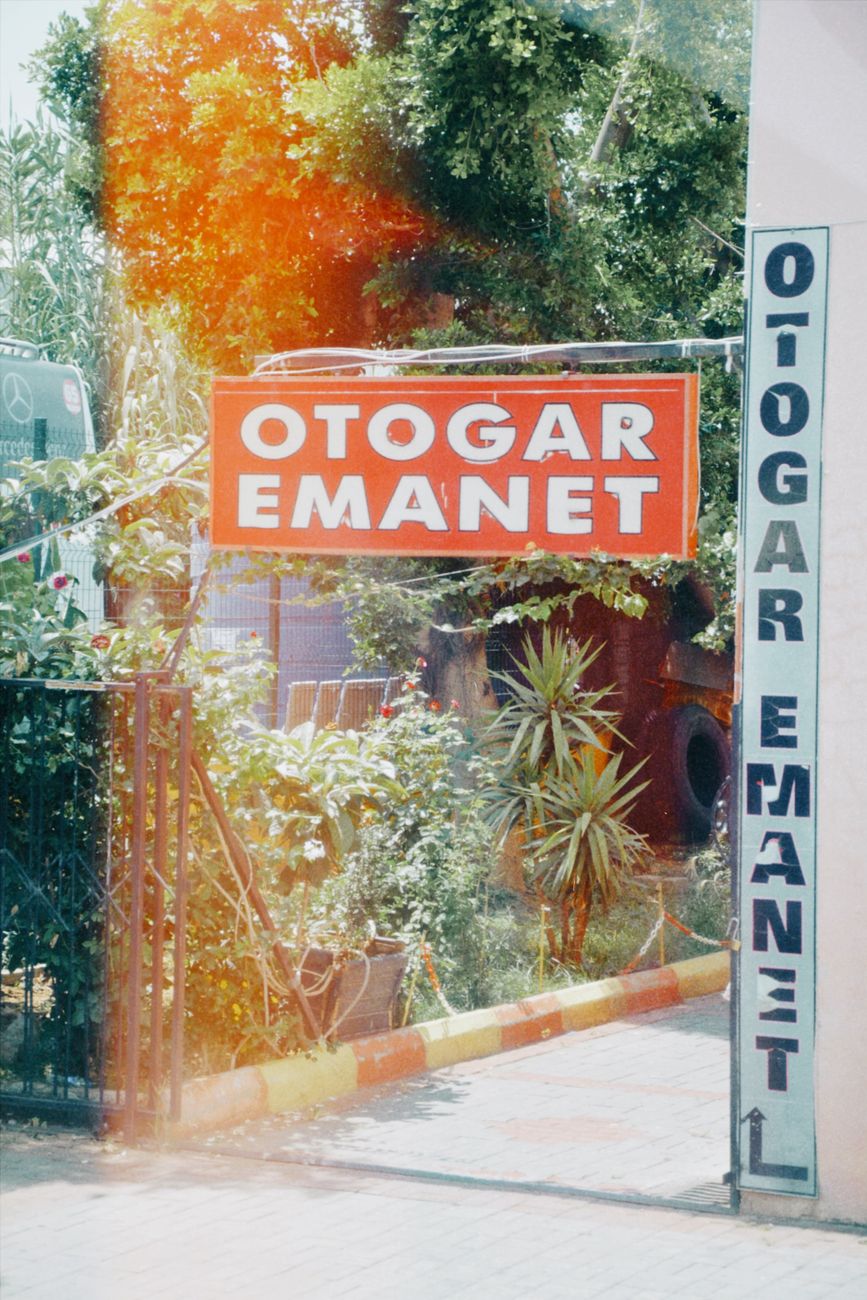
Side is a compact coastal town with a distinct split between the archaeological Old Town and the resort strips (Kumköy and Titreyengöl). Manavgat town—where the main otogar (bus station) and larger markets are—sits a short minibus ride inland and is the regional transport hub.
Seasonal patterns:
- High season (July–August): intense heat, more private transfers, and frequent day-trip buses. Book transport and tours early.
- Shoulder seasons (April–June, September–October): milder weather, fewer crowds, better for walking and public transport.
Practical notes:
- Signage can be limited outside tourist hubs and spoken English varies; have addresses in both English and Turkish.
- Cash is useful for dolmuş and small taxis; many buses and shops take cards but small vendors prefer cash.
- Roads are generally well maintained; coastal routes can be busy during peak hours.
How to Choose Well
Match transport to your priorities:
- If you value low cost and local contact: use dolmuş and intercity buses from Manavgat.
- If you have mobility needs, young children, or limited time: plan taxis or private transfers and confirm accessibility in advance.
- For day trips to Antalya or Alanya: take the regional coach from Manavgat otogar for predictable schedules; reserve seats in busy months.
- If you want flexibility but minimize impact: rent a small car for one or two days to reach remote beaches and return to public transport the rest of your stay.
Booking tips:
- For airport and long-distance travel, compare small local transfer operators with international shuttles; read recent reviews and confirm pick-up points.
- Keep hotel or pension contact details handy in Turkish to show drivers if needed.

Responsible and Local-First Tips
Support the local economy and reduce impact:
- Use public dolmuş and regional buses where practical instead of private trips.
- Prioritize family-run pensions, small cafés and market stalls for meals and souvenirs.
- Rent a bicycle or walk around the Old Town and Titreyengöl instead of taking short taxi rides.
- Choose small-group or locally operated tours—ask about community or conservation fees going to local projects.
- Reduce single-use plastic: bring a refillable water bottle; many cafés will refill it.
- Respect coastal habitats: use marked access points to beaches and follow local rules about protected areas and nesting seasons.
Common Mistakes to Avoid
- Relying only on taxis without confirming approximate cost or using the meter.
- Assuming frequent intercity buses run late at night; check schedules and plan return journeys.
- Booking the cheapest airport transfer without checking reviews—you’ll often do better supporting a reputable local operator.
- Underestimating summer heat for walking between sites; schedule walking for early morning or late afternoon.
- Overlooking Manavgat otogar as a resource—many sensible day-trip and intercity options start there.
FAQ
How do I get from Antalya Airport to Side?
Shared airport shuttles and private transfers are the easiest options—book in advance in high season. Coaches and dolmuş from Antalya city are cheaper but take longer and may require a transfer in Manavgat.
What’s the difference between a dolmuş and an intercity bus?
A dolmuş is a shared minibus for short local routes (Side, Kumköy, Manavgat) with flexible stops; intercity buses run set routes and schedules from Manavgat otogar to Antalya, Alanya and beyond.
Is Side walkable?
Yes—Side Old Town and the harbor are compact and best explored on foot. Beaches and resort strips are longer walks; use a bike or dolmuş for those stretches.
Can I day trip to Antalya, Alanya, or Belek?
Yes. Regular intercity buses run from Manavgat otogar to Antalya and Alanya. For Belek and Kemer, check seasonal coach services or consider an organized local day trip.
Should I rent a car in Side?
A car is useful for flexibility or visiting remote sites, but it isn’t necessary if you plan to stay near the Old Town and use public transport for day trips. Rent by the day rather than the whole trip if you want to limit environmental impact.
How do I buy tickets for buses and shuttles?
Short dolmuş fares are usually paid in cash on board. Intercity bus and shuttle operators sell tickets online, at the otogar, or through local travel offices—book ahead for peak weeks.
Conclusion
Plan your transport around the parts of Side you value most: walk the Old Town, use dolmuş for short, local travel, and rely on Manavgat otogar for intercity connections. Favor local operators, travel in shoulder seasons when possible, and pick low-impact choices for short hops. For a full day-by-day plan that coordinates transport with highlights, see our 3 days in Side itinerary and the linked pages for Belek, Alanya, Antalya, Kemer and Konya when you’re ready to expand your trip.
How this guide was prepared
This guide was prepared through a structured research that combines destination research, geographic context, itinerary planning logic, and content review.