

Getting Around Singapore — Practical, low-impact transport for a 3-day trip
How to move efficiently and responsibly around Singapore: MRT, buses, walking, cycling, taxis, and cross-border day trips to Johor Bahru and Kuala Lumpur. Practical tips for the main 3-day itinerary.
Clear, practical guidance to navigate Singapore for a short stay. Choose the right transit card, plan day trips to nearby Malaysian cities, and favor low-impact choices that support local neighborhoods and hawker centres.
Quick Answer
Clear, practical guidance to navigate Singapore for a short stay. Choose the right transit card, plan day trips to nearby Malaysian cities, and favor low-impact choices that support local neighborhoods and hawker centres.
Who This Page Is For
This page is for travelers planning a stay in Singapore who want clearer decisions about getting around, local logistics, timing, budgeting, and practical trip planning.
How This Page Was Prepared
This page was prepared through a structured editorial workflow that combines destination research, geographic context, and practical travel-planning review.
Plan the Rest of Your Trip
Use this page together with the full itinerary and the related planning pages below to make better booking, timing, transport, and budget decisions.
Best overall: MRT + local buses for most city travel. They are fast, affordable, and cover central and residential neighborhoods.
When to walk or cycle: Tiong Bahru, Kampong Glam, Little India, and Marina Bay are compact and pleasant on foot or by bike early morning or late afternoon. Use park connectors for longer rides (East Coast Park).
For cross-border day trips: Coach or train to Johor Bahru; coach or short flight to Kuala Lumpur. Book train seats (Shuttle Tebrau) and long-distance buses in advance during holidays.
Payment summary:
– Short stay: use contactless bank card or mobile pay on transit.
– Multi-day: compare an EZ-Link card vs. a Singapore Tourist Pass for unlimited travel during your stay.
This page is a practical, low-impact primer for getting around Singapore during a short trip and for linking to nearby cities. It complements the main 3-day guide (3 days in Singapore) by focusing on transport choices you’ll actually use between neighborhoods, attractions, and border crossings. Expect clear comparisons (cost, convenience, environmental impact), neighborhood-level advice, and booking pointers.
What This Page Helps You Decide
This guide helps you choose:
– Which transit payment to buy (single tickets, contactless, EZ-Link, Singapore Tourist Pass).
– When to prefer walking, cycling, or taking the MRT for each neighborhood listed in the 3-day plan.
– When to take a day trip to nearby cities (Johor Bahru, Kuala Lumpur, Kuantan, Pekanbaru) and which transport mode suits your schedule, luggage, and visa status.
– How to reduce your carbon footprint and spend locally while getting around efficiently.

Top Recommendations
1) Card choice: Buy an EZ-Link card if you stay several days and will travel outside central areas. If you plan heavy sightseeing over 1–3 days, check the Singapore Tourist Pass for unlimited rides; buy at TransitLink or selected stations. Contactless bank cards and mobile wallets are accepted on MRT and buses for short stays.
2) Plan by neighborhood: Use the MRT to reach hubs (Raffles Place, City Hall, Orchard, Bayfront). Walk first in small neighborhoods (Tiong Bahru, Kampong Glam). Bring a small daypack for heat and sudden showers.
3) Cross-border travel: For Johor Bahru, consider the Shuttle Tebrau (book early) or coach from Golden Mile/HarbourFront; expect immigration delays at peak times. For Kuala Lumpur, compare a direct flight (1 hour) vs. comfortable overnight coach (5–6 hours) depending on time and carbon preference.
4) Sustainable choices: Favor public transit and bicycles on the Park Connector Network. Eat at hawker centres and small kopi shops; avoid unnecessary car hires within the island.

Local Context
Transport reality: Singapore’s MRT network (North-South, East-West, North-East, Circle, Downtown, and Thomson-East Coast lines) covers most tourist areas; buses fill in the gaps. Taxis and private-hire apps are reliable but cost more during peak hours or late nights.
Seasonal patterns: Singapore is humid year-round with two monsoon-influenced seasons. Expect short, heavy showers during the inter-monsoon months (April–May) and the northeast monsoon (November–March) — bring a lightweight rain layer and quick-dry clothing.
Local etiquette and rules:
– Queue clearly at MRT and bus stops; let passengers off before boarding.
– No eating or drinking on MRT and buses.
– Respect temple etiquette (remove shoes where required; dress modestly in places of worship).
Accessibility: Major interchange stations have lifts and tactile guidance; plan for step-free routes if you travel with heavy luggage.

How to Choose Well
Use these quick rules:
– Short stay, lots of sightseeing (1–3 days): Contactless card or Tourist Pass for unlimited short-term MRT/bus use; walk neighborhood blocks.
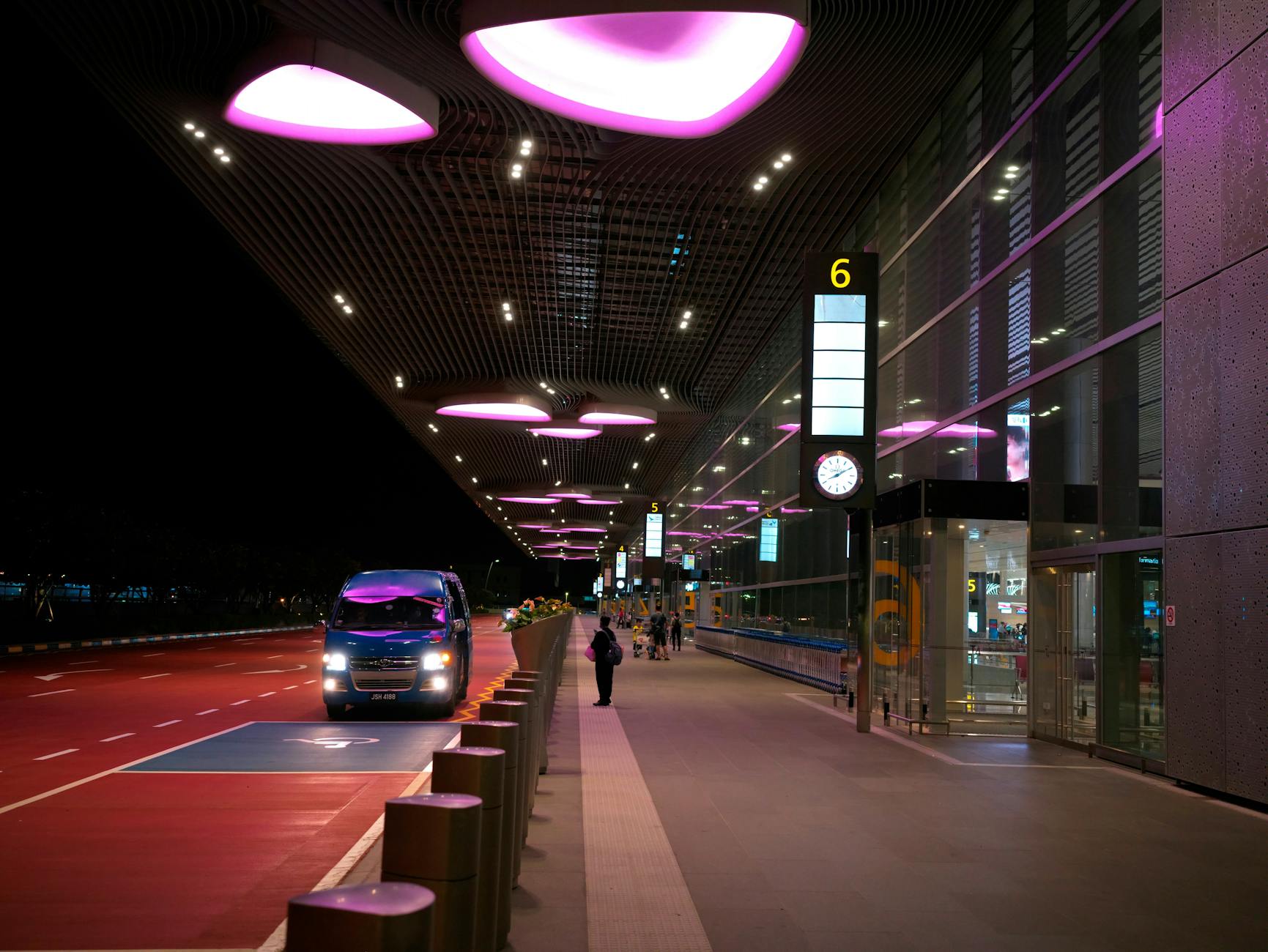
– Arriving late or with lots of luggage: Taxi/ride-share from Changi is worth the convenience; otherwise use the direct Airport MRT to Tanah Merah/City lines.
– Day trip to Johor Bahru: Ideal for a half- or full-day; choose Shuttle Tebrau or coach and allow extra time for immigration. Avoid peak morning/evening crossings when possible.
– Longer intercity travel (Kuala Lumpur, Pekanbaru): Check flight schedules against overnight coach/train options and consider your environmental trade-offs.
Checklist before you go:
– Confirm visa/passport requirements for Malaysia and Indonesia.
– Prebook Shuttle Tebrau or long-distance buses for holidays.
– Download local transit apps (MyTransport.SG, Google Maps) for real-time info.
Responsible and Local-First Tips
Support the local economy and reduce impact:
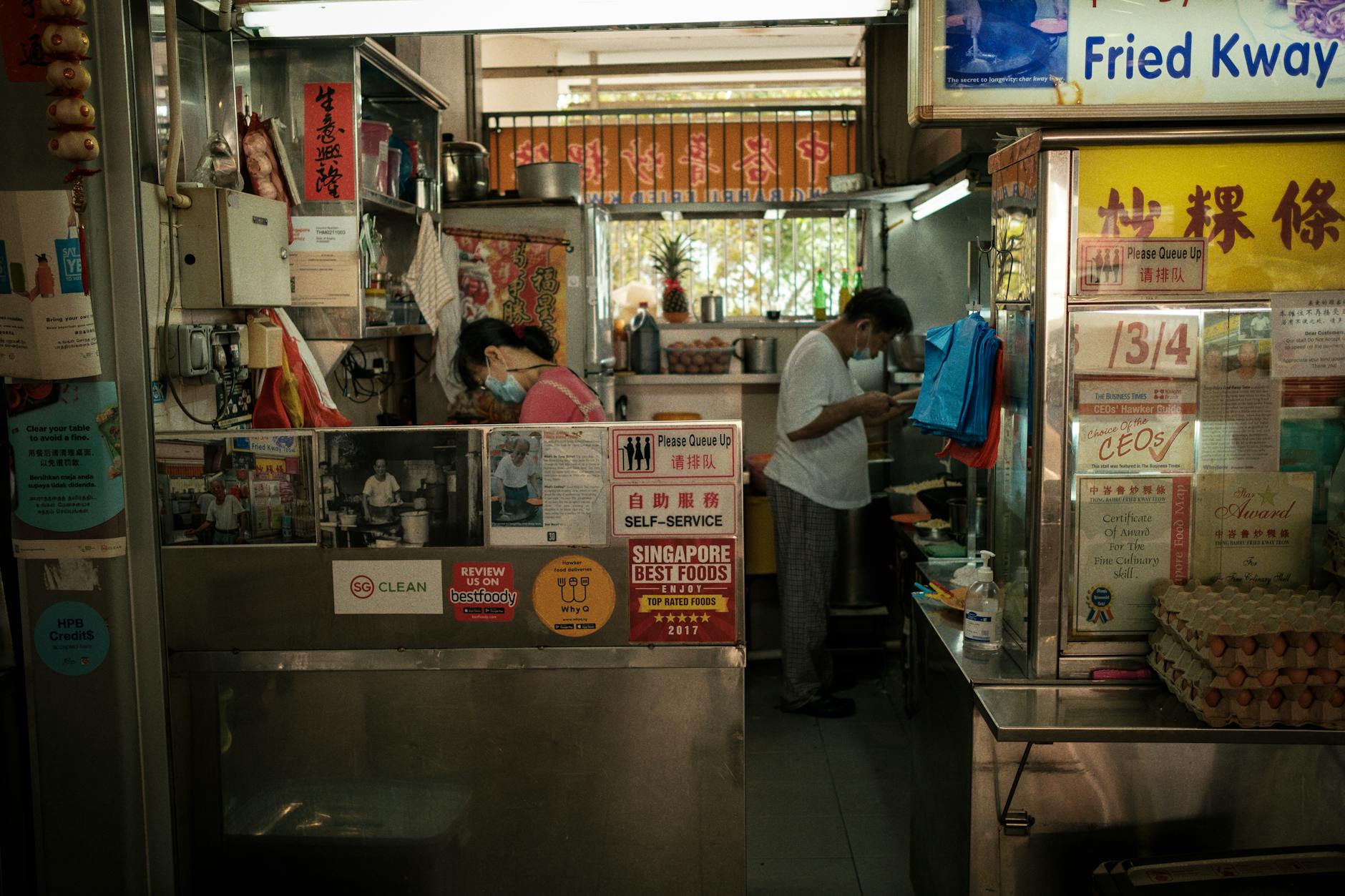
– Eat at neighbourhood hawker centres (Maxwell, Tiong Bahru Market), order local dishes to keep money in small businesses.
– Use public transit rather than taxis when practical; it reduces congestion and emissions.
– Pick walking or cycling for short hops; use bike racks and park connectors and follow local micromobility rules.
– Choose certified local guides for neighborhood walks and cultural tours — they steer you to locally owned cafés and artisans.
– Avoid single-use plastics: carry a refillable bottle (Changi and many malls have water refill stations).
Booking tips that favor locals:
– Book trains and coaches at official vendors; avoid scalped tickets.
– When taking cross-border transport, stagger travel times to avoid peak scramble at checkpoints and reduce time spent idling.
Common Mistakes to Avoid
- Assuming taxis are always faster: in peak hours the MRT is often quicker and cheaper.
- Not checking passport/visa rules for Malaysia and Indonesia before booking a day trip.
- Waiting to buy travel cards on the last day; buying an EZ-Link or Tourist Pass at arrival saves time.
- Trying to use shared e-scooters or bikes on busy sidewalks — follow rules and park responsibly.
- Booking Shuttle Tebrau or major coach seats at the last minute during weekends or public holidays — trains and coaches sell out.
- Underestimating rain and humidity; carry a light rain jacket and plan indoor backups for sudden downpours.
FAQ
What’s the easiest way to pay for public transit?
Use a contactless bank card or mobile wallet for a short visit. For multiple days of heavy travel, buy an EZ-Link card or a Singapore Tourist Pass at TransitLink booths or major MRT stations.
How do I get from Changi Airport to the city center?
The Airport MRT (Changi Airport station) connects to the East-West Line and transfers to the city. Taxis and ride-hailing are quick with luggage; there are also direct airport bus services to some hotels.
Can I do a day trip to Johor Bahru and return the same day?
Yes—many visitors do. Use the Shuttle Tebrau (book in advance) or coaches from Golden Mile/HarbourFront. Allow extra time for immigration at Woodlands and Johor checkpoints, especially on weekends and public holidays.
Is cycling practical in central Singapore?
Cycling is good on Park Connectors and in parks like East Coast and Gardens by the Bay. Central business districts have limited dedicated lanes; foldable or rental bikes suit short neighborhood rides.
Are taxis and ride-share services safe and common?
Yes, they are reliable and regulated. Expect higher fares during peak periods or late nights and consider public transit during rush hour for predictability.
Should I prebook transport for longer trips to Kuala Lumpur or Pekanbaru?
Absolutely. Flights and long-distance coaches fill up during holiday periods. Compare carbon and time trade-offs: flights for speed, coaches or trains for lower per-passenger emissions.
Conclusion
Singapore is compact and exceptionally well-connected: prioritize the MRT and buses for low-impact, efficient travel; walk and cycle to support local neighborhoods; and prebook cross-border connections when planning trips to Johor Bahru, Kuala Lumpur, or beyond. For itinerary-specific transit steps, see the main 3-day guide (3 days in Singapore) where each day links to station-level directions and neighborhood walking routes.
How this guide was prepared
This guide was prepared through a structured research that combines destination research, geographic context, itinerary planning logic, and content review.