

Introduction

Madrid is a city that rewards both planning and wandering. Spain’s capital has world-class art museums, grand boulevards, elegant parks, lively plazas, late-night dining, and neighborhoods that feel completely different from one another. For first-time visitors, three days is enough to see the major highlights while still leaving time for long lunches, sunset views, and unplanned stops in local streets.
This itinerary is designed to help you experience Madrid in a practical way. It combines famous landmarks like the Royal Palace, Prado Museum, and Retiro Park with local areas such as La Latina, Malasaña, and Chueca. The days are arranged to reduce backtracking and give each part of the city its own character. You will see historic Madrid, artistic Madrid, and modern neighborhood Madrid.
Quick Planning Tips

Madrid is best explored on foot combined with the metro. Many of the main sights in the center are close enough to connect easily in a single day.
Stay in the central districts if possible. This saves time and makes it easier to return to your hotel for a short break before dinner.
Start sightseeing earlier than your dinner plans. Madrid eats late, and many visitors find the rhythm takes a day to adjust to.
Pre-book major museums and any palace or flamenco experience you really want. Madrid is busy year-round, and popular slots can fill up.
Wear comfortable shoes. Even with metro rides, you will walk a lot through large museums, parks, and historic streets.
If you want to visit several museums, avoid trying to do too many in one day. Madrid’s big collections are excellent but tiring if rushed.
Keep some flexibility for tapas stops, market visits, and neighborhood wandering. Madrid is a city where atmosphere matters as much as checklist sightseeing.
Day 1 Itinerary
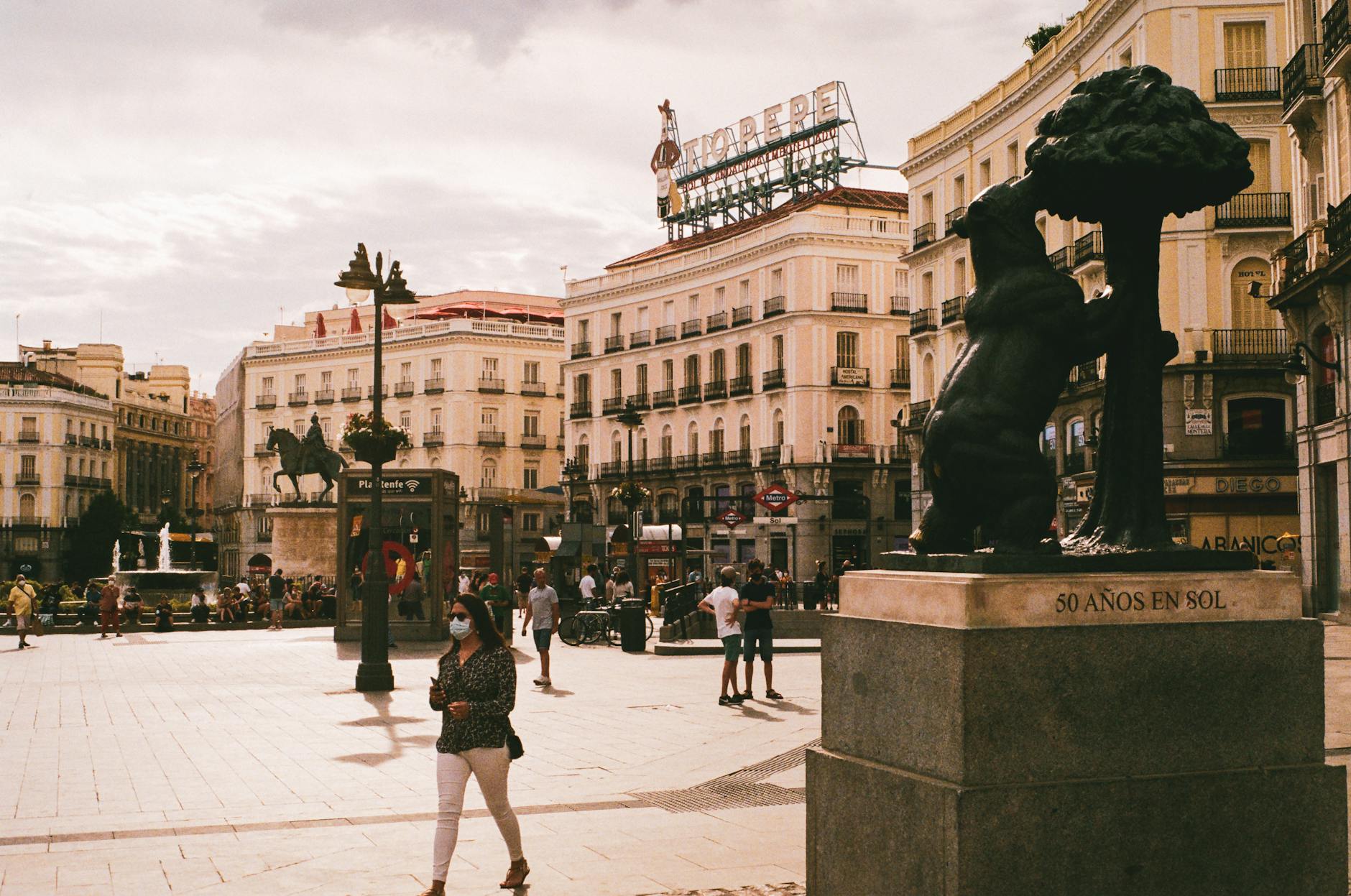
Begin your first day in the historic heart of Madrid around Puerta del Sol. It is one of the city’s most famous squares and a useful orientation point for first-time visitors. From here, walk to Plaza Mayor, the grand arcaded square that once hosted markets, celebrations, and royal events. It is touristy, but it is still worth seeing for its scale and history.
From Plaza Mayor, continue toward Mercado de San Miguel. Even if you do not plan a full meal here, it is a good stop to understand Madrid’s food culture. You can sample small bites or simply walk through and save your appetite for a more traditional lunch elsewhere.
Next, head into the Austrias district, the old Habsburg quarter of Madrid. This is one of the city’s most atmospheric areas, with narrow streets, old buildings, and historic churches. The main highlight here is the Royal Palace of Madrid. Visit the palace to see the ceremonial grandeur of the Spanish monarchy, then walk through the nearby Almudena Cathedral. The cathedral’s exterior and hilltop position make it an essential stop, and the area around it gives you broad views over the western side of the city.
After the palace, walk through Plaza de Oriente, one of the most elegant spaces in central Madrid, and continue to the Temple of Debod if you want a different kind of landmark. This ancient Egyptian temple, relocated to Madrid, is especially enjoyable for first-time visitors because it combines history with one of the city’s best viewpoints. If your timing works, this is also a memorable sunset area.
For lunch, consider nearby streets around Ópera or La Latina. La Latina is one of the best neighborhoods for a first taste of Madrid’s tapas scene. It has a more local, social feel than the main tourist squares and is ideal for a relaxed midday break.
Spend your afternoon in La Latina and the surrounding historic streets. Visit the Basilica of San Francisco el Grande if you are interested in religious architecture and interior art. Then stroll toward Calle Cava Baja and nearby lanes, where you can enjoy the old-city atmosphere without needing a strict schedule.
In the evening, return toward Plaza Mayor and Sol for your first night walk, or stay in La Latina for dinner. For a classic first evening in Madrid, choose a tapas crawl or a flamenco performance in the center. Avoid overloading your first day with too many museums. Instead, let this day introduce you to Madrid’s history, food, and urban rhythm.
Day 2 Itinerary
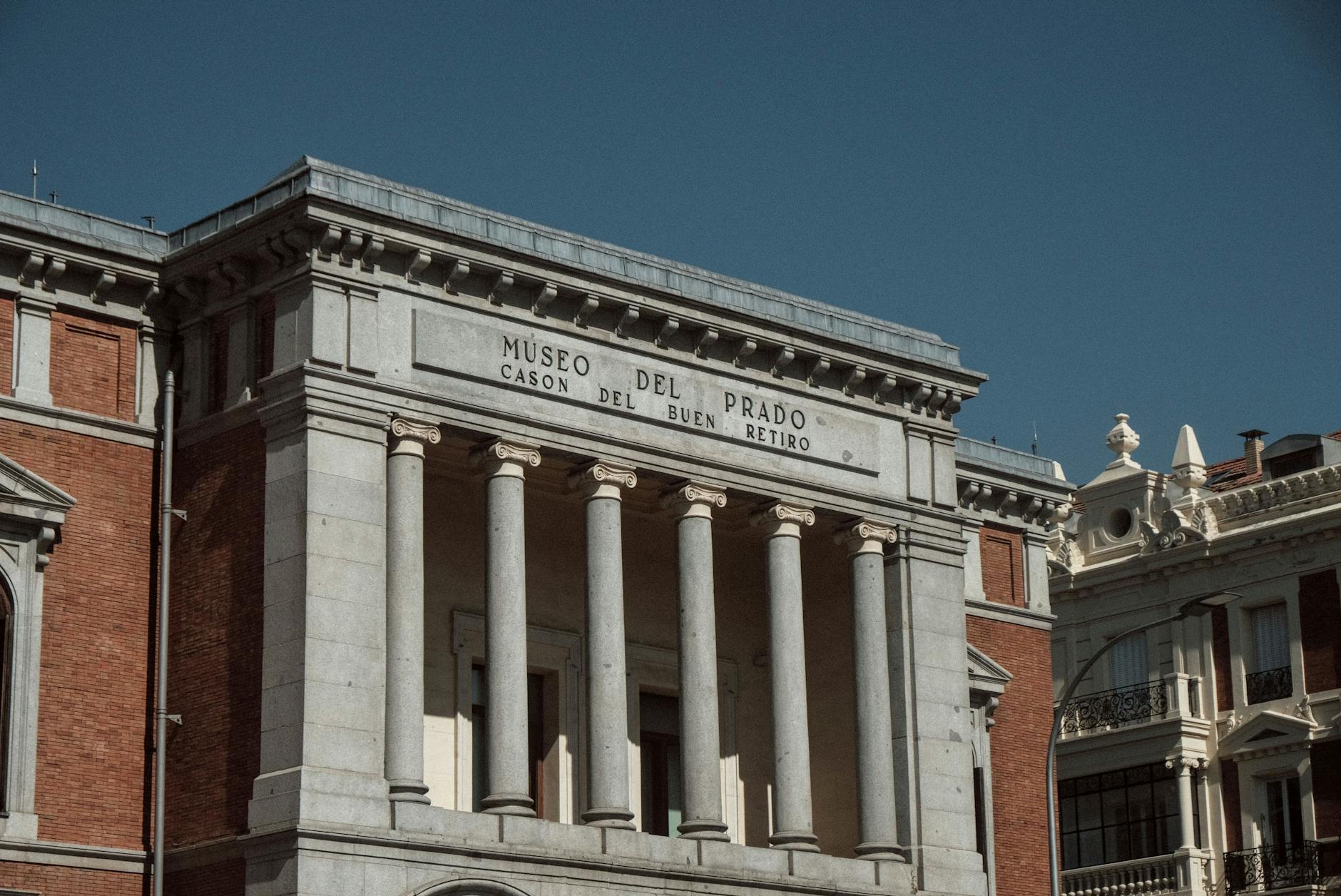
Your second day should focus on Madrid’s world-famous art and its most elegant parkland. Start at the Prado Museum, one of the essential museums in Europe and a must for first-time visitors. The collection includes masterpieces by Velázquez, Goya, El Greco, Rubens, and many others. Instead of trying to see everything, focus on the museum’s most important works and give yourself time to appreciate a few rooms properly.
After the Prado, walk along the Paseo del Prado, one of the city’s great cultural boulevards. This area forms part of Madrid’s main museum district and gives the day a very different feel from Day 1. Continue to the nearby Thyssen-Bornemisza Museum if you want a broader overview of European painting across many periods. It is often easier for first-time visitors to navigate than the largest museums, and it complements the Prado well.
If modern art interests you more, make the Reina Sofía Museum your second major museum of the day instead. It is best known for Picasso’s Guernica, but it also holds important works from the twentieth century. Most travelers should choose only one additional museum after the Prado to avoid museum fatigue.
For lunch, head toward the literary quarter known as Barrio de las Letras. This neighborhood is one of the most pleasant areas in central Madrid, with pedestrian-friendly streets, old literary associations, and plenty of cafes and restaurants. It feels calmer than Sol and is a perfect mid-itinerary break.
In the afternoon, spend time in Retiro Park. This is the city’s great green escape and one of Madrid’s highlights. Enter through one of the central gates and walk to the Estanque Grande, the large boating lake, where the monument to Alfonso XII creates one of the park’s most iconic scenes. Continue to the Crystal Palace, an elegant glass structure often used for art installations and one of the prettiest spots in the park. The rose garden, wide promenades, fountains, and shaded paths make Retiro ideal for slowing down after a museum-heavy morning.
If you still have energy, walk from Retiro toward the Puerta de Alcalá and then to the Salamanca district. Salamanca offers a more refined side of Madrid, with upscale streets, designer shops, and polished architecture. Even if you are not shopping, it is useful to see this different side of the city.
For dinner, you can return to Barrio de las Letras or try Chueca, a lively neighborhood with a great restaurant scene and plenty of evening atmosphere. Day 2 works best when balanced: major art in the morning, neighborhood charm at lunch, and the openness of Retiro in the afternoon.
Day 3 Itinerary

Use your third day to explore the more contemporary and local side of Madrid while still including a few major landmarks. Begin in Gran Vía, the city’s grand commercial avenue known for its early twentieth-century architecture, theaters, rooftop terraces, and constant energy. It is very different from the royal and museum zones you saw on the first two days. Walk the avenue slowly and look up at the facades. This is one of the best places to understand Madrid as a modern capital.
From Gran Vía, explore Malasaña. This neighborhood has a creative, youthful identity and is full of independent cafes, vintage shops, local boutiques, and street life. It is excellent for first-time visitors who want to experience Madrid beyond the main monuments. Spend time around Plaza del Dos de Mayo and the surrounding streets. The atmosphere here is less formal and more everyday.
Next, walk into Chueca, which sits close by but has its own personality. Chueca is central, lively, inclusive, stylish, and packed with places to eat. It works very well for lunch because there is a wide choice of casual and more polished options. If you enjoy market spaces, stop at Mercado de San Antón for a modern food-hall style experience.
In the afternoon, head north to Plaza de España if you have not yet seen it, then continue through the area toward either the cable car zone near Parque del Oeste or back toward a final viewpoint or shopping stop in the center. Parque del Oeste is a good option if you want one more outdoor area without repeating Retiro. It feels more residential and less formal, and it pairs well with a ride or viewpoint session looking back over the city.
Another good third-day option is to use this afternoon for one major experience you missed earlier, such as the Reina Sofía, a guided food tour, or extra time inside the Royal Palace if you prefer interiors over neighborhoods. The key is to make Day 3 more flexible and personal rather than trying to repeat the structure of the first two days.
For your final evening, book a rooftop bar or restaurant around Gran Vía, Callao, or nearby streets. Madrid looks especially good at dusk when the city lights come on and the streets remain busy well into the night. If you want a memorable last activity, this is also a good night for flamenco, a special dinner, or simply a long walk from Gran Vía to Sol and Plaza Mayor.
Where to Stay

Sol and Gran Vía
This area suits first-time visitors who want to be close to the main landmarks and transport connections. You can walk easily to Sol, Plaza Mayor, the Royal Palace, Gran Vía, and several central neighborhoods. It is convenient and energetic, but it can also be noisy and crowded, especially at night.
Barrio de las Letras
This area suits visitors who want a central location with a slightly calmer atmosphere. It is close to the Prado, Reina Sofía, Thyssen, and Retiro, while still being walkable to Sol and Plaza Mayor. It is a strong choice for travelers who like culture, cafes, and attractive historic streets.
Chueca or Malasaña
These neighborhoods suit visitors who want more local character, dining options, and nightlife. They still offer good access to central Madrid but feel more residential and contemporary than the main tourist core. Choose Chueca for a lively, polished atmosphere and Malasaña for a more creative, laid-back feel.
Best Experiences
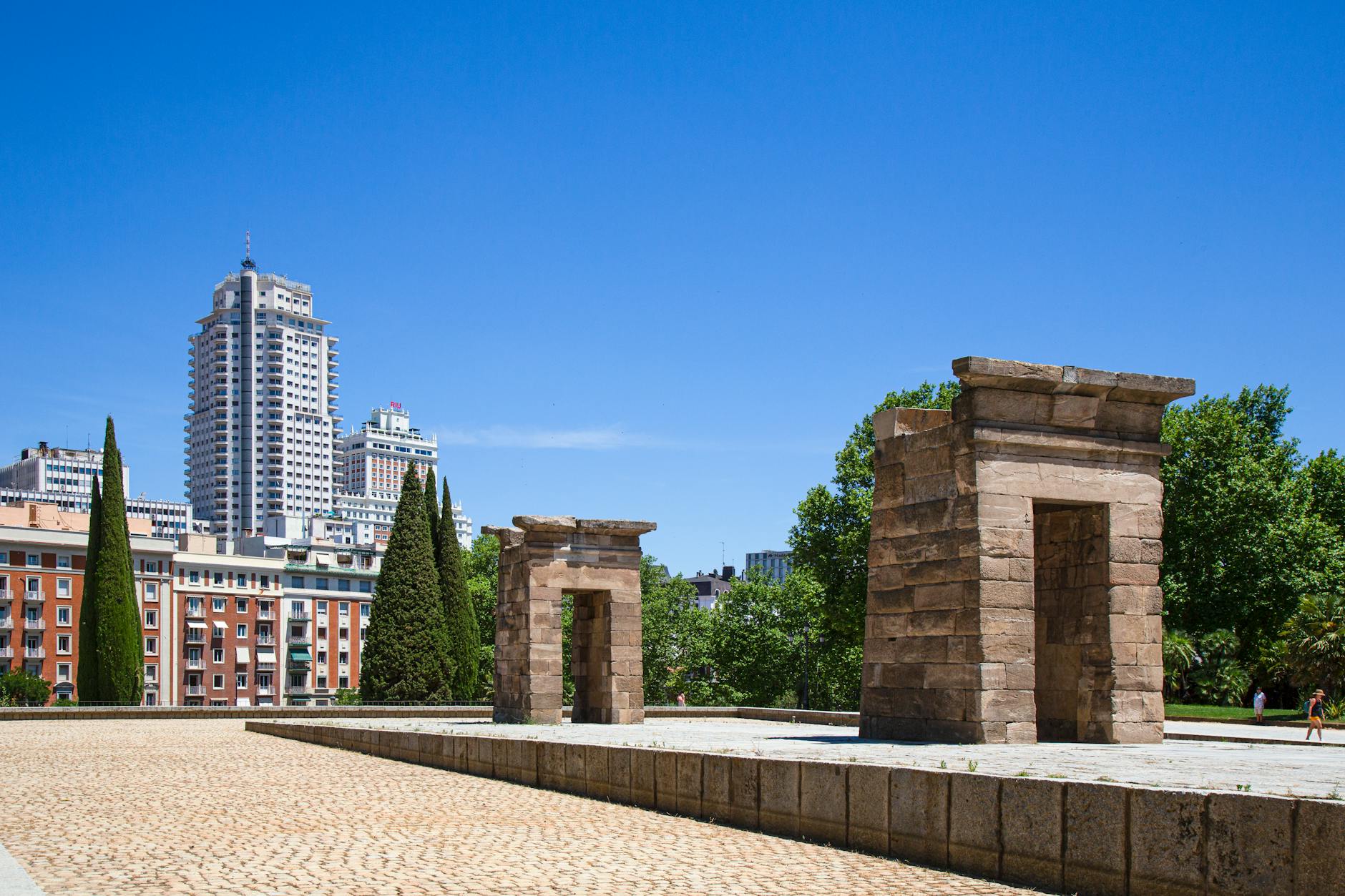
Watching sunset near the Temple of Debod or from a central rooftop. Madrid has excellent evening light and broad city views, making sunset one of the most rewarding simple experiences.
Exploring the Prado Museum with a focused plan. Even a short, well-planned visit can be one of the highlights of a trip to Spain.
Wandering through Retiro Park after a morning of museums. The contrast between world-class art and peaceful green space is one of the best parts of Madrid.
Doing a tapas evening in La Latina or around central neighborhood taverns. Madrid is ideal for casual, social eating rather than one long formal meal every night.
Seeing a flamenco performance in an intimate venue. While flamenco is more strongly associated with southern Spain, a good performance in Madrid can still be a memorable cultural experience for first-time visitors.
How to Get Around
Madrid is one of Europe’s easiest capitals to navigate. The metro is fast, extensive, and practical for moving between neighborhoods that are slightly too far apart to walk. It is the best option for most visitors.
Walking is ideal in the historic center. Many of the top sights around Sol, Plaza Mayor, the Royal Palace, Gran Vía, Barrio de las Letras, and Chueca can be linked on foot. The streets are often the best part of the experience, so do not rely only on transport.
Buses are useful if you prefer staying above ground and seeing the city as you move. Taxis and ride-hailing services are easy for late evenings, airport transfers, or when you are tired after a long day of sightseeing.
If arriving by train from another Spanish city, the main rail stations connect well to the center. From the airport, public transport and taxis both make arrival straightforward. For first-time visitors, there is usually no need to rent a car. Central Madrid is much easier without one.
Typical Budget
Madrid can work for different budgets, but it is generally more manageable than some other major Western European capitals. Costs depend mostly on where you stay, how many museums you enter, and whether you choose casual tapas bars or more upscale dining.
Budget travelers can keep costs reasonable by staying in simple hotels or hostels outside the most expensive blocks, using the metro, eating set lunches or casual tapas, and limiting paid attractions to a few major highlights.
Mid-range travelers will find Madrid especially comfortable. This budget level allows a well-located hotel, regular museum visits, some taxi use, rooftop drinks, and good dinners without needing luxury pricing.
Higher-end travelers can spend significantly more in Salamanca or at stylish central hotels, private tours, fine dining restaurants, and premium cultural experiences.
A practical approach for most first-time visitors is to budget for accommodation as the biggest expense, then set aside a daily amount for museums, local transport, meals, and one or two special experiences such as flamenco or a rooftop dinner.
FAQ
Is 3 days enough for Madrid
Yes, three days is enough for a strong first visit. You can see the historic center, the major museums, Retiro Park, and a few key neighborhoods without feeling too rushed. You will not see everything, but you will cover the essentials well.
What is the best area to stay in Madrid for first-time visitors
Sol, Gran Vía, and Barrio de las Letras are usually the most convenient for first-time visitors. They keep you close to major landmarks, restaurants, and transport, making it easy to explore on foot.
Do I need to book museums in advance
It is a good idea, especially for the Prado, the Royal Palace, and any attraction or show you really do not want to miss. Booking ahead saves time and helps you structure your days more efficiently.
Is Madrid walkable for tourists
Yes, very much. The center is highly walkable, and many major sights are close together. For longer distances, use the metro to save time and energy, then continue exploring on foot.