

Orlando Travel Budget: Practical Costs and Smart Savings
Real-world budgeting for Orlando travel: daily costs, low-cost alternatives, transport realities, and sustainable tips to save money on a 3-day trip. Ideal companion to the 3 days in Orlando itinerary.
A clear, scan-friendly budget guide for Orlando that pairs with the 3 days in Orlando itinerary. Find realistic daily budgets, transport costs, cheap eats, and sustainable ways to keep spending local and low-impact.
Quick Answer
A clear, scan-friendly budget guide for Orlando that pairs with the 3 days in Orlando itinerary. Find realistic daily budgets, transport costs, cheap eats, and sustainable ways to keep spending local and low-impact.
Who This Page Is For
This page is for travelers planning a stay in Orlando who want clearer decisions about travel budget, local logistics, timing, budgeting, and practical trip planning.
How This Page Was Prepared
This page was prepared through a structured editorial workflow that combines destination research, geographic context, and practical travel-planning review.
Plan the Rest of Your Trip
Use this page together with the full itinerary and the related planning pages below to make better booking, timing, transport, and budget decisions.
Typical daily budgets (per person, excluding theme-park tickets):
- Low budget: $60–$110 — cheap hotel outside core, groceries, public transit, free parks and window-shopping on International Drive.
- Mid-range: $150–$300 — modest hotel near I‑Drive or downtown, a paid attraction or two, meals at local restaurants, occasional rideshare.
- High budget: $350+ — on-site resort hotels, multiple park days, sit-down restaurants, paid tours.
Theme-park tickets are the largest variable: expect $110–$200+ per park day depending on season and promotions. Use the 3 days in Orlando itinerary to decide how many paid days to buy and whether multi-park passes make sense.
This page gives straightforward cost estimates and practical money-saving strategies for visiting Orlando. It’s built as a support page for the main 3 days in Orlando itinerary: use that guide for a timed plan and return here to tune the budget, choose neighborhoods, and pick sustainable, local-first options.
Orlando mixes big-ticket attractions (theme parks) with inexpensive neighborhood experiences — plan where you’ll spend and where to save so your trip feels balanced and authentic.
What This Page Helps You Decide
Use this page to quickly choose:
- Where to sleep (downtown, I‑Drive, Kissimmee) based on price vs. travel time.
- How many park days to buy versus free local activities.
- Practical daily budgets for families, solo travelers, and couples.
- When to travel for lower prices (shoulder seasons) and how to avoid high-cost days.
It also points to nearby towns worth short trips—Kissimmee for budget hotels, Lakeland for a quieter detour, Daytona Beach for coastline time, and Tampa/Clearwater for longer extensions.

Top Recommendations
Best ways to control costs and still enjoy Orlando:
- Lodging tiers:
- Cheapest: Budget motels or vacation rentals in Kissimmee ($50–$90/night off-peak). Factor in driving time and tolls.
- Comfortable: Mid-range hotels on International Drive or near downtown ($100–$180/night). Good balance of access and price.
- Splurge: On-site resort hotels inside Walt Disney World or Universal ($250+). Worth it if you prioritize convenience and early park access.
- Transportation savings:
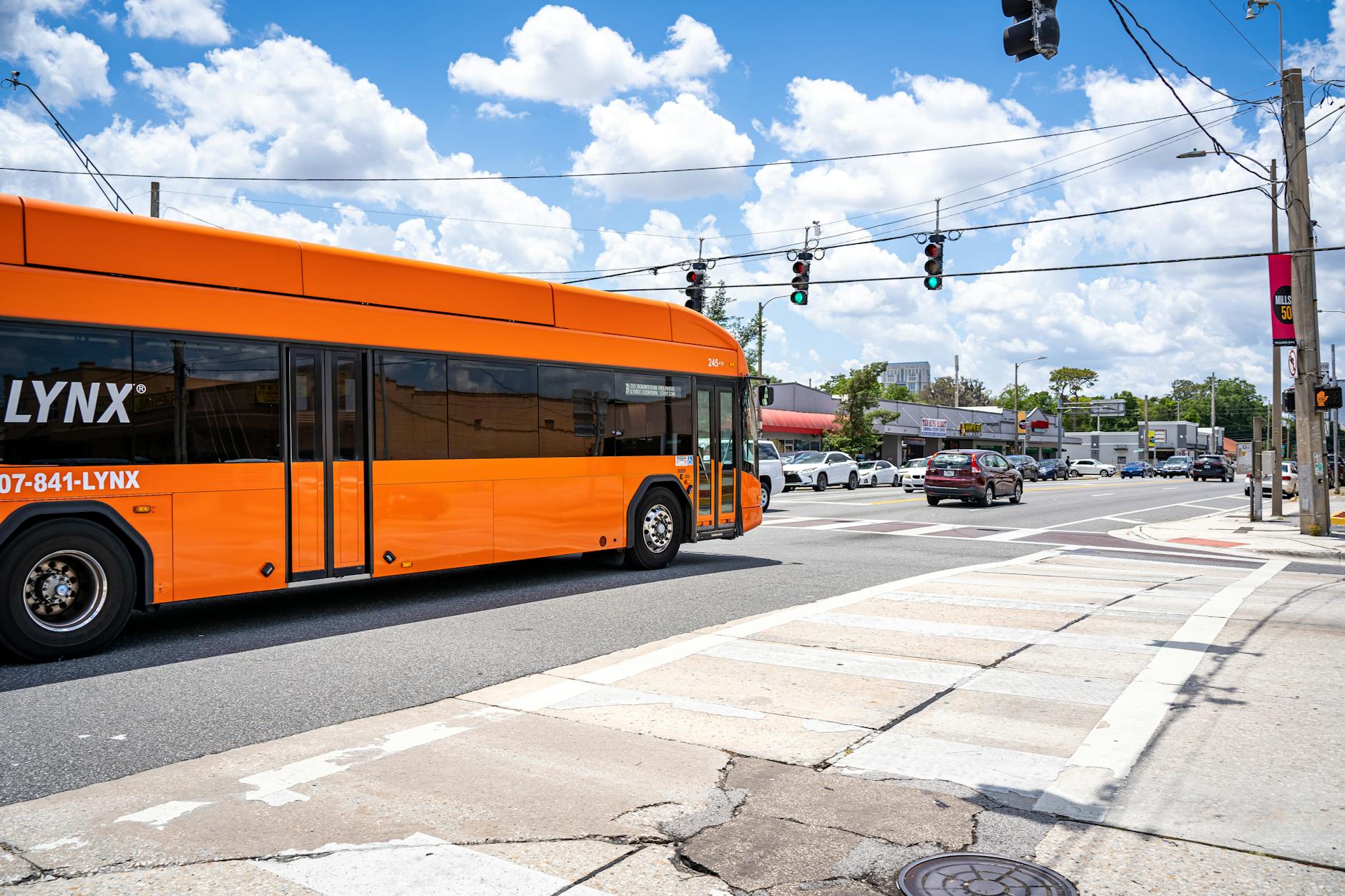
- Use the free downtown LYMMO circulator and frequent Lynx bus routes for short trips.
- For park-heavy days, a rental car can be cheaper for families; remember tolls and parking fees.
- Consider shuttle options from Kissimmee hotels to parks; check hotel pages for included shuttles.
- Food and dining:
- Save by mixing grocery meals (Publix or local markets like East End Market) with one or two local restaurants.
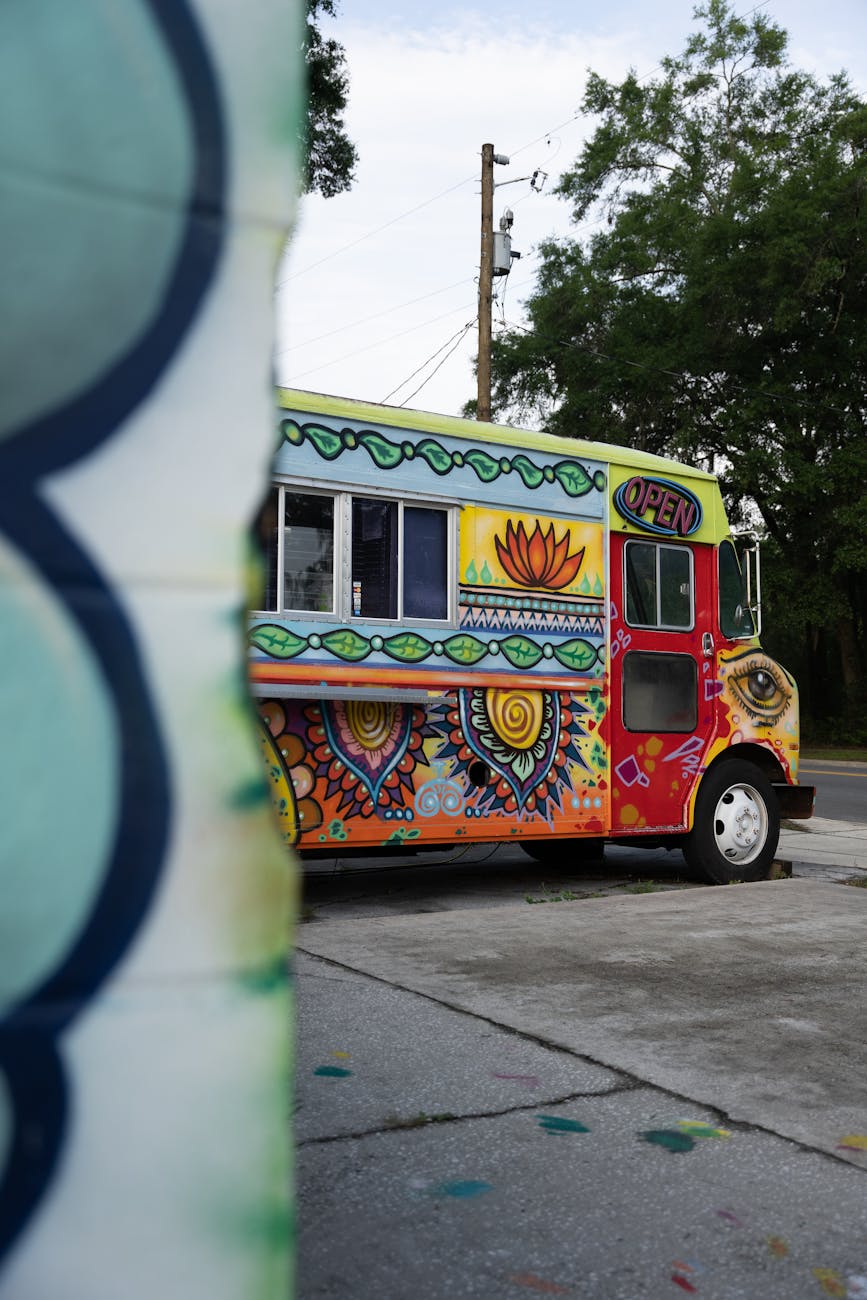
- Local neighborhoods with good value: Mills 50 (Asian and Latin street food), Ivanhoe Village (casual eateries), Winter Park (cafés and bakeries along Park Avenue).
- Free and cheap activities:
- Lake Eola Park, Disney Springs, Universal CityWalk (free entry), neighborhood self-guided walks, and outdoor festivals.
- Small-entry sites: Leu Gardens, Orlando Science Center (weekday discounts).
- Booking tactics:
- Buy theme-park tickets in advance and compare single-day vs. multi-day pricing.
- Travel mid-week and in shoulder months (late April–May, September–early November) for lower rates and smaller crowds.
Local Context
Season and crowds:
- Peak: Mid-December through early January, spring break (March–April), and June–August. Expect higher hotel rates and sold-out park dates.
- Shoulder seasons: Late April–May and September–early November are best for lower prices and manageable crowds.
Transport realities:
- Orlando is car-friendly; many visitors rent a car. Parking at parks and some hotels adds cost.
- Public transit is limited for theme-park travel. Lynx buses and the LYMMO downtown circulator work well inside the city, and SunRail commuter rail serves weekday regional connections.
Neighborhood notes:
- International Drive: Tourist services, many mid-range hotels, and easy dining but can feel inauthentic.
- Downtown/Thornton Park/Ivanhoe Village: Better for local restaurants, walkability, and parks like Lake Eola.
- Winter Park: Upscale shops and cafés—good for a low-cost morning or afternoon away from the parks.
Nearby cities:
- Kissimmee: cheaper lodging and shuttle options to parks.
- Lakeland: quieter stop between Orlando and Tampa for a budget-friendly detour.
- Daytona Beach, Tampa, Clearwater: coastal day trips; factor in driving time and tolls when budgeting.
How to Choose Well
Decide based on who you’re traveling with and what you value:
- Families with kids:
- Prioritize proximity to parks to cut transit time. Budget for at least one paid splurge (park day) and mix in free park-adjacent activities.
- Couples or solo travelers on a budget:
- Stay downtown or in Winter Park for walkable dining, cheaper grocery breakfasts, and fewer park days.
- Book smart:
- Compare bundled park tickets and look for official park promotions. Avoid third-party deals with unclear refund policies.
- Reserve airport transfers or rental cars ahead, and check cancellation terms.
- Transport and etiquette:
- Tip 15–20% at sit-down restaurants; gratuity is standard. Use reusable water bottles and sunscreen; Orlando gets hot and humid quickly.
- If driving, keep an EZ-Pass or check toll payment options; some roads use cashless tolling.
Responsible and Local-First Tips
Stretch your budget while supporting local communities:
- Eat local-first: Choose independent cafés and markets (East End Market, Winter Park cafés) over out-of-town chains.
- Low-impact transport: Walk neighborhoods like Downtown, Winter Park, and Ivanhoe Village. Use the LYMMO circulator for short hops.
- Off-peak travel: Visit in shoulder months to reduce crowd pressure on parks and neighborhood services.
- Sustainable spending: Buy souvenirs from local artisans (Park Avenue, East End Market) and tip service workers fairly.
- Respect private spaces: Many resorts and hotel pools are for guests only — avoid trespassing to save a quick fee.

Common Mistakes to Avoid
Avoid these frequent budgeting errors:
- Underestimating travel time and toll costs between Kissimmee, parks and downtown.
- Expecting public transit to be a full substitute for a rental car for park-heavy trips.
- Buying single-day park tickets without checking busy-day pricing or multi-day savings.
- Booking last-minute during holidays or spring break when rates spike.
- Skipping groceries: even a few self-catered meals cut dining costs substantially.
FAQ
How much should I budget per day for Orlando if I skip theme parks?
Expect $60–$150 per person per day depending on lodging choice. Budget options rely on grocery meals, public transit, and free attractions.
Is it cheaper to stay in Kissimmee and commute to the parks?
Often yes for lodging. Savings depend on whether your hotel provides a shuttle and on parking/toll costs. Factor in extra travel time.
Are there good budget meal options near the parks?
Yes — look for quick-service spots, hotel food courts, and nearby off-strip plazas. For cheaper, tastier meals, drive 10–20 minutes to neighborhoods like Mills 50 or Winter Park.
When are hotel rates lowest in Orlando?
Late April–May and September–early November generally offer lower rates. Avoid late December and spring break for the best savings.
Can I rely on public transit to visit attractions across the city?
Public transit is fine for downtown and neighborhood trips but limited for theme-park travel. For park days, budget for shuttles, rideshares, or a rental car.
How can I support local businesses sustainably while on a budget?
Visit farmers markets, buy from small vendors, choose a local café once a day, and prioritize independently owned shops for small purchases.
Conclusion
Orlando budgets hinge on how many paid park days you choose, where you sleep, and whether you drive. Use this page alongside the 3 days in Orlando itinerary to decide which days to allocate to parks and which to save for free or low-cost local experiences. Favor shoulder-season travel, neighborhood dining, and public circulators when possible to keep costs down and your trip more sustainable. For day trips or cheaper lodging, consider Kissimmee, Lakeland, or a coastal stop at Daytona Beach, Tampa, or Clearwater.
How this guide was prepared
This guide was prepared through a structured research that combines destination research, geographic context, itinerary planning logic, and content review.