

Introduction

Oslo is one of Europe’s most pleasantly manageable capitals. It combines waterfront architecture, world-class museums, forested hills, island escapes, and a strong everyday outdoor culture, all within a city that feels compact and easy to navigate. For first-time visitors, three days in Oslo is a great amount of time. You can explore the historic center, see the city’s standout museums, spend time along the fjord, and still leave room for neighborhoods, parks, and local food.
What makes Oslo especially rewarding is the variety packed into a relatively small area. In a single trip, you can walk through modern harbor districts, visit Viking and polar heritage collections, relax in sculpture parks, and take public transport to scenic viewpoints or even a swim-friendly island in the fjord. This itinerary is designed to help first-time visitors experience the city in a practical order, without feeling rushed.
Quick Planning Tips
Oslo is expensive by many travelers’ standards, so booking accommodation early usually helps. Staying central saves time and transport costs, especially on a short three-day visit.
The city is very walkable in the center, but public transport is excellent and useful for museum areas, hilltop viewpoints, and ferry connections. A transport pass can be worthwhile if you plan to use trams, metro, buses, and ferries several times each day.
Dress in layers in every season. Even in summer, mornings and evenings can feel cool, and weather near the water can change quickly. Comfortable walking shoes are essential because many of the best areas are explored on foot.
Museum closures and seasonal ferry routes can affect your plans, so it is smart to check official websites in advance, especially for Bygdøy museums and fjord island ferries.
If you enjoy saunas, harbor swimming, or nature walks, bring suitable clothing. Oslo locals make full use of the outdoors, and joining in is part of the city’s charm.
Day 1 Itinerary
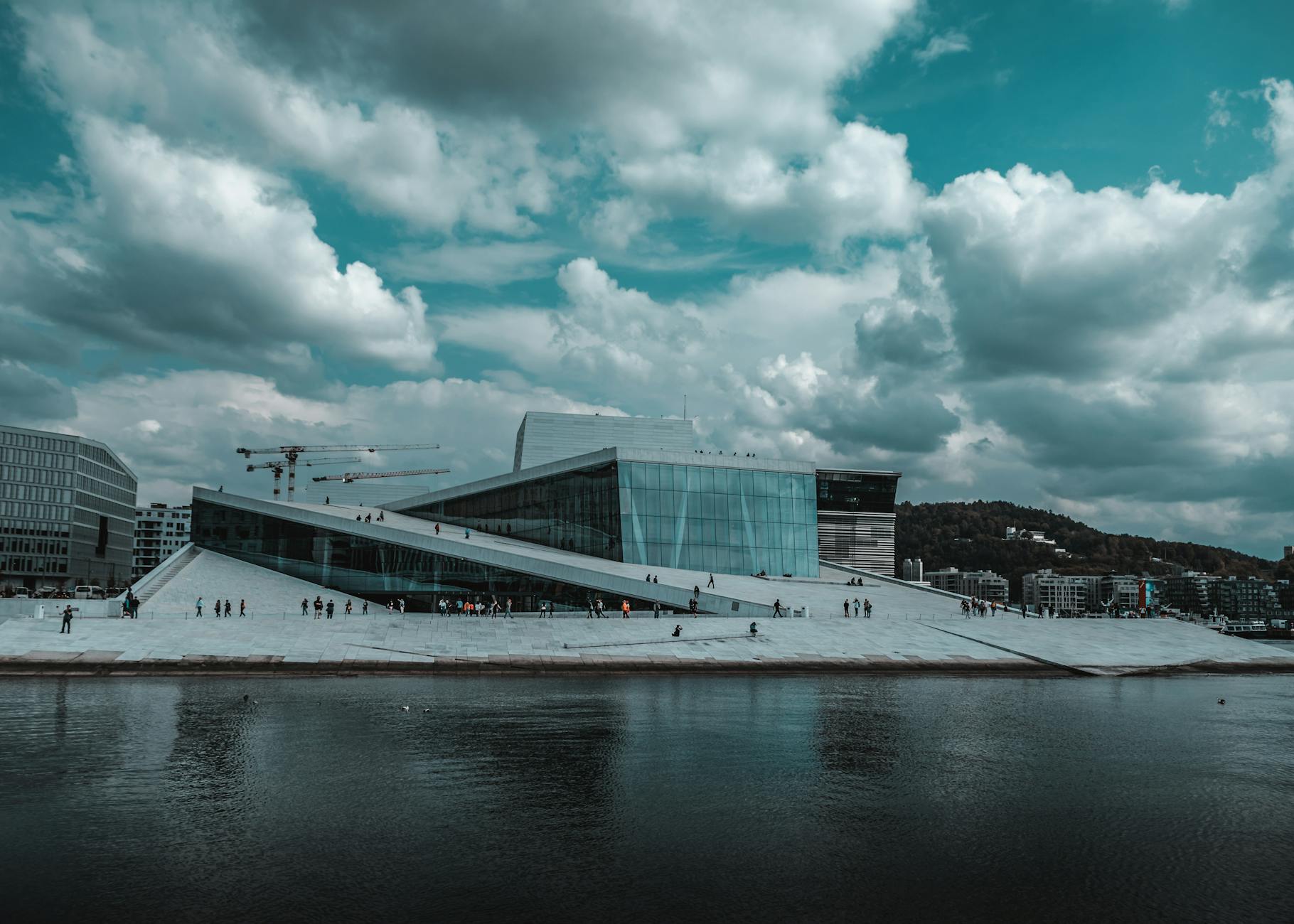
Start your first day in central Oslo so you can get oriented and see many of the city’s best-known landmarks on foot. Begin around Oslo Central Station and the nearby Opera House. The Oslo Opera House is one of the city’s defining modern buildings, and for first-time visitors it is the perfect place to start because you can walk up its sloping white roof for views over the fjord and the Barcode district. Go early if you want a quieter atmosphere and better photo conditions.
From there, explore Bjørvika, the redeveloped waterfront neighborhood known for modern architecture, public art, and waterside promenades. This area gives you an immediate feel for contemporary Oslo. Continue toward the MUNCH museum if modern art interests you. It holds the world’s largest collection connected to Edvard Munch and is one of the city’s key museums. Even if you are not planning a long museum visit, the building itself is an important waterfront landmark.
Next, walk into the historic center via Karl Johans gate, the city’s main boulevard. Along this route you can see Oslo Cathedral, the Parliament building, and eventually the Royal Palace at the top end of the avenue. This stretch is ideal for first-time visitors because it links several major sites and shows the contrast between Oslo’s older civic buildings and its newer waterfront identity.
Take time in the area around the National Theatre and City Hall. Oslo City Hall is especially worth a stop, both for its distinctive exterior and its role as the venue for the Nobel Peace Prize ceremony. The nearby harbor at Aker Brygge is a good lunch area, with plenty of restaurants and a lively waterfront atmosphere.
In the afternoon, continue to Akershus Fortress. This medieval castle and fortification is one of the most historically significant places in Oslo and offers excellent views over the harbor. Walking the grounds gives you a sense of the city’s older military and royal history, very different from the sleek architecture of Bjørvika. It is a practical stop because it sits close to both the city center and the waterfront.
After Akershus, spend late afternoon and early evening in Aker Brygge and Tjuvholmen. Aker Brygge is a busy promenade area with shops, cafés, and marina views, while Tjuvholmen feels more modern and design-focused. If you want another museum stop, the Astrup Fearnley Museum in Tjuvholmen is known for contemporary art and its striking building near the water.
End your first day with dinner by the fjord or a sunset walk along the waterfront. This is the day to enjoy Oslo’s urban side: architecture, royal and civic landmarks, and the harbor atmosphere that defines much of the modern city.
Day 2 Itinerary

Your second day should focus on Oslo’s museum peninsula and cultural history. Head to Bygdøy, a leafy area west of the center that contains several of the city’s most important museums. You can get there by bus, and in warmer months a ferry ride can make the journey part of the experience.
Start with the Fram Museum, one of Oslo’s best museums for first-time visitors. It tells the story of Norwegian polar exploration and centers on the famous polar ship Fram. The exhibits are engaging even if you are not usually a museum person, and they provide a deeper understanding of Norway’s maritime and expedition history.
Next, visit the Kon-Tiki Museum, which is close by and easy to combine with Fram. It focuses on Thor Heyerdahl’s voyages and adds another adventurous, ocean-going dimension to the day. These two museums work well together and make the morning feel coherent rather than scattered.
If maritime history is not your priority, you can adjust the pace and spend more time enjoying the Bygdøy setting itself. The area has a more residential, green, and relaxed atmosphere than central Oslo. Depending on the season, this can also be a pleasant place for a short walk by the water.
After lunch, continue with one or two additional museums based on your interests. The Norwegian Folk Museum is a standout for first-time visitors because it introduces traditional Norwegian life through historic buildings, interiors, and cultural exhibits. It is especially useful if you want to understand more of the country beyond the capital. The open-air component makes it feel different from a standard museum visit.
If you would rather spend the afternoon outdoors, go to Bygdøy’s beaches or shoreline walking paths when weather is good. This gives you a more local perspective on Oslo, where access to nature is a normal part of city life.
In the late afternoon, return to the center and head to Frogner Park and the Vigeland installation. This is one of Oslo’s most famous sights and a completely different experience from the museum-heavy morning. The park itself is large and pleasant for walking, while Gustav Vigeland’s sculptures make it one of the city’s most distinctive artistic spaces. Even visitors who know little about sculpture usually find it memorable.
If you still have energy, spend the evening in the nearby Frogner or Majorstuen area. These neighborhoods are good for dinner and offer a more residential, polished side of Oslo compared with the central station and waterfront districts. Day 2 balances Norway’s exploration heritage, cultural history, and one of the city’s most iconic park experiences.
Day 3 Itinerary

Use your third day to experience Oslo’s outdoor character and neighborhood life. Start by taking the metro to Holmenkollen, high above the city. The trip itself is worthwhile because it shows how quickly Oslo shifts from urban streets to greener hillside neighborhoods. Holmenkollen Ski Jump is one of Norway’s most famous sports landmarks and an essential stop for first-time visitors, especially if you want to understand the country’s connection to winter sports.
The viewpoint from Holmenkollen is excellent, with sweeping views over Oslo, the fjord, and surrounding forests. If you are interested in skiing history, the ski museum here adds context and makes the stop more than just a photo opportunity. This morning gives you a side of Oslo that many capitals simply do not have: a major outdoor sports setting integrated into the city.
From Holmenkollen, you have two strong options depending on the season and your interests. If you enjoy nature, take a short walk in Nordmarka’s forest-edge trails. You do not need to do a demanding hike to appreciate the landscape. Even a brief walk helps you understand why Oslo residents value quick access to woods and trails so highly.
Alternatively, return toward the center and spend more time exploring local neighborhoods. Grünerløkka is the best choice for a contrasting urban atmosphere. Once a working-class area, it is now one of Oslo’s most popular neighborhoods for cafés, independent shops, street art, and relaxed local life. Walk along Thorvald Meyers gate, browse small stores, and spend time by the Akerselva River. This part of the city feels younger and more creative than the formal center.
For lunch, Grünerløkka is one of the easiest areas to find casual food options. Afterward, continue along the Akerselva if you like urban walks. The river corridor gives the city a greener feel and links former industrial areas with parks and neighborhood spaces.
In the afternoon, head to Ekebergparken if you want one last panoramic and artistic stop. This sculpture park on a hillside southeast of the center combines woodland paths, open views over the city, and outdoor artworks. It is ideal for travelers who want a final scenic experience without leaving the city. Another good option in warm weather is to take a ferry to one of the Oslofjord islands, such as Hovedøya, for a quieter finish with swimming spots, simple walking trails, and fjord views. This is especially appealing in summer and gives your final day a very different tone from the previous two.
For your last evening, return to the center for dinner or enjoy one more waterfront walk. Day 3 is about Oslo as a livable city: sporty, outdoorsy, neighborhood-based, and closely tied to the landscape around it.
Where to Stay

Sentrum and Bjørvika suit first-time visitors who want to be close to major sights, the central station, the Opera House, Karl Johans gate, and the waterfront. This is the most convenient area for a short stay and works especially well if you are arriving by train or airport transfer and want easy transport connections.
Aker Brygge and Tjuvholmen suit travelers who prefer a stylish waterfront atmosphere with restaurants, promenades, and easy walking access to City Hall, Akershus Fortress, and central museums. This area is a good choice for couples or visitors who want a polished, scenic base with a leisure-focused feel.
Grünerløkka suits travelers who want a more local and creative atmosphere, with cafés, bars, independent shops, and a younger neighborhood vibe. It is ideal for repeat city-break travelers who still want to sightsee but would rather stay outside the most tourist-focused part of the center.
Best Experiences

Walk on the roof of the Oslo Opera House and take in the fjord views.
Visit Bygdøy’s museums, especially the Fram Museum and the Norwegian Folk Museum, to understand Norway’s exploration and cultural history.
Spend time in Frogner Park and see the Vigeland sculptures in one of Oslo’s most famous green spaces.
Ride the metro to Holmenkollen for panoramic views and a look at Norway’s ski culture.
Take a fjord ferry or island trip in warmer months to experience how closely Oslo is connected to the water.
How to Get Around
Oslo is easy to navigate for first-time visitors. Many central sights are within walking distance of one another, especially around Karl Johans gate, the waterfront, Aker Brygge, City Hall, Akershus Fortress, and the Opera House.
For longer journeys, public transport is excellent. Trams are useful for inner-city neighborhoods, the metro is best for places such as Holmenkollen, buses connect areas like Bygdøy, and ferries serve the islands and some seasonal waterfront routes. Using public transport is often faster and less stressful than relying on taxis.
If you plan to move around a lot each day, a transport pass is often practical. It can simplify your trip and make spontaneous detours easier.
Taxis are available but can be expensive. Renting a car is unnecessary for this itinerary and usually more trouble than it is worth in the city.
Cycling is possible in some areas, but for first-time visitors on a short trip, walking plus public transport is usually the simplest combination.
Typical Budget
Oslo is not a budget destination, so it helps to plan realistically. Accommodation is usually the biggest expense, especially in central areas. Booking ahead is the best way to find better value.
Budget travelers should expect to focus on hostels, simple hotels, supermarkets, bakeries, casual takeaway meals, and lots of walking. Mid-range travelers can enjoy comfortable central hotels, museum visits, public transport, and restaurant meals without going overboard. Higher-end travelers will find excellent waterfront hotels, fine dining, and more room for taxis, saunas, guided experiences, and premium museum stops.
Food and drinks can be costly, so many visitors save money by having one main restaurant meal per day and choosing simpler breakfasts and lunches. Museums and transport also add up, but careful route planning can help you combine nearby sights efficiently.
FAQ
Is 3 days enough for Oslo
Yes. Three days is enough for first-time visitors to see Oslo’s main highlights, including the waterfront, central landmarks, key museums, a major park, and either a scenic viewpoint or a fjord outing. You will not see everything, but you can get a strong feel for the city.
What is the best time to visit Oslo
Late spring through early autumn is the easiest time for first-time visitors because days are longer and the waterfront, parks, and fjord trips are especially enjoyable. Winter can also be rewarding if you want a colder, more atmospheric city break and are interested in snow sports culture.
Is Oslo walkable for tourists
Yes, especially in the center. Many important sights are close enough to combine on foot. For museum districts, outer neighborhoods, and hilltop attractions like Holmenkollen, public transport makes getting around very easy.
Should I stay in the city center or outside it
For a three-day first visit, staying in or near the center is usually best. It saves time, makes sightseeing simpler, and lets you enjoy Oslo’s waterfront and evening atmosphere without long return journeys. If you prefer a more local feel, Grünerløkka is a good alternative that still has strong transport links.