
Introduction
Prague is one of Europe’s easiest cities to fall for on a first visit. The Czech capital combines a beautifully preserved medieval core, grand Baroque churches, hilltop views, lively beer culture, and neighborhoods that still feel lived-in rather than staged. In just three days, you can cover the city’s essential sights while also leaving room for cafés, scenic walks, and a few slower moments along the Vltava River.
This itinerary is designed for first-time visitors who want a practical plan without rushing from one attraction to the next. It focuses on the historic center, Prague Castle, the river districts, and a few local favorites beyond the busiest streets. You will see the famous landmarks, but you will also get a better feel for how the city fits together.
Quick Planning Tips
Prague is very walkable, but the city is larger than it first appears. Plan on combining walking with trams and the metro, especially when heading up to the castle district or out toward quieter neighborhoods.
Stay as central as your budget allows. For a short trip, being able to walk to Old Town, the river, or a tram stop makes a big difference.
Start sightseeing early in the morning whenever possible. Major sights such as Charles Bridge, Old Town Square, and Prague Castle become much more crowded later in the day.
Wear comfortable shoes. Prague’s historic center has plenty of cobblestones, uneven lanes, and hills, especially in Malá Strana and Hradčany.
Book major attractions in advance if you want to go inside. This is especially useful for Prague Castle areas, popular museums, concerts, and river cruises in peak season.
Carry some flexibility in your schedule. Prague is a city where viewpoints, side streets, and long meal breaks often become the highlight of the day.
Try traditional Czech food, but mix in cafés and modern bistros too. The city has much more to offer than heavy tourist menus near the main square.
Day 1 Itinerary
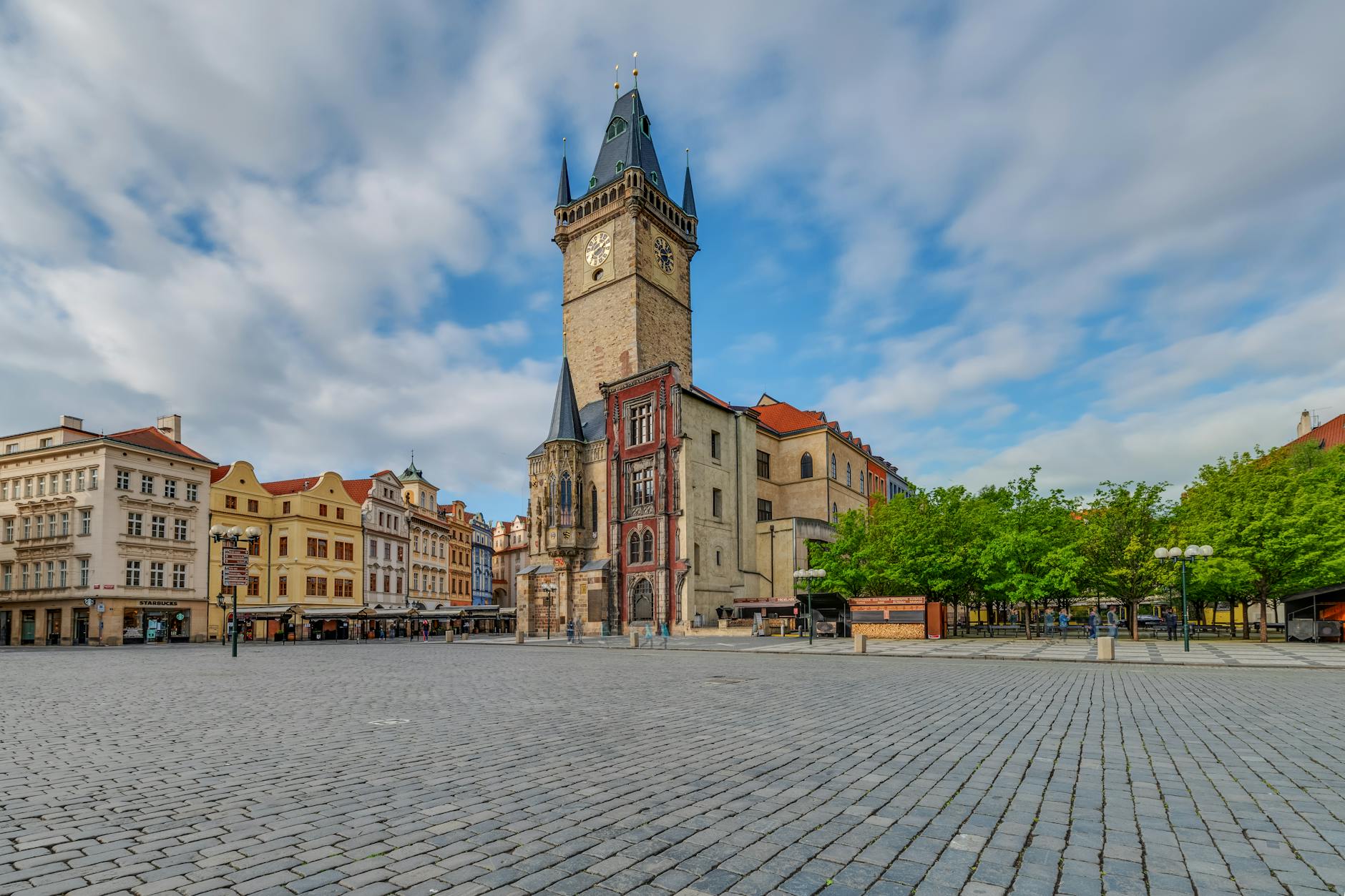
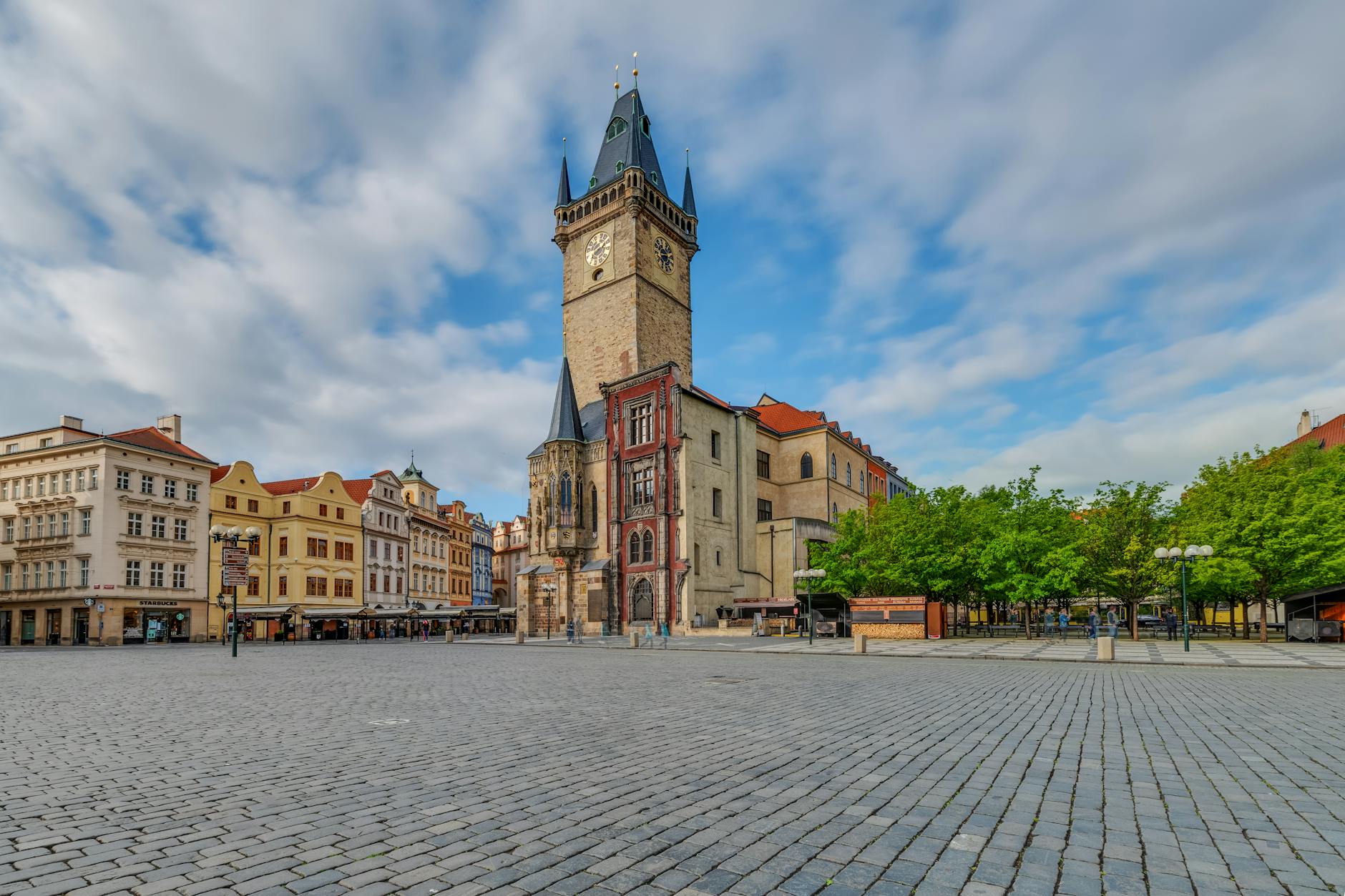
Begin your first day in Staré Město, Prague’s Old Town, where the city’s historic atmosphere is strongest. Start at Old Town Square, the symbolic heart of Prague. This is where you will find the Astronomical Clock on the Old Town Hall, the twin-spired Church of Our Lady before Týn, and St. Nicholas Church. Spend some time simply looking around before the crowds build. If you want a view over the rooftops, the Old Town Hall tower is a good early stop.
From the square, wander through the surrounding lanes toward Josefov, the old Jewish Quarter. This area is one of the most historically significant parts of Prague. For first-time visitors, the Jewish Museum sites and the Old Jewish Cemetery offer important context about the city’s Jewish history. Even if you do not visit every synagogue, it is worth walking through the district to understand this quieter, more reflective side of Prague.
Next, make your way toward the Clementinum and the streets around Klementinum and Karlova. This part of the center can be busy, but it is also one of the most atmospheric routes toward Charles Bridge. If you want a museum stop, the Museum of Decorative Arts near the river is a strong option if you enjoy design, glass, and decorative objects tied to Czech craftsmanship.
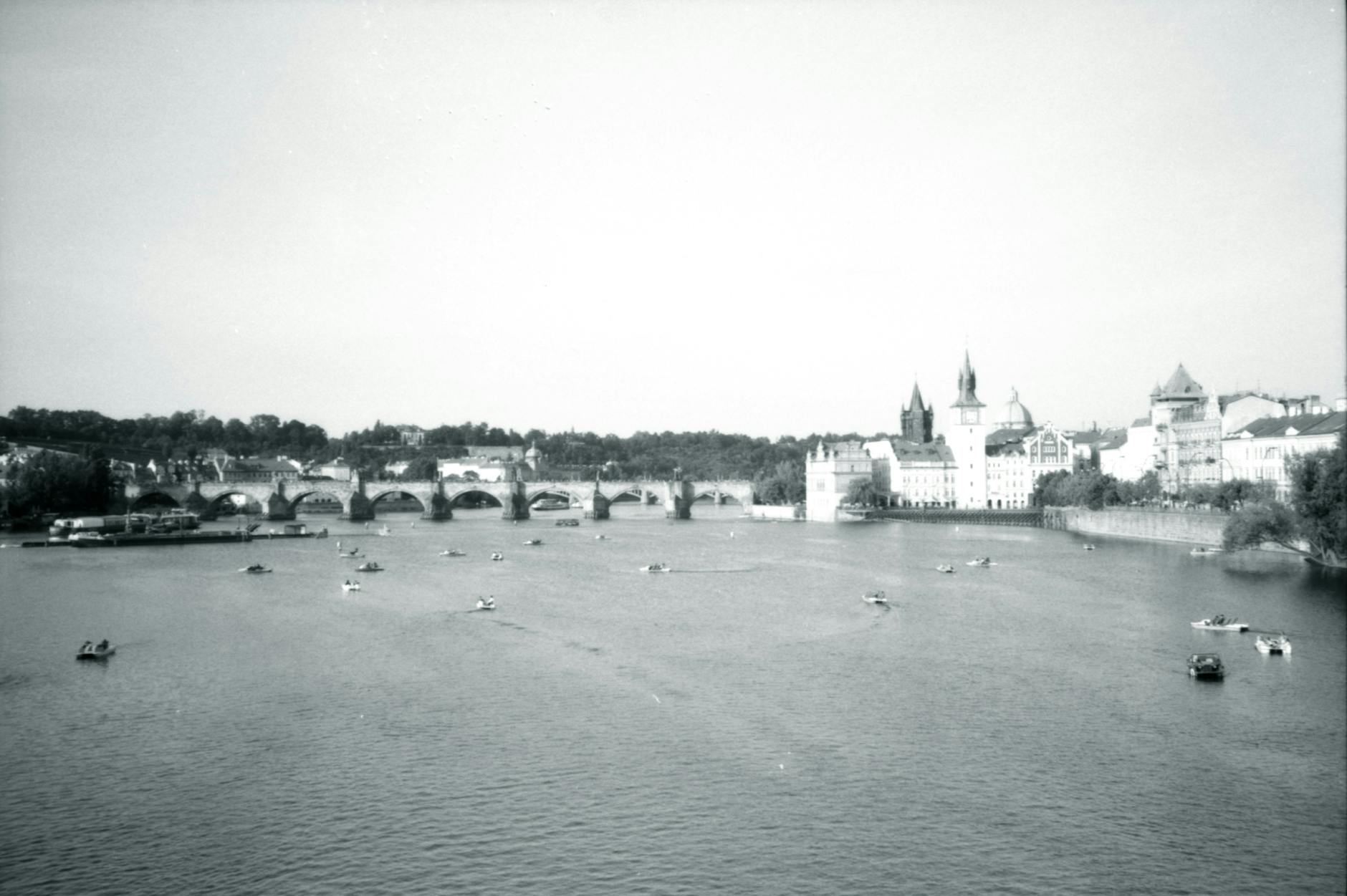
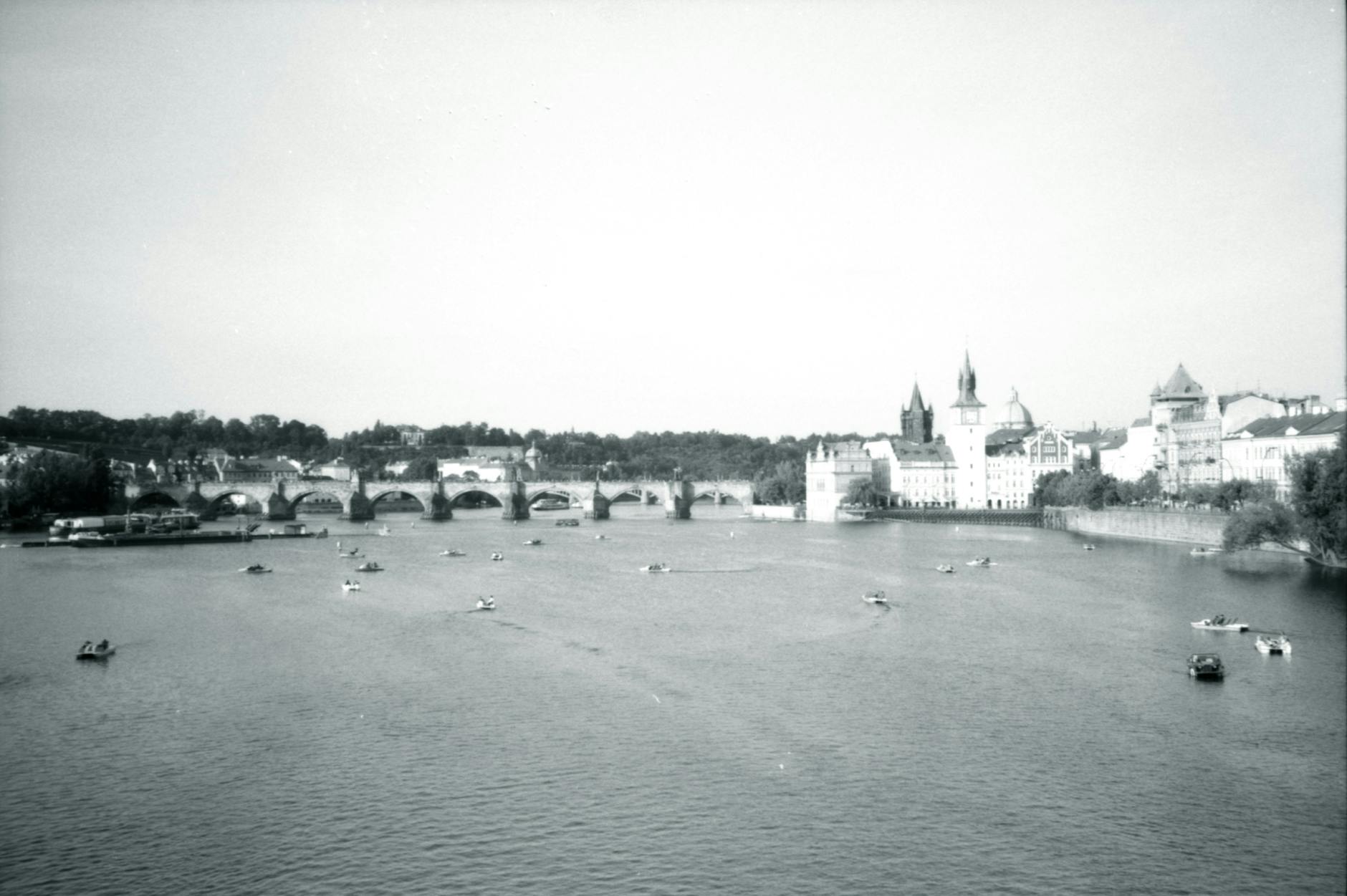
Cross Charles Bridge late in the morning or around lunchtime. The bridge is one of Prague’s great landmarks, lined with statues and framed by beautiful views of the Vltava River, Prague Castle, and the Old Town skyline. Take your time here. It is touristy, but for a first trip it is unmissable.
Once across, you are in Malá Strana, also called Lesser Town. This district feels different from Old Town, with quieter squares, palaces, embassies, and Baroque architecture. Stop in Malostranské náměstí and explore the streets around St. Nicholas Church. This is a good place for lunch, though it is worth checking a street or two away from the most obvious tourist spots for better value and atmosphere.
In the afternoon, continue into the Kampa area, a small island-like neighborhood by the river with some of Prague’s prettiest walks. Kampa Park is ideal for a break, and the riverside views back toward Charles Bridge are excellent. If you are interested in modern art, the Kampa Museum is a worthwhile stop, especially for its setting and sculpture displays.
Later, walk up to Petřín Hill if you still have energy. This green hillside offers a more relaxed side of Prague and gives you broad views over the city. You can walk through the park paths or take the funicular if operating. At the top, the Petřín Lookout Tower is a popular viewpoint, and the gardens around it are especially pleasant in spring and early summer.
End your first day with dinner in Malá Strana or back in Old Town. If you want a classic Prague atmosphere, consider an evening walk along the river after dark, when the castle and bridges are lit up. For a first day, this route gives you Prague’s most iconic historic sights without trying to do too much indoors.
Day 2 Itinerary
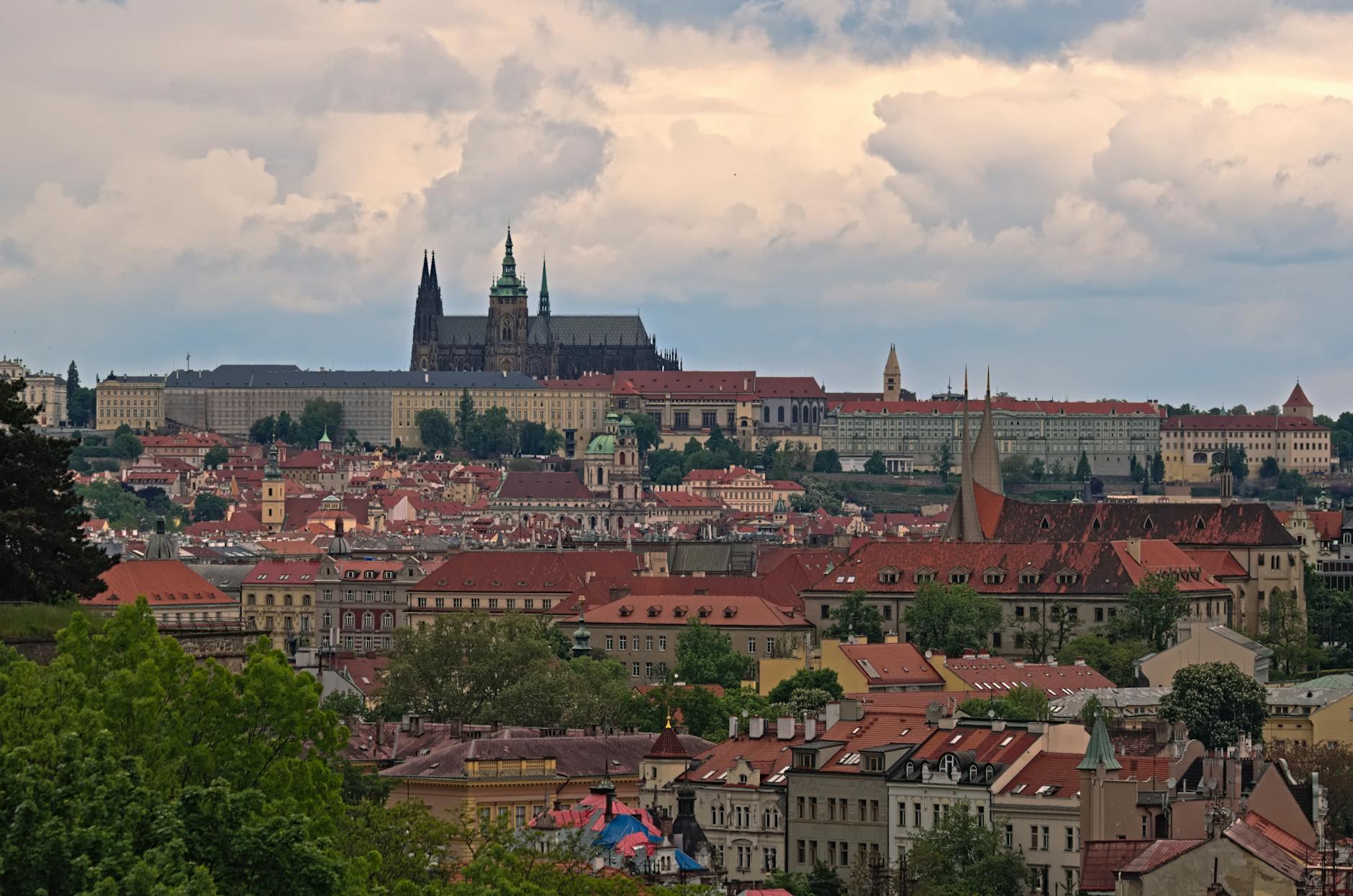
Dedicate your second day to Prague Castle and the surrounding hill districts. Start early at Hradčany, the castle neighborhood, because this is one of the busiest parts of the city. Prague Castle is not a single building but a large complex of courtyards, churches, palaces, lanes, and viewpoints, so it deserves a full morning.
Begin with St. Vitus Cathedral, the most important church in the country and one of Prague’s defining landmarks. Its Gothic exterior dominates the skyline, and the interior is just as impressive. From there, continue through the Old Royal Palace and St. George’s Basilica if these interest you, then stroll through Golden Lane, the small historic street within the castle area. The point is not only to enter the buildings, but also to appreciate the scale and layers of the complex.
After seeing the main castle sights, spend time at the viewpoints along the castle walls and terraces. These views over the red rooftops of Malá Strana and the wider city are one of the big rewards of visiting. First-time visitors often underestimate how scenic the castle district is even outside the main monuments.
For lunch, head down toward Nový Svět or the quieter streets around Loreto and Hradčanské Square. This part of Prague feels calmer and more residential than the castle entrances. Loreto, a historic pilgrimage site with a beautiful courtyard and church complex, is worth a visit if you enjoy religious architecture and less crowded interiors.
In the afternoon, walk downhill into Malá Strana again, but this time focus on places you did not cover on Day 1. Visit the Wallenstein Garden if it is open, a peaceful formal garden with statues, hedges, and peacocks near the Senate building. Then continue to the Church of St. Nicholas if you did not go inside earlier. Its interior is among the finest Baroque spaces in Prague.
From there, cross back over the river and spend the later afternoon in Nové Město, the New Town. Despite its name, this district is still historic, but it feels broader and more urban than Old Town. Walk through Národní třída and Wenceslas Square, which is less a traditional square and more a long boulevard with shops, hotels, and important political history. This is where many major events of modern Czech history unfolded, so it adds a different layer to your understanding of the city.
If you want a museum in this part of town, the National Museum at the top of Wenceslas Square is the most obvious choice for first-time visitors. It helps place Prague in the wider story of Czech history and culture. Another option is the Mucha Museum if you are especially interested in Art Nouveau, though it is smaller and more specialized.
For the evening, consider dinner and a concert. Prague is an excellent city for classical music, and attending a performance in a church, concert hall, or historic venue can be a memorable way to end the day. If that is not your style, a relaxed dinner in New Town or a riverside drink near the National Theatre works just as well.
Day 3 Itinerary

Use your third day to explore Prague beyond the most famous postcard spots. Start in Vyšehrad, the historic fortress south of the center. It is often overlooked by first-time visitors, but it offers one of the best combinations of history, parkland, and panoramic views in the city. The grounds are spacious and much less crowded than the castle area. Walk the ramparts, visit the Basilica of St. Peter and St. Paul, and stop by the Vyšehrad Cemetery, where many notable Czech figures are buried.
After a more open and peaceful morning, head back toward the riverfront. A pleasant next stop is the area around the Dancing House on the Rašínovo nábřeží embankment. The building’s modern design contrasts sharply with Prague’s historic architecture and shows another side of the city. Nearby river walks are a good place for coffee or a break, especially if the weather is nice.
Continue into the Vinohrady district for lunch. This neighborhood is one of the best choices for visitors who want to see how locals live beyond the busiest center. Vinohrady is known for handsome apartment buildings, leafy streets, cafés, restaurants, and a more residential atmosphere. Spend some time around Náměstí Míru and the Church of St. Ludmila, then walk through Riegrovy Sady if you want a park stop with long city views. This is a good reset after two days of major landmarks.
In the afternoon, choose a museum or neighborhood based on your interests. If you enjoy art, the National Gallery sites are worth considering, especially the Trade Fair Palace for modern and contemporary works. If you prefer a more alternative side of Prague, head to Holešovice, a district that has changed rapidly and now mixes former industrial spaces with galleries, design spots, and trendy cafés. Letná, just nearby, is another strong option. Letná Park is one of Prague’s best green spaces, with broad views over the river and bridges, and it gives you a sense of the city outside the medieval core.
If you would rather stay closer to the center, spend your final afternoon shopping for local products, browsing bookshops, or revisiting a favorite area at a slower pace. Prague rewards this kind of unplanned wandering, especially in the streets between Old Town, New Town, and the river.
For your final evening, choose one memorable closing experience. A river cruise can be enjoyable if you want to rest your feet and see the skyline from the water. A final sunset viewpoint from Letná, Petřín, or the castle side is another excellent option. If you prefer food and atmosphere, have your last dinner in Vinohrady or Holešovice rather than the busiest tourist center. It is a nice way to end the trip with a broader impression of Prague.
Where to Stay
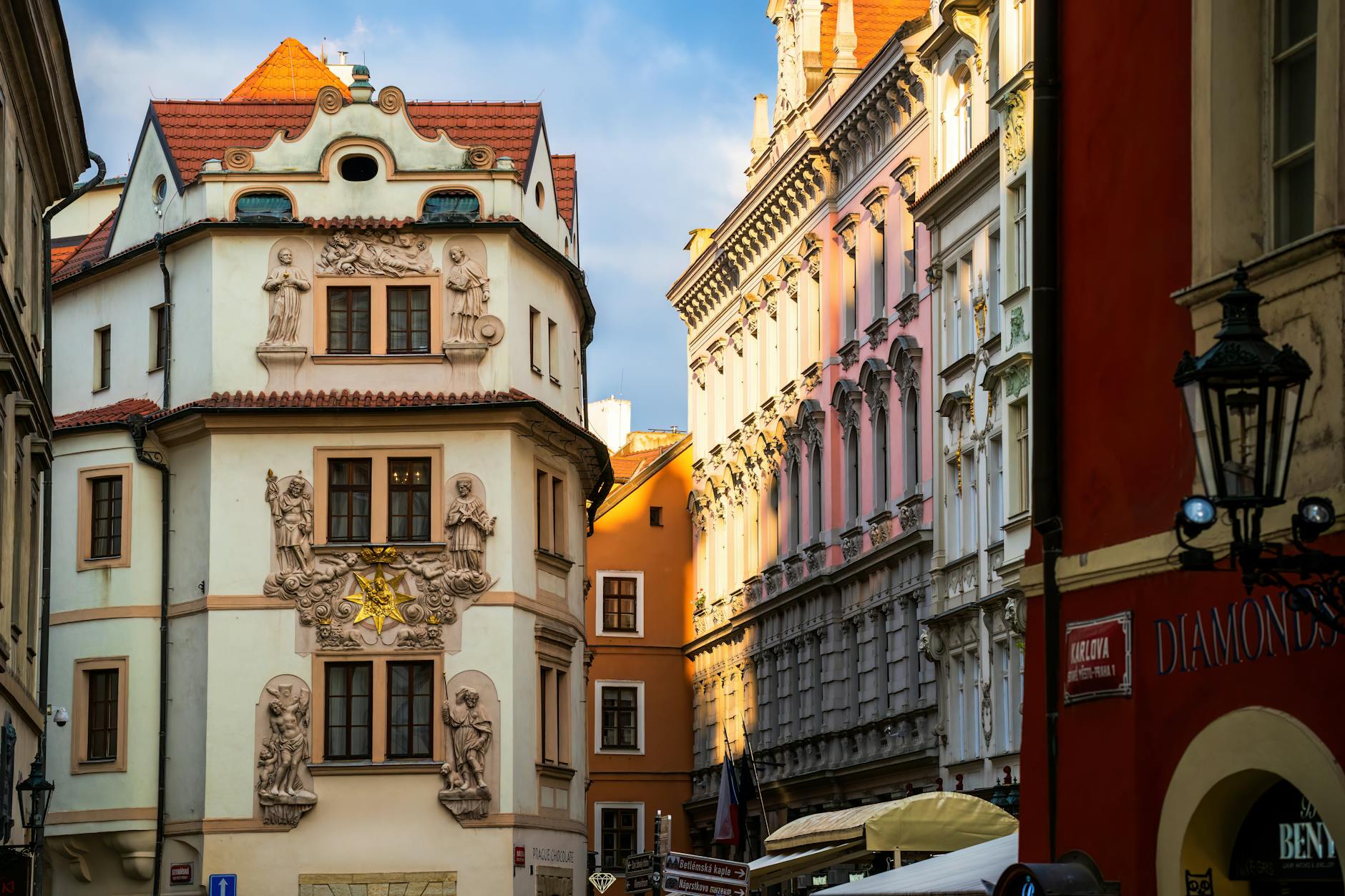
Old Town suits travelers who want to be in the middle of the main sights. If this is your first visit and you have a short stay, being able to walk to Old Town Square, Charles Bridge, and many historic streets is very convenient. The trade-off is that it can be crowded, busier at night, and often more expensive.
Malá Strana suits visitors who want a romantic, quieter, and more atmospheric base. The streets are beautiful, the castle is close, and evening walks here are especially memorable once day-trippers leave. It is ideal for couples and travelers who prefer charm over nightlife, though the hilly streets can mean a bit more walking.
Vinohrady suits visitors who want a more local feel with excellent cafés, restaurants, and good transport connections. It is a strong choice for travelers who have already seen some major sights in other cities and want a neighborhood with personality rather than constant crowds. You will be slightly farther from the main monuments, but the atmosphere is more relaxed.
Best Experiences
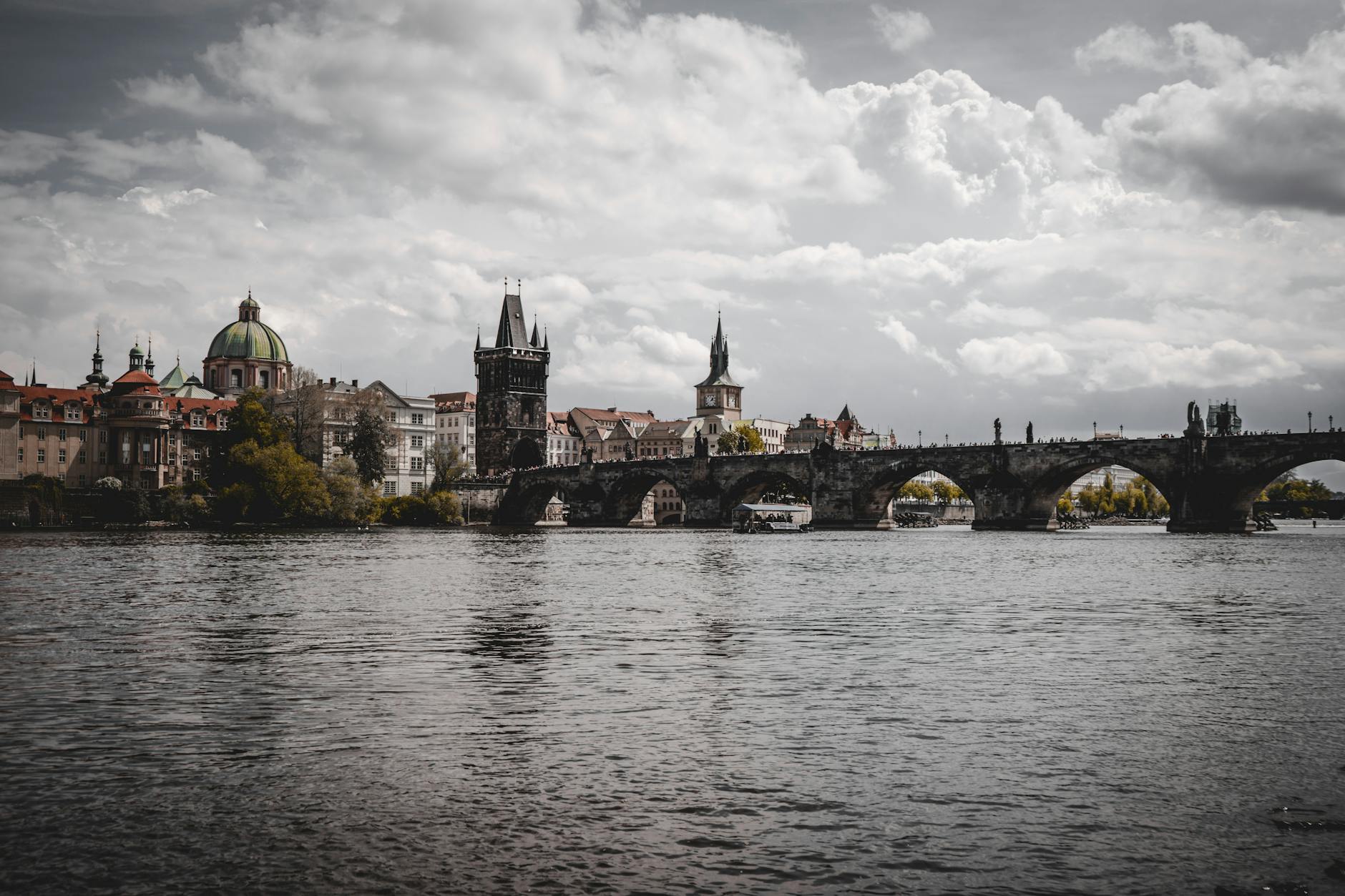
Walk across Charles Bridge early in the morning, when the light is soft and the crowds are still thin.
Explore Prague Castle properly rather than treating it as just a viewpoint. The cathedral, courtyards, and surrounding streets are a core part of the city’s identity.
Watch the skyline from a hilltop park such as Petřín, Letná, or Vyšehrad. Prague is a city of rooftops, towers, and river bends, and the views bring it all together.
Enjoy a classical music performance in a historic setting. Prague’s musical tradition remains one of its most distinctive cultural experiences.
Spend an evening by the Vltava River, whether that means a riverside drink, a cruise, or simply a walk with the illuminated castle in view.
How to Get Around
Prague is easy to navigate for first-time visitors. The historic center is best explored on foot, especially Old Town, the Jewish Quarter, Charles Bridge, Malá Strana, and parts of New Town. Many of the city’s highlights are close enough to combine in one walk, though cobblestones can make distances feel longer.
For longer journeys, use public transport. Prague’s tram system is especially useful and scenic, while the metro is efficient for covering greater distances quickly. Trams are often the best choice for reaching areas such as the castle side, Letná, Holešovice, and Vinohrady. The network is well integrated, so you can switch between tram, metro, and buses with little difficulty.
Taxis and ride-hailing services can be helpful early in the morning, late at night, or when carrying luggage, but they are usually not necessary for day-to-day sightseeing.
If you are flying in, plan your route from the airport before arrival. Depending on your budget and where you stay, the most practical option may be a combination of bus and metro, an airport transfer, or a taxi.
Typical Budget
Prague can be more affordable than many major Western European capitals, but prices in the center have risen and the busiest tourist areas are no longer especially cheap. Your budget will depend a lot on where you stay, how often you dine near the main squares, and whether you visit several paid attractions.
Budget travelers can keep costs reasonable by staying in simpler accommodation outside the most central streets, using public transport, eating lunch menus or casual Czech meals away from the main tourist areas, and choosing only a few paid attractions.
Mid-range travelers can expect a comfortable city break with a centrally located hotel or apartment, a mix of sit-down meals and cafés, public transport with occasional taxis, and entry to major attractions such as Prague Castle interiors, museums, and perhaps a concert or river cruise.
Higher-budget travelers will find plenty of upscale hotels in historic buildings, fine dining, private tours, and premium cultural experiences. Prague can feel very elegant at this level, especially in Malá Strana and around the river.
A good strategy for first-time visitors is to spend a bit more on accommodation location and less on unnecessary transport. Being central saves time and makes it easier to enjoy the city early and late in the day.
FAQ
Is 3 days enough for Prague
Yes, three days is a very good amount of time for a first trip. You can cover the main landmarks, enjoy Prague Castle, explore the river districts, and still see at least one neighborhood beyond the historic core. You will not see everything, but you will leave with a strong feel for the city.
What is the best area to stay in for first-time visitors
Old Town is the most convenient if you want to walk to the main sights. Malá Strana is better if you prefer a quieter and more romantic atmosphere. Vinohrady is a strong option if you want a more local neighborhood with good food and transport links.
Is Prague easy to visit without a car
Yes, absolutely. A car is unnecessary and can be inconvenient in the center. Walking, trams, and the metro are the best ways to get around, and most first-time visitors find public transport straightforward.
When is the best time to visit Prague
Spring and early autumn are especially good because the weather is usually pleasant and the city is lively without the peak summer intensity. December is also popular for festive atmosphere and Christmas markets. Summer has long days and plenty of activity, but it is also the busiest season.