

Responsible travel in Belek, Turkey
Practical, local-first guidance for low-impact travel in Belek: transport, markets, where to spend, and seasonal choices. Solid tips for a 3-day stay.
How to travel in Belek with lower impact: use dolmuş and HAVAŞ shuttles, buy from Serik/Belek markets and Antalya cooperatives, avoid peak golf-resort crowds, and choose seasonal activities.
Quick Answer
Use local minibuses (dolmuş) and HAVAŞ shuttles for the lowest-impact transport — expect a Belek–Antalya dolmuş fare around 40–60 TRY and an Antalya Airport HAVAŞ shuttle about 120–220 TRY one way. Prioritise purchases at Belek/Kadriye pazar markets and Antalya-region women's cooperatives for food and crafts instead of resort shops.
Who This Page Is For
Useful for independent travellers, slow travellers, and people staying in small guesthouses or renting apartments in Belek who want to reduce footprint and support local suppliers. Not aimed at visitors who plan to stay exclusively inside all-inclusive resort complexes.
Key Takeaways for Belek
- Take the HAVAŞ airport shuttle from Antalya Airport to Belek—typical one-way ticket approx. 120–220 TRY; book at the HAVAŞ desk or havaş.com
- Use local dolmuş minibuses for regional trips: Belek–Side or Belek–Antalya runs every 20–40 minutes; expect 40–60 TRY per ride and pay cash to the driver
- Shop fruit, olives and honey at the Serik/Belek pazar (town market) to support local farmers; fresh produce prices often 50–150 TRY per kilo range depending on season
- Avoid peak golf-resort excursions on weekends (Fridays–Sundays in high season); swap midday golf spectating for mornings at Belek Beach or a guided Aspendos visit
How This Page Was Prepared
This page was prepared through a structured editorial workflow that combines destination research, geographic context, and practical travel-planning review.
Plan the Rest of Your Trip
Use this page together with the full itinerary and the related planning pages below to make better booking, timing, transport, and budget decisions.
Shared transport and town markets are the single most effective responsible-travel choices in Belek. Use HAVAŞ airport shuttles or shared dolmuş minibuses for transfers and local trips: a Belek–Antalya dolmuş typically costs about 40–60 TRY, and the HAVAŞ shuttle from Antalya Airport to Belek runs for roughly 120–220 TRY depending on luggage and booking method.
Prefer buying staples at the weekly Belek/Serik pazar and from Antalya-region cooperatives for olive oil, honey and handmade textiles. When visiting attractions, aim for mornings to avoid crowds and reduce time spent in air-conditioned buses. These steps lower per-person emissions and keep more money with local growers and small businesses.
This page answers one focused question: how to travel and spend in Belek while keeping impact low and money in the local economy. Many visitors underestimate how much resort supply chains divert spending away from nearby towns. Large international hotels concentrate services and staff, so dollars spent inside resorts mostly circulate out of the Serik district.
Practical choices make a measurable difference: take shared dolmuş rides instead of private taxis, buy fresh produce at the town pazar, and hire small licensed guides or family-run boat operators rather than large tour companies. This guide gives concrete, verifiable steps — names of transport links, realistic prices in Turkish lira, and specific places in Kadriye and Belek to use instead of anonymous resort options.
Use this resource alongside the 3 days in Belek itinerary: the itinerary covers routes and timing while this page focuses on lower-impact choices, neighbourhood-level details, and seasonal behaviour that cut emissions and spread tourist income into local pockets.
What This Page Helps You Decide
Which transfer method to choose: HAVAŞ shuttle, private transfer, shared shuttle or dolmuş. Each has cost and emission trade-offs depending on luggage and group size. Which local suppliers to use for food and crafts: town pazar stands and Antalya-region cooperatives versus hotel supply chains. Which excursions to book: family-run boat trips, licensed small guides for Aspendos, or large operator packages that keep profits with national-level firms.
How to schedule visits to reduce crowds and energy use: mornings for Aspendos and beaches, late afternoons for markets. Whether to rent a bike or use public minibus routes for short hops between Kadriye, Belek Beach and the town centre. Links to the 3 days in Belek itinerary are useful if the decision is about where to place slow, local activities across three days.

Top Recommendations
Transport: Book HAVAŞ shuttles from Antalya Airport to Belek for luggage-friendly, lower-traffic transfers; tickets are commonly 120–220 TRY one way and can be bought at the HAVAŞ desk at the airport or at havas.net. For inter-town travel, use dolmuş minibuses. Popular routes: Belek–Side and Belek–Antalya run roughly every 20–40 minutes; expect fares of about 40–60 TRY and pay cash on board.
Markets and purchasing: Visit the Belek/Serik pazar for fruit, olives, regional honey, and cheese. These town markets sell local produce at roughly 50–150 TRY per kilo depending on season and item. Ask for receipts and prefer sellers with local address (Serik) instead of souvenir stalls inside resorts.
Local businesses and cooperatives: Seek products from Antalya-region women's cooperatives (Antalya Kadın Kooperatifleri stalls often appear at larger markets and craft fairs) and small family bakeries in Kadriye for gözleme and pide. Choose small cafes on Cumhuriyet Caddesi in Kadriye rather than hotel buffet alternatives for meals costing 120–250 TRY per person.
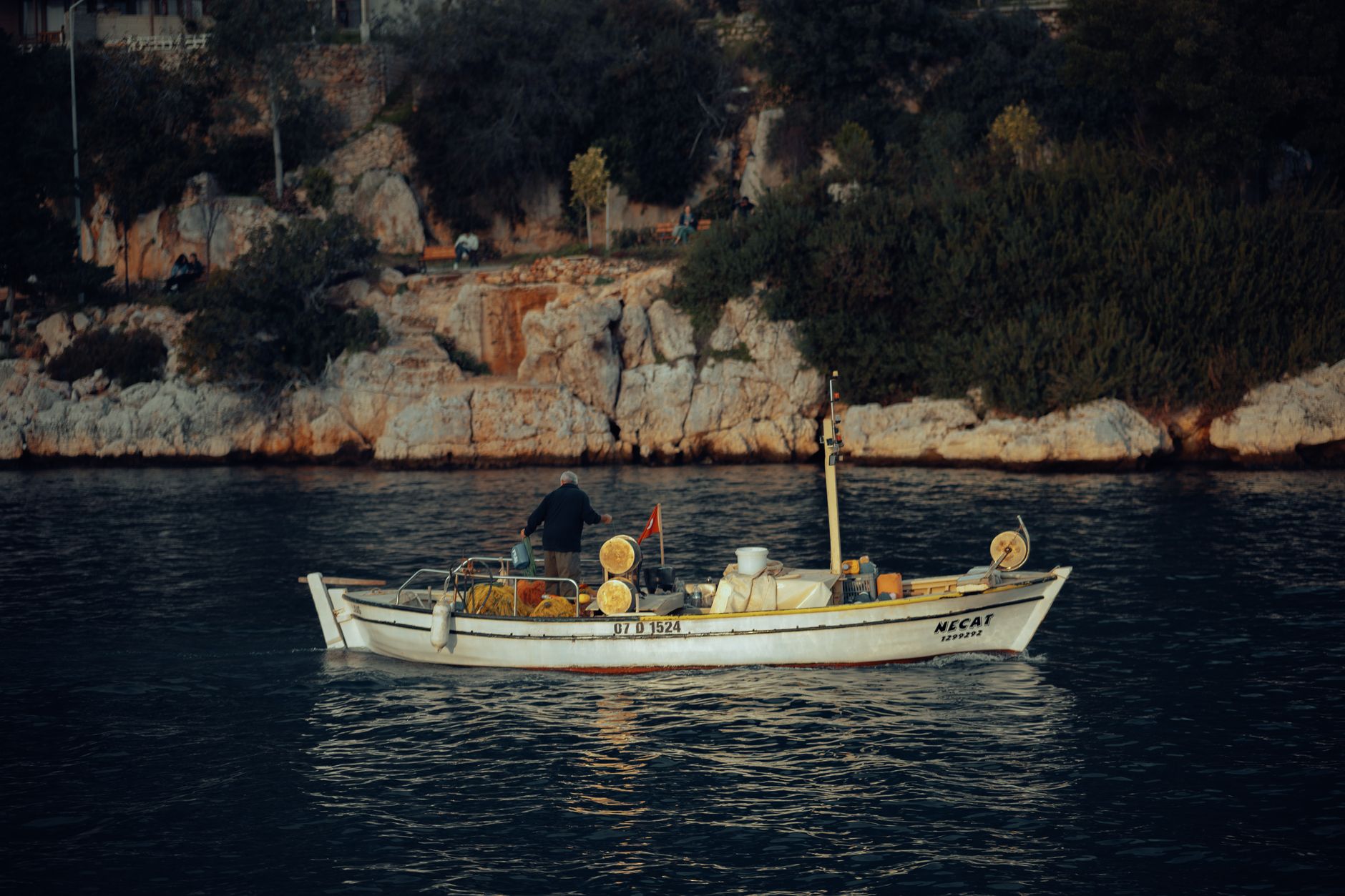
Low-impact excursions: Skip large coach tours to Land of Legends on peak days and instead book a morning visit to Aspendos Theatre with a licensed local guide based in Serik (half-day licensed guide rates often 600–1,200 TRY depending on group size). For coastal activity, prefer family-run fishing or small-boat operators from Belek coastline who charge less and use smaller engines; ask hotels for names of licensed local crews rather than large tour desks.
Seasonal and behavioural choices: Visit between April–June or September–October to avoid July–August resort pressure. During high heat months, schedule outdoor sites (Aspendos, beaches) for early morning and evenings to reduce air-conditioned travel. Carry a reusable water bottle and buy 1.5L bottled water at local supermarkets (roughly 25–35 TRY) rather than single 0.5L bottles repeatedly.
Local Context
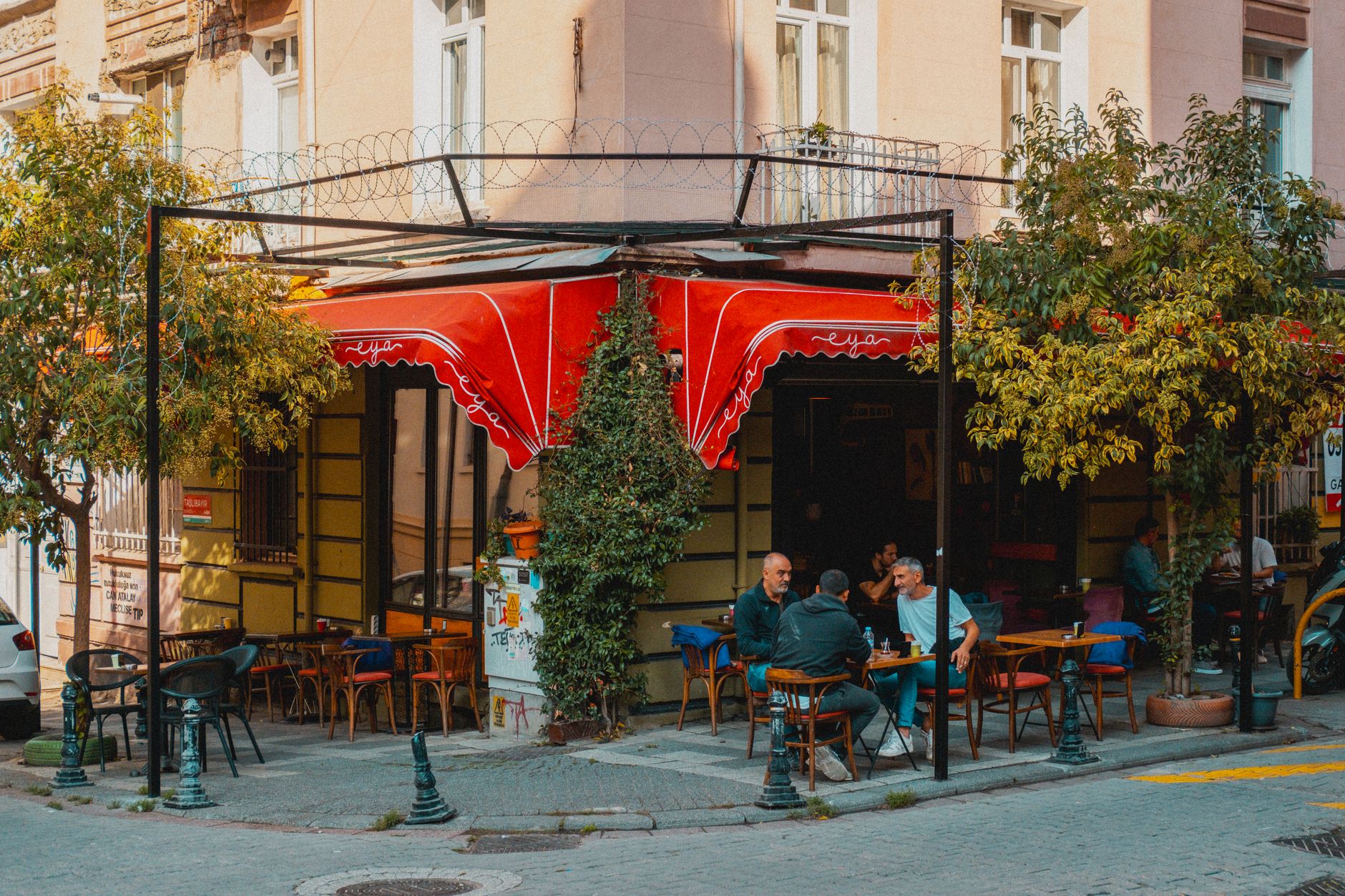
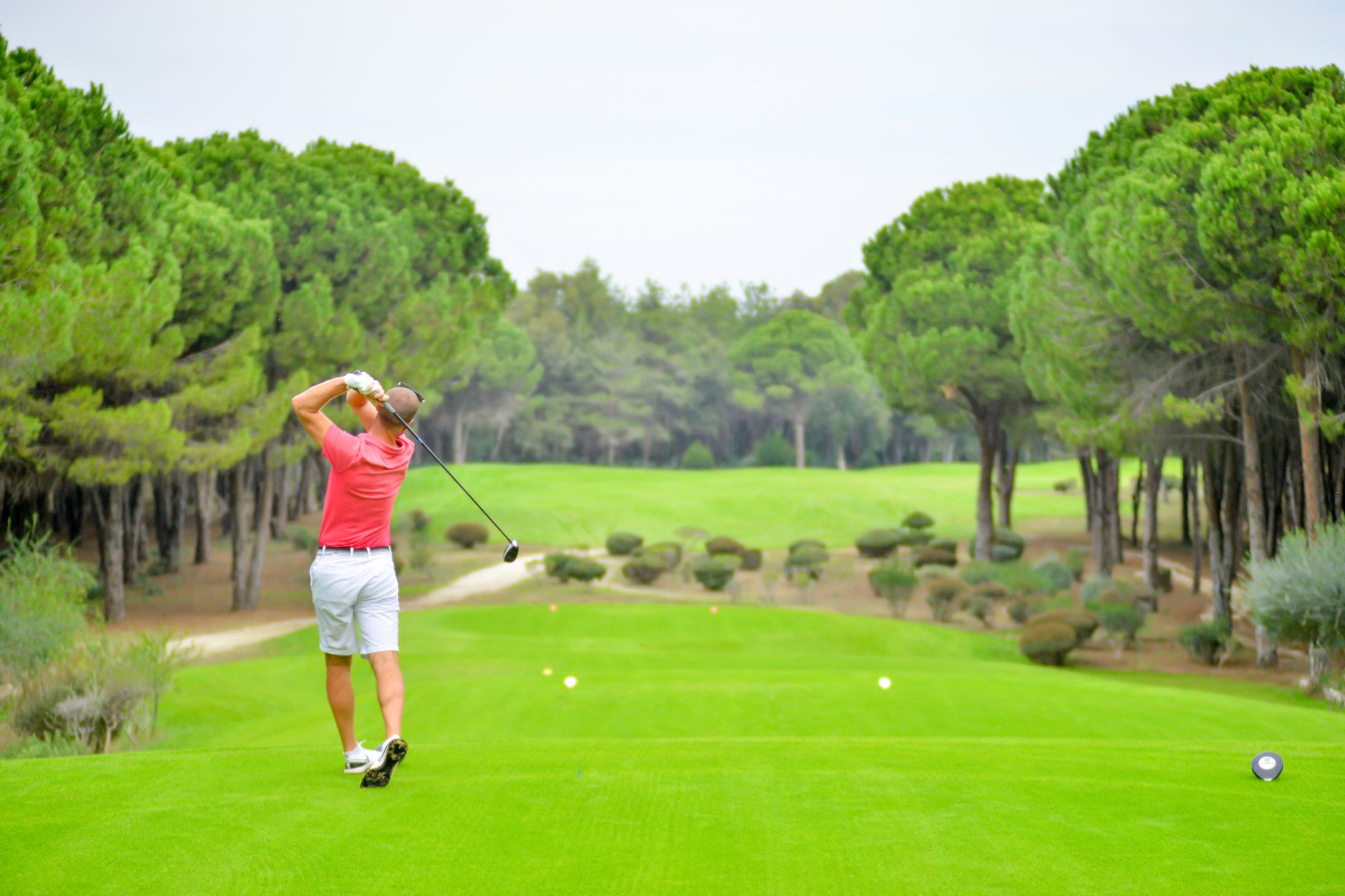
Belek sits inside Serik district and functions largely as a resort strip with nearby Kadriye as the closest town of everyday commerce. Many residents work in hotels along Belek Beach and in golf clubs like Carya and Gloria; salaries mean local vendors and family businesses depend on seasonal tourist flows.
Antalya Airport is the main international gateway; HAVAŞ shuttles and private transfers connect directly to Belek. Antalya city public transport uses AntalyaKart, but most Belek minibus drivers prefer cash and don't accept that card — carry small-denomination Turkish lira. Local minibuses (dolmuş) are informal but regulated; drivers know the route and drop-offs at Kadriye, Belek centre and the beach area.
Seasonality affects prices and service availability. April–June and September–October offer cooler weather and local markets are better stocked with fresh produce. July–August sees daily influxes of resort guests and higher prices in hotel restaurants. Weekends in summer concentrate activity around golf clubs and large attractions, increasing both noise and traffic.
How to Choose Well
Decide transfers by group size: solo travellers or couples with light luggage should prefer HAVAŞ or dolmuş; larger groups can justify a private transfer if splitting cost. Compare 120–220 TRY HAVAŞ with private transfer quotes before booking.
Choose shopping venues by intended use: buy produce and staples at the Belek/Serik pazar for home cooking; budget 50–150 TRY per kilo for seasonal fruit/vegetables. For souvenirs and textiles, look for stalls or cooperatives listing Antalya-region production rather than mass-produced goods in resort boutiques.
Pick excursions by time and impact: choose a licensed local guide for Aspendos for accurate context and lower group sizes (prices often 600–1,200 TRY per half day) rather than a large coach sightseeing package. For coastal experiences, prefer small-crew operators who run shorter trips and launch from quieter coves instead of full-day theme park bus excursions.
Responsible and Local-First Tips
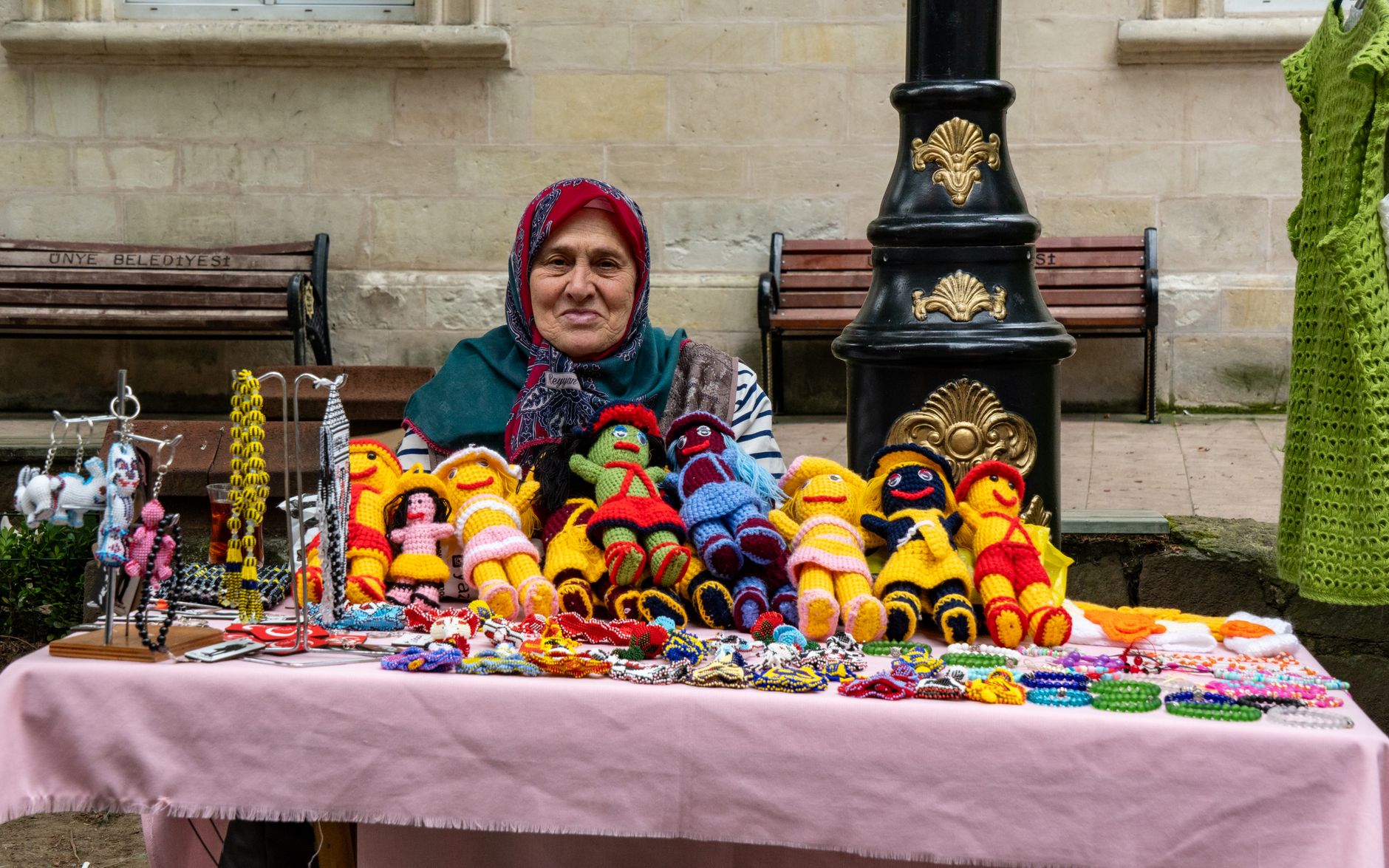
Spend at markets and cooperatives: look for Antalya Kadın Kooperatifleri or Serik municipal stalls in the Belek/Kadriye market and buy jars of local honey, olive oil or preserves. These purchases keep margins with small producers.
Use public and shared transport: choose dolmuş minibuses for routes to Side, Kadriye and Antalya and HAVAŞ for airport links. Shared rides reduce emissions per passenger and decrease local traffic congestion compared with many private taxis.
Support local guides and shops: book licensed Serik-based guides for archaeological sites such as Aspendos and Perge. Ask hotel concierges for names of family-run boat operators or request that transfers and excursions are organised through locally registered businesses rather than international middlemen.
Common Mistakes to Avoid
Relying exclusively on hotel taxis and all-inclusive packages. This keeps most spending within the resort chain. Instead, use dolmuş for short trips and buy at town markets to send income to local vendors.
Assuming AntalyaKart works everywhere. Most Belek and Kadriye minibuses prefer cash — carry small notes (20s and 50s) and coins for change. Ask the driver before boarding if unsure.
Visiting popular sites in the midday heat on weekends. Aspendos and beaches are busiest and hottest then; schedule morning visits to reduce time in air-conditioned coaches and avoid peak crowds.
FAQ
How much does a dolmuş from Belek to Antalya cost?
Expect around 40–60 TRY one way for a dolmuş Belek–Antalya; prices vary with fuel costs and can change seasonally.
Is there a direct bus from Antalya Airport to Belek?
HAVAŞ operates shuttle buses between Antalya Airport and Belek; book online or at the HAVAŞ desk. One-way fares typically range 120–220 TRY depending on luggage and booking method.
When is the best time to visit to reduce crowd impact?
April–June and September–October offer lower tourist density, cooler temperatures, and better availability at local markets and small operators.
Where to buy locally made food products in Belek?
Buy at the Belek/Serik pazar or stalls from Antalya-region cooperatives (Antalya Kadın Kooperatifleri) at larger markets for honey, olives, olive oil and preserves.
Are there licensed local guides for Aspendos?
Yes. Book a Serik-based licensed guide for Aspendos; half-day guiding fees commonly range 600–1,200 TRY depending on group size and language.
Is cycling practical in Belek?
Short hops within Kadriye and between hotels and Belek Beach are practical by bike on quieter streets; avoid main resort arteries at peak times due to shared traffic with hotel shuttles.
How to find small boat trips instead of big operators?
Ask Kadriye cafes or the Serik tourist office for names of family-run crews; small operators often set prices lower and launch from quiet coves rather than the main Land of Legends boat lines.
Conclusion
The single most important thing to remember: prefer shared local transport and spend at town markets and cooperatives rather than concentrating spending inside resort supply chains. That simple shift — using HAVAŞ or dolmuş and buying from Serik/Belek pazar stalls — keeps more income in local hands and lowers per-person travel impact.
Use this guidance alongside the main 3 days in Belek itinerary to slot local markets, an Aspendos morning visit, and a small-boat coastal trip into the three days. These choices create a shorter, quieter footprint and a more practical distribution of tourist benefit across the Serik district.
How this guide was prepared
This guide was prepared through a structured research that combines destination research, geographic context, itinerary planning logic, and content review.