

Responsible travel in Blackpool
Practical, local-first advice for low-impact travel in Blackpool: trams, quieter alternatives to the Promenade, seasonal tips and real businesses to support.
How to reduce impact while visiting Blackpool: use the Tramway, visit Stanely Park and Marton Mere, avoid peak Promenade times, and choose local markets and cafes.
Responsible travel in Blackpool?
Use the Blackpool Tramway (an 11-mile coastal line from Starr Gate to Fleetwood Ferry) and favour walking, cycling, or a Blackpool Transport day ticket to avoid driving and parking hassles. Peak crowds arrive in July–August and during the Illuminations (late August–early November), so plan off-peak hours to lower impact and queues.
Who This Page Is For
This page is for travellers who want to reduce car use and spend with local Blackpool businesses; it is less useful for visitors who need full accessibility support or are seeking large organised resort entertainment packages.
Key Takeaways for Blackpool
- Blackpool Tramway runs roughly 11 miles from Starr Gate to Fleetwood Ferry — use trams to avoid parking and reduce emissions.
- Blackpool Illuminations run late August to early November — expect evening crowds and plan weekday visits.
- Preston to Blackpool North rail takes about 25 minutes on Northern services — use rail to avoid motorway congestion.
- Stanley Park and Marton Mere Local Nature Reserve offer lower-impact outdoor options compared with the Promenade; both are free to enter.
How This Page Was Prepared
This page was prepared through a structured editorial workflow that combines destination research, geographic context, and practical travel-planning review.
Plan the Rest of Your Trip
Use this page together with the full itinerary and the related planning pages below to make better booking, timing, transport, and budget decisions.
Use the Blackpool Tramway and local walking or cycling to cut impact; the tram runs the full 11-mile coastal route from Starr Gate to Fleetwood Ferry and stops at key points including Pleasure Beach, North Pier and Fleetwood. Buy tickets on the Blackpool Transport app or at tram stops, and avoid driving into central Blackpool during July–August and Illuminations evenings when parking is scarce and traffic heavy.
Swap at least one Promenade evening for a visit to Stanley Park or Marton Mere to reduce pressure on seafront facilities. Plan arrival by train from Preston (about 25 minutes to Blackpool North) or use local buses run by Blackpool Transport to reach neighbourhoods where independents sell food and crafts.
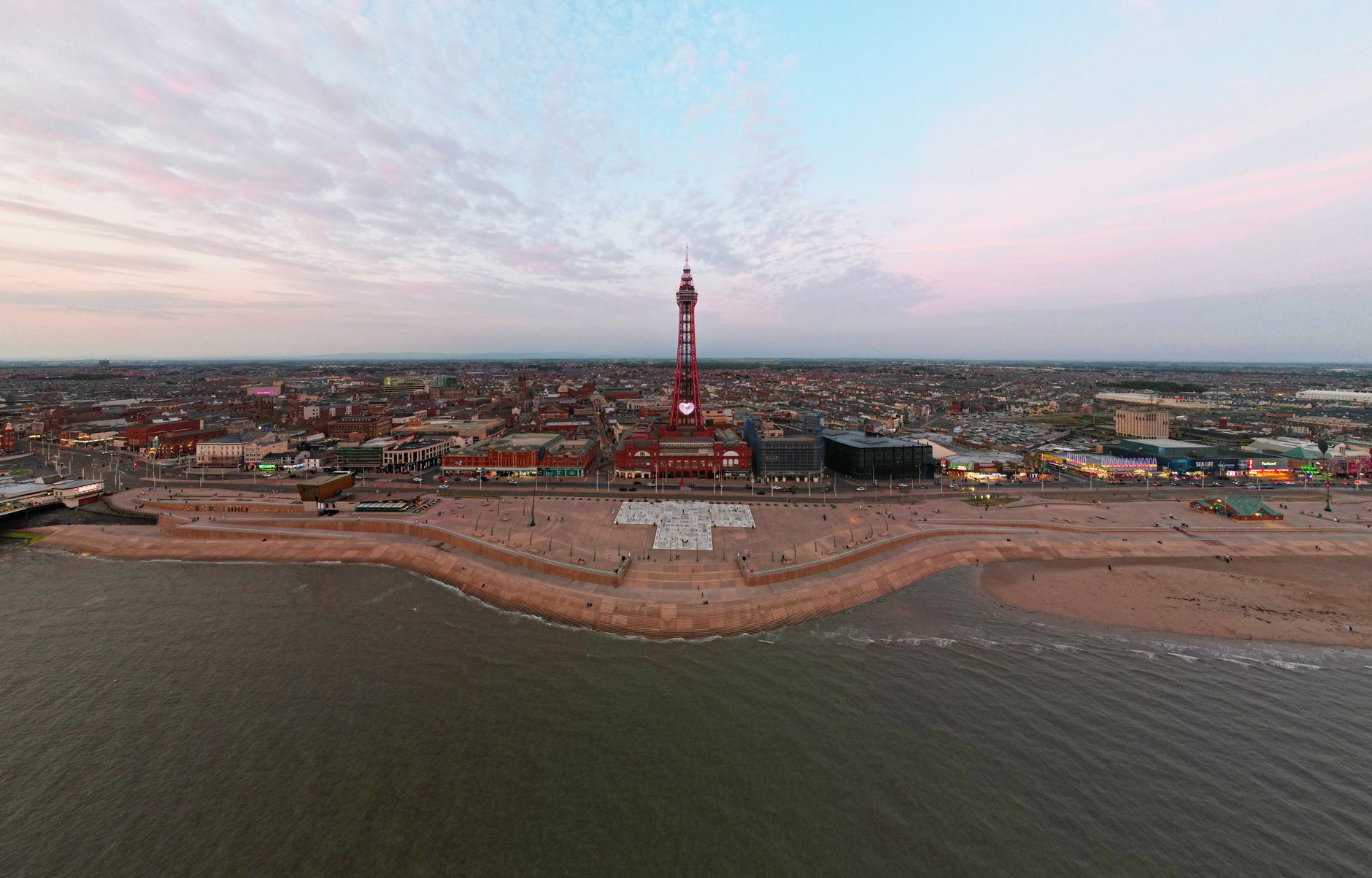
This page answers: how to visit Blackpool while cutting carbon, avoiding the worst crowds and putting money into local businesses rather than national chains. Many visitors underestimate how concentrated activity is along the Promenade and the Golden Mile; loud music arcades, Pleasure Beach and the Tower draw most day-trippers and create measurable local congestion. Cars add parking pressure and noise; public transport here is usable and often faster for short stays.
Clear choices change a trip: take the tram for coastal access, shift evening plans away from the Promenade during Illuminations, and choose Stanley Park or Marton Mere for relaxation. The information below gives concrete venues, transit lines and seasonal timing so decisions can be made before arrival rather than improvising at a crowded seafront.
What This Page Helps You Decide
Decide whether to base a stay in central Blackpool or a quieter neighbourhood such as South Shore or Bispham, based on crowd exposure and local services. Choose whether to bring a car: for most short stays the tram plus rail from Preston is faster and lowers emissions; for multi-day family trips with bulky gear, weigh parking costs against convenience.
Select concrete low-impact activities: which evenings to skip the Illuminations, which independent cafés or market stalls to use for meals, and which beaches or parks to visit for quieter stretches of coastline. Use the transit guidance here to plan exact arrival and departure times that avoid rush hours on the M55 and Promenade.
Top Recommendations
- Use the Blackpool Tramway for coastal travel. Board at Starr Gate (south) or Fleetwood Ferry (north) and validate tickets on the Blackpool Transport app or ticket machines at major stops. Trams stop at Pleasure Beach, Central Pier area and North Pier, letting visitors avoid town-centre car parks and pay-and-display charges.
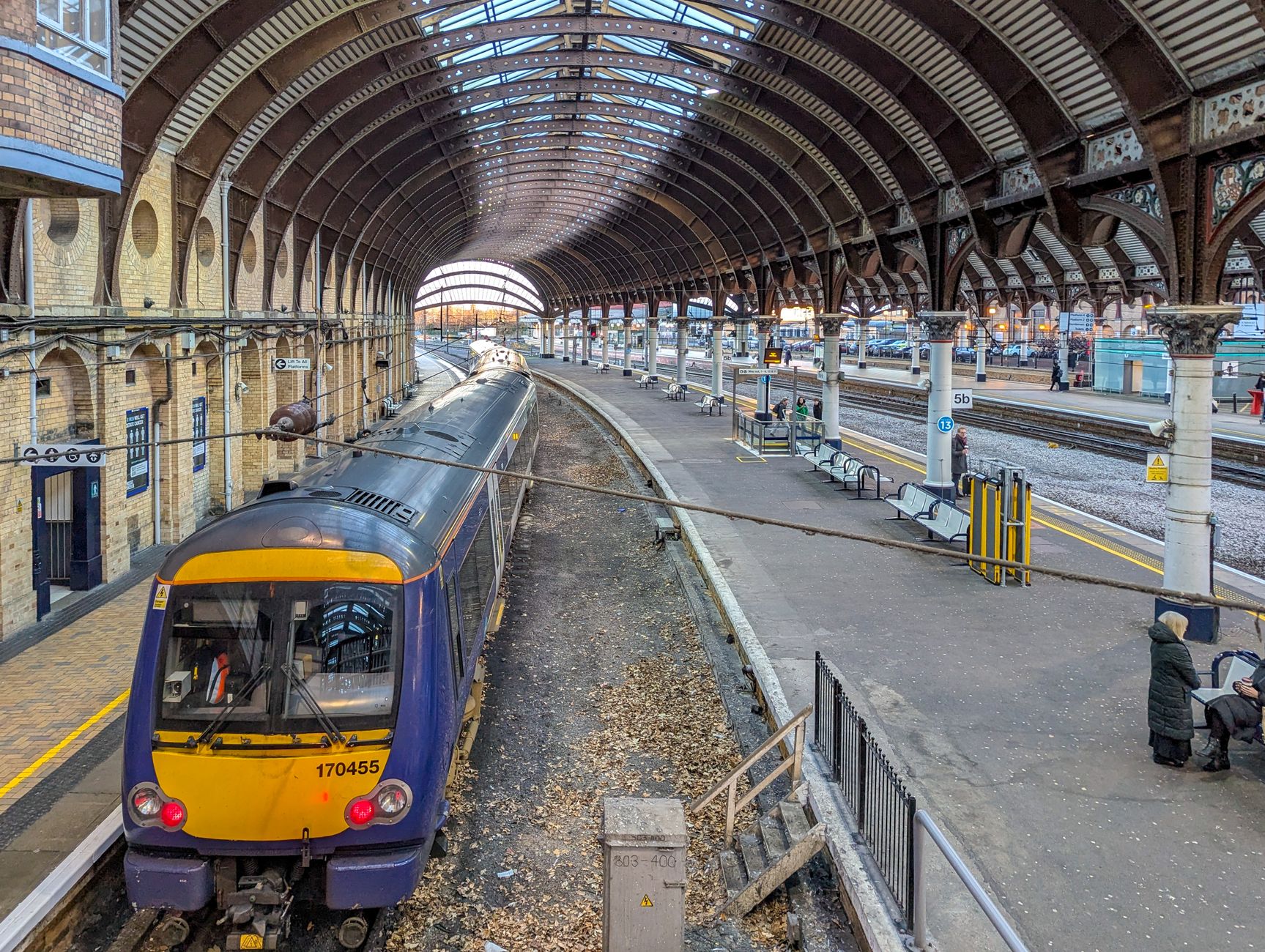
- Arrive by rail from Preston where possible. Trains to Blackpool North take roughly 25 minutes on Northern services and avoid M55 congestion. Park-and-ride at Preston station reduces local parking demand in Blackpool.
- Replace at least one Promenade visit with Stanley Park. The park has large green spaces, a boating lake and a Grade I listed layout; it reduces wear on seafront infrastructure and is free to enter. Marton Mere Local Nature Reserve offers birdwatching and quieter paths north of the town.
- Support local vendors. Buy lunch from stallholders at Blackpool Market on Cornfoot Street or independents inside Houndshill Shopping Centre rather than chain arcades on the Golden Mile. For hot drinks, look for small cafés on Abingdon Street and Church Street rather than kiosks on the promenade.
- Name specific lower-impact alternatives to over-touristed spots: instead of peak-hour Pleasure Beach queues on summer weekends, visit Sandcastle Waterpark on a weekday morning or book Pleasure Beach rides via their online timed entry to spread demand. Instead of staying on Promenade frontages, consider guesthouses in South Shore or Bispham where local owners benefit directly.
- Seasonal and behavioural choices: avoid driving into central Blackpool in July and August and during Illuminations evenings (late August–early November). For evening viewing of the Illuminations, choose midweek nights and use trams to travel between segments of the display; bring a refillable water bottle and a small bag for litter to reduce single-use waste.
- Use active transport for short trips. Many seafront attractions lie within 20–30 minutes walking distance along the promenade; a short cycle ride from South Shore to Central reduces vehicle use. Blackpool has public cycle racks around the town centre and at Stanley Park.

Local Context
Blackpool’s economy depends heavily on day visitors and seasonal trade. The Promenade and Pleasure Beach create concentrated footfall that strains public bins, toilets and local transport on peak days. Independent retailers and small guesthouses are more likely to keep visitor money within Wyre and Blackpool boroughs than national chains.
Weather is changeable: summer sun brings crowds in July–August, while autumn sea breezes increase in strength from September. The Illuminations run from late August to early November and draw large nightly audiences; weekdays outside school holidays are far quieter. Public transport is frequent along the coast but services to some suburbs thin out in late evenings, so check last tram times from Fleetwood and Starr Gate.
Local authorities operate Blackpool Transport for buses and trams and maintain parkland like Stanley Park and Common Edge areas. Respect local schedules: many small cafes close by mid-afternoon in winter, while open hours extend later in summer.
How to Choose Well
Decide between convenience and lower impact by weighing parking cost against time saved. Central car parks on the Promenade charge and fill quickly on warm weekends; if staying two or three nights, consider a guesthouse in South Shore or Bispham where street parking and quieter streets make walking practical.
Choose transport by comparing travel times: Preston to Blackpool North train is about 25 minutes; driving from Preston varies with motorway traffic. If the trip includes young children or bulky kit, a short car leg might be unavoidable — in that case park at a designated long-stay car park on the town edge and use trams for inner trips.
Select activities according to crowd tolerance: book Pleasure Beach ride slots or go midweek; pick Stanley Park or Marton Mere for lower crowd density. For evening plans during Illuminations, pick a midweek night and use the tram to move between illuminated sections rather than circling for parking.

Responsible and Local-First Tips
Buy food from Blackpool Market stallholders or independents in Church Street and Houndshill Shopping Centre to support local suppliers. Small spending choices — a sandwich from a market stall or tea from a family-run café — keeps revenue in the town.
Use the Blackpool Transport app and trams to avoid short car trips around the seafront. Bring a reusable bottle and use water refill points where available; carry a small bag for any litter until a public bin is accessible. Choose guesthouses and B&Bs run by local owners in South Shore or Bispham rather than large chain hotels when possible.
When visiting natural areas like Marton Mere, stick to marked paths to protect reedbeds and bird nesting areas. If attending the Illuminations, arrive by tram and leave on foot where feasible to reduce taxi demand and taxi queueing at stations.

Common Mistakes to Avoid
Driving into central Blackpool during peak periods: this causes long waits for parking and increases emissions. Alternatives include rail from Preston, tram boarding at Starr Gate, or parking on town outskirts and using public transport.
Assuming all cafés stay open late in winter: many independents close mid-afternoon outside summer. Check opening times for Church Street and Abingdon Street cafés before relying on them for evening meals, and carry snacks for late arrivals.
Visiting the Illuminations on opening weekend or Sunday evenings: those are peak times with long queues. Choose midweek nights, go earlier in the season, or view specific sections via short tram hops to spread demand and minimize pressure on public toilets and bins.
FAQ
How much does using the tram cost?
Tram fares vary by ticket type and operator promotions; buy single or day tickets on the Blackpool Transport app or at stops. A day ticket is usually the best value for multiple trips across the 11-mile Tramway.
When are the Illuminations and when should visitors go to avoid crowds?
Illuminations run from late August to early November. Avoid opening weekend and Friday–Sunday evenings; midweek after the first fortnight tends to be quieter.
Is it better to drive or take the train from Preston?
Taking the train from Preston to Blackpool North takes about 25 minutes and avoids M55 traffic and town-centre parking issues. Driving can be convenient for groups with luggage but expect delays and limited parking in summer.
Where are lower-impact alternatives to the Promenade?
Stanley Park and Marton Mere Local Nature Reserve offer quieter green space and are free to enter. Bispham and South Shore promenades are less crowded than the central Golden Mile.
Which local markets or businesses should visitors support?
Blackpool Market on Cornfoot Street and independents in Houndshill Shopping Centre and Church Street are good places to buy locally made food and crafts.
Are there good cycling options in Blackpool?
Short coastal rides between South Shore, Central Promenade and North Shore are suitable for casual cyclists. Use public cycle racks in town and avoid the Promenade during peak summer afternoons.
What timing should visitors use to avoid paying high parking fees?
Arrive early on peak days or, better, avoid driving into central Blackpool; use tram stops at the edge of town and walk or cycle into attractions.
Conclusion
The single most important thing to remember is: use the Blackpool Tramway and local walking/cycling wherever possible to cut emissions and avoid parking stress. Choosing rail from Preston for arrival, spending money at Blackpool Market or Church Street cafes, and swapping one Promenade evening for Stanley Park or Marton Mere reduces local impact while keeping the essential seaside experience.
For detailed day-by-day plans that use these choices, see the companion 3 days in Blackpool itinerary which maps tram stops, walking routes and recommended independent businesses into a practical schedule.
How this guide was prepared
This guide was prepared through a structured research that combines destination research, geographic context, itinerary planning logic, and content review.