
3-Day Missoula Itinerary: Rivers, Trails and Local Eats
A practical 3-day Missoula guide with transit tips, neighborhood walks, market times, budgets and what to realistically skip on a weekend visit.
A frank, usable 72-hour plan for Missoula focusing on river access, short hikes, museums, markets and where to eat without pretending all days must be outdoors.
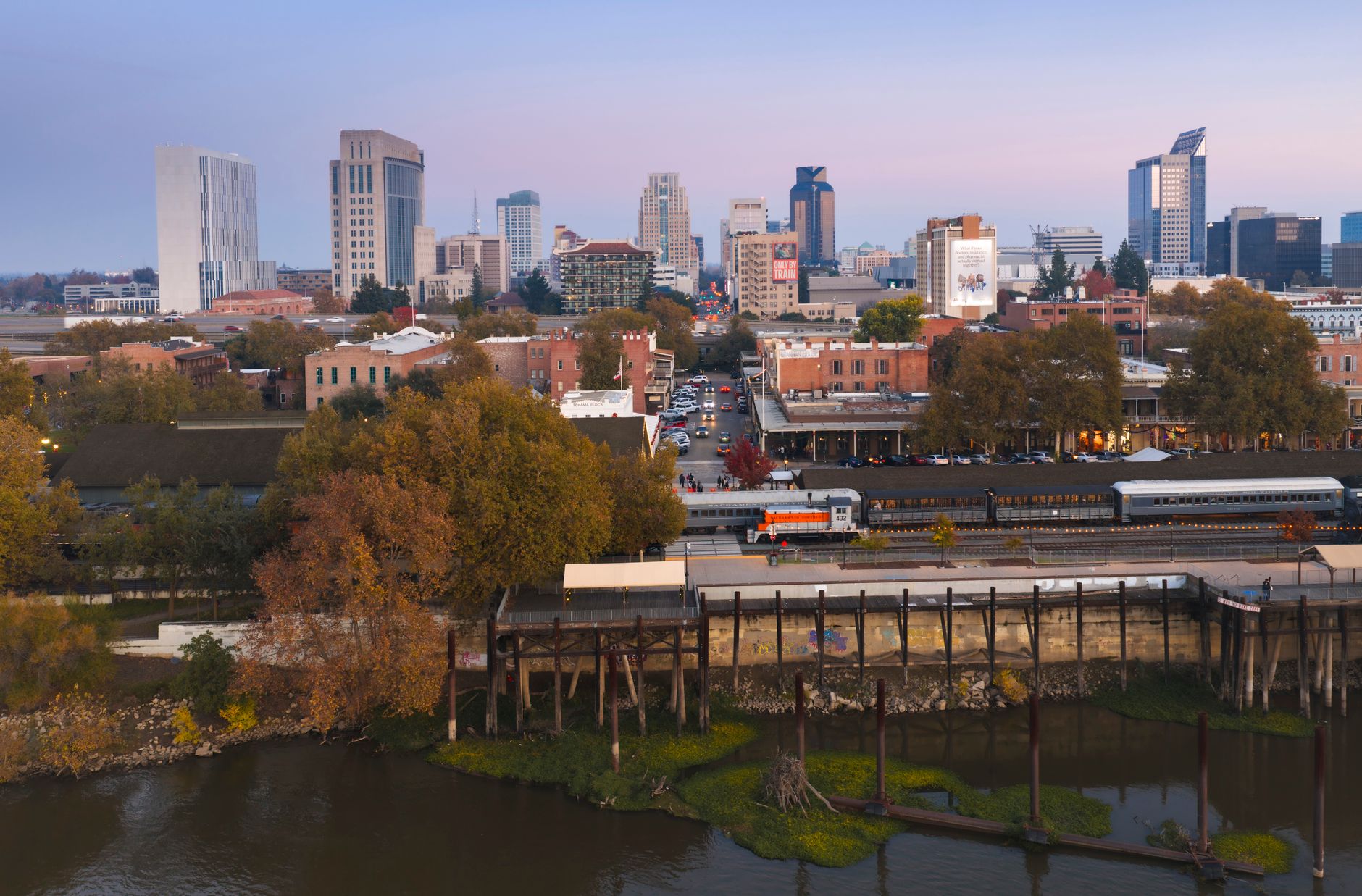
Expect a compact, activity-first place where the river and campus shape the daily rhythm. Downtown sits along Higgins Avenue and the Clark Fork; weekdays see students and office workers, while weekend mornings bring the farmers market and more foot traffic. The first impression is more like a functioning small city with good outdoor access than a resort town; noise from Interstate 90 and trains is part of the soundscape in some blocks. Many visitors arrive thinking this is only a jump-off point for Glacier or Yellowstone and miss the local museums, brewery scene and short, steep hikes that can fill a day without long drives.
Is 3 days in Missoula enough?
Three days cover downtown, the University area, one major hike and a neighborhood or two plus a farmers market or river float. A short caveat: a true Glacier or Yellowstone visit requires additional days and significant driving, so plan those as separate trips.
Who This Guide Is For
Best for people who like short hikes, easy river recreation, local arts and a compact downtown; less suitable for travelers who want to cram multiple national parks into one weekend.
Local Tips for Missoula
Practical details that most travel sites skip — specific to Missoula.
- Missoula Farmers Market runs at Caras Park Saturdays 8:30–1:00 (May–October) and a smaller Tuesday market 4:00–6:30 on Higgins Ave, so schedule weekend mornings for the fullest vendor selection.
- Mount Sentinel 'M' trail trailhead is at the end of Arthur Avenue; allow 45–60 minutes for the climb and wear sturdy shoes—sections get loose and steep near the top.
- The Mountain Line bus system uses color routes (Orange, Blue, Red and Gold); a single ride is about $1.25 and a day pass about $3 — buy via the Mountain Line app or the transit center kiosk at Higgins and Broadway.
- Missoula Art Museum accepts donations and generally has free admission; the Historical Museum at Fort Missoula charges around $8–$10 for adults and shares a parking lot with the Smokejumper Visitor Center.
- Taxi or rideshare from Missoula International Airport (MSO) to downtown runs roughly $25–35 one-way and takes about 15 minutes depending on traffic; allow extra time in winter for icy roads.
How This Guide Was Prepared
Missoula is a working college town built around the Clark Fork River and nearby trails; it rewards active, short-range exploration rather than grand sightseeing binges. Many guides treat the place as only a gateway to Glacier or Yellowstone and skip the practical city rhythms—market hours, bus routes, river access points and which downtown blocks stay busy after dark. This guide was prepared through a structured research that combines destination research, geographic context, itinerary planning logic, and content review.
Plan Your Stay in Missoula
Use this itinerary as your starting point, then compare areas to stay, transport options, seasonal timing, and realistic daily costs before booking.
Why Visit
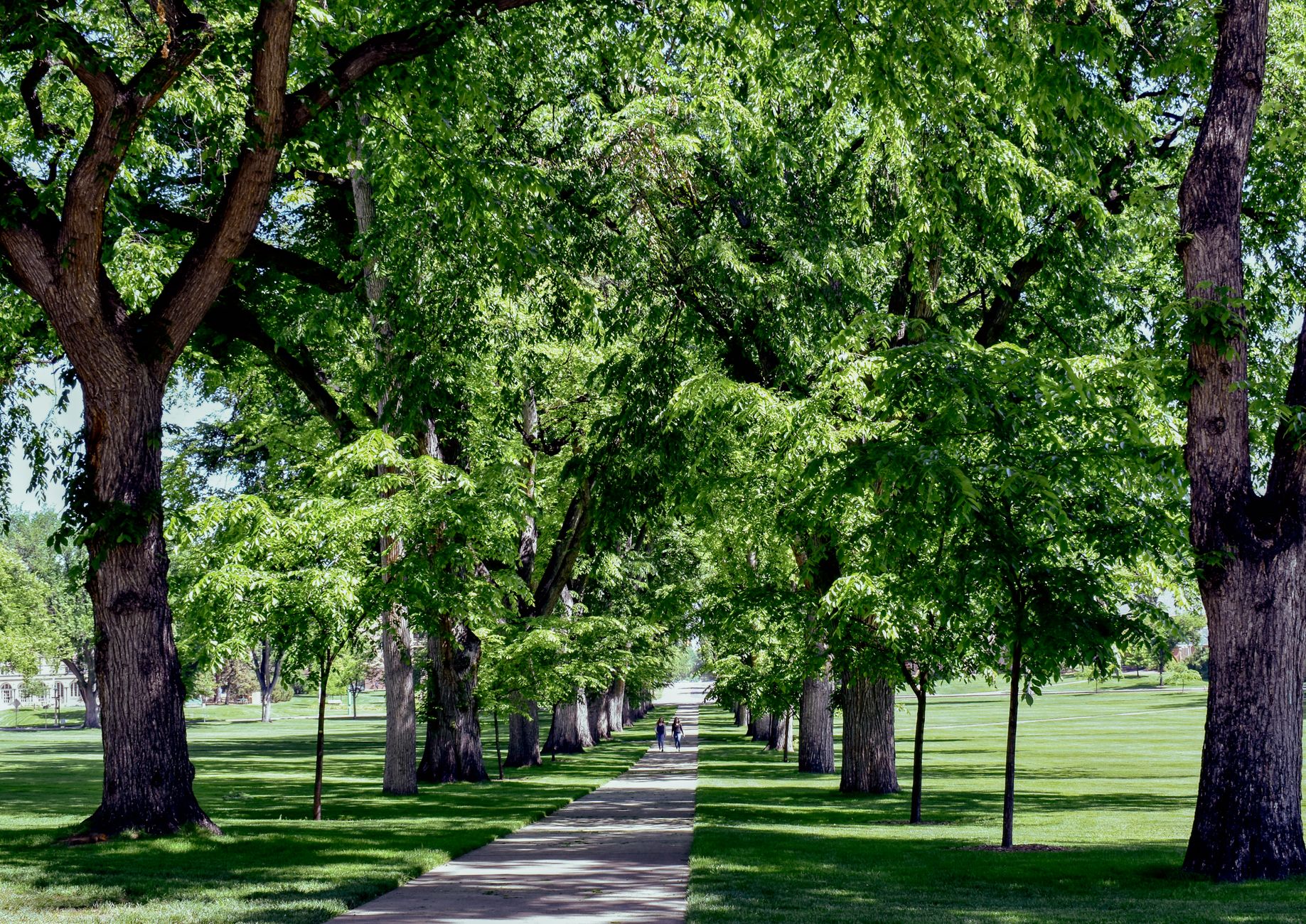
A short stay gives access to riverside walking and river-sport options on the Clark Fork without long transfers. The University of Montana campus offers accessible culture: the Montana Museum of Art & Culture and regular lecture events that are free or low-cost. Nearby trails such as Mount Sentinel and the Rattlesnake Recreation Area offer short, reliable hikes with city-to-wild transitions in under 30 minutes by car. Local food and markets concentrate in a small area around Caras Park and Higgins Avenue, so good meals and an evening beer can be done on foot without hunting for parking.
Quick Planning Tips
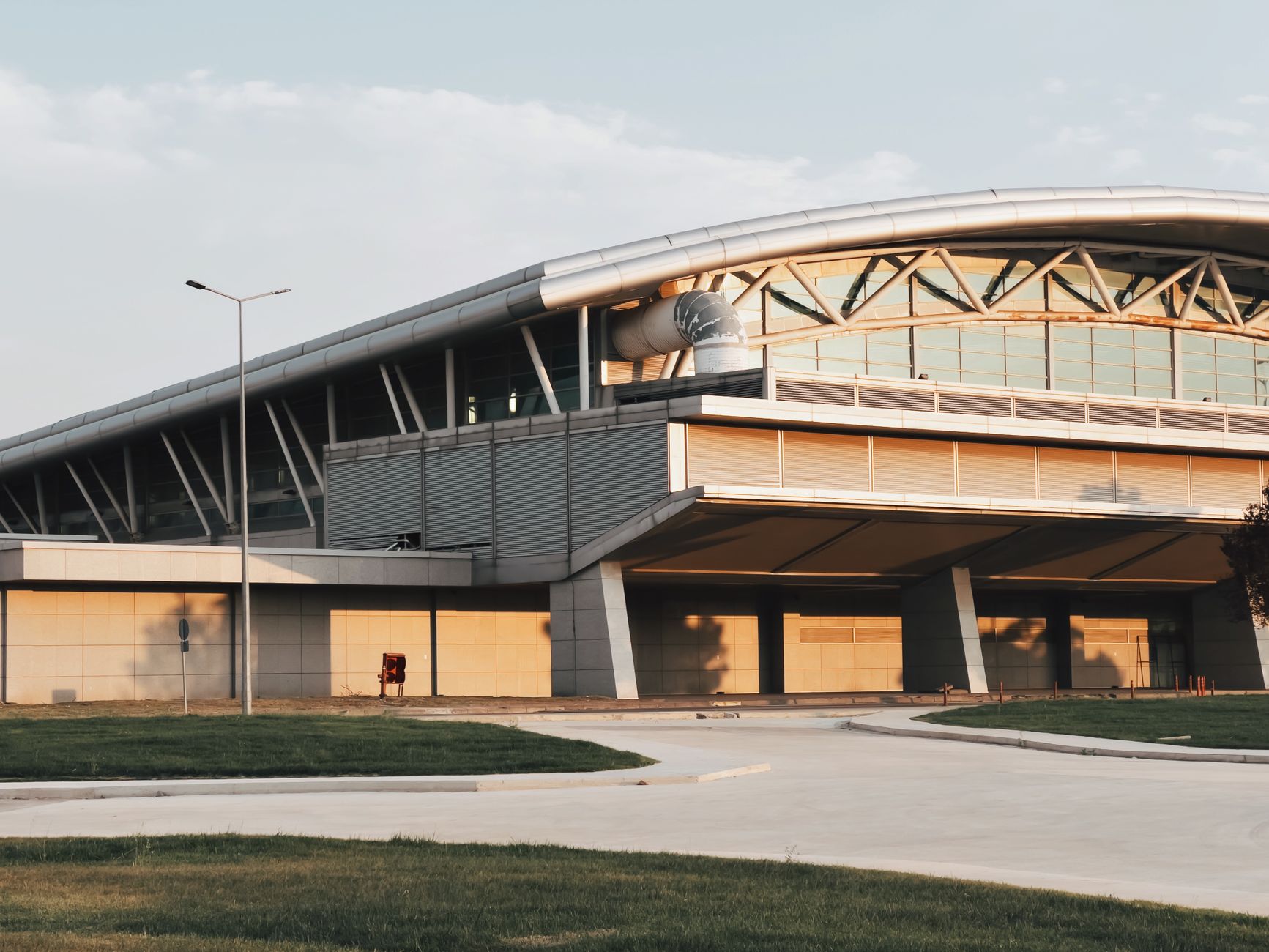
Fly into Missoula International Airport (MSO) and expect a 10–20 minute taxi ride to downtown; rental cars are straightforward if planning drives to surrounding areas. Bring a credit card for most shops and restaurants but carry $20–40 for market vendors and small museums that prefer cash. Check the Missoula Farmers Market schedule before arrival; Saturdays at Caras Park are the busiest and sell out of popular items by late morning. Avoid plotting Glacier or Yellowstone on the same weekend unless prepared to sacrifice sightseeing time for long drives; a local weekend is about trails, river time, museums and a good meal.
Day 1
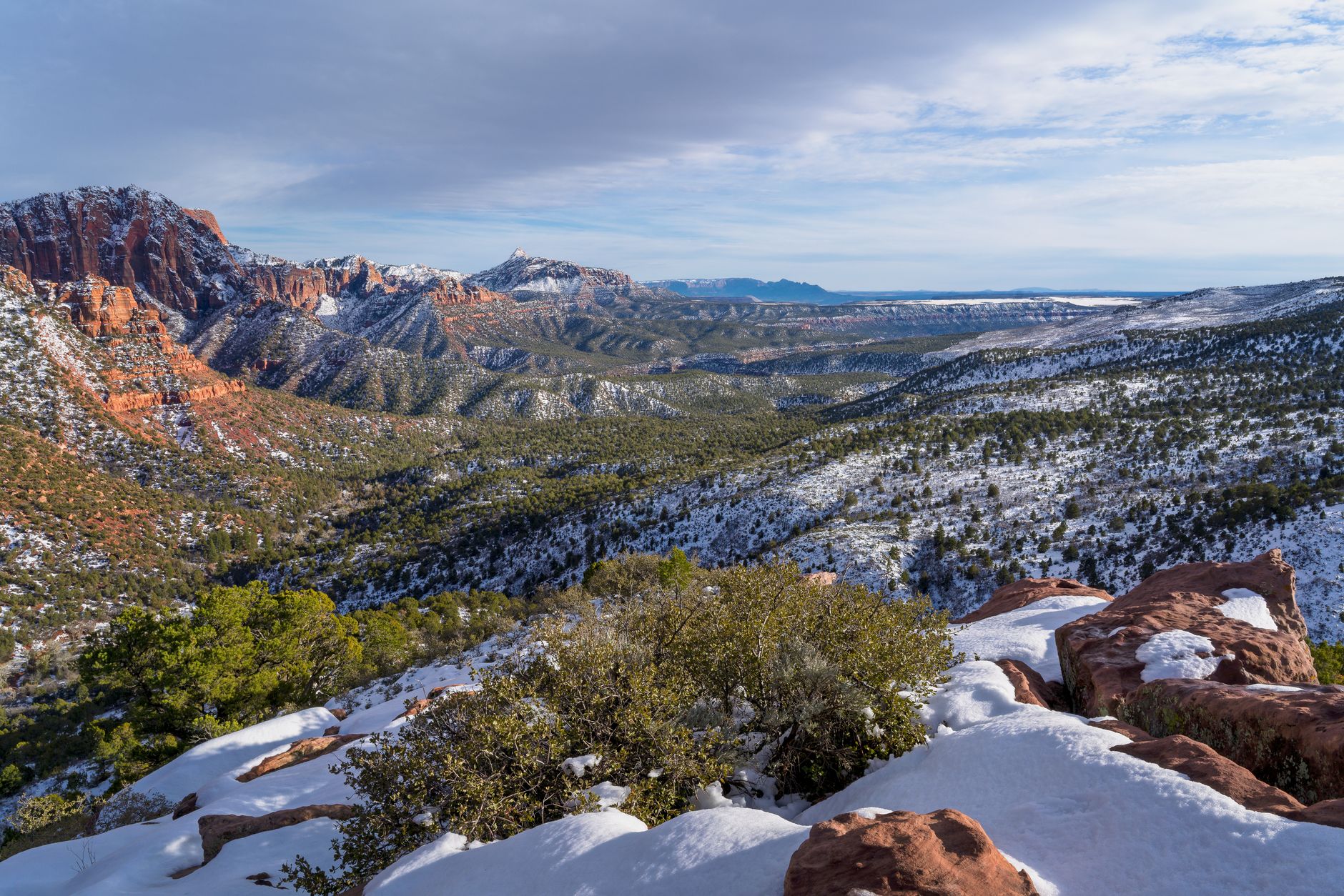
Start at Caras Park on the riverfront and walk the Kim Williams Trail west toward Brennan's Wave—allow 30–45 minutes round trip at an easy pace. Brennan's Wave is visible from the trail and is where kayakers surf when water levels permit; do not enter the water without local equipment and guidance. Walk up Higgins Avenue from Caras Park for coffee and breakfast; many bakeries and cafes open early and sit within a five-minute stroll. From Higgins, cross to the University of Montana Oval and visit the Montana Museum of Art & Culture; allow 30–60 minutes depending on current exhibits. After the museum, hike Mount Sentinel from the Arthur Avenue trailhead; the climb takes about 45–60 minutes and rewards with a broad view of the valley—carry water and sun protection. Return downtown for late lunch at Plonk (seasonal small plates and local wine) or a barbecue plate at The Notorious P.I.G.; both are within a 10–15 minute walk of Caras Park. Spend the evening at Ogren Park at Allegiance Field if there's a minor-league game or check the schedule at KettleHouse Amphitheatre for concerts; otherwise, sample local beers on Higgins and stay near the river for an easy walk back to most hotels.
Day 2
Dedicate day two to neighborhood exploration and shorter outdoor options. Take a morning trip to the Rattlesnake National Recreation Area for trail runs or a 2–3 hour hike; drive time from downtown is 10–15 minutes, or use a local shuttle on summer weekends when available. Return via Fort Missoula and visit the Historical Museum at Fort Missoula and the National Smokejumper Visitor Center; plan 60–90 minutes for the two sites together and note the museum charges around $8–$10 for adults. Head to the Northside neighborhood for lunch—this area has longtime sandwich shops and small cafés popular with locals and is about a 5–10 minute drive from Fort Missoula. In the afternoon, visit the Missoula Art Museum on N. Higgins for contemporary shows; admission is generally donation-based. Finish the day with a river float if water levels and rentals are safe—local outfitters run short, supervised floats on the Clark Fork in summer that last 1.5–3 hours and include shuttles back to town.
Day 3
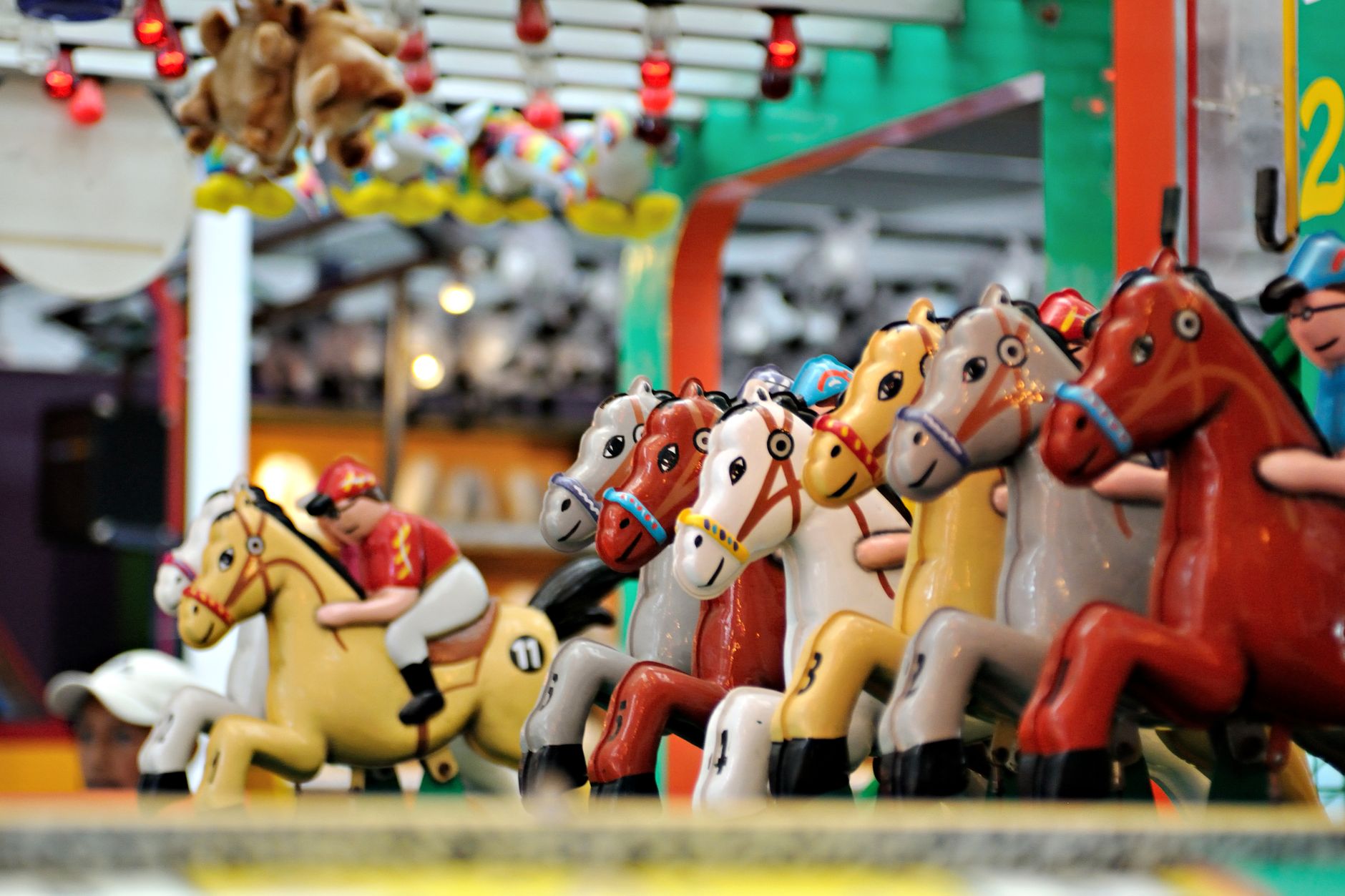
Use this day for slower activities and a short buffer if catching an afternoon flight. Begin with a breakfast near the University or a quick stop at the farmers market if it's Saturday—many stalls sell ready-to-eat items. Walk a section of the Kim Williams Trail east toward Blue Mountain for river views and birdwatching; allow 60–90 minutes for a relaxed section. Visit Carousel for Missoula for a short family-friendly stop; rides are low-cost and the organization supports youth programs. Spend midday at Southgate Mall or local shops to buy any souvenirs; drive time from downtown is about 10 minutes. If the flight is later in the day, confirm return time with either Mountain Line or a taxi—allow at least 60–90 minutes from downtown to Missoula International Airport for winter weather or busy traffic. End the visit with an early dinner at a brewpub near Ogren Park, then head to the airport or to a nearby hotel if leaving the next morning.
Best Local Experiences
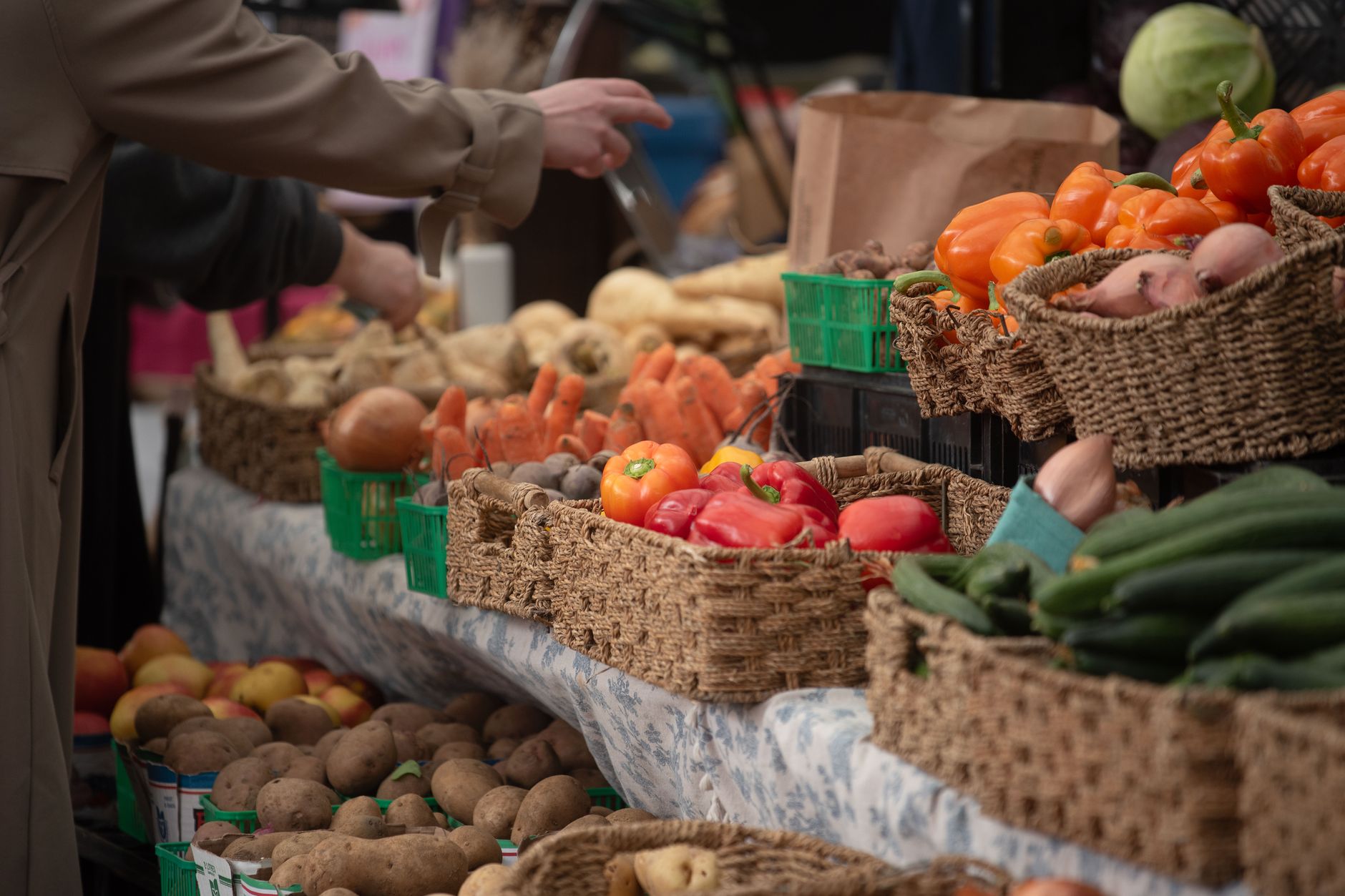
Missoula Farmers Market at Caras Park (Saturdays May–October) for local produce, baked goods and prepared foods; arrive early for the best selection. Brennan's Wave and short Clark Fork floats for watching or joining river recreation—check flow reports before booking a rental. First Friday gallery walk on Higgins Avenue and downtown galleries for evening openings and small shows. The Montana Folk Festival at Caras Park in July for multiple stages, food and crafts—expect crowds and plan accommodation well ahead. Smokejumper Visitor Center and Fort Missoula for aviation and firefighting history, including artifacts and short films. Carousel for Missoula for a 10–15 minute nostalgic ride that supports local youth arts programs. Seasonal river events and minor-league games at Ogren Park at Allegiance Field during summer months.
Where to Stay
Downtown (Higgins/Caras Park): Suits travelers who want walkable access to restaurants, the farmers market and river trails. Expect mid-range hotel rooms to run roughly $120–180 USD per night (≈110–165 EUR). University District (near the Oval and Daly Avenue): Suits visitors who prefer being near campus museums and lecture events and those wanting quieter streets at night; small hotels and B&Bs range $90–150 USD per night (≈83–138 EUR). Northside and Riverfront blocks: Suits people who want local coffee shops and quick access to the Kim Williams Trail; short-term rentals and inns here generally cost $100–160 USD per night (≈92–147 EUR). Book early for summer festival weekends and allow an extra $10–20 USD per night for parking in certain downtown lots.
Food and Drink
Huckleberry items: berries and preserves appear at the farmers market and in desserts across town; huckleberry jam or ice cream is a local-season treat and a market tub runs $6–10. Montana trout: pan-seared trout appears on many menus—look for it at riverfront restaurants or the university-adjacent bistros; upper-end plates run $18–28. Bison burger: a regional red-meat option served at pubs and grills; expect $12–18 for a sandwich. Barbecue plates: The Notorious P.I.G. offers smoked meats and plates in the $12–20 range and is a reliable casual dinner. Local craft beer: try a pint at Iron Horse Brewpub or KettleHouse Brewing—pints generally $5–7. Breakfast option: a bakery or café on Higgins for espresso and a savory pastry under $8. Street food option: food trucks at the farmers market or near university events for $6–10 per meal. For dinner, choose a hands-on neighborhood spot like Plonk for shared plates and local wine, where mains are often $12–25.
Getting Around
Mountain Line operates the city bus system with color-coded routes commonly called the Orange, Blue, Red and Gold lines; schedules are on the Mountain Line website and app. Single-ride fares are around $1.25 and a day pass roughly $3 — buy paper tickets on board, at kiosks, or via the Mountain Line app. The Kim Williams Trail is the main riverside bike and pedestrian route and connects major downtown points; bike rentals are available seasonally from local shops. Taxis from Missoula International Airport to downtown cost roughly $25–35 one-way, while rideshare availability varies by time of night and can surge during events. For intercity travel, drive times are roughly: Bozeman 3 hours, Spokane 3.5 hours, Billings 5 hours; plan vehicle fuel and weather when scheduling long drives.
Best Time to Visit
Late June through September offers the warmest weather and the fullest event calendar; daytime highs in July average 80–90°F (27–32°C) with cool nights around 45–55°F (7–13°C). Late May and early October provide lower prices and fewer crowds but risk of rain and early snow at higher elevations; daytime temps in those months are typically 45–65°F (7–18°C). Winter months (December–February) are cold and snowy with highs in the 20s–30s°F (-6 to 4°C) and limited daylight for outdoor activities. For the best balance of weather, crowds and value, aim for late September when daytime temps remain pleasant and hotel rates dip after the busy summer season.
Budget and Practical Tips
A realistic daily budget for most travelers: budget lodging $70–110 USD (≈64–102 EUR), mid-range hotels $120–180 USD (≈110–165 EUR). Food per day: budget $25–40 USD (≈23–37 EUR) if using markets and casual cafes; $50–80 USD (≈46–74 EUR) for two sit-down meals with drinks. Transport: plan $5–10 USD per day for Mountain Line or about $25–35 for a one-way airport taxi when needed. Entry fees: allocate $0–15 USD per museum visit; Fort Missoula charges around $8–$10 while many galleries are donation-based. Tipping: standard U.S. restaurant tipping applies—15–20% of the pre-tax bill; tipping taxi drivers and bar staff $1–2 per drink is normal. Carry small bills for market vendors; ATMs are common but may surcharge at some market sites.
FAQ
Is Missoula safe for solo travelers?
Downtown and the university area are generally safe in daytime; as in any city, avoid poorly lit blocks at night and secure valuables.
Is Mountain Line reliable for tourists?
Yes; Mountain Line covers main corridors with color-coded routes and an app for schedules, but weekend and late-night frequency is lower so check times in advance.
Is there a city pass worth buying?
There is no widely used all-in-one city pass; buy tickets individually—many museums are donation-based or low-cost, so a pass rarely pays off for a short stay.
Can Glacier National Park be done as a day trip?
No; Glacier is about 3.5–4 hours one-way from downtown and requires an overnight stay to see anything beyond a quick drive-by.
How can visitors access the river safely?
Use staffed outfitters for rentals and guided floats, check river flow reports and avoid unsupervised entry during spring runoff.
Are rideshare services available?
Rideshare exists but can be limited during event nights; keep taxi numbers or plan to stay within walking distance of planned evening activities.
Are there bear concerns within town limits?
Bears are possible near trailheads and in fringe neighborhoods in warmer months; store food securely and follow posted trailhead guidelines.
Where to buy outdoor gear locally?
Local outfitters and outdoor shops on or near Higgins Avenue stock day-hike gear and can advise on current trail conditions.
Conclusion
A three-day visit delivers a clear sense of how river life, the university and short nearby hikes shape local routines. Most travelers will remember a riverside walk, the climb to the 'M' or a good meal from the farmers market rather than a long list of museums. If time gets tight, prioritize one outdoor activity (Mount Sentinel or the Rattlesnake), a farmers market visit, and a single evening on Higgins Avenue for food and beer; those three items provide a compact, representative sample of what the area offers. Plan extra days if national parks are on the agenda.
How this guide was prepared
This guide was prepared through a structured research that combines destination research, geographic context, itinerary planning logic, and content review.