
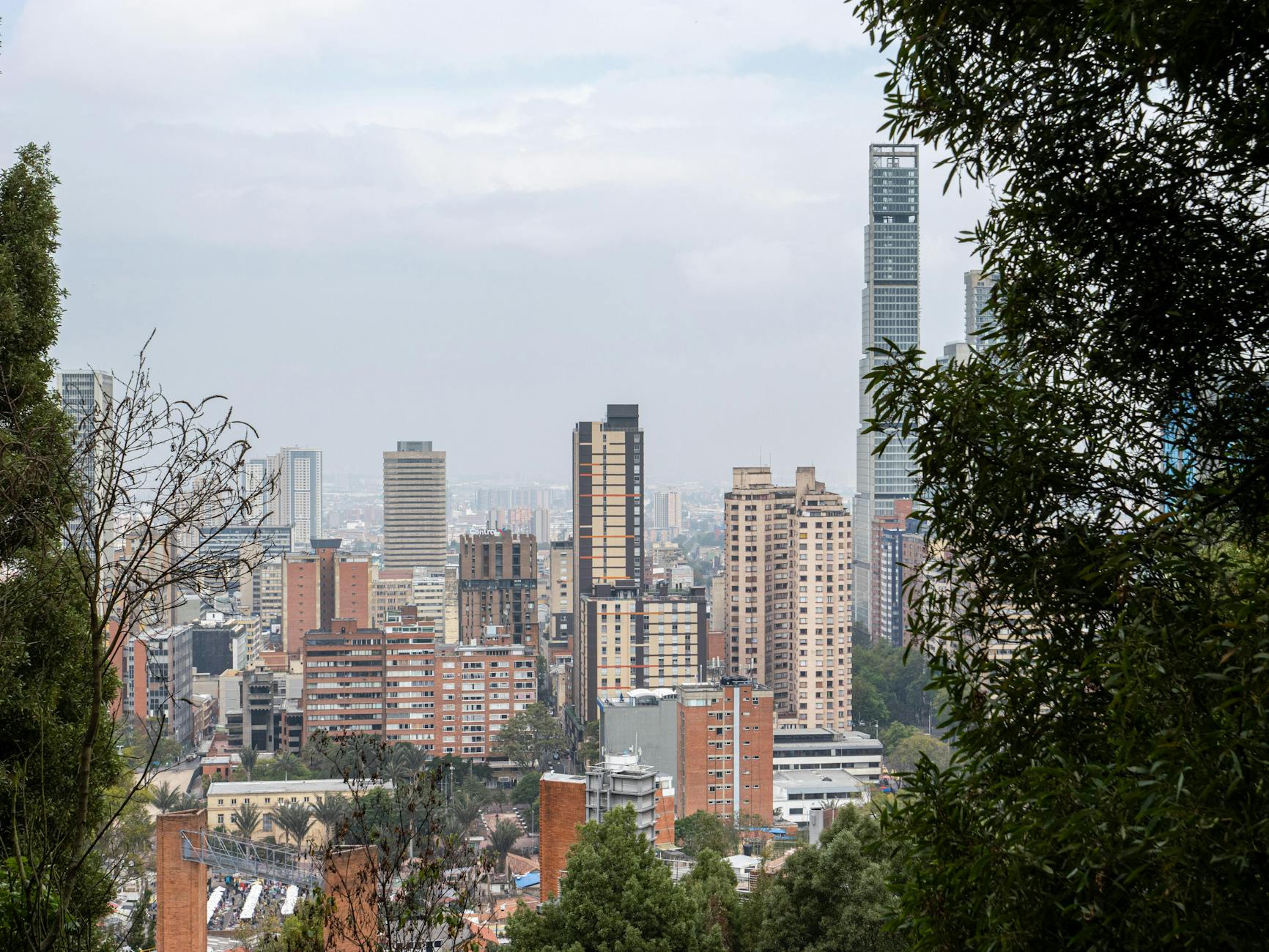
Responsible Travel in Bogotá — Practical Support for a 3-Day Visit
A compact, practical support page for responsible travel in Bogotá: where to stay, how to get around, sustainable tips, seasonal notes and quick links to the main 3-day Bogotá itinerary and nearby cities.
Practical, low-impact advice for a short stay in Bogotá: neighborhood choices, transport realities, local-first experiences, day-trip options and sensible booking tips to complement the 3-day Bogotá itinerary.
Quick Answer
Practical, low-impact advice for a short stay in Bogotá: neighborhood choices, transport realities, local-first experiences, day-trip options and sensible booking tips to complement the 3-day Bogotá itinerary.
Who This Page Is For
This page is for travelers planning a stay in Bogota who want clearer decisions about responsible travel, local logistics, timing, budgeting, and practical trip planning.
How This Page Was Prepared
This page was prepared through a structured editorial workflow that combines destination research, geographic context, and practical travel-planning review.
Plan the Rest of Your Trip
Use this page together with the full itinerary and the related planning pages below to make better booking, timing, transport, and budget decisions.
If you have three days: base yourself in Chapinero or La Candelaria for short walks to museums and dining; use app taxis (Beat/Uber) nights and TransMilenio or buses for daytime corridors; book any guided cultural or food walks a day ahead, and reserve Monserrate or popular museums for morning slots.
Best times: shoulder seasons (March–April, September–November) for fewer crowds and milder weather. Expect cool mornings and sun by midday; bring a light rain jacket year-round.
This page is a focused companion to the main “3 days in Bogotá” itinerary. It helps you make sustainable, low-impact choices for a short city visit — where to sleep, how to move around, what to book in advance and how to prioritize local businesses. Use it to adapt the three-day plan to your pace, to avoid common pitfalls, and to pick authentic alternatives and day trips to nearby cities like Manizales, Pereira, Medellín, Bucaramanga and Cali.
Keep packing light, plan for altitude, and favor weekday visits to crowded attractions where possible.
What This Page Helps You Decide
Use this page to quickly answer practical questions that arise while following the 3-day Bogotá guide. It helps you choose:
- Where to stay for easy access to attractions and lower local impact.
- Which neighborhoods to prefer for food and crafts (Usaquén, Zona G, La Candelaria).
- When to use public transport, bike or app taxis.
- Whether to take guided market tours, community-led experiences, or day trips to nearby cities.
It also flags seasonal crowding, booking lead times, and realistic travel times to El Dorado and regional bus terminals.
Top Recommendations
Prioritize local-first choices that fit a short visit:
- Stay: Chapinero for hip cafés and mid-range guesthouses, or La Candelaria for historic immersion — choose smaller guesthouses or family-run B&Bs to keep tourism dollars local.
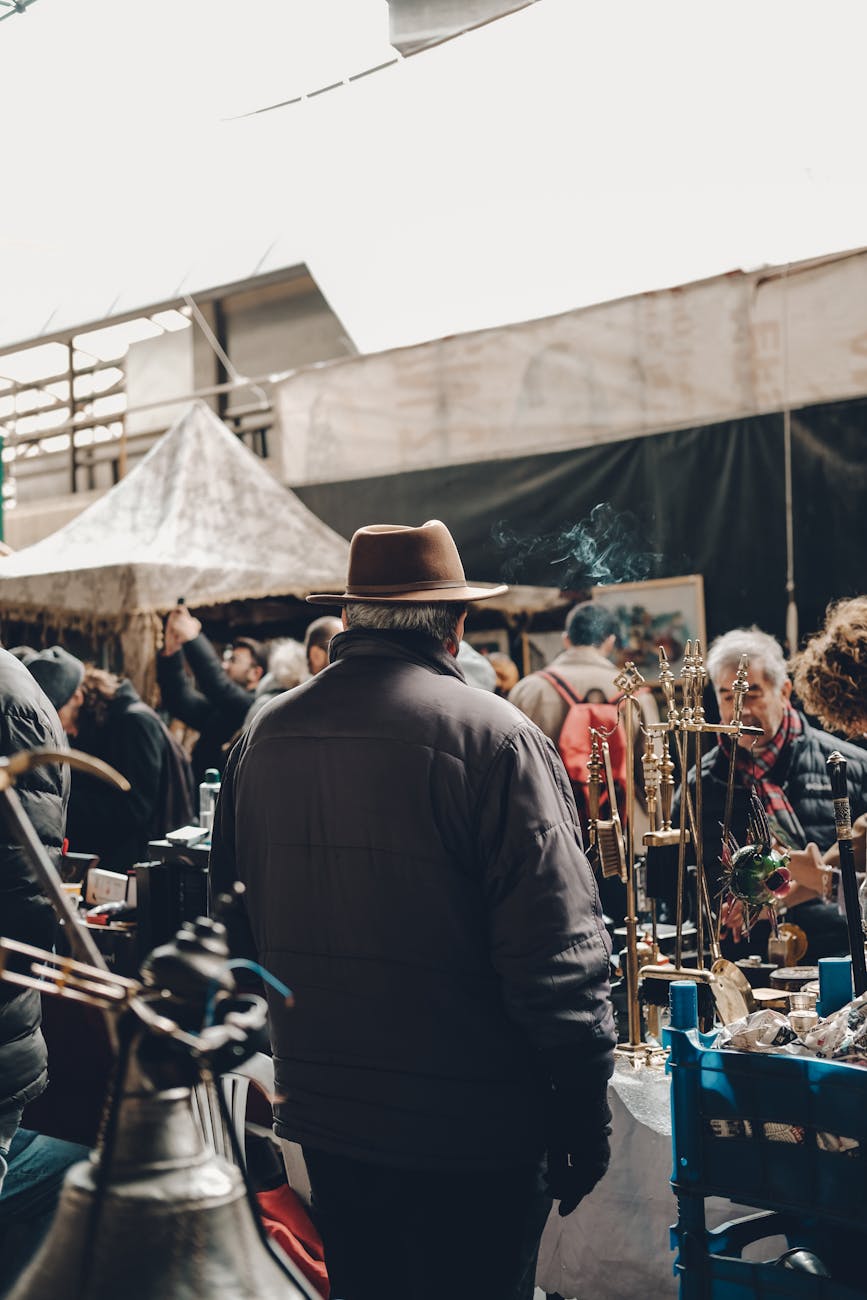
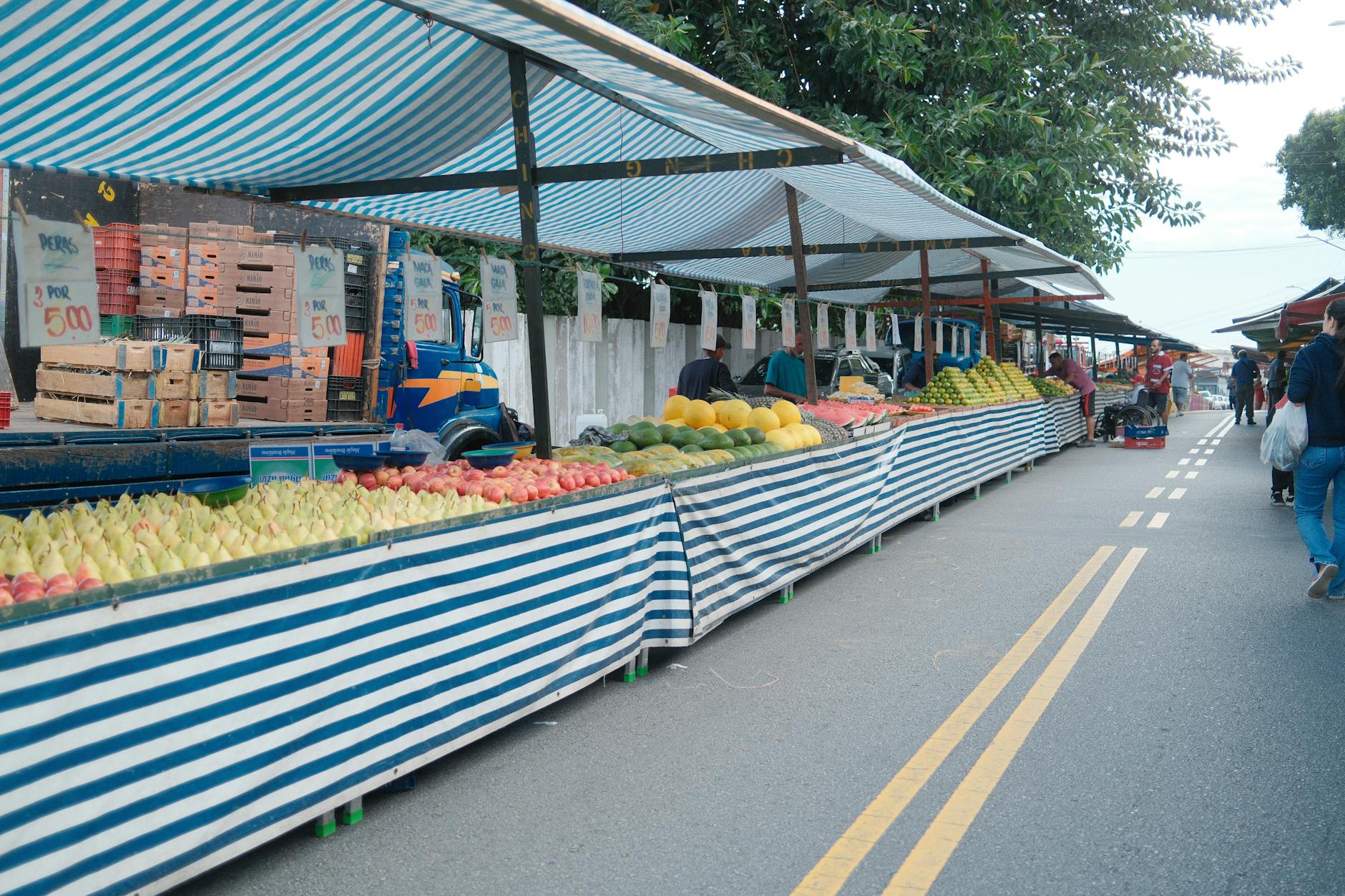
- Eat: Morning at Paloquemao market for fruit and street food; lunch in Zona G for locally-sourced cuisine; coffee in independent roaster cafés in Teusaquillo or Chapinero.
- Walks & tours: Book a community guide for La Candelaria and a sustainable food or market walk.
- Transit: Use TransMilenio outside peak hours, short app-taxi rides at night, and rent a bike for Parque Simón Bolívar or Ciclovía on Sundays.
- Day trips: If you have extra time, consider a bus or short flight to Zipaquirá (Salt Cathedral) or further regional trips to Medellín, Manizales or Pereira — prefer shared regional buses to support local operators when feasible.
Book museums and Monserrate tickets a few days in advance on weekends; check museum opening hours on public holidays.
Local Context
Bogotá sits at 2,600 m (8,500 ft); altitude matters. Expect shortness of breath on uphill walks the first day. The city is large and spread out; travel times are longer than distances suggest because of congestion.
Neighborhood notes:
- La Candelaria: historic center with museums and colonial streets; lively by day, quieter at night and can be noisy; choose well-reviewed family-run guesthouses for safety and quality.
- Chapinero: diverse, good cafés, nightlife and gay-friendly areas; practical for transport links.
- Usaquén: pleasant weekend market and neighborhood restaurants, best on Sundays.
- Zona T / Parque de la 93: dining and nightlife clusters, more tourist-oriented and pricier.
Transport realities:
- TransMilenio (bus rapid transit) is fast but crowded at peak hours; avoid rush hours if carrying luggage.
- App taxis (Beat, DiDi, Uber where available) are convenient; confirm the vehicle and plate before entering.
- Biking is increasingly safe in parts of the city; Ciclovía (Sunday car-free routes) is excellent for low-impact exploring.
Culture and etiquette:
- Greet with a brief handshake and eye contact; Colombians are warm but polite.
- Speak some Spanish phrases; outside tourist zones fewer people speak English.
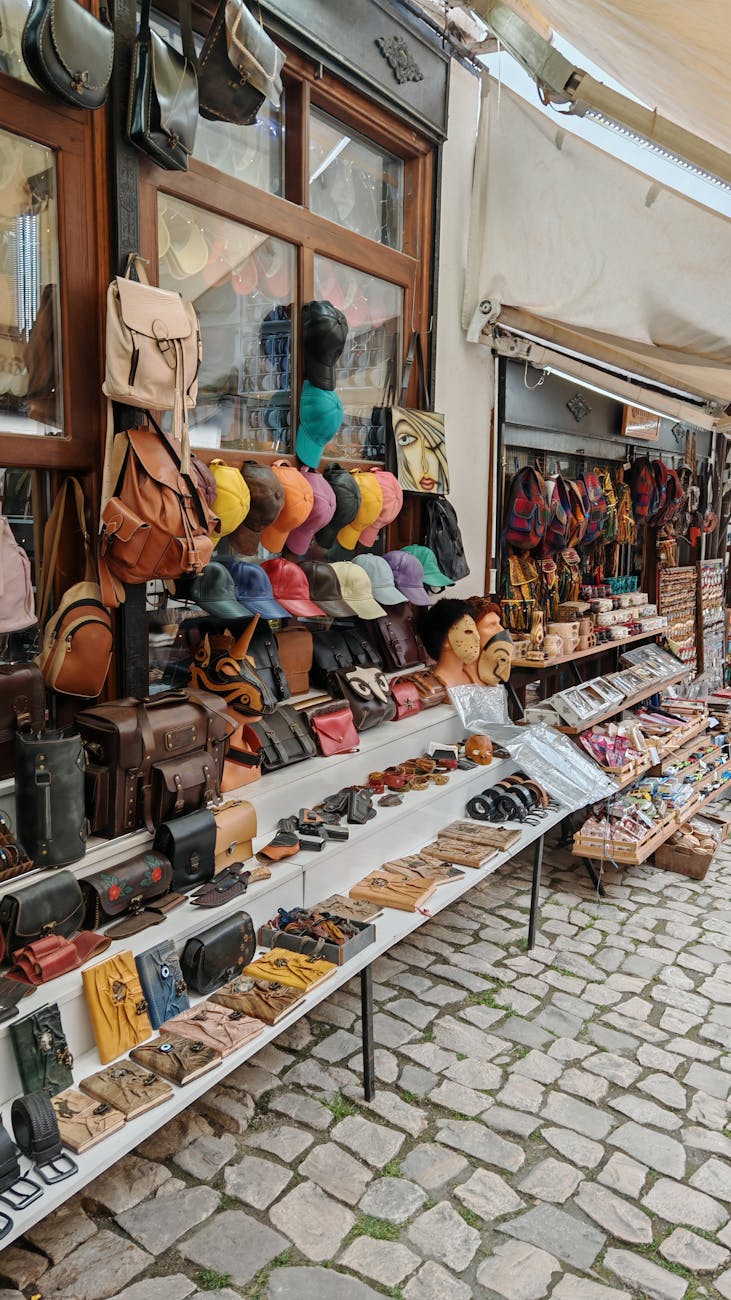
- Support vendors by asking about materials and provenance for crafts.
How to Choose Well
Practical selection criteria for short stays:
Accommodation:
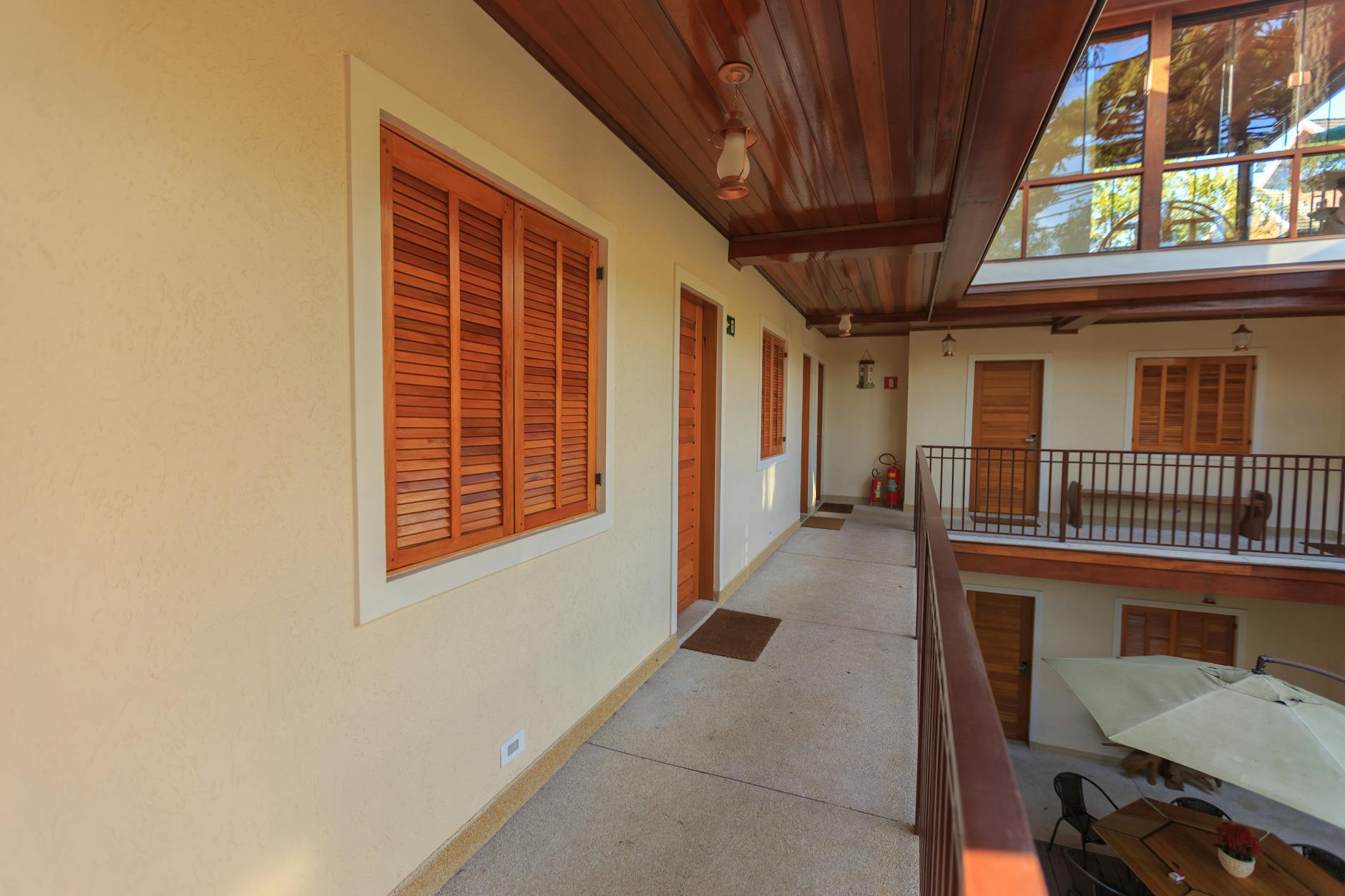
– Pick centrally-located, small-family hotels or certified eco-hostels to keep spending local.
– Check proximity to a safe app-taxi pickup point or TransMilenio station.
Tours and guides:
– Prefer licensed guides and community-run tours that pay locals directly.
– Ask whether a market or food tour sources from small vendors rather than chain restaurants.
Transport and day trips:
– For nearby cities (Manizales, Pereira, Medellín, Bucaramanga, Cali), compare travel time: flights can save time but buses support local operators and are lower carbon per passenger.
– Reserve long-distance bus tickets in advance for weekends and holidays.
Timing and bookings:
– Museums and Monserrate often have timed entries; reserve online when possible.
– Weekend markets and restaurants get busy—book tables and tours at least 24–48 hours ahead during high season.
Responsible and Local-First Tips
Practical, low-impact actions that help Bogotá’s neighborhoods:
- Spend with small businesses: choose family-run cafés, independent restaurants in Zona G and Chapinero and artisans in Usaquén.
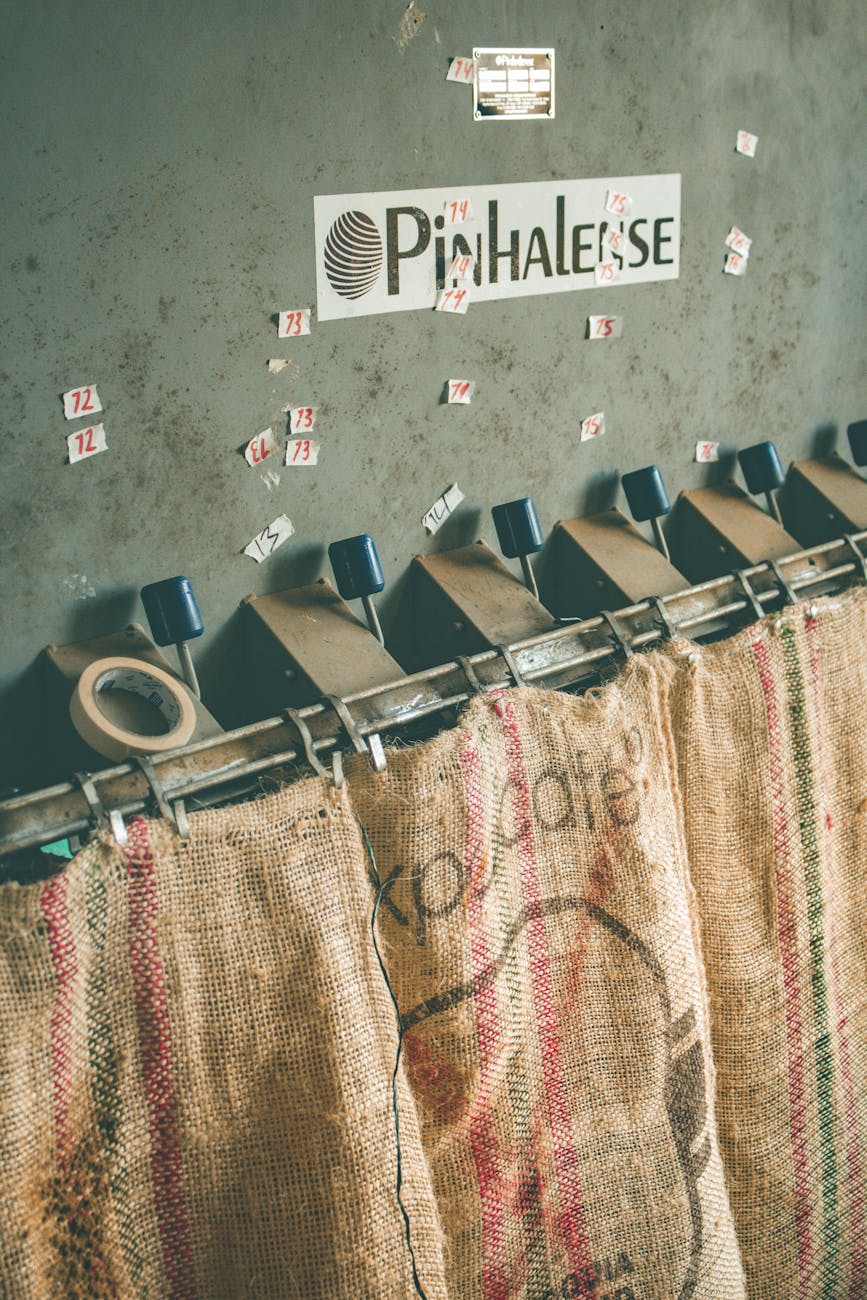
- Eat local: try seasonal market dishes at Paloquemao and order Colombian coffee from local roasters.
- Reduce waste: carry a reusable bottle and say no to plastic cutlery; many cafés happily fill reusable cups and bottles.
- Respect craft provenance: buy from known stalls or ask about the maker; avoid mass-produced “indigenous” souvenirs.
- Use public transport where safe: TransMilenio and buses reduce per-person emissions; cycle on Ciclovía Sundays.
- Support community initiatives: seek out walking tours led by local residents or social enterprises that reinvest fees into the neighborhood.
Small gestures — speaking basic Spanish and tipping modestly in restaurants — go a long way.
Common Mistakes to Avoid
Preventable missteps for short stays:
- Underestimating altitude: take it easy on day one, hydrate, and avoid heavy exertion immediately after arrival.
- Scheduling back-to-back long transfers and full-city walking tours on arrival or departure days.
- Staying only in tourist nightlife zones (Zona T) if you seek authentic local life — split nights between neighborhoods.
- Relying solely on cash or always on card — carry small bills for markets and tips.
- Hailing unmarked taxis from the curb at night; prefer official app rides or hotel-arranged cars.
- Skipping market and street-food visits out of safety fears—use recommended stalls and guided market tours to eat safely.
FAQ
How do I handle altitude sickness on a short trip to Bogotá?
Take it easy the first 24 hours: hydrate, avoid heavy alcohol and intense exercise, eat lightly. If you feel unwell, rest and seek medical help if symptoms worsen.
Is Bogotá safe for solo travelers during the day and at night?
Many areas are safe by day (La Candelaria, Chapinero, Usaquén, Parque de la 93) but be cautious at night. Use app taxis, stay in well-lit streets, and avoid displaying valuables. Ask your accommodation host for specific neighborhood advice.
What's the best way to get around for a short stay?
Use TransMilenio for fast east–west or north–south corridors outside rush hours, app taxis for door-to-door travel at night, and walk or bike for short neighborhood trips. Allow extra time for traffic.
Can I do day trips to nearby cities and which are realistic in a short visit?
Zipaquirá (Salt Cathedral) is a common half-day trip by bus. Medellín or Cali are better as overnight trips; for Manizales or Pereira, consider flights if you’re time-limited or plan an overnight bus to support local operators.
How much should I tip and how is tipping handled locally?
Tipping is appreciated but not mandatory. Restaurants often add a 10% service charge—check your bill. For guides and drivers, 5–10% or a small cash tip is customary for good service.
Any booking tips tied to the 3-day Bogotá itinerary?
Reserve timed museum entries and Monserrate tickets ahead for weekend mornings. Book sought-after food and walking tours 24–72 hours in advance, especially on weekends.
Conclusion
This support page is meant to be used alongside the full 3-day Bogotá itinerary: use it to choose neighborhoods, time your museum visits, prioritize local vendors and pick sustainable transport options. Small choices—where you eat, who runs your tour, how you get to a market—make your short stay more authentic and beneficial to Bogotá’s communities. Enjoy the city respectfully and leave a positive footprint.
How this guide was prepared
This guide was prepared through a structured research that combines destination research, geographic context, itinerary planning logic, and content review.