

Responsible travel in Krakow — practical support for your 3-day visit
Practical, local-first advice for low-impact travel in Krakow. Neighborhood tips, seasonal timing, transport realities, booking pointers, sustainable choices and day-trip options that complement our 3 days in Krakow itinerary.
Krakow is compact and walkable; choose Kazimierz for authentic bars and local shops, or Old Town for fastest access to major sights. Visit in shoulder seasons (April–May or September–October) to avoid peak crowds and support year-round businesses. Favor trams and regional trains for low-impact travel, prebook sensitive-site visits (Auschwitz/Wieliczka) and pick small local guides over large tour operators.
This page is written to support our main 3 days in Krakow itinerary with practical, local-first advice for travelers who want to minimize impact and maximize benefit to the city. It focuses on how to choose neighborhoods, move around responsibly, and book experiences that help local guides, markets and small businesses. Use this alongside the 3 days in Krakow guide for day-by-day plans and timing.
What This Page Helps You Decide
Use this page to make practical choices that complement a 3-day Krakow plan:
- Where to base yourself: neighborhood pros and cons for Old Town, Kazimierz, Podgórze and Nowa Huta.
- When to travel: crowd and weather patterns, best months for lower-impact visits.
- How to move: realistic transport options and booking tips for trains and buses to nearby cities.
- Which experiences to prioritize: locally run walking tours, markets, and off-peak museum times.
If you need a day-by-day schedule, see the 3 days in Krakow guide for a full itinerary and timing suggestions.

Top Recommendations
Neighborhood and lodging
– Kazimierz: best for cafés, craft shops and evening life with many family-run guesthouses. Walk to Old Town in 10–20 minutes.
– Old Town (Stare Miasto): convenient for first-time visitors; higher prices but walkable to major museums.
– Podgórze: quieter, authentic, closer to Schindler's Factory and the Vistula's bike paths.
Transport and day trips
– Use trams and buses inside the city; buy and validate tickets from machines or apps (MPK Kraków). Keep a credit card or exact change for ticket machines.
– Trains to Katowice, Wrocaw, Lublin and Zakopane: book early for PKP Intercity and check Polregio for regional options.
– For Zakopane, prefer the train or a shared minibus operator and avoid private cars where possible to reduce congestion in the Tatras.
Bookings and experiences
– Reserve Auschwitz and Wieliczka Salt Mine in advance and choose certified local guides.
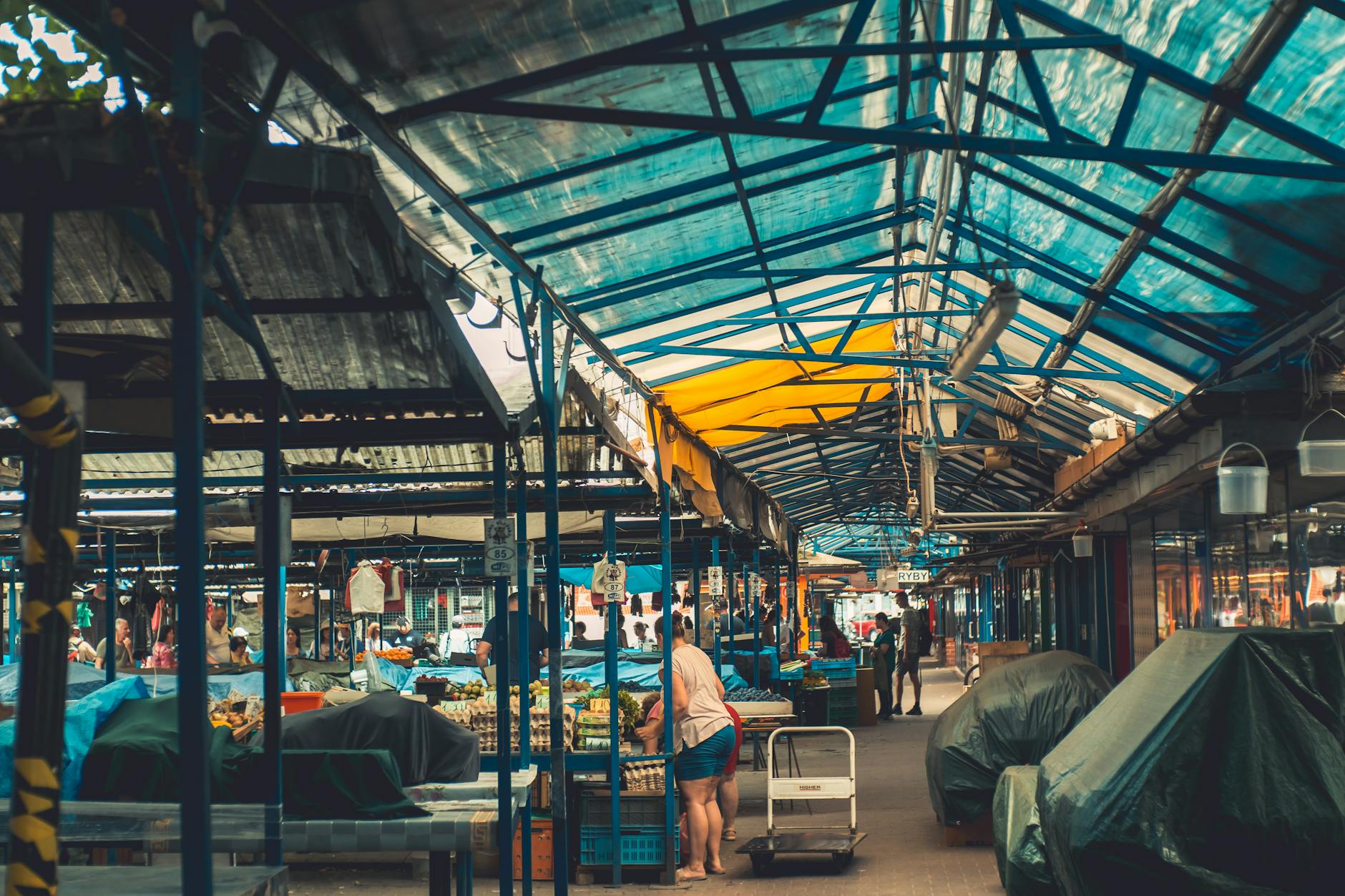
– Book walking tours run by local guides, small-group cooking classes, or a market tour at Stary Kleparz to spend locally.
Local Context
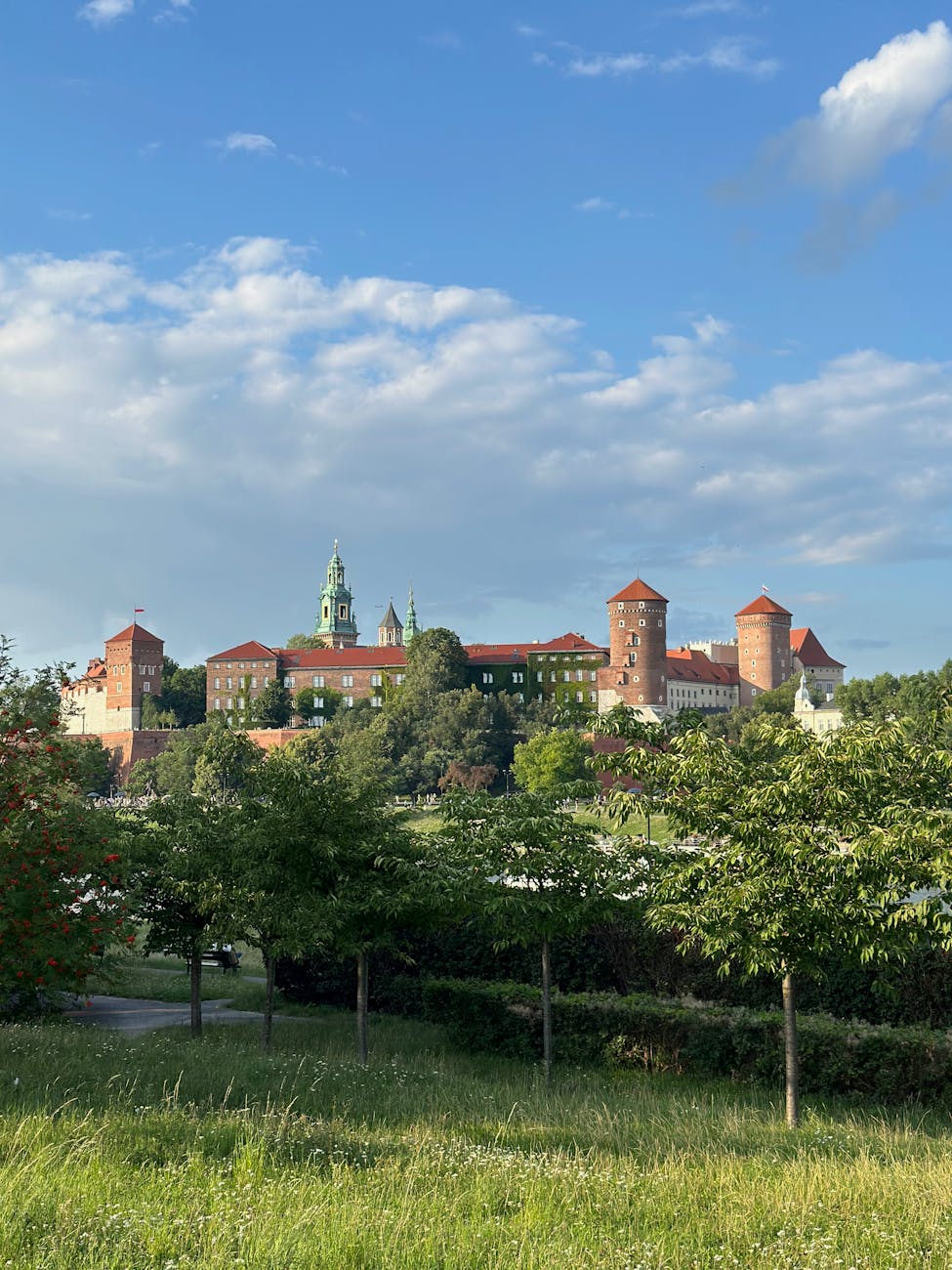
Krakow is Poland's cultural heart with a strong local economy tied to tourism, universities and craftspeople. Tourism concentrates around Rynek, Wawel and Kazimierz, which strains historic fabric in summer. Seasonality: June–August is busiest; winters have fewer tourists but cold weather and shorter opening hours. Transport: central area is best explored on foot; the tram network is reliable and the city is well connected by rail to Katowice (about 1.5 hours), Zakopane (2.5–3 hours by train or bus), Wrocaw and Lublin (longer regional trains). Local business realities: many small cafés and family-run pensions depend on off-peak visitors—choose them when possible.
How to Choose Well
Match choices to your priorities:
- Authentic food and local shopping: stay in Kazimierz or near Stary Kleparz; eat at bar mleczny for budget-friendly local dishes or small bistros supporting local suppliers.
- Fast access to sights: Old Town close to museums, Wawel and Rynek.
- Quiet, off-the-beaten-path feel: Podgórze or residential areas south of the river.
Booking tips
– Book trains and intercity buses at least 2–3 weeks ahead in high season and long weekends. Use PKP Intercity for faster services and FlixBus for budget options.
– For accommodation, prefer small guesthouses (pensjonat) or locally run apartments—check recent reviews for noise and heating, especially in shoulder seasons.
– If you plan multiple museums, check city-card options but calculate if it saves money versus single tickets.
Responsible and Local-First Tips
Spend where it benefits locals
– Choose locally owned cafés, family-run guesthouses and small guides.
– Buy crafts from local makers rather than mass-market stalls.
Low-impact travel choices
– Walk and use trams; prefer regional trains over domestic flights for nearby cities.
– Travel in shoulder months to spread benefits outside peak season.
Site-specific respect
– At Holocaust-related sites and memorials, follow site rules, book certified guides and avoid flash photography in sensitive areas.
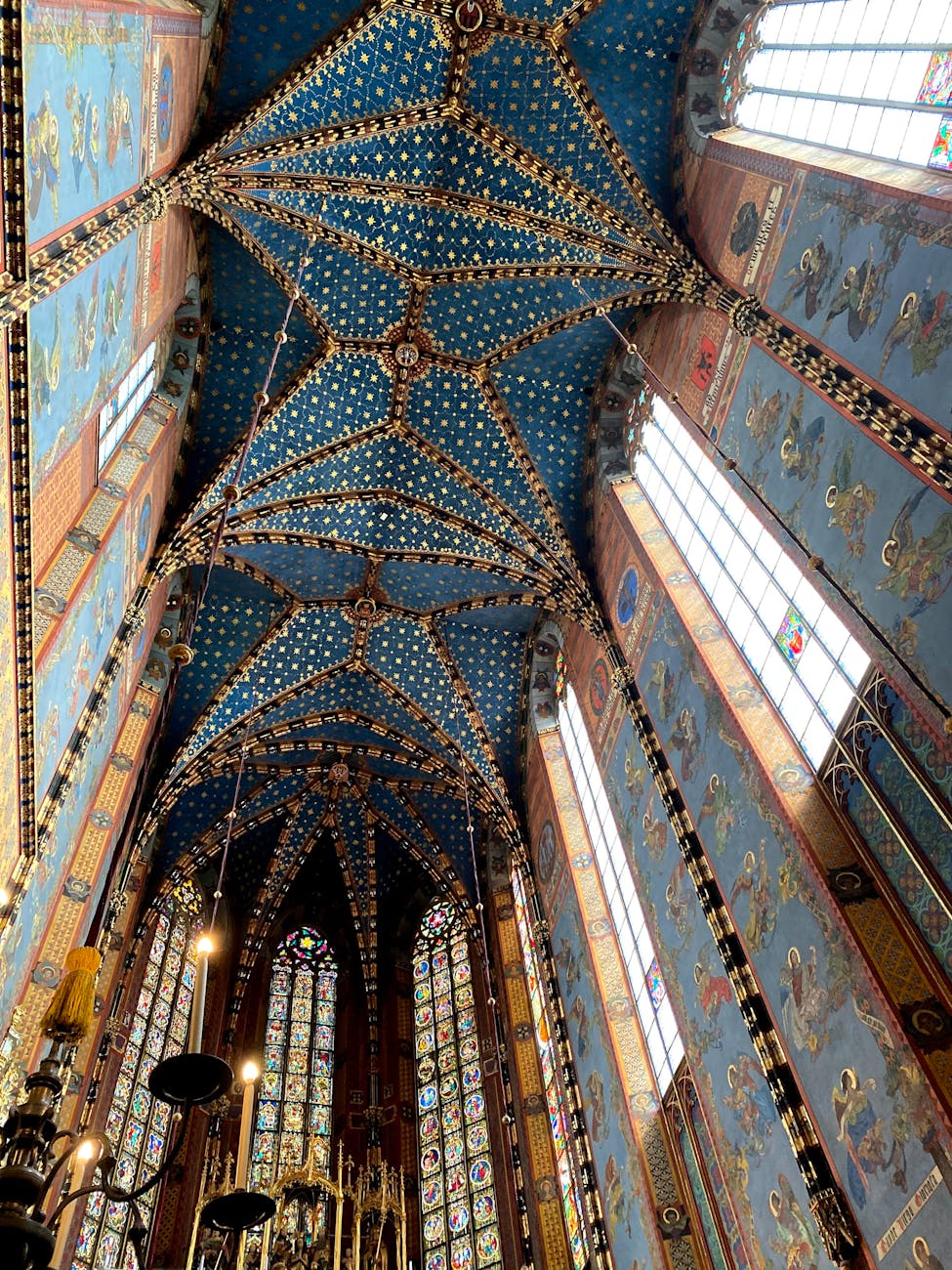
– Dress respectfully in churches and quiet sites.
Small ways to help
– Carry a reusable water bottle and a small bag for purchases.
– Tip modestly for good service (round up or about 10% in restaurants); support social enterprises when you find them.
Common Mistakes to Avoid
- Overpacking the schedule: allow one relaxed morning to absorb Old Town and an evening in Kazimierz rather than rushing every hour.
- Waiting to book Auschwitz or the Wieliczka Salt Mine: both need advance reservations, especially in summer and weekends.
- Assuming taxis are cheap: use trams or official apps (Bolt, FreeNow) to avoid overpaying; confirm meter or price first.
- Only eating in tourist-lined Rynek streets: step a block off to find better value and local suppliers.
- Underestimating weather: bring a rain layer and warm clothes outside of high summer.
FAQ
Is Krakow walkable?
Yes. The Old Town, Kazimierz and Podgórze are all very walkable; plan trams for longer hops and use maps to time transfers.
When is the best time to visit for fewer crowds?
Shoulder seasons—April–May and September–October—offer milder weather, fewer crowds and better support for small businesses. Late winter (February) can be quiet but cold.
How do I get from Krakow to Zakopane, Katowice, Wrocaw, Lublin or odz?
Trains and intercity buses connect these cities. For Zakopane, direct trains and buses run from Krakow main station; buses or shared minibuses are frequent. Katowice is about 1–1.5 hours by train. Wrocaw and Lublin are longer regional routes—book PKP Intercity early for the best fares. For odz, check regional train and bus schedules (local spelling may vary) and aim for daytime travel.
Should I book tours in advance?
For Auschwitz, Wieliczka Salt Mine and popular walking tours, yes—book at least a week in shoulder season and 2–3 weeks in summer. Small-group, locally run tours often fill up earlier and deliver more authentic, community-positive experiences.
Is Krakow safe and what about local etiquette?
Krakow is generally safe. Standard precautions apply: watch belongings in crowds. Respect places of worship and memorial sites, use basic Polish greetings (Dzień dobry, dziękuję) and queue politely.
How much should I tip?
Rounding up small purchases and tipping about 10% in restaurants for good service is typical. For guides and taxi drivers, small cash tips are appreciated.
Conclusion
Krakow rewards travelers who slow down, support local businesses and choose low-impact transport. Use this support page with the 3 days in Krakow itinerary to plan logistics, book sensitive visits in advance and pick neighborhoods that reflect the experience you want—authentic food markets in Kazimierz, historic proximity in Old Town, or quieter Podgórze streets. Consider day trips to Zakopane, Katowice, Wrocaw, Lublin and odz by train or bus to keep carbon impact lower and spread tourism benefits across the region.
Plan the Rest of Your Trip
This page works best alongside the main itinerary and the other planning pages for Krakow.