
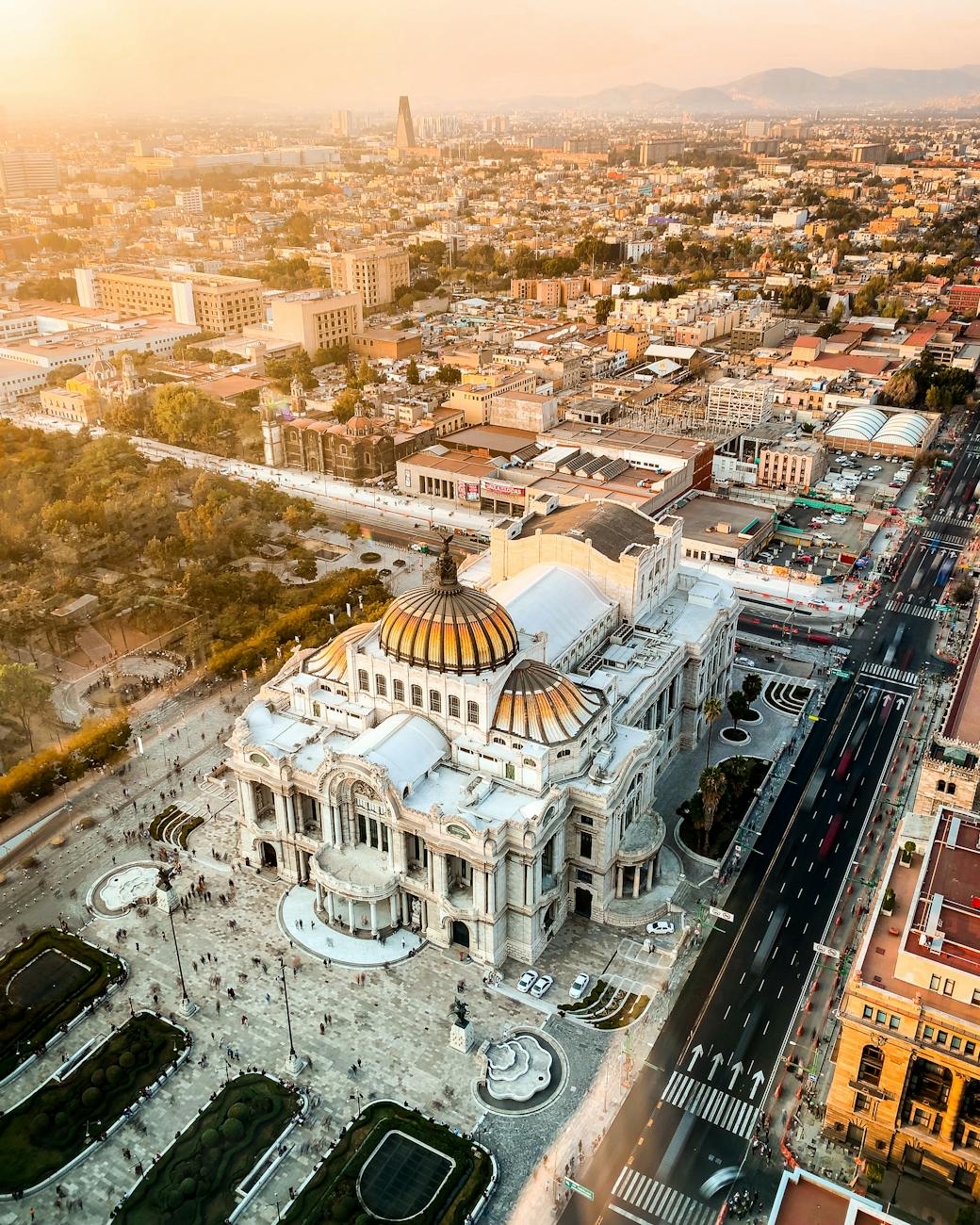
Responsible Travel in Mexico City — Practical Support for Your 3-Day Visit
Sensible, low-impact guidance for a 3-day Mexico City trip: neighborhoods, transit, booking tips, seasonal advice, and local-first choices to support the community and reduce footprint.
A concise, practical companion to our 3 days in Mexico City itinerary that prioritizes sustainable choices, reliable transport info, neighborhood tips, and responsible day-trip options to nearby cities.
Quick Answer
A concise, practical companion to our 3 days in Mexico City itinerary that prioritizes sustainable choices, reliable transport info, neighborhood tips, and responsible day-trip options to nearby cities.
Who This Page Is For
This page is for travelers planning a stay in Mexico City who want clearer decisions about responsible travel, local logistics, timing, budgeting, and practical trip planning.
How This Page Was Prepared
This page was prepared through a structured editorial workflow that combines destination research, geographic context, and practical travel-planning review.
Plan the Rest of Your Trip
Use this page together with the full itinerary and the related planning pages below to make better booking, timing, transport, and budget decisions.
Yes — you can enjoy a low-impact, locally focused 3-day stay in Mexico City with minimal fuss. Prioritize walking, the Metro and Ecobici for short trips, book key museums (Frida Kahlo, Anthropology) in advance, and choose neighborhood eateries and markets in Roma, Condesa, Coyoacán, and Centro Histórico.
For day trips, prefer reliable long-distance buses to private vans: Primera Plus and Estrella de Oro serve Cuernavaca, Toluca and Morelia. For Guanajuato and San Miguel de Allende, consider overnight travel to avoid rushed day trips and to spend more in local economies.
This page is a hands-on support guide for travelers using our 3 days in Mexico City itinerary. It focuses on low-impact choices, local spending, and realistic logistics so you can experience the city without unnecessary waste or risk. Expect neighborhood-by-neighborhood tips, transport realities, seasonal planning, and sustainable alternatives to common tourist traps.
If you’re linking from the main itinerary, use these pointers to optimize each day and choose experiences that help local makers, guides, and small businesses rather than big chains.
What This Page Helps You Decide
Use this page to choose where to sleep, which neighborhoods to walk, how to move between sights, and which day trips are worth the time and footprint. It helps with:
- Picking a sustainable neighborhood base (Roma/Condesa for walkability; Centro for historic access; Coyoacán for a calmer, cultural feel).
- Prioritizing bookings (Frida Kahlo Museum, Anthropology Museum, Chapultepec Castle slot times).
- Deciding on transport modes: Metro vs. rideshare vs. taxi vs. long-distance bus.
- Choosing responsible activities: market shopping, licensed guides, community-run trajineras in Xochimilco.
If you want a day-by-day route, return to our 3 days in Mexico City itinerary and use these practical notes to implement it more responsibly.
Top Recommendations
Neighborhoods and focus:
- Roma Norte / Condesa: best for cafés, independent restaurants, bike lanes, and evening strolls. Stay in locally owned guesthouses where possible.
- Centro Histórico: efficient for museum-heavy days, cathedral, and Zócalo; expect crowds and limited green space.
- Coyoacán: quieter, artisanal markets, Frida Kahlo Museum; ideal for a half- or full-day away from city bustle.
Must-book items:
- Frida Kahlo Museum: buy timed tickets online weeks in advance, especially in high season (Dec–Feb) and school holidays.
- National Museum of Anthropology: reserve a morning slot to avoid afternoons rainy-season crowds.
Low-impact experiences to prioritize:
- Morning walk in Chapultepec Park and bike rentals from Ecobici or local vendors.
- Mercado de Coyoacán and small tortillerías to support food producers.
- Small-group, community-led tours in Xochimilco rather than large-party boats.
For more sight sequencing and a suggested 3-day plan, see the main 3 days in Mexico City itinerary and use these tips to reduce impact and increase local benefit.
Local Context
Seasonality and weather:
- Dry season (Nov–Apr): sunnier mornings, cooler nights. Peak tourist months December and early January bring crowds.
- Rainy season (May–Oct): frequent late-afternoon downpours. Plan museum visits for afternoons, leave outdoor walks for mornings.
- Shoulder seasons (Mar–May, Sep–Nov) balance weather and lower crowds — ideal for sustainable travel.
Transport realities:
- Metro is fast and extremely affordable but crowded at peak times. Keep valuables secure and avoid the busiest trains between 7:00–9:30 and 17:00–19:30.
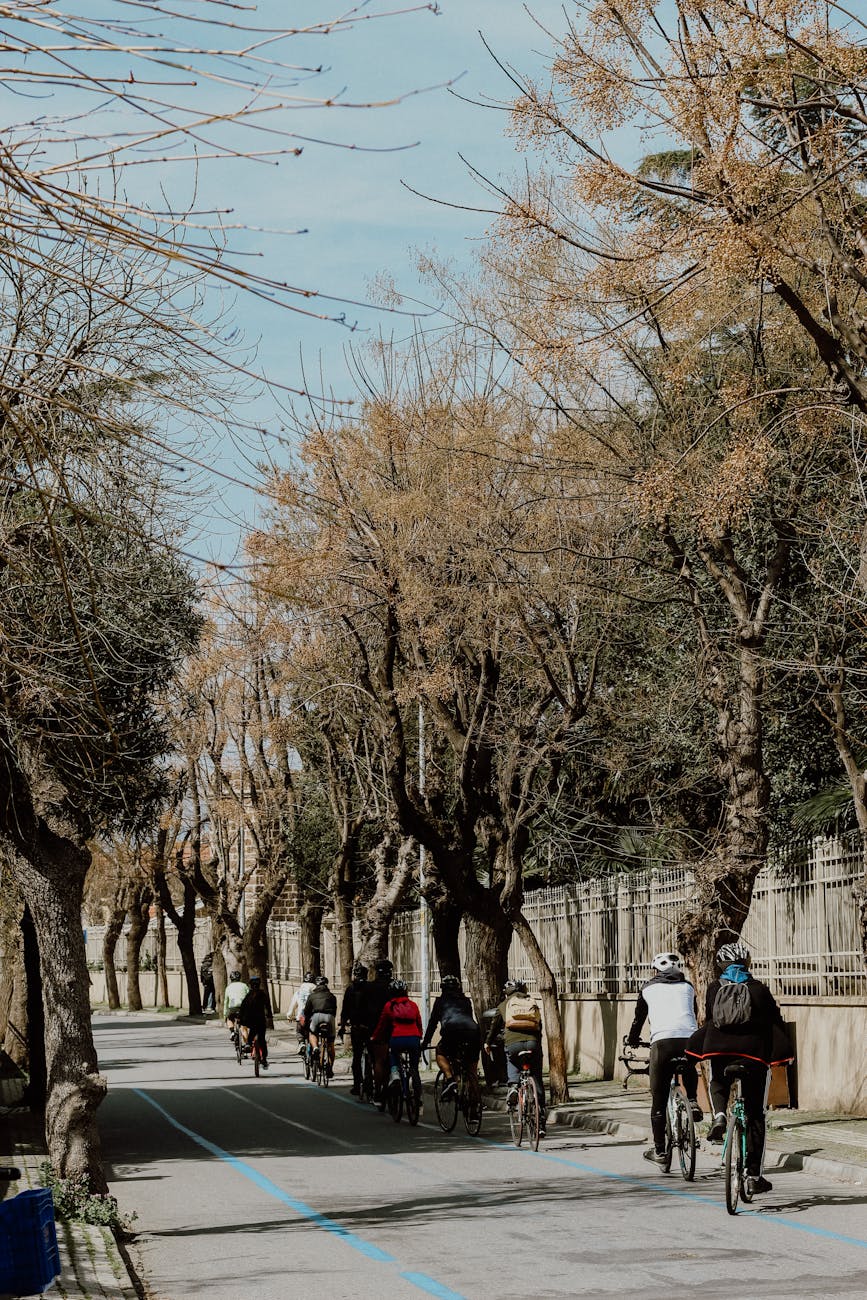
- Metrobús and EcoBici are excellent for medium-distance, low-emission travel. Buy a reusable Metro card (Tarjeta CDMX) and top up for convenience.
- Rideshares (Uber, DiDi, Beat) are generally safer than hailing street taxis. Confirm the plate and driver name before you enter.
Neighborhood notes:
- Polanco is upscale with high-end dining but higher prices; choose smaller, neighborhood eateries to redirect spending locally.
- La Merced and Mercado de Sonora are working markets — go with cash, be mindful of pickpockets, and buy from stalls where you can see production.
Safety and etiquette:
- Basic Spanish greetings and a polite tone work well. Avoid discussing politics loudly; be respectful at religious sites and during public ceremonies at the Zócalo.
- Tap water is not recommended for drinking; use filtered water or refillable bottles from your hotel or trusted sources.
How to Choose Well
Decide based on five practical factors:
1) Proximity to your itinerary: Base in Roma/Condesa for balanced access to Centro and southside museums; choose Centro if you want minimal travel time to historic sights.
2) Walkability and green space: Chapultepec access matters if you prioritize parks and low-impact recreation.
3) Local ownership: Prefer family-run guesthouses, boutique hotels, or certified eco-lodgings to keep lodging dollars local.
4) Transit access: Look for a place within 10–15 minutes of a Metro, Metrobús, or major Ecobici hub.
5) Noise and rest: Centro can be noisy; Coyoacán is better for quiet evenings.
Booking tips:
- Reserve Frida Kahlo Museum and major museums online; many smaller sites are ticketed for timed entry now.
- For day trips to Cuernavaca, Toluca, Morelia, San Miguel de Allende, or Guanajuato, prefer scheduled bus lines (Primera Plus, ETN) for safety and punctuality. If you want a flexible schedule, book a reputable small-group operator that commits to local guides and fair wages.
Compare options in our 3 days in Mexico City itinerary where we recommend optimized day sequencing and transport choices.
Responsible and Local-First Tips
Spend locally:
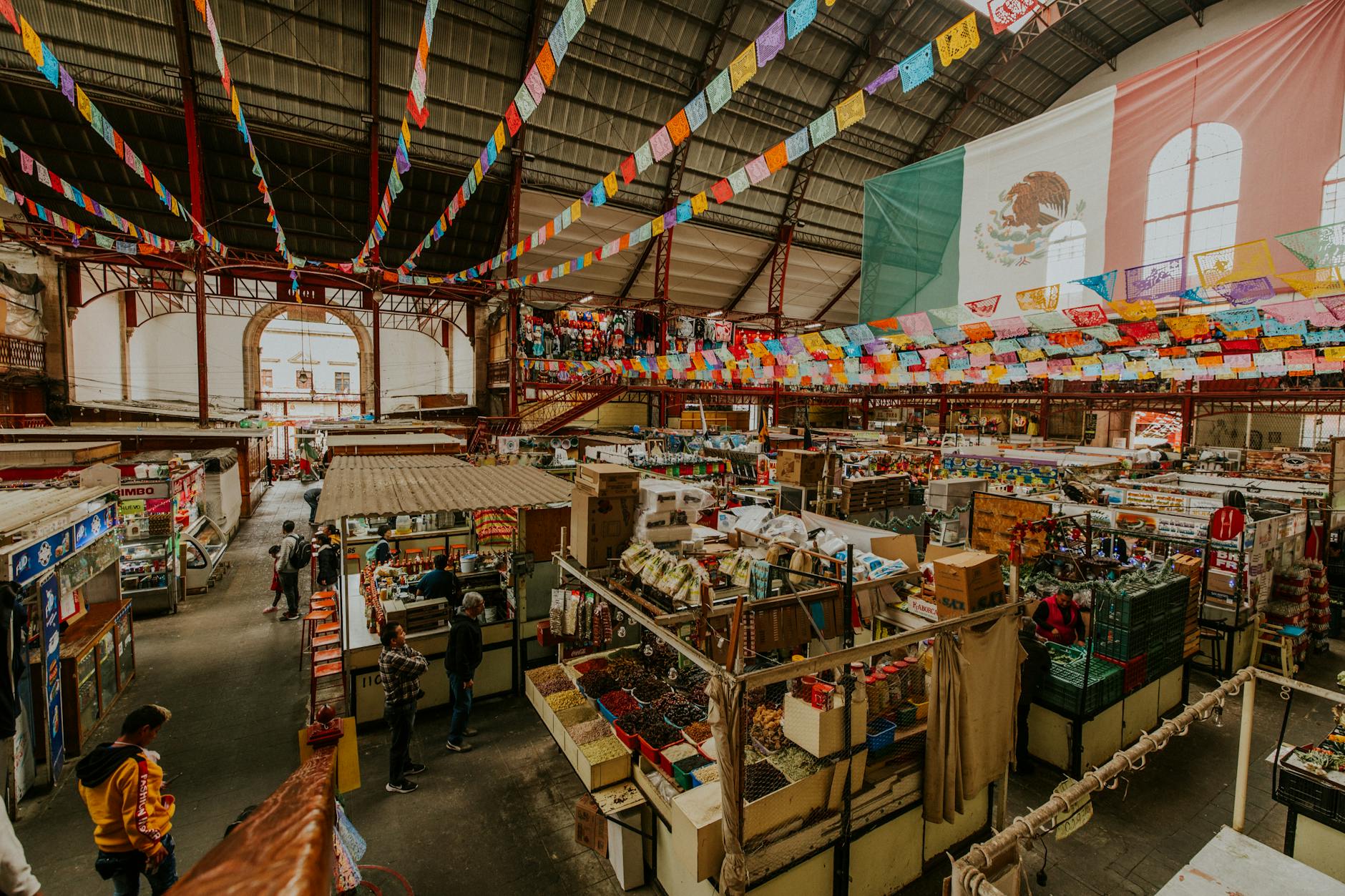
- Eat at family-run fondas, market stalls, and bakeries. Small purchases at markets like Mercado de Coyoacán or La Ciudadela support artisans.
- Buy artisan crafts directly from makers or certified cooperatives; avoid mass-market 'authentic' souvenirs made elsewhere.
Transport and emissions:
- Favor walking, Metro, Metrobús, and Ecobici. When necessary, take rideshares instead of private car tours.
- Skip helicopter and high-emission aerial tours; they add noise pollution and little local economic benefit.
Nature and cultural respect:
- In Xochimilco, choose trajineras operated by community cooperatives and decline vendors selling single-use plastics. Bring reusable cups and straws.
- At archaeological sites and museums, follow signage, don’t climb ruins, and hire licensed local guides where possible.
Tipping and wages:
- Tipping is customary: 10–15% in restaurants if service is not included; small tip for taxi drivers or porters is appreciated. When hiring guides, ask about fair rates and book through local associations when available.
Common Mistakes to Avoid
- Trying to cram Teotihuacan, Coyoacán, Xochimilco and downtown all in one day. Spread out big sites over separate days to reduce travel time and stress.
- Relying on hailing street taxis at night instead of booking through an app or using hotel-arranged transport.
- Leaving Frida Kahlo Museum or Anthropology Museum to chance: they have limited timed entries and sell out.
- Eating only in tourist-heavy Polanco restaurants; you’ll miss better-value, higher-impact meals in Roma, Condesa, and local markets.
- Overlooking safety routines: keep a photocopy of your passport, carry minimal cash, and use front pockets on crowded trains.
Avoid these to preserve time, money, and the positive local impact of your visit.
FAQ
Is the Metro safe for tourists?
The Metro is safe during daytime and is the fastest way to cross the city. Avoid peak rush hours if you have luggage. Keep valuables concealed, use a money belt or front pocket, and ride in women's cars if you prefer.
Should I visit Xochimilco and take a trajinera?
Yes, if you choose community-run trajineras and go during weekday mornings or shoulder-season weekends to avoid party barges. Bring reusable containers and avoid supporting vendors who sell single-use plastics or wildlife.
How far are Cuernavaca, Toluca, Morelia, San Miguel de Allende, and Guanajuato from Mexico City?
Distances and realistic travel options: – Cuernavaca: ~1.5–2 hours by bus, easy for a half-day or day trip. – Toluca: ~1–1.5 hours by bus/car; ideal for a morning or evening visit. – Morelia: ~4–5 hours by bus; better as an overnight trip. – San Miguel de Allende and Guanajuato: both ~4–5 hours by road; plan overnight stays to reduce rushed travel and increase local benefit.
Where should I eat to support local people and reduce waste?
Choose small neighborhood fondas, market stalls, and bakeries. Ask hosts or your guide for family-run places. Bring a reusable water bottle and cutlery to avoid disposables.
Do I need to learn Spanish?
Basic Spanish phrases are very helpful and appreciated. English is common in tourist spots, but learning greetings and simple questions improves interactions and supports local businesses.
Conclusion
Mexico City rewards travelers who plan carefully and make thoughtful, local-first choices. Use our 3 days in Mexico City itinerary as a backbone, then apply the transport tips, neighborhood selections, and sustainable behaviors here to reduce impact and maximize local benefit. Favor shoulder seasons, book key museums ahead, support small businesses, and choose low-emission transport for a responsible, memorable visit.
How this guide was prepared
This guide was prepared through a structured research that combines destination research, geographic context, itinerary planning logic, and content review.