

Responsible Travel in Montreal — Practical Support for 3 Days in Montreal
Practical, local-first advice for a low-impact, authentic 3-day Montreal trip: best neighborhoods, transport choices, seasonal tips, markets, and booking guidance.
A compact, scan-friendly support page for travelers using our 3 days in Montreal itinerary — focused on sustainable choices, neighborhoods, transport realities, and easy day-trip options.
Quick Answer
A compact, scan-friendly support page for travelers using our 3 days in Montreal itinerary — focused on sustainable choices, neighborhoods, transport realities, and easy day-trip options.
Who This Page Is For
This page is for travelers planning a stay in Montreal who want clearer decisions about responsible travel, local logistics, timing, budgeting, and practical trip planning.
How This Page Was Prepared
This page was prepared through a structured editorial workflow that combines destination research, geographic context, and practical travel-planning review.
Plan the Rest of Your Trip
Use this page together with the full itinerary and the related planning pages below to make better booking, timing, transport, and budget decisions.
Best short answer for planning: visit in shoulder seasons (April–early June, September–October), stay in a central neighborhood (Plateau, Mile End, Griffintown, or Old Montreal) and use metro + walking + BIXI for most short trips. Book Notre-Dame Basilica and popular museums ahead. For low-impact day trips, prefer trains or scheduled intercity buses to Laval, Ottawa, and Quebec City rather than rental cars.
This page is a practical companion to our main 3 days in Montreal itinerary. It focuses on low-impact choices, neighborhood-led experiences, and realistic logistics so you can follow the itinerary while minimizing environmental and social impact. Use this as a quick-reference planning guide when you’re booking, packing, or deciding a day trip.
What This Page Helps You Decide
Use this page to quickly choose:
- Where to base yourself for three days and why that matters for walkability and local spending.
- Which neighborhood markets and small producers to prioritize for meals.
- How to get between neighborhoods (metro, BIXI, walking) and when to consider regional trains or buses for day trips.
- Which bookings to make before you arrive (museums, Basilica, seasonal tours).
If you’re following the 3 days in Montreal itinerary, check the suggested neighborhood for each night so you minimize transfers and support local cafes and shops.
Top Recommendations
Priorities to get the most authentic and sustainable experience:
- Neighborhoods: base in Plateau-Mont-Royal or Mile End for cafés, bakeries, and independent shops; Old Montreal if you prefer history and easy waterfront access; Griffintown for newer dining with walkable design.
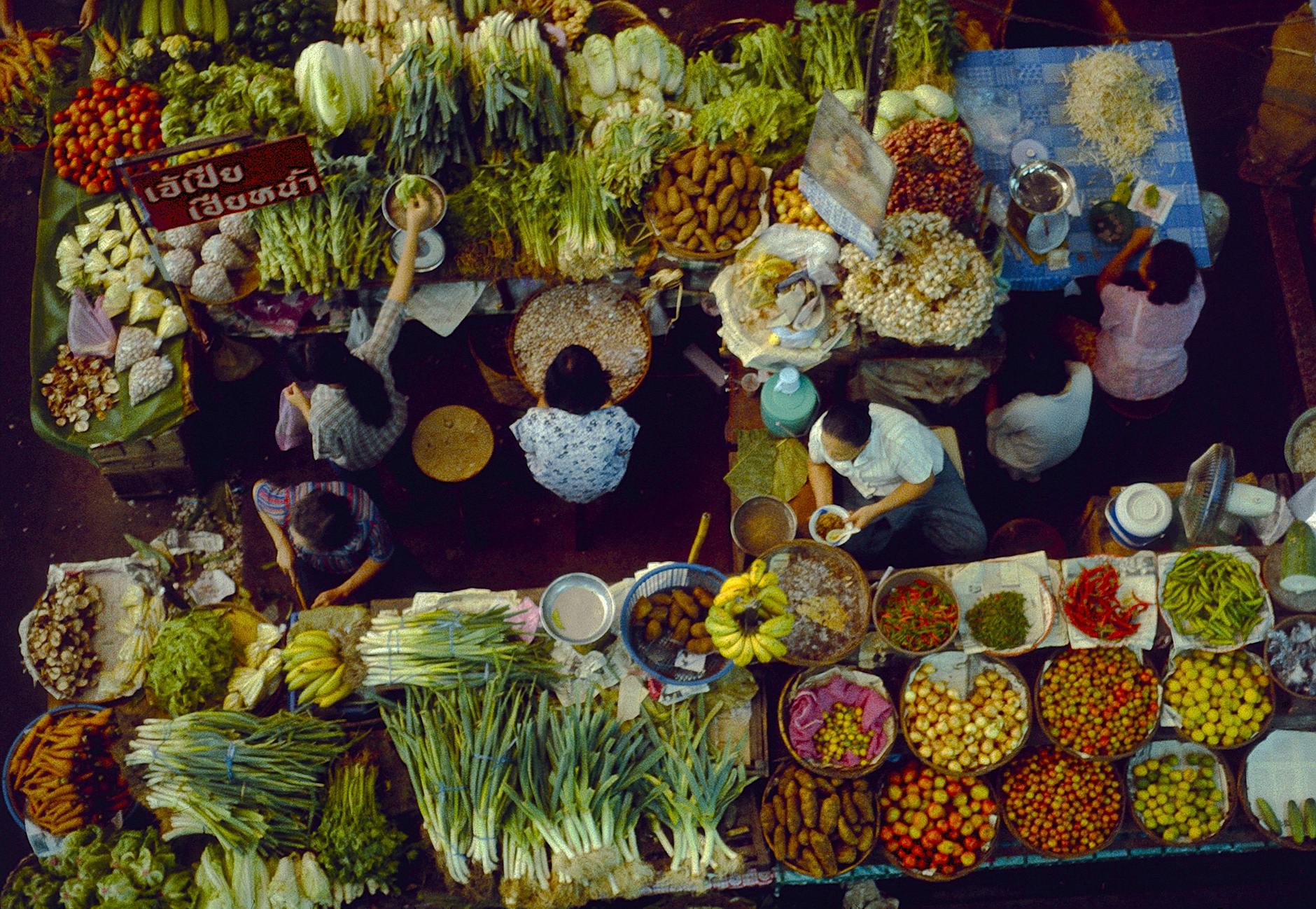
- Markets: shop at Jean-Talon or Atwater in the morning to support farmers. Bring a reusable tote and small bills for produce sellers.
- Transport: buy a 3-day or multi-day STM pass if you’ll use the metro frequently; use BIXI for short hops when weather permits (typically April–November).
- Book ahead: Notre-Dame Basilica tickets, special exhibitions at the Montreal Museum of Fine Arts, and certain guided food or neighbourhood tours in peak season.
- Eat local-first: choose restaurants that list Quebec producers, small neighbourhood bistros, and market stalls.
These choices align cleanly with the activities in our 3 days in Montreal guide and reduce time lost to travel.
Local Context
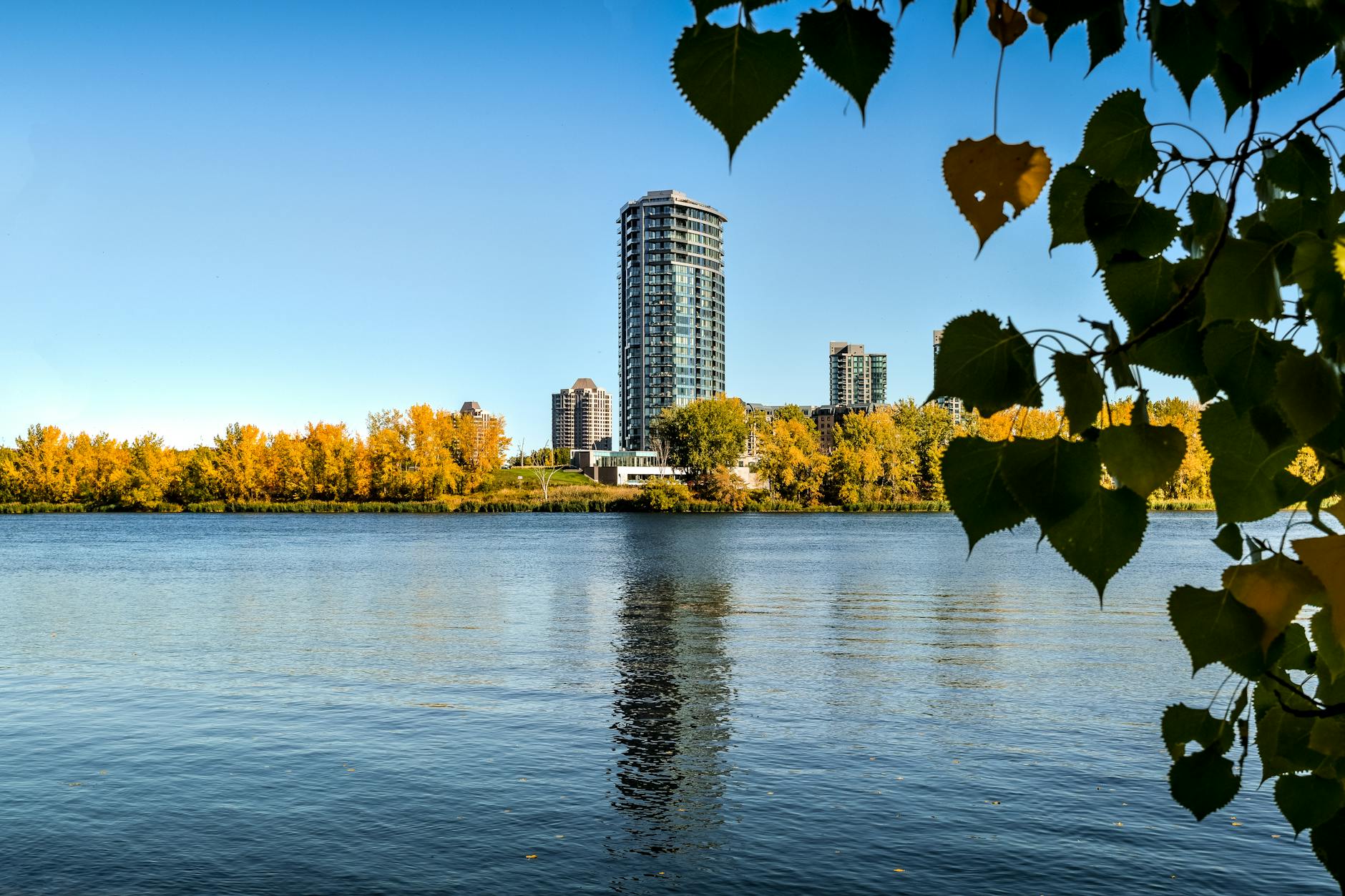
Seasons and weather: Montreal has distinct seasons. Winters are cold and snowy; many outdoor services pause or change. Spring (April–June) and fall (September–October) offer comfortable days, thinner crowds, and active local life.
Language and etiquette:
- French is the official language; a polite "Bonjour" goes a long way. Most service workers speak English, but starting in French is respectful.
- Tipping is customary: plan on 15–20% in restaurants.
Transit realities:
- The STM metro is efficient across the island; typical service runs early morning to around midnight–1:00 a.m. (check current schedules). Contactless payment and reloadable OPUS options make short stays easy.
- BIXI bike-share is seasonal; bring a helmet if you prefer your own. Bike lanes are widespread but can be icy in winter.
Neighborhood notes:
- Plateau: steep, photogenic streets, lots of cafés and boutiques.
- Mile End: creative shops, bagel bakeries, and small music venues.
- Old Montreal: historic cobbles, heavy foot-traffic and tourism — visit early or late to avoid crowds.
Safety and accessibility:
- Montreal is generally safe, but standard urban vigilance for belongings in crowded areas is wise.
- Sidewalks can be icy in winter and uneven in Old Montreal; choose footwear and plans accordingly.
How to Choose Well
A few simple decision rules that help you match the 3-day itinerary to your values:
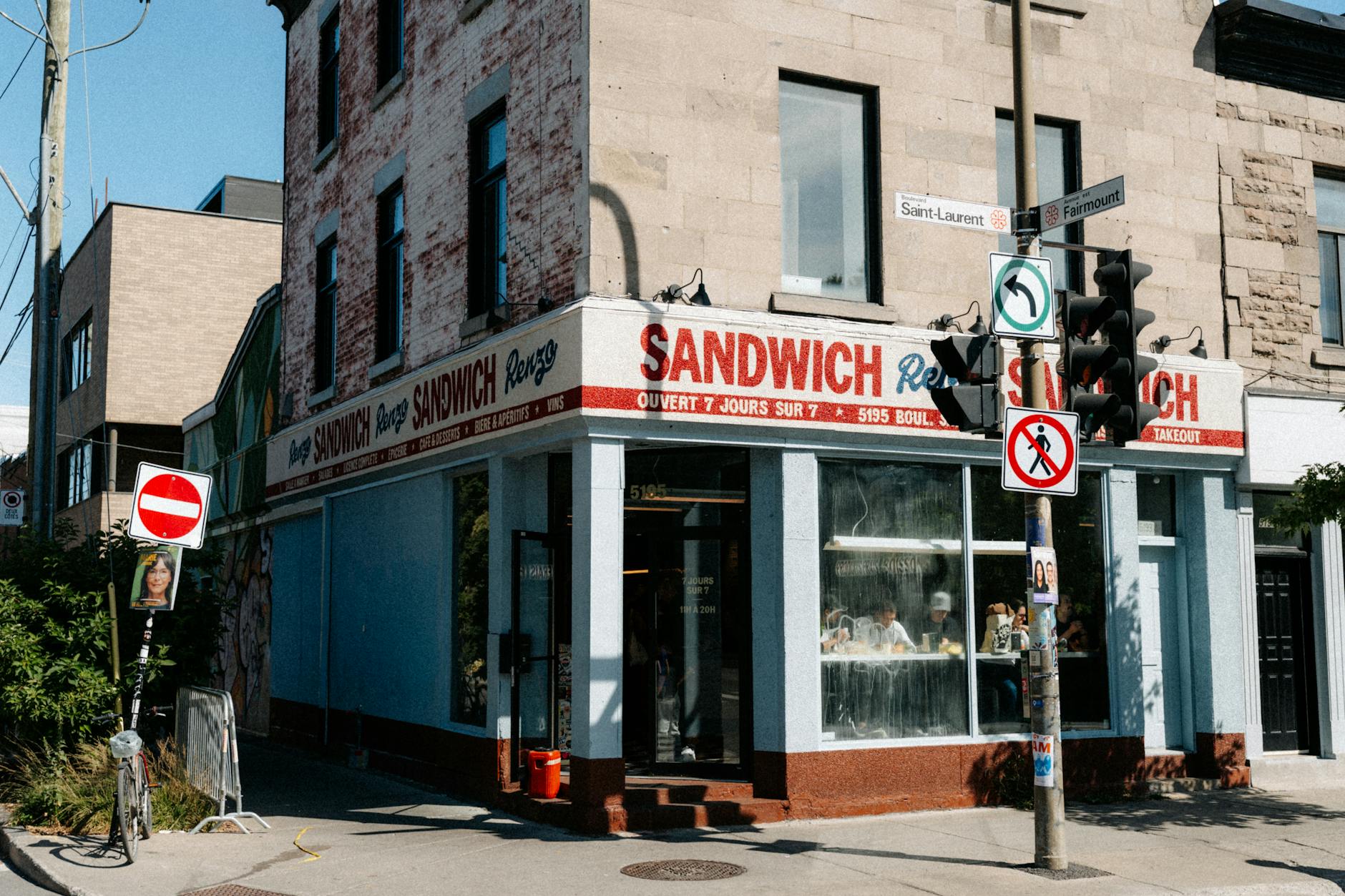
- If you want walkable food and music, choose Plateau or Mile End. You’ll directly support long-standing neighbourhood businesses.
- If you prefer historic charm and shorter travel to riverfront activities, choose Old Montreal. Accept slightly more tourist crowds and cobblestone walking.
- Choose public transit or rail for day trips: VIA Rail and scheduled intercity buses are lower-impact than driving long distances. For Laval and nearby suburbs, check commuter trains or local transit connections.
- Book guided experiences with small operators or certified cultural guides to ensure revenue stays local.
Booking and timing tips:
- Reserve Basilica and top museums in advance during summer and festival weeks.
- Aim for early mornings at markets for the best selection and fewer tourists.
- If you plan trips to Ottawa, Quebec City, Toronto, or Niagara Falls, compare train vs bus times and book early — these trips are popular and impressions depend on timing.
Responsible and Local-First Tips
Practical ways to keep your trip low-impact and maximize local benefit:
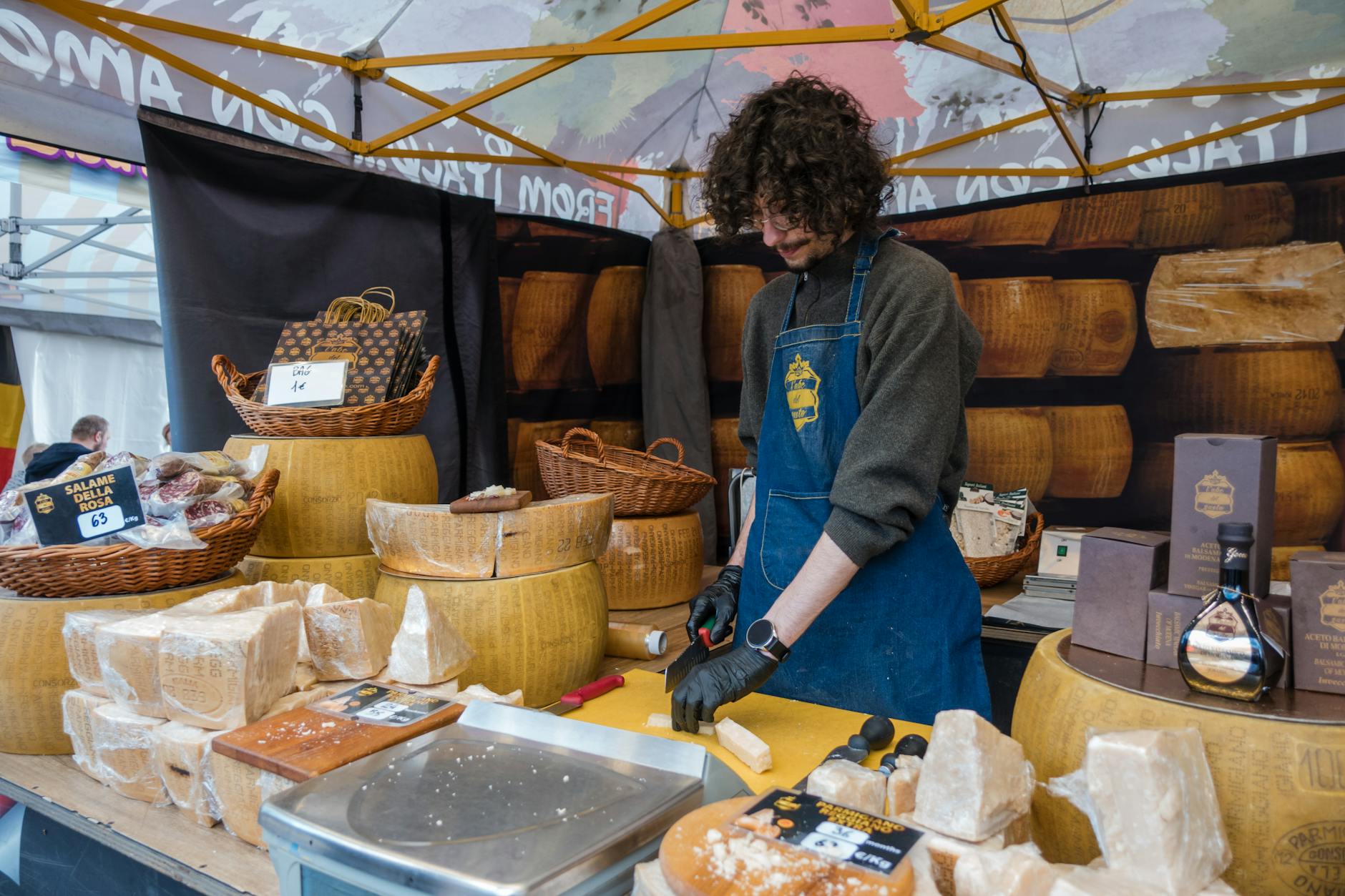
- Eat market-to-table: buy from vendors at Jean-Talon and cook or eat nearby — profits go to producers.
- Prefer independent cafés, family-run restaurants, and neighbourhood grocery stores over global chains.
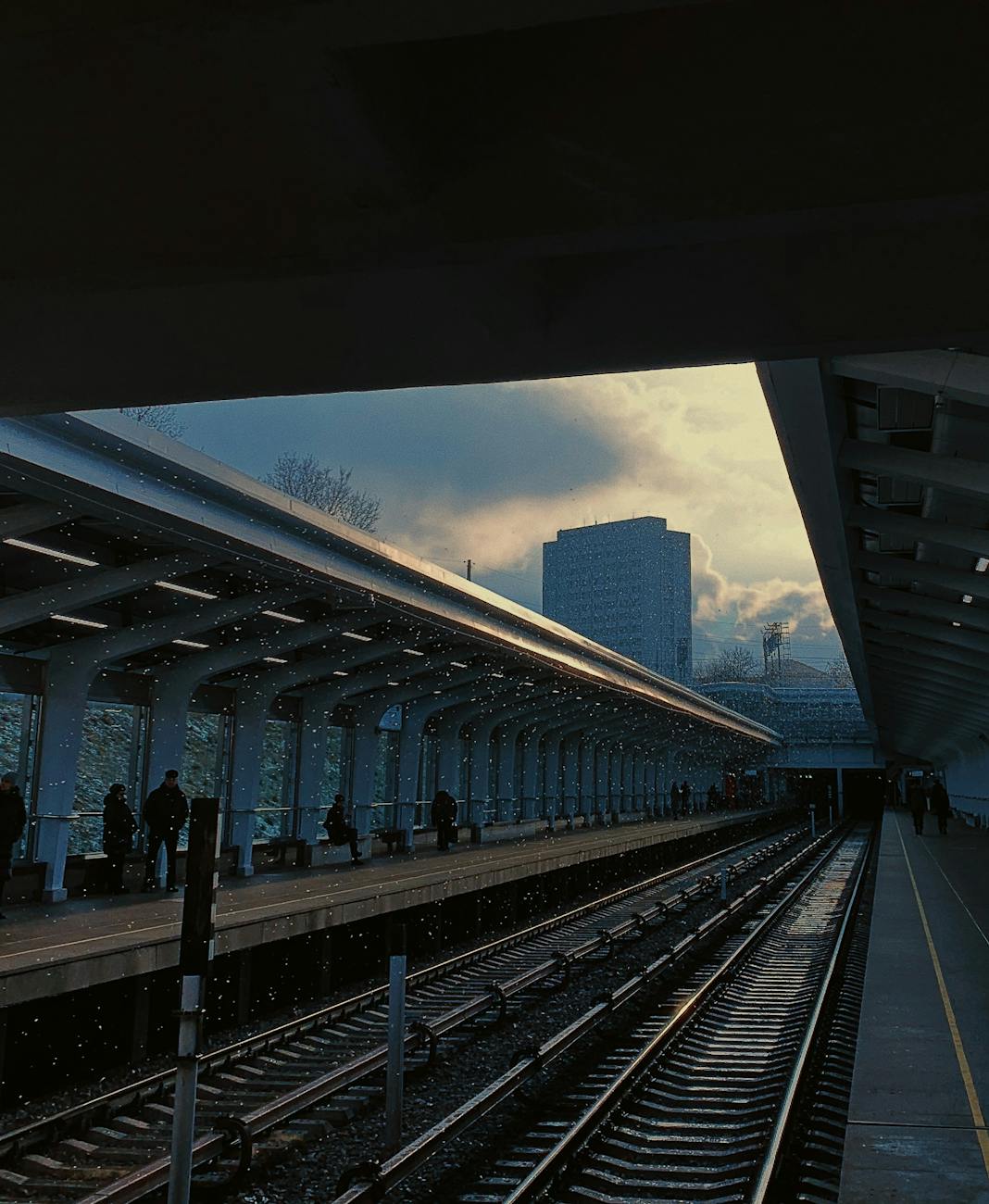
- Use BIXI, the metro, and walking for short distances. For intercity travel, choose trains or reputable intercity buses.
- Choose accommodations that show clear community engagement or eco-practices — small inns and locally owned guesthouses often reinvest in the neighbourhood.
- Reduce waste: carry a reusable cup and bag; many cafés offer a small discount for reusable cups.
- Support Indigenous and local cultural experiences when available and book directly with community-led operators.
These choices are easy to apply while following the 3 days in Montreal itinerary and help keep spending within the city.
Common Mistakes to Avoid
Short list of frequent missteps and how to avoid them:
- Trying to see everything: Montreal rewards slow exploration. Follow the 3-day plan rather than overpacking one day.
- Assuming taxis are cheaper or faster: central areas are often quicker on foot or by metro during rush hours.
- Not checking hours: many markets and smaller shops close mid-afternoon or have reduced hours in shoulder seasons.
- Ignoring weather prep: winters require warm boots and traction; spring can be muddy near parks.
- Booking last-minute for festivals and popular attractions: plan ahead to avoid high fees and sold-out tours.
Avoid these and you’ll save time, money, and minimize disruption to neighbourhood life.
FAQ
Is Montreal easy to get around without a car?
Yes. The STM metro and buses cover most visitor areas on the island; BIXI and walking fill gaps for short trips. For intercity travel to Ottawa, Quebec City, Toronto or Niagara Falls, use VIA Rail or intercity buses when possible.
When is the best time to visit for fewer crowds and lower impact?
Shoulder seasons (April–June, September–October) are best: milder weather, fewer tourists, and many businesses still fully open.
Do I need to speak French?
No, but a polite "Bonjour" and simple French phrases are appreciated. Most front-line staff speak English, especially in hospitality.
Are markets and producers cash-only?
Some vendors accept cards but smaller stalls may prefer cash. Bring a small amount of cash and a reusable bag.
Is BIXI safe in the city and how long is the season?
BIXI is a convenient option; typical season runs April through November. Check local weather and bike-lane conditions before leaving.
What should I book before arrival?
Book Notre-Dame Basilica tickets on busy days, major museum exhibitions, and any small-group food or cultural tours referenced in the 3 days in Montreal itinerary.
Conclusion
Follow these neighborhood, transport, and booking tips to make your 3 days in Montreal more sustainable and locally beneficial. For step-by-step plans and daily schedules that pair with these recommendations, see the main 3 days in Montreal itinerary. If you have time for day trips, consider train options to Laval, Ottawa, Quebec City, Toronto, or Niagara Falls to keep travel efficient and low-impact.
How this guide was prepared
This guide was prepared through a structured research that combines destination research, geographic context, itinerary planning logic, and content review.