

Responsible Travel in Rio de Janeiro — Practical Support for a 3-Day Visit
Practical, low-impact advice for visiting Rio de Janeiro: where to stay, how to get around, responsible favela visits, seasonal tips, and sustainable choices that complement our 3-day Rio itinerary.
A compact, practical guide to traveling responsibly in Rio de Janeiro: neighborhood choices, transport realities, vetted tours, local-first dining and shopping, and day-trip options to nearby coastal and cultural destinations.
Quick Answer
A compact, practical guide to traveling responsibly in Rio de Janeiro: neighborhood choices, transport realities, vetted tours, local-first dining and shopping, and day-trip options to nearby coastal and cultural destinations.
Who This Page Is For
This page is for travelers planning a stay in Rio de Janeiro who want clearer decisions about responsible travel, local logistics, timing, budgeting, and practical trip planning.
How This Page Was Prepared
This page was prepared through a structured editorial workflow that combines destination research, geographic context, and practical travel-planning review.
Plan the Rest of Your Trip
Use this page together with the full itinerary and the related planning pages below to make better booking, timing, transport, and budget decisions.
If you have three days: prioritize Christ the Redeemer (early morning), Sugarloaf at sunset, and a neighborhood walk through Ipanema/Copacabana or Santa Teresa. Choose locally led experiences: community-based favela tours, small-restaurant meals, and ferry day trips to Niterói. Travel light, time visits for shoulder season (Apr–May, Sep–Nov) to avoid crowds and support sustainable lodging options.
This support page is built to sit alongside the main 3 days in Rio de Janeiro itinerary. It focuses on low-impact choices, neighborhood realities, sensible bookings, and community-first activities so your short visit benefits local people and minimizes environmental footprint. Use this as a quick-reference before you book, while packing, or to tweak your daily plan in Rio.
What This Page Helps You Decide
Make clear, low-impact choices for a short Rio visit. Use this page to decide:
- Where to base yourself (safety vs. local character).
- Which tours to book in advance and which to reserve on-site.
- How to fit one responsible favela visit and a cultural museum into a tight schedule.
- Whether to add a day trip to nearby Niterói, Cabo Frio, or Ilhabela to your itinerary.
If you’re following the 3 days in Rio de Janeiro plan, use these notes to swap high-impact options for greener, community-positive alternatives.

Top Recommendations
Neighborhoods and choices that balance convenience, safety, and local support:
- Ipanema and Leblon: best for walking to beaches, restaurants that hire locally, and upscale but sustainable hotels. Good base for a 3-day stay.
- Botafogo: central, excellent views of Sugarloaf, more affordable hotels and easy metro access. Great for independent travelers.
- Santa Teresa: stay here if you want artisanal shops and community-run guesthouses; streets are steep and less accessible so allow extra time.
- Centro and Flamengo: efficient for museums (Museum of Tomorrow) and Jardim Botânico, respectively; choose daytime activity windows.
Booking essentials:
- Prebook timed entry for Christ the Redeemer and Sugarloaf cable car to avoid long lines.
- Reserve any favela visits through community-based operators; confirm profits return to the community.
- Book accommodations with clear sustainability practices or local hiring policies if available.
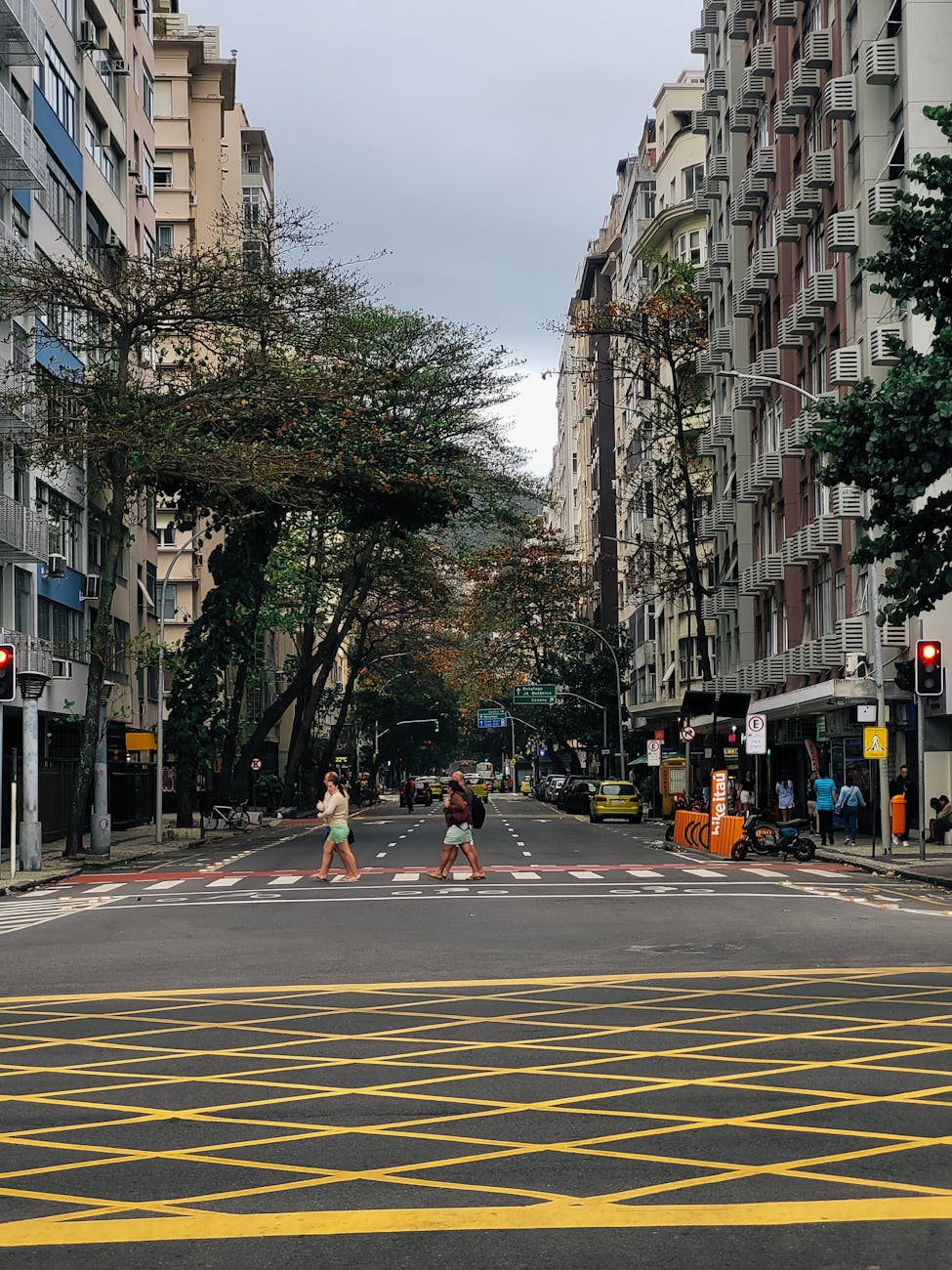
Local Context
Seasonal patterns and transport realities that affect daily plans:
- Seasons: High season runs Dec–Feb (hot, crowded, pricier). Carnival (Feb/March) is extremely busy. Shoulder months (Apr–May, Sep–Nov) often bring pleasant weather, thinner crowds, and better local rates. Winter (Jun–Aug) is cooler and drier; ocean is cooler but beaches are still lively.
- Transport: Rio’s metro is fast and covers key lines in Zona Sul and Centro; check operating hours as they can vary. Buses are extensive but slower in peak traffic—expect delays. Ferries to Niterói are frequent and scenic. Ride-hailing apps (99, Uber) are widely used; official taxis are safe from taxi stands.
- Walking and hills: Many neighborhoods are walkable, but Santa Teresa and parts of Centro are steep—wear supportive shoes. Favor walking and transit over short taxi hops to reduce emissions.

How to Choose Well
Practical criteria to select accommodations, tours, and day trips:
Accommodation
– Pick hotels or guesthouses in Ipanema, Leblon, or Botafogo for evening safety and metro access. Santa Teresa offers character but account for steep streets and limited public transport.
– Ask properties about local hiring, waste management, and whether they support community projects.
Tours and experiences
– Prioritize small-group and locally run tours. For favela visits, choose operators that hire neighborhood guides and give back—ask for a letter or page detailing community benefits.
– Book Christ the Redeemer and Sugarloaf tickets with timed slots. Reserve evening Sugarloaf slots for sunset but be flexible with weather.
Day trips and nearby cities
– Short day trip: Niterói via the ferry for the MAC and quieter beaches; travel time is under an hour including walkable neighborhoods.
– Beach options: Cabo Frio and Ubatuba are reachable by car/bus for multi-day escapes—prefer off-peak travel and longer stays to reduce carbon intensity.
– If you’re curious about mountain weather and cooler temperatures, consider Campos do Jordão for a longer inland trip in the cooler season.
Use the 3 days in Rio de Janeiro itinerary as your spine; swap in local-first experiences suggested here to keep impact low and benefits local.

Responsible and Local-First Tips
Simple habits that direct your spending and reduce harm:
- Eat and buy locally: choose small kiosks, family-run restaurants (comida caseira), and neighborhood markets. Ask hosts for authentic neighborhood favorites.
- Prefer community-led favela tours and cooperative craft sellers—verify that guides are from the community.
- Reduce plastic and reef harm: carry a reusable water bottle, avoid single-use plastics, and use reef-safe sunscreen on beaches.
- Use public transport, cycles, and short walking trips when practical. If you use ride apps, combine errands to reduce trips.
- Respect photography choices: always ask before photographing people in informal neighborhoods.
- Tip responsibly: 10% is customary in restaurants; smaller cash tips are appreciated by guides and drivers.
Bring modest, culturally appropriate clothing for religious sites and be aware that evening neighborhoods vary in atmosphere—dress practically, not provocatively.

Common Mistakes to Avoid
- Overpacking activities: Rio’s traffic and hills mean fewer sites per day than you might expect—allow transit time.
- Booking unguided favela 'look' tours: these can exploit communities—choose vetted community partners only.
- Waiting to book Christ the Redeemer or Sugarloaf tickets on high season days—timed slots often sell out.
- Staying only on Copacabana because of price: compare Botafogo, Flamengo, or Ipanema for better value and local experiences.
- Flashy displays of valuables: keep phones and jewelry discreet in crowded areas and on transit.
- Ignoring weather: summer storms can affect cable cars and outdoor plans—have a backup indoor plan (museums, markets).
FAQ
Is it safe to visit favelas in Rio?
Some community-led favela tours are safe, ethical, and provide real benefits. Book through organizations that employ local guides, show evidence of community reinvestment, and avoid voyeuristic behavior. Do not enter informal neighborhoods unaccompanied.
When is the best time to visit to avoid crowds but still have good weather?
Shoulder months April–May and September–November offer a balance of good weather, fewer tourists, and lower prices. Winter (Jun–Aug) is drier and cooler with fewer beachgoers.
How should I get around on a short trip?
Use the metro for faster cross-city travel, ferries for Niterói, and ride-hailing apps late at night. Walk within neighborhoods like Ipanema and Leblon. Expect buses to be slower during peak traffic.
Any tips for booking tickets for Christ the Redeemer and Sugarloaf?
Buy timed-entry tickets in advance online. For Sugarloaf, book a sunset slot if weather permits, but also have a daytime backup. Arrive early to avoid afternoon clouds that can reduce visibility.
Are there sustainable accommodations in Rio?
Yes—look for guesthouses and small hotels that publish local hiring policies, waste reduction practices, or partnerships with community projects. Ask property managers about suppliers and hiring when you book.
Conclusion
Rio de Janeiro rewards thoughtful planning. Base yourself where transport, safety, and local commerce intersect—Ipanema, Botafogo, or Santa Teresa depending on priorities—book key tickets in advance, and choose community-first experiences to ensure your visit supports local people. Use this page alongside the 3 days in Rio de Janeiro itinerary to swap high-impact choices for sustainable alternatives and consider short trips to Niterói, Cabo Frio, Ubatuba, Ilhabela, or Campos do Jordão if you can add extra days. Small choices—timed tickets, local guides, reusable bottles—add up to better trips for you and for Rio.
How this guide was prepared
This guide was prepared through a structured research that combines destination research, geographic context, itinerary planning logic, and content review.