
Responsible travel in Sorrento: how to visit with low impact
Practical, local-first advice for visiting Sorrento responsibly: transport, where to eat, lower-impact alternatives to busy spots, and seasonal tips.
A focused guide to reduce impact while visiting Sorrento: public transit, trusted local places, when to visit Marina Grande and Capri, and concrete alternatives to crowded sites.
Responsible travel in Sorrento?
Base near Piazza Tasso to shorten walks and transfers; the Circumvesuviana train reaches Pompei in about 35 minutes. Prefer early ferries to Capri (one-way prices usually €20–€26 in high season) and use SITA/Circumvesuviana rather than cars for lower emissions.
Who This Page Is For
This page helps independent travellers and small-group visitors who plan day trips from Sorrento and want concrete ways to reduce environmental and social impact. It is less useful for luxury travellers who will primarily use private transfers or charter boats.
Key Takeaways for Sorrento
- Circumvesuviana train from Sorrento to Pompei takes roughly 35 minutes and avoids private-car traffic.
- Ferry to Capri typically costs €20–€26 one-way in July–August; book early-morning crossings to avoid queues.
- Try gnocchi alla sorrentina at Ristorante da Emilia in Marina Grande for about €12–€18 per main.
- Buy single SITA bus tickets from a tabacchi or the EAVSBus app; typical short-route fares are around €2–€3.
How This Page Was Prepared
This page was prepared through a structured editorial workflow that combines destination research, geographic context, and practical travel-planning review.
Plan the Rest of Your Trip
Use this page together with the full itinerary and the related planning pages below to make better booking, timing, transport, and budget decisions.
For the quickest, lowest-impact approach: stay near Piazza Tasso or Corso Italia to minimize transfers and walk to the Circumvesuviana station for regional trains. Use the Circumvesuviana to reach Pompei and Napoli, and take public ferries from Marina Piccola or the Marina Grande ferry pontoons to Capri and Ischia; early departures (before 9:30) cut crowds and waiting times.
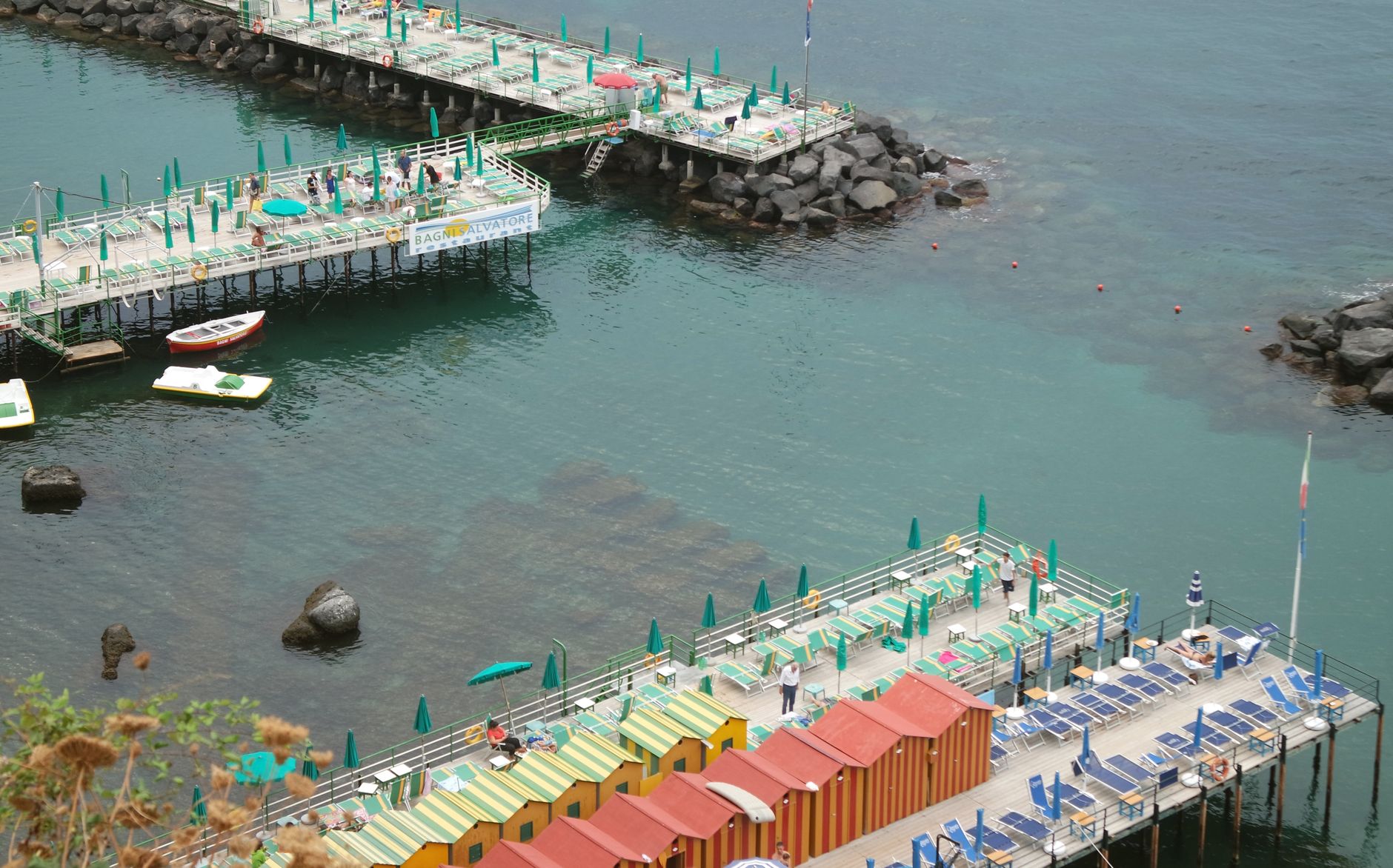
Buy short SITA or Circumvesuviana tickets at a tabacchi or the EAVSBus app instead of relying on taxis. If swimming or a quieter coastal experience is the goal, choose Bagni della Regina Giovanna or Marina Piccola in late afternoon instead of the midday crowd at Marina Grande.
This page answers one specific question: how to visit Sorrento in a way that reduces environmental impact and supports local businesses while still seeing the area's main sights. Many visitors underestimate how concentrated arrivals are in July and August, how narrow streets and limited parking make private cars problematic, and how peak-day ferry schedules create bottlenecks. A lot of planning advice online either pushes expensive private options or gives vague 'be respectful' lines without naming the stores, bus stops, or times that actually make a difference.
This guide gives concrete, verifiable steps: which transit lines to use, where to buy tickets, which neighbourhoods to prefer for lodging, specific local businesses and markets to support, and lower-impact alternatives to the busiest attractions. The goal is practical: reduce carbon and crowd pressure while improving the quality of the visit and keeping more money with local owners.
What This Page Helps You Decide
This page helps decide where to base in Sorrento, how to reach nearby sites with minimal impact, and which local vendors to prioritize for food and services. Specific choices supported include: whether to take the Circumvesuviana train to Pompei or a guided bus; whether to book a high-season ferry to Capri the night before or take an early-morning public boat; and whether to reserve a table at a family-run trattoria or eat in tourist-heavy central restaurants.
Also covered: when to visit Marina Grande for seafood, which bus stops on Corso Italia to use for Amalfi Coast SITA buses, and when walking around the old town is realistic given luggage or mobility limits. Information here should equip travellers to make trade-offs between time, cost, and local benefit.

Top Recommendations
Use public transit first. Buy Circumvesuviana train tickets at the station ticket window or machines in Piazza Tasso; the line is the most direct way to Pompei and Napoli and avoids Amalfi Drive traffic. For Amalfi or Positano, board the SITA bus from the Corso Italia / Via degli Aranci stops; purchase single tickets at a tabacchi or through the EAVSBus mobile app.
Choose early departures for ferries. Book morning ferries to Capri (departures before 09:30) to reduce time waiting on the quays and to arrive before the main tour-boat rush. Expect one-way fares in high season of roughly €20–€26; reserve tickets via Alilauro or NLG only if crossing times matter.
Support locally owned food and services. For seafood and local pasta, eat at Ristorante da Emilia in Marina Grande or Trattoria Tasso in the historic centre when possible; these are family-run and keep profits local. Buy limoncello or lemon products from Limonoro for a locally produced bottle instead of supermarket brands. Shop fresh produce and bread at small vendors on Corso Italia rather than the large souvenir stores in Piazza Tasso.
Avoid the most crowded times and spots. Marina Grande fills between 12:30 and 15:30 in July–August; visit before 10:30 or after 16:00 for lower impact. Instead of a midday stop at Vallone dei Mulini viewpoint when large groups block the stairs, walk the lower Corso Italia and visit Museo Correale di Terranova in the afternoon when fewer tourists arrive.
Choose active options for short trips. Walk from Piazza Tasso to Marina Piccola (about 15 minutes) rather than taking a taxi; the route has steep sections but is quick. Rent an e-bike from a licensed shop if planning longer coastal rides — confirm helmet and lock are provided and park only at marked racks.
When taking day trips to Pompei or Napoli, travel early and return late. Early trains reduce platform congestion and evening trains after 19:00 are noticeably emptier. When hiring boat tours, prefer licensed local skippers based at Marina Grande rather than accepting offers from unlicensed pontoons on the promenade.

Local Context
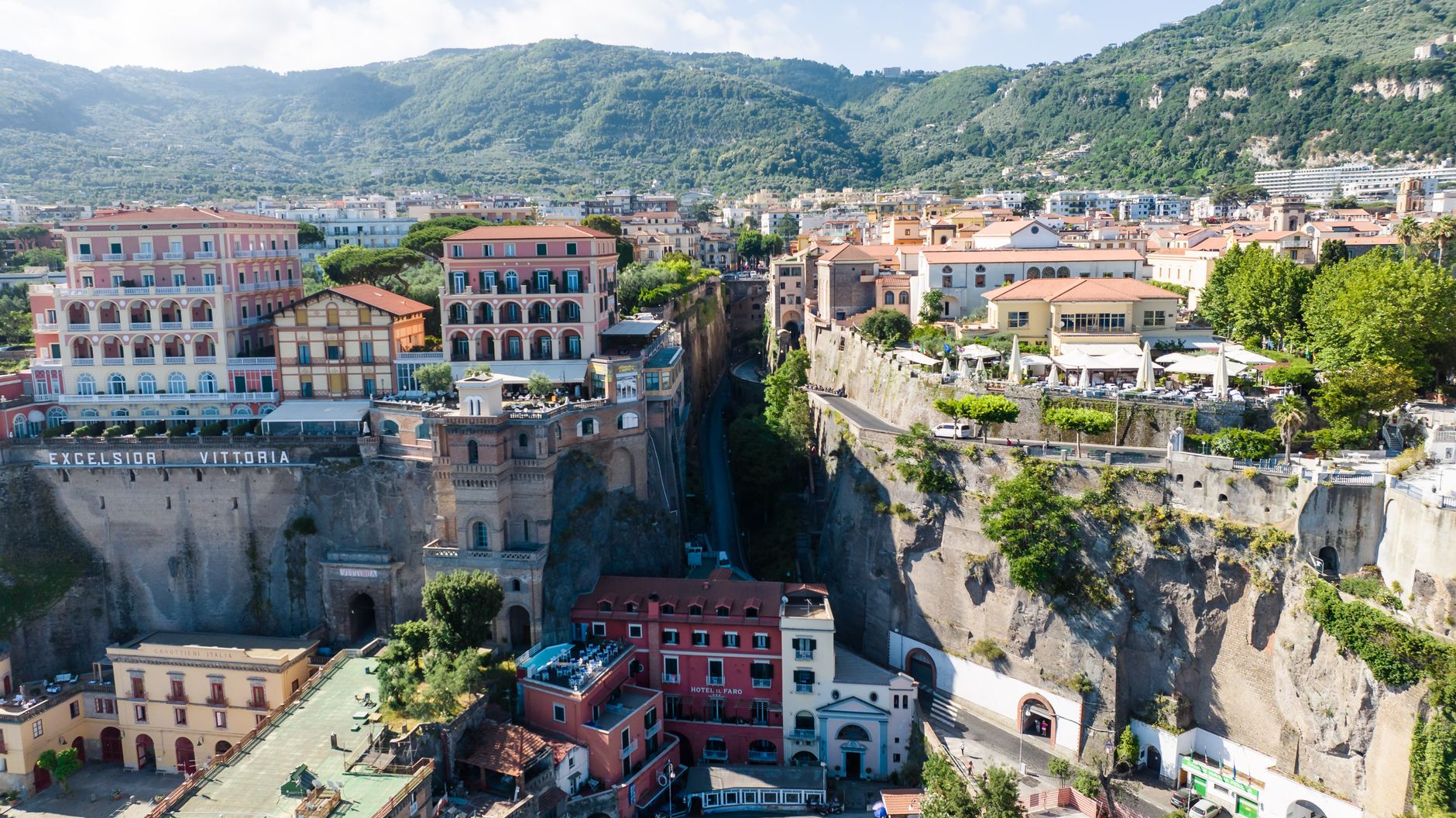
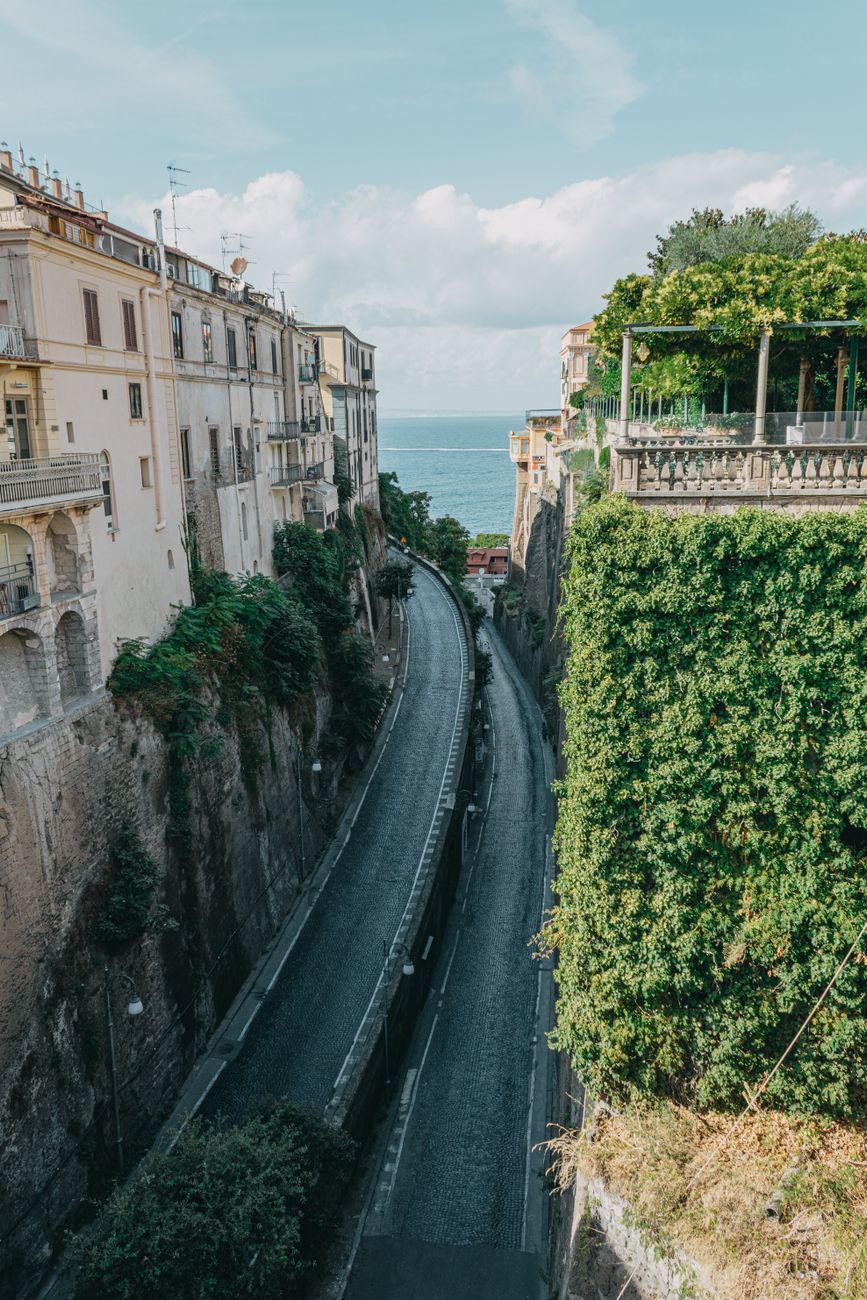
Sorrento's historic centre is compact and built on cliffs; many streets are pedestrian-only and the topography includes steep steps. Traffic on the coastal road toward Amalfi and Positano (SS163) is slow in summer and fills with private cars and tour buses, which increases emissions and noise.
Tourist flows concentrate at Piazza Tasso, Marina Grande, and the ferry pontoons. These locations have high turnover between 10:00 and 16:00 in July and August. Local businesses away from these hubs, such as shops on Via San Cesareo and family restaurants around Marina Piccola, rely heavily on repeat custom from responsible visitors.
Public transit in the area uses the Circumvesuviana rail for inland links and SITA/EAV buses for coastal routes. Ticketing is mostly single-ride, sold at tabacchi, station machines, or official apps. Ferry operators include Alilauro and NLG for Capri connections and several local firms for Ischia and Amalfi crossings. Seasonal staffing for ticket booths and limited pier space means booking ahead can reduce crowds and missed departures.
Water and electricity resources on the Sorrentine Peninsula are sensitive during peak season. Small accommodation owners often buy supplies locally and have limited storage; concentrating arrivals at the same short windows increases pressure on restaurants and boat operators.
How to Choose Well
Decide between convenience and local benefit by weighing transport choices. Private transfers save time but increase per-person emissions and cost; choose Circumvesuviana or SITA buses for most day trips unless mobility needs dictate a car. For Capri, a fast public ferry with set departure times balances cost and impact; private boat hires make sense only for groups sharing the carbon cost.
Pick lodging with explicit local ties. Small family-run guesthouses on Via San Cesareo or B&Bs near Marina Piccola often source breakfast locally and contribute directly to neighbourhood income. Larger hotels on Corso Italia offer amenities but concentrate demand on the same services and supply chains.
Plan timing for visits. Visiting popular sites early (before 10:00) or later (after 16:00) reduces strain on restaurants and ferries. If leaning toward quieter coastal swimming, choose Bagni della Regina Giovanna late afternoon instead of the daytime crowds at Marina Grande. For day trips to Pompei, take first trains and return on a later service to avoid peak commuter periods and give local businesses staggered footfall.
Responsible and Local-First Tips
Prioritise businesses that employ locals. Eat at family-run places like Ristorante da Emilia and smaller trattorie on Via San Cesareo rather than international chains on Corso Italia. Buy lemon products from makers like Limonoro or from small stalls around Piazza Tasso rather than importing branded bottles from big shops.
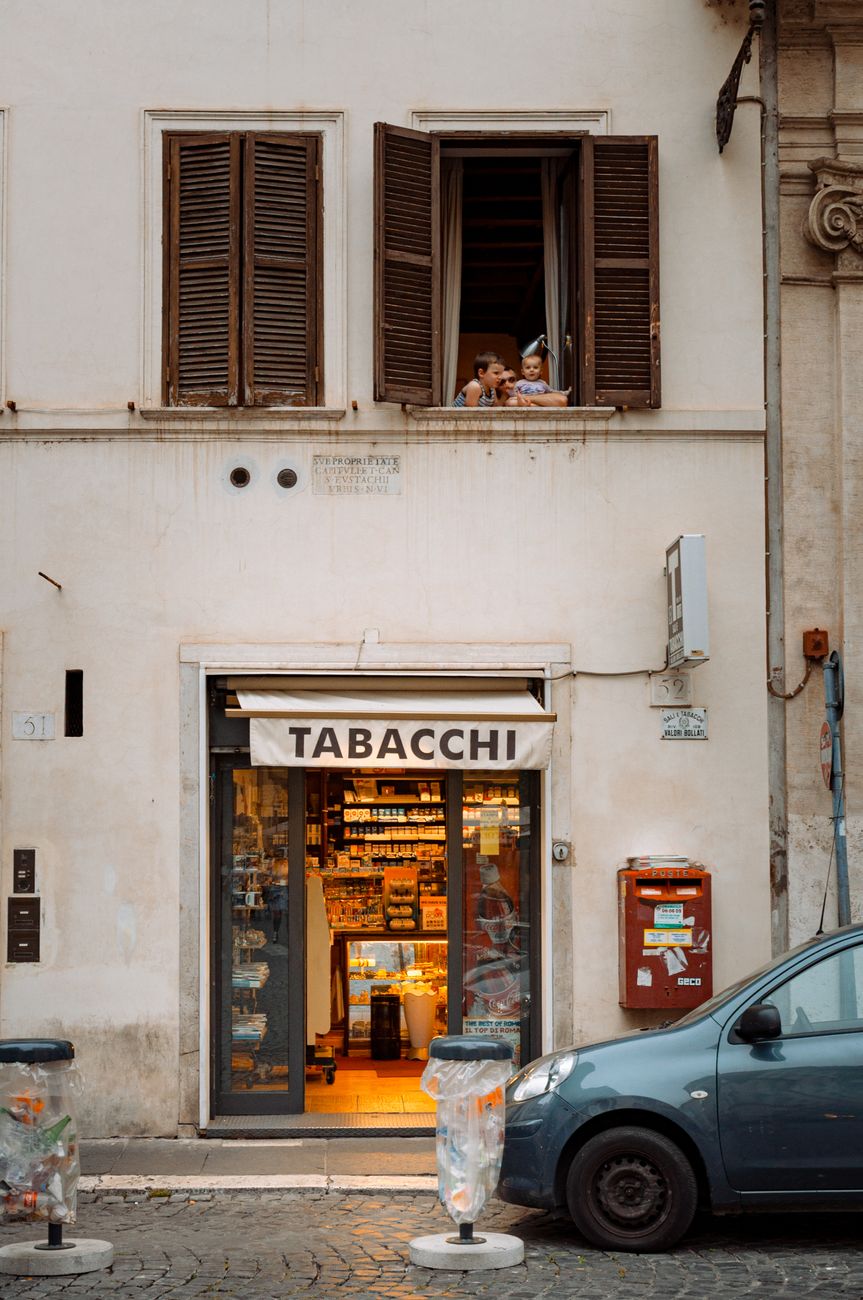
Use public ticketing channels and purchase at local tabacchi. Buying bus and train tickets at local tabacchi (look for the blue 'tabacchi' sign) keeps the income within the town and avoids overuse of taxis. When taking a ferry to Capri or Ischia, compare Alilauro and NLG schedules and prefer operators with clear licensing displayed.
Reduce single-use plastics. Bring a refill bottle and refill at hotel or café taps that offer filtered water; some bars will fill bottles for a small charge. When swimming, use reef-safe sunscreen and avoid anchors in seagrass beds — choose beaches with marked mooring or swim from designated rocky access points used by locals.
Tip locally and fairly. For table service, leave 10% if service is helpful; give small cash tips to boat skippers or guides who provide language assistance or local knowledge. For day-trip services, prefer licensed guides and ask for receipts to ensure payments go to registered local operators.
Common Mistakes to Avoid
Assuming taxis are faster. Traffic along the Amalfi Coast and into Napoli can make taxis as slow as buses and much more expensive; compare times and prices before choosing. Planning only midday ferry crossings in high season often leads to long queues and sold-out trips; book morning sailings for shorter waits.
Expecting flat walking routes in the historic centre. Several routes between Piazza Tasso and the waterfront include steep staircases and narrow alleys; travellers with mobility issues should ask for hotels near Corso Italia or Marina Piccola and confirm lift access. Relying on a single market or souvenir strip for local products concentrates spending with larger vendors; seek out small producers on side streets to keep more income local.
Failing to check return transit times. Evening ferry and train schedules thin out after 19:00, especially off season; verify return options and have a backup plan (later bus, scheduled private transfer) instead of expecting a continuous late-night service.
FAQ
How much does a ferry to Capri cost from Sorrento?
One-way high-season fares are commonly about €20–€26; book early-morning sailings to secure a spot and lower queues.
Is public transport in Sorrento reliable for day trips to Pompei and Napoli?
Yes; the Circumvesuviana train connects Sorrento to Pompei in roughly 35 minutes and to Napoli in about an hour, with frequent services during the day. Buy tickets at the station or from authorized vendors.
Where is best to base for low-impact travel in Sorrento?
Areas around Piazza Tasso or Corso Italia are convenient for transit links and walking; choose a small B&B on Via San Cesareo or near Marina Piccola to support local owners and reduce transfer distances.
When is the best time to visit crowded spots like Marina Grande?
Visit before 10:30 or after 16:00 to avoid the highest density of visitors, especially in July and August.
How much should a typical meal at a family trattoria cost?
Expect main courses like gnocchi alla sorrentina or seafood mains to be about €12–€18 at small family-run restaurants; higher-priced tourist venues will charge more.
Can bikes be used safely around Sorrento?
Short e-bike rides are possible on less crowded streets and coastal promenades; choose licensed rental shops, wear a helmet, and avoid the SS163 coastal road during peak traffic.
How to buy local bus tickets and apps to use?
Purchase SITA/EAV single tickets at a tabacchi or use the EAVSBus app for some routes; keep printed or digital proof of purchase as conductors may check.
Conclusion
The single most important thing to remember: use public transport and time your visits to distribute pressure on services and businesses. Basing near Piazza Tasso or Corso Italia minimizes transfers, but choose smaller family-run accommodations near Marina Piccola or Via San Cesareo when the aim is to support local owners directly.
Plan ferries and trains in the morning, eat at local trattorie like Ristorante da Emilia when possible, and prefer SITA or Circumvesuviana for day trips to Pompei and Napoli. For a full sequence of low-impact activities and a 3-day plan that follows these choices, see the companion '3 days in Sorrento' itinerary which applies these tips into a practical daily schedule.
How this guide was prepared
This guide was prepared through a structured research that combines destination research, geographic context, itinerary planning logic, and content review.