
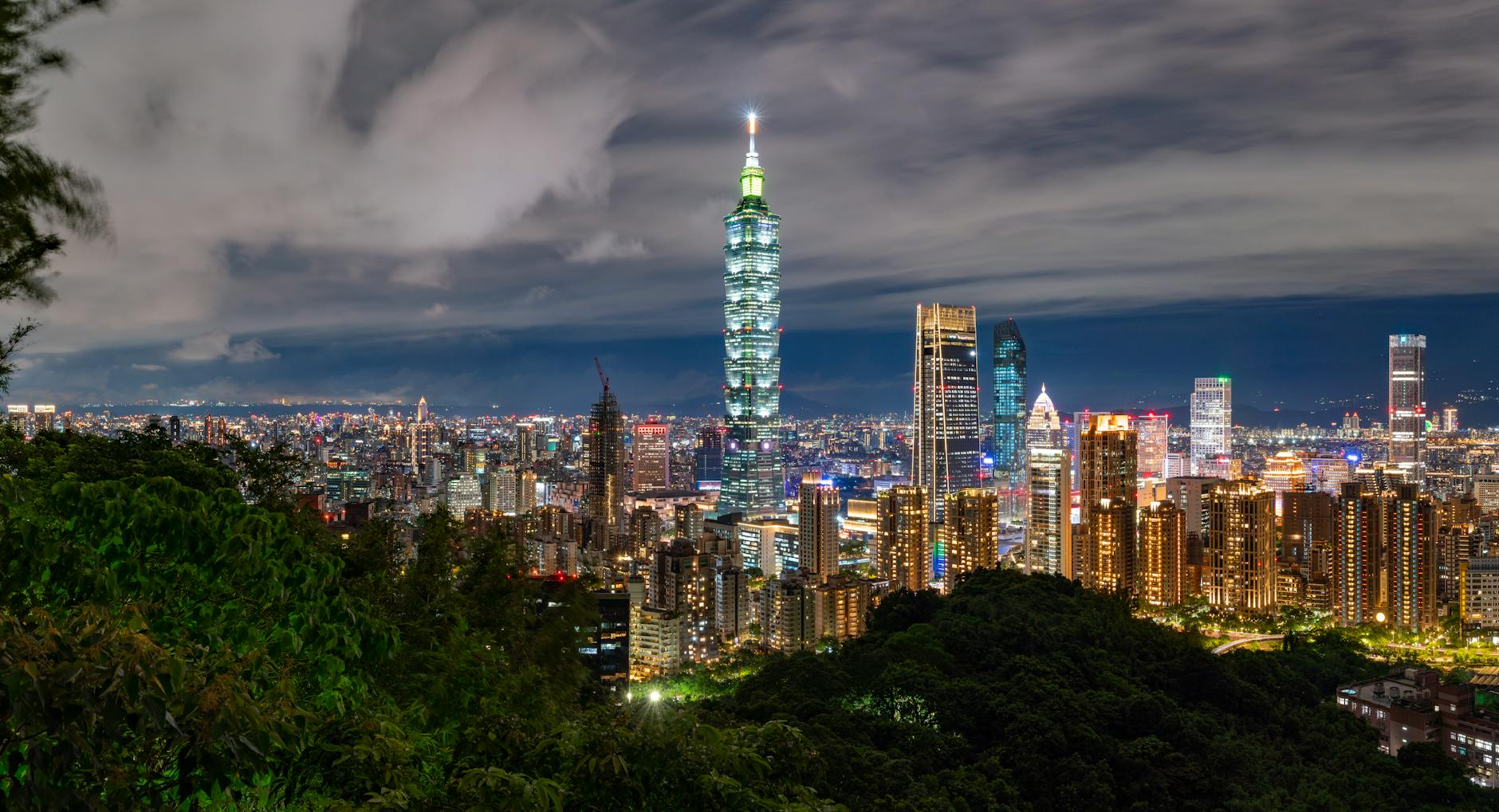
Responsible Travel in Taipei: Practical, Low-Impact Tips for a 3-Day Visit
Sensible, local-first advice for a low-impact 3-day visit to Taipei — transport, neighborhoods, seasonal tips, sustainable choices, and booking advice tied to a 3-day itinerary.
A concise, practical guide to visiting Taipei responsibly: when to go, how to get around, where to spend locally, and how to slot low-impact options into a 3-day plan.
Quick Answer
A concise, practical guide to visiting Taipei responsibly: when to go, how to get around, where to spend locally, and how to slot low-impact options into a 3-day plan.
Who This Page Is For
This page is for travelers planning a stay in Taipei who want clearer decisions about responsible travel, local logistics, timing, budgeting, and practical trip planning.
How This Page Was Prepared
This page was prepared through a structured editorial workflow that combines destination research, geographic context, and practical travel-planning review.
Plan the Rest of Your Trip
Use this page together with the full itinerary and the related planning pages below to make better booking, timing, transport, and budget decisions.
For a low-impact 3-day visit, base yourself near an MRT line (e.g., Zhongshan, Daan, or Ximending) to walk and ride easily. Favor shoulder seasons (March–April, October–November) for better weather and fewer visitors. Use an EasyCard, walk Taipei’s neighborhoods (Dadaocheng, Songshan, Wanhua), eat at small vendors and family-run restaurants, and reserve one local-guided or community-run experience in advance. If you want to extend, consider a train day trip to Taichung or Kaohsiung rather than domestic flights.
This page is a compact, search-friendly companion to the main "3 days in Taipei" itinerary. It focuses on decisions that matter for low-impact, local-first travel: where to stay to reduce transit carbon, how to eat well while supporting small vendors, which seasons ease crowds, and what to book in advance. Use this as a quick checklist to sharpen your 3-day plan and to pick one sensible day trip to nearby Taichung, Kaohsiung, or Hengchun if you extend your trip.
What This Page Helps You Decide
This support page helps you choose:
– Where to base yourself for minimal transit and easy access to the 3-day itinerary.
– Which neighborhoods match your interests: markets and food, parks and trails, or hot springs.
– Whether to travel in shoulder season or a busier peak window.
– When to book tickets ahead (Taipei 101, hot springs, weekend markets) and when you can be spontaneous.
– Which transportation options reduce impact (MRT, YouBike) and which to avoid unless necessary (rental scooters).
Top Recommendations
Short, practical choices to slot into your 3-day plan:
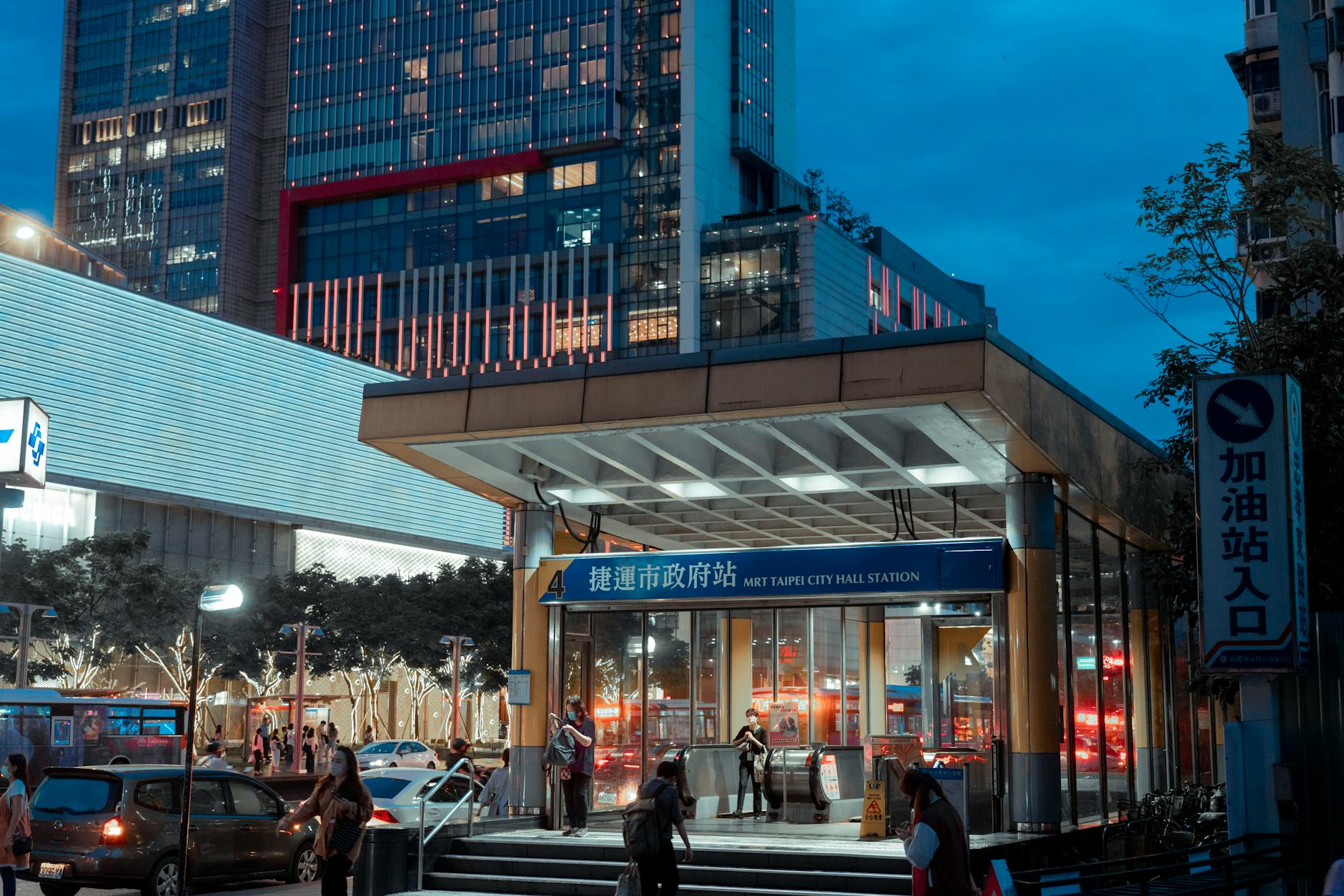
– Stay near an MRT station: Zhongxiao Xinsheng, Taipei Main Station, or Daan for shorter transfers.
– Buy and top up an EasyCard at any MRT station for seamless bus/MRT/YouBike rides.
– Walk at least one neighborhood end-to-end: Dadaocheng’s Dihua Street or the old Wanhua district around Longshan Temple.
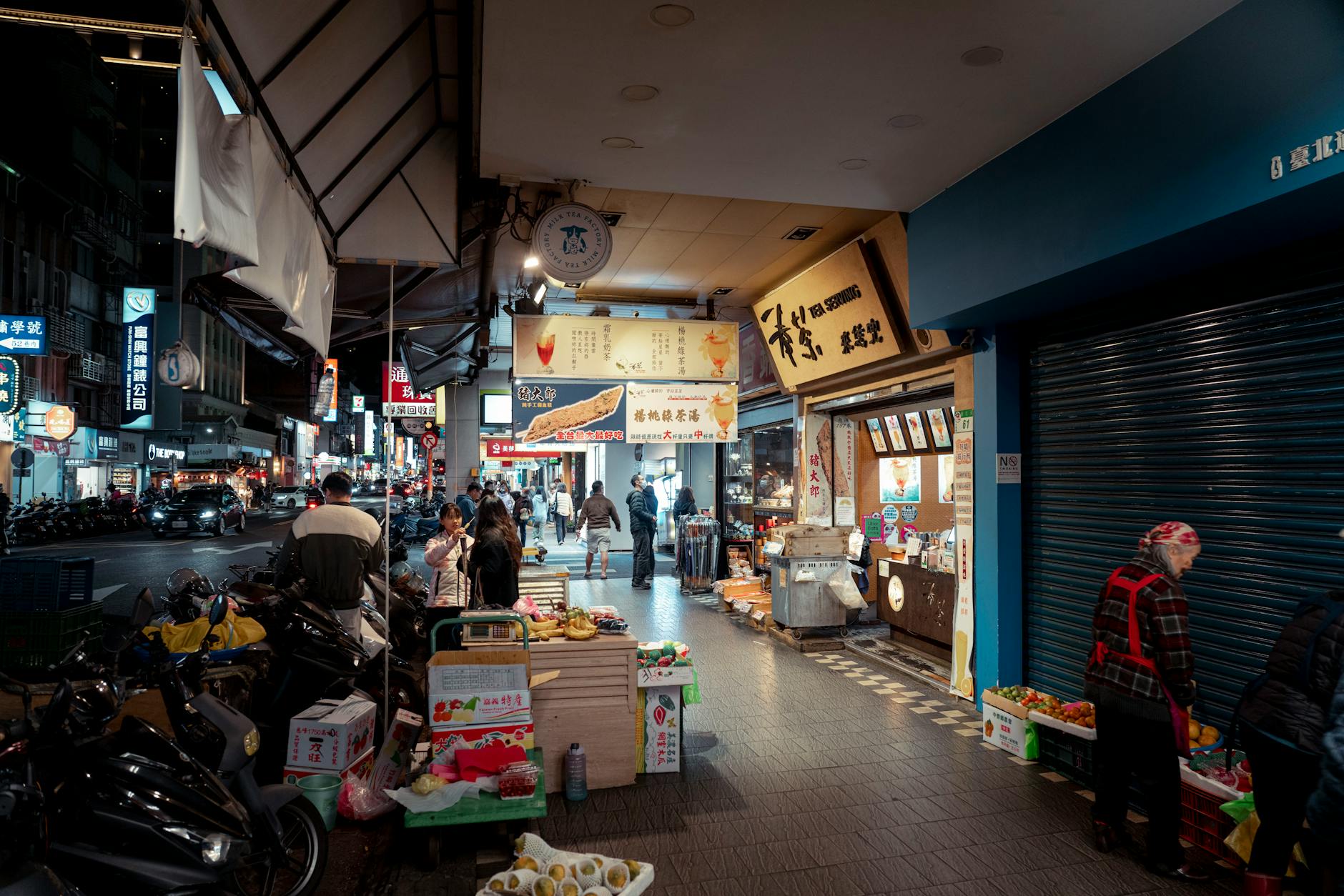
– Eat from well-regarded stalls at Raohe or Ningxia Night Market to keep spending local and low-cost.
– Reserve either the Taipei 101 observatory or a Beitou hot-spring public house in advance for peak days.
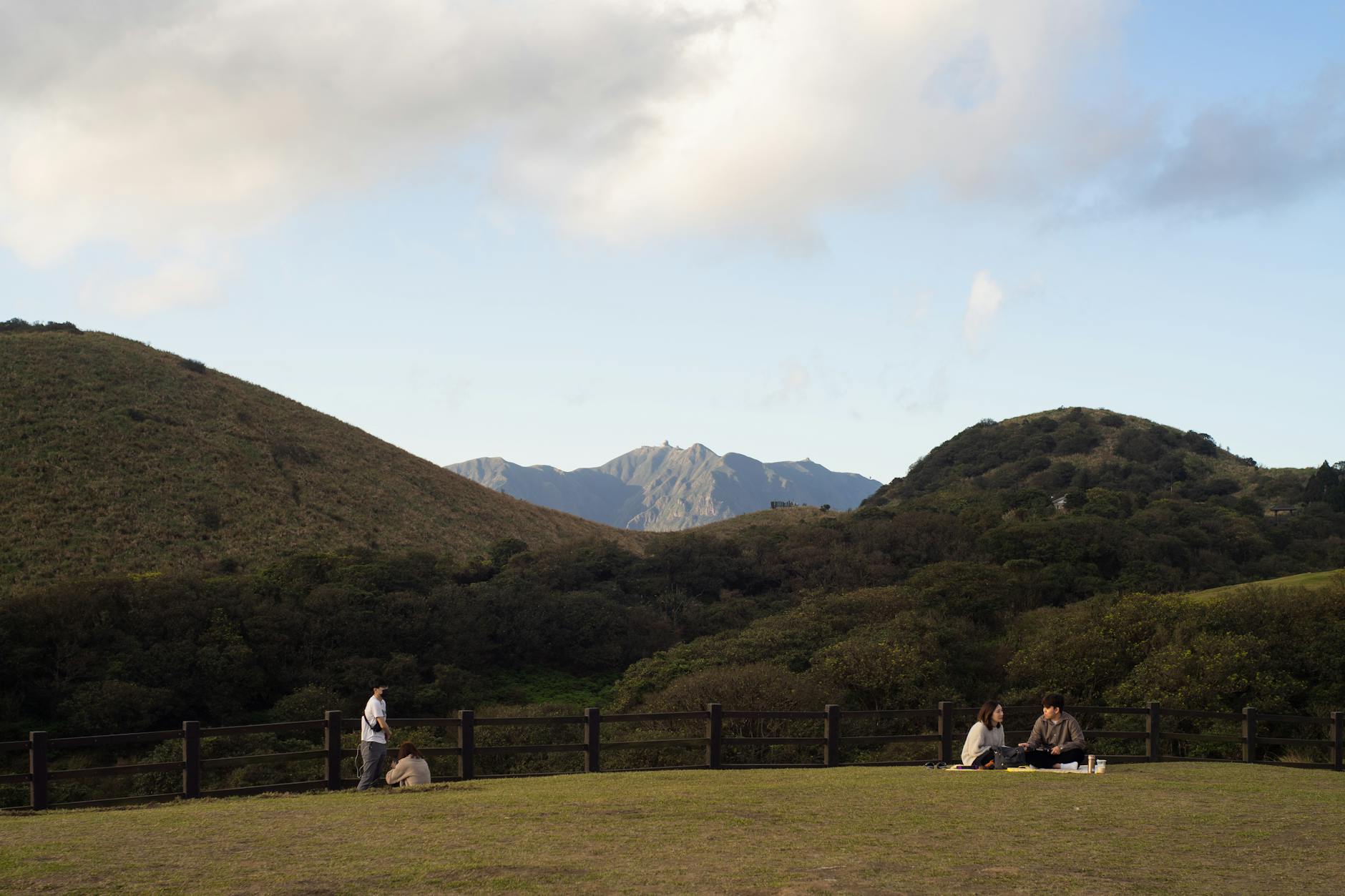
– Build one slower experience into your plan: a half-day at Yangmingshan or a Beitou hot spring visit rather than a rushed second city flight.
Local Context
Neighborhood realities:
– Ximending: youthful, lively, best for evening street food and pedestrian nightlife.
– Dadaocheng / Dihua Street: traditional shops, looser crowds during weekday mornings, good for local crafts and tea.
– Daan: leafy, near Daan Park, popular with families and runners.
– Beitou: hot springs and onsen-style public baths; weekends are busy.
– Tamsui: waterfront sunsets and street-food tourism; crowds spike on weekends.
Seasonal notes:
– Monsoon/typhoon season (June–September): expect heavy rain and occasional transport disruptions.
– Plum-rain (May–June) may feature persistent light rain; pack a compact umbrella.
– Peak domestic travel: Lunar New Year (January/February) and National Day (Oct. 10) — book early.
Transport realities:
– MRT is fast, safe, and operates about 05:30–00:30, depending on line.
– EasyCard covers MRT, city buses, and YouBike; taxis are affordable for late-night returns but carry small cash or EasyCard tips.
– Intercity high-speed rail (THSR) reaches Taichung and Kaohsiung quickly — a lower-impact choice than flying if you extend your trip.
Etiquette highlights:
– Remove shoes in someone’s home; be respectful at temples (lower voices, modest dress, avoid stepping on altars).
– Queue politely and don’t cut into night market lines; many vendors manage single-file service.
How to Choose Well
Decide accommodation by three criteria: proximity to an MRT node, local ownership, and noise level. Hostels and small guesthouses in Zhongzheng, Zhongshan, or Daan often balance convenience with local benefit.
When selecting food and tours:
– Prioritize family-run stalls and small-group walking food tours led by local guides.
– Choose community-run experiences (tea tastings in Dadaocheng, indigenous cultural tours) to keep revenue local.
Transport selection:
– Use walking + MRT + YouBike for city mobility. Buy an EasyCard on day one.
– Skip renting a scooter unless you’re experienced and have appropriate license/insurance.
Timing and bookings:
– Book Taipei 101 tickets, hot-spring private rooms, and weekend market cooking classes in advance.
– For low-impact peak avoidance, visit popular sites early (pre-10:00) or after 18:00 on weekdays.
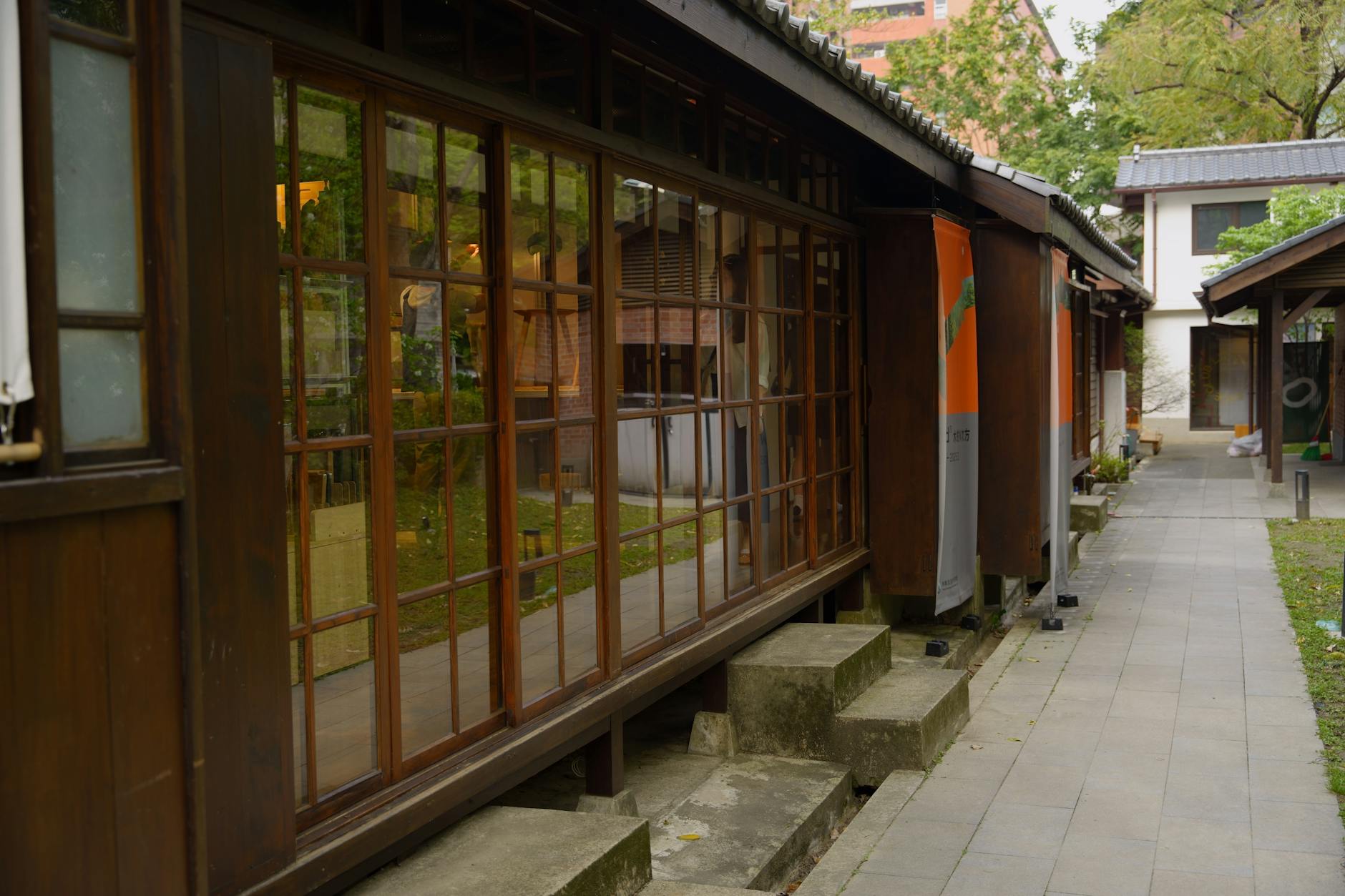
Responsible and Local-First Tips
Simple choices that amplify local benefit:
– Spend in small amounts across many vendors rather than one big chain meal.
– Use easy refillable water bottles and ask vendors to skip single-use plastics; bring your own chopsticks or reusable cutlery if you plan to street-eat a lot.
– Pick small homestays, family-run B&Bs, or locally owned hotels rather than international chains when price and quality are comparable.
– Join a locally operated guided walk or bike tour (Dadaocheng history walks or river-bikeway rides) so the money stays in local hands.
– Respect natural areas in Yangmingshan and Tamsui: stick to trails, avoid feeding wildlife, and carry out any trash.
– If visiting Beitou, favor public hot-spring houses or small-scale public bathhouses that use municipal water treatment over large resort complexes when aiming for lower impact.
Common Mistakes to Avoid
Avoid these frequent slip-ups:
– Staying far from the MRT to save a little on lodging — that increases taxi rides and time lost.
– Trying to pack Taichung and Kaohsiung into a 3-day schedule — choose one for a single day trip or opt to extend your stay.
– Assuming all vendors accept credit; cash and EasyCard are common — carry small bills for markets.
– Renting scooters without local license/insurance. Scooters are fast but riskier and often unnecessary inside central Taipei.
– Visiting hot springs on public holidays without reservations — Beitou and Wulai fill up quickly.
– Underestimating weather: bring layers and rain protection from May through September.
FAQ
Is Taipei safe for solo travelers and women traveling alone?
Yes. Taipei is generally safe, with low violent-crime rates. Standard street-smarts apply: keep valuables secure, avoid poorly lit alleys late at night, and use official taxis or MRT late at night.
Should I tip in Taipei?
No. Tipping is not customary; service charges are sometimes added at restaurants. A small cash tip is accepted for exceptional service but not expected.
Can I drink tap water in Taipei?
Municipal tap water is treated and meets safety standards, but taste varies. Many locals use filtered or boiled water. Carry a refillable bottle and use filtered sources or bottled water if you prefer.
How do I get to Taichung or Kaohsiung sustainably from Taipei?
Use the Taiwan High-Speed Rail (THSR) for the fastest rail option; conventional intercity trains (TRA) are slower but lighter on carbon. Trains are the best alternative to domestic flights.
Is it worth visiting hot springs in Beitou on a short trip?
Yes — a half-day in Beitou pairs well with the 3-day itinerary and provides a relaxing contrast to busy market days. Book weekday mornings or late afternoons for less crowding.
What should I know about language and payment?
Basic English is widely understood at hotels and tourist sites, but Mandarin/Taiwanese helps in markets. EasyCard covers most transit and some shops; carry small cash for night markets.
Conclusion
Use this checklist to refine the main "3 days in Taipei" itinerary: pick an MRT-friendly base, book one timed attraction in advance, prioritize one low-impact day activity (Yangmingshan or Beitou), and plan meals that support small vendors. If extending beyond three days, choose one nearby city — Taichung or Kaohsiung for train-accessible options — rather than adding a second domestic flight. With a few simple choices, your short Taipei visit can be rich in local experiences while keeping environmental and community impact low.
How this guide was prepared
This guide was prepared through a structured research that combines destination research, geographic context, itinerary planning logic, and content review.