
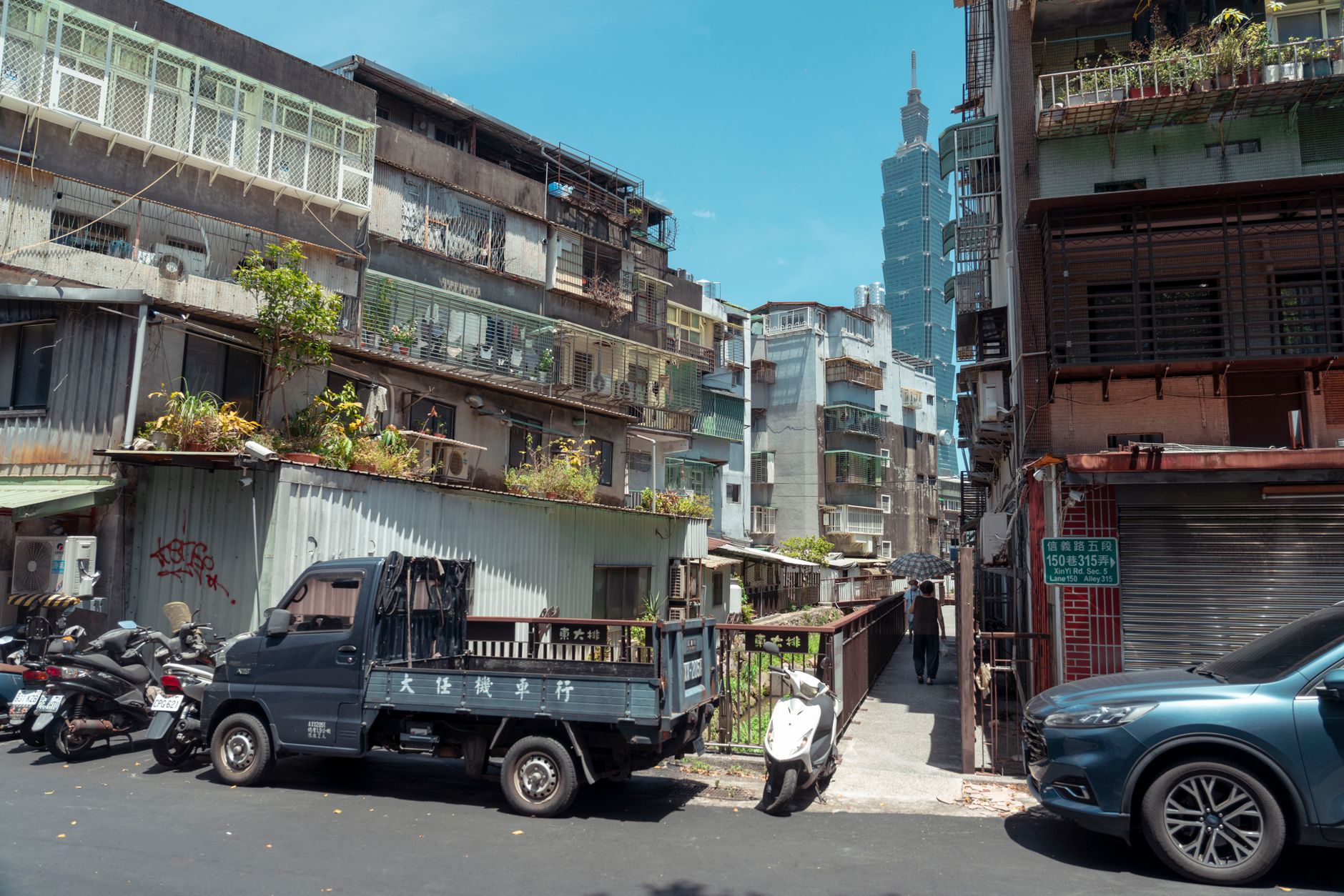
Practical 3-Day Taipei Itinerary and Weekend Travel Guide
Three days in Taipei covers Taipei 101, National Palace Museum, a night-market crawl and a half-day to Beitou or Tamsui, with clear transit and cost guidance.
A hard-nosed, three-day plan that balances downtown landmarks, museum time and at least one neighbourhood night market, with realistic timings and budgets.
Arriving in Taipei presents a compact urban grid where excellent public transit shortens distances between very different neighbourhoods. Streets around major MRT stations hum with convenience stores, scooter traffic and street-food queues; afternoons at major museums are calmer than evenings at markets. Visitors often expect long queue-free museum visits or hotel prices like smaller Taiwanese cities and are surprised by weekend crowds at Xinyi, Shilin and Ximending.
This plan suits people who prefer concentrated, walkable days with one longer transit hop for a hot-spring or harbour visit. Expect constant background noise from scooters in older districts, efficient bilingual signage on the MRT, and plenty of small, crowded restaurants that turn tables quickly. Balance daytime landmarks with an evening market each night to experience both food culture and local nightlife rhythms.
Is 3 days in Taipei enough?
Three days in Taipei is enough to see the skyline (Xiangshan/Taipei 101), hit the National Palace Museum, soak in Beitou or stroll Tamsui, and sample two major night markets. Expect to skip longer out-of-city trips like Jiufen or Kenting without adding extra travel time.
Who This Guide Is For
Best for food-focused travellers, museum-goers and people who like short urban hikes. Less suitable for those wanting full-day countryside escapes or slow hot-spring resort stays on a tight three-day schedule.
Local Tips for Taipei
Practical details that most travel sites skip — specific to Taipei.
- Buy an EasyCard (悠遊卡) at any MRT service counter or convenience store: NT$100 refundable deposit plus stored value; works on MRT, buses, some trains and YouBike.
- Taoyuan Airport MRT to Taipei Main Station costs about NT$160 on the Express service and takes roughly 35–40 minutes; the commuter service is slightly cheaper but slower.
- Fuzhou-style pepper buns (福州世祖胡椒餅) at Raohe Night Market by Songshan MRT Exit 1 sell for about NT$60–120 each and often have a 10–20 minute queue at the famous stall.
- National Palace Museum admission for foreign adults is about NT$350; several sections close Mondays so check the online calendar before booking.
- Convenience stores (7-Eleven, FamilyMart) provide reliable ATM access for international cards, sell train and bus tickets, accept EasyCard top-ups and are the quickest way to buy bottled drinks or a simple breakfast.
How This Guide Was Prepared
This guide treats Taipei as a tight, highly walkable transport network with distinct neighbourhood rhythms, not a single sightseeing blob. Many guides cram every attraction into one day or sell scenic day trips that require long bus rides; this plan prioritises manageable walking, realistic transit times and where queues matter. This guide was prepared through a structured research that combines destination research, geographic context, itinerary planning logic, and content review.
Plan Your Stay in Taipei
Use these planning pages to compare areas to stay, expected costs, seasonal timing, and local transport before booking.
Why Visit
Taipei mixes museum collections and accessible viewpoints: the National Palace Museum holds imperial Chinese artifacts that are easy to cover in a morning, while Xiangshan offers a 20–30 minute uphill walk for a classic skyline shot with Taipei 101. Night markets such as Shilin and Raohe present quick, inexpensive encounters with local street food — the food experience is unusually varied for a city of this size.
Neighbourhood variety is a major draw: Ximending offers pop culture and cheap shopping, Zhongzheng provides memorial architecture and civic parks, and Beitou gives public hot-spring museums and a short rail spur to thermal baths. Practical transit makes short, targeted trips easy; low-cost domestic food and efficient metro connectivity mean a lot can be packed into three days without wasting time on long transfers.
Quick Planning Tips
Buy an EasyCard at an MRT counter on arrival and top up at convenience stores; this saves time buying single fares. From Taoyuan Airport take the Airport MRT Express to Taipei Main Station (~NT$160, 35–40 minutes) or reserve a taxi if carrying heavy luggage; taxis to central Taipei are around NT$1,200–1,500 including tolls.
Reserve tickets for the National Palace Museum and Taipei 101 Observatory on busy days to avoid long queues. Pack an umbrella—rains can appear suddenly—and bring small bills for night markets. Avoid scheduling a late-night arrival and an early-morning museum visit on the same day because check-in and transit delays commonly eat into those hours.

Day 1
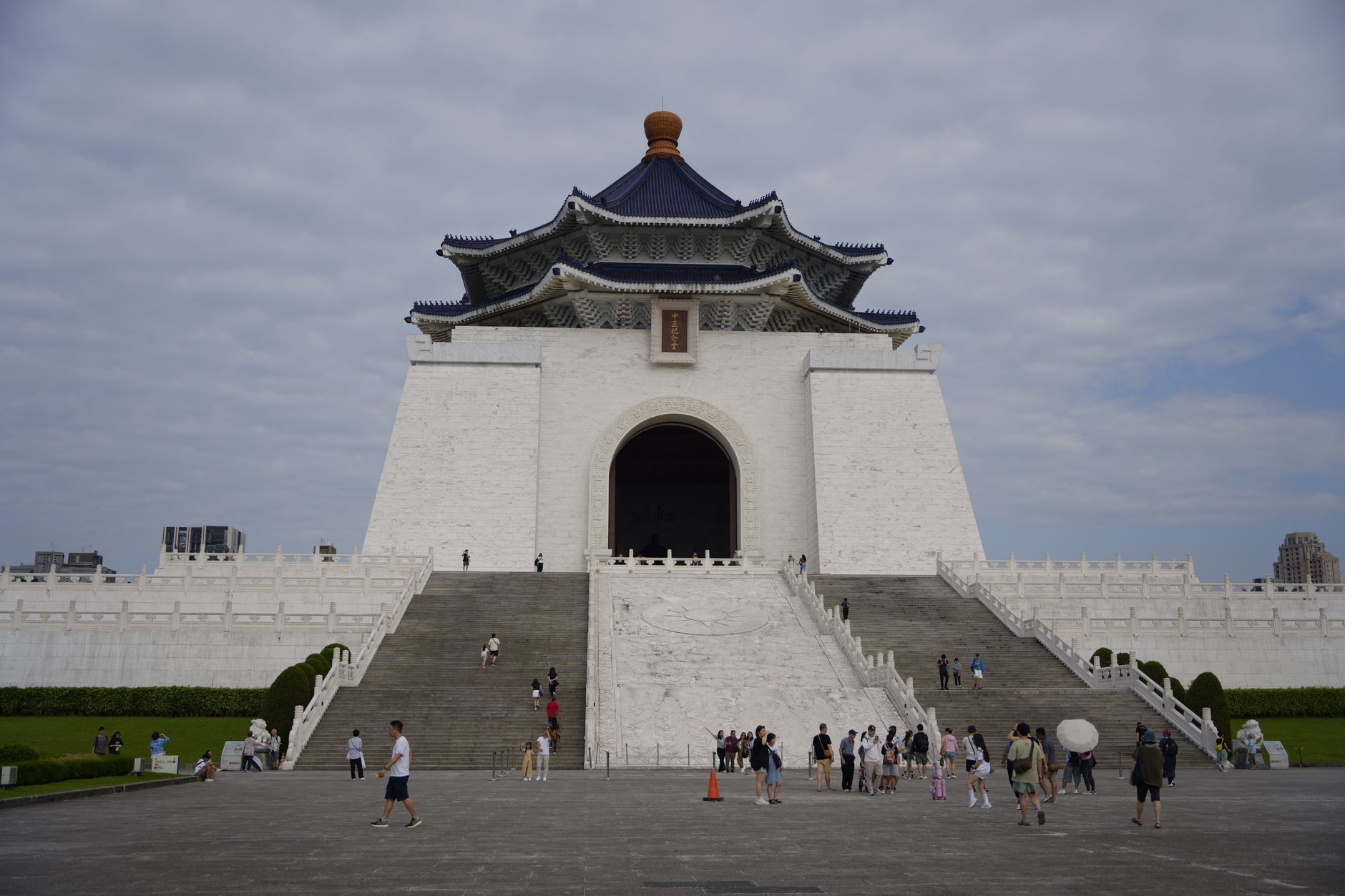
Morning: Start at Chiang Kai-shek Memorial Hall (Martyrs' Shrine included nearby) to see the changing of the guard and the plaza; allow 60–90 minutes including the gardens. Walk or take the MRT (Red/Green interchange at Chiang Kai-shek Memorial Hall Station) to Daan Forest Park for a short urban respite; budget 20 minutes transit and 30–45 minutes walking the park paths.
Midday: Head to Yongkang Street for lunch—try beef noodle at Yong Kang Beef Noodle or Fu Hang Soy Milk for classic breakfast items if open; the walk from Daan Park is 10–15 minutes or one MRT stop. After lunch take the MRT to Taipei 101/World Trade Center (Tamsui-Xinyi Red Line) and explore the shopping mall and Taipei 101 Observatory if interested (observatory ticket around NT$600).
Afternoon: Hike Xiangshan (Elephant Mountain) for the skyline view; the trailhead is a 15-minute walk from Xiangshan MRT and the uphill walk is 20–30 minutes. Return to Xinyi district for café time or a museum visit at Songshan Cultural and Creative Park if energy allows; transfer by MRT in about 10 minutes.
Dinner and evening: Eat at Din Tai Fung (Xinyi branch) for xiao long bao or walk to Tonghua Night Market for lower-cost street food. End the night with a relaxed drink at a rooftop bar or a night-market food crawl in Tonghua or Raohe depending on energy levels.

Day 2
Morning: Take the MRT to Beitou via the Tamsui-Xinyi Red Line to Beitou Station, then transfer to the Xinbeitou branch; the tram-like branch ride is 5 minutes. Visit the Beitou Hot Spring Museum and Thermal Valley for cultural context and a short riverside walk; museum entry is modest and the valley is free to view but sulphur steam restricts swimming.
Midday: Have lunch at a local hot-spring hotel restaurant or try small eateries on the Beitou road near Beitou Park—options run from NT$150–400 per person. After lunch, return to the MRT and head to the National Palace Museum (bus 255 from Shilin or a short taxi from Shilin MRT); allow 2–3 hours to see highlights such as the Jade Cabbage and Qing imperial artifacts. Budget travel time: Beitou to National Palace Museum about 30–45 minutes including walking and transfer.
Afternoon: From Shilin, stroll Shilin Market for daytime snacks and local stalls; entry to the market area is beside Jiantan MRT Station on the Red Line. Alternatively use this afternoon for a rest back at the hotel before an evening market.
Dinner and evening: Spend the evening at Shilin Night Market—try fried chicken, bubble tea and oyster omelette. Expect crowds and plan to queue for the famous stalls; return by MRT on the Red Line to central areas.

Day 3
Morning: Check Dadaocheng and Dihua Street for old-shop architecture, tea houses and Chinese medicine shops; start at Daqiaotou or Beimen MRT and walk through the lanes. Sample Taiwanese breakfast at a historic café and buy tea at a specialty shop along Dihua Street; this area rewards slow browsing and photographic details, so budget 1.5–2 hours.
Midday: Head to Huashan 1914 Creative Park for contemporary local design, small galleries and lunch at the food stalls; transfer from Dadaocheng by taxi or bus in 15–25 minutes. After lunch visit Songshan Cultural and Creative Park for design stores and rotating exhibitions; it’s a short MRT ride on the Green or Brown lines depending on origin.
Afternoon option for departure: If catching an afternoon flight, return to Taipei Main Station to collect luggage from a left-luggage service or station locker and take the Taoyuan Airport MRT express (allow at least 90–120 minutes between leaving a central hotel and airport check-in). If staying late, take the MRT to Tamsui for sunset on Tamsui Old Street and riverside promenade—allow 40 minutes from central MRT hubs.
Dinner and evening: Finish with a final night-market meal at Raohe for pepper buns and herbal soups, or a seafood dinner at Addiction Aquatic Development for a pricier closing meal. Plan transit time to accommodations or the airport at the end of the evening.

Best Local Experiences
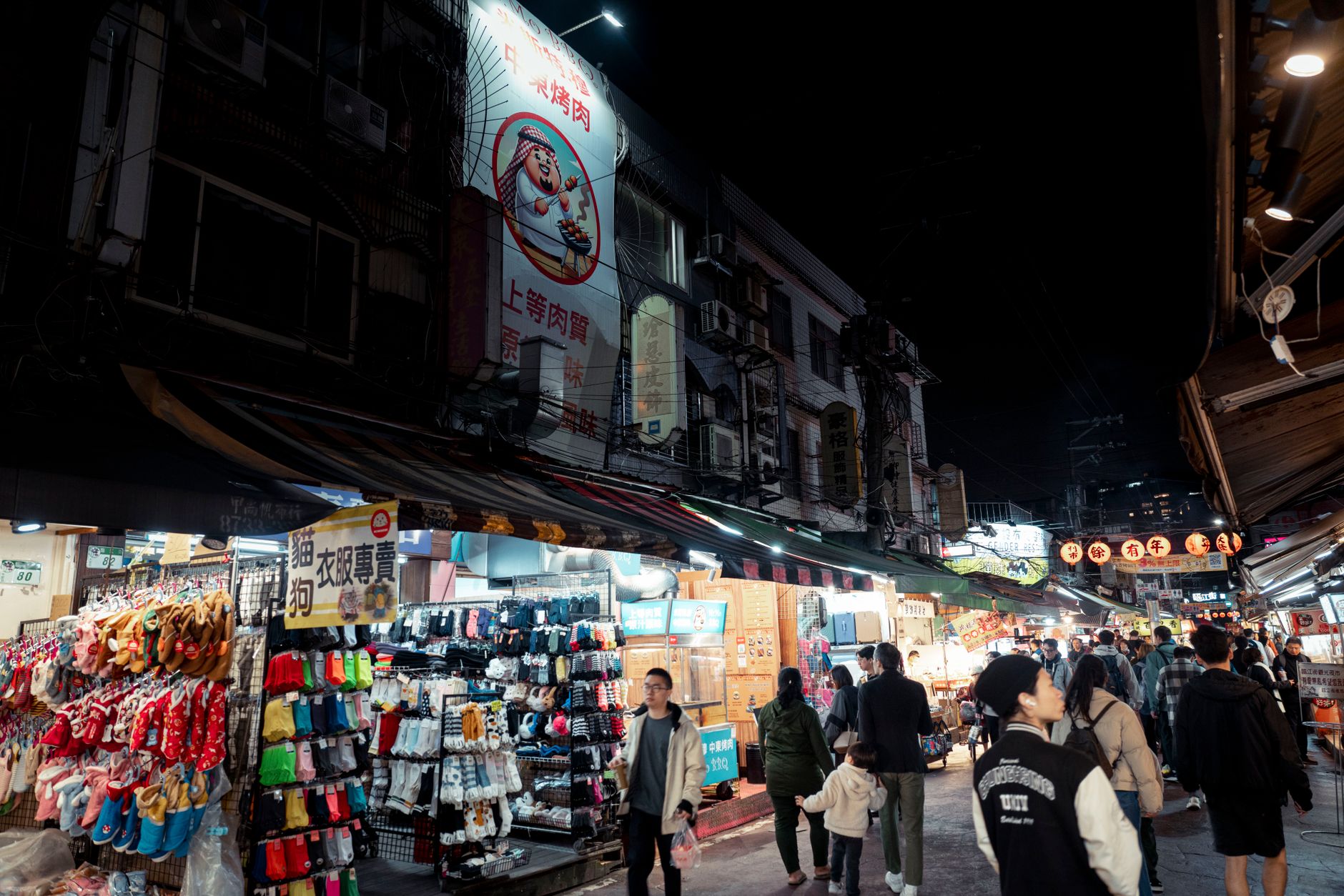
Shilin Night Market: the largest market for deep-fried snacks, bubble tea stalls and carnival games; go on a weekday evening to avoid the heaviest weekend crush. Raohe Street Night Market: famous for the Fuzhou pepper bun at the market entrance near Songshan MRT Exit 1—arrive early for the shortest queue.
Beitou hot-spring district: ride the Xinbeitou branch, visit the Beitou Hot Spring Museum and try a public or private soak; afternoon baths are quieter. Xiangshan (Elephant Mountain) hike: a short, steep trail with the city skyline view best at sunset or dawn for fewer people.
Dihua Street and Dadaocheng: buy dried fruits, Chinese tea and traditional ingredients; weekend mornings often have small artisan stalls and tea shops serving samples. Huashan 1914 Creative Park and Songshan Cultural and Creative Park: rotating exhibitions, indie design shops and craft markets that show local design trends.
Where to Stay
Xinyi (Taipei 101 area): Suits visitors who want shopping, rooftop bars and direct access to Taipei 101. Close to Red Line stations and premium hotels; expect nightly rates around NT$3,000–6,500 (≈USD100–220 / EUR90–200) for mid-range to upscale rooms.
Ximending / Wanhua: Suits budget travellers and those who want nightlife, street food and cheap shopping. Walking access to Longshan Temple and Bar Street; expect NT$1,200–3,000 per night (≈USD40–105 / EUR35–95) for decent boutique hotels or hostels.
Zhongzheng / Taipei Main Station area: Suits first-time visitors who need transit links, trains and easy luggage transfers. Near Chiang Kai-shek Memorial Hall and many museums; expect NT$1,500–3,500 per night (≈USD50–120 / EUR45–105).
Food and Drink
Beef noodle (牛肉麵): A rich braised beef soup with hand-pulled or knife-cut noodles. Try Yong Kang Beef Noodle near Dongmen for NT$200–300. Xiao long bao (soup dumplings): thin-skinned pork dumplings best at Din Tai Fung (original branches in Xinyi) for NT$200–400 per person depending on dishes.
Stinky tofu (臭豆腐): Deep-fried or steamed fermented tofu often sold at Ningxia or Tonghua Night Market; expect NT$50–120 for a portion. Bubble milk tea (珍珠奶茶): Sweet milk tea with tapioca pearls; original-style shops like Chun Shui Tang or local chains sell cups for NT$50–120.
Breakfast option: Taiwanese soy-milk and dan bing from Fu Hang Soy Milk or local breakfast shops — a set runs NT$80–150. Street-food highlight: Fuzhou pepper bun (胡椒餅) at Raohe for NT$60–120. Dinner recommendation: Addiction Aquatic Development for high-quality seafood and sushi market stalls—prices vary widely but plan NT$800–2,500 per person for a full meal.
Getting Around
MRT lines: Tamsui-Xinyi Line (Red), Bannan Line (Blue), Songshan-Xindian Line (Green), Zhonghe-Xinlu Line (Orange), Wenhu Line (Brown), and Circular Line (Yellow). Single-journey fares range roughly NT$20–65 depending on distance; a Taipei Metro One-Day Pass is about NT$180 for unlimited MRT rides in a day.
Cards and apps: EasyCard (悠遊卡) is the standard stored-value card; buy and top up at MRT stations and convenience stores. Use the official Taipei Metro app or Google Maps for route planning. Bike share: YouBike docks are widespread and accept EasyCard; short rides are inexpensive and convenient for short neighbourhood hops.
Airport and taxis: Taoyuan Airport MRT Express to Taipei Main Station is about NT$160. Taxi from Taoyuan Airport to central Taipei costs roughly NT$1,200–1,500 including tolls; use Taiwan Taxi app for bookings or an airport taxi counter. Buses supplement the MRT for short links to mountain parks and the ferry at Tamsui.
Best Time to Visit
October–December: Cooler, drier and the most comfortable for walking with daytime highs around 20–25°C and lower rainfall; this period offers the best balance of weather and fewer typhoon risks. January–February: Cooler and sometimes misty with lows near 12–16°C and occasional heavy rain; indoor museum days work well but mornings can be damp.
March–May: Spring warms up to 18–25°C and flowers are pleasant; expect occasional rain and higher pollen for allergy sufferers. June–August: Hot and humid with highs often 30–35°C and the main typhoon season—expect higher hotel prices in summer and possible travel disruptions during storms. For value and weather balance, aim for October–November or March–April.
Budget and Practical Tips
Daily budget (mid-range): Accommodation NT$1,800–4,500 (≈USD60–150 / EUR55–135), food NT$600–1,200 (≈USD20–40 / EUR18–36), transport NT$150–300 (≈USD5–10 / EUR4.5–9), entry fees NT$200–600 (≈USD7–20 / EUR6–18). A tighter budget can fall under NT$2,000 per day by using hostels and relying on night-market meals; a more comfortable budget with nicer hotels and restaurants runs NT$4,000+ per day.
Tipping: Tipping is not customary in Taiwan. Restaurants may add a 10% service charge on larger hotel or tour bills; rounding up small amounts for taxis or leaving exact change is normal. Carry small bills for night markets and smaller vendors; ATMs in convenience stores accept many foreign cards but confirm withdrawal fees with the bank.
FAQ
Is Taipei safe for solo travellers at night?
Yes; Taipei is relatively safe compared with many large cities, but standard precautions for personal belongings apply in crowded night markets and on busy streets.
Is an EasyCard worth buying?
Yes; EasyCard saves time and usually gives small fare discounts on MRT and buses, plus it works on YouBike and many convenience stores.
Are English signs common on public transit?
MRT stations, trains and major bus routes have bilingual signage and station announcements; some smaller bus routes may have limited English information.
Is the Taipei City Pass or museum pass worth it?
A Metro One-Day Pass (about NT$180) is useful for heavy single-day travel but museum-specific passes are only worth it if visiting multiple paid museums in one day, so calculate entry costs first.
How late does the MRT run?
Most lines end around 00:30–01:00; last-train times vary by line and station so check the Taipei Metro app for exact schedules.
Can Jiufen be done as a half-day trip from the city?
Not realistically; Jiufen requires at least a full half-day with transfers and queues, better planned as a dedicated day trip.
Conclusion
A three-day stay will leave the strongest impressions: the skyline view from Xiangshan, the sensory overload of night markets and the compact efficiency of the MRT linking very different neighbourhood scenes. Prioritise one museum visit and one neighbourhood soak or harbour stroll to avoid a rushed schedule. If time runs short, skip a secondary market and prioritise the skyline hike or a National Palace Museum visit—those two items most consistently represent Taipei’s mix of urban views and cultural depth.
How this guide was prepared
This guide was prepared through a structured research that combines destination research, geographic context, itinerary planning logic, and content review.