
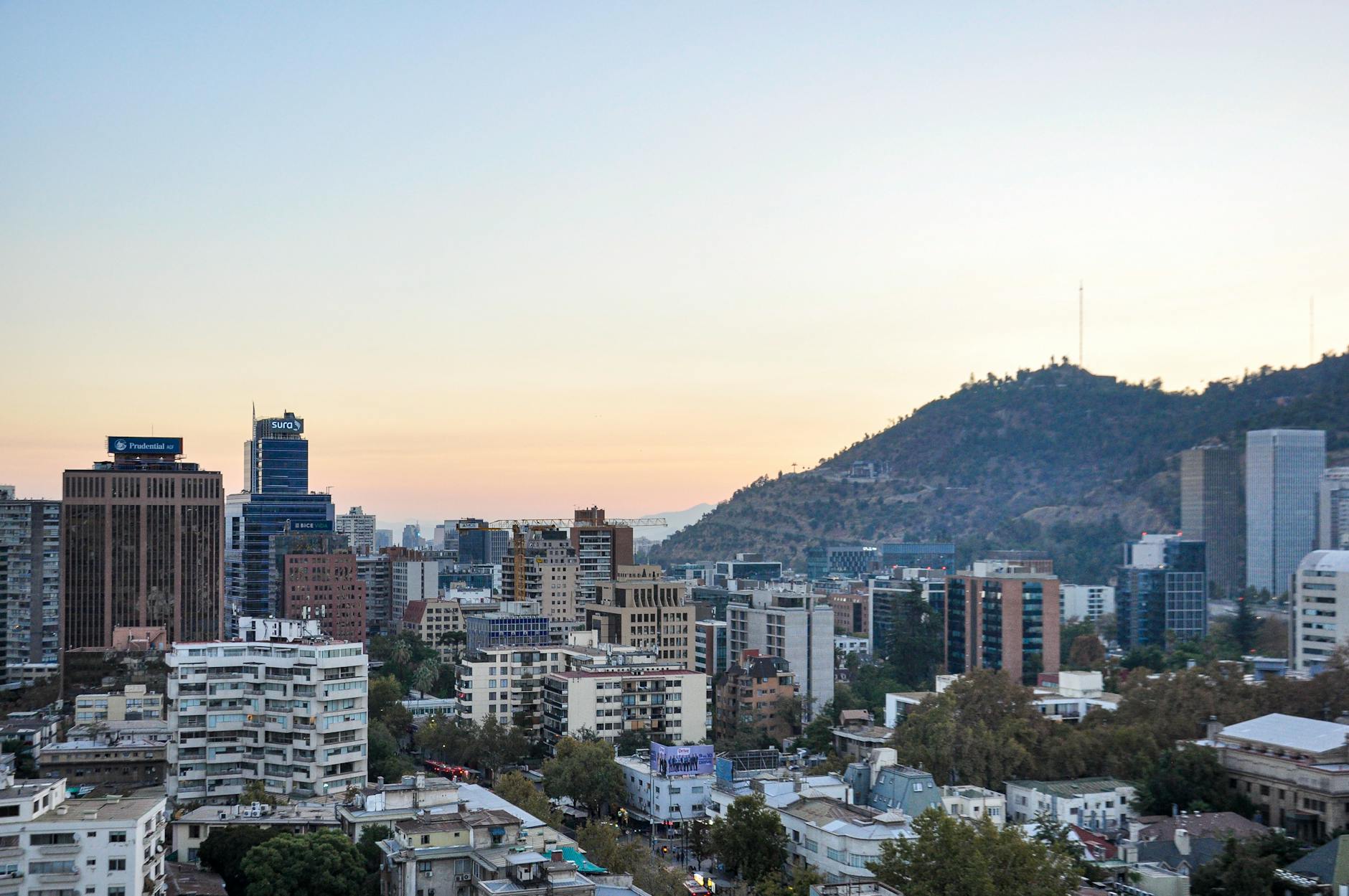
Santiago travel budget — Practical costs, cheap wins, and local-first tips
Daily costs, transport fares, neighborhood choices and money-saving, sustainable tips for a budget-friendly stay in Santiago, Chile. Designed to support the 3 days in Santiago itinerary and nearby side trips to Valparaíso, Viña del Mar and Mendoza.
A concise, scan-friendly budget guide for Santiago: realistic daily ranges, neighborhood recommendations, public transport essentials, where to eat cheaply, and sustainable choices that keep money local.
Quick Answer
A concise, scan-friendly budget guide for Santiago: realistic daily ranges, neighborhood recommendations, public transport essentials, where to eat cheaply, and sustainable choices that keep money local.
Who This Page Is For
This page is for travelers planning a stay in Santiago who want clearer decisions about travel budget, local logistics, timing, budgeting, and practical trip planning.
How This Page Was Prepared
This page was prepared through a structured editorial workflow that combines destination research, geographic context, and practical travel-planning review.
Plan the Rest of Your Trip
Use this page together with the full itinerary and the related planning pages below to make better booking, timing, transport, and budget decisions.
Typical daily budgets (per person):
– Shoestring: USD 20–40 (CLP ~16,000–32,000) — dorm bed, cheap eats, metro and walking.
– Comfortable budget: USD 45–90 (CLP ~36,000–72,000) — private room or budget hotel, restaurant lunches, paid attractions.
– Mid-range: USD 90–180 (CLP ~72,000–144,000) — nicer hotels, taxis sometimes, guided tours.
These ranges assume moderate sightseeing and public transport; costs rise in December–February and during major events.
This page gives the practical numbers and low-impact choices you need to organize a budget-conscious visit to Santiago that pairs well with the companion 3 days in Santiago itinerary. Expect a walkable city core, an efficient metro, lively markets and easy intercity bus connections to Valparaíso and Viña del Mar. The notes below favor local businesses, public transport and shoulder-season timing to stretch your money and reduce your footprint.
What This Page Helps You Decide
Use this page to:
– Pick a realistic daily budget to support the 3 days in Santiago itinerary.
– Choose a neighborhood that balances cost, safety and access to metro lines.
– Decide whether to buy a Bip! card, take the airport bus or use rideshares.
– Find local markets and sustainable vendors to support during your stay.
It’s written to help you plan costs before booking and to make small decisions that save money and favor local businesses.
Top Recommendations
High-impact, low-effort savings and good experiences:
– Get a Bip! card at any metro station on arrival; single rides are roughly 800–900 CLP (~$1). It’s the cheapest way to move around.
– Buy a midday “menu del día” for an economical lunch (often CLP 4,000–8,000 | $5–10).
– Stay in Lastarria, Bellavista or Providencia for walkable access to sights and evening options without long taxi rides.
– Visit free or cheap attractions: Cerro Santa Lucía, Plaza de Armas, Museo Nacional de Bellas Artes (check free days).
– Use Turbus or Pullman for day trips to Viña del Mar/Valparaíso (buses run frequently from Terminal Alameda or Terminal San Borja).
For the full day-by-day plan, pair these tips with the companion 3 days in Santiago guide.
Local Context
Neighborhoods and seasonal notes:
– Santiago Centro: Budget hotels, close to main sights but busier and noisier at night.
– Lastarria: Cultural hub, small-boutique stays, easy walking to museums and parks.
– Bellavista: Nightlife and arts; good for younger travelers but can be loud late.
– Providencia/Las Condes: Quieter, safer, better for families; prices slightly higher.
Seasonality and transport:
– High season: December–February (warmer, more tourists, prices up). Shoulder seasons (spring Sep–Nov, autumn Mar–May) often have milder weather and better value.
– Arturo Merino Benítez Airport (SCL) has regular airport buses to downtown; prebook in high season. Shared transfers and official taxis have set fares—compare before you hail a private car.
How to Choose Well
Quick checklist for booking:
– Location: Pick a place within a 10–20 minute walk of a metro station (Lines 1 and 5 are especially useful).
– Cancellation and price: Choose free-cancellation when travelling in shoulder season; book earlier for December–February.
– Hostels vs guesthouses: Favor locally owned guesthouses or family-run hostels for local benefit.
– Amenities that save money: kitchenette, laundry, and breakfast included reduce daily spend.
Practical transport choices:
– Carry a small amount of cash for street vendors and small markets; many places accept contactless cards but not all.
– Download local apps: Transantiago or official metro app, and a reliable map app for walking routes.

Responsible and Local-First Tips
Sustainable choices that also save you money:
– Use the metro and buses over taxis; they’re cheaper and lower-impact.
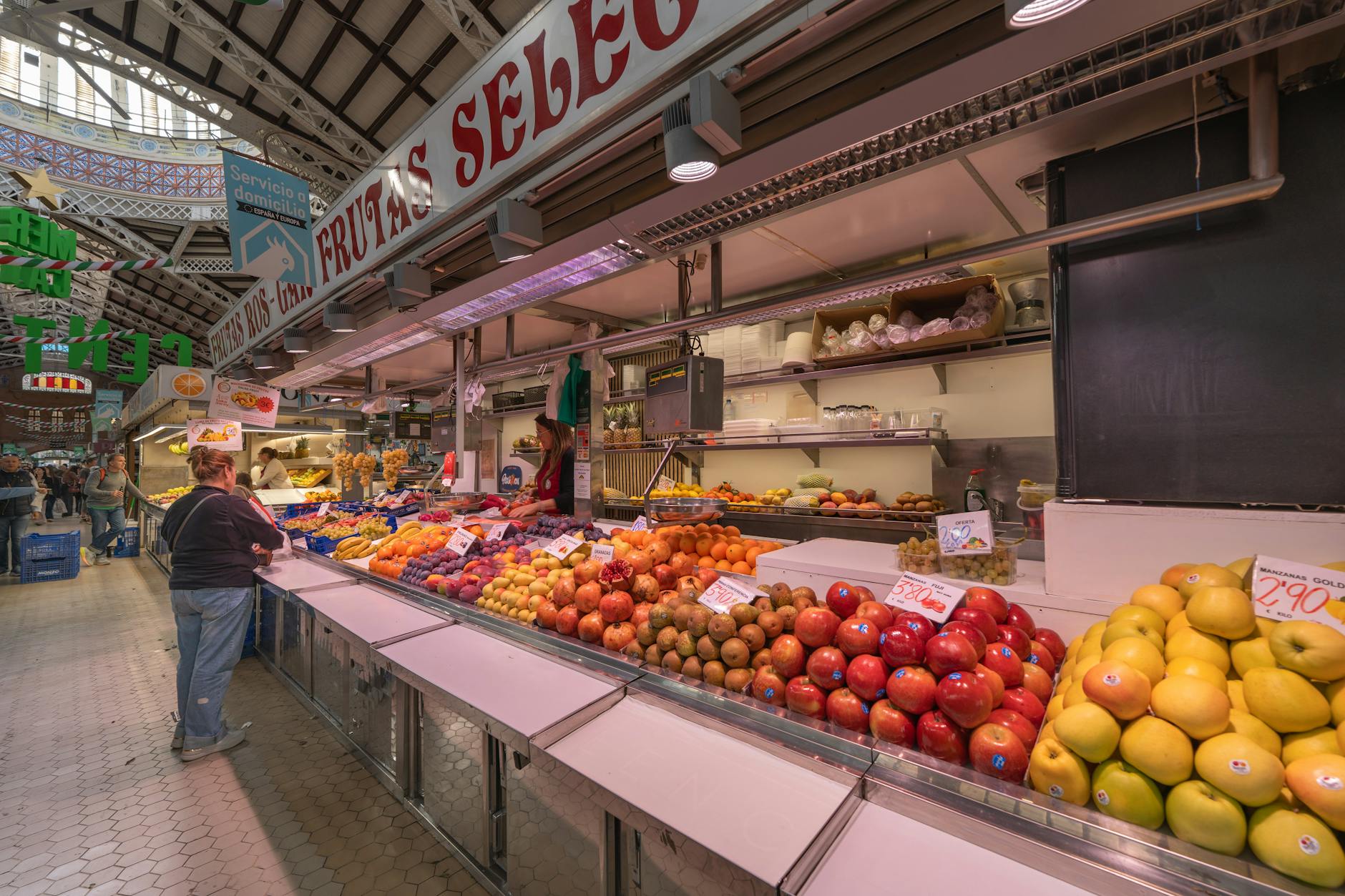
– Eat at markets and family-run restaurantes: La Vega Central and Mercado Central support local suppliers and offer low-cost meals.
– Buy crafts at Pueblito Los Dominicos or small stalls in Lastarria; ask about materials and fair pricing.
– Avoid single-use plastics: bring a refillable bottle (tap water in Santiago is chlorinated but many prefer filtering).
– When booking tours, choose local operators that pay fair wages and minimize environmental impact (walking tours, bike tours, and public-transport-based excursions).
Common Mistakes to Avoid
Frequent budget and comfort mistakes:
– Not buying a Bip! card on day one — cash fares and single tickets are slower and sometimes more expensive.
– Over-relying on taxis for short trips — metro often faster during peak hours.
– Changing lots of cash at the airport at poor rates — use official bank branches or withdraw from ATMs in the city.
– Booking the cheapest option without confirming neighborhood safety and proximity to metro.
– Ignoring seasonal crowds — December and national holidays raise prices and close some local businesses temporarily.
FAQ
How much is a metro ride in Santiago?
A single metro ride typically costs around 800–900 CLP (~$1). Buy a Bip! card at stations and top it up for cheaper, faster boarding.
Is Santiago expensive compared with other South American capitals?
Santiago sits in the middle: basic costs can be low if you use public transport and markets, but mid-range restaurants and hotels are pricier than in some neighboring cities. Plan budgets using the Quick Answer ranges above.
What’s the cheapest way to get from SCL airport to downtown?
Airport buses (TurBus/Centropuerto) run to central terminals for a few thousand CLP (~$3–6). Prebook in high season and compare schedules to avoid long waits.
Can I visit Valparaíso or Viña del Mar as a cheap day trip?
Yes — regular buses from Terminal Alameda or Terminal San Borja run frequently and cost modestly. Book return tickets in advance on busy weekends or holidays.
Any safety or etiquette tips to save money and avoid problems?
Keep small amounts of cash, avoid showing expensive devices on metro at night, negotiate taxi fares only with meters or official rates, and greet locals with a friendly handshake or one cultural cheek kiss in social settings.
Conclusion
Santiago can be very budget-friendly if you prioritize metro travel, markets and locally run accommodations. Use this page’s numbers to set daily targets, choose a good neighborhood and make sustainable choices that benefit local vendors. For a structured plan that uses these cost assumptions, see the companion 3 days in Santiago itinerary. If you’re extending your trip, buses link cheaply to Viña del Mar and Valparaíso, and longer border routes connect to Mendoza and other Argentine destinations.
How this guide was prepared
This guide was prepared through a structured research that combines destination research, geographic context, itinerary planning logic, and content review.