
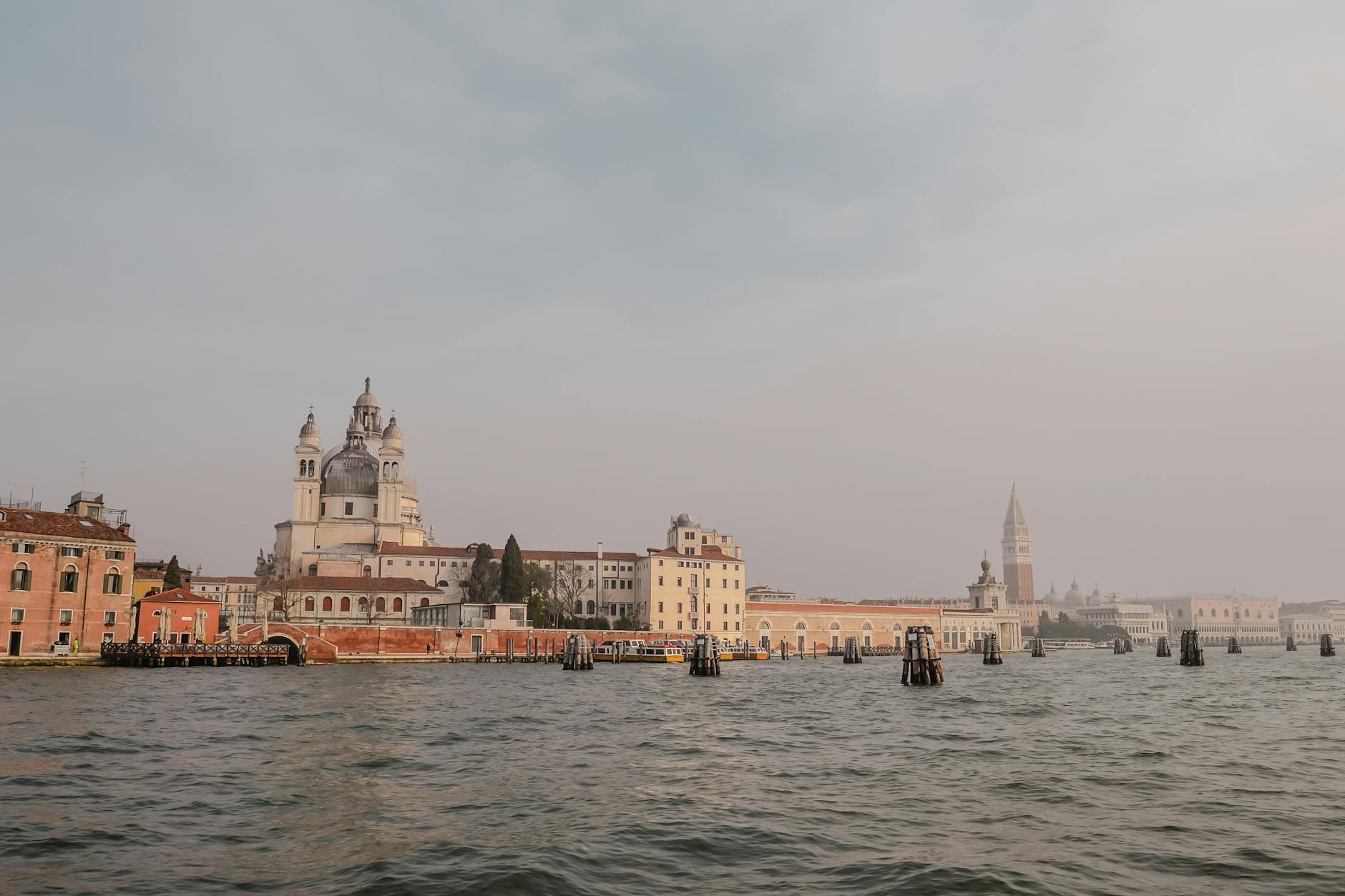
Introduction
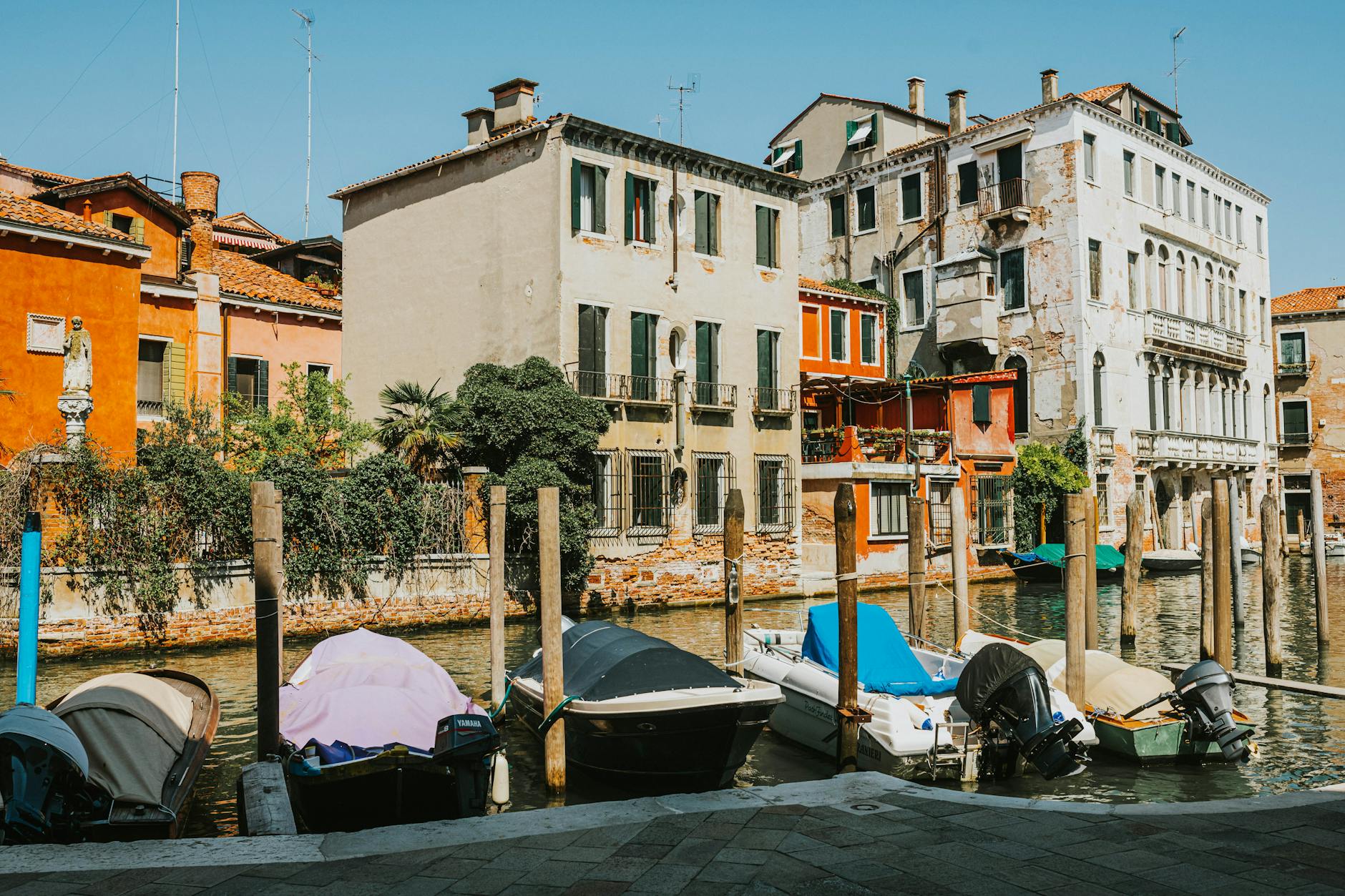
Venice is one of the world’s most unforgettable cities, built on islands, crossed by canals, and filled with art, history, and atmosphere at every turn. For first-time visitors, three days is a great amount of time to see the essential landmarks while also slowing down enough to enjoy the quieter lanes, local neighborhoods, and the rhythm of the lagoon.
This itinerary is designed to help you experience Venice in a practical way without rushing from sight to sight. It combines the famous highlights like St. Mark’s Square and the Grand Canal with time in neighborhoods such as Dorsoduro, Cannaregio, and Castello, so you get a fuller sense of the city beyond the postcard views. It also keeps walking routes reasonably logical, which matters in Venice more than almost anywhere else.
Quick Planning Tips
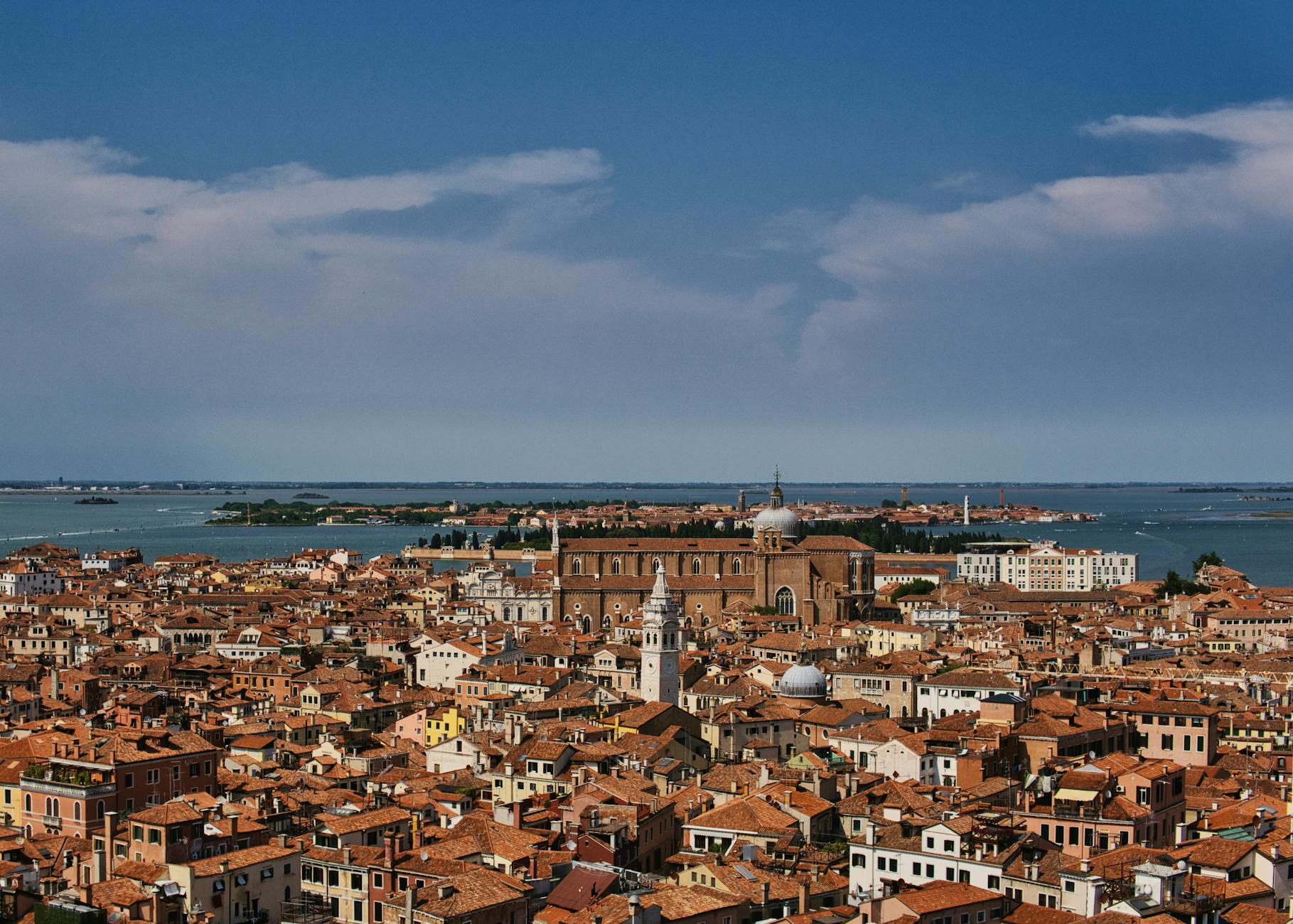
Venice is best explored on foot, with vaporetto water buses used for longer stretches or island visits. Distances that look short on a map can take longer than expected because of canals, bridges, and winding alleys, so leave room in your schedule for getting pleasantly lost.
Stay at least two nights in Venice itself if you can. Sleeping in the city lets you enjoy the early morning and evening, when day-trippers leave and Venice feels most magical.
Book major sights in advance, especially St. Mark’s Basilica, the Doge’s Palace, and popular museums. This can save a lot of waiting time.
Wear comfortable shoes with good grip. Venice involves constant walking over stone streets and bridges.
Start sightseeing early. The busiest areas around St. Mark’s Square and Rialto are much more enjoyable in the morning.
Carry light luggage if arriving by train or water taxi. Many hotels require crossing bridges, and not every area has direct boat access at the door.
Avoid overpacking your days. Part of Venice’s appeal is wandering into quiet campi, small churches, artisan shops, and canal-side cafes.
If flooding conditions are possible during your visit, check local updates and pack shoes that can handle wet conditions.
Day 1 Itinerary
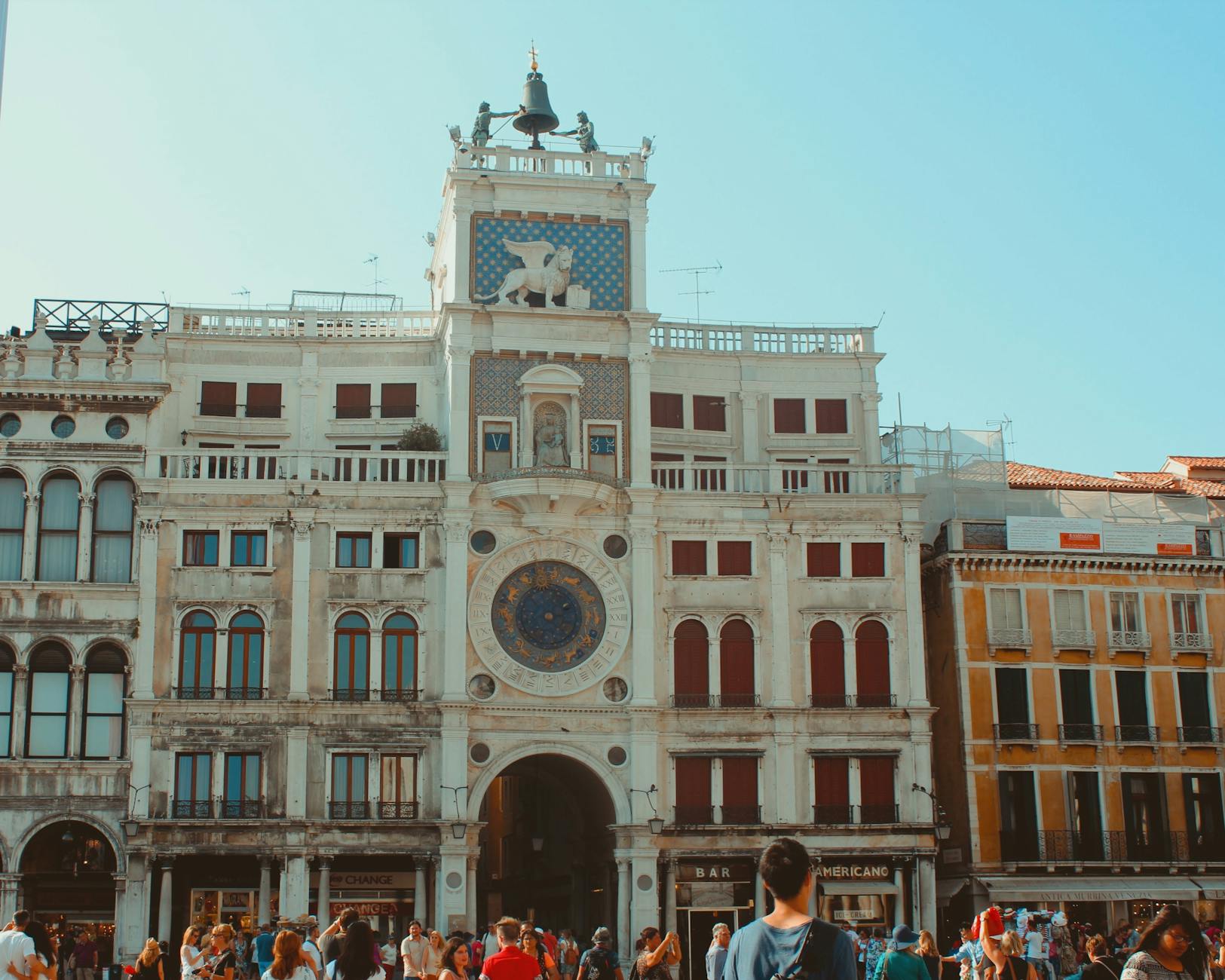
Begin your first day in the heart of Venice at Piazza San Marco, the city’s grand ceremonial square and the best starting point for first-time visitors. Arriving early makes a huge difference here. You’ll be able to appreciate the scale of the square, the arcades, and the views toward the lagoon before the heaviest crowds arrive.
Your first major stop should be St. Mark’s Basilica. This is one of Venice’s most extraordinary landmarks, known for its domes, mosaics, and Byzantine character that feels very different from many churches elsewhere in Italy. Take your time inside and, if available during your visit, consider areas that offer elevated views or access to special sections, as they help you understand the basilica’s design and history.
Next, visit the Doge’s Palace, directly beside the basilica. This is essential for understanding Venice as a former maritime republic. The grand halls, political chambers, artwork, and prison route all show how powerful and sophisticated Venice once was. The Bridge of Sighs is part of the experience and one of the city’s most recognizable sights.
Afterward, walk along the Riva degli Schiavoni, the broad waterfront promenade east of St. Mark’s Square. This stretch gives you classic lagoon views, passing gondolas, and a strong first impression of Venice’s setting on the water. If you want a short break, this is a good area to stop for coffee while watching boats move across the basin.
Continue into the Castello neighborhood. Many first-time visitors stay close to the central monuments and miss how quickly Venice becomes quieter just a few streets away. Castello offers a more local feel, with residential lanes, small squares, and less polished corners of the city. If you enjoy churches and art, visit San Zaccaria, known for its beautiful interior and peaceful atmosphere.
For lunch, stay in Castello or return slightly inland from the waterfront to avoid the most tourist-focused spots. Aim for a relaxed meal rather than eating directly on the busiest square.
In the afternoon, make your way back toward the center and cross to the Rialto area. The Rialto Bridge is another Venice classic and worth seeing both from above and from the canals below. The surrounding district is lively, with shops, market lanes, and some of the city’s best-known urban energy. If the Rialto Market is active during your visit, it’s a great place to see the connection between Venice and the sea through its fish stalls and produce stands.
From Rialto, take time to wander around San Polo, one of Venice’s oldest districts. This area is a good introduction to everyday Venice and offers a nice contrast to the formality of St. Mark’s. Campo San Polo is one of the city’s larger squares and a pleasant place to pause.
End your day with a vaporetto ride on the Grand Canal around late afternoon or early evening. This is one of the best low-effort introductions to Venice because you see palaces, churches, and daily life unfolding from the water. If possible, sit or stand where you can enjoy the views on both sides. The changing light over the canal is a highlight in itself.
For dinner, choose a restaurant in San Polo, Castello, or Cannaregio rather than directly around St. Mark’s. After dinner, return to Piazza San Marco if you still have energy. Seeing it illuminated at night, after the daytime crowds have thinned, feels completely different and is often one of the most memorable moments of a first trip.
Day 2 Itinerary
Day 2 is ideal for exploring Venice’s art, quieter neighborhoods, and a deeper side of the city. Start in Dorsoduro, one of the most rewarding districts for first-time visitors. It is known for museums, broad waterfront views, student energy, and a slightly calmer atmosphere than the most central areas.
Begin at the Gallerie dell’Accademia, one of Venice’s top museums for understanding the city’s painting tradition. The collection gives context to the art and history you’ll see throughout Venice, with works by major Venetian masters. Even if you are not usually a museum-focused traveler, this is one of the best places to grasp Venice’s cultural identity.
After the museum, walk across the Accademia Bridge for one of the classic views of the Grand Canal. Then continue through Dorsoduro’s lanes toward the Peggy Guggenheim Collection. This museum offers a completely different experience from the Accademia, focusing on modern art in a remarkable canalside setting. Seeing both in one day creates a satisfying contrast between old Venice and twentieth-century artistic experimentation.
From there, head to the Punta della Dogana area. The point where the Grand Canal meets the wider lagoon has some of the best views in the city, looking back toward St. Mark’s Basin. It is one of the most photogenic spots in Venice and a good place to pause without trying to cram in too many attractions.
For lunch, stay in Dorsoduro. This neighborhood has a mix of local life, quieter streets, and places where you can sit down away from the most crowded tourist flow.
In the afternoon, continue wandering through Dorsoduro and visit the Basilica di Santa Maria della Salute from the outside or inside if you wish. Its huge dome is one of Venice’s defining skyline features, and standing nearby helps you understand how important this church is to the city’s visual identity.
If you want a green and less crowded stop, include the Giardini Reali near St. Mark’s or, if you prefer a more spacious setting, continue toward the eastern side of the city later in the day for the Giardini della Biennale in Castello. Venice is not a city of large parks in the usual sense, so these green areas stand out.
After Dorsoduro, cross toward Santa Croce or San Polo for a slower, less monument-heavy walk. This part of the day is good for simply following small canals, peeking into artisan shops, and enjoying Venice without a checklist. If you are interested in one more major church, the Frari in San Polo is an excellent addition, with important art and a more solemn, grand interior than many first-time visitors expect.
Later, make your way to Cannaregio for the evening. This neighborhood offers a more residential and grounded side of Venice and is one of the best areas to spend dinner time. Walk along the Fondamenta Misericordia or nearby canals, where the atmosphere often feels lively but less formal than around St. Mark’s. If time allows, explore the historic Jewish Ghetto, an important place in Venetian and European history, with a distinct character and quieter courtyards.
Have dinner in Cannaregio and enjoy a relaxed evening stroll. This is the night to appreciate Venice as a living city rather than only a sightseeing destination.
Day 3 Itinerary
Use your third day to explore the lagoon beyond the main islands or to focus on Venice’s lesser-visited corners, depending on your travel style. For most first-time visitors, the best choice is a half-day or full-day island excursion combined with a final evening back in central Venice.
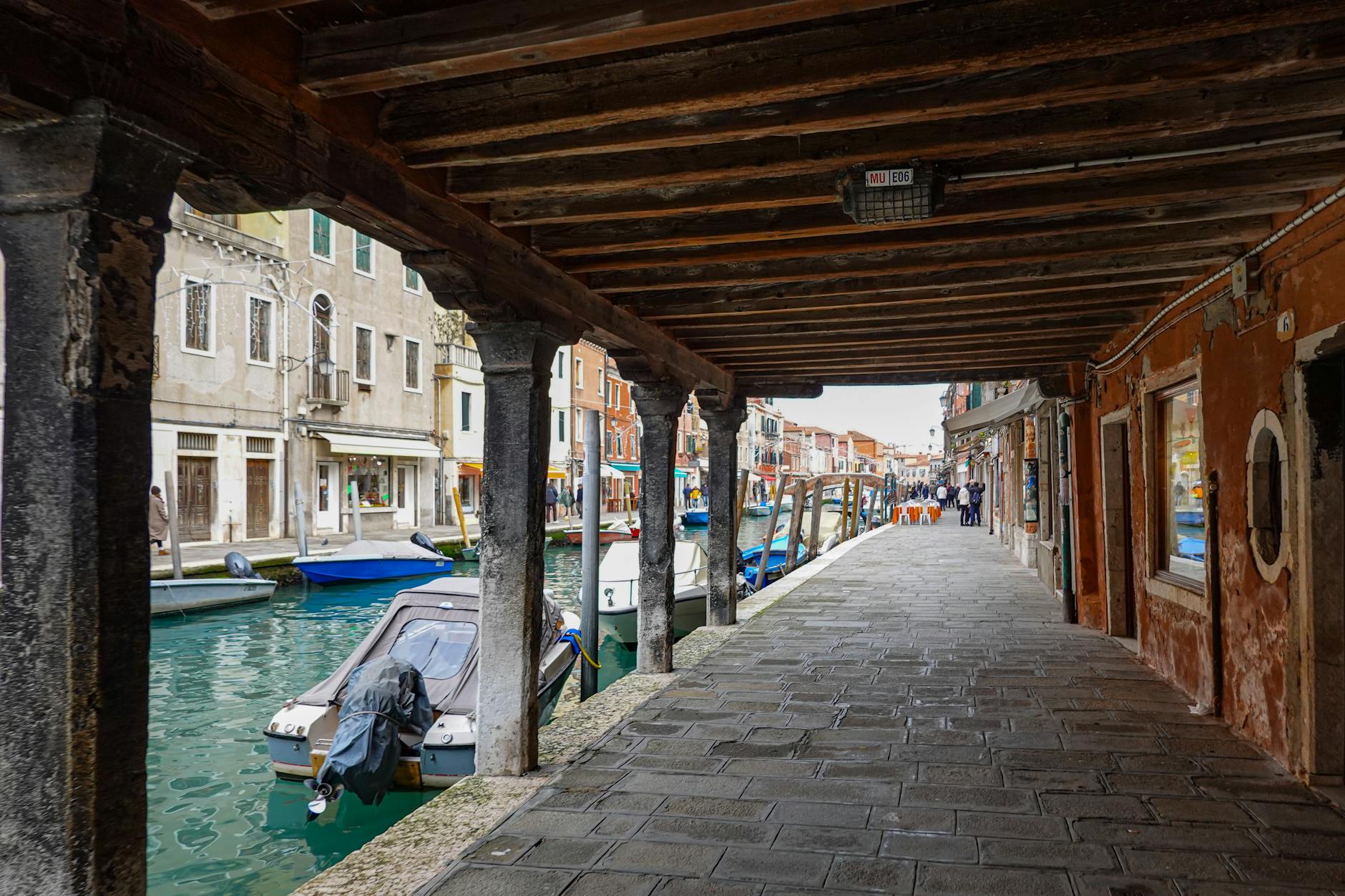
Start early with a vaporetto to Murano, the island most famous for glassmaking. Murano is not just a shopping stop; it is a historic manufacturing center with canals, churches, and a quieter pace than central Venice. Visit a glass museum or a workshop demonstration if available, as this helps explain why Murano glass became so important and admired. The island is easy to walk around and gives a nice sense of how the wider Venetian lagoon functioned.
Next continue to Burano, which feels completely different. Burano is known for its brightly painted houses, lace-making heritage, and cheerful canal scenery. It is very photogenic, but it is also worth slowing down to explore away from the busiest landing areas. Walking through side streets and along the smaller canals reveals a more peaceful side of the island. This is a good place for a leisurely lunch.
If you want a third island and enjoy history or archaeology, add Torcello. It is much quieter than Murano and Burano and has a more rural, open feel. The island’s cathedral is one of the most historically significant sites in the lagoon, reminding visitors that the region’s story began long before Venice reached its later peak. Torcello is best for travelers who want something atmospheric and less crowded rather than another busy sightseeing stop.
Return to Venice in the afternoon. If you skipped some major sights earlier, this is the right time to catch up. Otherwise, spend your final hours in neighborhoods that reward slow wandering.
A very good option is to explore more of Castello, especially the area around the Arsenale and the eastern reaches of the district. This side of Venice feels broader and more local, and it reveals the city’s naval history. If the Biennale is taking place during your visit, the Giardini and Arsenale become major cultural destinations and can easily shape much of the day.
Another strong option is to revisit the Grand Canal area one final time, perhaps taking a vaporetto at sunset. By the third day, the city’s layout begins to make sense, and you can enjoy the ride with a much better sense of where neighborhoods connect.
For your final evening, choose one last scenic walk linking Rialto, San Marco, and the smaller lanes in between. Crossing bridges at dusk, seeing reflections in the canals, and hearing the city settle into the evening is one of the best ways to end a first trip to Venice. If you want a classic splurge activity, this is also the most fitting night for a gondola ride through smaller canals and out onto a wider stretch of water.
Where to Stay
San Marco
San Marco suits first-time visitors who want to be close to Venice’s most famous landmarks and don’t mind higher prices and more foot traffic. Staying here makes it easy to reach St. Mark’s Basilica, the Doge’s Palace, and the waterfront early in the day before crowds build. It is convenient and iconic, but it can feel busy for much of the day.
Cannaregio
Cannaregio is a great choice for travelers who want a better balance between sightseeing and local atmosphere. It is lively, practical, and often more relaxed than San Marco, with many good dining options and easier access from Santa Lucia train station. This area suits visitors who want to explore Venice on foot while returning to a neighborhood that still feels lived-in.
Dorsoduro
Dorsoduro is ideal for travelers who prefer an artistic, quieter base with a more elegant residential feel. It is well placed for museums like the Accademia and the Peggy Guggenheim Collection, and it has lovely canal walks and scenic waterfront areas. This area suits couples, repeat cultural travelers, and first-time visitors who want Venice to feel calmer at night.
Best Experiences
Take an early morning walk through Piazza San Marco before the main crowds arrive. The light, the silence, and the sense of space make the square feel completely different.
Ride the vaporetto along the Grand Canal. It is one of the best-value scenic experiences in Venice and gives you a front-row view of palaces, bridges, and daily life on the water.
Visit Murano and Burano for a different perspective on the Venetian lagoon. The islands add craftsmanship, color, and a slower pace to your trip.
Wander at night after dinner through smaller lanes in Cannaregio, Dorsoduro, or Castello. Venice is especially memorable when it becomes quieter and more atmospheric.
Consider one gondola ride if it fits your budget. It is undeniably touristy, but gliding through narrow canals offers a perspective of the city that walking cannot provide.
How to Get Around
Venice is a walking city first. Most of your sightseeing in the historic center will happen on foot, and walking is often the best way to discover unexpected churches, courtyards, bridges, and canal views.
For longer distances, use the vaporetto water bus system. It is useful for traveling along the Grand Canal, reaching outer districts, and visiting islands such as Murano and Burano. If you plan to use it multiple times in a short period, a transport pass can be worth considering depending on your itinerary.
Water taxis are faster and more direct, but they are much more expensive and are usually best reserved for special situations such as airport transfers, heavy luggage, or convenience splurges.
Gondolas are mainly a scenic experience rather than practical transport.
Do not expect wheeled transport within most of the historic center. There are no cars in Venice’s old city, and even short routes may include multiple bridges. Use a map, but accept that navigation can be imperfect. In Venice, that is part of the experience.
Typical Budget
Venice is usually one of the more expensive destinations in Italy, especially in the historic center. Costs depend heavily on where you stay, how far ahead you book, and whether you rely on sit-down meals in major tourist zones.
Budget travelers should focus on simple guesthouses or budget hotels, eat away from the busiest landmarks, and use vaporetto transport selectively. It is possible to keep costs under control, but Venice rarely feels truly cheap.
Mid-range travelers can expect comfortable hotels or well-located guesthouses, regular museum visits, several restaurant meals, and some vaporetto use. This is the most practical category for many first-time visitors.
Higher-budget travelers can enjoy canal-view hotels, water taxi transfers, fine dining, and premium activities such as private tours or a gondola ride without much concern for cost.
A good strategy for any budget is to spend carefully on location and key experiences, while avoiding overpriced meals right beside the most famous sights.
FAQ
Is 3 days enough for Venice
Yes, three days is a very good amount of time for a first visit. You can see the major landmarks, explore several neighborhoods, enjoy the Grand Canal, and take an island trip without feeling overly rushed.
Should I stay in Venice or outside the city
For a first trip, staying in Venice itself is strongly recommended if your budget allows. The city is most special early in the morning and in the evening after day-trippers leave, and you miss that atmosphere if you stay too far away.
Do I need a gondola ride in Venice
No, it is not essential, and many visitors are happy with vaporetto rides instead. But if you want a classic Venetian experience and your budget allows, one gondola ride can be memorable, especially on your final evening.
What should I book in advance
Book your accommodation as early as possible, especially in high season. It is also wise to reserve major attractions such as St. Mark’s Basilica and the Doge’s Palace, and to plan ahead for popular island excursions or museum visits if you are traveling during busy periods.