
Where to Stay in Buenos Aires: Neighborhoods, Practical Tips, and Sustainable Choices
Decide where to stay in Buenos Aires for a 3-day visit. Practical neighborhood breakdowns (Palermo, Recoleta, San Telmo, Puerto Madero, Belgrano), transport realities, booking tips, and local-first, low-impact recommendations.
A concise, practical guide to choosing the best neighborhood and type of lodging for a short Buenos Aires trip, with transport realities, seasonal advice, and sustainable recommendations that pair with our 3 days in Buenos Aires itinerary.
Quick Answer
A concise, practical guide to choosing the best neighborhood and type of lodging for a short Buenos Aires trip, with transport realities, seasonal advice, and sustainable recommendations that pair with our 3 days in Buenos Aires itinerary.
Who This Page Is For
This page is for travelers planning a stay in Buenos Aires who want clearer decisions about where to stay, local logistics, timing, budgeting, and practical trip planning.
How This Page Was Prepared
This page was prepared through a structured editorial workflow that combines destination research, geographic context, and practical travel-planning review.
Plan the Rest of Your Trip
Use this page together with the full itinerary and the related planning pages below to make better booking, timing, transport, and budget decisions.
If you have three days and want a balance of daytime sights and evening dining: pick Palermo (Soho/Holywood) for restaurants, bars and walking to parks; choose Recoleta for museums, quieter streets and easy taxi/Subte access; pick San Telmo if you want colonial cobblestones, antiques and tango atmosphere. Use Puerto Madero only if you value waterfront luxury and convenience to downtown. For lower cost and local immersion consider Villa Crespo or Almagro. Wherever you book, check Subte/major bus lines and plan your Ezeiza or Aeroparque transfer in advance.
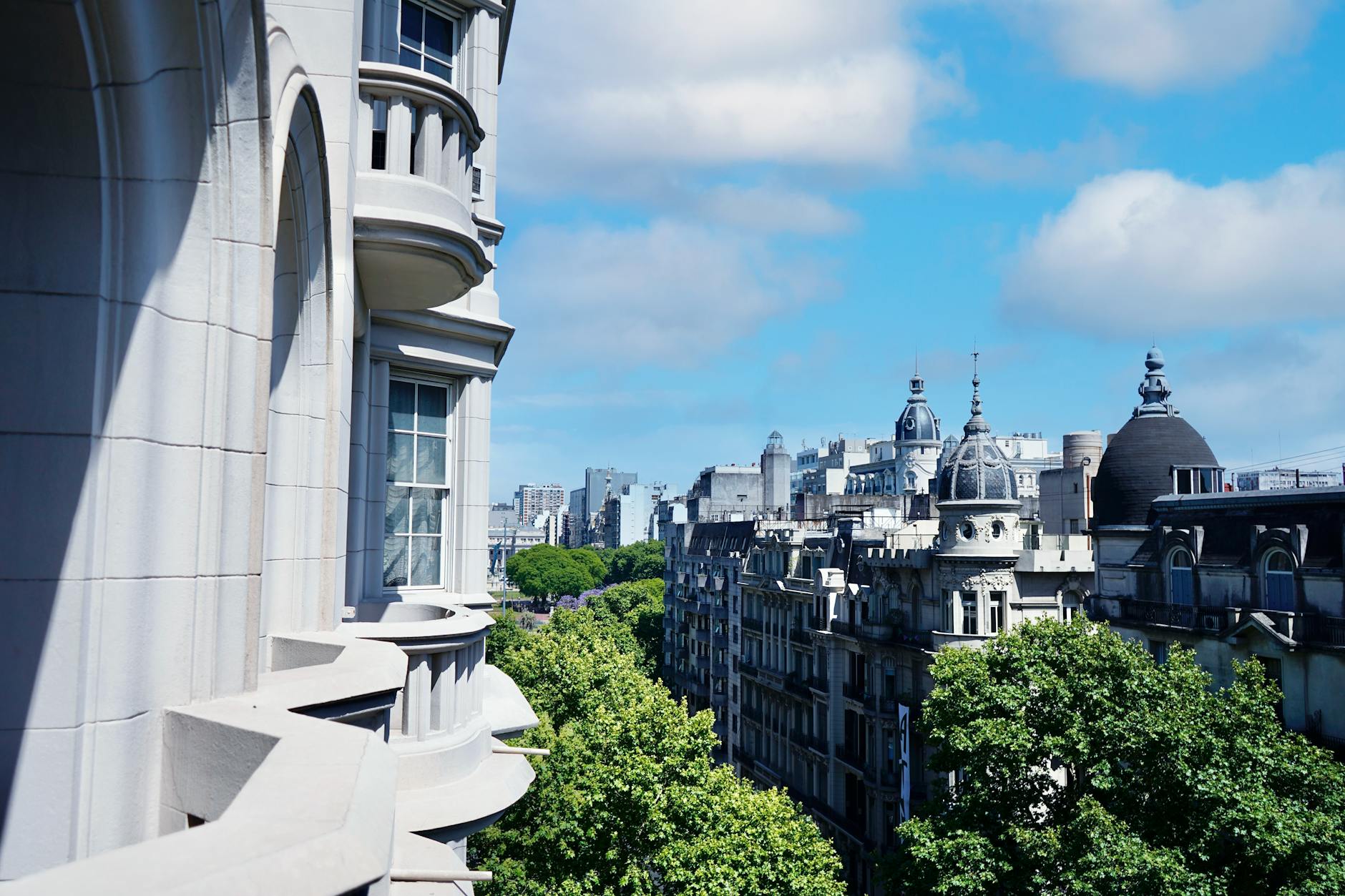
Buenos Aires is spread out across distinct neighborhoods, each offering a different slice of porteño life. For a compact visit—like the 3 days in Buenos Aires itinerary this page supports—your choice should prioritize proximity to the sights you want to see, easy access to the Subte (metro) or buses, and lodging that aligns with your sustainability and local-first values. This page helps you match temperament, budget, and logistics to the right barrio and the right kind of place to sleep.
What This Page Helps You Decide
Use this page to make specific choices before you book:
– Which neighborhood matches a 3-day central itinerary and your travel style.
– Whether to book a boutique hotel, family-run guesthouse, or short-term apartment.
– How much to rely on Subte, buses and taxis for daily plans.
– When to travel (shoulder season tips) and how that affects prices and crowding.
– Practical, sustainable choices that keep spending local.
It’s written to complement the main 3 days in Buenos Aires guide and to suggest onward trips to Rosario, Mar del Plata, Córdoba, Mendoza, or Salta if you extend your stay.
Top Recommendations
Neighborhood picks with concise pros, cons and who they suit best:
– Palermo (Soho / Hollywood): lively cafés, boutiques, nightlife; best for first-timers who want parks (Bosques de Palermo) and evening options. Midrange to upscale.
– Recoleta / Barrio Norte: close to museums (Museo Nacional de Bellas Artes, Recoleta Cemetery), quieter streets and classic architecture; best for culture-focused travelers and families. Mid to high end.
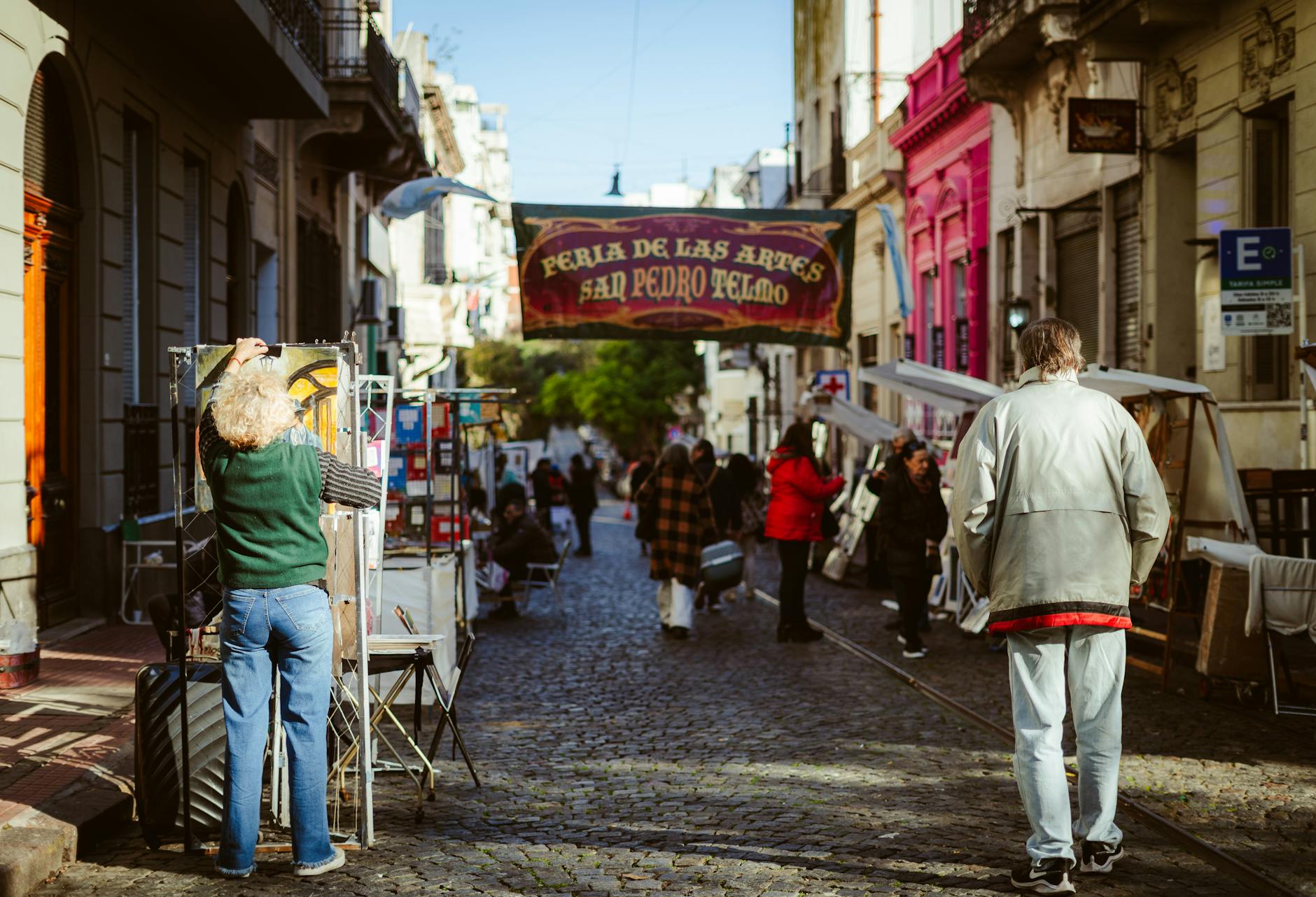
– San Telmo: historic center for tango bars, antique markets and old-world charm; best for couples and culture-seekers. Nights can be active; choose a well-rated property near the main square.
– Puerto Madero: modern waterfront, safe and polished; best for travelers wanting a simple logistics base and riverside walks. Often pricier and less local.
– Belgrano: leafy, residential, good for families and longer stays; quieter evenings and good subway/bus links.
– Villa Crespo / Almagro: more local life, lower rates, independent cafés and bodegas; best for budget-minded travelers who don’t need tourist-on-every-block convenience.
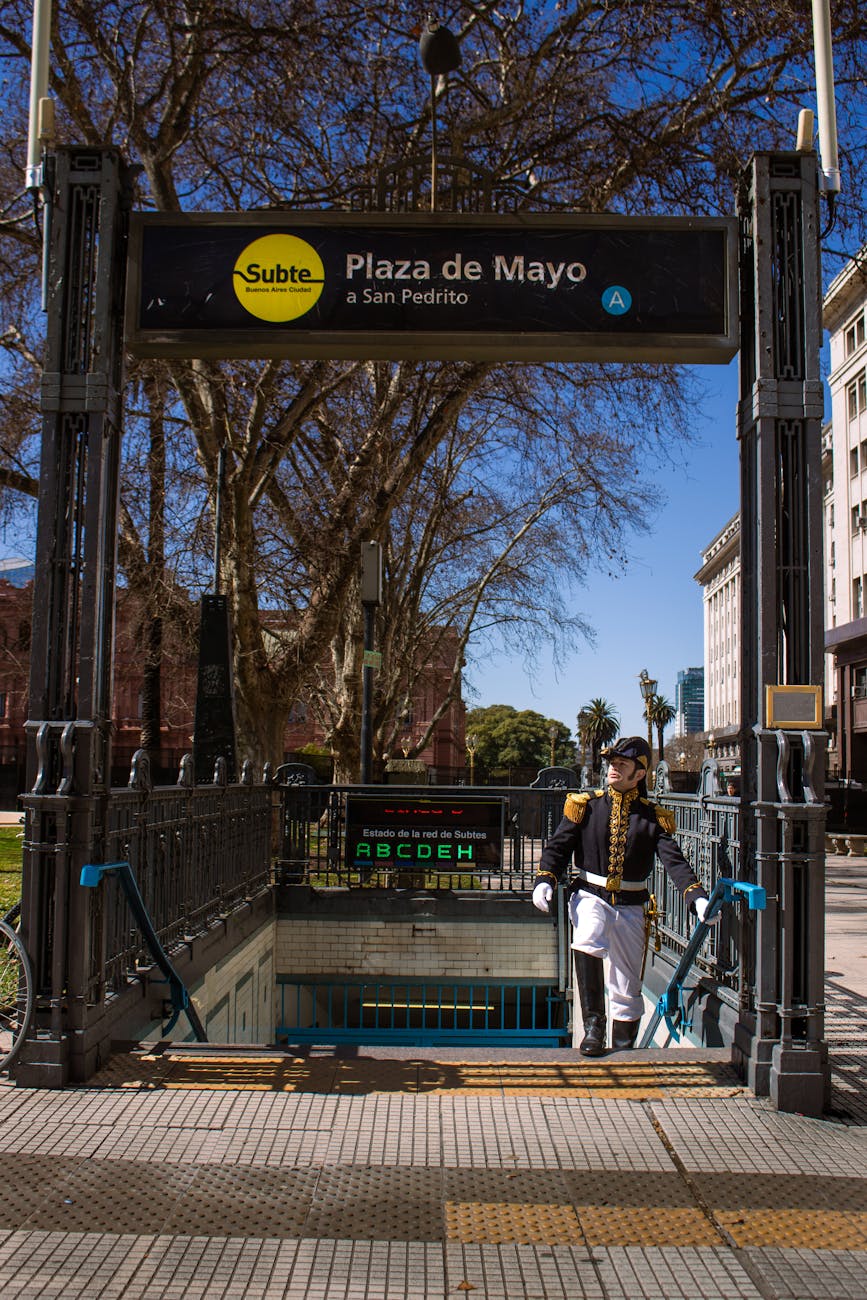
Practical note: if your 3-day plan overlaps downtown mornings (Plaza de Mayo, Teatro Colón) and Palermo nights, pick a place along a Subte line that lets you cross the city quickly.

Local Context
Seasonal patterns:
– High season: December–February (hot, humid). Expect higher rates and late-night activity.
– Shoulder seasons: March–May and September–November—milder weather, thinner crowds, often the best balance for prices and comfort.
– Winter: June–August is cooler and drier; museums and indoor dining still lively.
Transport realities:
– Subte (metro) is the fastest inner-city option; carry a charged SUBE card and check which line serves your neighborhood (D for Palermo/Recoleta, C toward Microcentro, A toward San Telmo).
– Buses (colectivos) cover gaps but require exact change or a SUBE top-up.
– Taxis and app-based rides (Beat, Cabify) are plentiful; avoid unmetered street offers. From Aeroparque plan 20–40 minutes; from Ezeiza expect 40–60 minutes depending on traffic.
Local etiquette and safety basics:
– Greet with a handshake or brief kiss on the cheek in social situations; say buenos días/tarde/noche.
– Tip around 10% in restaurants when service isn’t included and leave small change for bartenders or porters.
– Keep valuables discreet, stay on well-lit main streets at night, and avoid wandering La Boca after dark; day visits there are fine if you stick to Caminito and the tourist corridors.
Money and booking notes:
– Cards are widely accepted but carry some pesos for markets, taxis and small purchases.
– Verify legal registration for short-term rentals (many hosts now display permits); prefer registered accommodations to support local regulations.
How to Choose Well
A simple decision checklist:
1) Match your itinerary: if your three days include downtown mornings and Palermo nights, prioritize a central location with quick Subte access.
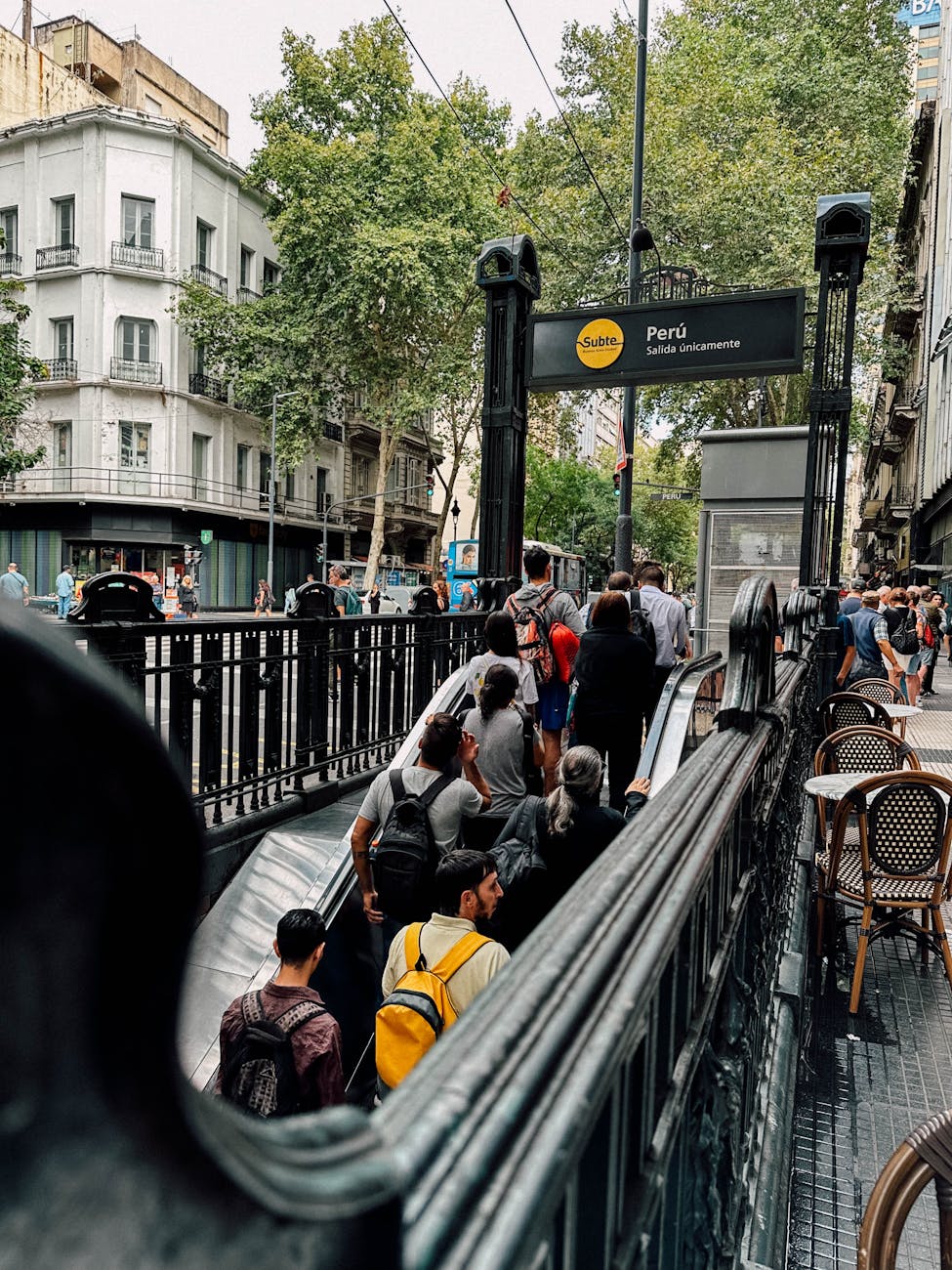
2) Prioritize transit over a 'perfect street': being a 5–10 minute walk from a Subte station often saves time and taxis.
3) Noise tolerance: choose Recoleta or Belgrano for quieter nights; Palermo and San Telmo are livelier after dark.
4) Type of stay: pick a small, registered guesthouse or boutique hotel to keep money local; vetted apartments are great for families or longer stays but confirm permits.
5) Book timing: reserve at least 4–8 weeks in high season and during local events (Carnival, national holidays, marathon weekends).
6) Check practical details: elevator/floor, luggage storage, AC and heating (hot summers, cool winters), and whether the property supports low-impact practices like refillable toiletries.
Responsible and Local-First Tips
Make choices that benefit local people and reduce your footprint:
– Pick family-run hotels, locally owned cafés and neighborhood restaurants rather than international chains.
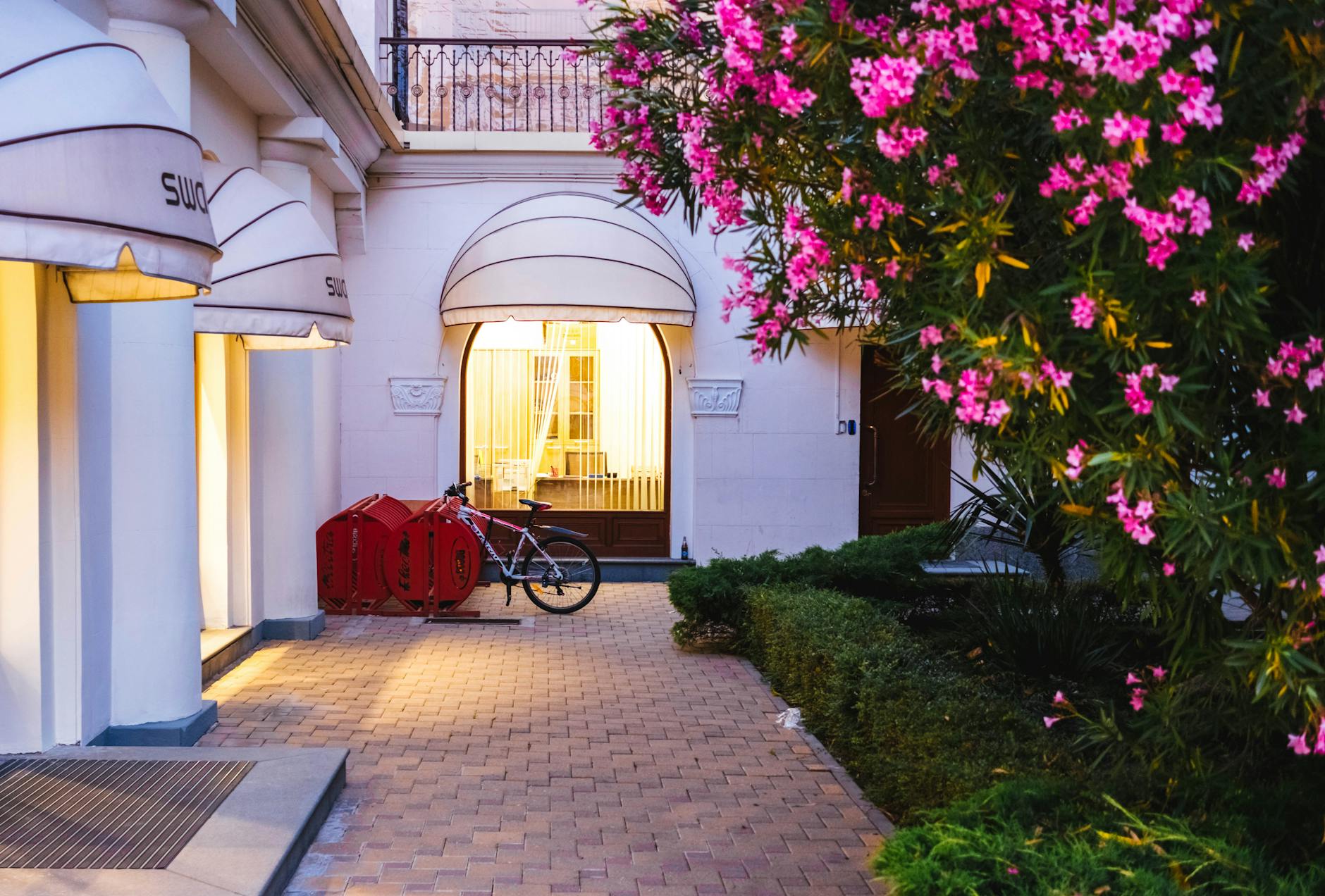
– Use public transport or bike-share for short hops; bring a refillable bottle and ask about water stations.
– Book walking tours with licensed local guides and small-group operators; avoid exploitative wildlife or 'gaucho show' experiences that prioritize spectacle over authenticity.
– Travel in shoulder season to lower the visitor pressure on popular sites.
– When staying in an apartment, use the kitchen to buy from local markets (San Telmo Market or neighborhood bodegas) and reduce food waste.
– Confirm accommodation practices: energy efficiency, recycling, reduced-linen-change options, and local hiring policies.
Common Mistakes to Avoid
Avoid these common booking and neighborhood errors:
– Choosing accommodation solely for waterfront views in Puerto Madero and then spending your days far away—pay more for convenient location, not just views.
– Booking in La Boca without realizing many parts are residential and less safe at night; stick to Caminito and guided daytime visits.
– Underestimating travel time from Ezeiza; budget at least 45–60 minutes in rush hours.
– Assuming every taxi accepts cards—carry small pesos or use app-based rides.
– Ignoring Subte proximity; long walks to the nearest station can waste precious time in a short trip.
– Booking an unregistered short-term rental that undermines local housing rules—favor legal, transparent hosts.
FAQ
Which neighborhood is best for a first-time 3-day visit?
Palermo is a great all-rounder for restaurants, nightlife and park access; pair it with short trips to Recoleta and San Telmo using the Subte or a quick taxi.
Is it safe to walk around at night?
Many central barrios are safe if you stay on main streets and well-lit areas; avoid isolated spots and do not flash valuables. La Boca is best visited during guided daytime hours.
How do I get from Ezeiza or Aeroparque to the city?
Aeroparque is closest to the city (15–30 minutes by taxi or app ride). Ezeiza requires 40–60 minutes depending on traffic; pre-book a reputable transfer or use an official taxi booth.
Should I book a hotel or an apartment?
Hotels and guesthouses are simpler for short stays and often provide local knowledge; apartments can save money for families and longer stays but confirm legality and clear check-in instructions.
When is the best time to visit to avoid crowds and still have good weather?
Shoulder seasons—March–May and September–November—offer milder temperatures, fewer tourists and better prices.
Do I need cash or can I rely on cards?
Cards are widely accepted, but carry pesos for small purchases, markets, taxis and tips. Top up a SUBE card for public transport.
Conclusion
For a concentrated visit tied to the 3 days in Buenos Aires itinerary, pick a neighborhood that minimizes travel time to your prioritized sights and supports local businesses. Palermo and Recoleta cover most needs for culture, dining and transit; San Telmo adds historic character. Stay in registered, locally run lodgings where possible, travel in shoulder season when practical, and use the Subte, buses and walking to keep your trip low-impact. If you plan to continue to nearby destinations—Rosario, Mar del Plata, Córdoba, Mendoza or Salta—consider booking flexible transport and a lodging that stores luggage for a smooth onward journey.
How this guide was prepared
This guide was prepared through a structured research that combines destination research, geographic context, itinerary planning logic, and content review.