

Buenos Aires in 3 Days: Practical Itinerary and Local Tips
Three-day practical guide to Buenos Aires with neighbourhood plans, transit tips (SUBE, Subte lines), food picks and budgeted costs to plan a weekend trip.
A clear, no-fluff 72-hour plan for seeing Palermo, Recoleta, San Telmo and La Boca, plus transit, money and eating tips that locals actually use.
Arriving by bus or plane gives an immediate sense of scale: wide avenues, street-level cafés where people meet late, and blocks that change character quickly. The centre has big government and financial buildings around Plaza de Mayo and the Obelisco, while nearby barrios like Palermo and San Telmo show very different rhythms and building types.
Expect noise from traffic and frequent construction on main avenues; this is not a quiet, compact city where everything is a short stroll apart. The mix of French-influenced architecture in Recoleta, market stalls in San Telmo and large parks in Palermo suits travellers who like museum time, café stops and a late dining schedule.
Is 3 days in Buenos Aires enough?
Three days is enough to cover the central museum circuit (Recoleta, MALBA, Museo Nacional de Bellas Artes), the main historic sights (Plaza de Mayo, Teatro Colón) and two neighbourhoods (Palermo and San Telmo). One honest caveat: a proper visit to Tigre, Mendoza or the wine region needs a separate trip.
Who This Guide Is For
Best for first-time visitors who like museums, neighbourhood walks and food-focused sightseeing with moderate walking. Less suitable for travellers who want to include long day trips, rural wine tours or continuous nightlife every night on a tight budget.
Local Tips for Buenos Aires
Practical details that most travel sites skip — specific to Buenos Aires.
- Buy a SUBE card at any kiosk (kiosco) or Subte station and load credit; many vendors accept MercadoPago top-ups but keep some cash for small kiosks.
- Subte lines A, B, C, D, E and H run roughly 05:30–23:30 on weekdays and shorter on Sundays; plan late evenings by taxi or bus rather than assuming 24h metro service.
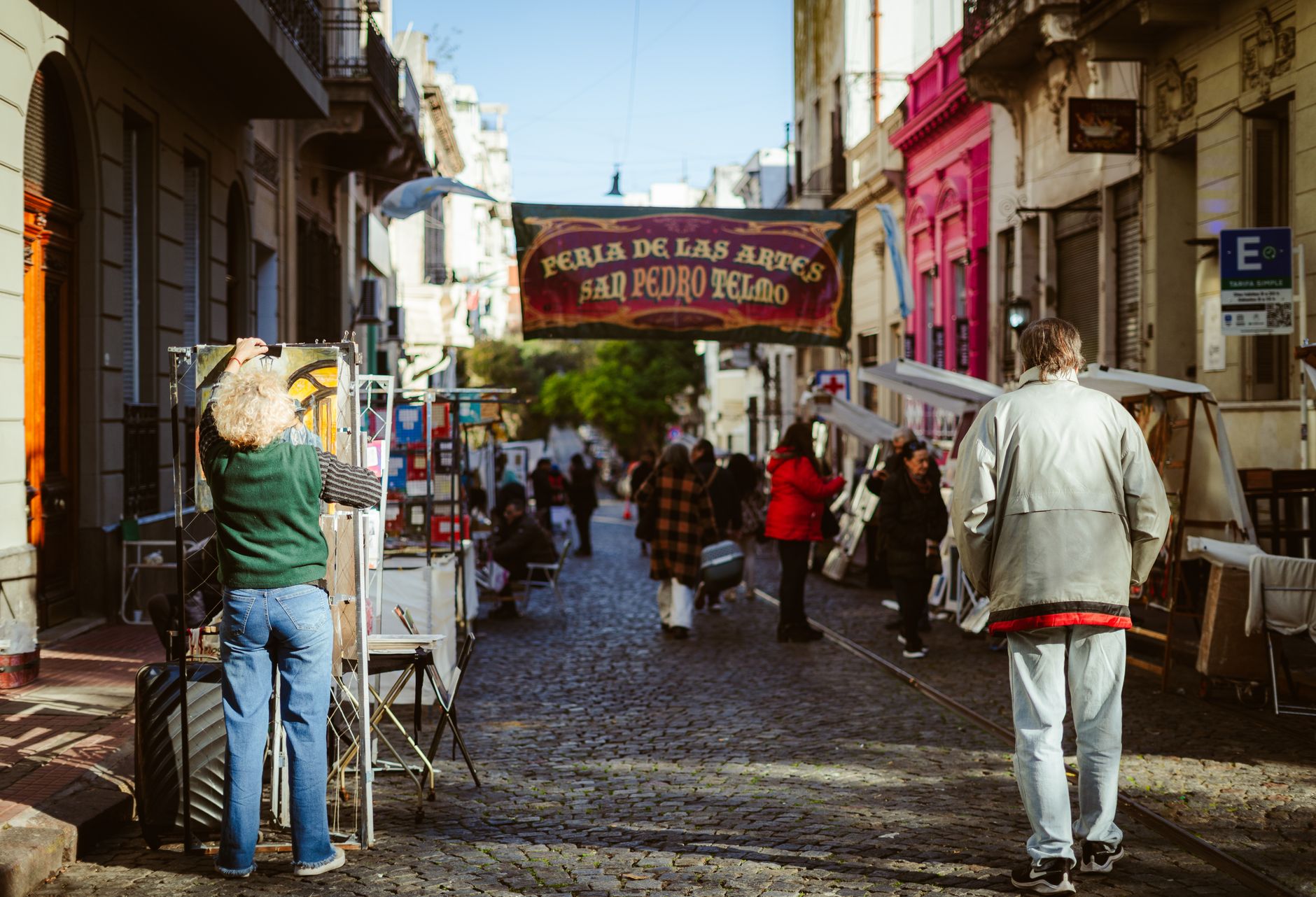
- Feria de San Telmo runs Sundays along Defensa from Plaza Dorrego to Avenida San Juan — best before 14:00 for antiques and 10:00–12:00 for fewer crowds.
- Many restaurants start dinner service after 20:30 and peak 22:30–23:30; if arriving early, look for bodegones on Avenida Corrientes which open earlier.
- Exchange houses (casas de cambio) on Florida and around Congreso can be cheaper than airports; avoid airport cambio at Ezeiza unless convenience outweighs rate loss.
How This Guide Was Prepared
Three days exposes the city's contrasts: late-night dining and long daytime walks across neighbourhoods shaped by immigrant waves and wide boulevards. Most guides either cram a sightseeing checklist or sell boutique experiences; this guide shows realistic pacing, transit times and when to accept crowded attractions versus skipping them. This guide was prepared through a structured research that combines destination research, geographic context, itinerary planning logic, and content review.
Plan Your Stay in Buenos Aires
Use these planning pages to compare areas to stay, expected costs, seasonal timing, and local transport before booking.
Why Visit
Three practical reasons: art and museums are concentrated and accessible — MALBA and Museo Nacional de Bellas Artes have high-quality displays within a few subway stops of each other. Second, neighbourhood contrast is strong and quick to experience: cobbled Defensa in San Telmo, the French cemeteries of Recoleta, and wide green spaces in Palermo offer different moods within short transit rides.
Third, food culture is direct and rewarding: parrillas, bodegones and neighbourhood cafés deliver honest meals at reasonable prices compared with tourist traps. Finally, transportation hubs like Retiro and Constitución make regional train or bus connections straightforward for onward travel to Rosario or Córdoba.
Quick Planning Tips
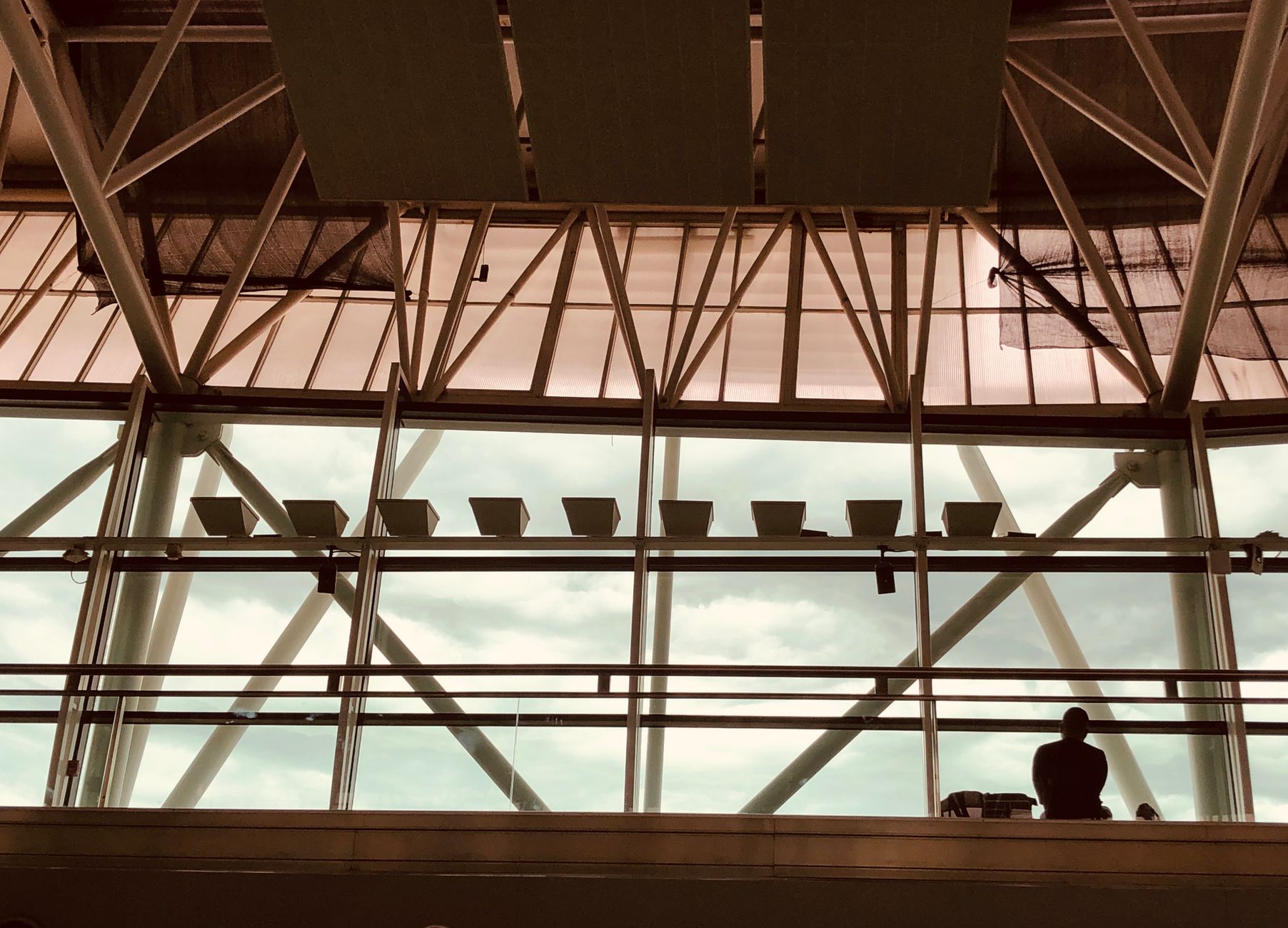
Fly into Ezeiza (EZE) for international flights or Aeroparque (AEP) for domestic; a shared transfer or taxi from Ezeiza to central districts costs roughly ARS 8,000–12,000 (~USD 20–30) depending on meter or booked rate. From Aeroparque to Palermo or Recoleta a taxi is normally ARS 2,000–3,500 (~USD 5–9).
Buy a SUBE card on arrival at a kiosk or Subte station; single fares on Subte and colectivos require that card. Bring a mix of cash and card — many small restaurants and stalls accept only cash. Avoid changing large sums at the airport; use downtown casas de cambio or ATMs while watching withdrawal fees.
Day 1
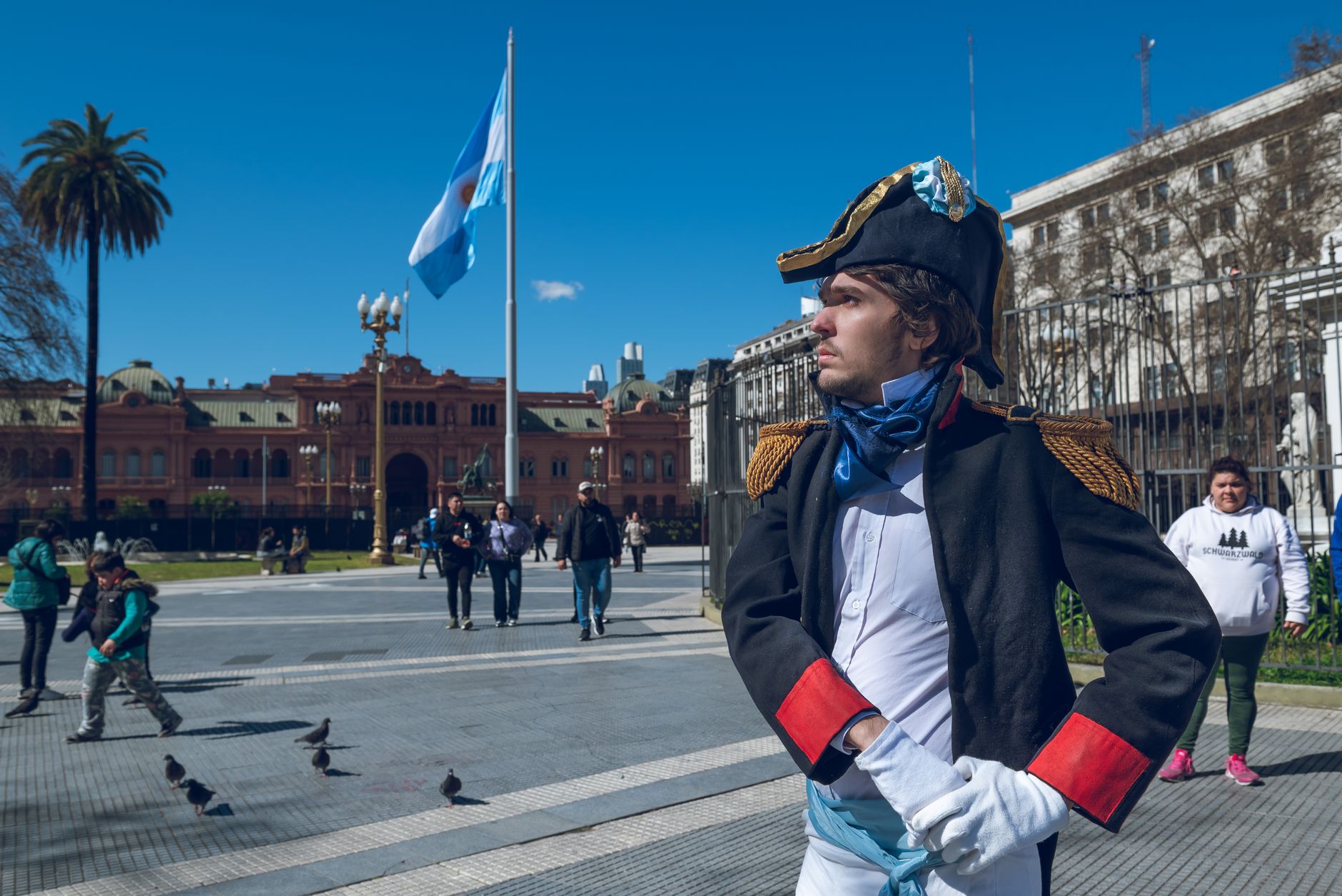
Start in Microcentro at Plaza de Mayo to see Casa Rosada and the Cabildo; this cluster is compact and can be done in 60–90 minutes. Walk from Plaza de Mayo to Avenida de Mayo (5–8 minutes) and continue to Congreso if time allows. From Avenida de Mayo, detour into Café Tortoni on Avenida de Mayo 825 for a coffee and an afternoon snack.
Next, walk or take Subte line A from Perú or Plaza de Mayo stations to Congreso or diagonal routes toward Florida for a quick stroll on Calle Florida (15–25 minutes including stops). Head to Teatro Colón for a guided tour (tours around ARS 700–2,500 depending on language and special performances); the tour takes about 45–60 minutes. For lunch, try a classic bodegón like Café Las Violetas (Avenida Rivadavia 3700) or El Obrero in La Boca if heading that way.
Late afternoon, take Subte D to Recoleta to visit Cementerio de la Recoleta and nearby Museo Nacional de Bellas Artes (walking from Subte Facultad de Medicina or Las Heras ~10 minutes). Dinner in Recoleta can be at a parrilla such as La Brigada in San Telmo if prepared to take a short taxi (10–12 minutes) — reserve ahead on weekends. End the evening with drinks near Avenida Alvear or a quieter bar in Recoleta.
Day 2
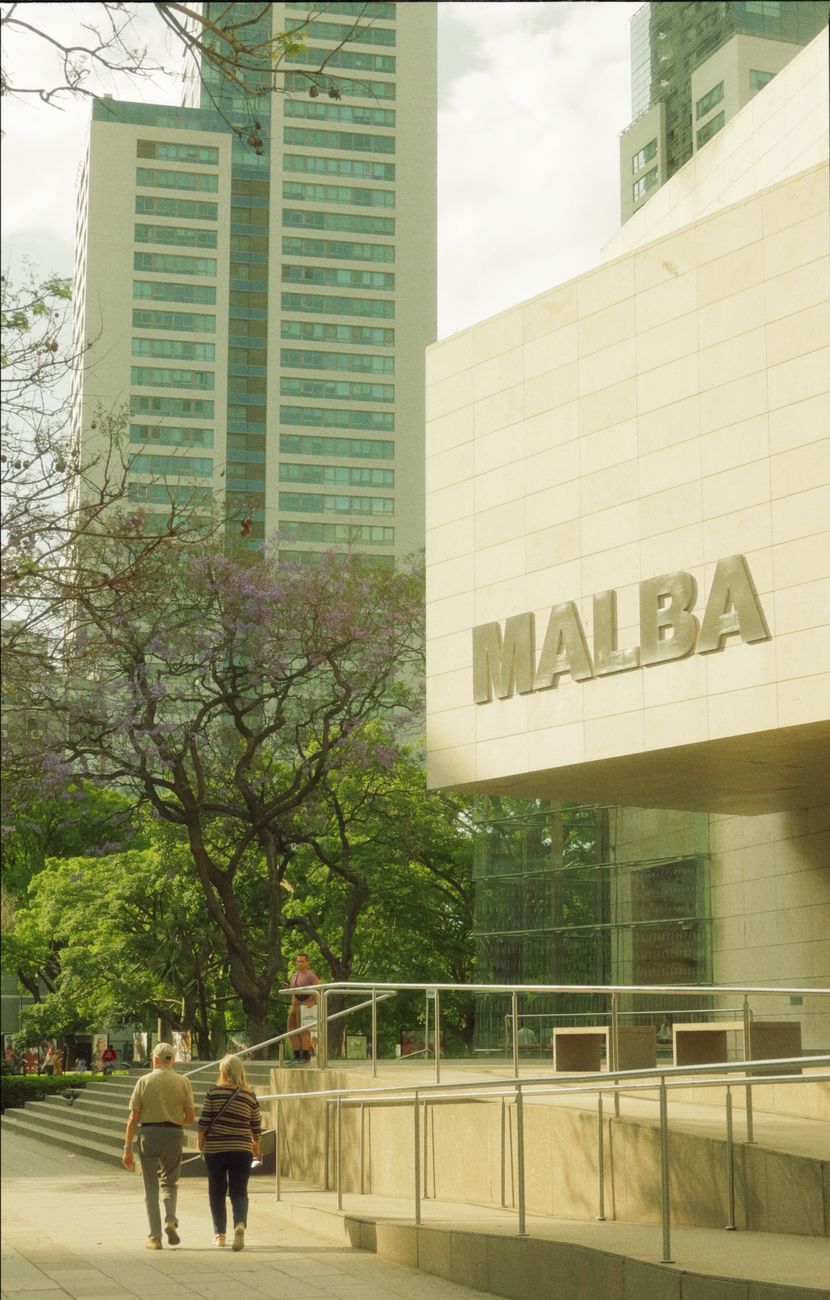
Devote this day to Palermo and its parkland. Start at Plaza Italia and the Botanical Garden, then walk to the nearby Buenos Aires Zoo area and through Bosques de Palermo (15–25 minutes walking between these points). Visit MALBA (Avenida Figueroa Alcorta 3415) for modern Latin American art; expect 1–2 hours and an entrance fee around ARS 800–1,600.
After the museum, head to Palermo Soho for lunch — try Don Julio (Guatemala 4691) for parrilla or a casual pizza spot on Plaza Serrano; expect waits on weekends. Walking between Palermo Soho and Palermo Hollywood takes 10–20 minutes; the latter has more evening bars and restaurants and a quieter daytime feel.
In the afternoon, explore the street art around Armenia and Honduras streets, or ride a bike along Avenida del Libertador and the parks. For dinner, book in Palermo Hollywood where many restaurants open late; finish with a bar on Thames Street or a craft beer taproom. Nightlife here runs late, so plan transport back to accommodation after 01:00 mainly by taxi or ride-hail.
Day 3
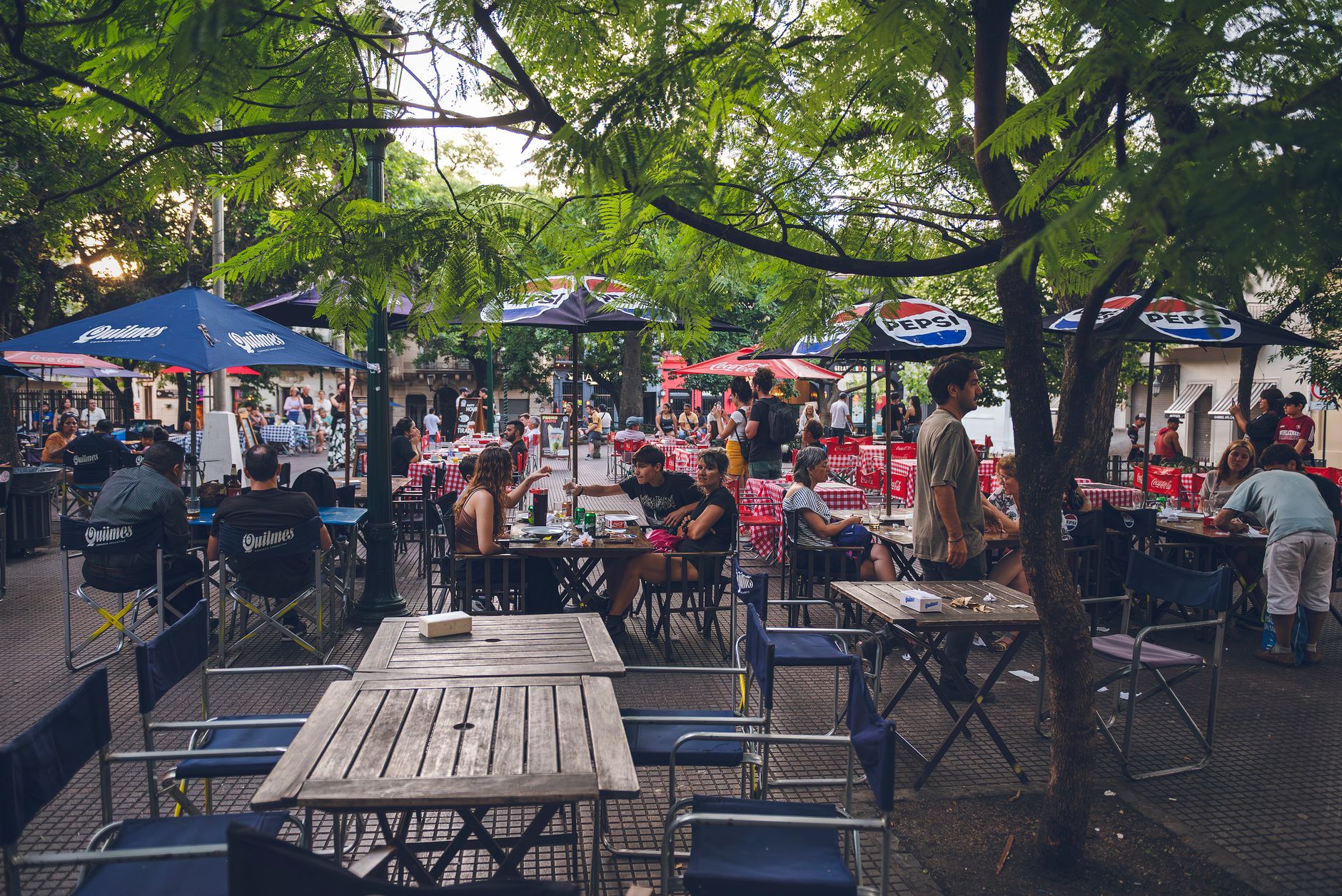
Spend the morning in San Telmo. Start at Plaza Dorrego to see antiques and street musicians, especially on Sunday when Feria de San Telmo fills Defensa. Visit the Museo de Arte Moderno or the El Zanjón de Granados house for a different historic view; both are within 10–15 minutes' walking distance in the neighbourhood.
From San Telmo, take a short taxi or bus to La Boca and Caminito for the painted houses and street performers; be aware to stay in the main tourist strip and avoid side streets after dark. Lunch near Caminito can be a simple parrilla or pizzeria — El Obrero is a good local classic.
If checking out and catching an afternoon flight, return to your hotel to collect luggage and use a trusted transfer service or pre-booked taxi for Ezeiza. For a late afternoon alternative, walk along Puerto Madero's promenade and see the renovated docks and Puente de la Mujer before heading to the airport.
Best Local Experiences
Feria de San Telmo (Defensa, Sundays) — antiques, street food, and live tango performances in the open air. Palermo Soho boutique circuit (Plaza Serrano, Honduras and El Salvador streets) — independent shops and weekend crowds; best Saturday late morning.
Parrilla crawl on Avenida Corrientes or in San Telmo — try several short plates rather than a single large steak. Sunday matinee or guided tour at Teatro Colón — booking in advance avoids sold-out daytime tours. Bosques de Palermo rose garden and lake boating (Lago Regatas) — rent a pedal boat in warm months or walk the rose paths. Mercado de San Telmo indoor section for local produce and empanadas — cheaper than tourist stalls on Defensa. An evening milonga (search for Milonga La Cathedral or Salon Canning) for a local tango scene; beginners should check schedules and bring cash.

Where to Stay
Palermo (Palermo Soho/Palermo Hollywood): suits travellers who want nightlife, restaurants and parks within walking distance. Near Plaza Serrano and Parque Tres de Febrero. Nightly cost: ARS 30,000–80,000 (~EUR 60–160 / USD 65–170) depending on season and apartment size.
Recoleta: best for museum access, quieter evenings and proximity to luxury restaurants. Close to Cementerio de la Recoleta and Museo Nacional de Bellas Artes. Nightly cost: ARS 35,000–90,000 (~EUR 70–180 / USD 75–200).
San Telmo/Microcentro: practical for first-time visitors who prefer historic streets and quick access to Plaza de Mayo and bus terminals. Good value and easy for walking tours. Nightly cost: ARS 20,000–55,000 (~EUR 40–110 / USD 45–125).
Booking tip: many apartments list cleaning fees and city taxes separately; check final price. Weekend rates rise in Palermo and Recoleta for holidays and football match weekends.
Food and Drink
Asado/parrilla: grilled beef cuts like bife de chorizo or vacío, usually served in parrillas such as Don Julio (Guatemala) or La Cabrera; expect ARS 3,000–7,000 for two (~EUR 6–15 / USD 7–17 per person) depending on cuts and shared sides.
Empanadas: baked or fried turnovers with beef, ham and cheese or humita; good versions at Mercado de San Telmo or El Sanjuanino in Recoleta — ARS 200–600 each (~EUR 0.40–1.20 / USD 0.45–1.40).
Medialuna and café con leche: breakfast staple — try a local café like Café Tortoni or neighborhood panaderías; expect ARS 400–900 for coffee and pastry (~EUR 0.80–1.80 / USD 0.9–2.0).
Pizza a la porteña: thick-crusted or fugazza with cebolla; Guerrín on Corrientes or Banchero offer classic spots — a slice or small pizza ARS 600–1,200.
Drinks — Fernet con cola (bitter herbal liqueur with cola) and local Malbec wine; a glass at a bar 700–1,500 ARS and a bottle mid-range 3,000–7,000 ARS.
Street food: choripán at feria stalls or street vendors — sausage on a roll with chimichurri, ARS 700–1,500. Dinner recommendation: reserve a parrilla (Don Julio or La Cabrera) or a contemporary spot in Palermo Hollywood for the best combination of quality and availability.
Getting Around
Main modes: Subte (metro) lines A, B, C, D, E, H; extensive colectivo bus network; taxis (black-and-yellow) and ride-hail apps like BA Taxi, Cabify and Uber. Buy a SUBE card for all public transit at kiosks or Subte stations and top up with cash or certain apps.
Single SUBE fare for Subte/colectivo typically runs around ARS 150–220 for an urban trip; transfers within one hour get discounts depending on route. There is no widely used one-day Subte pass; frequent riders benefit from loading credit. A taxi from Aeroparque to Palermo/Recoleta is roughly ARS 2,000–3,500; from Ezeiza expect ARS 8,000–12,000 for a fixed fare or booked transfer. Popular apps: BA Cómo Llego (trip planning), Moovit for route planning and BA Taxi/Cabify for booking private rides.
Best Time to Visit
Spring (September–November): mild temperatures 15–25°C, trees bloom in Palermo — busy on long weekends but generally the best balance of weather and price. Summer (December–February): hot (25–35°C), summer sales and late-night culture; expect larger crowds and higher hotel rates in January.
Autumn (March–May): cooler 12–22°C, comfortable for walking and museum visits with lower prices than peak summer. Winter (June–August): cool to chilly 7–15°C, fewer tourists and good value, but some restaurants may close for brief winter breaks. Avoid national holidays like Semana Santa or Carnival if planning on museums or restaurants without advance booking.
Budget and Practical Tips
Daily budget (mid-range): accommodation ARS 30,000–60,000 (~EUR 60–120 / USD 65–130), food ARS 3,000–7,000 (~EUR 6–14 / USD 7–15), transport ARS 500–1,500 (~EUR 1–3 / USD 1–3) and entry fees ARS 500–2,000 per museum (~EUR 1–4 / USD 1–5). Cheaper travellers can halve accommodation and food costs by staying in hostels and eating at markets.
Tipping: service is appreciated but not mandatory; in restaurants 10% is a common guideline if service is good. Small change for café or bar service is usual. Carry some cash for market stalls and small taxis, but use cards at hotels and many restaurants. Watch for separate service or card surcharges on menus and check if a cover charge (cubierto) is added.
FAQ
Is Buenos Aires safe for tourists?
Most daytime tourist areas like Recoleta, Palermo and Microcentro are generally safe but pickpocketing occurs on crowded buses and markets; keep valuables secure and use hotel safes.
Is the SUBE card necessary?
Yes — buses and Subte require SUBE; buy one at kiosks or Subte stations and load credit before first ride.
Are taxis or ride-hail apps better?
Both work; black-and-yellow taxis are metered and plentiful, but apps like Cabify and BA Taxi show fares and avoid negotiation at night.
Is a city card worth buying?
There is no single definitive city card for everything; buy tickets to specific museums (MALBA, Museo Nacional) as needed and consider guided tours for Teatro Colón or special exhibits.
Can credit cards be used everywhere?
Cards are widely accepted at restaurants, hotels and big shops but many kiosks, markets and smaller cafés prefer cash.
How late are restaurants open?
Dinner often starts after 20:30 and peaks near 22:30–23:30; for earlier options use bodegones on Avenida Corrientes or markets.
What's the best way to get from Ezeiza to downtown?
Pre-book a private transfer or use official taxi booths at Ezeiza for fixed rates; shared shuttles and buses are cheaper but slower.
Is tipping expected on tours or taxis?
Small tips are appreciated; round up taxis and give 10% in sit-down restaurants when service is good.
Conclusion
Three days will leave a clear impression of the city's contrasts: museum time, neighbourhood walks and late dinners provide the core experience. Most travellers will remember a long lunch at a parrilla, a walk through Recoleta cemetery and an evening in Palermo or San Telmo.
If time runs short, prioritise one museum (MALBA or Museo Nacional), a stroll in a park area (Bosques de Palermo) and a reserved parrilla dinner to capture the essential local rhythms.
How this guide was prepared
This guide was prepared through a structured research that combines destination research, geographic context, itinerary planning logic, and content review.