
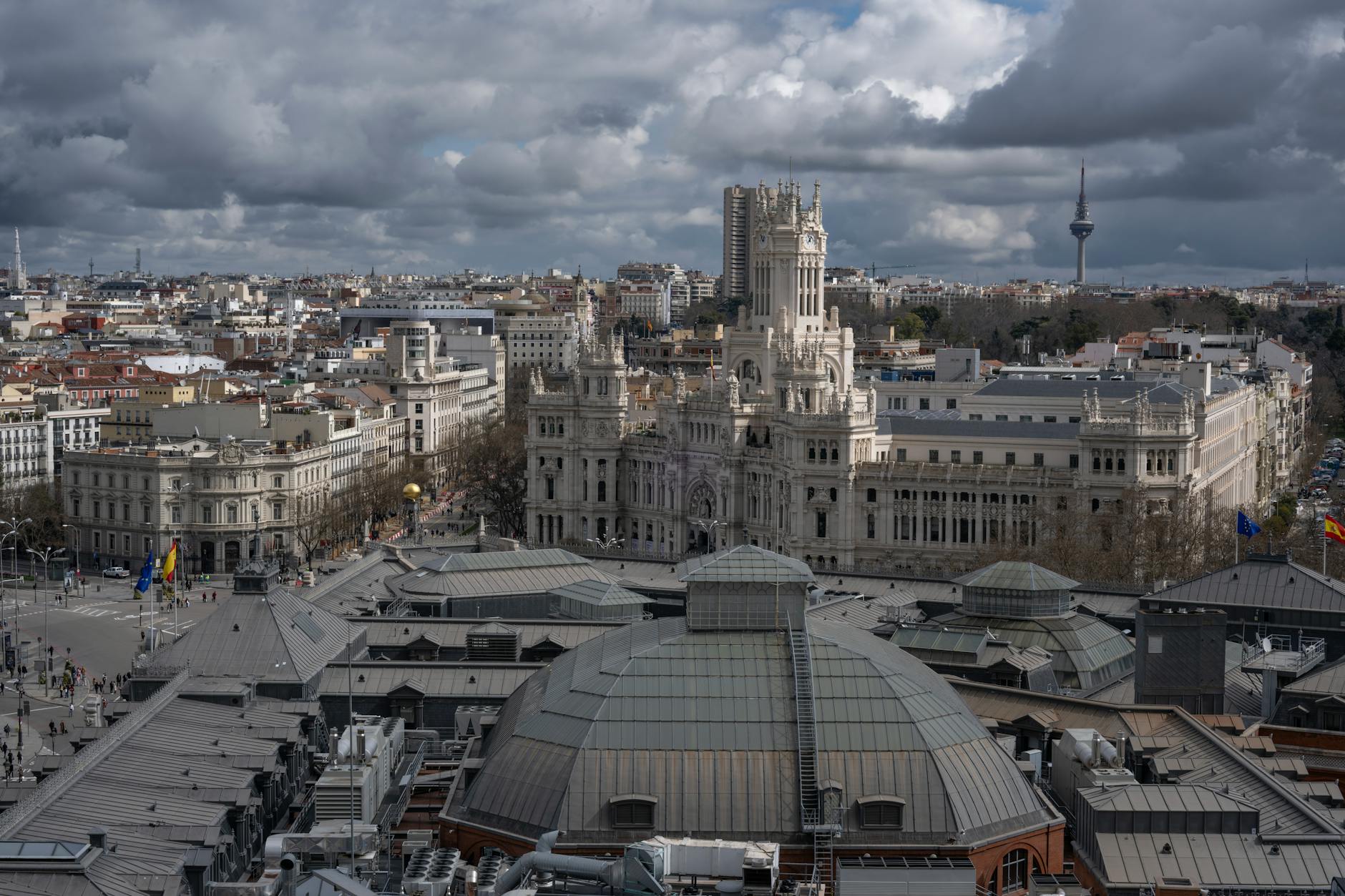
Where to Stay in Madrid: Neighborhoods, Practical Tips, and Sustainable Choices
Practical guide to choosing where to stay in Madrid by neighborhood, transport links, and sustainable options. Tips for short stays and day trips to Toledo, Alcalá and more.
A concise, practical neighborhood guide to Madrid that helps you pick the best area for a 1–3 day trip, with transport realities, seasonal notes, and local-first recommendations tied to the main 3 days in Madrid itinerary.
Quick Answer
A concise, practical neighborhood guide to Madrid that helps you pick the best area for a 1–3 day trip, with transport realities, seasonal notes, and local-first recommendations tied to the main 3 days in Madrid itinerary.
Who This Page Is For
This page is for travelers planning a stay in Madrid who want clearer decisions about where to stay, local logistics, timing, budgeting, and practical trip planning.
How This Page Was Prepared
This page was prepared through a structured editorial workflow that combines destination research, geographic context, and practical travel-planning review.
Plan the Rest of Your Trip
Use this page together with the full itinerary and the related planning pages below to make better booking, timing, transport, and budget decisions.
Choose Centro (Sol/Gran Vía/Barrio de las Letras) for first-time visitors who want to walk to main sights and follow our 3 days in Madrid itinerary. Pick Malasaña or Chueca for nightlife and independent cafés. Salamanca is best for higher-end shopping and quieter streets; Retiro and Ibiza suit visitors who value green space and quieter mornings. For easy train day trips to Toledo, Alcalá de Henares, or Valladolid, favor a hotel near Atocha or Recoletos.
This page tells you where to stay in Madrid based on how you’ll use your time: a short 1–3 day city break, a base for day trips to nearby historic towns, or a longer stay that favors local living. It complements our main 3 days in Madrid itinerary by focusing on neighborhoods, transport realities, seasonal crowding, and low-impact choices that keep money in local hands.
What This Page Helps You Decide
This guide helps you decide where to book by clarifying:
– Which neighborhoods put you closest to the attractions in the 3 days in Madrid itinerary.
– How transport (Metro lines, Cercanías trains, and taxi/ride-share realities) affects your choice.
– When to prioritize walkability vs. proximity to stations for day trips.
– Which lodging types—small hotels, guesthouses, or apartments—match your sustainability and budget goals.
It does not replace the 3-day itinerary but provides the lodging context that will make those days work better.
Top Recommendations
Best fits depending on trip style:
– First-time, 1–3 days: Barrio de las Letras or Sol/Gran Vía for walking access to Prado, Plaza Mayor, and Reina Sofía. Expect higher daytime crowds and tourist prices.
– Food-focused: La Latina (Cava Baja) and Lavapiés for markets, tapas, and immigrant-run restaurants that support local economies.
– Nightlife and indie culture: Malasaña and Chueca for small bars, vintage shops, and street art—noisy at night but excellent for an energetic stay.
– Quiet, tree-lined mornings: Retiro and Salamanca for boutique hotels, safer streets, and proximity to Retiro Park and upscale dining.
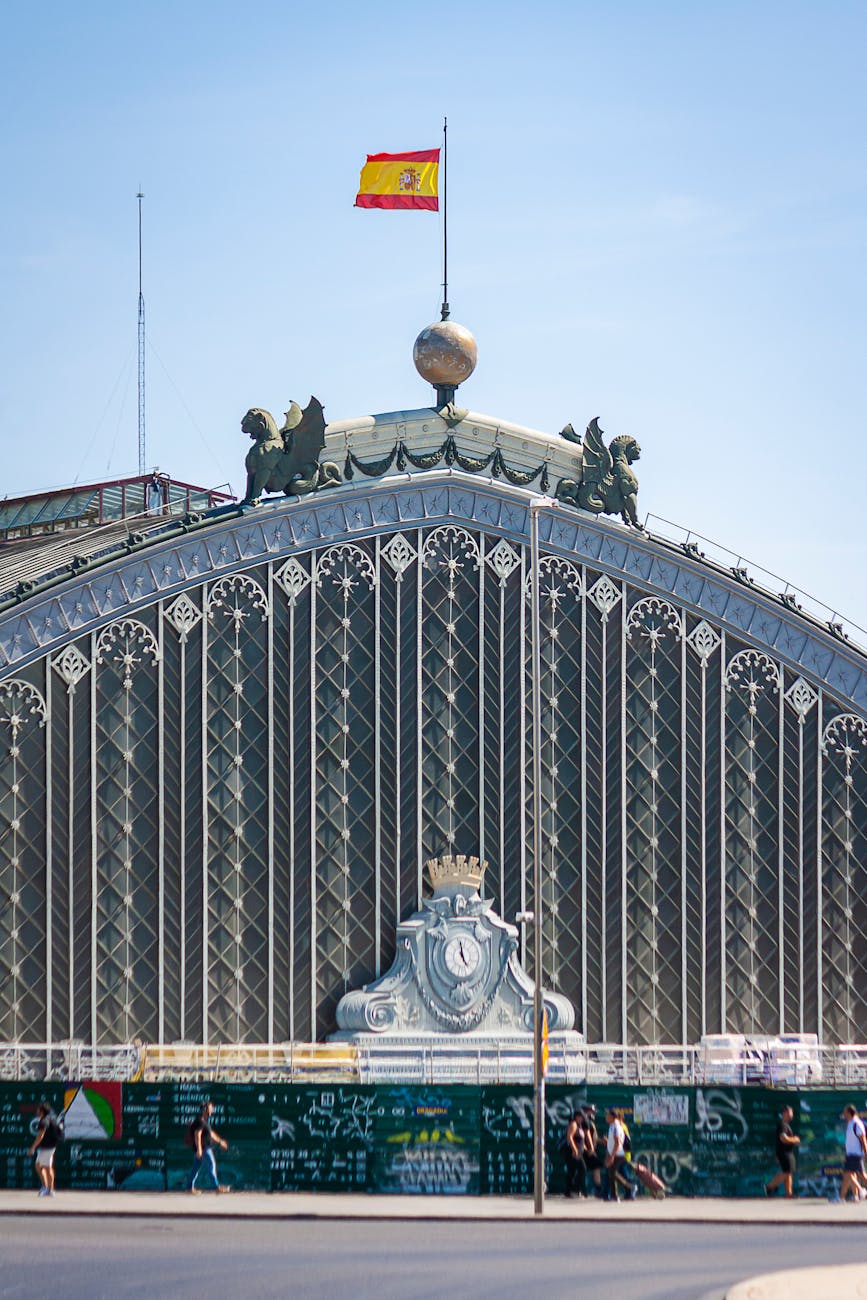
– Practical for day trips: Stay near Atocha or Recoletos if you plan trains to Toledo, Alcalá de Henares, Salamanca, Burgos, or Valladolid.
Booking tips:
– Prefer small, owner-run hotels or verified eco-certified properties when possible.
– For stays longer than three nights, consider a licensed apartment or a guesthouse to support local hosts.
– Book refundable rates for shoulder season changes and festival weekends.
Local Context
Neighborhood realities to keep in mind:
– Centro (Sol, Gran Vía, Plaza Mayor): Extremely walkable and central, but noisy and busier at night. Streets are narrow; expect more tourist crowds during summer and Christmas.
– Barrio de las Letras: Close to museums, quieter by night; excellent for following the 3-day route on foot.
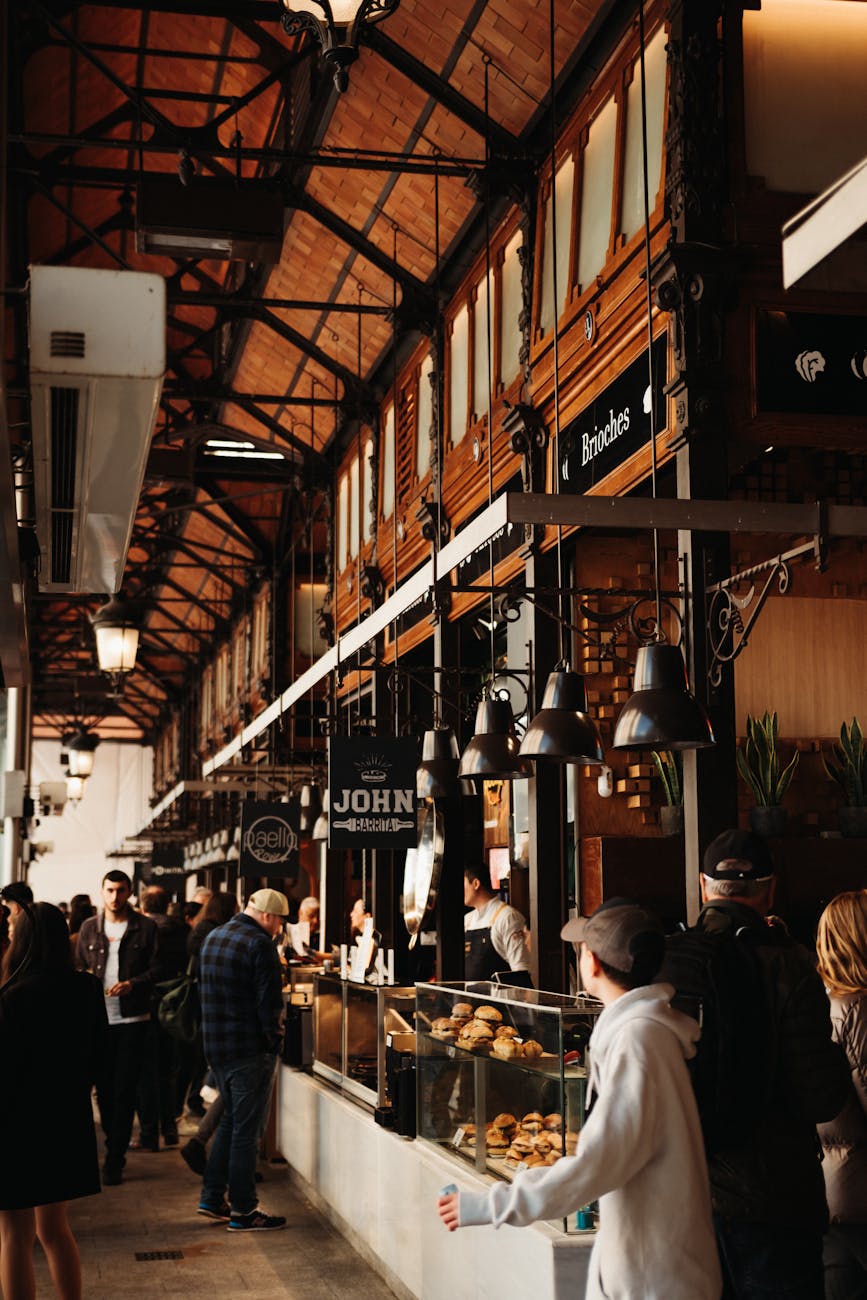
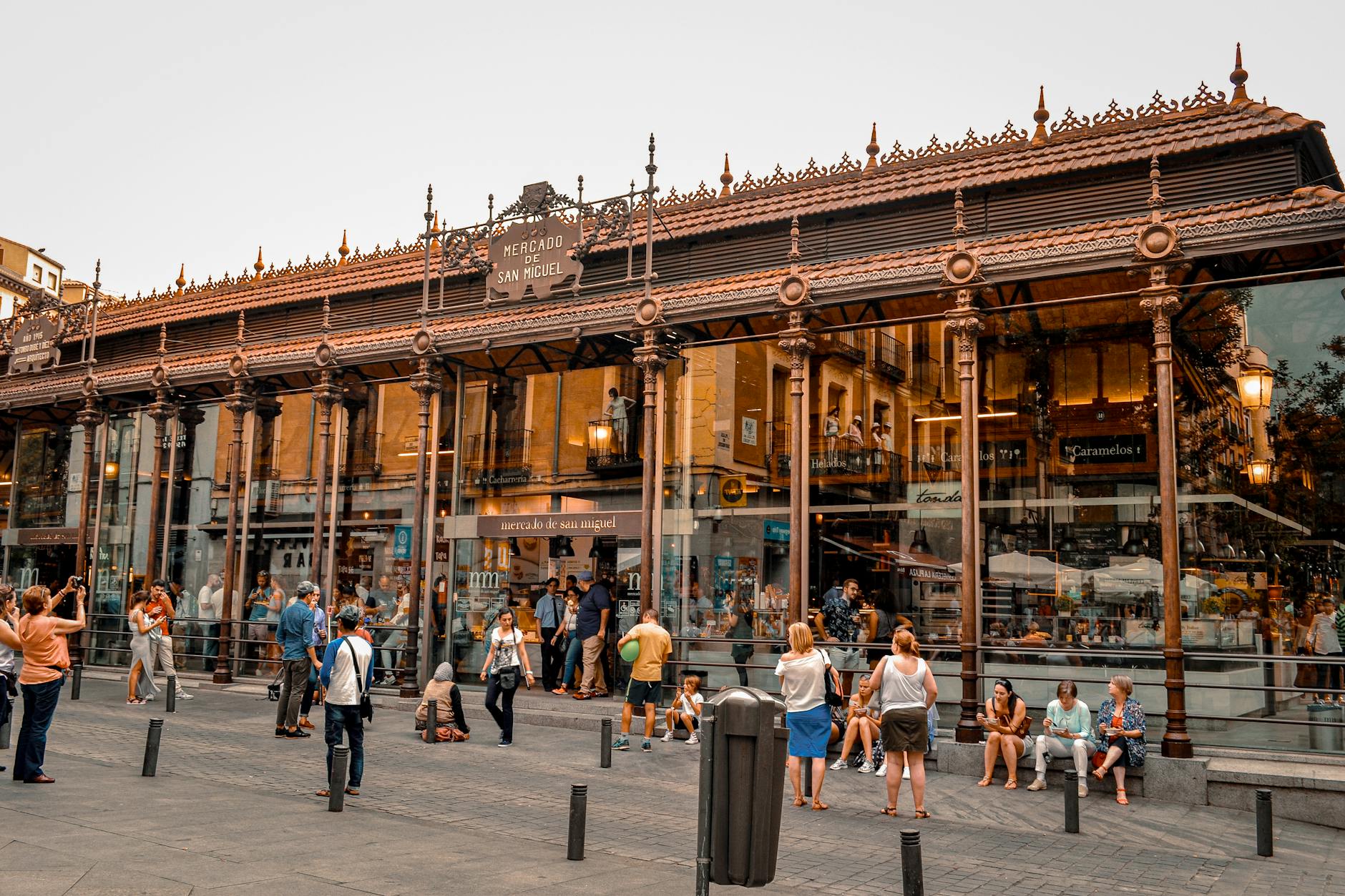
– La Latina and Lavapiés: Authentic food scenes and markets (Mercado de la Cebada, Mercado de San Miguel nearby). Weekends bring El Rastro flea market crowds.
– Salamanca and Chamberí: More residential, safer streets for families, and calmer evenings.
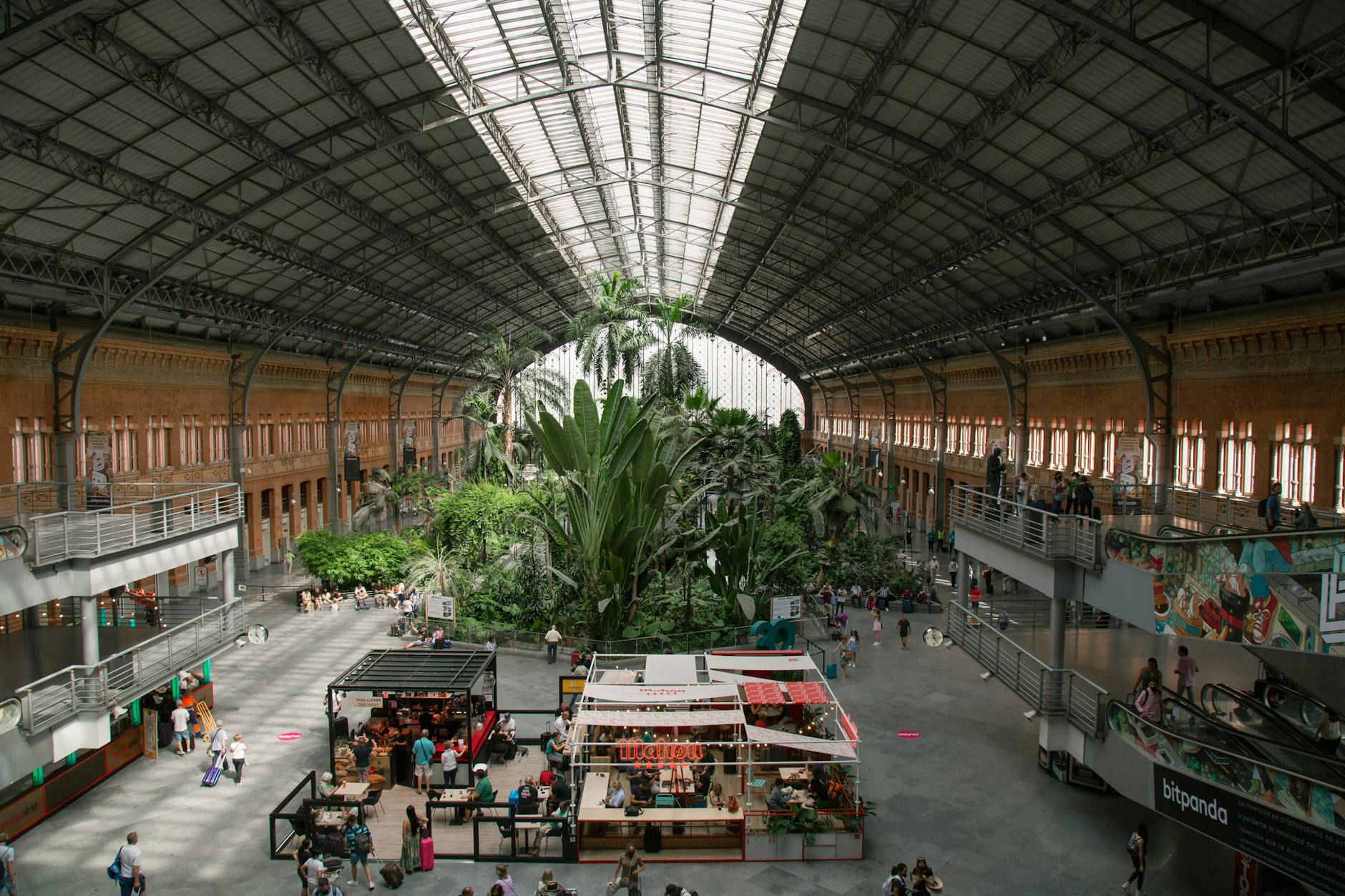
– Transport notes: Madrid’s Metro covers most central neighborhoods; check station accessibility—many older stations lack elevators. Atocha and Chamartín are the main rail hubs for regional and high-speed trains. Cercanías (commuter rail) is the fastest local link to Alcalá de Henares and some outer suburbs.
– Seasonal patterns: Peak months are June–August and late December; shoulder seasons (April–June, September–October) are milder and less crowded. Semana Santa and major football matches can spike prices and availability.
How to Choose Well
Match your priorities to neighborhood strengths:
– If you want to follow the 3-day Madrid itinerary with minimal transit, pick Barrio de las Letras or Centro within walking distance of Prado, Reina Sofía, and Puerta del Sol.
– If noise is a concern, choose streets facing internal courtyards or neighborhoods like Retiro and Salamanca.
– For day trips, prioritize proximity to Atocha (south) or Chamartín (north) depending on rail schedules to your destinations. Always check Renfe timetables in advance.
– Consider access to Metro lines 1, 2, 3, and 4 for quick east-west movement; Line 10 and Line 6 are useful for north-south and orbital routes.
Practical booking checklist:
– Confirm license numbers for private apartments (VFT) in Madrid to ensure they are legal.
– Check cancellation policies around festivals and football fixtures.
– Read recent guest reviews that mention noise, elevator access, and Wi‑Fi if you need to work.
Responsible and Local-First Tips
Choose accommodations and behaviors that benefit local people and reduce impact:
– Book small, family-run hotels, pensions, or licensed vacation apartments rather than large international chains when possible.
– Eat at neighborhood markets and independent restaurants (Mercado de San Antón, local tabernas) to keep spending local.
– Use public transit (Metro and Cercanías) or walk; avoid short taxi rides inside central Madrid when a 10–15 minute walk does the job.
– Respect local etiquette: keep voices restrained in residential streets after 22:00, tip modestly (service is sometimes included), and learn a few Spanish phrases.
– Pack a reusable bottle — Madrid’s tap water is safe and free refills reduce plastic waste.
– If you want a greener stay, ask hotels about their energy and linen policies and choose properties that publish sustainability practices.
Common Mistakes to Avoid
Mistakes visitors make when choosing a place to stay:
– Booking solely on price without checking exact location — a cheap hotel far from Metro or Cercanías will cost you time.
– Assuming "central" means quiet; many central streets are lively late into the night.
– Neglecting train station proximity for day trips — confirm whether trains depart from Atocha or Chamartín for your intended destination.
– Renting an unlicensed apartment — it can lead to cancellations or fines and does not support regulated local hosts.
– Overplanning every hour; allow time to wander markets and parks, which supports local vendors and offers authentic experiences.
FAQ
Which Madrid neighborhood is best for a 3-day itinerary?
Barrio de las Letras or Centro (Sol/Gran Vía) are ideal because they put you within walking distance of the Prado, Royal Palace, Plaza Mayor, and tapas streets used in our 3 days in Madrid guide.
Should I stay near Atocha or the city center for day trips to Toledo and Alcalá de Henares?
Atocha is most convenient for many regional trains and high-speed services; staying near Atocha or a Metro line that connects directly to Atocha will save transfer time. Check Renfe for the exact departure station for Toledo or Alcalá on your travel date.
Is Madrid safe to walk around at night?
Central Madrid is generally safe, but use normal urban caution: stick to lit streets, avoid poorly lit back alleys, and keep an eye on belongings during busy times. Some nightlife neighborhoods are noisy after midnight.
How far in advance should I book accommodations?
Book as early as possible for May–June, September, and December holidays. For shoulder seasons, 4–6 weeks is often enough; for major festivals or football matches, reserve earlier.
Are there eco-friendly hotels in Madrid?
Yes—look for EU Ecolabel or hotel sustainability statements. Also prioritize small, family-run places that source locally and minimize turnover laundry when possible.
Can I rely on taxis late at night?
Taxis are widely available, but surge times (after big concerts or football matches) can be busy. Ride-hailing apps and night buses are alternatives; plan ahead if you have a late train.
Conclusion
Pick your Madrid neighborhood by matching how you intend to use your time: follow the 3 days in Madrid itinerary from Barrio de las Letras or Centro for maximum convenience, choose La Latina or Lavapiés to support local food economies, and favor Atocha-area lodging for train day trips to Toledo, Alcalá de Henares, Salamanca, Burgos, or Valladolid. Prioritize small, licensed properties and public transit to keep your visit low-impact and beneficial to local communities.
How this guide was prepared
This guide was prepared through a structured research that combines destination research, geographic context, itinerary planning logic, and content review.