
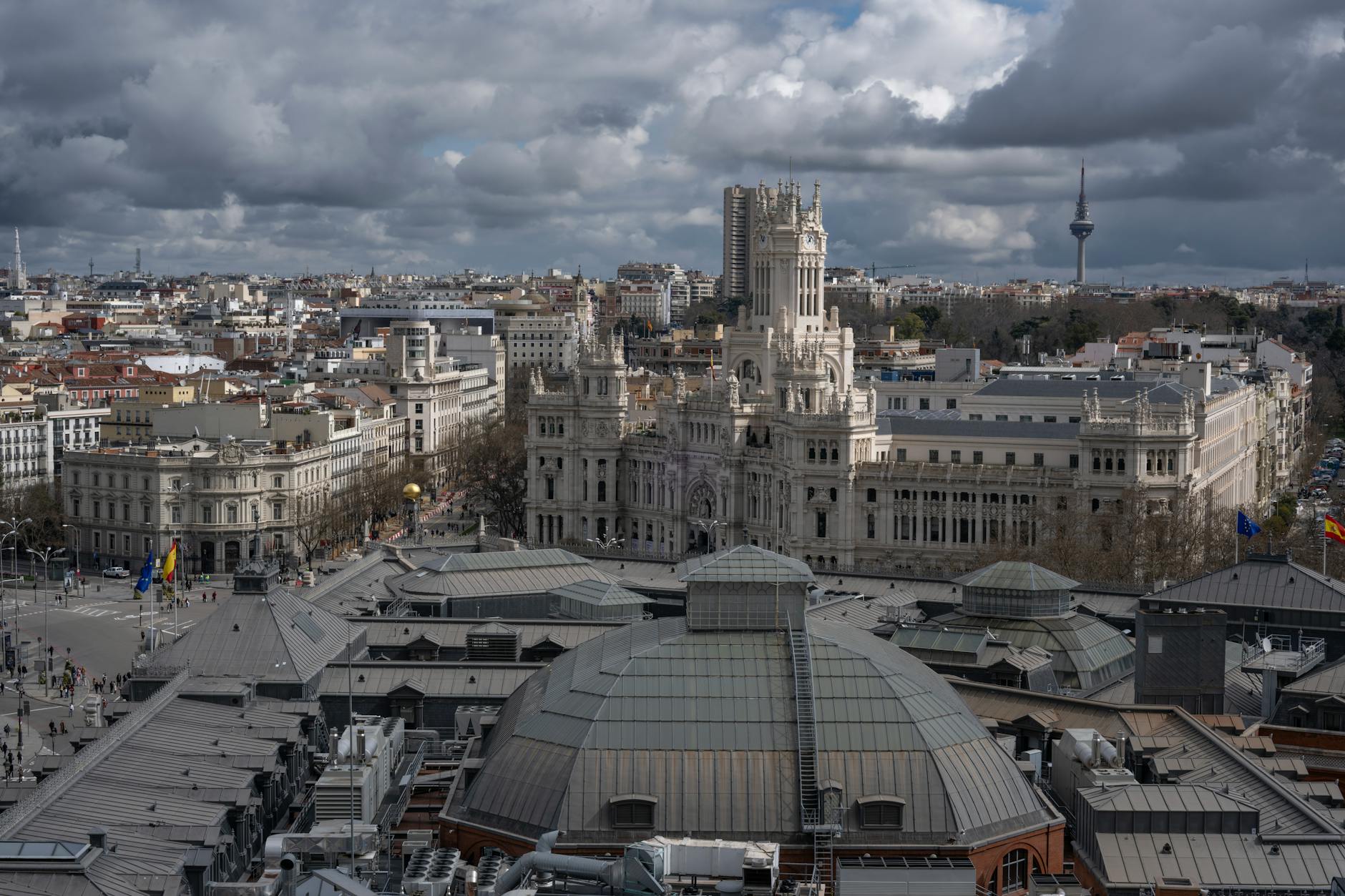
Best Time to Visit Madrid
Practical, neighborhood-focused guide to the best time to visit Madrid. Find the right month for weather, festivals, prices, day trips to Toledo or Salamanca, and sustainable, low-impact travel choices.
Choose the best months to visit Madrid based on weather, crowds, and events. This page helps you time a 3-day itinerary, pick neighborhoods, plan day trips to nearby cities, and travel more sustainably.
Quick Answer
Choose the best months to visit Madrid based on weather, crowds, and events. This page helps you time a 3-day itinerary, pick neighborhoods, plan day trips to nearby cities, and travel more sustainably.
Who This Page Is For
This page is for travelers planning a stay in Madrid who want clearer decisions about best time to visit, local logistics, timing, budgeting, and practical trip planning.
How This Page Was Prepared
This page was prepared through a structured editorial workflow that combines destination research, geographic context, and practical travel-planning review.
Plan the Rest of Your Trip
Use this page together with the full itinerary and the related planning pages below to make better booking, timing, transport, and budget decisions.
Best overall months: April–June and September–October. These shoulder months combine mild temperatures (daytime 15–25°C/60–75°F), lower hotel rates than peak summer, fewer tourists at museums, and pleasant evenings for tapas in La Latina or Malasaña. July–August are hot (often 34°C/93°F+), crowded and more expensive; December–February are quieter and budget-friendly but colder at night. If you’re planning a 3-day visit, aim for spring or early autumn to cover museums, a Retiro stroll, and a day trip without extreme heat or long lines.
This page helps you pick the best time to visit Madrid for weather, crowd levels, cultural events, and convenient day trips. It’s written for travelers who want an authentic city experience that supports local businesses, avoids unnecessary crowding, and pairs well with a 3-day Madrid itinerary. Use these tips to plan flights, book trains to nearby cities like Toledo or Salamanca, and choose a neighborhood that matches your pace and interests.
What This Page Helps You Decide
Use this page to choose timing based on: weather tolerance, festival interests, budget, and day-trip priorities. It helps you decide which neighborhood to book for a 3-day stay and when to reserve trains or museum tickets.
Practical decisions covered:
- Which months offer the best balance of weather and fewer crowds.
- When to schedule a day trip to Toledo, Alcalá de Henares, or Salamanca for easier trains and less competition.
- When to expect local events (San Isidro, Semana Santa, Christmas lights) that affect hotel availability.
- Whether to prioritize low-impact travel choices like Cercanías or off-peak trains.
See the linked 3 days in Madrid guide for neighborhood-based itineraries and sample daily plans optimized for each season.
Top Recommendations
Plan for shoulder seasons first: April–June and September–October offer the best balance of weather, museum access, and local life.
Quick practical recommendations:
- Book museums online in advance to skip lines (Prado, Reina Sofía, Thyssen).
- For day trips use trains: regional/AVE services to Toledo, Salamanca, Valladolid and local Cercanías for short commutes. Book AVE/long-distance tickets 2–6 weeks ahead for better fares.
- Choose a neighborhood according to your itinerary:
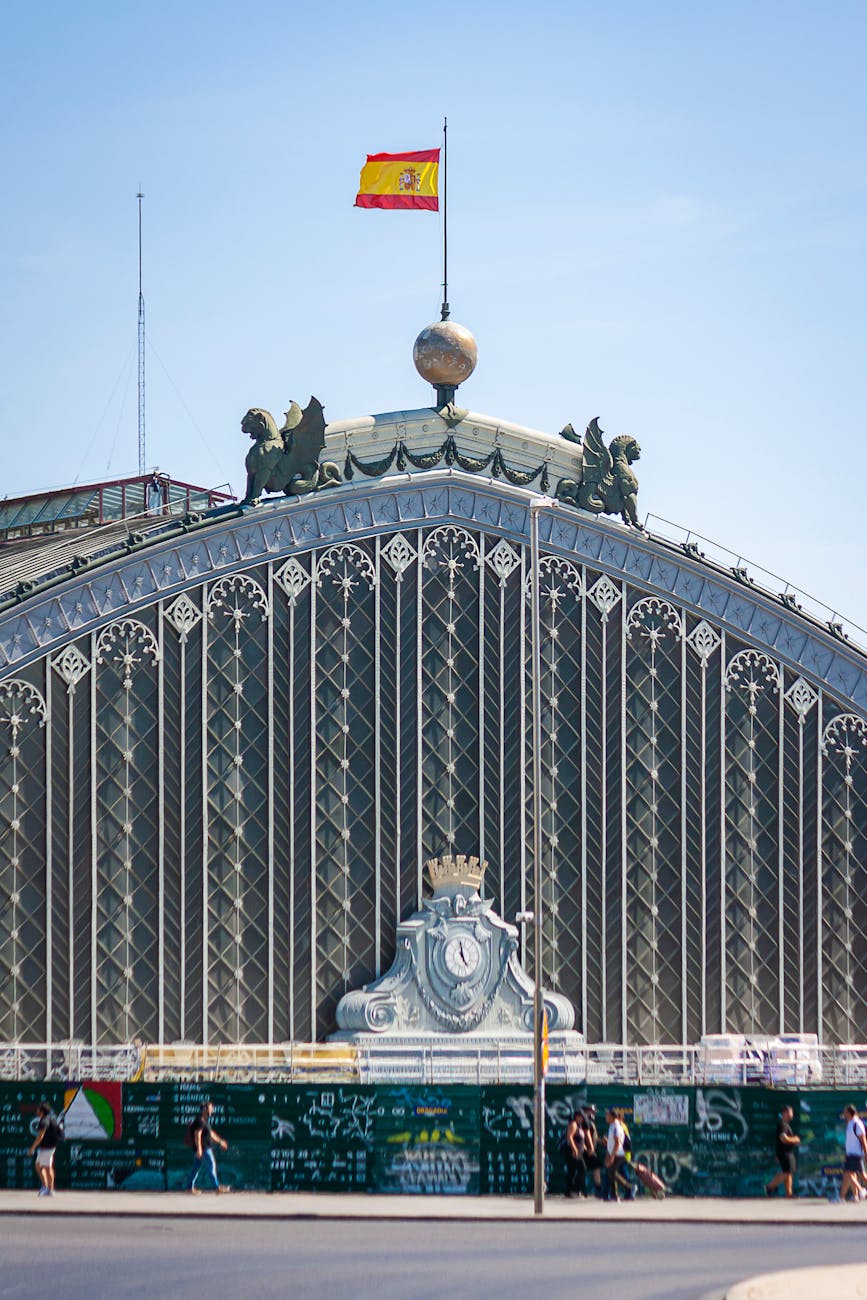
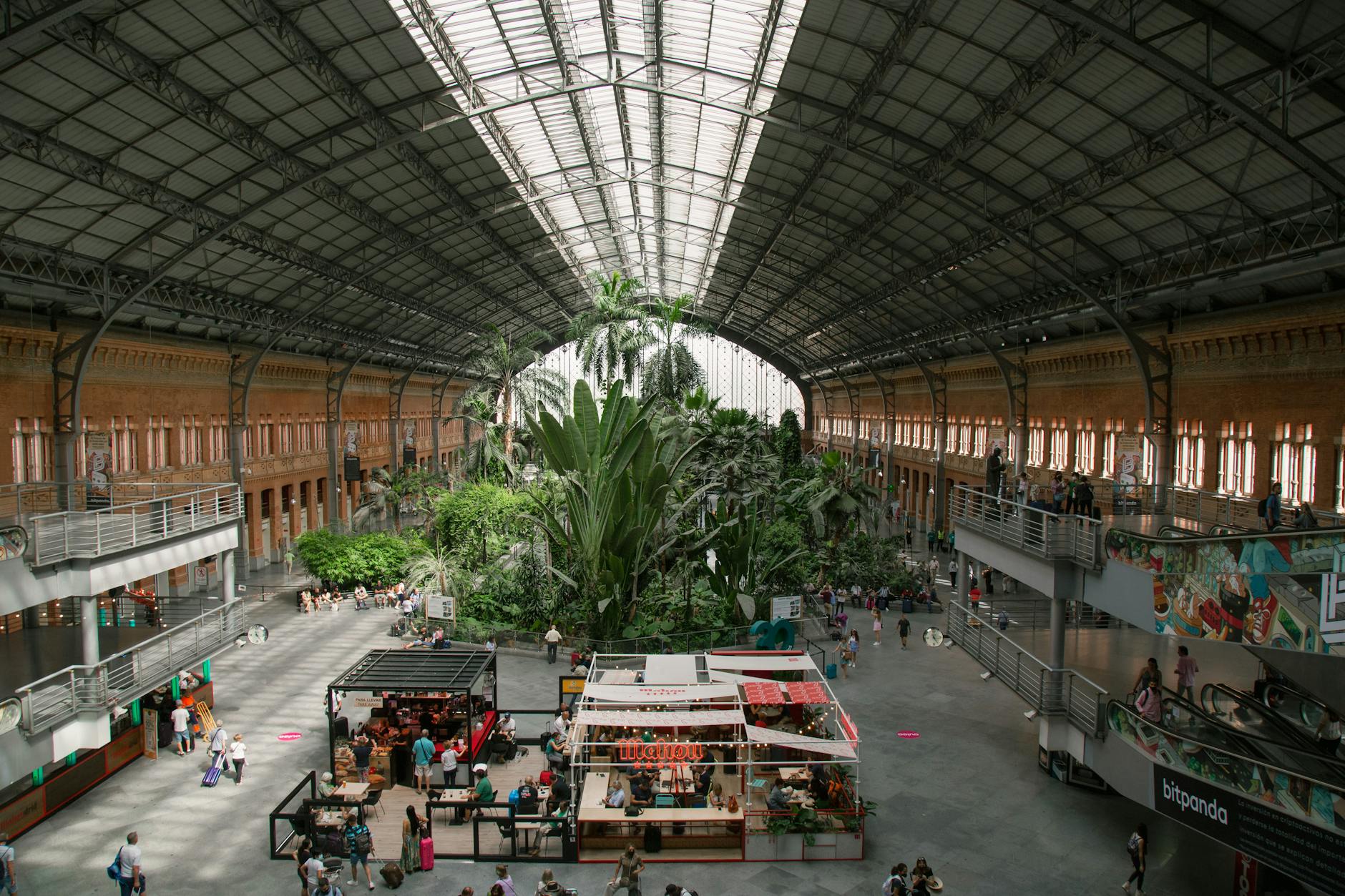
- Centro/Retiro/Atocha: best for first-time visitors and train access to Toledo.
- La Latina: tapas and Sunday Rastro market.
- Malasaña/Chamberí: nightlife and local cafés.
- Salamanca: shopping and quieter, upscale streets.
- If you can, travel midweek to reduce crowding at major sites and support local businesses outside peak weekend tourism.
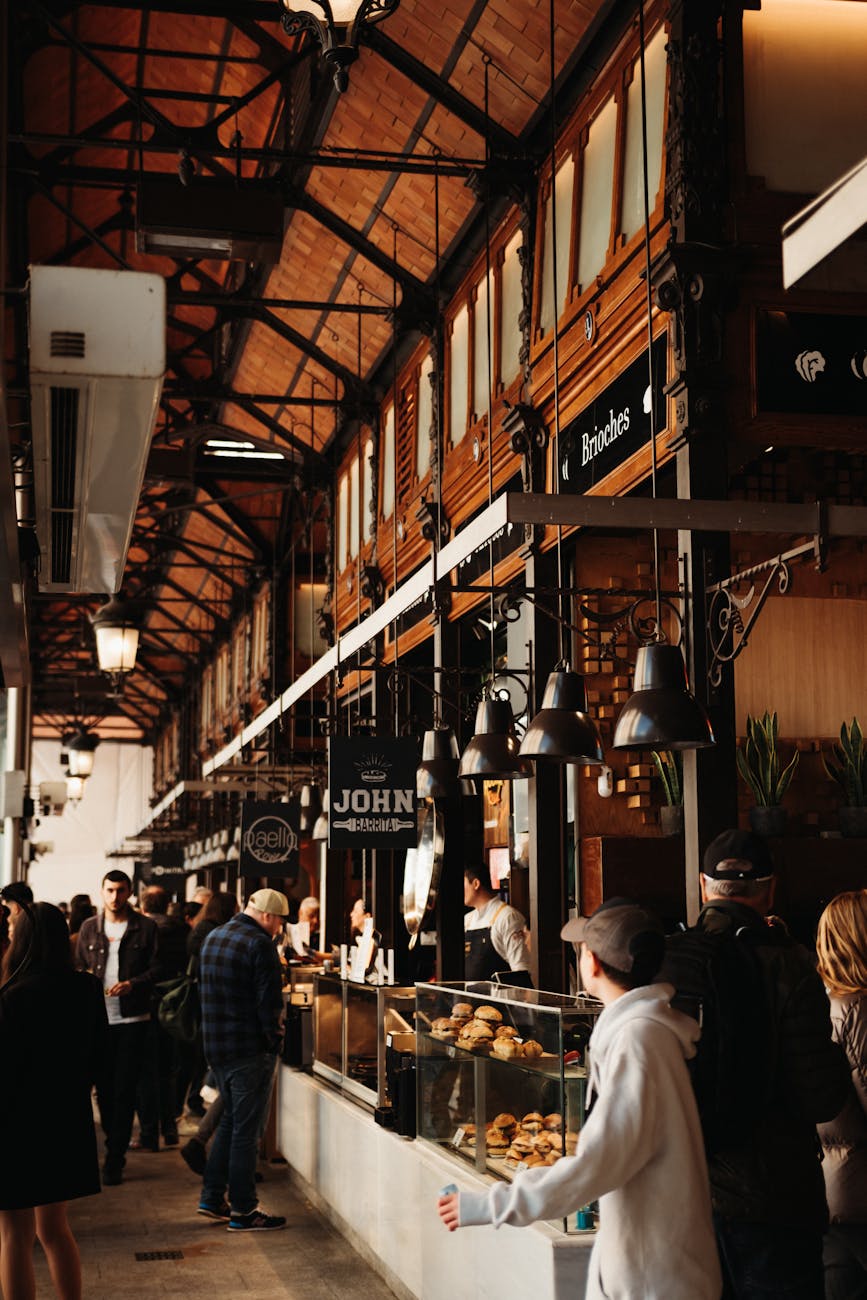
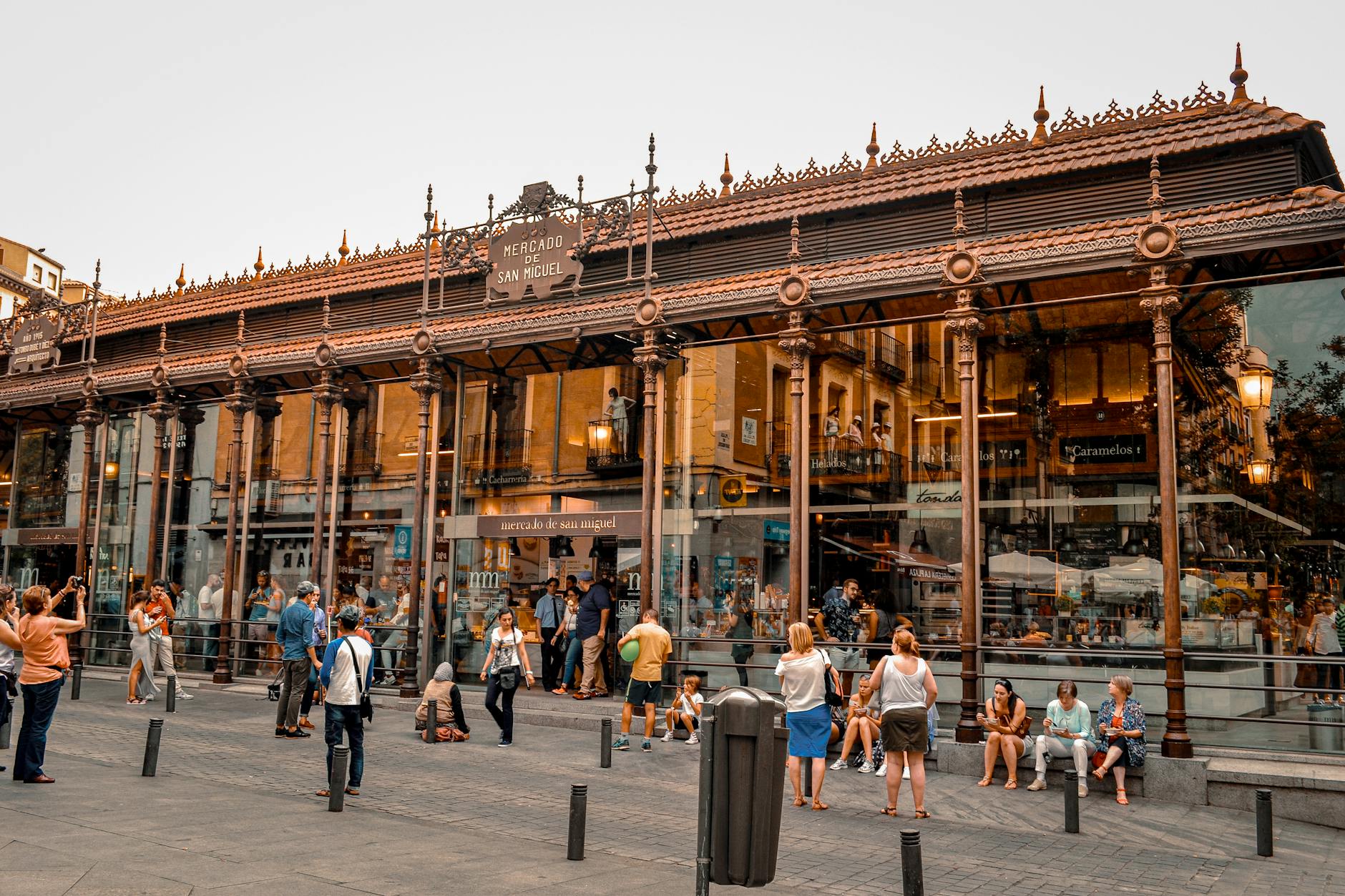
Sustainable picks: visit municipal markets (e.g., Mercado de Anton Martín), eat at small taverns, and prefer public transport or e-scooters for short hops.
Local Context
Madrid sits on a high plateau (la Meseta). Expect dry summers and cool winters. Patterns to keep in mind:
- Weather: Spring and autumn are mild; summers are hot and dry with temperatures often above 32–35°C (90–95°F) in July and August; winters can drop below freezing at night but are sunny by day.
- Rhythm: Spaniards dine late—restaurants fill after 9pm. Markets and small shops may close midday; larger stores and museums stay open through the day.
- Neighborhoods: Centro (Sol, Opera) is convenient but busy; Retiro/Atocha suits museum fans and day trips; Malasaña and Chueca are youthful and lively; Salamanca is quieter and upscale.
- Transport realities: Madrid’s Metro is extensive and efficient; Cercanías trains connect to many day-trip destinations. Plan a bit of walking—many historical streets are pedestrian-heavy. Expect security checks or bag controls at major museums and train stations.
- Festivals and closures: San Isidro (mid-May) brings events and higher demand for hotels. Semana Santa sees processions and museum schedules can vary. Many small restaurants close one weekday a week—check before relying on a single spot.
How to Choose Well
Match timing to your priorities:
- If you want mild weather and manageable crowds: choose April–June or September–October.
- For lower prices and quiet streets: visit in November–February, but pack warm layers and check museum hours.
- If festivals matter: book early for San Isidro (May) or Christmas markets; expect higher rates and reserved tables.
- For day trips: travel outside school holidays. Toledo and Salamanca are easiest when trains are less crowded; book AVE/long-distance trains in advance to secure seats and better prices.
Booking tips:
- Reserve accommodation near Atocha for same-day day trips to Toledo and easy access to museums.
- Buy combined museum passes or timed-entry tickets online to reduce queuing and control your schedule.
- Consider a transport card for Metro/Cercanías if you’ll use public transit frequently over several days.
Responsible and Local-First Tips
Travel choices that help Madrid and reduce impact:
- Spend in neighborhood businesses: choose family-run taverns, independent bakeries, and local markets rather than large chain restaurants around tourist squares.
- Use public transport and walk when possible. The Metro and Cercanías are low-impact ways to reach museums and day-trip stations.
- Visit popular sites early or late in the day to avoid peak crowds and reduce pressure on staff and infrastructure.
- Book guided tours with licensed local guides and small-group operators to ensure revenue stays in the community.
- Respect residential neighborhoods: keep noise down after midnight, follow bicycle and pedestrian lanes, and follow local recycling rules.
- Bring a reusable water bottle and shopping bag for markets.
These choices keep tourism distributed across neighborhoods like Chamberí, Lavapiés, and Argüelles, supporting a wider local economy.
Common Mistakes to Avoid
Avoid these frequent missteps:
- Visiting only in August expecting pleasant weather—plan for heat and limited local activity.
- Staying only in Gran Vía/Sol and expecting an authentic neighborhood experience; split time with a residential area to eat locally.
- Failing to prebook popular museums and AVE/long-distance trains during high season or festivals.
- Underestimating walking distances—Madrid’s historic center rewards walking but is larger than it looks.
- Assuming everything opens early—many tapas bars and restaurants open late; check hours for lunchtime closures.
- Taking the first taxi at the airport without checking official rates—use official taxi ranks or pre-booked transfers for clarity.
Correcting these keeps your trip smoother and more sustainable.
FAQ
What month has the best weather in Madrid?
April–June and September–October are the most comfortable months for most visitors—mild days, cooler nights, and fewer extreme temperatures.
Is winter a bad time to visit Madrid?
No. Winter (December–February) is quieter and often cheaper. Nights are cold but days can be sunny. Museums and restaurants are less crowded; just pack warm layers and check reduced opening hours.
When should I book hotels and trains for day trips to Toledo or Salamanca?
For spring festivals, Easter, and Christmas, book hotels and train tickets 6–8 weeks in advance. For AVE or long-distance trains in high season, book 2–4 weeks ahead for best fares.
Can I visit Toledo or Alcalá de Henares on a day trip easily?
Yes. Toledo and Alcalá de Henares are straightforward by train from Atocha (regional/Avant services). Aim for off-peak weekdays to avoid crowds and give yourself flexible return times.
Which neighborhood should I pick for a 3-day stay?
For a balanced 3-day visit: choose Retiro/Atocha for museum access and day trips, La Latina for tapas and the Rastro market, or Malasaña for a more local nightlife scene. See the 3 days in Madrid guide for sample itineraries tied to each neighborhood.
How can I travel more sustainably while in Madrid?
Use Metro and Cercanías trains, eat at local markets and family-run restaurants, book small-group tours with local guides, and visit during shoulder seasons to reduce pressure on infrastructure.
Conclusion
Aim for April–June or September–October for the best combination of weather, crowd levels, and sustainable local impact. Book museums and long-distance trains in advance, pick a neighborhood that matches your interests, and plan day trips to nearby cities like Toledo or Salamanca on off-peak days. For a day-by-day plan that fits these timing recommendations, see the linked 3 days in Madrid guide and consider adding a low-impact day trip to one of the nearby historic towns.
How this guide was prepared
This guide was prepared through a structured research that combines destination research, geographic context, itinerary planning logic, and content review.