
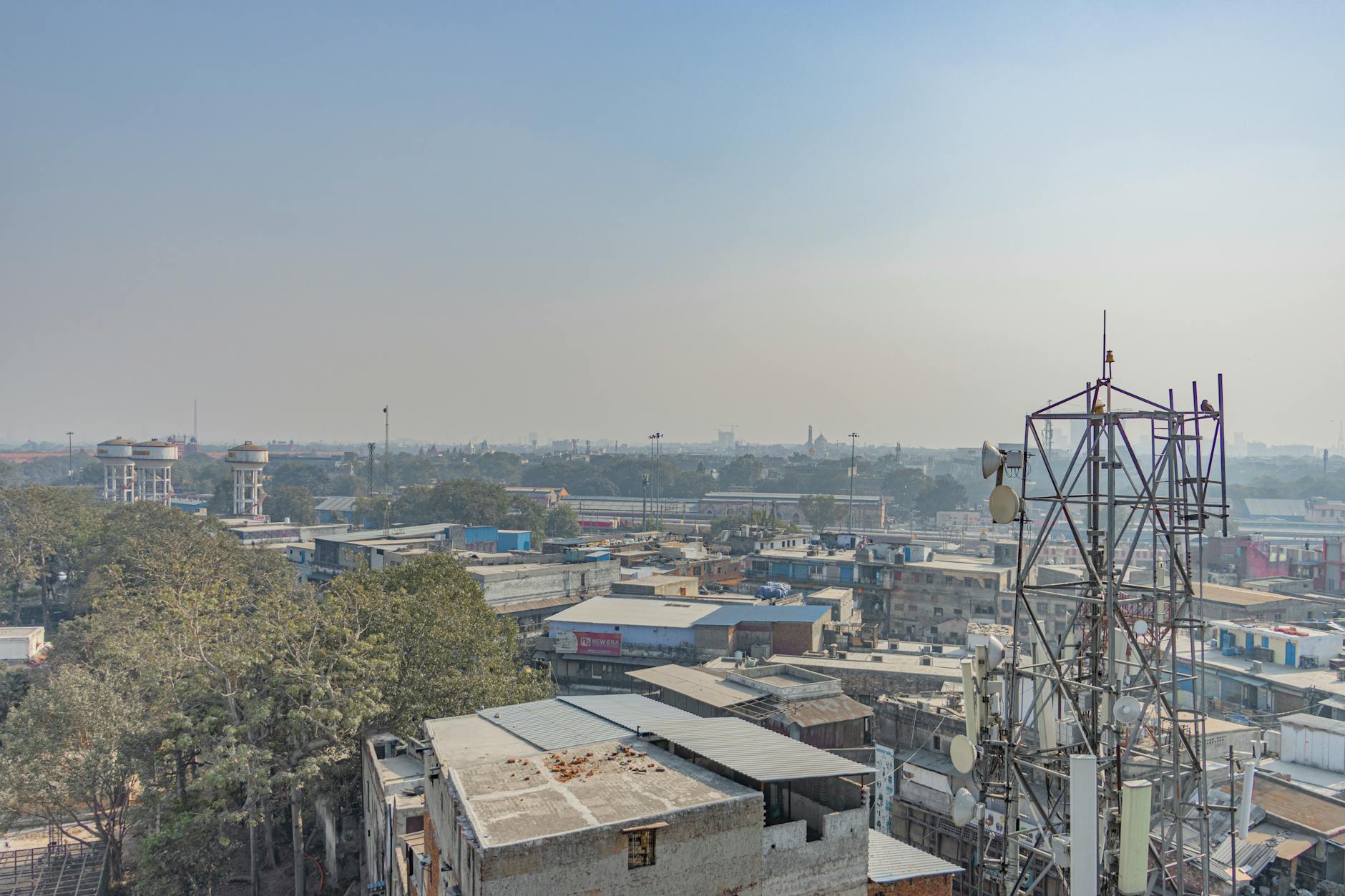
Where to Stay in New Delhi: Practical, Local-First Choices for 3 Days
Find the best neighborhoods to stay in New Delhi for a 3-day visit. Practical advice on Connaught Place, Old Delhi, South Delhi, Aerocity, transport, seasons, and sustainable, local-first options.
Concise neighborhood guide to choosing a place to stay in New Delhi that supports the local economy and fits a 3-day itinerary. Includes transport tips, seasonal advice, and where to book for low impact.
Quick Answer
Concise neighborhood guide to choosing a place to stay in New Delhi that supports the local economy and fits a 3-day itinerary. Includes transport tips, seasonal advice, and where to book for low impact.
Who This Page Is For
This page is for travelers planning a stay in New Delhi who want clearer decisions about where to stay, local logistics, timing, budgeting, and practical trip planning.
How This Page Was Prepared
This page was prepared through a structured editorial workflow that combines destination research, geographic context, and practical travel-planning review.
Plan the Rest of Your Trip
Use this page together with the full itinerary and the related planning pages below to make better booking, timing, transport, and budget decisions.
For most first-time visitors on a 3-day itinerary: choose a hotel or guesthouse in Connaught Place for central access, Aerocity for airport convenience, or Hauz Khas/South Delhi for evenings and boutique dining. If you want Old Delhi's historic atmosphere and food, book near Chandni Chowk but expect narrow lanes and noise. Prioritize a place within a 10–15 minute walk of a Metro station to reduce tuk-tuk dependency and cut emissions.
This page helps you pick where to stay in New Delhi for a short trip that pairs naturally with our main 3-day guide. It focuses on neighborhoods that save travel time, connect you to the Metro, and funnel your spending into local businesses — guesthouses, family-run hotels, street vendors, and cooperative markets. Expect practical tips on seasons, transport, etiquette, and sustainable options so your stay is low-impact and useful for planning activities in nearby cities like Noida, Faridabad, Gurgaon, Agra, and Chandigarh.
What This Page Helps You Decide
Use this page to match your priorities with neighborhoods and booking choices. It helps you decide based on:
- Travel pace: do you want a central hub with short travel times (Connaught Place) or a neighborhood with nightlife and cafés (Hauz Khas)?
- Transport needs: arriving late? Aerocity puts you next to the airport. Relying on Metro? Pick a property near Central Secretariat, Rajiv Chowk, or Hauz Khas stations.
- Budget and comfort: find listings from budget guesthouses in Paharganj to mid-range heritage hotels in Lutyens' Delhi.
- Sustainable choices: homestays, certified eco-hotels, and local guides for walking tours.
If you’re following the 3-day itinerary, pick a base that minimizes back-and-forth travel to the key sights listed in that guide.
Top Recommendations
Neighborhood picks by priority and style:
- Connaught Place (CP): Best central base. Pros: Metro hub, restaurants, banks, coworking. Cons: Busy and pricier. Good for easy access to India Gate and Rashtrapati Bhavan.
- Aerocity: Best for short stays or late arrivals. Pros: Airport hotels, clean, taxis and Metro link. Cons: Limited local character.
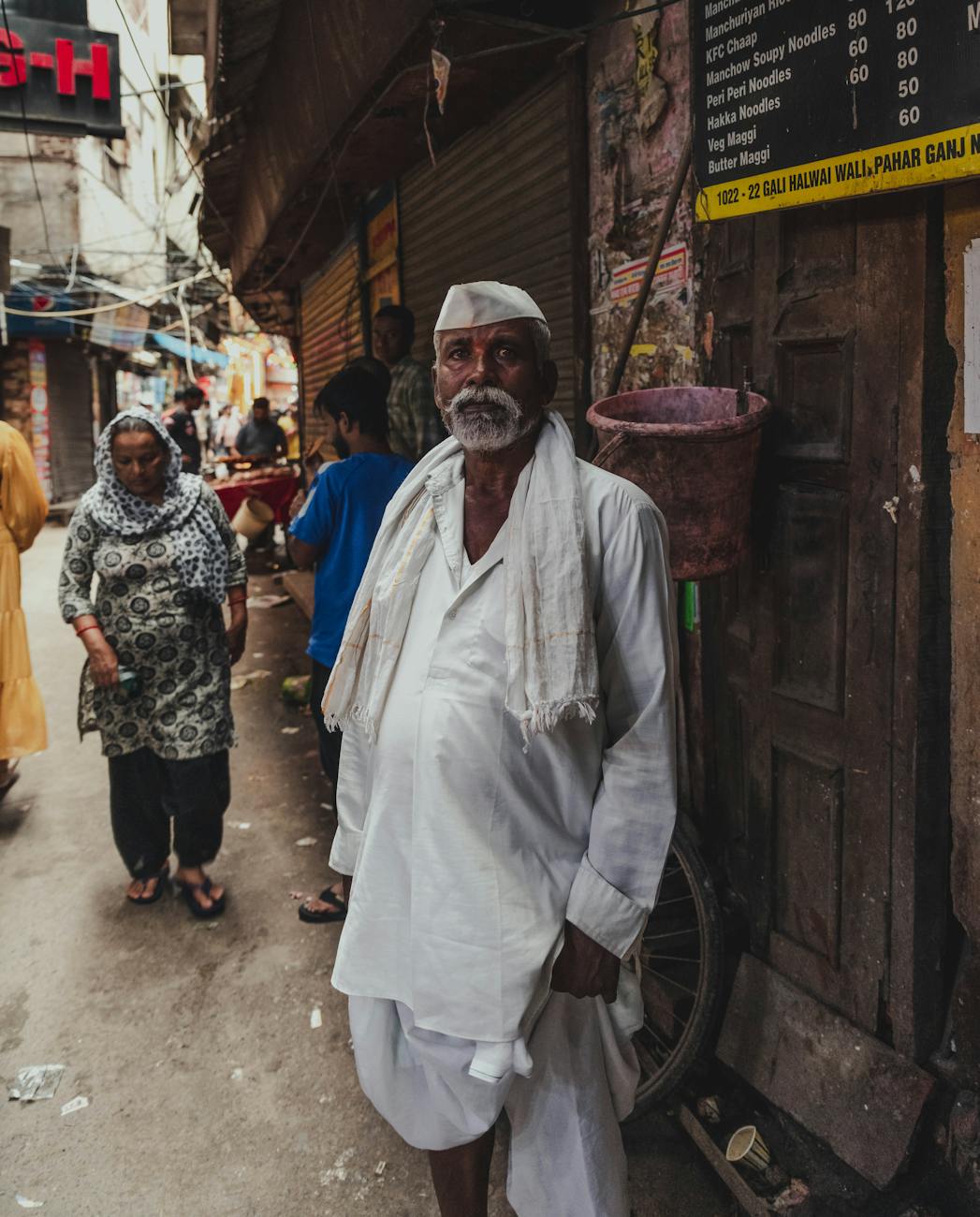
- Old Delhi / Chandni Chowk: Best for food and heritage. Pros: Walking access to Red Fort and Jama Masjid. Cons: Narrow lanes, noise, lower comfort standards.
- Hauz Khas Village and South Delhi: Best for cafés, galleries, and nightlife. Pros: Boutique hotels and safer night walking in some parts. Cons: Longer trip to Old Delhi and many tourist sights.
- Karol Bagh and Paharganj: Budget and shopping. Pros: Cheap rooms, markets. Cons: Crowded, variable quality; prefer vetted guesthouses.
Booking tips:
– Reserve at least 4–6 weeks ahead during Oct–Feb and for Diwali/Holi.
– Ask for a room near a staircase if power cuts worry you and confirm hot water availability.
– Use booking sites with local contact numbers and check recent reviews for water, air-conditioning, and safety.
Local Context
Season and crowd patterns:
- Peak season: November–February (cool, dry). Expect higher rates, especially around Diwali and New Year.
- Shoulder season: October and February–March — pleasant weather and fewer crowds; a good low-impact time to travel.
- Monsoon: July–September brings heat relief but localized flooding; rooftop dining and some walking tours slow down.
- Summer: April–June is hot; prefer air-conditioned rooms and early-morning sightseeing.
Transport realities:
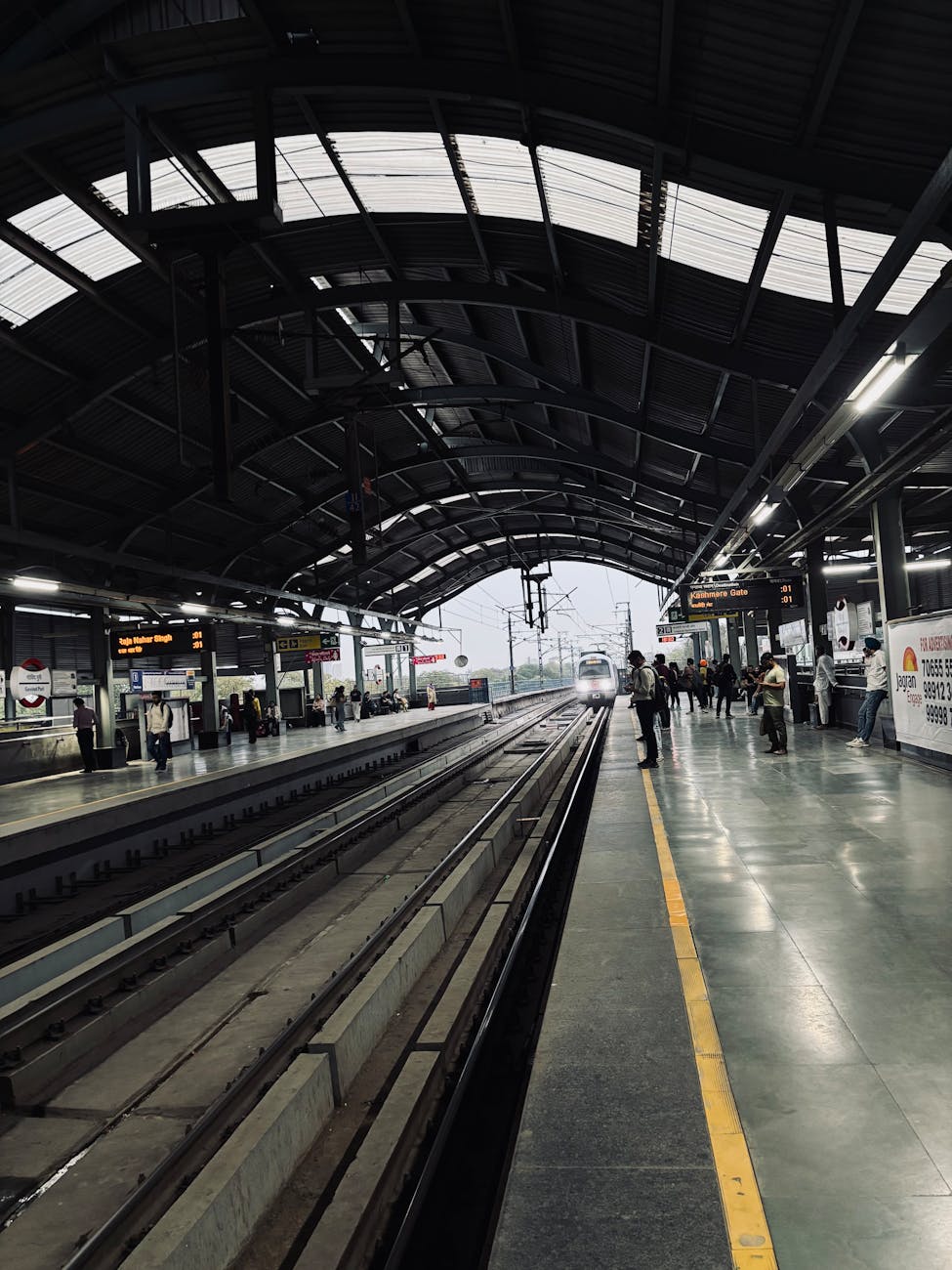
- Delhi Metro is the fastest, most reliable way to move across the city; check interchange stations (Rajiv Chowk, Central Secretariat, Hauz Khas).
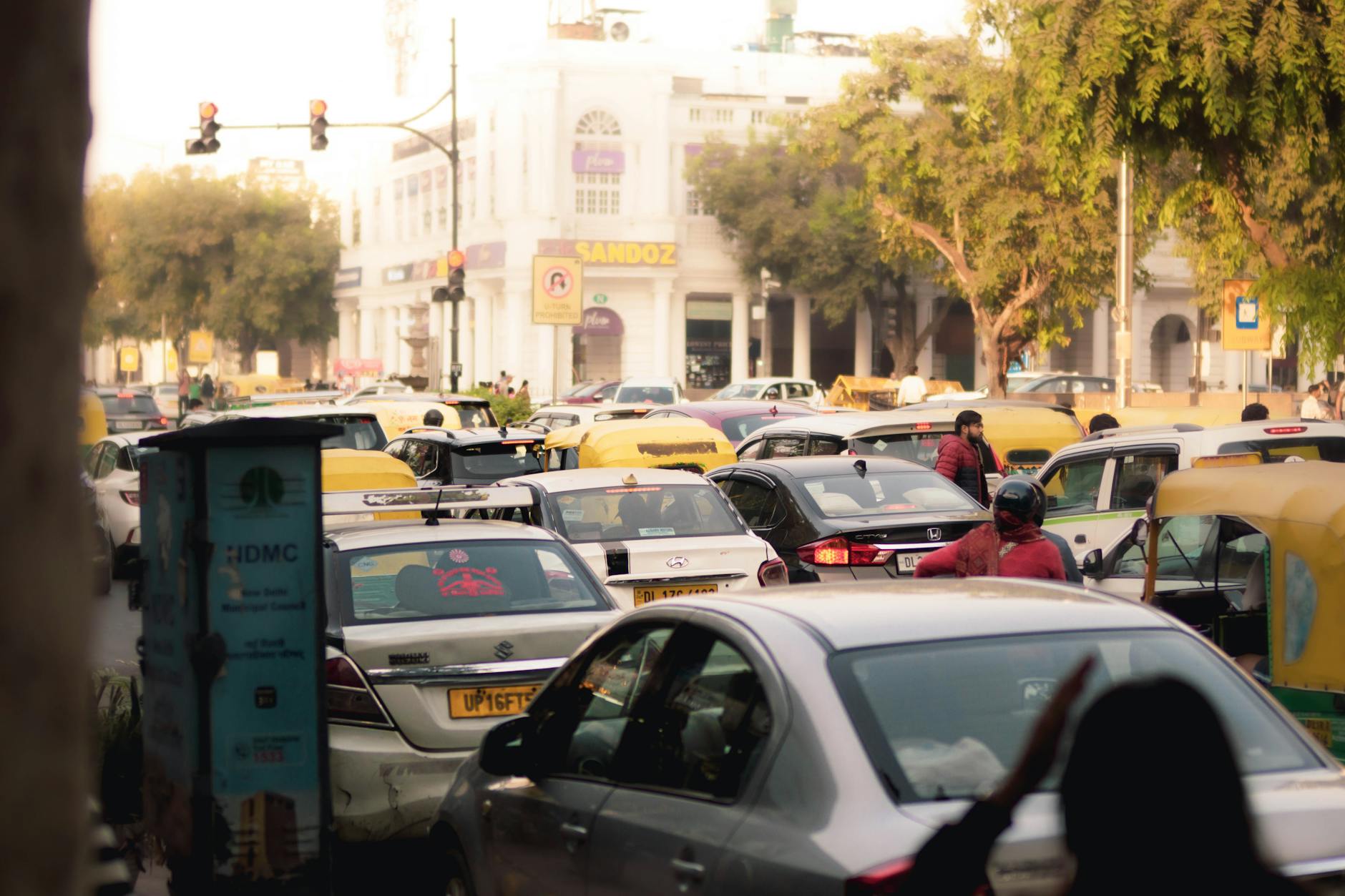
- Taxis and app-based services (Ola, Uber) are convenient for evening travel; insist on meter use if hailing a yellow taxi.
- Auto-rickshaws are handy for short hops; negotiate a fare or insist on the meter.
- Expect traffic delays during rush hours (08:00–10:30 and 17:30–20:00).
Local etiquette:
- Dress modestly at religious sites and remove shoes where required.
- Ask before photographing people in markets and religious areas.
- Tipping: small tips (10–15%) are appreciated in restaurants; ₹20–50 for porters and drivers is common.
How to Choose Well
Practical checklist when booking:
- Proximity: stay within a 10–15 minute walk of a Metro station. If you plan to reach Agra or Chandigarh by train or bus, pick a base with easy access to New Delhi Railway Station or Hazrat Nizamuddin.
- Comfort vs authenticity: if you want quieter nights choose boutique hotels in South Delhi; for street-food immersion choose Old Delhi but book a higher-rated guesthouse for safety.
- Noise and ventilation: ask whether rooms face inner courtyards or the street, and whether windows close well — important in winter and summer.
- Sustainable credentials: prefer hotels that list waste-management, water-saving measures, or source food locally. Homestays and family-run guesthouses channel money to the local economy.
- Booking channels: use platforms that show verified guest reviews and offer free cancellation for shoulder season flexibility.
If you plan side trips listed in the main 3-day guide (like a day trip to Agra), consider staying near an easy transport link to the railway station or an early-morning tour pickup point.

Responsible and Local-First Tips
Ways to keep your stay low-impact and help the local economy:
- Book with local guesthouses, family hotels, or community homestays rather than large chains when possible.
- Eat at small restaurants and street stalls recommended by local guides; look for places where locals queue.
- Choose walking tours or small-group experiences led by licensed local guides. Tip them directly.
- Reduce waste: carry a refillable water bottle and use hotels that provide filtered water stations.
- Use public transport and cycle rickshaws for short trips to reduce emissions.
- Buy souvenirs from cooperative crafts stores or market stalls that list maker provenance.
Practical note: many small businesses close for a week around major festivals; check opening times if visiting during Diwali or Eid.

Common Mistakes to Avoid
Short list of pitfalls and how to avoid them:
- Picking a hotel far from the Metro: leads to wasted time and cost in traffic. Always check the walking time to the nearest station.
- Booking in Old Delhi without considering noise and logistics: narrow lanes can make taxi drop-offs difficult; travel light or ask about porter services.
- Ignoring seasonality: booking in peak winter without advance reservations will cost more; travel shoulder-season for lower impact.
- Relying on one app for transport: download at least two ride-hailing apps and save local taxi numbers.
- Skipping local permits or dress guidance at religious sites: carry a scarf/shawl for temple visits and cover shoulders and knees.
Avoid these and your 3-day plan will feel smoother and more respectful of local life.
FAQ
Which neighborhood is best for first-time visitors with 3 days?
Connaught Place is the most convenient base for a 3-day stay — central, well-connected by Metro, and close to many sights in our 3 days in New Delhi itinerary.
Is it safe to stay in Old Delhi?
Yes, but choose a well-reviewed guesthouse or small hotel on a main lane. Expect noise and crowds; use a suitcase with sturdy wheels and avoid late-night wandering alone in quiet alleys.
When is the cheapest time to book a room?
Shoulder months (October and February–March) often offer lower rates than peak winter. Book early for Diwali and Holi. Summer can be cheaper but prepare for heat.
How do I get from a central hotel to Agra?
You can take a morning train from New Delhi Railway Station or a private day tour; for early departures, pick a hotel with easy access to ISBT or New Delhi Railway Station. Some travelers choose to overnight in Agra and return.
Can I find sustainable accommodation in Delhi?
Yes. Look for certified eco-hotels, homestays, and guesthouses that mention solar hot water, water conservation, waste segregation, or sourcing food from local suppliers.
Conclusion
Choose a base that matches your priorities: Connaught Place for convenience, Aerocity for airport logistics, Hauz Khas for relaxed evenings, and Old Delhi for historic immersion. Favor places near a Metro station, book ahead for peak festivals, and give your business to local hosts and guides when possible. Use this page alongside our main 3-day guide to keep travel efficient and low-impact, and consider day trips to nearby cities like Noida, Faridabad, Gurgaon, Agra, and Chandigarh as extensions to your plan.
How this guide was prepared
This guide was prepared through a structured research that combines destination research, geographic context, itinerary planning logic, and content review.