
Best Time to Visit New Delhi — Practical, Responsible Travel Advice
When to visit New Delhi for comfortable weather, fewer crowds, lower impact travel and smart day-trip planning to Agra, Gurgaon and Chandigarh. Seasonal patterns, festivals, transport realities, and sustainable tips for a 3-day itinerary.
Plan your New Delhi trip with seasons, festivals, air quality, and transport in mind. Learn shoulder-season advantages, low-impact choices like the metro and local markets, and when to pair Delhi with Agra, Gurgaon or Chandigarh.
Quick Answer
Plan your New Delhi trip with seasons, festivals, air quality, and transport in mind. Learn shoulder-season advantages, low-impact choices like the metro and local markets, and when to pair Delhi with Agra, Gurgaon or Chandigarh.
Who This Page Is For
This page is for travelers planning a stay in New Delhi who want clearer decisions about best time to visit, local logistics, timing, budgeting, and practical trip planning.
How This Page Was Prepared
This page was prepared through a structured editorial workflow that combines destination research, geographic context, and practical travel-planning review.
Plan the Rest of Your Trip
Use this page together with the full itinerary and the related planning pages below to make better booking, timing, transport, and budget decisions.
Best overall months: October–March for comfortable sightseeing. Best shoulder months for fewer crowds and lower prices: late February–March and September–early October. Avoid the peak summer (April–June) if you dislike extreme heat; expect heavy smog and fog disruptions in late December–January. Choose travel dates around your tolerance for cold, heat and air quality, and plan trains/flights carefully around major festivals.
New Delhi is a large, layered city where weather, air quality and festivals shape what you can comfortably see and do. This page helps you pick months and neighborhoods that suit low-impact, locally focused travel and supports planning the practical details you’ll need for a 3-day stay or day trips to Agra, Noida, Gurgaon and Chandigarh.
What This Page Helps You Decide
Use this page to choose when to visit New Delhi based on weather, crowd levels, air quality and local events. It’s designed to support short itineraries like our "3 days in New Delhi" guide and to help you decide whether to add day trips to Agra, Noida, Gurgaon or Chandigarh.
You’ll find practical advice on:
- Months with the best combination of weather and visibility
- Festival and holiday impacts on availability and prices
- Transport realities (metro, traffic, airport time buffers)
- Sustainable choices that support local businesses and reduce your footprint

Top Recommendations
Plan for these windows depending on priorities:
- October–November: Most comfortable overall — clear skies after monsoon, pleasant daytime temperatures, and full access to outdoor monuments and markets. Diwali occurs in this period some years; book early if you want to travel during the festival.
- December–February: Cool, crisp sightseeing and lower hotel rates in parts of the city. Expect fog and high air pollution on some days; flights and trains can be delayed in dense fog. Bring a warm layer for mornings and evenings.
- Late February–March and September–early October (shoulder months): Mild weather, fewer tourists, better value on hotels and tours. Excellent if you want less crowded markets and to pair Delhi with Agra when the Taj Mahal is more photogenic.
- April–June: Hot, dry, and crowded during school holidays. If you must travel, prioritize early-morning and late-afternoon sightseeing, stay in air-conditioned accommodation, and book trains/tickets in advance.
If festivals are your aim, allow flexibility: Holi (March) is vibrant but messy; Republic Day (Jan 26) central areas are closed for security.
Local Context
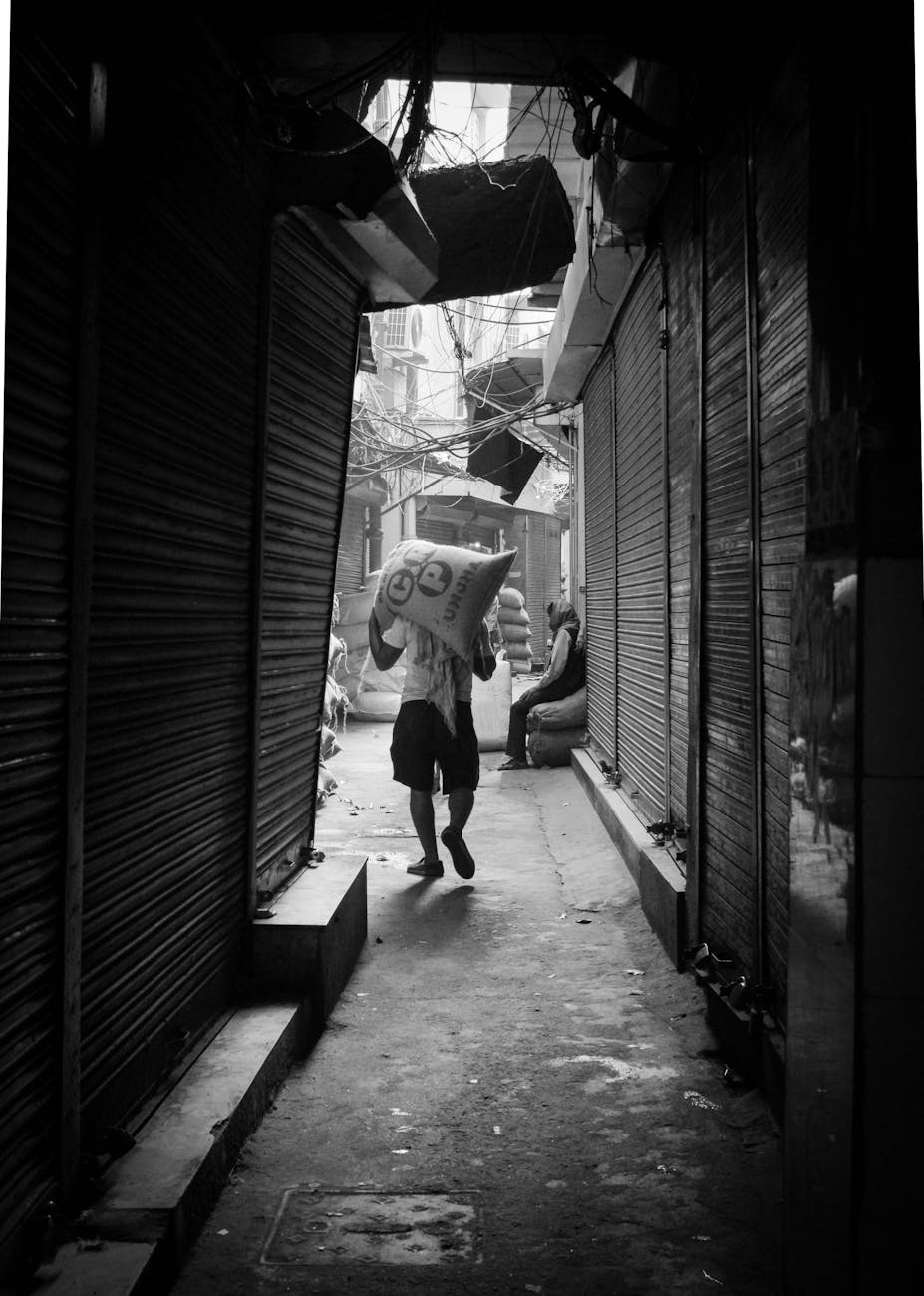
Neighborhoods and seasons matter. Connaught Place is central for transport, shops and circular streets; Hauz Khas Village and Shahpur Jat are good for locally run cafés and artisans; Old Delhi (Chandni Chowk, Jama Masjid) is busiest in cooler months and early mornings; Lodi and Lodhi Colony attract quieter strolls and heritage walks.
Transport realities:
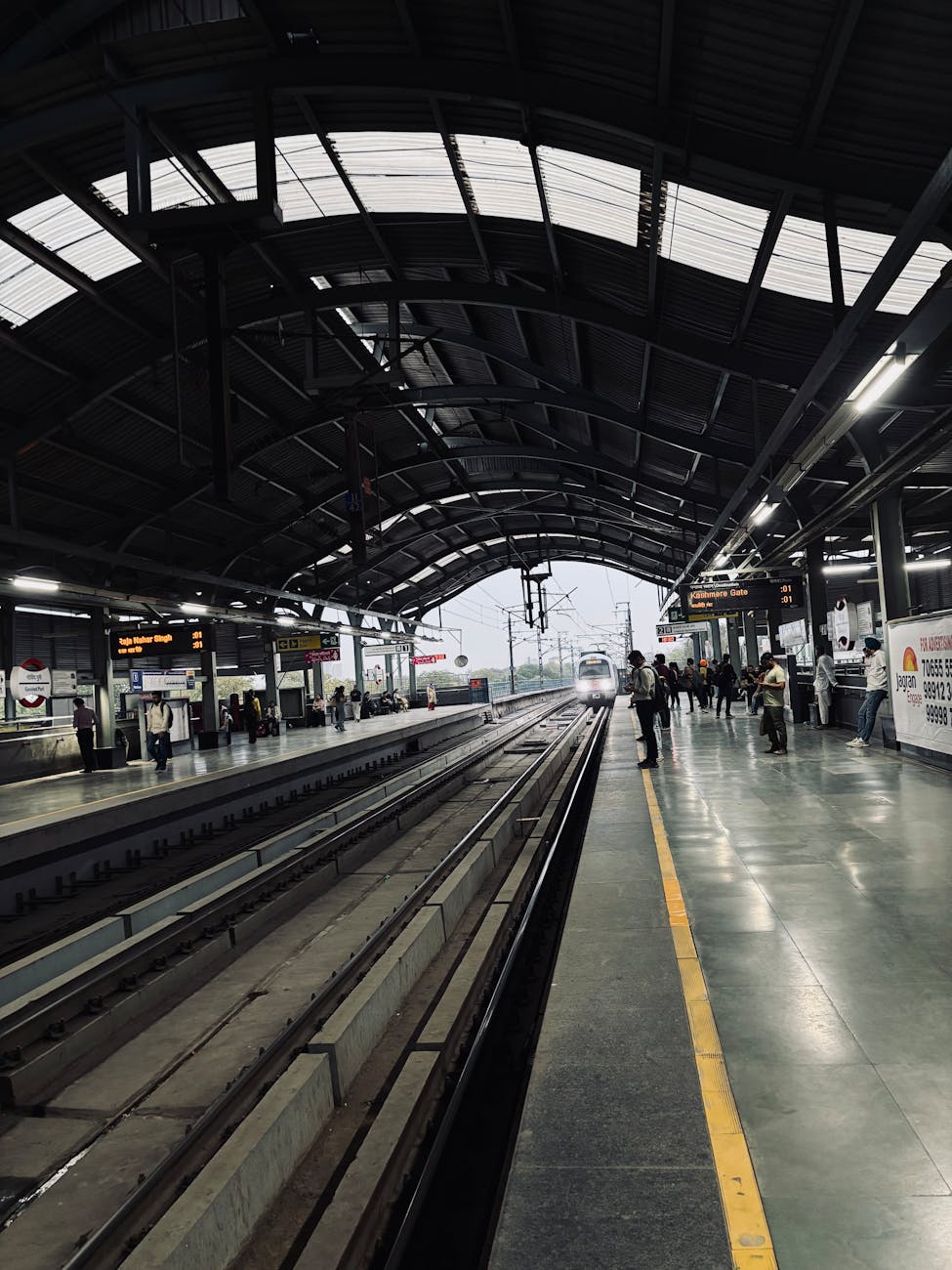
- Delhi Metro is the fastest, cheapest and lowest-impact way to cross the city; plan trips around peak hours (08:00–10:30 and 17:00–20:00).
- App taxis (Ola, Uber) are widely available but traffic can double travel times; give yourself big buffers when transferring to the airport or trains.
- Cycle rickshaws and walking work well in Old Delhi for short distances and benefit local drivers and small businesses.
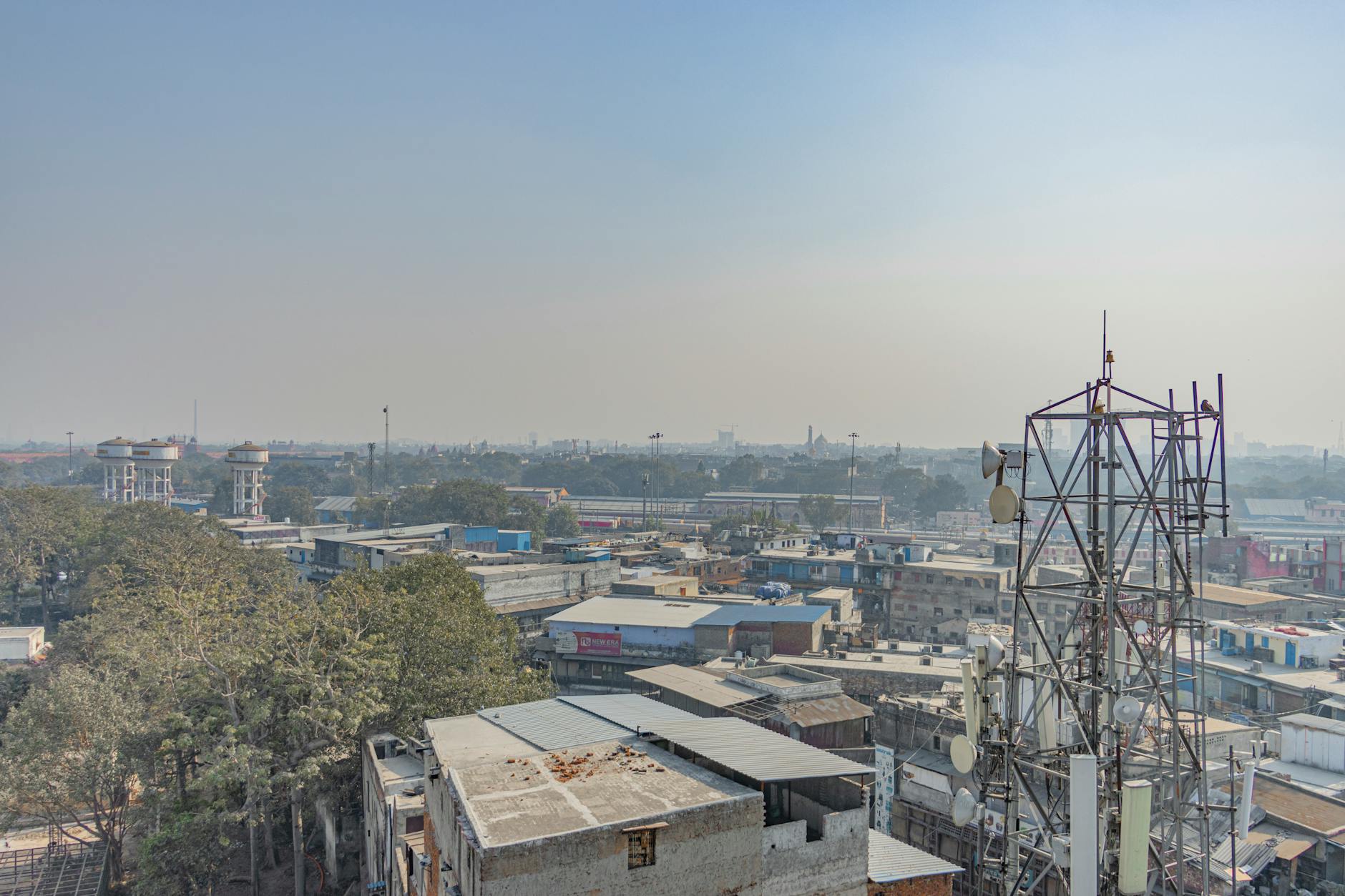
Air quality: Winter months (Nov–Jan) often bring severe smog. If you have respiratory issues, prefer Oct–Nov or Feb–Mar and check daily AQI forecasts before outdoor-heavy days.
How to Choose Well
Match dates to what you want to do.
- For outdoor photography and monument visits: choose Oct–Nov or Feb–Mar for clearer skies.
- For markets, food tours and walking Old Delhi: pick cooler, less-polluted days — mornings in Oct–Feb are best.
- For festivals and cultural events: check festival calendars and book 4–8 weeks ahead for hotels and guides.
- For low-impact travel: travel shoulder seasons, use the metro, eat at small—and well-reviewed—local eateries, and pick homestays or guesthouses run by local hosts.
Booking tips:
- Reserve trains and domestic flights early during festival windows (Diwali, Holi, summer school holidays).
- Choose hotels with flexible cancellation if air quality forecasts or municipal advisories change.
- If planning a day trip to Agra, book a private driver or early train from New Delhi station for the best light at the Taj Mahal.
Responsible and Local-First Tips
Support the local economy and reduce impact:
- Use the Delhi Metro and cycle rickshaws for short distances. They lower emissions and support local livelihoods.
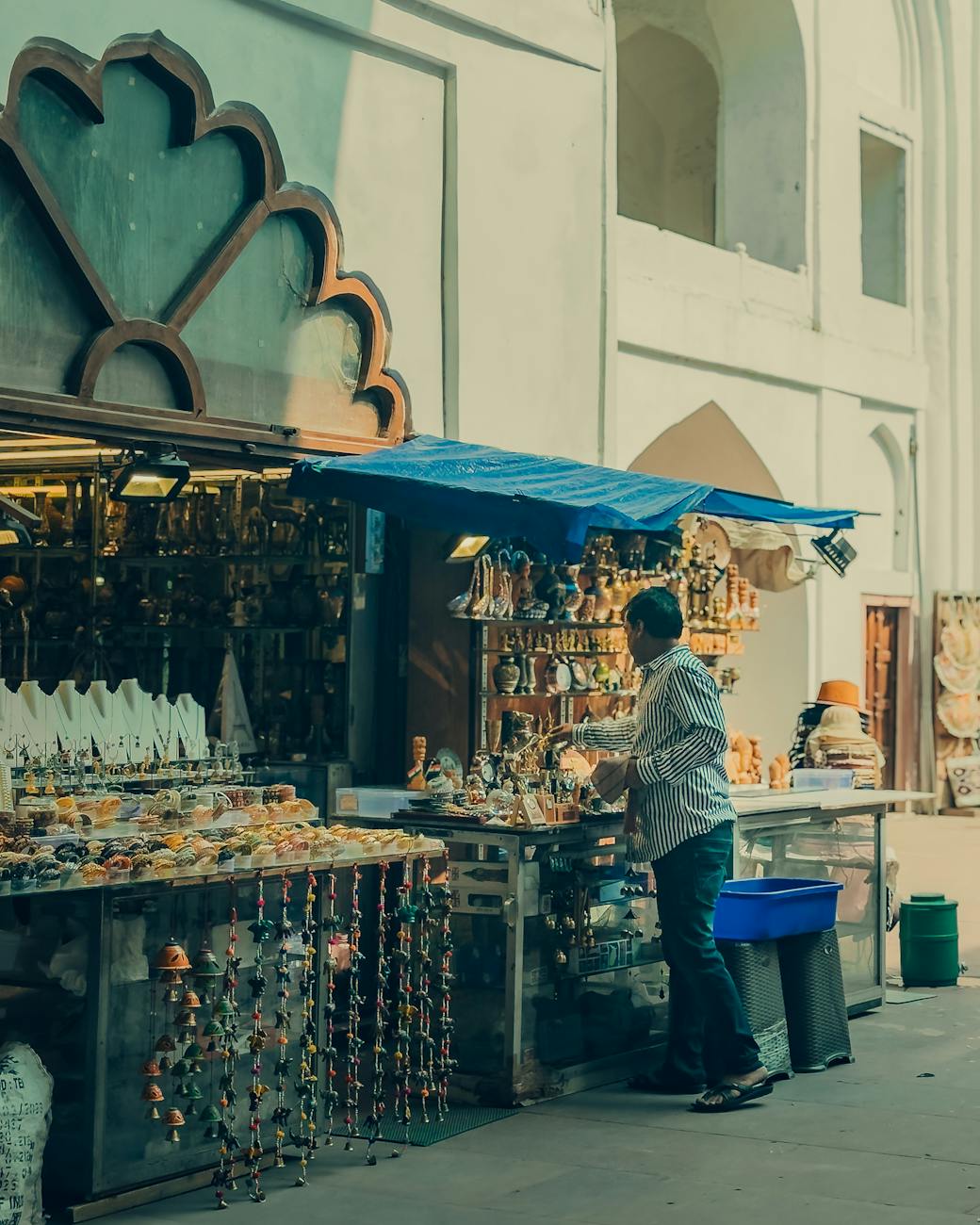
- Eat at neighbourhood dhabas, bakeries and small restaurants recommended by local guides, and shop from certified artisans at Dilli Haat or INA Market rather than mass-tourist stalls.
- Choose locally run guesthouses in areas like Hauz Khas Village or Mehrauli to route spending into neighbourhoods.
- Book guided walks with registered local guides—this delivers income to people who know the city well and reduces risk of poor itineraries.
- During high-pollution days consider indoor alternatives: museums, Indian coffee houses, heritage hotels’ courtyards, and cooking classes.
Simple etiquette: dress modestly for religious sites, remove shoes where required, ask before photographing people, and tip 10% where no service charge is included.
Common Mistakes to Avoid
- Underestimating travel time: traffic can make a 30-minute trip take 90 minutes. Always add buffers for airport and train transfers.
- Ignoring air-quality forecasts: planning all outdoor activities for a heavy-smog day can be unpleasant and unhealthy.
- Visiting Old Delhi in the heat: Old Delhi is best explored early in the day during warmer months.
- Leaving festival logistics until the last minute: hotels and trains sell out for Diwali, Holi and long holiday weekends.
- Relying only on Delhi’s central hotels: staying in one neighborhood and using the metro or a single driver helps small businesses and reduces carbon footprint.
FAQ
When is the absolute best month to visit New Delhi for clear skies and comfortable temperatures?
Late October through early December usually offers clear skies, moderate daytime temperatures (20–30°C), and less humidity. Air quality can vary, so check AQI forecasts.
Is visiting in winter (Dec–Feb) a bad idea because of fog and smog?
Winter offers pleasant daytime weather for sightseeing but can have dense fog and high pollution days that affect visibility and travel. If you visit then, plan flexible indoor options and keep extra time for transport delays.
Can I combine Delhi with Agra or Chandigarh in shoulder seasons?
Yes. February–March and September–October are ideal for pairing Delhi with Agra (short train or private car) or a longer domestic connection to Chandigarh. Book trains and local transport in advance.
Are there low-impact ways to see Old Delhi?
Yes. Walk early in the morning with a local guide, use cycle rickshaws for short legs, and eat at small, hygienic family-run eateries. This supports local vendors and reduces overall emissions.
Should I avoid Delhi during Diwali or Holi?
Not necessarily—these festivals are vibrant but busier and more expensive. If you want an authentic experience, book early and expect closures or restrictions around central government areas during Republic Day and major festivals.
Conclusion
For most travelers seeking a balance of comfort, culture and lower impact tourism, choose October–November or February–March. Use shoulder seasons to avoid crowds, travel by metro and local guides, and support neighbourhood businesses. When you’re ready to turn this into a plan, see our detailed 3 days in New Delhi itinerary and the linked day-trip notes for Agra, Gurgaon, Noida and Chandigarh to build a practical, sustainable trip.
How this guide was prepared
This guide was prepared through a structured research that combines destination research, geographic context, itinerary planning logic, and content review.