
Where to Stay in Nice: Neighborhoods, Practical Tips, and Sustainable Choices
Find the best places to stay in Nice by neighborhood, budget, and travel style. Practical booking advice, transport realities, and local-first tips to support your 3 days in Nice and day trips to Antibes, Cannes, and beyond.
Clear, neighborhood-by-neighborhood guidance for choosing a place to stay in Nice. Includes transport realities, when to book, sustainable options, and neighborhood pros and cons to help you plan your stay alongside our 3 days in Nice itinerary.
Quick Answer
Clear, neighborhood-by-neighborhood guidance for choosing a place to stay in Nice. Includes transport realities, when to book, sustainable options, and neighborhood pros and cons to help you plan your stay alongside our 3 days in Nice itinerary.
Who This Page Is For
This page is for travelers planning a stay in Nice who want clearer decisions about where to stay, local logistics, timing, budgeting, and practical trip planning.
How This Page Was Prepared
This page was prepared through a structured editorial workflow that combines destination research, geographic context, and practical travel-planning review.
Plan the Rest of Your Trip
Use this page together with the full itinerary and the related planning pages below to make better booking, timing, transport, and budget decisions.
Best picks by priority:
- First-time visitor who wants seaside and landmarks: stay near the Promenade des Anglais or Place Masséna for easy walks to the beach and Old Town.
- Local atmosphere and food: Vieux-Nice (Old Town) or Liberation neighborhood for markets and independent cafes.
- Value and train connections for day trips: Gare de Nice-Ville / Jean Médecin area — practical for Antibes, Cannes, Marseille.
- Quieter, museums and gardens: Cimiez—good for couples and older travelers who prefer calm and green space.
- Trendier dining and nightlife with ferry/train access: Nice Port (Port Lympia).
If you’re following our 3 days in Nice itinerary, pick a central base (Old Town, Masséna, or Port) to minimize transit time and get the most from your days.
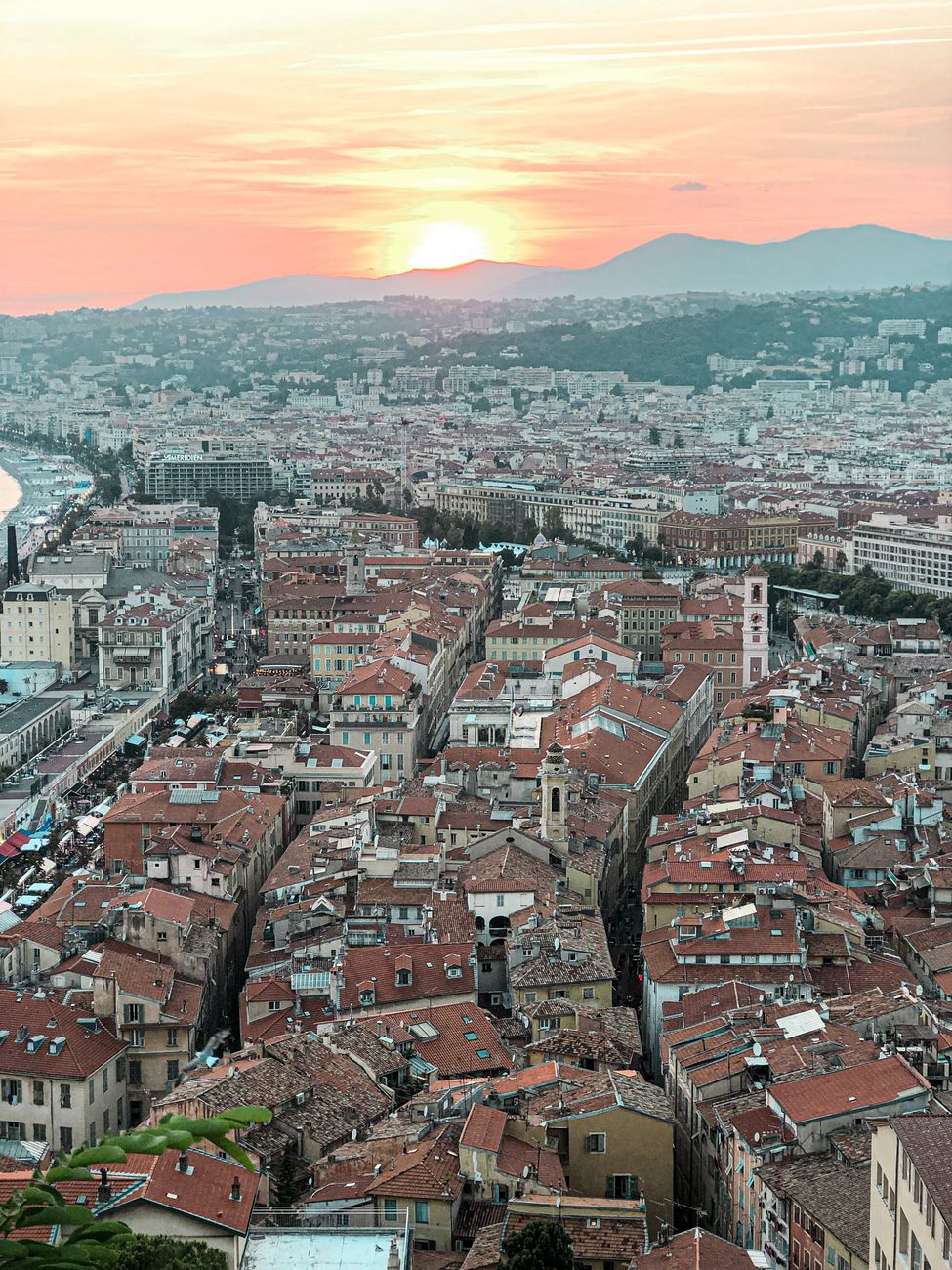
Nice is compact but varied: pebble beaches and seafront boulevards, a dense Old Town with narrow alleys and markets, a lively port quarter, and quieter, leafy neighborhoods with museums. Where you stay will shape your days—walking distances, noise levels, transport convenience for day trips, and the kind of food and local businesses you’ll support. This page helps you pick the best neighborhood for your priorities and make sustainable, low-impact choices while you're here.
What This Page Helps You Decide
This page helps you choose a neighborhood and lodging type based on:
- proximity to the beach and Old Town
- access to trains and buses for day trips to Antibes, Cannes, and Marseille
- noise and crowd tolerance (day-trippers, cruise visitors)
- travel style: family, romantic, budget, or luxury
- sustainable and local-first lodging options
It also gives practical booking windows, transport realities, and quick checks so you can pick a place that supports the local economy and fits the 3 days in Nice plan.
Top Recommendations
Neighborhoods and who they suit:
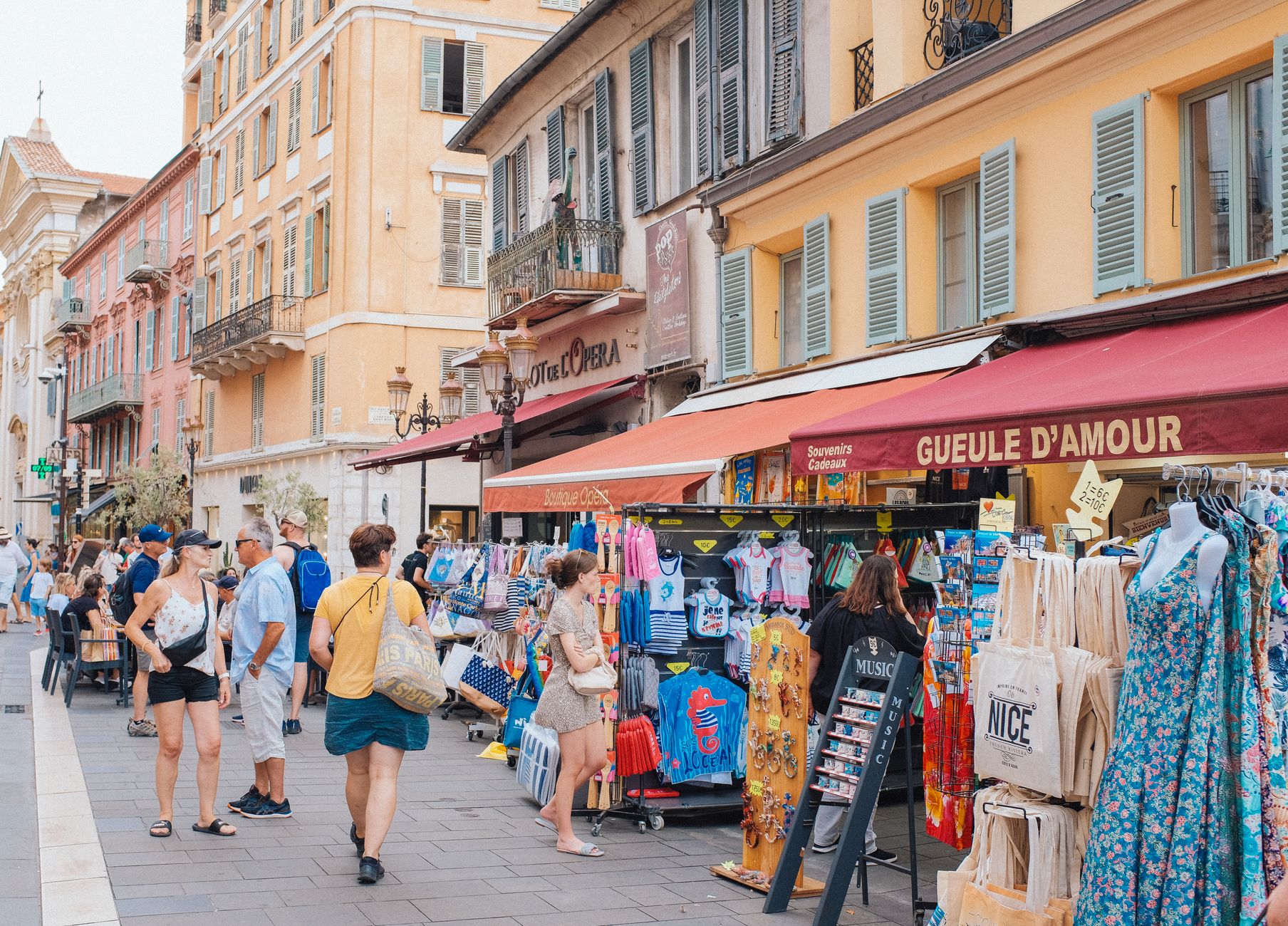
- Vieux-Nice (Old Town): Best for food lovers and atmosphere. Stay here for immediate access to Cours Saleya market, narrow lanes, and small family-run B&Bs. Expect cobbles and evening noise.
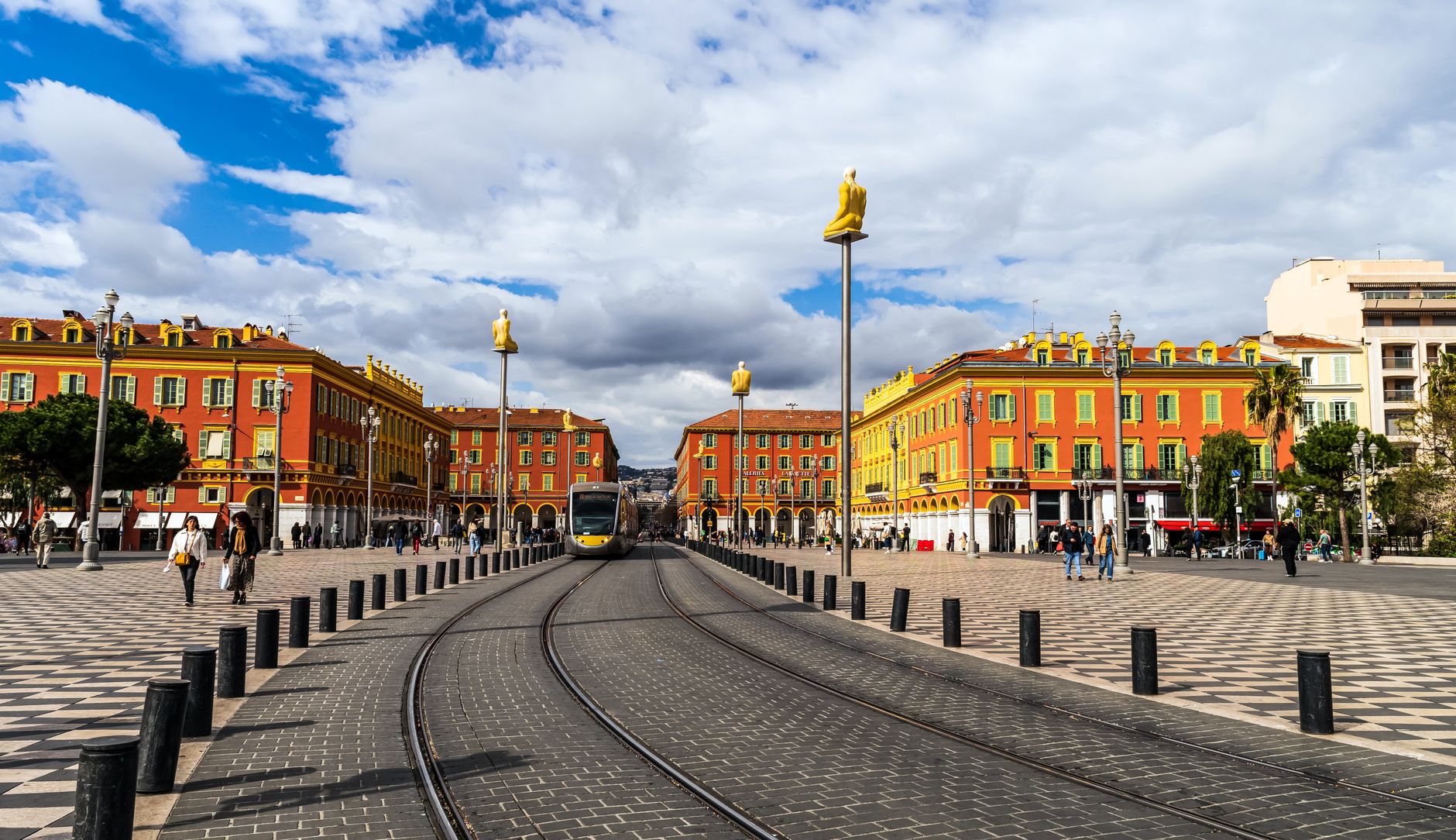
- Promenade des Anglais / Place Masséna: Best for first-timers and beach proximity. Choose this if you want iconic sea views and a short walk to museums. Hotels here tend to be pricier and noisier—check for double glazing and road-facing rooms.
- Nice Port (Port Lympia): Best for dining and a local vibe. More independent restaurants and boutique hotels; lively at night but often more authentic than the busiest seaside strip.
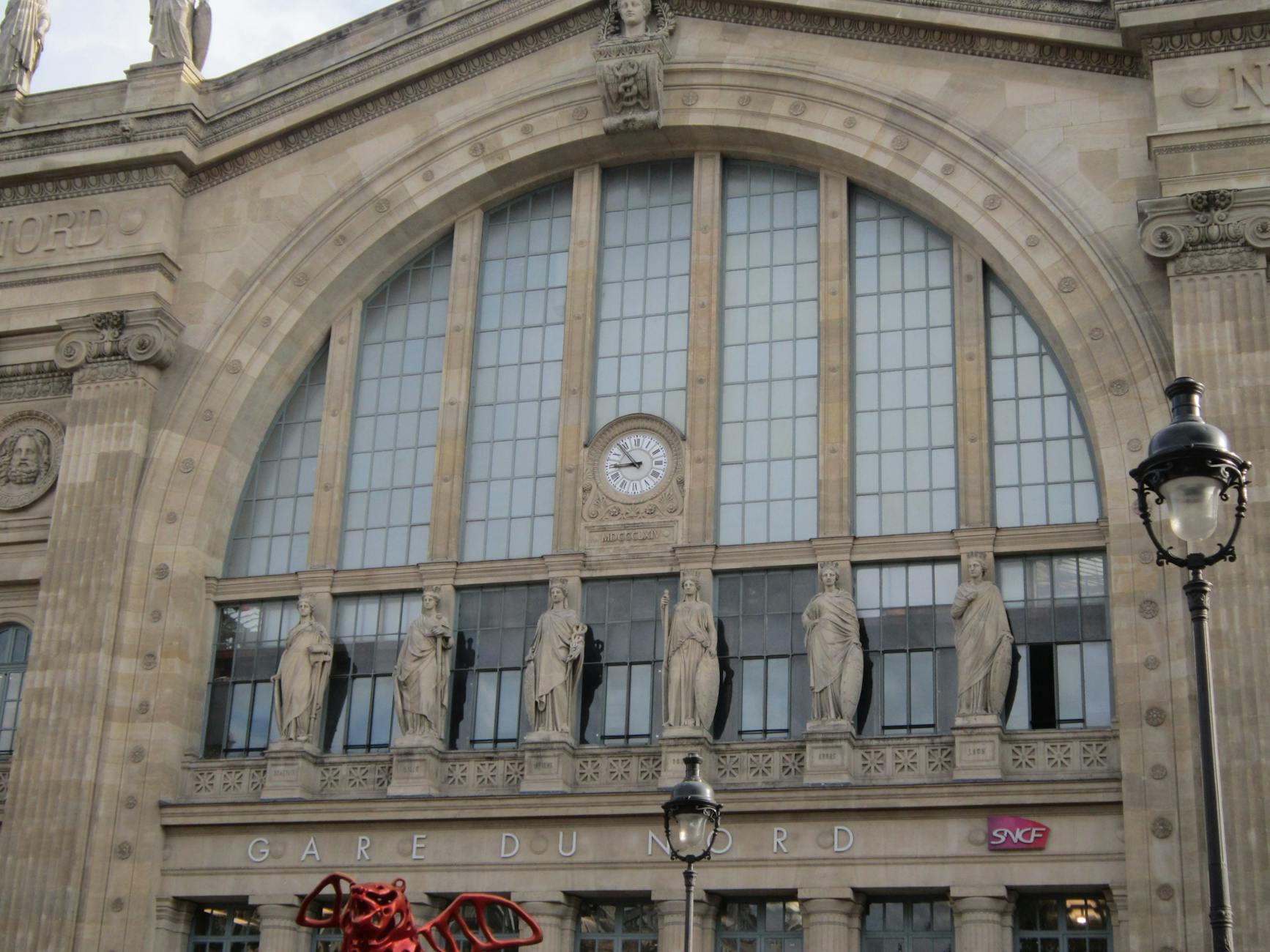
- Gare de Nice-Ville / Jean Médecin: Best for practical travel and day trips. Close to trains for Antibes, Cannes, and Marseille and tram/bus links. Good for short stays and budget hotels.
- Cimiez: Best for quiet, culture, and families. Upscale, green, and near the museums but uphill—expect taxi rides or a 20–30 minute walk down to the center.
- Liberation / Boulevard Gambetta: Best for market mornings and local life. More value and easy trams to the beach; good apartments and small hotels favored by longer-stay travelers.
Booking advice:
- Summer (Jul–Aug) and Carnival (February) are peak demand—book 3–6 months ahead. Shoulder months (April–June, Sept–Oct) offer milder weather, lower rates, and fewer crowds.
- For short stays tied to the 3 days in Nice itinerary, prioritize central locations to reduce time spent on transit.
- Choose registered apartments (numéro d'enregistrement) or locally owned hotels rather than short-term rentals that displace residents.
Local Context
Transport and city realities:
- Airport: Nice Côte d'Azur Airport is a short tram or bus ride from the city center. Trams and buses regularly link the airport with central stops—allow 30–40 minutes depending on traffic.
- Trains: Gare de Nice-Ville offers frequent TER services to Antibes, Cannes, Monaco, and regional trains to Marseille and Aix-en-Provence. For day trips to Antibes and Cannes, trains are fast, frequent, and low-impact.
- Walking and terrain: Nice is walkable along the seafront but the Old Town is hilly and cobbled; choose luggage-light options if you plan to stay in Vieux-Nice or Cimiez.
- Beaches: Most are pebble (galets). Bring reef shoes if you don’t like pebbles and check which beaches have public access versus private beach clubs.
- Seasonality: Summer brings cruise day-trippers and busy beaches; February Carnival and trade fairs can spike hotel prices. Shoulder months combine good weather with fewer crowds.
- Local etiquette and practicalities: Service is included in bills (service compris) but small tips for good service are appreciated. Learn a few basic French phrases; shop and eat at family-run businesses to keep spending local.
How to Choose Well
Quick decision checklist:
- If you want quick beach access and iconic views: choose Promenade des Anglais or Place Masséna. Check room noise and ask about window quality.
- If you prioritize food markets and nightlife within walking distance: pick Vieux-Nice or Port. Expect steps and narrow streets; consider quieter side streets.
- If you need easy onward travel by train: stay near Gare de Nice-Ville or Jean Médecin for fast connections to Antibes, Cannes, and Marseille.
- If you want peace, gardens, and museums: book Cimiez—but factor in uphill walks or a short taxi ride to the center.
- For budget and longer stays: Liberation offers apartment rentals, a strong local market, and trams to the beach.
Practical tips when booking:
- Read recent reviews for noise, heating/air-conditioning, and Wi‑Fi speed.
- Confirm cancellation terms—choose flexible rates for shoulder season weather changes.
- Verify official registration numbers for short-term rentals and prefer locally run hotels with small staff.
- Consider a multi-night base and one night in the Port or Promenade to sample different vibes without extra luggage moves—this pairs well with our 3 days in Nice itinerary.
Responsible and Local-First Tips
Choose accommodations and behaviors that help the local economy and reduce impact:
- Prefer small, family-run hotels, pensions, or registered apartments over large international chains when possible.
- Buy fruit, flowers, and prepared food from Cours Saleya and Liberation markets; this supports local producers and reduces supply chain impact.
- Use regional trains (TER) to visit Antibes, Cannes, and Marseille instead of driving—trains are frequent and more climate-friendly.
- Avoid booking every night at the busiest beachfront hotels; spreading overnight stays across neighborhoods spreads visitor spending.
- Bring a reusable water bottle and cup—many cafes will happily fill them, reducing single-use plastic.
- Respect private beach sections, keep noise low late at night in residential streets, and follow local rules about fires, barbeques, and waste separation.
- Consider an eco-certified hotel or ask properties about energy-saving measures and waste policy before booking.

Common Mistakes to Avoid
- Booking a promenade- or beachfront room without checking for traffic and nighttime noise.
- Expecting sandy beaches—most are pebble; if that matters, look for sandy options further west around Antibes or Cannes.
- Choosing Vieux-Nice without considering stairs and cobbles—not ideal for mobility issues or heavy luggage.
- Relying on a car for downtown exploration—parking is limited and traffic can be slow; trains and trams are simpler for day trips.
- Opting only for short-term rentals in residential buildings that lack official registration; these can contribute to housing pressure.
- Arriving without a plan for busy events (Carnival, trade fairs, and cruise ship days) when hotels sell out and prices spike.
FAQ
Which neighborhood is best for catching trains to Antibes and Cannes?
Stay near Gare de Nice-Ville or Jean Médecin for the fastest and most direct rail connections. Both are a short tram or walk from the central sights.
Is the Promenade des Anglais noisy at night?
It can be, especially in high season. Choose rooms away from the road, request higher floors, or look for accommodations with double glazing if you’re sensitive to noise.
Are Nice beaches sandy or pebbly?
Most Nice beaches are pebbly (galets). If you need sand, plan a day trip west toward Antibes or Cannes.
I’m traveling during Carnival—when should I book?
Book as early as possible (3–6 months ahead). Carnival and major trade events fill hotels quickly and push prices up.
How can I make my stay more sustainable?
Prefer locally run hotels, eat at markets and small bistros, use regional trains for day trips, and bring a reusable bottle—these choices keep spending local and cut waste.
Conclusion
Choose a base that fits your priorities: Promenade or Place Masséna for iconic seaside walks, Vieux-Nice for market life, Gare de Nice-Ville for day-trip logistics, or Cimiez for calm and culture. Book shoulder-season stays for lower impact and better value, prefer locally-run lodging to support the community, and use regional trains to explore Antibes, Cannes, and Marseille. For day-by-day ideas that work with each neighborhood choice, see our companion 3 days in Nice itinerary and consider short train trips to Antibes and Cannes to round out your visit.
How this guide was prepared
This guide was prepared through a structured research that combines destination research, geographic context, itinerary planning logic, and content review.