
Best Time to Visit Nice, France — When to Go for Weather, Crowds, and Local Life
Practical timing advice for visiting Nice: best months for mild weather, shoulder-season tips to avoid crowds, event calendar, transport realities, and sustainable, local-first choices to pair with a 3-day Nice itinerary.
Choose the right season for your 3-day Nice trip. This guide explains weather, crowds, events, transport realities, neighborhood vibes, booking tips, and sustainable choices so you can enjoy the Côte d'Azur with less impact.
Quick Answer
Choose the right season for your 3-day Nice trip. This guide explains weather, crowds, events, transport realities, neighborhood vibes, booking tips, and sustainable choices so you can enjoy the Côte d'Azur with less impact.
Who This Page Is For
This page is for travelers planning a stay in Nice who want clearer decisions about best time to visit, local logistics, timing, budgeting, and practical trip planning.
How This Page Was Prepared
This page was prepared through a structured editorial workflow that combines destination research, geographic context, and practical travel-planning review.
Plan the Rest of Your Trip
Use this page together with the full itinerary and the related planning pages below to make better booking, timing, transport, and budget decisions.
Best overall months: late April–June and September–early October for warm, sunny days, fewer tourists, and good local life. Summer (July–August) offers reliably hot weather and full beach life but also crowds, higher prices, and busy trains to Antibes and Cannes. Winter is mild and calm — ideal for museum visits, Carnival in February, and lower rates. For a planner focused on sustainability and local spending, favor shoulder season travel and train day trips rather than renting a car.
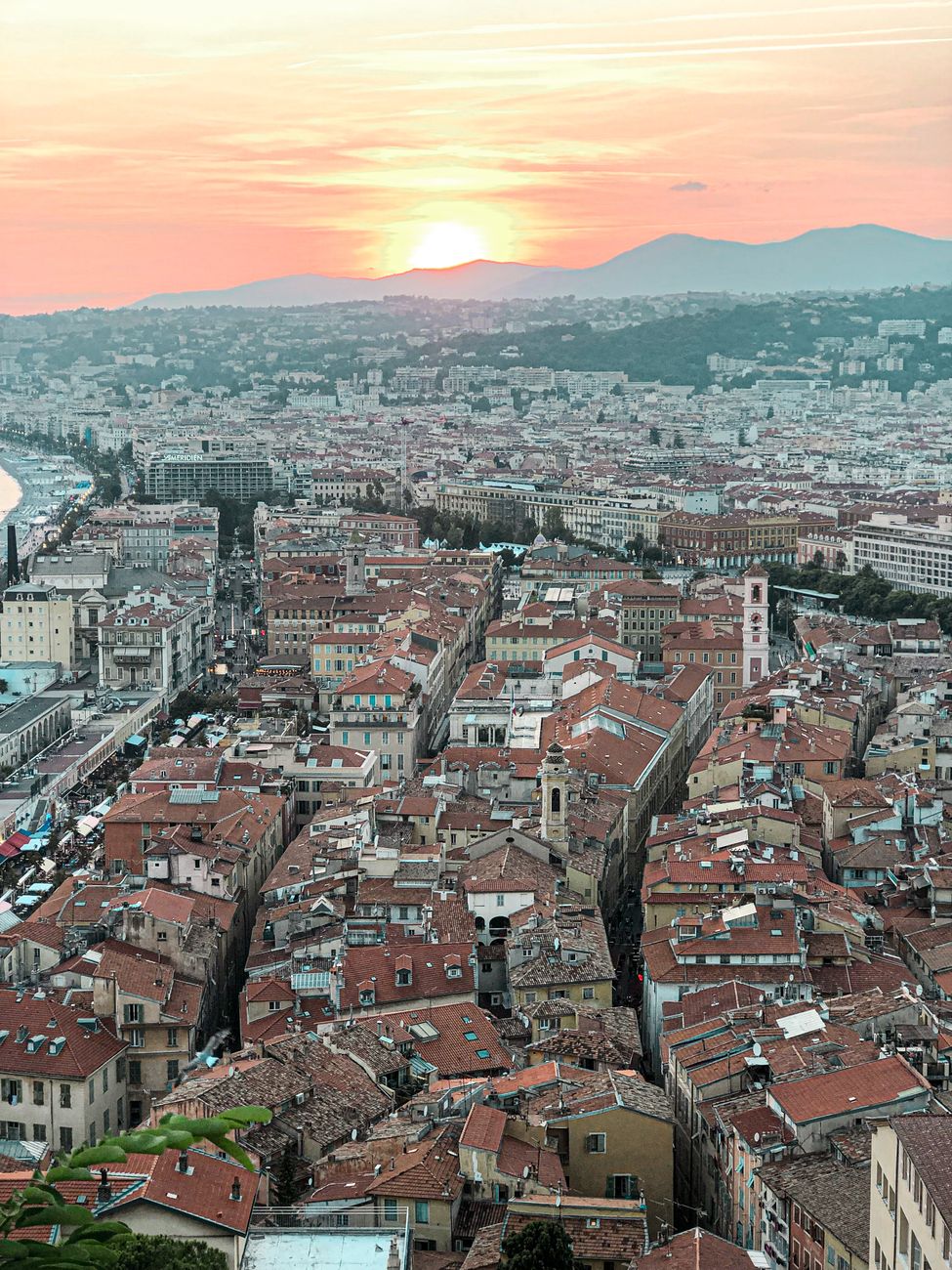
Nice sits on the pebble shores of the French Riviera with a Mediterranean climate and a mix of seaside leisure, markets, and museums. Timing your visit affects what you’ll see and how you feel moving between neighborhoods like Vieux Nice, the Port, Cimiez and the Promenade des Anglais. This page helps you pick the months and daily rhythms that best match your priorities — weather, lower crowds, local festivals, or beach time — and links practical advice to our 3 days in Nice itinerary and nearby day trips to Antibes, Cannes, Toulon, Aix-en-Provence and Marseille.
What This Page Helps You Decide
Use this page to:
- Pick the best month for weather vs. crowds.
- Decide whether to time your visit for events (Carnival, Jazz Festival) or to avoid them.
- Choose a neighborhood and lodging timing to match your 3-day Nice itinerary.
- Plan low-impact day trips by train to Antibes, Cannes, or Marseille.
If you want a suggested daily schedule, see our main 3 days in Nice guide for timed walking routes, sustainable restaurant picks, and public-transport connections.
Top Recommendations
Practical picks by priority:
- Best weather with fewer crowds: late April–June and September.
- Lowest prices and calmest experience: November–March (except Carnival dates).
- Peak social atmosphere and beach life: July–August — book early and expect full Promenade des Anglais and private beaches.
- Events worth planning for: Nice Carnival (February), Nice Jazz Festival (July), and Fête de la Musique (June 21).
Booking tips:
– Reserve hotels and private beach beds well in advance for July/August and Carnival.
– For day trips to Antibes or Cannes, take TER coastal trains — frequent and short, avoid renting a car when possible.

Local Context
Neighborhood rhythms and transport realities:
- Vieux Nice (Old Town): lively markets (Cours Saleya), narrow streets — best explored early morning or late afternoon to avoid peak sun and crowds.
- Promenade des Anglais: public and private beaches line the pebbled shore — public stretches are free; private plages rent chairs.
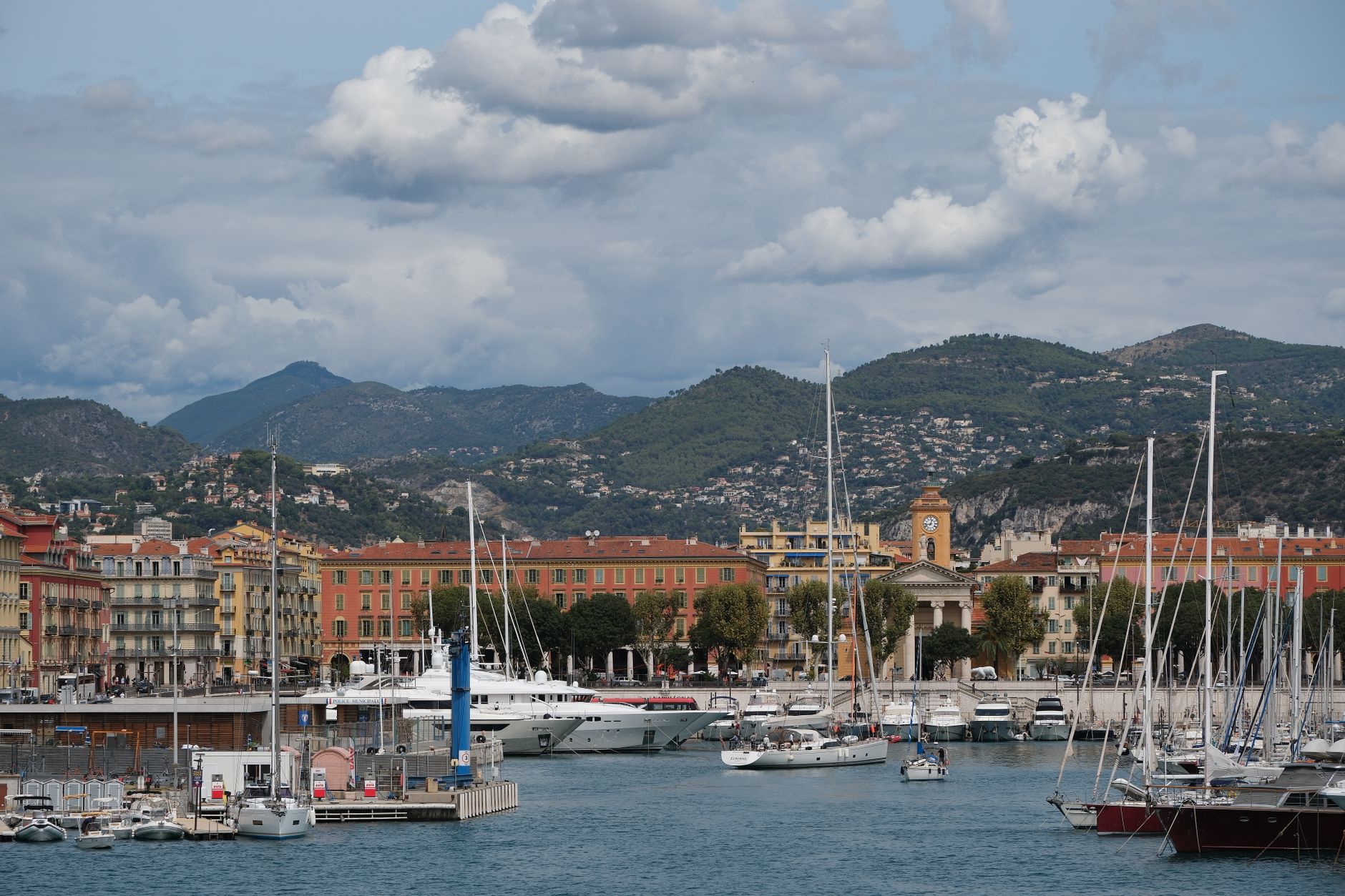
- Port and Garibaldi: authentic seafood restaurants and smaller hotels; less tourist churn than the Promenade.
- Cimiez: museums and Roman ruins on higher ground, windier and cooler in summer.
Transport notes:
– Nice Côte d'Azur Airport is a short tram or shuttle ride from the city; public transit is reliable for central areas.
– Coastal TER trains connect to Antibes, Cannes, Monaco, and Marseille — frequent but fuller in summer. Reserve seats for early morning and weekend travel when possible.
– Driving in high season means limited parking and heavy traffic; prefer trains and walking for sustainability.
How to Choose Well
Match timing to priorities:
- For photography, mild light, and fewer tourists: schedule in May or September.
- For beaches and full seaside services: plan July or August but accept higher prices and crowds; pick a private beach responsibly or use public beaches early.
- For museums, local markets, and quieter dining: visit in November–March. Beware Carnival dates for crowd spikes.
Where to stay by preference:
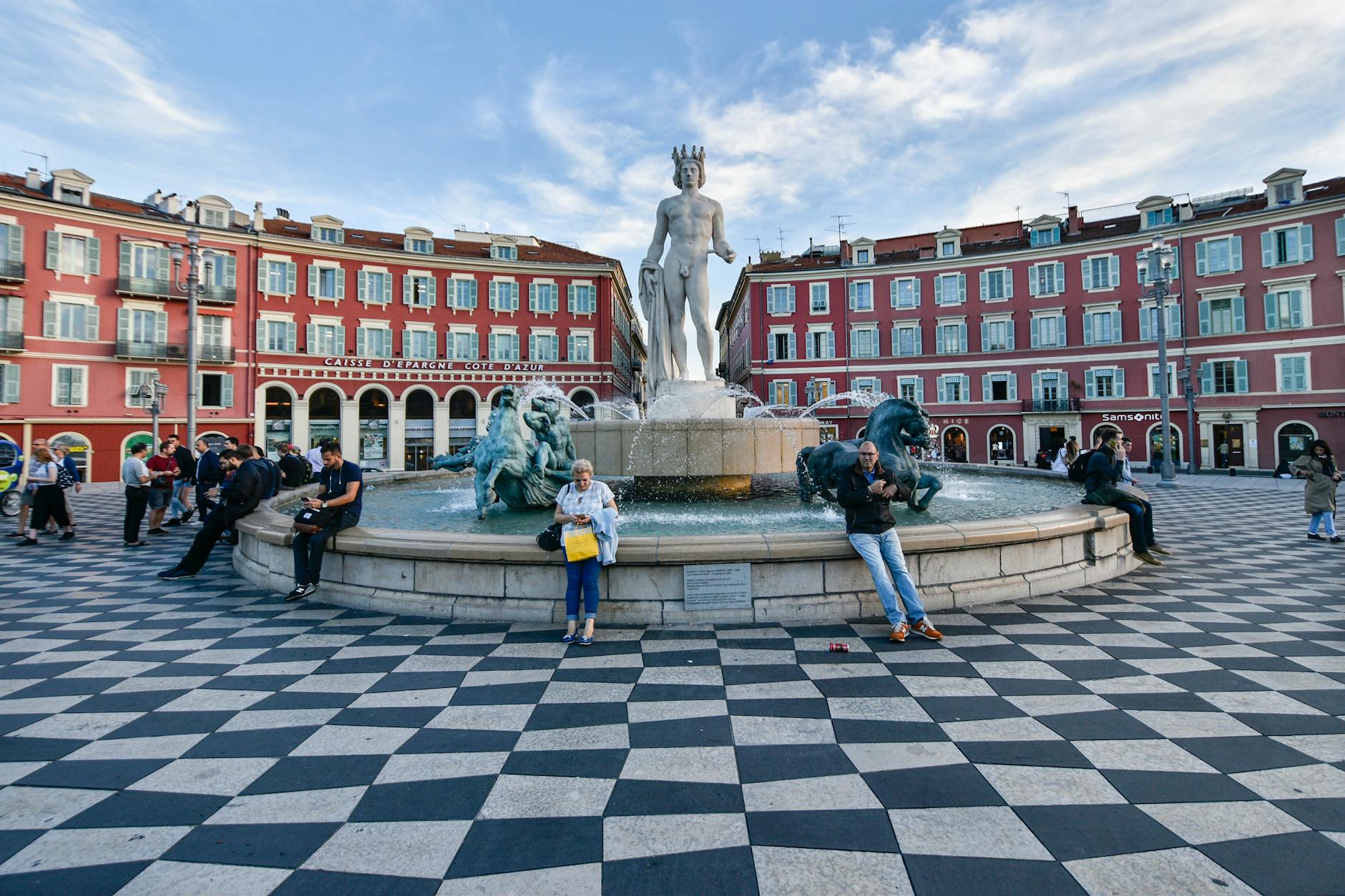
– First-time visitor wanting walkable sights: central Vieux Nice, Promenade, or Place Masséna.
– Local feel and better value: Port, Garibaldi, or Liberation neighborhoods.
– Quiet, green setting: Cimiez (good for museum days and cooler nights).
Booking checklist:
– Book accommodation early for Carnival and summer.
– Buy rail tickets for regional trips the day before or the morning of travel; consider reservations for longer journeys to Marseille.
– If planning Monaco Grand Prix nearby, book months ahead — it affects the whole Riviera.
Responsible and Local-First Tips
Make choices that support the local economy and reduce impact:
- Use TER trains to visit Antibes, Cannes, and Marseille rather than driving; short rail trips reduce emissions and support regional mobility.
- Eat at family-run bistros, market stands (Cours Saleya), and neighbourhood cafés in Liberation or Garibaldi to keep spending local.
- Respect private beach rules and public-beach limits; bring reusable water bottles and avoid single-use plastics.
- Book small guesthouses or eco-certified hotels when possible; prioritize places that hire local staff and source local food.
- Visit markets in the morning to buy fresh produce and meet artisans, supporting daily local incomes outside peak tourist restaurants.

Common Mistakes to Avoid
Frequent missteps travelers make:
- Expecting sandy beaches: Nice has pebbles — bring water shoes and a towel suited to pebbles.
- Booking last-minute in high season or for Carnival — prices spike and availability shrinks.
- Relying on a car: traffic and parking are difficult; trains are faster and greener for Antibes, Cannes, and Marseille.
- Underestimating sun and heat: sunscreen, wide-brim hats, and siesta-aware pacing help in July–August.
- Not checking opening days and hours: many small shops and restaurants close midday or one weekday; plan museum and market visits accordingly.
FAQ
When is the best month for warm swimming but fewer crowds?
Late June and September offer warm sea temperatures with noticeably fewer tourists than peak July–August.
Is Nice a good winter destination?
Yes — winters are mild, many museums and restaurants stay open, and you can enjoy lower prices. Avoid Carnival dates if you want absolute quiet.
Should I rent a car to explore the Riviera from Nice?
No for most travelers. Trains connect to Antibes, Cannes, and Marseille efficiently; renting a car increases parking costs, emissions, and traffic stress. Consider car hire only for rural Provençal itineraries away from the coast.
How do I avoid crowds while staying near the seafront?
Stay slightly inland in Port or Garibaldi, visit the Promenade at dawn or late afternoon, and do market visits early. Use our 3 days in Nice itinerary to distribute popular stops across quieter times.
Are there peak-event dates I should avoid?
Nice Carnival (February), Monaco Grand Prix weekend (May), and major summer festivals can create spikes in crowds and prices. Check event calendars before booking.
Conclusion
Pick shoulder seasons (late April–June, September) for the best balance of weather, local life, and lower crowding. If your trip focuses on beaches, expect July–August crowds and book early. For museum-rich, quieter visits, winter works well. Prioritize trains for nearby day trips to Antibes, Cannes and Marseille, support family-run businesses in neighborhoods like Port and Liberation, and consult our 3 days in Nice guide to turn your timing choices into a low-impact, thoroughly enjoyable itinerary.
How this guide was prepared
This guide was prepared through a structured research that combines destination research, geographic context, itinerary planning logic, and content review.