

Where to Stay in San Diego — Neighborhoods, Practical Tips, and Sustainable Choices
Decide where to stay in San Diego for a 3-day trip. Neighborhood pros and cons, season and transport realities, family- and budget-friendly picks, and local-first tips to keep your stay low-impact.
A concise neighborhood guide to match a 3-day San Diego itinerary: beaches, downtown, family-friendly bayside areas, and quieter local neighborhoods with sustainable, local-first lodging suggestions.
Quick Answer
A concise neighborhood guide to match a 3-day San Diego itinerary: beaches, downtown, family-friendly bayside areas, and quieter local neighborhoods with sustainable, local-first lodging suggestions.
Who This Page Is For
This page is for travelers planning a stay in San Diego who want clearer decisions about where to stay, local logistics, timing, budgeting, and practical trip planning.
How This Page Was Prepared
This page was prepared through a structured editorial workflow that combines destination research, geographic context, and practical travel-planning review.
Plan the Rest of Your Trip
Use this page together with the full itinerary and the related planning pages below to make better booking, timing, transport, and budget decisions.
Match your priorities:
– Beaches and families: Mission Bay or Coronado for calm waters and park access.
– Coastal scenery and upscale dining: La Jolla for cliffs, tide pools, and small boutiques.
– Nightlife and quick access to museums: Gaslamp Quarter or Little Italy for walkability.
– Local food, breweries, and indie shops: North Park or South Park.
If you plan to follow a 3-day downtown-plus-beach itinerary, a centrally located stay in Little Italy or the Gaslamp Quarter minimizes transit time. Consider public transit and the Coaster if you plan a day trip to Oceanside or Chula Vista.
San Diego covers a long coastline and a diverse urban core; where you stay shapes how much of the city you can realistically cover in a 3-day itinerary. Choose a base close to the experiences you prioritize—ocean views and sunsets, museum- and park-heavy days, or walkable dining and nightlife. This page helps you pick a neighborhood with practical transport notes, seasonal tips, and local-first choices so your stay benefits the neighborhood economy and reduces environmental impact.
What This Page Helps You Decide
Use this page to make three quick choices:
– Which neighborhood best matches your daily plans in the 3-day itinerary.
– Whether to prioritize walkability and transit or rent a car for regional side trips (Oceanside, Chula Vista, Huntington Beach).
– The sustainable and local-first lodging options that fit your budget.
You'll get neighborhood pros/cons, seasonal notes on crowds and water temperature, parking realities, and booking advice tied to the main 3-day guide.
Top Recommendations
Top picks by traveler type:
– First-time visitors (3-day plan): Little Italy or Gaslamp Quarter — walkable to restaurants, easy access to Balboa Park and the waterfront.
– Beach lovers and photogenic coastlines: La Jolla — stay in a small inn near Prospect Street for morning tide-pool walks.
– Families with kids: Mission Bay or Coronado — calmer water, parks, and safe bike paths.
– Local-food and craft-beer seekers: North Park and South Park — boutique hotels and guesthouses close to independent eateries.
– Budget-conscious: Old Town and parts of Mission Valley offer lower nightly rates and easy freeway access; check transit connections before booking.
Booking tips:
– Reserve early for summer weekends and Comic-Con season in July; shoulder seasons (late spring, September–October) offer lower rates and pleasant water temperatures.
– Confirm parking policies — many downtown hotels charge for parking or have limited spaces.

Local Context
Seasonal patterns and transport realities:
– Seasons: Summers (June–August) are busiest and warmest on the water but can be foggy in the mornings (June gloom). Shoulder seasons (April–May and September–October) balance mild weather and fewer crowds.
– Microclimate: Coastal neighborhoods like La Jolla and Coronado are cooler; inland areas (North Park, Hillcrest) warm up more.
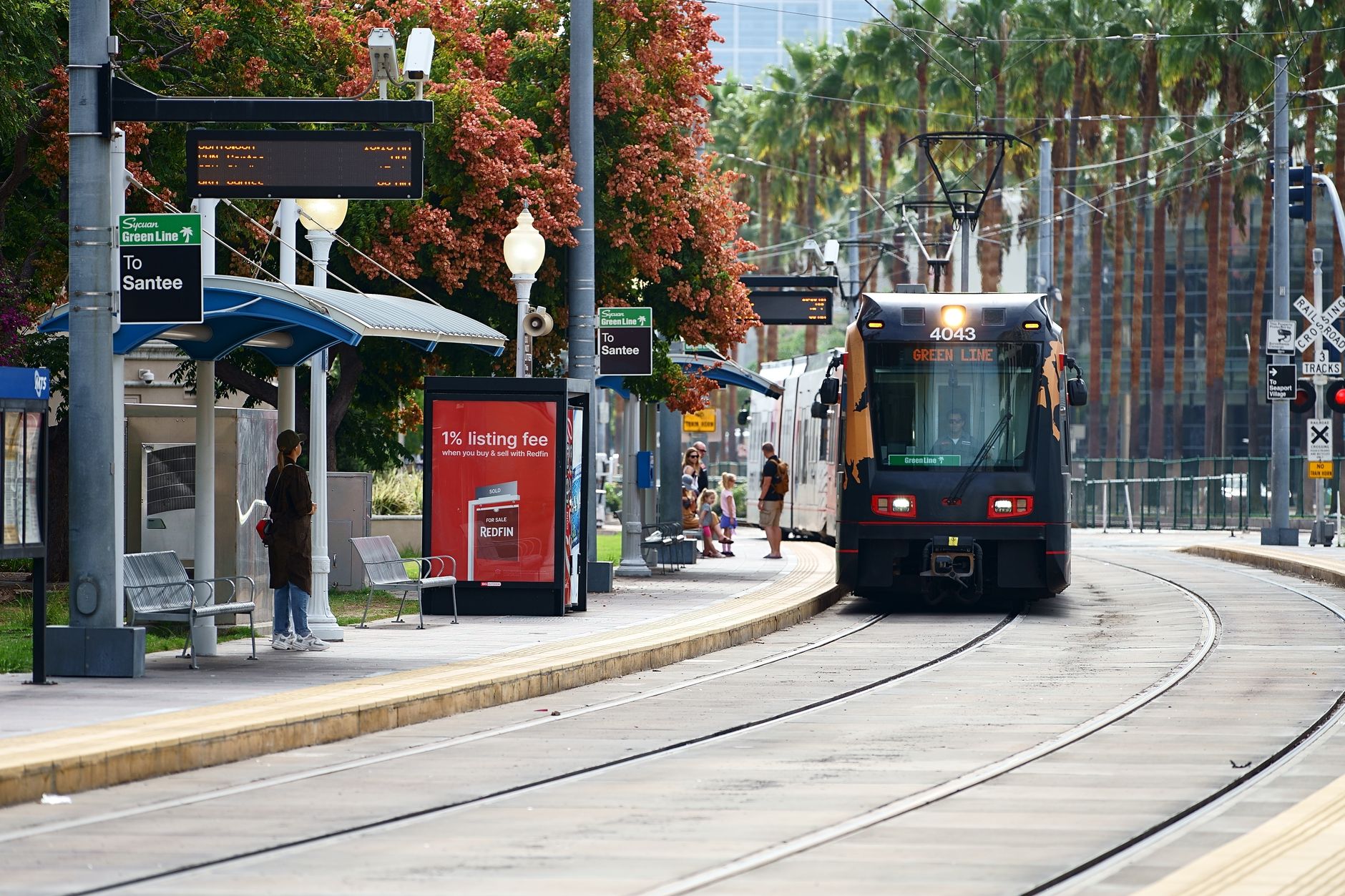
– Transit: The San Diego Trolley (Blue, Orange, Green lines) connects downtown, Old Town, and the airport via bus links. The Coaster rail runs north to Oceanside; Amtrak and regional buses serve longer hops. Rideshare is widely available but surge pricing applies during events.
– Parking: Expect paid parking in downtown and beach neighborhoods. Coronado limits overnight street parking in parts; check hotel inclusions.
– Etiquette and rules: Respect protected areas—observe tide-pool and seabird rules at La Jolla. Follow leash laws at some beaches and pick up after pets.

How to Choose Well
Use a short checklist before you book:
– Prioritize proximity to the activities in your 3-day plan to reduce transit time.
– Decide whether you want a car: choose a downtown base if you plan to rely on trolleys and walkable neighborhoods; choose Mission Bay or La Jolla if you want easy car access to beaches and coastal drives.
– Noise vs. convenience: Gaslamp is lively at night; pick a quieter side street or Little Italy for calmer evenings.
– Sustainable choices: prefer locally owned guesthouses, eco-certified hotels, or lodgings that offset energy use. Ask about bike rentals and public-transit passes.
– Read recent reviews for parking, Wi-Fi, and cleanliness; verify cancellation terms in case you need to shift dates toward shoulder season.

Responsible and Local-First Tips
Keep your visit low-impact and beneficial to neighbors:
– Stay local: choose neighborhood-run inns, B&Bs, or small hotels over large chains when possible.
– Eat local: prioritize family-run Mexican and seafood spots, the Little Italy Mercato, and farmers markets for seasonal produce.
– Transport: use the trolley, rent bikes near the waterfront, or walk short trips to cut emissions.
– Wildlife and coastlines: never touch or feed seals and sea lions at La Jolla; follow posted rules at tide pools and Cabrillo National Monument.
– Waste reduction: bring a refillable water bottle and reuse hotel towels when practical.
– Off-peak travel: consider shoulder months to reduce strain on busy attractions and to support year-round local businesses.

Common Mistakes to Avoid
- Booking a downtown (Gaslamp) hotel expecting quiet nights—choose side streets or Little Italy if noise is a concern.
- Underestimating time: traffic between coastal neighborhoods and inland attractions (Balboa Park, North Park) can add 20–40 minutes during peak periods.
- Assuming a car is unnecessary: if you plan to day-trip to Oceanside, Irvine, Huntington Beach, or Chula Vista, a car or careful train planning is helpful.
- Not checking parking costs or permit requirements—some hotels charge high nightly rates for on-site parking.
- Ignoring wildlife rules at La Jolla—visitors who approach seals or step into closed tide pools face fines and can harm animals.
FAQ
Which neighborhood is best for a first-time visitor following a 3-day itinerary?
Little Italy or the Gaslamp Quarter are the most practical bases for a 3-day plan: walkable restaurants, easy access to Balboa Park and the waterfront, and good transit links. Little Italy tends to be quieter at night.
Do I need a car to explore San Diego for three days?
Not necessarily. If you stay central (Little Italy, Gaslamp, Old Town) you can rely on trolleys, buses, and ride-hailing for most city attractions. Rent a car if you plan multiple coastal day trips (Oceanside, Huntington Beach) or want flexibility for suburban excursions to Irvine or Santa Ana.
Is Coronado worth staying on the island?
Coronado is excellent for families and anyone wanting a quieter, resort-style stay and easy beach access. It adds a short ferry or bridge transfer to downtown activities, so plan time for driving or the ferry if you want to spend full days downtown.
How do I pick a family-friendly place to stay?
Look for Mission Bay or Coronado for calmer waters, parks, and bike paths. Confirm room layouts (suites or family rooms) and on-site amenities like kitchenettes and laundry.
When is the best time to visit for fewer crowds and pleasant weather?
Late spring (April–May) and September–October are the best shoulder months—milder crowds, better hotel rates, and improved ocean visibility after June gloom fades.
Conclusion
Choose a neighborhood that matches the priorities of your 3-day plan—save transit time by staying near the activities you'll repeat each day. Favor small, locally owned lodgings when possible and travel during shoulder months to reduce crowding and support year-round businesses. For day-by-day routing and recommended activities based on whichever neighborhood you choose, see our companion 3 days in San Diego guide. If you plan to extend your trip, consider easy side trips to Oceanside, Chula Vista, Irvine, Huntington Beach, or Santa Ana.
How this guide was prepared
This guide was prepared through a structured research that combines destination research, geographic context, itinerary planning logic, and content review.