

3-Day Practical Guide to San Diego: Sights, Eats, Transit
A practical 3-day San Diego plan with neighborhood routes, transit tips, realistic costs, and specific attractions to prioritize time and budget.
A clear, non-romanticized itinerary for 72 hours in San Diego that balances museums, coastline, and neighborhoods with transit notes and realistic costs.
First impressions are often sunny skies and a coastline smell, but the city is more than surf. Streets in downtown can feel roomy on weekday mornings and full near Petco Park on game nights; neighborhoods change fast from museum lawns to small-restaurant blocks within a few tram stops. Expect a relaxed west-coast tempo that still has rush-hour traffic along I-5 and local events that spike prices for a weekend.
Public spaces skew outdoor-first: breakfast patios, harbor promenades, and park lawns draw people year-round. Many visitors come expecting endless beach days and then discover museums, craft-brew pubs in North Park and Miramar, and a strong Mexican-food scene in Old Town and Barrio Logan. This blend suits travelers who want a mix of coast and city without long drives.
Is 3 days in San Diego enough?
Three days are enough to see downtown museums and parks, one major beach area (La Jolla or Pacific Beach), and a nearby island (Coronado) at a brisk pace. The honest caveat: a three-day visit cannot fit the San Diego Zoo plus a full day in La Jolla plus a long surf lesson—prioritize either the inland cultural sites or the coastline.
Who This Guide Is For
Best for first-time visitors who want a compact mix of museums, coastal scenery, and neighborhood food; families with one or two kids also fit well. Not a good fit for travelers seeking a relaxed beach-resort week or those who want to surf every day on a tight schedule.
Local Tips for San Diego
Practical details that most travel sites skip — specific to San Diego.
- Buy and load fare on the PRONTO app or buy a PRONTO card at station kiosks — single local bus or Trolley rides are $2.50 and a 24-hour pass is about $6, valid across MTS buses and San Diego Trolley lines.
- Little Italy Mercato runs Saturdays 8:00–14:00 on India Street; arrive before 10:30 to avoid the busiest crowds at the stalls and nearby parking meters.
- USS Midway Museum advance adult tickets are typically around $26 when bought online; buy a timed ticket to avoid the longest lines for security and elevator access.
- Sunset Cliffs Natural Park has very limited street parking; aim to arrive before 16:00 for easier spaces and for safer cliff-edge viewing in daylight.
- The Coronado Ferry from Broadway Pier costs roughly $5–6 one-way and drops off at Ferry Landing, which is walkable to the Hotel del Coronado and nearby beach restaurants.
How This Guide Was Prepared
San Diego is often reduced to beaches in most guides; this plan treats beaches as one part of a mixed city that also has serious museums, a craft-beer scene, and border-influenced food. Many guides skip practical transit tradeoffs and parking headaches; this one puts neighborhood connections, realistic times, and where crowds actually form at the center. This guide was prepared through a structured research that combines destination research, geographic context, itinerary planning logic, and content review.
Plan Your Stay in San Diego
Use these planning pages to compare areas to stay, expected costs, seasonal timing, and local transport before booking.
Why Visit
Balboa Park hosts multiple museums within a compact walking area, including the San Diego Museum of Art and the Fleet Science Center, so culture fits into a single morning. The coastline offers different moods: La Jolla Cove has sea caves and seal colonies while Pacific Beach and Mission Beach are livelier for boardwalks and casual dinner spots.
Maritime history is tangible at the USS Midway Museum on the aircraft carrier pier, which is a short walk from Seaport Village and the Waterfront. Food scenes are neighborhood-specific: Little Italy markets on Saturday mornings and Old Town for traditional Mexican plates offer distinct options without long transit between them. Craft brewing and smaller tasting rooms concentrate in North Park and Miramar for an evening dedicated to local beer.

Quick Planning Tips
Fly into San Diego International (SAN); downtown is typically a 10–20 minute taxi or rideshare ride depending on traffic. A cheaper option is the MTS Route 992 airport connection and then transfers using PRONTO, but count extra time for transfers compared with a direct taxi.
Use the PRONTO app for most transit payments; station kiosks also sell cards. One common planning mistake is assuming the Trolley gets to beaches—plan for buses or a rental car when heading to La Jolla, Torrey Pines, or Sunset Cliffs. Pack layers: mornings can be cool from marine layer and afternoons warm quickly.
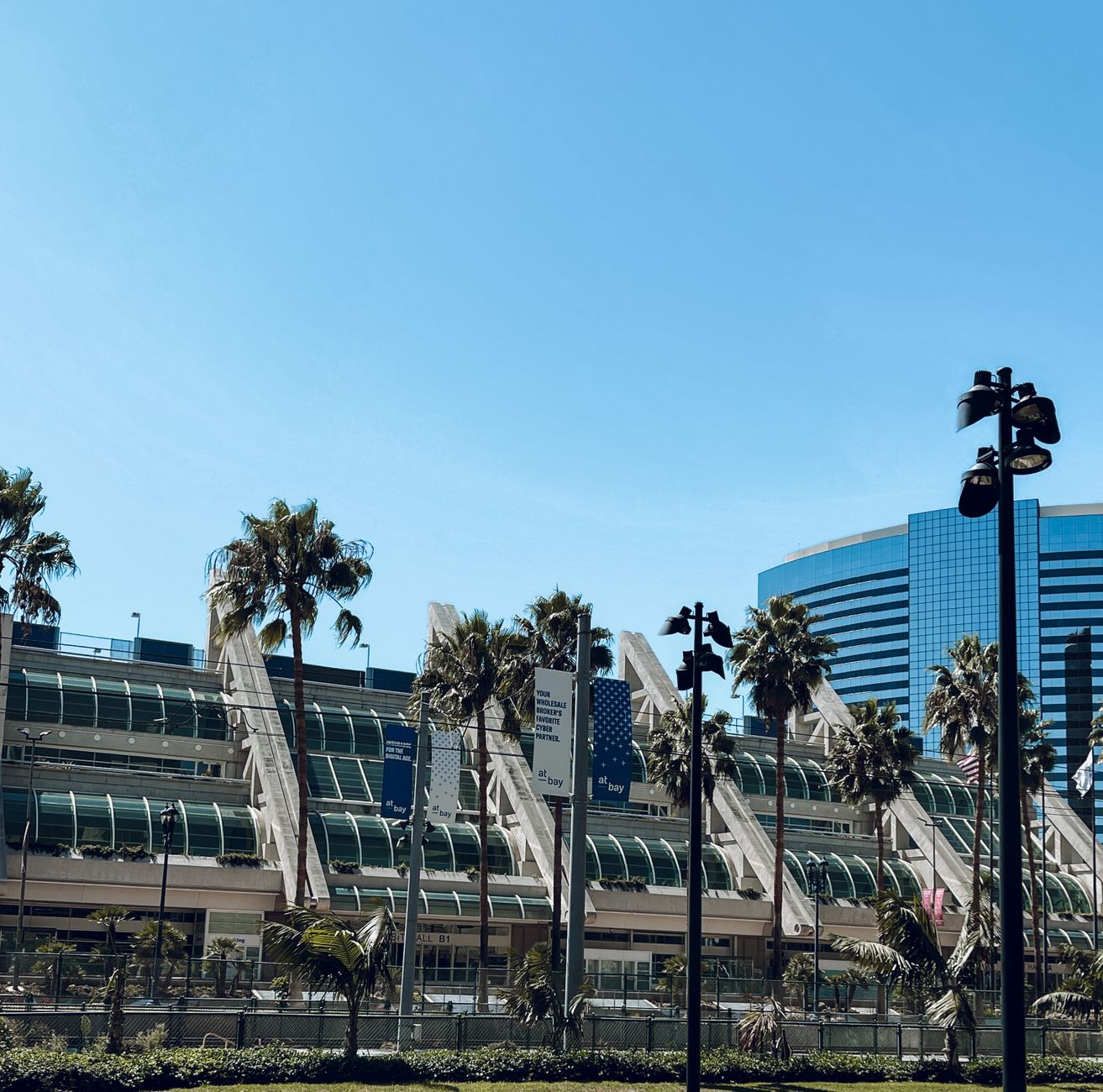
Day 1
Morning: Start at Balboa Park. Walk the Prado area and choose one museum such as the San Diego Museum of Art (allow 60–90 minutes) and make time for the Botanical Building and lily pond. The park is large; from the park entrance to the Plaza de Panama is an easy 5–10 minute walk.
Midday: Walk or take a short bus ride (several MTS routes stop at Park Boulevard) to the nearby San Diego Zoo if that is the priority; otherwise head downtown. Budget 30 minutes for transit to the Embarcadero area from Balboa Park via bus or a 15–20 minute rideshare.
Afternoon: Explore USS Midway Museum on Navy Pier; allow 90–120 minutes for the flight deck and exhibits. From the Midway a 10–15 minute walk follows the waterfront to Seaport Village and the Maritime Museum.
Dinner: Walk to Little Italy (20–25 minutes from the Midway) or take a 10-minute rideshare. Eat at Ironside Fish & Oyster for seafood plates or choose Born and Raised for a higher-end steakhouse experience. Expect walking between 10–25 minutes across these districts.
Evening: Spend late evening in the Gaslamp Quarter for bars and nightlife or a Padres game at Petco Park if in season. Note that on game nights parking and traffic tighten considerably; plan rideshare or transit.

Day 2
Morning: Head to La Jolla for coastline and coves. Driving or rideshare is the fastest from downtown (about 15–25 minutes without heavy traffic); transit will take 40–60 minutes. Start at La Jolla Cove to see the sea lions and walk the short trails at Ellen Browning Scripps Park.
Midday: Walk up to the Children’s Pool and then to Prospect Street for cafés and shops. Lunch at George’s at the Cove (ocean-view rooftop) or grab tacos at Oscar’s Mexican Seafood for a quicker option. Parking in La Jolla is metered and fills early; allow 10–15 minutes to find a space outside peak times.
Afternoon: Visit Torrey Pines State Natural Reserve—drive or take a local shuttle from La Jolla Shores. Allow 1.5–2 hours for a short hike and cliff-top views; downhill walking to the beach is steeper. Alternatively book a guided kayak or sea-cave tour from La Jolla Shores for 2–3 hours.
Evening: Return to town and pick a dinner spot in North Park or head back to Little Italy for Italian small-plates service. The evening character is more residential in North Park, with brewpubs and casual restaurants instead of tourist bars.

Day 3
Morning: Check out Old Town San Diego State Historic Park for a short, walkable look at early Californian and Mexican-era buildings and markets; spend 60–90 minutes. From Old Town the COASTER commuter rail and multiple MTS buses connect to downtown and coastal points but plan time for transfers.
Midday: Take the Coronado Ferry from Broadway Pier to Ferry Landing and walk to the Hotel del Coronado and Coronado Beach. Ferry adds a waterborne perspective and saves parking stress on the island. Allow 2–3 hours for the island visit, including lunch at a waterfront café near the Hotel del Coronado.
Afternoon: If returning to downtown before checkout or an afternoon flight, stop at Liberty Station for galleries, lunch options, and the NTC park; luggage storage or hotel checkout logistics work best from this area because it is close to I-8 and Miramar if driving.
Practical note: For travelers catching an afternoon flight from SAN, aim to leave Coronado by early afternoon to allow for ferry wait times, return transit, and the 90 minutes recommended for airport arrival during peak hours.

Best Local Experiences
Little Italy Mercato (Saturday India Street) for local produce, prepared foods, and artisan stalls. Hillcrest Farmers Market on Sundays for local produce and a lively queer-owned business presence. Little Italy and Hillcrest have different morning crowds and food profiles.
Attend a Padres game at Petco Park for an evening that mixes downtown energy with local food stands and craft-beer options. Take a kayak or guided sea-cave tour in La Jolla to see the caves and the underwater ecological reserve. Visit Modern Times, Ballast Point, or Stone tasting rooms around Miramar and North Park for brewery tours and tasters. Plan a sunset at Sunset Cliffs to watch ocean light and coastal surfers; cliff-edge access is limited, so stick to marked trails and daylight hours.

Where to Stay
Gaslamp Quarter/Downtown: Suited to first-time visitors who want walking access to the Embarcadero, USS Midway, Seaport Village, and nightlife. Expect mid-range hotel rates roughly $180–300 per night (about €165–275). Street noise and late-night crowds are common here.
La Jolla/La Jolla Shores: Suited to those prioritizing coastline access and upscale dining. Expect higher nightly rates, roughly $200–350 (about €185–325), and limited public transit access to downtown. Parking and residential meters matter here.
North Park/University Heights: Suited to food-and-drink travelers and those on a mid-range budget who want craft breweries and cafés. Nightly rates run roughly $120–180 (about €110–165). This area has fewer tourist crowds and more local nightlife.
Coronado: Suited to travelers wanting a resort feel with beach access and a quieter evening; expect $220–400 per night (about €200–370) during peak season. Ferry access from downtown can be convenient but check return schedules.
Food and Drink
Fish tacos: Corn or flour tortilla filled with grilled or fried fish, cabbage, crema, and salsa; best found at Oscar’s Mexican Seafood (La Jolla or downtown) for roughly $4–6 each. California burrito: A larger burrito with carne asada, fries, cheese, and salsa; try Lucha Libre Taco Shop or local taquerías for $9–13.
Carne asada fries: Fries topped with carne asada, cheese, guacamole, and sour cream; popular at Lolitas and local taco shops for $8–12. Breakfast option: Hash House a Go Go or The Cottage in La Jolla for hearty American breakfasts; expect $12–20 per entrée. Street-food pick: fish taco stands and casual taquerías that serve late into the evening; most individual tacos run $3.50–6.
Craft beer: Ballast Point, Modern Times, and Stone have tasting rooms around the county; pints at tasting rooms are typically $6–9. Dinner recommendation: Ironside Fish & Oyster or Herb & Wood in Little Italy for a sit-down dinner with entrees $20–40. Tipping norm is expected on table service at restaurants.
Getting Around
Transit modes include the San Diego Trolley (Blue Line, Green Line, Orange Line), MTS buses, COASTER commuter rail, and Amtrak Pacific Surfliner. PRONTO is the payment system: download the PRONTO app or buy a card at station kiosks to pay fares.
Typical single local ride on MTS/Trolley is about $2.50; a 24-hour pass is approximately $6. COASTER fares are higher and geared to longer commutes into North County. Taxi or rideshare from SAN to downtown commonly costs $25–40 depending on traffic; allow a similar amount for a one-way shared-ride in evenings.
Useful apps include PRONTO for fares and Transit or Google Maps for real-time connections. Remember that while the Trolley connects downtown, Old Town, and Mission Valley well, buses are needed for many beachfront spots and La Jolla.
Best Time to Visit
Summer (June–August) brings warm afternoons of about 70–80°F (21–27°C) but also higher hotel rates and busier beaches; mornings can be cloudy due to 'May gray' and 'June gloom'.
Late summer and early fall (September–October) usually have the warmest water temperatures and fewer crowds; hotel rates often improve after Labor Day. Spring (March–May) is mild, 55–70°F (13–21°C), with manageable crowds. Winter (December–February) is cooler, 50–65°F (10–18°C), with lowest hotel rates but some rainy days.
Avoid big-event weekends like Comic-Con in July or major Padres homestands if booking on a tight budget, as both push up lodging and flight prices.
Budget and Practical Tips
Budget traveler daily estimate: $120–160 USD (€110–150) covering a hostel or budget hotel ($50–80), food ($30–50), local transit ($6–10), and low-cost entries or free walking sights. Mid-range daily: $220–320 USD (€200–295) for a mid-range hotel ($120–180), meals ($50–80), transit and a couple of paid entries.
Entry fees: USS Midway ≈ $26, San Diego Museum of Art ≈ $18–25, Torrey Pines parking $12–15 for a day at the reserve lot. Tipping: Restaurants generally expect 15–20% on full-service meals; $1–2 per drink at bars is common. Taxi tips of 10–15% are typical.
Bring sun protection and a light jacket for evenings; parking meters and permit stalls are enforced, so pay attention to posted signs. If planning multiple paid attractions, compare costs against a city pass only after listing the exact sites to visit.
FAQ
Is San Diego safe for solo travelers?
Many central neighborhoods are generally safe during daytime and early evening, but standard precautions apply; avoid poorly lit areas late at night and keep valuables out of sight on beaches.
Is a rental car necessary for a 3-day visit?
Not necessary if staying downtown and focusing on Balboa Park, USS Midway, Little Italy, and Coronado via ferry; a car is useful for flexible access to La Jolla, Torrey Pines, and Sunset Cliffs.
Is a city pass worth buying?
Only if the pass includes the specific paid attractions planned (USS Midway, San Diego Zoo, and a museum) and the math favors the pass; otherwise buy tickets à la carte.
How do I get from the airport to downtown cheaply?
Use the PRONTO-compatible airport bus connection (Route 992) and then transfer to MTS services, or take a shared rideshare; single rideshare taxis run about $25–40 depending on traffic.
Are the beaches lifeguarded year-round?
Major beaches like La Jolla Shores, Mission Beach, and Coronado have lifeguards year-round, but conditions and flags change daily—pay attention to posted warnings.
Can I see seals and sea lions easily?
Yes—La Jolla Cove and the rocks near Children's Pool have regular seal and sea lion sightings; keep distance and follow signs to protect wildlife.
Is public transit reliable for tourists?
Trolley and COASTER schedules are reliable for core routes, but many beaches require bus transfers or rideshare; always check real-time apps before leaving.
What about finding late-night food after 22:00?
Many taquerías and beach-area spots stay open late, especially in Pacific Beach and parts of downtown, but choices narrow after 22:00.
Conclusion
A 72-hour visit will leave a mix of park lawns, harbor views, coastal cliffs, and neighborhood meals as the main memories. Time is best spent by choosing one inland cultural block (Balboa Park and a museum) plus one coastal area (La Jolla or Pacific Beach) and saving Coronado or Sunset Cliffs for a shorter third-day outing. If time runs short, prioritize Balboa Park in the morning and a single coastal stop for sunset; that combination captures both the city and ocean sides in limited time.
How this guide was prepared
This guide was prepared through a structured research that combines destination research, geographic context, itinerary planning logic, and content review.