

Where to Stay in Toronto — Neighborhoods, Practical Tips, and Sustainable Picks
Find the best neighborhoods to base yourself in Toronto for a 3-day visit. Practical, sustainable, and local-first advice for first-timers, families, business travelers, and low-impact stays.
Practical neighborhood choices and booking tips to make the most of a 3-day Toronto itinerary, with low-impact and local-first suggestions for every traveler.
Quick Answer
Practical neighborhood choices and booking tips to make the most of a 3-day Toronto itinerary, with low-impact and local-first suggestions for every traveler.
Who This Page Is For
This page is for travelers planning a stay in Toronto who want clearer decisions about where to stay, local logistics, timing, budgeting, and practical trip planning.
How This Page Was Prepared
This page was prepared through a structured editorial workflow that combines destination research, geographic context, and practical travel-planning review.
Plan the Rest of Your Trip
Use this page together with the full itinerary and the related planning pages below to make better booking, timing, transport, and budget decisions.
Best all-round neighborhood for a 3-day first visit: Entertainment District / Harbourfront — central to attractions, transit, and ferries to the Islands.
Best for culture and food: Kensington Market / Queen West.
Best for luxury and quiet shopping: Yorkville / Bloor Street.
Best for value and local life: Leslieville / Danforth and Parkdale for budget options.
If you plan day trips to Mississauga, Hamilton, or Niagara Falls, a downtown base with easy GO Train access (Union Station) speeds connections.
Toronto is a compact, transit-rich city with distinct neighborhoods that suit different trip styles. For a 3-day itinerary, staying close to transit lines — especially the Yonge‑University and Bloor‑Danforth subways or a streetcar corridor — will save commuting time and let you prioritize walking, cycling, and local experiences. This guide focuses on practical choices, local-first lodging, and timing tips to reduce your carbon footprint and support small businesses.
What This Page Helps You Decide
This page helps you choose where to stay in Toronto based on:
– Length of stay (ideal picks for a focused 3-day visit).
– Travel style (families, business, couples, budget, long stays).
– Proximity to transit for day trips to Mississauga, Brampton, Hamilton, Niagara Falls, and Kitchener.
– Sustainable and local-first accommodation options (boutiques, guesthouses, B&Bs).
It complements the main 3 days in Toronto itinerary by matching neighborhoods to each day’s plan and suggesting low-impact travel choices.

Top Recommendations
Entertainment District & Harbourfront
– Why: Walking distance to CN Tower, Rogers Centre, Harbourfront, ferries to the Islands, and Union Station for train connections.
– Best for: First-time visitors, short stays, people taking day trips via GO trains.
– Booking tip: Choose hotels near Union Station if you have early trains or arrive by UP Express.
Kensington Market / Queen West
– Why: Independent shops, street art, diverse eateries, short streetcar/subway rides to museums and markets.
– Best for: Food-focused travelers and those wanting authentic neighborhood life.
– Booking tip: Consider guesthouses or small boutique hotels to channel spending into local businesses.
Yorkville & Bloor-Yorkville
– Why: Upscale shopping, museums (ROM nearby), quieter streets for luxury hotels and business travelers.
– Best for: Luxury stays, museum visits, accessible subway lines.
Leslieville, The Beach & Danforth
– Why: More residential, excellent cafes and bakeries, family-friendly parks and slower pace.
– Best for: Longer stays where you want to live like a local and minimize taxi use.
Parkdale & The Junction
– Why: Budget-friendly guesthouses and indie hotels with vibrant dining scenes.
– Best for: Budget travelers who are comfortable using transit and walking.
Sustainable accommodation note:
– Prefer locally owned B&Bs, independent hotels, or certified eco-hotels. Look for properties that use local suppliers, reduce single-use plastics, and participate in community initiatives.

Local Context
Seasonal patterns
– Shoulder seasons: Late April–June and September–October offer milder weather, fewer crowds, and lower rates than peak summer and December holidays.
– High-demand times: TIFF (Toronto International Film Festival) in September, Pride in June, and long weekends. Book well in advance for those dates.
Transport realities
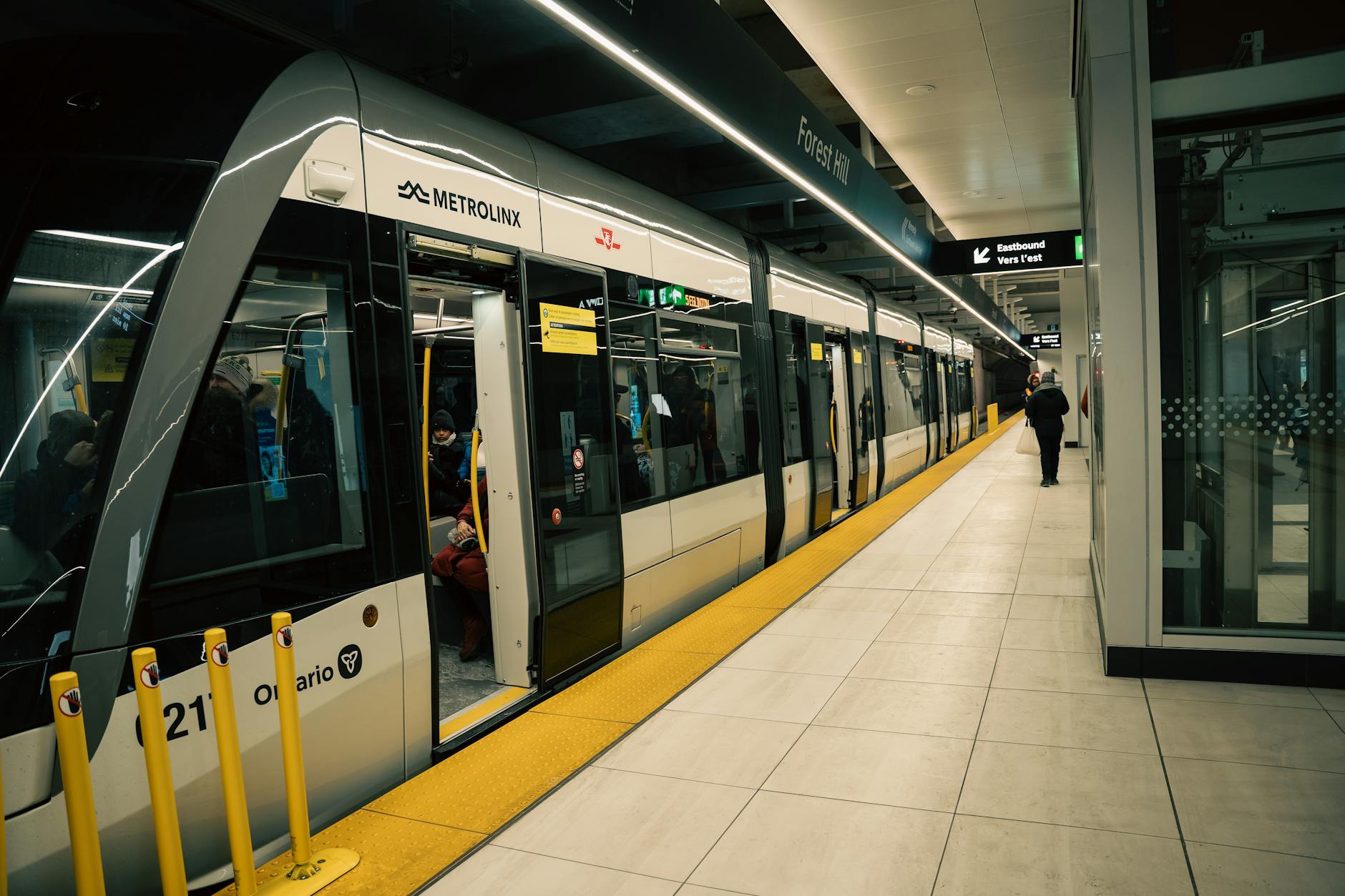
– TTC subway and streetcars are the backbone for getting around; a PRESTO card or contactless payment is easiest.
– UP Express connects Pearson Airport to downtown in 25–30 minutes; taxis or ride shares take 30–60 minutes depending on traffic.
– Union Station is the hub for GO trains to Mississauga, Brampton, Hamilton, Niagara Falls, and Kitchener.
– Allow time for winter weather delays (Nov–Mar) and plan for icy sidewalks in older neighborhoods.
Local etiquette and norms
– Standard tipping is 15–20% in restaurants and bars.
– Toronto is diverse and polite; avoid loud behavior in residential neighborhoods late at night.
– Acknowledge this land: Toronto is on the traditional territory of many Indigenous Peoples, including the Mississaugas of the Credit, and visitors should show respect for local cultures.
How to Choose Well
Match neighborhood to priorities:
– Short stay with attractions: Stay near Harbourfront/Entertainment District or close to Union Station.
– Food and nightlife: Kensington Market, Queen West, or King West.
– Quiet family stay: Leslieville, The Beach, or Danforth.
– Luxury and shopping: Yorkville / Bloor Street.
Booking practicalities:
– Book 4–8 weeks ahead for shoulder season; 2–3 months or more for high season and events like TIFF.
– Check exact transit stations: being one block from a subway or streetcar stop matters more than general neighborhood names.
– For day trips: prioritize Union Station or hotels within a 10–15 minute walk of it.
Accessibility and longer stays:
– For accessible rooms, request specifics in writing (grab bars, roll-in showers) and confirm prior to arrival.
– For stays longer than a week, consider a furnished apartment or neighborhood with grocery stores and laundromats (Leslieville, Danforth, Junction are good options).

Responsible and Local-First Tips
Choose accommodations that circulate money locally: family-run guesthouses, independent hotels, and B&Bs.
Eat at markets and small restaurants: St. Lawrence Market, Kensington vendors, and neighborhood bakeries keep dollars in the community.
Reduce transport impact:
– Walk, cycle (Bike Share Toronto), or use streetcars and subways for most city travel.
– Combine activities by neighborhood to avoid repeat transits across the city.
Minimize single-use waste:
– Carry a reusable bottle and shopping bag; many cafes and stores will support refill and reusable basics.
Buy locally made goods and gifts from artisans rather than imported souvenirs.
Consider off-peak travel to ease pressure on popular attractions and spread benefits to local businesses year-round.

Common Mistakes to Avoid
- Picking the cheapest hotel far outside the city without accounting for transit time and costs.
- Assuming downtown equals walking distance to everything; Toronto is larger than it looks and neighborhoods are spread along transit lines.
- Booking last-minute during TIFF, Pride, or long weekends — prices and availability tighten quickly.
- Ignoring small local stays and chains: independent hosts and small hotels often provide more authentic experiences and channel money into the neighborhood.
- Underestimating winter conditions: check weather and bring warm layers and slip-resistant shoes if traveling Nov–Mar.
FAQ
Where should I stay for a 3-day first visit?
Stay near the Entertainment District/Harbourfront or within an easy walk of Union Station. You’ll be central to major attractions and have fast train access for day trips. See our 3 days in Toronto itinerary for neighborhood-aligned day plans.
Is Toronto walkable from most downtown hotels?
Many downtown neighborhoods are walkable, but plan by cluster: Harbourfront, Entertainment District, and the Financial District are compact. For museums and Kensington, use a short subway or streetcar ride.
How close is downtown to Pearson Airport?
UP Express takes about 25–30 minutes to Union Station. Taxis and ride shares typically take 30–60 minutes depending on traffic; budget more during rush hours.
When should I book for TIFF or Pride?
Book at least 2–3 months in advance for Pride and 3–6 months for TIFF if you want centrally located hotels.
What transit pass should I buy?
For short stays, use PRESTO or contactless payment (credit/debit card tap) on TTC. If you plan GO travel to nearby cities, buy GO fares separately or check day passes that include GO and TTC transfers.
Conclusion
Choose a base that helps you spend time, not time commuting. For a focused 3-day visit, prioritize proximity to transit and the neighborhoods that best match your interests: Harbourfront for first-timers, Kensington/Queen West for food and culture, Yorkville for upscale comfort, and Leslieville for a quieter local stay. Book shoulder-season dates where possible, support local businesses, and use public transit to keep your trip low-impact. For suggested day-by-day neighborhood plans, see our main 3 days in Toronto guide and linked city pages for trips to Mississauga, Hamilton, Niagara Falls, Brampton, and Kitchener.
How this guide was prepared
This guide was prepared through a structured research that combines destination research, geographic context, itinerary planning logic, and content review.