

3 Days in Aix-en-Provence: Practical Weekend Itinerary
Three days in Aix-en-Provence: a realistic itinerary covering Cours Mirabeau, Atelier Cézanne, markets and museums, with transit, costs and daily plans.
A clear, no-nonsense 72-hour plan for Aix-en-Provence: what to prioritize, how to move between sites, local costs, and honest tips on crowds and timing.
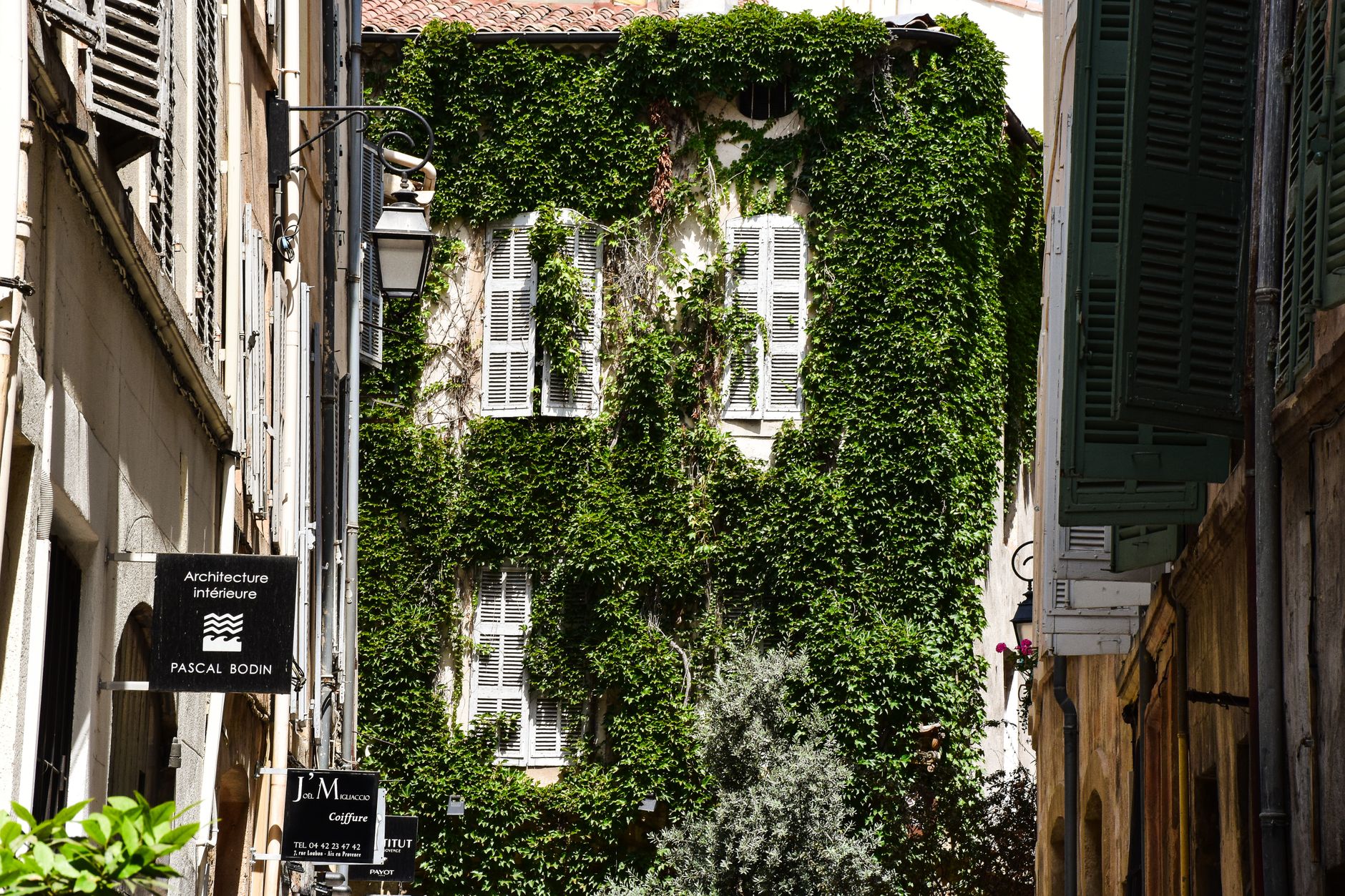
First impressions are leafy avenues, fountains and slow café rhythms rather than a compact, museum-packed capital. The main avenue, Cours Mirabeau, sets the tone: plane trees, long cafés and periodic market stalls that break the quiet early in the morning. Streets behind the main axis open into small squares, narrow pedestrian lanes and museums that require short uphill walks.
Expect crowds around the central fountains between 10:00 and 16:00 in summer and local school groups at mid-morning. This place suits travellers who want a relaxed pace, markets and art rather than late-night scenes. Practicalities matter: most highlights are within a 15–25 minute walk of each other, but the high-speed train station is outside the centre and needs planning.
Is 3 days in Aix-en-Provence enough?
Yes — three days is enough to see the main streets, a handful of museums (Atelier Cézanne, Musée Granet, Fondation Vasarely), and a market or two, with time for a short day trip. The honest caveat: there won't be time to do a full Provençal coast or long countryside drive and see everything in depth.
Who This Guide Is For
Best for walkers who like museums, markets and cafés and who want a relaxed cultural weekend; not ideal for travellers who expect nightlife or extensive hiking. Budget travellers can manage it; those wanting luxury hotels should plan higher nightly rates.
Local Tips for Aix-en-Provence
Practical details that most travel sites skip — specific to Aix-en-Provence.
- Buy packaged calissons at Le Roy René on Cours Mirabeau or Rue de la Couronne — a 200g tin costs about €6–12 and lasts as a practical souvenir.
- Atelier Cézanne is a short uphill walk from Place d'Albertas (about 12–15 minutes on foot); timed-entry slots sell out in high season, so reserve a morning slot online for about €6–8.
- Aix-en-Provence TGV station lies outside the historic centre; the city shuttle (navette) runs between Aix TGV and Gare Routière/Centre and takes about 20–25 minutes — taxi fares from the TGV are typically €25–35.
- Place Richelme market is at its busiest on Saturday mornings with local cheeses, charcuterie and flowers; expect the market to wind down by early afternoon and many stalls to close by 14:00.
- Hôtel de Caumont — Centre d'Art often has temporary exhibitions and a standard ticket around €10–12; the mansion's garden café closes in the late afternoon, so plan visits before 17:00.
How This Guide Was Prepared
Aix-en-Provence rewards people who move at walking pace and pay attention to markets, cafés and small museums rather than trying to see everything. Most guides compress the town into a single afternoon; this guide spreads highlights across neighbourhoods and adds practical notes on transit, market days and timed-entry museums that often catch visitors out. This guide was prepared through a structured research that combines destination research, geographic context, itinerary planning logic, and content review.
Plan Your Stay in Aix-en-Provence
Use this itinerary as your starting point, then compare areas to stay, transport options, seasonal timing, and realistic daily costs before booking.
Why Visit
There is concentrated Provençal culture: morning markets like Place Richelme and weekly specialty stands offer local cheeses, olives and charcuterie within easy walking distance of central cafés. Art history is unusually accessible: Atelier Cézanne preserves the painter's studio and is a short walk from the heart of town, while Musée Granet displays classical and modern collections in a compact format.
Architectural variety is immediate: from classical façades on Cours Mirabeau to the modern geometric shapes at Fondation Vasarely a short ride away. The town acts as a practical base for short excursions — Marseille and Avignon are reachable by regional train for day trips — making it a sensible central point for Provence without the scale or traffic of nearby port cities.

Quick Planning Tips
The easiest arrival is by TER regional train to Gare d'Aix-en-Provence or by TGV to Aix-en-Provence TGV; factor in a 20–30 minute shuttle or taxi from the TGV station. For payment, most cafés and museums accept cards, but small market stalls and some boulangeries prefer cash — keep €20–40 in euros for purchases and small tips.
Avoid booking hotels that advertise 'free parking' without checking distance: central streets are restricted and many hotels use off-site lots. Do not plan to drive into the historic centre during daytime without pre-arranged parking; walking or short taxi rides are more time-efficient.

Day 1
Start on Cours Mirabeau for morning coffee and a first look at the plane-lined avenue and its fountains. Spend 60–90 minutes strolling between Place de la Rotonde and Place des Quatre-Dauphins; cafés open early so a 09:00 start avoids the midday crowd. From there, walk 5–10 minutes to Place Richelme for the food market (especially busy Saturday); allocate 45–75 minutes for sampling cheeses, olives and pastries.
Lunch at Les Deux Garçons or a more modest brasserie on Rue Espariat provides typical Provençal fare with terrace seating; budget €15–€30 per person. After lunch, walk 10 minutes to Cathédrale Saint-Sauveur to see medieval and Roman mosaics, then head 12–15 minutes uphill to Atelier Cézanne — the studio visit usually takes 45–60 minutes and involves uphill walking. Evening recommendation: return toward the centre and dine near Rue Mignet or the Old Town; consider an early evening stroll to Place d'Albertas, which is quieter after 20:00 and good for photographs.

Day 2
Begin at Musée Granet in the Mazarin quarter — plan 1.5–2 hours for core galleries and temporary exhibitions. From there, walk 8–12 minutes to Hôtel de Caumont – Centre d'Art for rotating exhibitions in an 18th-century mansion; the onsite garden café is useful for a mid-afternoon pause. These two museums occupy different tones: Musée Granet is more encyclopedic, while Hôtel de Caumont focuses on themed shows that change every season.
After the museum pair, take a short taxi or local bus (10–15 minutes) to Fondation Vasarely to see large-scale optical works and a distinct modern campus. Finish the afternoon with Parc Jourdan for relaxed green space and the weekly organic market on certain mornings. Dinner suggestion: try a local bistro in the Mazarin quarter or a Provençal table near Place des Prêcheurs; evening options close earlier than in major cities, so plan dinner by 20:00–21:00.
Day 3
Use the morning for anything missed earlier: return to Place Richelme for specialty vendors or revisit Atelier Cézanne if a daytime slot was not secured. Then pack and check hotel checkout times — many places will hold luggage until late afternoon for a small fee. Midday option: a short bus or regional train to Marseille or a 40–50 minute drive to the Luberon villages if a countryside glimpse is desired.
If catching an afternoon flight from Aix-en-Provence TGV, leave the centre with plenty of margin: allow 30–45 minutes to reach the TGV station by taxi or shuttle, plus recommended 45–60 minutes at the station before departure if using the TGV. Evening recommendation for a final meal: choose a restaurant near the train station if travel is the next priority, or a quiet terrace near Cours Mirabeau for a last coffee and calissons souvenir shopping.

Best Local Experiences
Place Richelme morning market — cheese, charcuterie and Provençal vegetables; busiest on Saturdays. Cours Mirabeau cafés — long, people-watchable terraces with classic brasseries such as Les Deux Garçons. Atelier Cézanne visit — the preserved studio and nearby hill walk that inspired many canvases.
Fondation Vasarely for large optical works housed in a distinctive modern complex. Hôtel de Caumont exhibitions and the small garden café for a quieter museum experience. Weekly organic market at Parc Jourdan (check local bulletin for days). Afternoon aperitif with pastis at a terrace bar on Rue Espariat or Place des Precheurs. Small-group walking tour focused on Paul Cézanne or the Provençal culinary scene for targeted learning without museum fatigue.

Where to Stay
Historic Centre / Mazarin quarter — best for first-time visitors who want immediate access to Cours Mirabeau, Musée Granet and cafés. Suits walkers and museum-goers; expect nightly rates €90–€180 (approx. €95–€190 or $100–$200) for mid-range rooms in peak season.
Cours Mirabeau / Rotonde area — more active and slightly pricier with easy transport links; suits travellers who want cafés and a central address. Expect €110–€220 per night (approx. €115–€230 or $120–$250) for comfortable rooms in good locations.
Near Gare d'Aix-en-Provence and César quarter — practical for train travellers and slightly quieter at night; suits those arriving by TER or booking lower-cost rooms. Rates typically €70–€130 per night (approx. €75–€140 or $80–$150).
Food and Drink
Calissons d'Aix — a diamond-shaped almond and candied melon sweet; buy at Le Roy René or pastry shops on Cours Mirabeau for €6–12 per tin. Tapenade — an olive-based spread; find strong versions at market stalls and épiceries for €3–6 per jar. Daube Provençale — slow-cooked beef in red wine, typically €14–€22 at a bistro.
Pistou soup — vegetable soup finished with a basil-garlic emulsion, seasonal at markets and café menus for around €8–€14. Pastis — an aniseed aperitif served in many bars; €3–6 per glass. Breakfast option: a croissant and coffee at a boulangerie on Rue d'Italie or Cours Mirabeau, about €3.50–€6. Street food: socca and pan bagnat are more regional but small sellers offer sandwiches and savory pastries at markets for €4–€8. Dinner recommendation: a mid-range Provençal restaurant near Place des Prêcheurs for local vegetables, grilled fish or daube at €20–€35 per person.
Getting Around
Primary modes are walking, local buses and regional trains (TER Provence-Alpes-Côte d'Azur). Walk most central routes: many sights are within 10–20 minutes on foot. Trains: Gare d'Aix-en-Provence connects to Marseille and Avignon via TER; Aix-en-Provence TGV handles high-speed services but is outside the centre.
Local buses run from the Gare Routière and connect to Fondation Vasarely and suburbs; single tickets on local buses cost around €1.50–€2.50. A day ticket for local buses and shuttles depends on operator but budget €4–€6. Taxi from Marseille Airport to the centre or from Aix TGV costs roughly €25–€60 depending on distance. Useful apps: the SNCF or Trainline apps for regional trains and official municipal bus apps or local timetables found at Gare Routière for buses.
Best Time to Visit
Spring (April–June) offers mild temperatures (12–24°C) and markets in full swing with fewer peak summer crowds; this period balances weather and value. July–August is hot (25–33°C) and busy with tourist peaks and higher prices; book museums and restaurants early and expect crowded terraces.
Autumn (September–October) has warm days (15–25°C) and thinning crowds, with lower accommodation rates after mid-September. Winter months are quiet, cooler (5–12°C) and some smaller businesses may close weekdays; good value but fewer open cultural events.
Budget and Practical Tips
Reasonable daily budget for a mid-range traveller: accommodation €90–€150 per night, food €30–€50, transport €5–€15, entry fees €10–€25. In totals, expect roughly €135–€240 per day (about $145–$260) excluding shopping and major splurges. Cheaper budgets can find pensions or guesthouses for €50–€80 per night.
Museum fees: Atelier Cézanne €6–€8, Musée Granet €8–€12, Hôtel de Caumont €10–12; check for combined or reduced tickets. Tipping is modest: leaving small change at cafés and rounding up for table service is normal; a 5–10% tip is appreciated for exceptional service but not obligatory. Tourist tax applies per night and varies by property class — roughly €1–€3 per person per night; confirm at booking.
FAQ
How safe is Aix-en-Provence for solo travellers?
The centre is generally safe during daytime; standard urban precautions apply at night as petty theft near busy market areas can occur. Stay alert in crowded places.
Is a car necessary for three days?
No — the central area is very walkable and sites are close. A car is useful only for countryside excursions or if staying outside the centre.
Are museum passes worth buying?
There is no single universal city pass that covers all local museums; buy individual tickets for Musée Granet, Hôtel de Caumont and Atelier Cézanne as needed, or check for temporary combined offers online.
Which station to use for high-speed trains?
Use Aix-en-Provence TGV for high-speed services; allow extra time for the shuttle or taxi into the town centre. Regional TER trains serve the central Gare d'Aix-en-Provence station.
What is the best way to get from Marseille Airport?
Train to Gare d'Aix-en-Provence via Marseille central may involve a transfer; many travellers take a direct shuttle or taxi for convenience. Compare costs and travel time before departure.
Can day trips to Avignon or Arles be done from here?
Yes — regional TER trains connect to Avignon and Arles within about 30–60 minutes, making either a feasible half- or full-day trip.
Conclusion
Three days will leave a clear sense of the place: relaxed streets, regular markets, the painterly presence of Cézanne and a few focused museums. The clearest memory for most travellers will be mornings at market stalls and slow café time on Cours Mirabeau. If short on time, prioritise a market morning, Atelier Cézanne and one major museum — that combination gives a balanced view of art, food and urban life.
How this guide was prepared
This guide was prepared through a structured research that combines destination research, geographic context, itinerary planning logic, and content review.