
Arles in 3 Days: Practical Itinerary, Maps and Tips
A practical 3-day guide to Arles: how to see the Roman monuments, Van Gogh sites, Camargue marshes, markets, transport and where to eat efficiently.
A no-nonsense 72-hour plan for Arles that prioritizes Roman sites, Van Gogh locations, Camargue nature and market visits, with realistic times and costs.
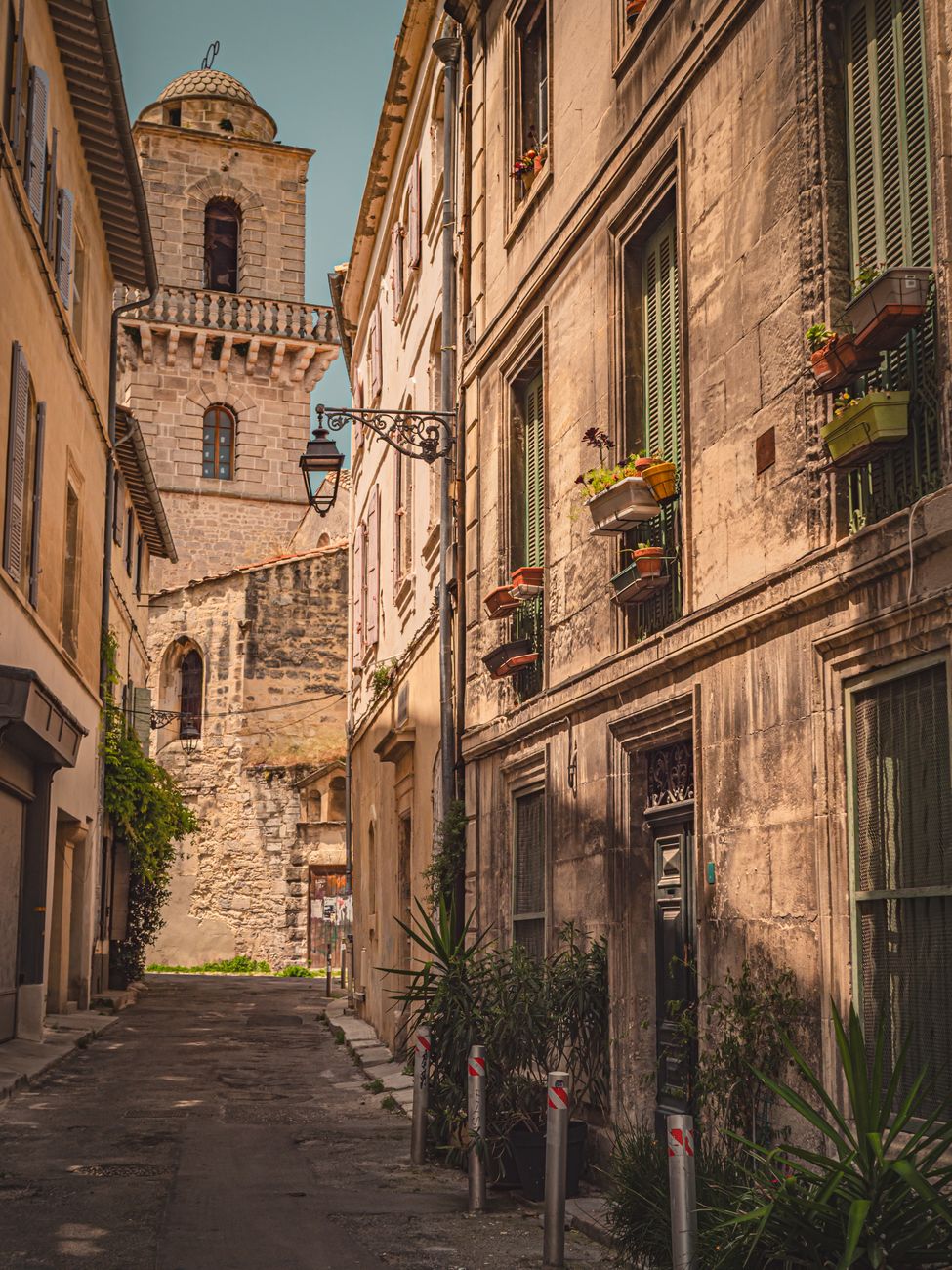
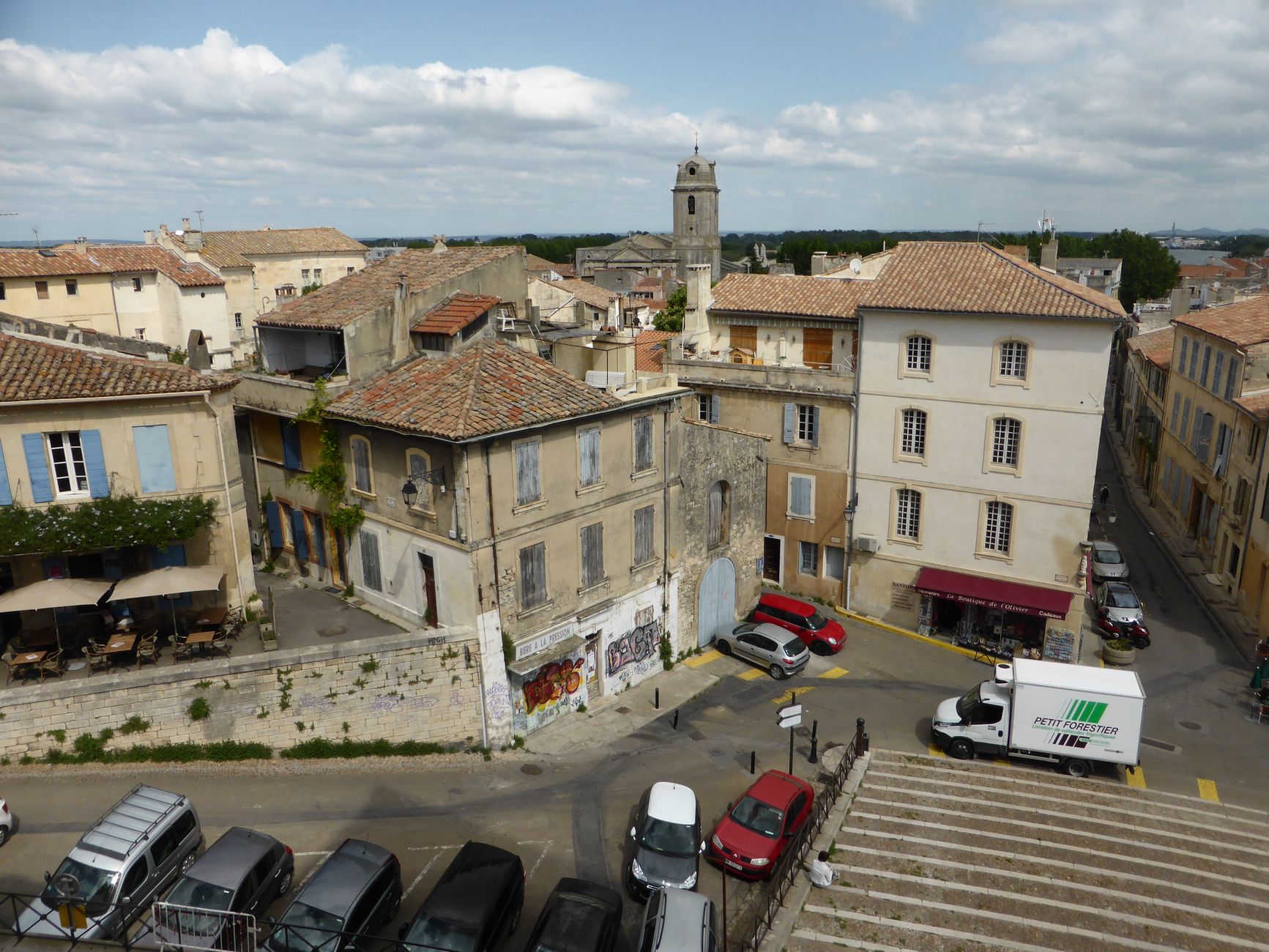
A compact medieval centre sits on a bend of the Rhône with Roman ruins interleaved among working streets and cafés. First impressions are often of stone facades, narrow lanes off Place du Forum and the scale of the amphitheatre dominating the old town. The town is quieter than Avignon or Marseille outside festival weeks, but that quiet can be noisy near the river markets and during school holidays.
Is 3 days in Arles enough?
Yes — three days is enough to see the main Roman monuments, visit the Fondation Van Gogh and Musée Réattu, and take a half-day trip into the Camargue. The caveat is that time for relaxed museum deep-dives and a Feria bullfight season experience will be limited.
Who This Guide Is For
Best for travelers who like compact historic centres, photography and short nature trips; less suitable for those seeking beach resort nightlife or slow, long museum studies.
Local Tips for Arles
Practical details that most travel sites skip — specific to Arles.
- Buy train tickets on the SNCF Connect app for TER Avignon–Arles–Nîmes runs; one-way fares often fall between €5 and €12 depending on advance purchase.
- The Fondation Vincent van Gogh Arles keeps limited timed entries; reserve a slot online (€6–€10) to avoid queues during high season.
- Les Halles d'Arles market on Boulevard des Lices runs mornings Tuesday, Thursday and Saturday; Saturday is the largest and busiest, with chefs buying produce before 09:00.
- The Alyscamps necropolis is free to visit but the adjoining Musée Réattu has a small entrance fee (around €6–€9) and closes earlier—check opening hours before planning late afternoon visits.
- Taxi from Marseille Provence Airport to the centre typically costs €90–€110; cheaper option is a train from Marseille Saint-Charles to Arles (TER) plus a short taxi or walk from Arles station.
How This Guide Was Prepared
This guide treats Arles as a compact, working town where Roman monuments, a strong photography scene and Camargue wetlands form the main draw. Many guides over-romanticize the town as only a museum cluster; this one explains daily rhythms, local logistics and how to combine monuments with real neighbourhood life. This guide was prepared through a structured research that combines destination research, geographic context, itinerary planning logic, and content review.
Plan Your Stay in Arles
Use this itinerary as your starting point, then compare areas to stay, transport options, seasonal timing, and realistic daily costs before booking.
Why Visit
The Roman ensemble is unusually intact for a provincial town: the Arènes, the Théâtre Antique and the Cryptoportiques form walkable clusters that tell Roman urban life better than single monuments. The town’s link to Vincent van Gogh is concrete and traceable on short walks between his house, cafés and the yellow house area—these are the places where his paintings map onto real streets. Proximity to the Camargue wetlands makes half-day or full-day nature outings easy and different in tone from the urban mornings. Les Halles market and the Réattu collection offer local colour and modern art that pairs well with historical visits.

Quick Planning Tips
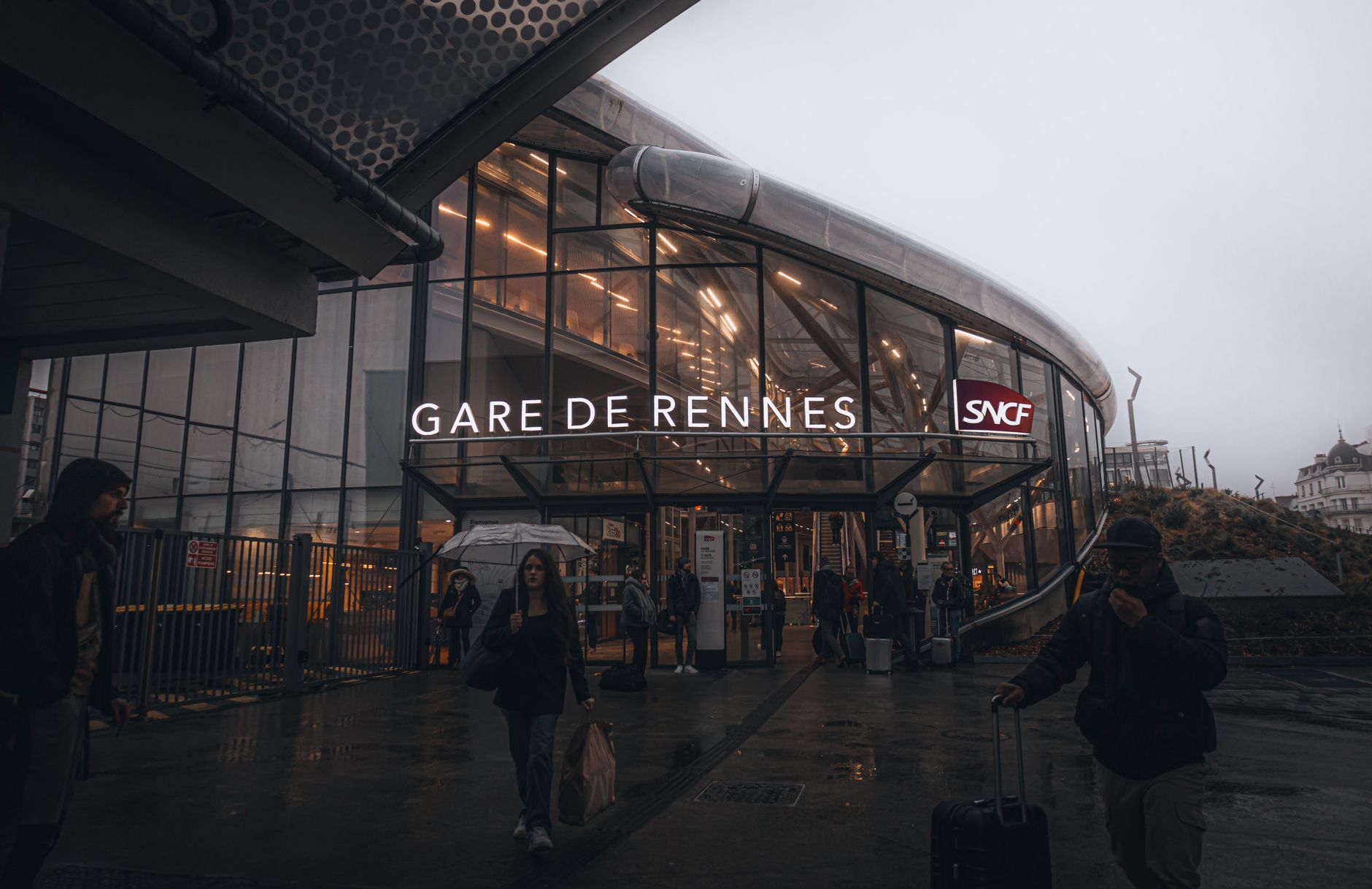
From Marseille Provence Airport, the smoothest route is train (TER) from Marseille Saint-Charles to Arles station; from Avignon TGV use TER direct and expect 15–30 minutes by train. Pay for regional trains via SNCF Connect app or ticket machines at stations; machines accept card and cash but online fares can be cheaper. Avoid booking museums for the same midday slot as the market — Saturdays at Les Halles can make finding a quiet lunch table hard. Pack comfortable walking shoes; cobbles and uneven Roman steps are everywhere.
Day 1
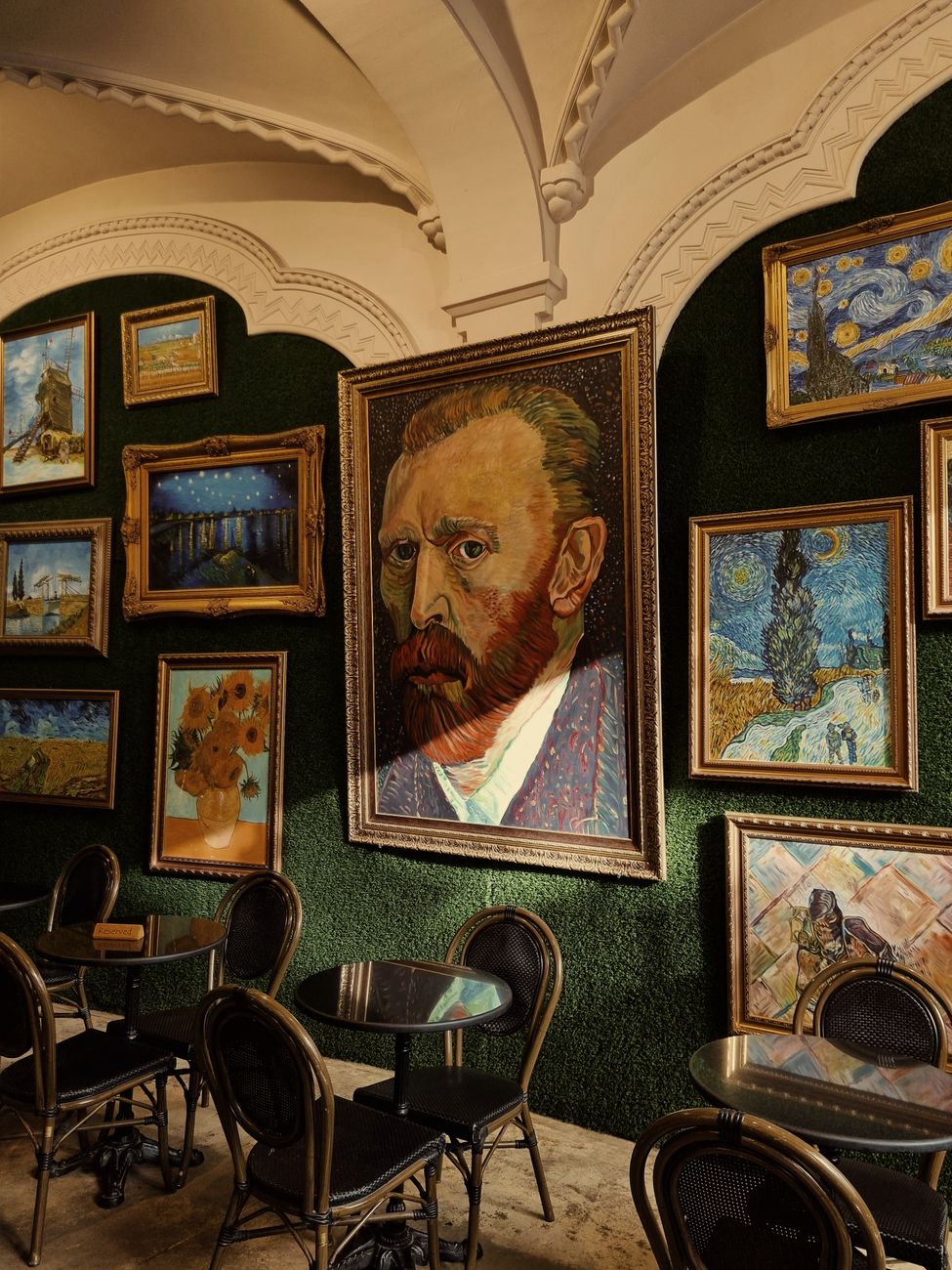
Morning: Start at the Arènes d'Arles (Amphitheatre) to tour the tiers and exhibition rooms; allow 60–90 minutes. From the amphitheatre it is a 5–10 minute walk to the Théâtre Antique and the Cryptoportiques ruins; these cluster tightly so plan sequential visits. Midday: Walk 7 minutes to Les Halles on Boulevard des Lices for lunch at a bistro stall or a sit-down at a café; sample a plate of olives, local cheeses and a Provençal salad. Afternoon: Reserve the Musée Réattu (portrait and contemporary prints) a 6-minute walk from Les Halles; typical visit 45–75 minutes, then stroll to Église Saint-Trophime and its cloister, which is about 5 minutes away on Rue Église. Dinner: Eat at Café Van Gogh on Place du Forum for a straightforward Provençal menu; dinner times fill quickly in summer so book or arrive early. Evening: Finish with a short riverside walk to the Rhône to see reflections on Pont Van Gogh; many cafés stay open late in summer.

Day 2
Morning: Head to the Fondation Vincent van Gogh Arles for timed-entry exhibitions and photography-focused displays; allocate 60–90 minutes and book in advance. From the foundation it is a 10–15 minute walk to the Alyscamps necropolis lane, where Roman sarcophagi line a shaded promenade; plan 30–45 minutes here. Midday: Take bus or bike south toward the Camargue outskirts and stop for a lunch of gardiane de taureau at a restaurant near Saintes-Maries-de-la-Mer if continuing to the coast, or eat at a farm inn in the Salin-de-Giraud area. Afternoon: Spend the afternoon in the Camargue reserve for birdwatching (flamingos) and salt flats—organised half-day tours depart from Place de la République or from nearby guides; travel time from town centre is roughly 40–70 minutes depending on the exact destination. Evening: Return to the town centre and choose a quieter restaurant in the Conservatory quarter; nightlife is low-key except during feria weeks.
Day 3
Morning: Begin with a relaxed visit to Musée Reattu if not completed earlier, or take an early photography walk around Place du Forum and the narrow lanes off Rue de la Liberté. Midday: Cross to the Gare area for a short train trip to Nîmes or Avignon if interested in a half-day outbound visit; trains run frequently and the ride is 20–35 minutes. For those staying local, have lunch at a riverside brasserie near Quai des Minimes. Afternoon: Reserve time for any missed Roman sites such as the Alyscamps southern stretch or revisit the Théâtre Antique for different light; allow 90–120 minutes for a final museum or monument. Practical note for departures: if catching an afternoon flight from Marseille, leave Arles station at least 2.5 hours before flight time to allow TER to Marseille Saint-Charles (approx 1h15) and transfer to airport shuttle or taxi; for trains to Avignon TGV allow 45–60 minutes to reach the station and check connections.
Best Local Experiences
Shop with locals at Les Halles d'Arles market (Boulevard des Lices) — a Tuesday/Thursday/Saturday market where producers and restaurateurs shop early. Walk the Alyscamps necropolis and compare the lane to Van Gogh’s letters and paintings. Attend a Feria or bull-running event if timed with festival dates; check the Arles feria calendar as events fill hotels fast. Book a guided Camargue birdwatching tour or a salt-flat photographic run at dawn near Salin-de-Giraud. Visit the Fondation Vincent van Gogh Arles for rotating exhibitions and the Van Gogh walk that traces locations still visible in his paintings. Other options include an evening concert at the Cloître Saint-Trophime during summer programming and a boat trip on the Petit Rhône for a short wetland perspective.

Where to Stay
Historic centre (old town near Place du Forum): Suits travellers who want immediate access to the amphitheatre, museums and cafés. Expect small hotels or guesthouses from €90–€200/night (≈$100–$220). Gare and République area: Suits those arriving by train or wanting slightly quieter streets with more parking; mixed hotels and apartments range €70–€140/night (≈$80–$155). Trinquetaille and the riverbank south of the Rhône: Suits visitors looking for lower prices and calmer evenings; short bridge walk to the old town and nightly rates often €60–€110 (≈$66–$121). Booking early for feria weeks is essential; prices can double during those dates and availability tightens quickly.
Food and Drink
Breakfast option: Pain au chocolat or a croissant with coffee at a boulangerie such as Fournil des Arènes; expect €3–€6 (€3.30–€6.60). Street food: Socca and fougasse appear at markets and stalls; small portions cost €3–€7. Signature dish: Gardiane de taureau is a Camargue beef stew—look for it at Chez Felix or local country auberges; main courses run €14–€22. Seafood: Try a platter of local salt-finished fish or cuttlefish at riverside cafés near Quai de la Roquette for €12–€25. Cheese and rice: Riz Camarguais dishes use local rice—seek them at bistrot menus in the old town for €10–€16. Dessert and drink: Local rosé (Côtes de Camargue) by the glass costs €4–€8; finish with a tarte tropézienne at patisseries for €3.50–€5.50.
Getting Around
The historic centre is highly walkable; most monuments lie within 15 minutes on foot. Regional trains (SNCF TER) connect Avignon, Nîmes, Montpellier and Marseille; use SNCF Connect app or the station machines. Regional buses operate under the ZOU! PACA network for longer connections and some Camargue routes; check the ZOU website and timetables for seasonal changes. Single local bus tickets within the town area typically cost around €1.50–€2, and a regional day pass depends on zones; SNCF TER fares between nearby cities are usually €5–€15 one-way. Taxis and VTC services operate from the station and central ranks; expect €90–€110 to/from Marseille Provence Airport by taxi. For navigation, use SNCF Connect and Google Maps for real-time schedules.
Best Time to Visit
Spring (April–June) brings warm days 16–25°C and lower crowds than July; market mornings are pleasant and wildflowers in nearby Camargue peak. Summer (July–August) is hot and busy; daytime highs reach 28–34°C and festivals attract large crowds and higher prices. Autumn (September–October) yields mild weather 18–25°C, fewer tourists and good light for photography; September still has festival activity but with smaller crowds. Winter (November–March) is quiet, temperatures around 5–12°C and some smaller museums reduce hours; this is best for lower prices but limited restaurant/service options.
Budget and Practical Tips
Daily budget estimate per person in low/medium range: Accommodation €70–€120 ($77–$132), food €30–€50 ($33–$55), local transport €3–€10 ($3.30–$11), entry fees €10–€25 ($11–$28). A three-day mid-range total roughly €300–€500 ($330–$550) excluding travel to the region. Museum entries: Amphitheatre €10–€14, Fondation Van Gogh €6–€10, Musée Réattu €6–€9 depending on exhibitions and concessions. Tipping: service charge is frequently included on restaurant bills; leaving small change or 5–10% for exceptional table service is appreciated but not mandatory. Practical tip: carry a contactless card and some euros in cash for small market purchases; many smaller vendors still prefer cash for under-€10 transactions.
FAQ
Is Arles safe for solo travelers?
Yes, daytime areas in the historic centre are generally safe; normal precautions apply at night, especially in isolated areas outside the old town.
How do I get from Marseille Airport to town centre?
Take TER from Marseille Saint-Charles to Arles station (book via SNCF Connect) or taxi for €90–€110; allow 1.5–2.5 hours total depending on connections.
Is there a city pass worth buying?
There is no single official pass that covers every site; check combined tickets at the tourist office for temporary bundles and book timed tickets for Fondation Van Gogh separately.
Can Arles be visited on foot?
Yes, the main sights are within a 20-minute walk of each other; walking is the most efficient way to see the old town.
Are bullfights regular and how to attend?
Bullfighting and feria events occur seasonally, notably in spring and late summer; buy arena tickets early through the Arles arena box office or official festival sites.
Are museums closed on specific weekdays?
Some museums close on Mondays or Tuesdays depending on the season; always check opening hours online before arrival.
Is the Camargue accessible without a car?
Yes—organized half-day tours, regional ZOU! buses and occasional shuttle services connect the town to key Camargue spots, but schedules vary seasonally.
Do most places accept credit cards?
Most restaurants and shops accept cards, but small market producers and cafés may prefer cash for small purchases; carry some euros.
Conclusion
A three-day stay delivers the essentials: the Roman monuments, the Van Gogh trails and an outing into the Camargue. Expect a mix of high-quality museum visits and simple local life around Les Halles and the river. If short on time, prioritise the Arènes in the morning and a timed visit to the Fondation Vincent van Gogh Arles; these two provide the clearest sense of what the place is known for and why most visitors remember it.
How this guide was prepared
This guide was prepared through a structured research that combines destination research, geographic context, itinerary planning logic, and content review.