

Avignon in 3 Days: Practical Itinerary and Local Advice
A frank 3-day Avignon guide with timed routes, realistic costs, transport options and festival notes to plan an efficient short visit.
A no-nonsense, practical three-day itinerary for Avignon that prioritises realistic timings, central sights, local markets and where to save time during the July festival.
First impression: a compact medieval centre ringed by stone ramparts, a loud summer theatre calendar and a slow river rhythm along the Rhône. The historic core (Intra-Muros) is easy to walk in a day, but two things change the feel: the Palais des Papes crowds and the split transport pattern caused by a separate high-speed station north of the centre.
Expect tight streets, terraces near Place de l'Horloge, and market noise in the morning. Many visitors treat the town as a day stop on a Provence circuit; spending three days allows time to see core monuments, absorb the market scene at Les Halles and bike or stroll across Île de la Barthelasse without constant rushing.
Common misconceptions: that everything closes on Mondays (not true for cafés and many shops) and that the TGV station is walking distance to the historic centre. Practical visitors value a balanced pace—two mornings for major sights and one afternoon for neighbourhood wandering or a short rail day trip.
Is 3 days in Avignon enough?
Yes—three days is enough to see the core: Palais des Papes, Pont Saint-Bénézet, Les Halles, Île de la Barthelasse and two strong museums. Caveat: skip long, slow museum visits or evening theatre events during the July Festival if short on time.
Who This Guide Is For
Best for travellers who prefer concentrated cultural sightseeing, local food markets and easy day trips by train; less good for travellers seeking a beach holiday, a slow rural Provençal pace, or low-budget backpacking without advance bookings.
Local Tips for Avignon
Practical details that most travel sites skip — specific to Avignon.
- Buy Palais des Papes tickets online (current range €12–€15) to skip the long July queues and print or keep the e-ticket on your phone.
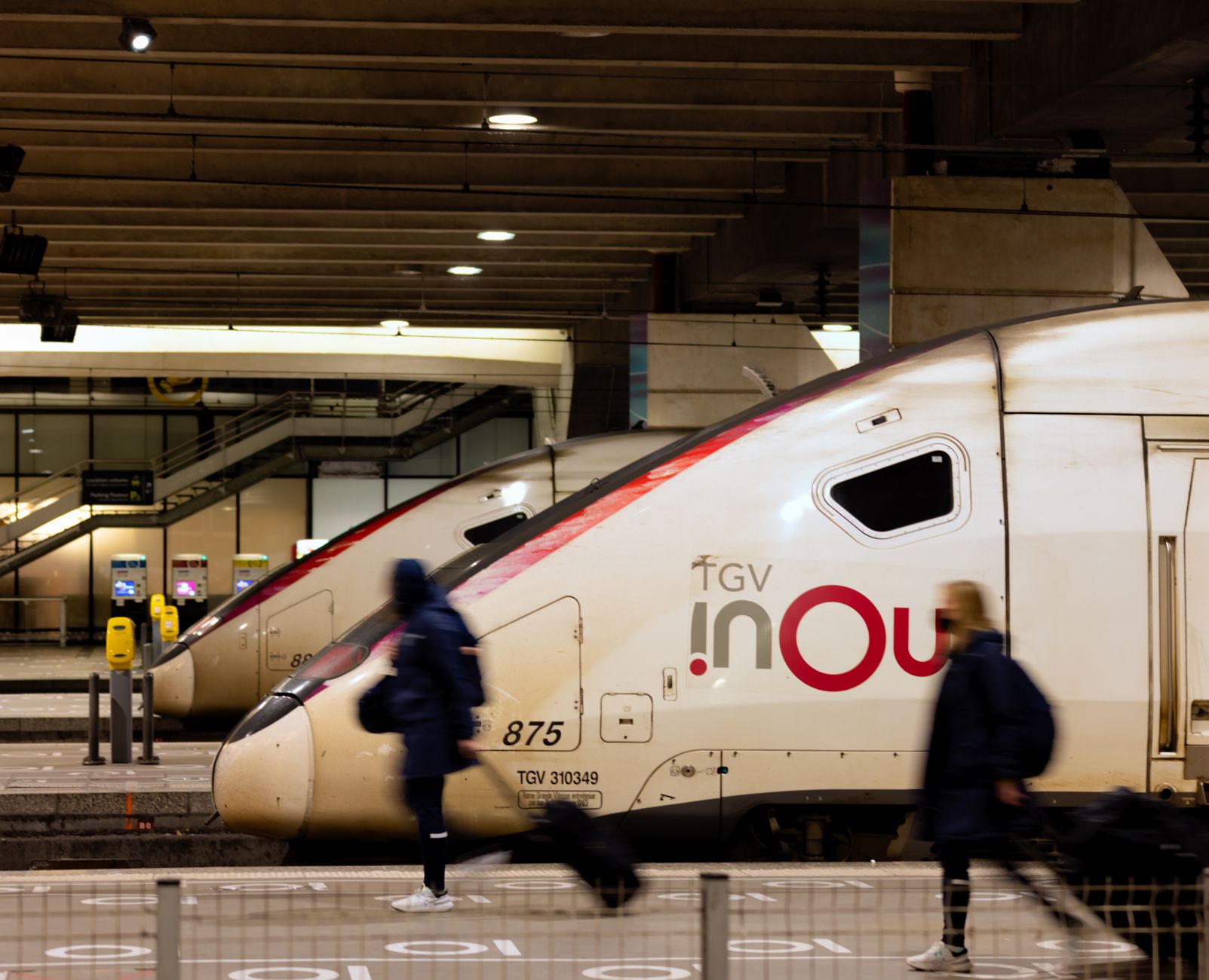
- Avignon has two stations: Avignon-Centre (city station) and Avignon TGV (on the high-speed line about 5 km north); the shuttle bus runs irregularly—expect a taxi for €20–€30 if arriving late.
- Les Halles d'Avignon is busiest early morning (market stalls and pastries) and many stalls close by 13:00; aim for 08:00–10:30 for full selection.
- Walk Rue des Teinturiers and across Île de la Barthelasse by rented bike from a shop near Place de l'Horloge for a 30–40 minute round trip with stops.
- Collection Lambert offers contemporary exhibitions with variable admission (typically €7–€10); check opening days before visiting as schedules change around Festival d'Avignon.
How This Guide Was Prepared
This guide treats Avignon as a compact provincial capital with a heavy theatrical calendar and split transport pattern (city centre vs TGV zone). Most guides overpack the schedule and understate the July crowds and museum queues; this one gives doable walking blocks and transit warnings so a 72-hour visit feels satisfying, not rushed. This guide was prepared through a structured research that combines destination research, geographic context, itinerary planning logic, and content review.
Plan Your Stay in Avignon
Use this itinerary as your starting point, then compare areas to stay, transport options, seasonal timing, and realistic daily costs before booking.
Why Visit
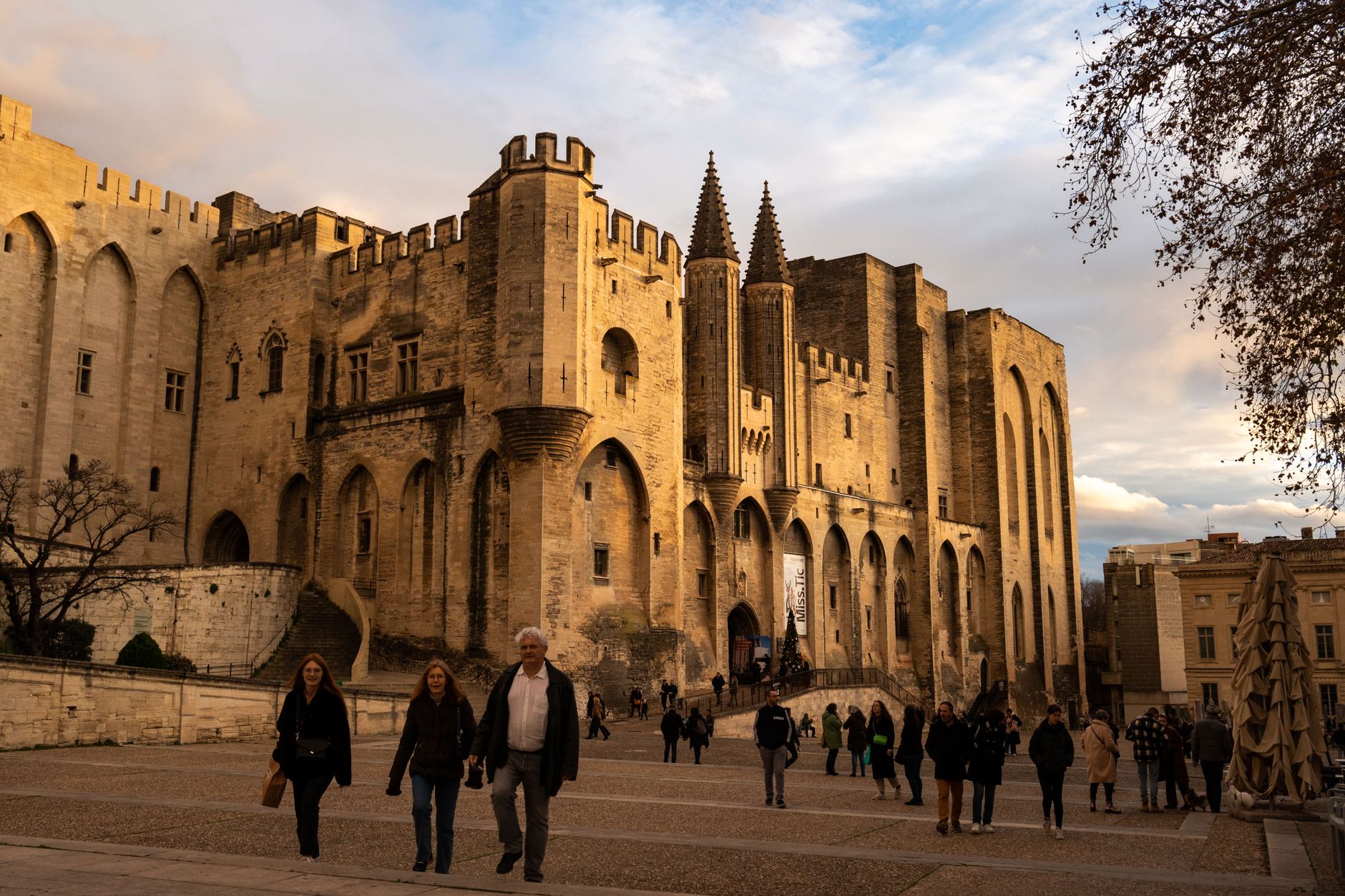
Palais des Papes is an exceptional medieval administrative complex with rooms and papal frescoes not commonly found outside Rome, and it defines the town's historical weight. The river and Pont Saint-Bénézet are compact, walkable monuments that pair well with a riverside stroll or an hour on Île de la Barthelasse.
Les Halles offers produce, seafood and bakery stalls that show local food culture more honestly than tourist restaurants; Saturday mornings are particularly lively. Contemporary art at Collection Lambert and civic holdings at Petit Palais give a pleasing contrast to medieval stonework and keep museum time varied. Finally, the town functions as a practical rail hub: Avignon TGV offers rapid links to Arles, Nîmes and Marseille for easy day trips.

Quick Planning Tips
Best airport connection: Marseille Provence Airport (MRS) with shuttle trains to Avignon TGV or a direct coach; from Avignon TGV use a taxi (approx €20–€30) or check local bus schedules for the shuttle. If arriving by train, use Avignon-Centre for direct access to Intra-Muros.
Payment and money: euros only; most places accept cards but small market stalls and some cafés prefer cash—carry €20–40 in small notes. Book Palais des Papes tickets online and reserve any Festival d'Avignon shows well in advance; many performances sell out.
A planning mistake to avoid: scheduling long theatre evenings during the main July festival alongside heavy daytime sightseeing—museum queues and late-night performances make a packed itinerary feel exhausting rather than rewarding.
Day 1
Start at Palais des Papes (allow 2–2.5 hours; tickets €12–€15 if bought online). From there, walk 3–5 minutes to Petit Palais (medieval painting and sculpture; about 45–60 minutes). The two sites form a compact morning block inside the ramparts.
Lunch at Les Halles d'Avignon—plan 45–75 minutes for market stalls, oysters or a sit-down bistrot. After lunch, stroll 10 minutes to Pont Saint-Bénézet and the small museum on the bridge (allow 45–60 minutes). The bridge site offers short historical panels and good Rhône views.
Late afternoon, climb Rocher des Doms (five minutes from the bridge) for a 30–45 minute circuit through gardens and viewpoints over the Rhône and Île de la Barthelasse. Dinner near Place de l'Horloge where multiple bistros run late service; expect €18–35 per main course. Evening recommendation: a quiet terrace drink on Place de l'Horloge or, in July, an early Festival d'Avignon outdoor performance (book ahead).
Day 2
Start with Les Halles d'Avignon early (08:00–10:30) to sample pastries and local produce, then walk 10 minutes to Rue des Teinturiers to see the old waterwheels and linen-dyeing channel—good for photos and slower streets. From there, rent a bike near Place de l'Horloge or walk across to Île de la Barthelasse (20–30 minutes on foot, 10–15 by bike).
Spend late morning cycling or walking island paths, stopping for views back to the ramparts and a picnic if weather allows. Return to the city centre by early afternoon and head to Collection Lambert (modern art; 15 minutes on foot from Place de l'Horloge) for a contrasting gallery visit that usually takes 60–90 minutes.
Evening: explore small streets around Rue Carreterie for dinner—look for restaurants serving daube provençale and Côtes du Rhône by the glass. If travelling during the Festival, book a performance well in advance; otherwise check local listings for concerts or small theatre pieces.

Day 3
Morning options: Musée Calvet for local art and archaeology (allow 60–90 minutes) or a relaxed second pass through Les Halles for items to take home. If checking out and catching an afternoon train or flight, leave larger bags at the hotel and bring a small daypack for walking.
Midday: a short regional train to Arles or Nîmes works well (20–30 minutes) for an afternoon visit; trains depart regularly from Avignon-Centre. For those staying local, use the last half-day to walk the city walls, pop into smaller galleries on Rue Joseph Vernet and have a leisurely lunch near Place Pie.
Practical note: if departing from Avignon TGV, allow 40–60 minutes travel time for transit and security; take a taxi for reliability. Final evening suggestion: a slow riverside walk on the north bank or another short look at the illuminated ramparts for a last photo.

Best Local Experiences
Festival d'Avignon (July) — international theatre festival using multiple venues in and around Intra-Muros; book months ahead. Les Halles d'Avignon — the market near Place Pie is a working food market with oysters, charcuterie and Provencal produce, busiest mornings and Saturdays.
Rue des Teinturiers — a short historic street with waterwheels and a quieter local atmosphere. Île de la Barthelasse cycling — rent a bike for flat riverside lanes and picnic spots with views of the ramparts. Collection Lambert — contemporary art in converted private homes that rewards at least an hour for the rotating exhibitions. Rocher des Doms sunset — a five-minute climb from the bridge with panoramic views and often local photographers at evening light.

Where to Stay
Intra-Muros (historic centre): best for first-time visitors who want immediate access to Palais des Papes, Place de l'Horloge and most museums. Expect mid-range hotels and guesthouses around €120–€220 per night (≈USD 130–240), higher during Festival weeks.
Rue des Teinturiers / Quartier Villeneuve: suited to travellers who prefer quieter streets with character and easy access to cafés and the canal; more apartments and small B&Bs are typical. Expect €90–€150 per night (≈USD 100–170).
Near Avignon TGV / Montfavet: practical for late arrivals or early departures and for lower nightly rates; expect chain hotels and larger rooms but a 10–20 minute taxi ride to Intra-Muros. Typical rates €70–€120 per night (≈USD 75–130).
Food and Drink
Daube provençale — a slow-cooked beef stew with red wine and olives; found at traditional bistros near Place de l'Horloge; main course about €16–€24. Ratatouille — stewed summer vegetables; good as a starter or side at markets and family restaurants for €6–€12.
Papaline d'Avignon — a local chocolate-praline sweet sold in speciality shops around the centre; buy a small box for €6–€12. Côtes du Rhône — local red wines by the glass in many bistros; expect €4–€8 per glass. Breakfast option: a croissant and café at one of the bakeries inside Les Halles or on Place de l'Horloge, roughly €3–€6.
Street/quick food: crêpes and toasted sandwiches near Place Pie and around theatre venues—price €4–€8. For a nicer dinner, choose a restaurant with Provençal produce and seasonal menus; mains typically €18–€35.
Getting Around
No metro or tram network: local public transport is run by TCRA buses linking Intra-Muros, Avignon-Centre and suburbs. Major stops include Place de l'Horloge, Gare d'Avignon-Centre and routes serving Avignon TGV; use the TCRA app or SNCF Connect for timetables.
Ticketing: single bus tickets are approximately €1.50; day passes are roughly €4.50—buy on board or via the TCRA app where available. Taxis from Avignon TGV to the centre run about €20–€30; rides within the centre are short and often €6–€12.
Walking is the most efficient way to see Intra-Muros; bike rental shops near Place de l'Horloge serve Île de la Barthelasse and riverside paths. Use SNCF Connect for regional trains to Arles, Nîmes or Aix-en-Provence.
Best Time to Visit
Spring (April–June): warm days (15–25°C) and lower hotel rates than July; markets are in full swing and outdoor dining starts. Early autumn (September–October): similar temperatures and fewer crowds, a good time for cheaper mid-week rates.
July: festival month with intense crowds, sold-out accommodation and daytime queues; temperatures often 28–35°C and heavy demand drives prices up. August can be hot and quieter during the first two weeks when some locals leave for holidays, but expect higher prices than spring or autumn.
November–March: cooler months (2–12°C), quieter streets and lower rates; many smaller attractions have reduced hours, so check opening days before planning museum visits.
Budget and Practical Tips
Typical daily budget (mid-range traveller): accommodation €90–€150 (≈USD 100–165), food €30–€60 (≈USD 33–66), local transport €3–€10 (≈USD 3.5–11), entry fees €12–€25 (≈USD 13–27). Higher costs apply in July during the festival.
Tipping norms: service is usually included on restaurant bills (service compris), but leaving small change or rounding up for good table service is appreciated. Market shopping and cafés rarely expect tips.
Practical tips: carry small cash for market stalls, confirm museum opening days (some close one weekday), and book Palais des Papes tickets and any festival performances in advance to avoid disappointment.
FAQ
Is Avignon safe for solo travellers?
Yes—central areas and main tourist sites are generally safe by day; as in any tourist centre, keep an eye on belongings in crowded places and avoid poorly lit back streets at night.
Which train station should be used—Avignon-Centre or Avignon TGV?
Use Avignon-Centre for direct access to Intra-Muros; use Avignon TGV for high-speed arrivals from Paris or Marseille but allow extra time and money to reach the centre.
Is a city card worth buying?
There is no single universally necessary pass for a short stay; Palais des Papes online tickets and individual museum admissions work fine—seasonal passes exist but are mainly useful for longer stays or festival packages.
Can Avignon be a base for Arles, Nîmes or Aix day trips?
Yes—regional trains from Avignon-Centre reach Arles and Nîmes in roughly 20–30 minutes; Aix and Marseille are easily reachable by rail but allow more time.
Are museums open every day?
Several museums close one weekday (often Monday or Tuesday) and have shorter winter hours—always check specific opening times before planning.
What is the best way to get from the airport?
From Marseille Provence Airport use the shuttle-train route to Avignon TGV or buses; from smaller regional airports expect a transfer to a mainline connection or a taxi for reliability.
Any safety concerns with the Rhône or bridge sites?
The Rhône currents are strong—swimming is not advised near the bridge; stick to marked paths on Île de la Barthelasse and supervised riverbanks.
Conclusion
Three days provides a balanced impression: the heaviness of papal architecture, a market-driven food culture and the seasonal theatrical energy in July. Most travellers will remember the vast stone profile of Palais des Papes, an early-morning visit to Les Halles and a slow riverside walk across Île de la Barthelasse.
If time runs short, prioritise Palais des Papes and Les Halles in the morning, then a late afternoon on Rocher des Doms for the views. That combination captures the town's strongest contrasts between civic monumentality and everyday Provençal life.
How this guide was prepared
This guide was prepared through a structured research that combines destination research, geographic context, itinerary planning logic, and content review.