

Aracaju in 3 Days: Practical Itinerary and Local Tips
A practical, no-nonsense 3-day guide to Aracaju covering beaches, markets, museums, transport, realistic budgets, and what to skip to save time.
A compact, realistic 72-hour plan for Aracaju: beach time at Atalaia, the Museu da Gente Sergipana, Mercado Antônio Franco, a river crossing to Barra dos Coqueiros.
First impressions are of a compact provincial capital: a broad beachfront promenade, low-rise hotels, and more local rhythms than tourist infrastructure. The vibe is slower than Salvador or Recife; mornings start with fishermen and market sellers, afternoons settle into the Orla kiosks, and evenings often mean live music at inland bars rather than clubbing along the beach. Noise can be local—traffic and occasional motorbike deliveries—so expect a living city rather than a resort bubble.
Many guides reduce this place to its coastline; that misses the municipal museums, the working fish market, and the short river crossings that reveal neighbourhood life. This city suits travelers who want beaches with easy urban amenities, early-morning markets, and short, accessible cultural stops rather than packed itineraries or long national-park hikes. Basic Portuguese or a translation app noticeably improves the experience in markets and local kiosks.
Is 3 days in Aracaju enough?
Yes—three days lets a traveler cover the main beach promenade (Orla de Atalaia), the Museu da Gente Sergipana, Mercado Municipal Antônio Franco, and a short trip to Barra dos Coqueiros, with time for relaxed meals. Expect to skip deeper inland sites and longer day trips east or south if sticking to a relaxed pace.
Who This Guide Is For
Best for travelers who like a mix of beach promenades, food markets and short cultural stops and who travel light; less suitable for those wanting extensive hiking, nightlife every night, or a single-money-saver backpacking approach.
Local Tips for Aracaju
Practical details that most travel sites skip — specific to Aracaju.
- Orla de Atalaia kiosks commonly serve caipirinhas for around R$8–15 in 2024; negotiating a table fee is not typical but prices vary by kiosk.
- Museu da Gente Sergipana (near Praça Olímpio Campos) runs interactive exhibits and often has free entry or very low-cost tickets—check opening hours before arrival.
- Mercado Municipal Antônio Franco is busiest 06:00–11:00 for fresh fish and caranguejo stalls; many vendors close in the mid-afternoon.
- Aracaju–Santa Maria Airport (AJU) to Orla de Atalaia takes roughly 20–30 minutes by car; expect an Uber or taxi to cost about R$30–60 depending on time and demand.
- Ferries and small boats operate on the Sergipe River to Barra dos Coqueiros and nearby islands on weekends; boat trips typically cost under R$20 per person round-trip for short crossings.
How This Guide Was Prepared
Aracaju is often squeezed between Salvador and Maceió on travel itineraries; that leads many guides to treat it as a quick beach stop rather than a place with its own rhythm. This guide focuses on how locals actually spend a long weekend—morning markets, an evening at the Orla de Atalaia, a short river trip to Barra dos Coqueiros—and realistic transit and budget tips most lists skip. This guide was prepared through a structured research that combines destination research, geographic context, itinerary planning logic, and content review.
Plan Your Stay in Aracaju
Use this itinerary as your starting point, then compare areas to stay, transport options, seasonal timing, and realistic daily costs before booking.
Why Visit
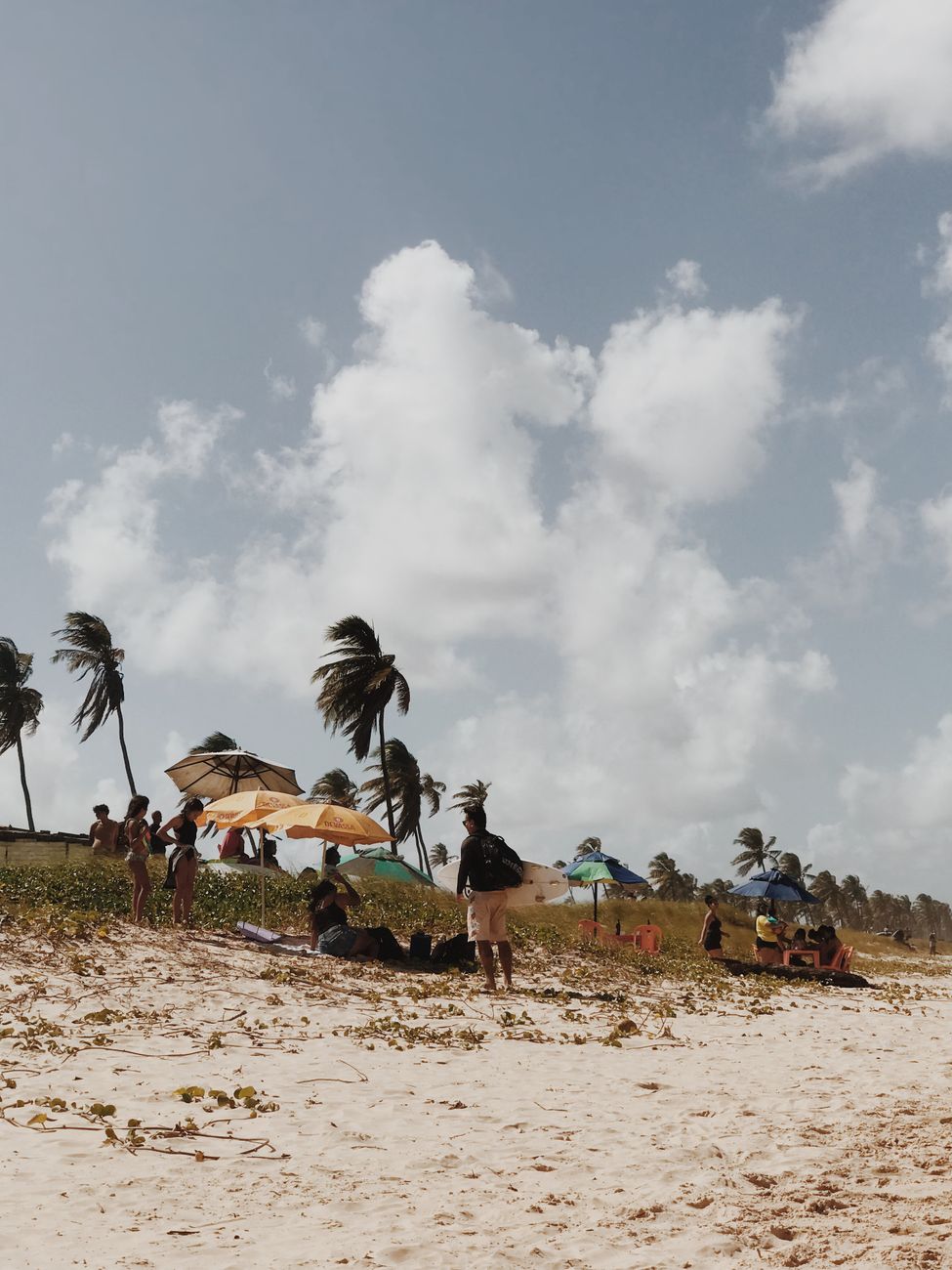
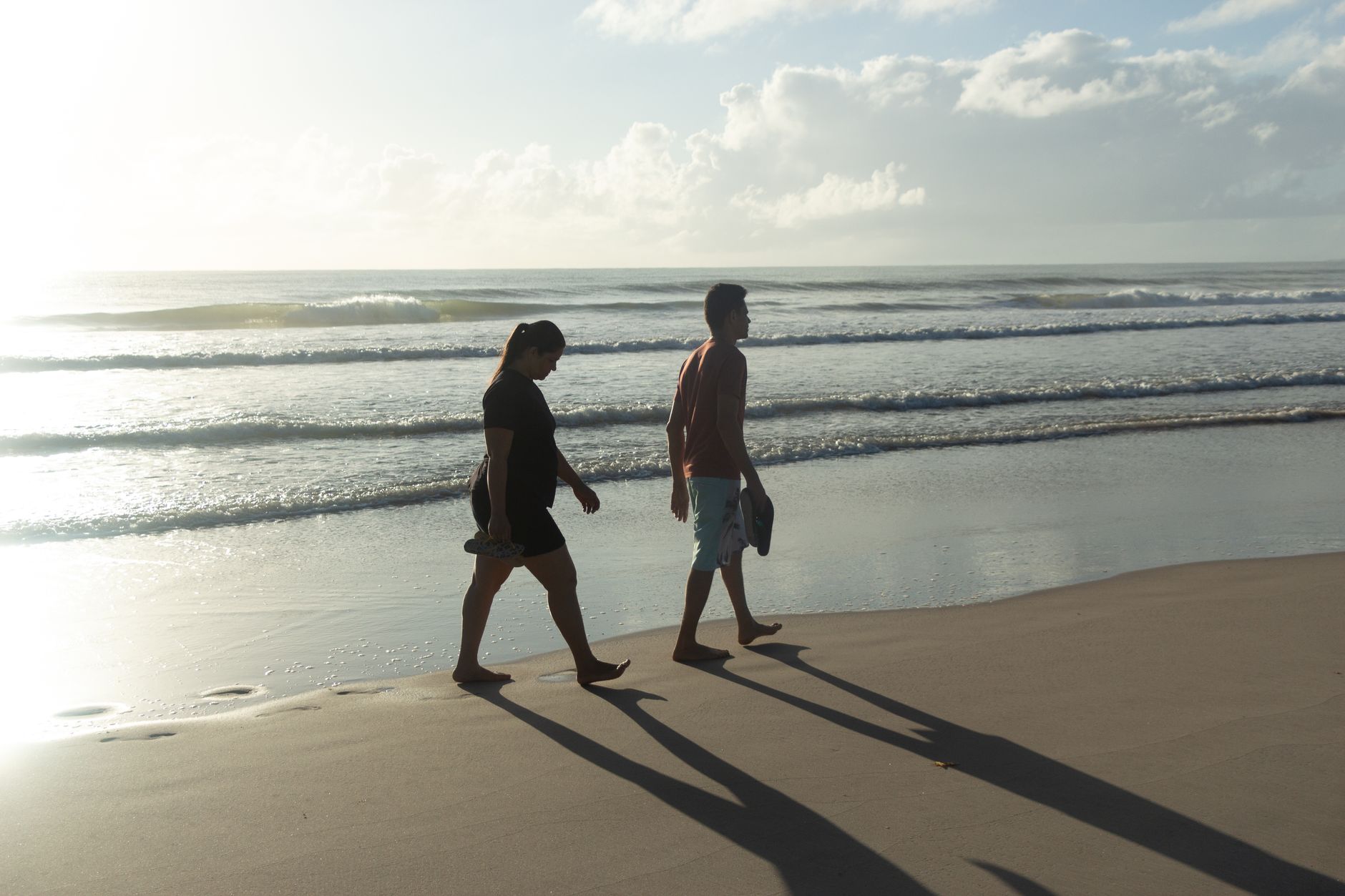
The Orla de Atalaia is an unusually well-kept waterfront promenade with kiosks, bike paths, an oceanarium and evening sellers—good for relaxed seaside days without long transfers. The Museu da Gente Sergipana provides a concise, interactive introduction to Sergipe culture in a compact visit suitable for short itineraries.
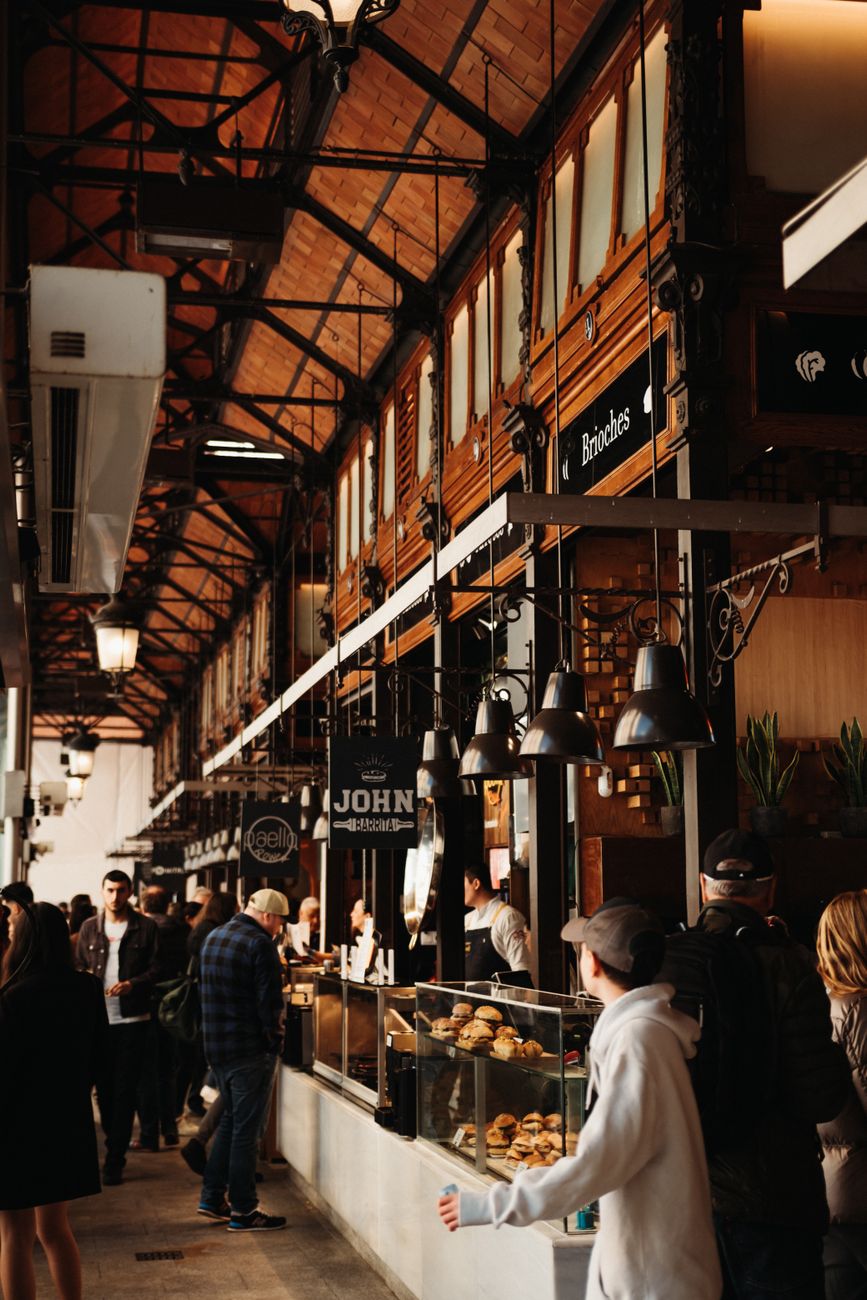
Mercado Municipal Antônio Franco and nearby street stalls are where regional seafood and snacks are affordable and truly local; this market experience differs from the tourist markets of larger northeastern cities. A short boat or ferry crossing to Barra dos Coqueiros exposes riverfront communities, mangrove-lined channels and small sandbanks that are easy half-day trips. The city also works as a low-stress base for linking to Maceió or Salvador if adding overland travel, thanks to regular intercity buses and manageable airport connections.
Quick Planning Tips
Fly into Aracaju–Santa Maria (AJU) for the fastest access; taxis or ride-hailing apps like Uber take 20–30 minutes to the Orla de Atalaia, depending on traffic. The main intercity bus terminal (rodoviária) links to Maceió, Salvador and Recife—book longer bus legs in advance if traveling on holiday weekends.
Carry small cash for the Mercado Municipal and some kiosks; many market stalls prefer notes and exact change. Buses accept cash on board; single fares are commonly around R$4–5 but check local displays. Avoid assuming every kiosk on the Orla has card machines—bring cash for smaller purchases and check prices before ordering drinks or platters.

Day 1
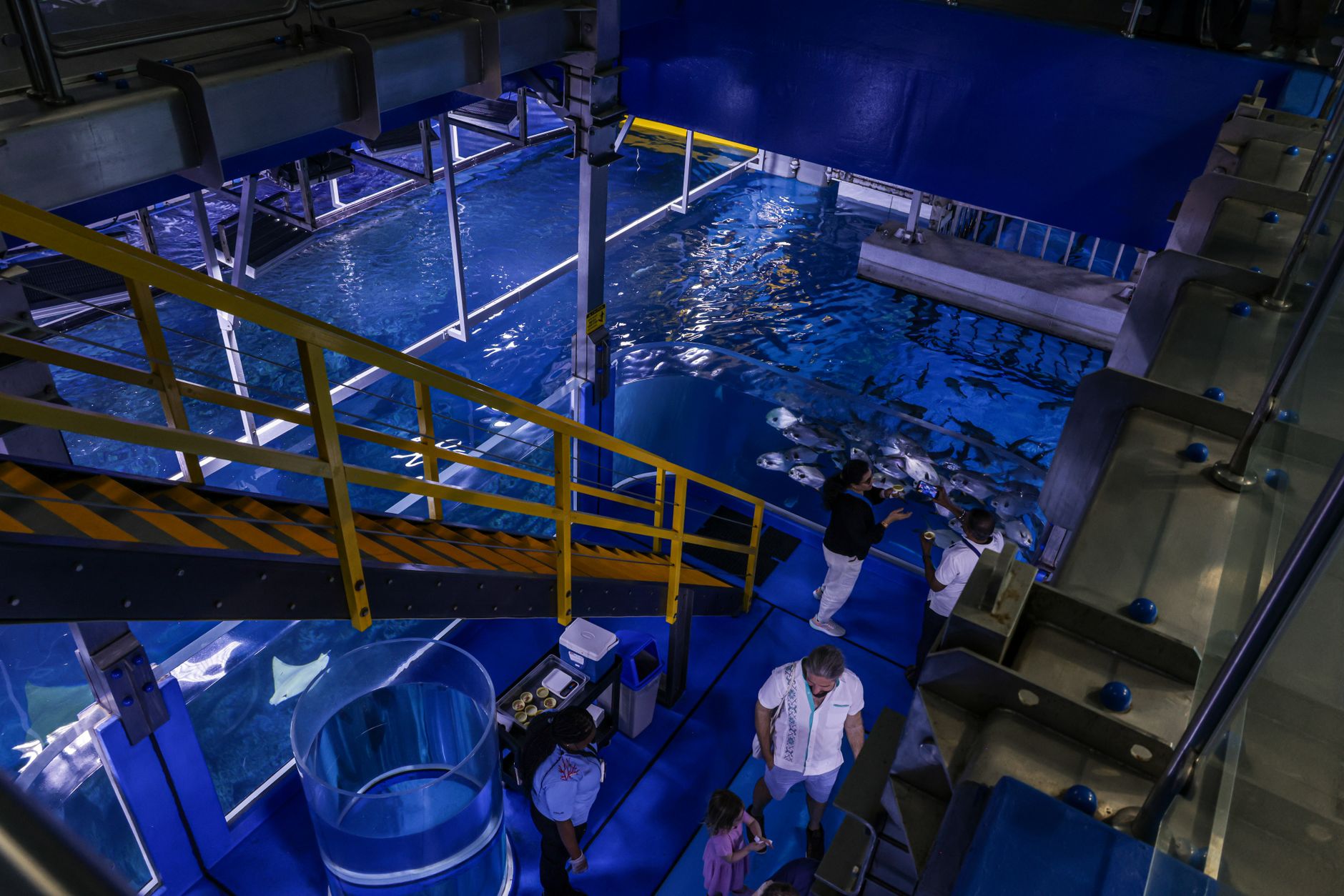
Start at the Orla de Atalaia promenade in the morning to stroll the boardwalk, rent a bicycle from one of the kiosks and visit the Oceanário de Aracaju. Walking along the Atalaia stretch takes 10–20 minutes between main points; plan 1.5–2 hours for the oceanarium and immediate surroundings. From the Orla, walk 10 minutes to the Passarela do Caranguejo for an early seafood snack and to see how vendors prepare local crab-based dishes.
After lunch, head to the Museu da Gente Sergipana; a taxi or app ride from Atalaia is about 10–15 minutes depending on traffic. Allow 1–2 hours inside the museum for exhibitions and the small gift shop. From the museum, walk or take a short ride to Praça Fausto Cardoso and the Catedral Metropolitana for photos and local architecture; walking between these central sites is usually under 15 minutes.
Lunch suggestion: Restaurante Cariri or a well-reviewed seafood kiosk at Passarela do Caranguejo—expect to pay R$35–70 per person for a shared seafood plate. For dinner, try a table at a beachside kiosk on Atalaia; evening music and local beers are common. Finish the night with a slow walk along the Orla to see local life and vendors.
Day 2
Shift gears to markets, riverfront life and a short island or ferry trip. Begin early at Mercado Municipal Antônio Franco to watch fish auctions and try breakfast local fare—arrive 06:00–09:00 for peak action. After the market, walk to nearby Rua Rio Branco or Praça Olímpio Campos to see shops and craft stalls; that area is central and walkable in 10–20 minutes between points.
Midday, take a short ride to the ferry landing for a crossing to Barra dos Coqueiros. The crossing is a good half-day that includes river views, mangrove edges and small beaches; local boats or scheduled ferries leave more frequently on weekends. Expect a 20–40 minute round trip depending on route and stops. Have lunch at a riverfront restaurant in Barra dos Coqueiros to taste grilled fish or moqueca-style dishes.
Return to central Aracaju in the afternoon and visit any small municipal museums or art spaces still on the list. Evening recommendation: find a local bar playing forró or regional music—these spots are often in mixed-use neighbourhoods near the center and run late.

Day 3
Reserve the last day for neighbourhood exploration and the coastline north or south of Atalaia. Start in the São José or 13 de Julho neighbourhoods for coffee and bakery treats; local padarias open early and are good for takeaway breakfast. Spend mid-morning visiting any remaining museums or the Cathedral if not already seen; central stops are tightly grouped and a taxi ride between distant points rarely exceeds 20 minutes.
Plan a beach stretch or a short drive to nearby quieter beaches such as Mosqueiro or southward sandbanks if time allows; these are 20–45 minutes by car depending on traffic and exact destination. If catching an afternoon flight, aim to be back at the hotel by midday, check out, and allow at least 60–90 minutes for travel to AJU with extra time for traffic and security. For a late flight, leave time for a final meal near the Orla and a relaxed transfer.
Lunch suggestion: a final seafood plate at a reputable Atalaia kiosk or a home-style restaurant in the central neighbourhoods. End with a short promenade walk to clear luggage and be sure to confirm ride-hailing availability if traveling at night.
Best Local Experiences
Mercado Municipal Antônio Franco: morning seafood and cooked snacks, where vendors specialize in caranguejo and fresh catches. Orla de Atalaia evening circuit: kiosks, vendors, and live music—best at sunset when locals gather. Oceanário de Aracaju: a compact oceanarium good for brief family visits or shelter from sun.
Barra dos Coqueiros ferry and sandbanks: a short boat trip to see river communities and mangroves. Forró and regional music nights: small bars and cultural centres in the central neighbourhoods host live bands; check local listings for shows. Feira de Artesanato do Turista (artisan fair near the Orla): daytime stalls selling local crafts and coconut-carved souvenirs. A morning bakery crawl: visiting padarias in São José and 13 de Julho for pão de queijo, bolos and strong coffee is a genuine local routine.
Where to Stay
Atalaia/Orla: Suited for first-time visitors who want beach access, kiosks, the oceanarium and evening life on the promenade. Close walking distance to major beachfront sites. Expect nightly rates around R$200–450 (≈€36–80 / US$40–90) for mid-range hotels; higher for beachfront suites.
Centro (downtown): Suited for culture and short walks to museums, the cathedral and municipal market. Better for travellers who prioritise daytime exploring over beach time. Nightly rates are commonly R$120–300 (≈€22–54 / US$25–60) for simple hotels or guesthouses.
13 de Julho / São José neighbourhoods: Suited for a quieter, local feel and access to bakeries, neighborhood restaurants, and short rides to the Orla. Good for budget travelers or longer stays. Nights often range R$100–220 (≈€18–40 / US$20–45) depending on comfort level.
Prices vary by season; booking during holiday periods requires earlier reservations. Consider proximity to main bus terminal if planning intercity travel to Maceió or Salvador.
Food and Drink
Caranguejo (crab platters): locally prepared on the Passarela do Caranguejo and many Atalaia kiosks; expect R$30–80 for a shared plate depending on size. Moqueca sergipana: a fish or shrimp stew with dendê and coconut milk available at family restaurants—price roughly R$35–70 for a main.
Cajuína and caju amigo: cajuína is a clear cashew juice (non-alcoholic) and caju amigo is a casual cachaça pairing; both appear at markets and kiosks—cajuína around R$4–8, small cachaça cocktails R$6–15. Street snack: acarajé is sold at some stalls—fried bean fritter with vatapá and shrimp, about R$8–15. Breakfast option: pão de queijo and bolo at local padarias in São José for R$5–12.
Dessert and coffee: tapioca filled with coconut or queijo coalho is common at beach kiosks, roughly R$5–12. Dinner recommendation: choose a reputable seafood restaurant on Atalaia for grilled fish or a complete seafood stew and arrive early on weekends to avoid long waits.
Getting Around
Public buses are the primary local transit; rides are typically paid in cash on board with single fares around R$4–5. The main intercity terminal (rodoviária) connects to Maceió, Salvador and Recife with several daily departures; buy longer-route tickets at the terminal or via bus company websites.
Ride-hailing apps like Uber operate in the metro area and provide reliable point-to-point transport; expect airport rides to the Orla to cost about R$30–60. Taxis are available at ranks and the airport; negotiate or confirm meter use. Ferries and small boats run short river crossings to Barra dos Coqueiros and local islands—these are essential to visit riverfront neighbourhoods.
Use Google Maps or Moovit for route planning; bus arrival times are approximate and schedules change on public holidays. There is no metro system; trips across the city by bus or app typically take longer than the map distance suggests due to traffic.
Best Time to Visit
High season runs December–February with warm temperatures around 27–32°C and holiday crowds; prices rise during Carnival weeks. March–May offers slightly cooler days (24–29°C) and lower hotel rates while still being beach-friendly. June–August brings drier air and temperatures around 23–27°C—good for lower humidity and value travel.
September–November warms up again with occasional showers and fewer crowds; this period is often the best value for lower prices and warm sea conditions. Avoid the peak of Carnival and major national holidays unless booking far in advance because local prices and demand spike.
Budget and Practical Tips
Daily budget estimates per person: Budget traveler R$120–200 (~€22–36 / US$25–45) covering hostel or budget guesthouse, street food or padaria breakfasts, public buses and one paid entry or meal. Mid-range traveler R$300–600 (~€54–108 / US$60–130) for a mid-range hotel (Atalaia), restaurant meals, a couple of rides by app and museum entries.
Expect accommodation to be the largest cost; food and local transport are comparatively inexpensive. Entry fees: Oceanário and small municipal museums commonly charge R$10–R$30 or ask for a small donation; some museums like Museu da Gente Sergipana may be free or low-cost. Taxi or Uber from AJU to central Atalaia typically R$30–60.
Tipping: rounding up small bills in cafes and leaving 5–10% in restaurants when service is good is normal; many places calculate service into the bill so check before adding. Carry a mix of small cash notes for markets and kiosks; larger restaurants and hotels widely accept cards.
FAQ
Is Aracaju safe for tourists?
Most visits are safe if usual precautions are observed: avoid poorly lit streets at night, leave valuables at the hotel, and use ride-hailing apps or official taxis after dark.
How do I get from Aracaju–Santa Maria (AJU) airport to the city?
Taxis and Uber are the fastest options (20–30 minutes to the Orla); some bus services connect to the rodoviária but require transfers—taxis cost roughly R$30–60 depending on time and demand.
Are buses reliable for getting between attractions?
Buses cover most routes but run at irregular intervals; allow extra time and use ride-hailing for fixed schedules.
Is a city card worth buying?
There is no widely promoted tourist city card; pay individual museum fees and use public transport or Uber as needed.
Can English be used widely?
Portuguese is the main language; basic Portuguese or a translation app makes market and small-restaurant interactions much smoother.
What should be packed for three days?
Light clothing, sun protection, a reusable water bottle, small cash for markets, and comfortable walking shoes for the promenade and cobbled central streets.
Conclusion
A focused three-day visit highlights why this place is worth pausing for: a broad beachfront promenade that supports a relaxed pace, a compact set of cultural stops like the Museu da Gente Sergipana, and morning markets that show local food culture. The most memorable moments usually come from market breakfasts, a waterfront dinner at Passarela do Caranguejo, and a quick river crossing to Barra dos Coqueiros.
If time is tight, prioritise a morning at Mercado Municipal Antônio Franco and an afternoon-evening on the Orla de Atalaia—those two experiences together give a clear picture of daily life and local cuisine.
How this guide was prepared
This guide was prepared through a structured research that combines destination research, geographic context, itinerary planning logic, and content review.