

Where to Stay in Berlin: Neighborhoods, Practical Tips, and Responsible Choices
Practical neighborhood guide to choosing where to stay in Berlin — transport, seasons, noise, sustainable options, and tips linked to our 3-day Berlin itinerary and nearby day trips.
A concise, practical guide to Berlin neighborhoods, transport realities, and low-impact lodging choices to help you pick the best base for a 3-day stay and regional day trips.
If this is your first visit and you’re following a 3-day plan, stay in Mitte for walkable access to Museum Island, the Reichstag, and the Brandenburg Gate. If you want nightlife and affordable cafés, choose Friedrichshain or Neukölln. For quieter, family-focused stays near parks and museums, look in Charlottenburg or Tiergarten. For local life and sustainable options, Prenzlauer Berg and Wedding offer independent cafés, local markets, and low-impact accommodation choices.
Plan around U-Bahn/S-Bahn access and remember BER airport sits in zone C — factor that into transport costs if you expect to travel directly to the airport.
Choosing where to stay in Berlin shapes how much you see, how you travel to nearby cities like Potsdam or Leipzig, and how much your money benefits local businesses. This page helps you match your 3-day itinerary priorities—museums, history, nightlife, or family-friendly parks—with neighborhoods that minimize transit time and environmental impact. It favors public-transport-friendly, locally run lodging and shoulder-season planning to reduce crowds and cost.
What This Page Helps You Decide
This page helps you choose a neighborhood and type of lodging that fit your 3-day Berlin itinerary and day-trip plans to Potsdam, Dresden, Leipzig, or Chemnitz. It covers:
- Which neighborhoods reduce transit time for the attractions on your main 3-day guide.
- Noise, crowd, and seasonal considerations to match your travel style.
- Practical booking checks (transport zones, cancellation, registration legitimacy).
- Local-first and low-impact lodging and eating choices to support Berlin’s economy.
Use these recommendations to pick a base that makes your days easier and your impact smaller.
Top Recommendations
Best all-round (first-time / 3-day itinerary): Mitte — central, walkable to museums, Reichstag, and easy connections to Hauptbahnhof for day trips to Potsdam.
Best for nightlife and budget travelers: Friedrichshain and Neukölln — vibrant cafés, affordable hostels and private rooms, good tram and U-Bahn links (but expect late-night noise near main bars).
Best for families and quieter stays: Charlottenburg and Tiergarten — larger hotel rooms, proximity to green spaces, Charlottenburg Palace, easy bus and U-Bahn links.
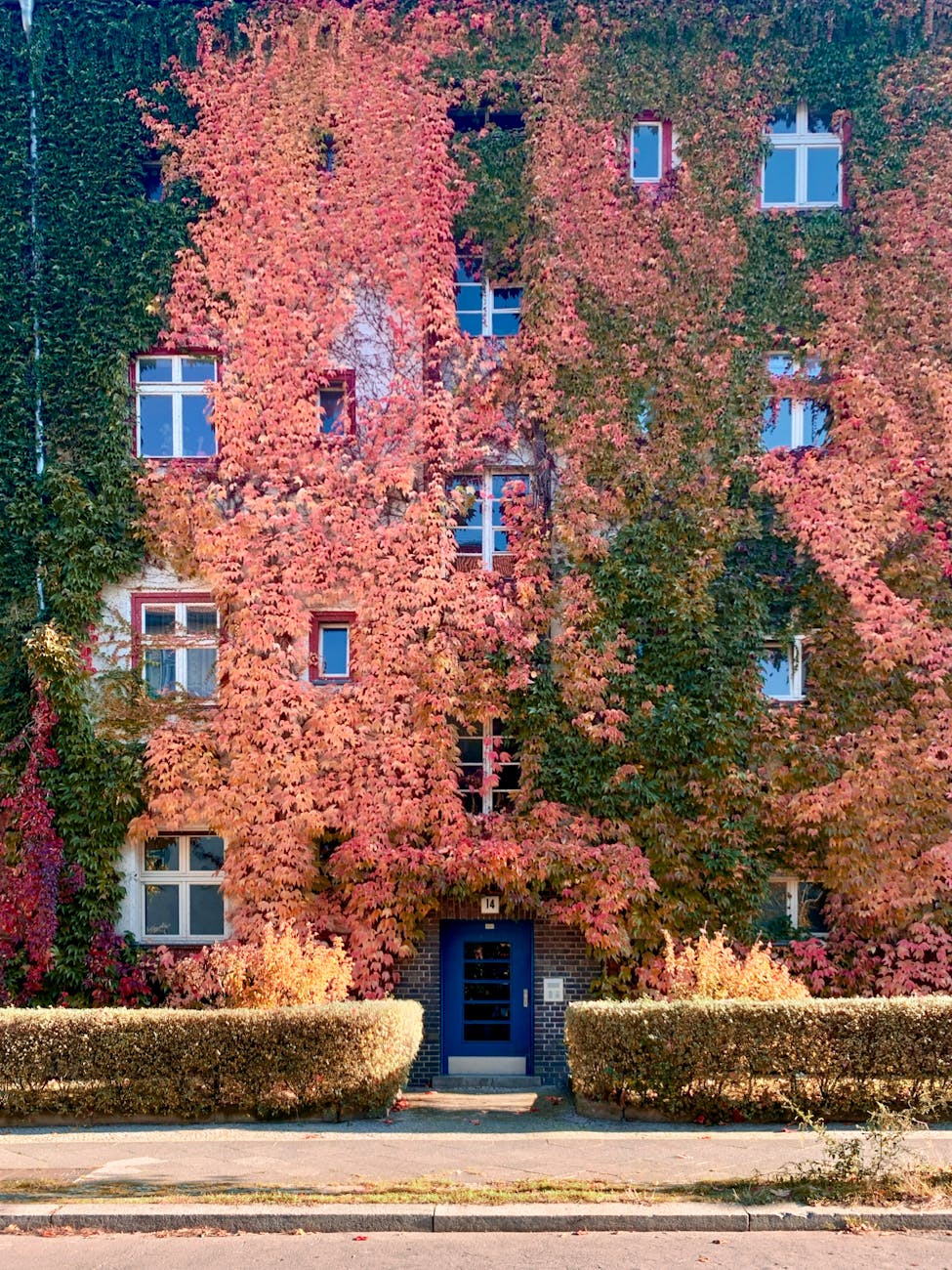
Best for local, sustainable stays: Prenzlauer Berg and Wedding — independent guesthouses, farmer’s markets, good cycling routes, quieter nights than central tourist strips.
Luxury and design hotels: Mitte or Charlottenburg near Kurfürstendamm for shopping and museum access.
Booking pointers:
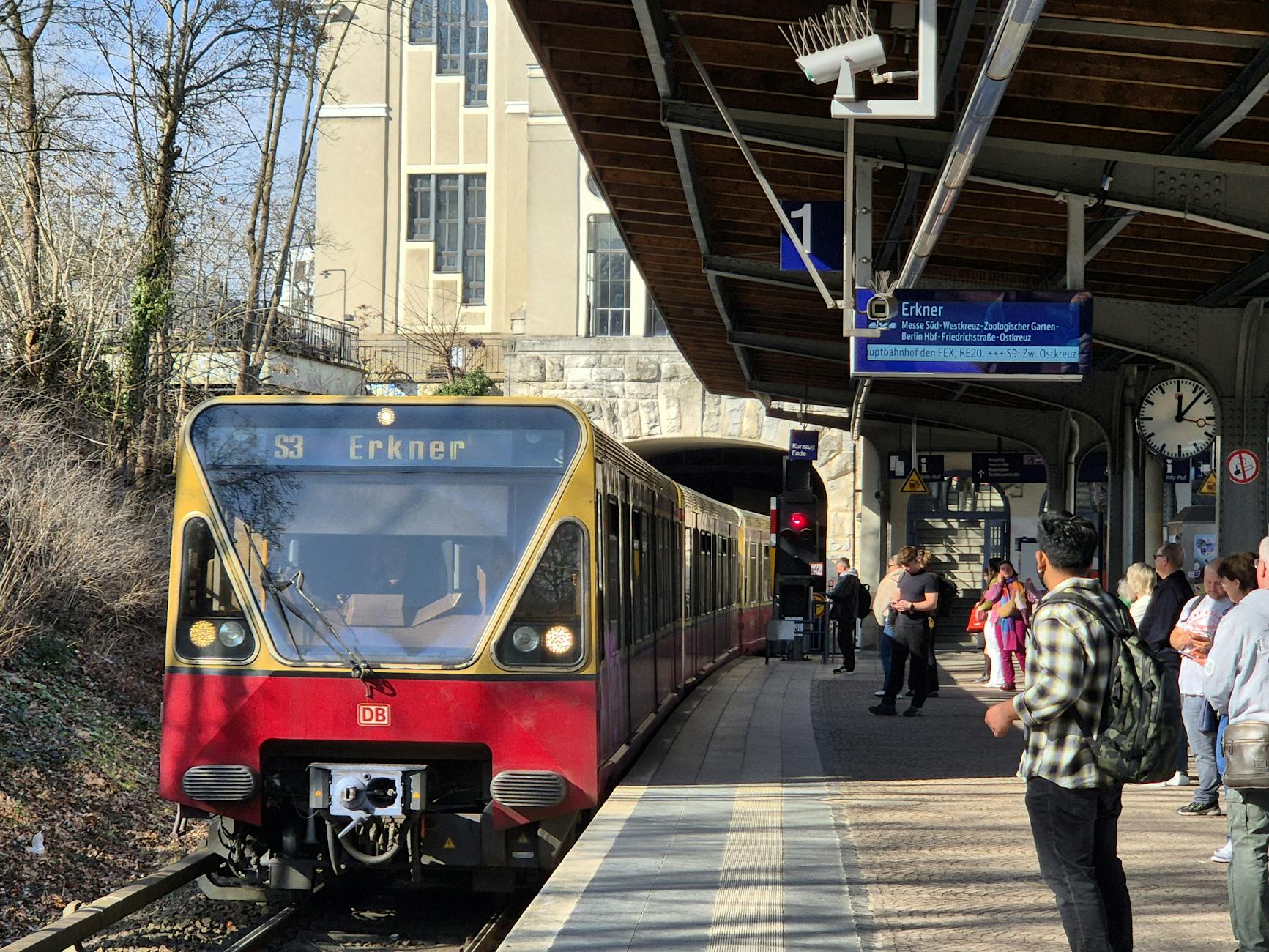
– Check U-Bahn/S-Bahn lines listed in the property description; aim to be within a 10–15 minute walk of a U-Bahn or S-Bahn station.
– For airport transfers, check whether BER (zone C) is included in your transit pass or requires a separate ticket.
– During Berlinale (February), Marathon (late September), and summer festivals, book 6–10 weeks ahead.
Local Context
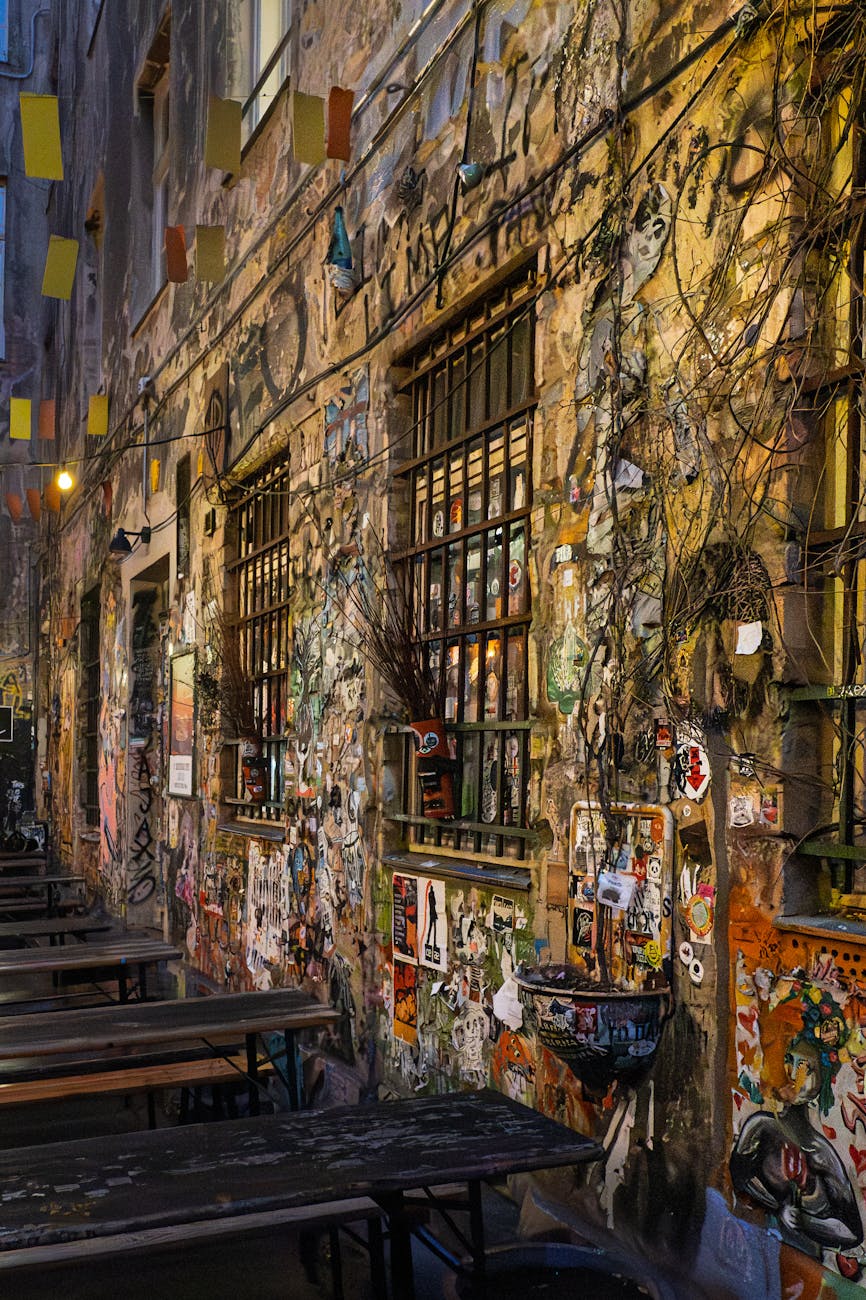
Berlin is large and spread out; neighborhoods have distinct characters rather than a single “old town.” Popular realities to plan for:
- Transport: The BVG network (U-Bahn, S-Bahn, trams, buses) is frequent and reliable. U-Bahn/S-Bahn maps are essential; the S-Bahn ring can be useful for distributing travel times. BER airport is in zone C; inner-city travel is zones A+B.
- Seasonal patterns: Shoulder seasons (April–May, September–October) offer milder weather, fewer crowds, and lower rates. Summer is busy and festival-heavy; winter is cold but quieter, with Christmas markets.
- Shops and schedules: Most shops close on Sundays — plan shopping and groceries accordingly.
- Local etiquette: Keep noise low in residential areas after 10 pm, observe recycling rules in accommodations, and bring a light jacket—Berlin evenings can be cool even in summer.
- Day trips: Potsdam is 30–40 minutes by S7/RE and excellent for gardens and palaces; Leipzig and Dresden are 1.5–2 hours by regional/IC trains, suitable for overnight or longer day trips.

How to Choose Well
Use this checklist to pick accommodation that fits your itinerary and values:
- Distance to transit: Aim for <15 minutes on foot to a U-Bahn or S-Bahn station.
- Noise profile: Read recent reviews for sound insulation, and check proximity to nightlife streets (e.g., Warschauer Straße, Simon-Dach-Straße).
- Transport zone: Confirm whether the listing is in zones A/B or C (important for BER airport travelers).
- Type of lodging: Prefer locally run guesthouses, pensions, or small hotels that employ local staff and reinvest in the neighborhood.
- Sustainability claims: Look for transparent certifications (GreenSign, Green Key) or clear environmental policies on energy, waste, and local sourcing.
- Booking flexibility: Favor free cancellation for weather or plan changes, and verify the short-term rental is legitimate by checking long-term owner reviews and registration details.
Practical tip: If your 3-day plan is heavy on museums and government sites, prioritize Mitte or Tiergarten. If it’s food, markets, and nightlife, pick Friedrichshain, Neukölln, or Kreuzberg.
Responsible and Local-First Tips
To keep your visit low-impact and beneficial for Berliners:
- Use public transit, regional trains, or a city bike instead of taxis for most trips.
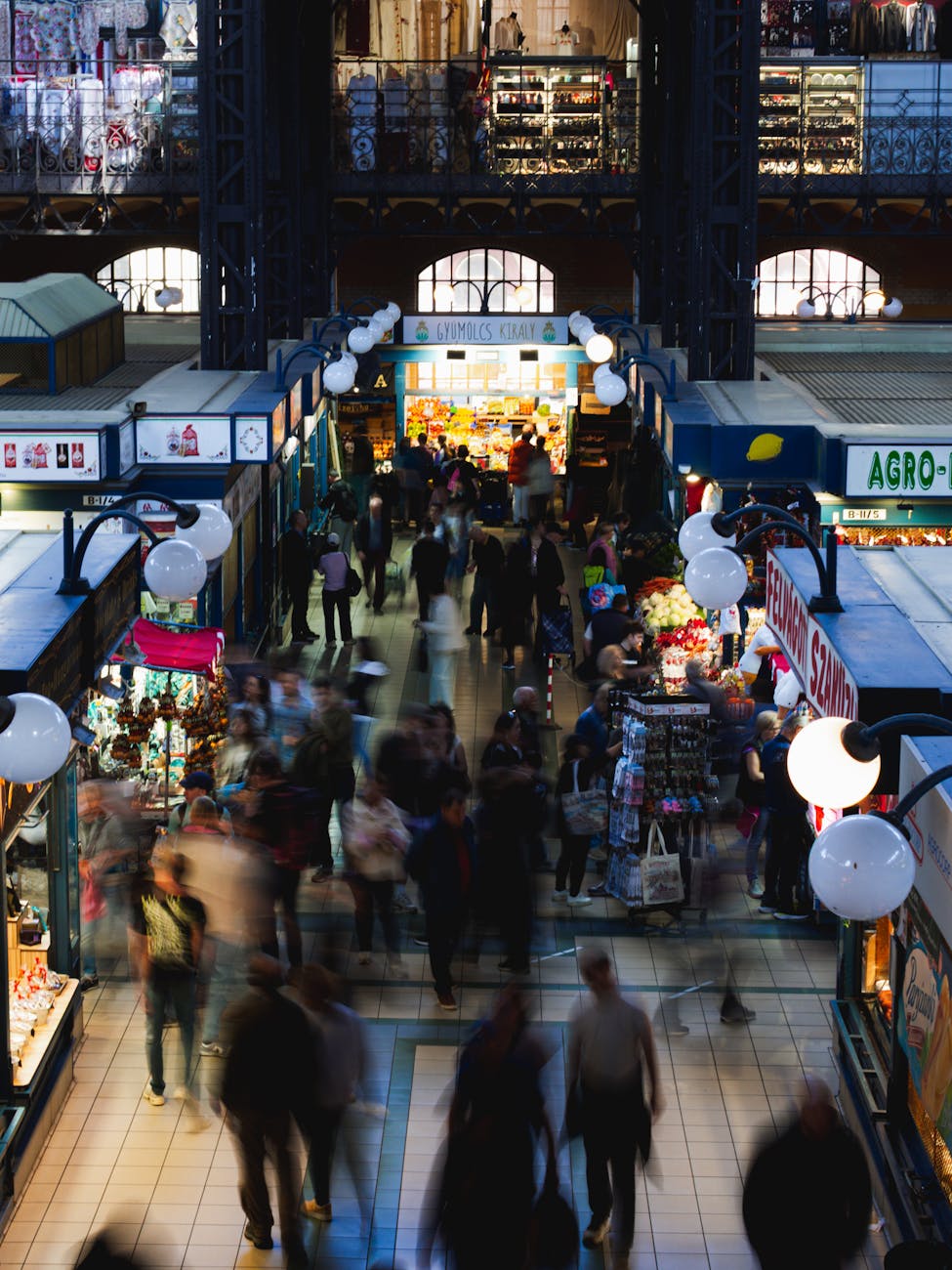
- Eat at local eateries and markets (Markthalle Neun, the Turkish Market on Maybachufer) and choose seasonal dishes.
- Book small, locally owned guesthouses or certified eco-hotels rather than large international chains when possible.
- Shop at neighborhood bakeries, independent shops, and social enterprises rather than souvenir stalls.
- Respect residential quiet hours (Nachtruhe) and shared recycling rules in apartment buildings (Wertstoffe, Bio, Restmüll).
- When visiting Potsdam or Leipzig, prefer regional trains (RE, RB) to reduce per-person emissions and support regional services.
These choices spread tourist spending across neighborhoods and reduce your environmental footprint.
Common Mistakes to Avoid
Avoid these frequent errors:
- Booking far outside the city without checking transit time — a cheap hotel in zone C can cost you hours in transit.
- Expecting shops to be open on Sundays — plan grocery and souvenir shopping accordingly.
- Ignoring noise reviews — streets with bars can be lively into the night.
- Forgetting BER airport is in zone C — include this when estimating transport costs and travel time.
- Overpacking your days — Berlin’s sights are spread out; allow time to enjoy parks, cafés, and neighborhoods rather than rushing between attractions.
- Assuming every short-term rental is legal — ask for registration details, recent guest reviews, and cancellation terms.
FAQ
Which neighborhood is best for a 3-day itinerary?
Mitte is the most practical base for a compact 3-day plan because it puts you within walking distance or a short U-Bahn ride of Museum Island, the Reichstag, and central transit hubs for day trips.
Is it better to stay by the Hauptbahnhof for train day trips?
Staying near Hauptbahnhof is convenient for regional trains to Potsdam, Leipzig, and Dresden. If you prefer museums and cafés, Mitte or Tiergarten gives equally good access while keeping nightlife and noise manageable.
How do I save money on transport to/from BER airport?
BER sits in zone C. If you’ll travel between central Berlin and the airport frequently, buy a ticket that covers zones ABC or get a point-to-point airport ticket. Regional coach and train options can be cheaper for groups; confirm ticket type before boarding.
Are short-term rentals legal in Berlin?
Some short-term rentals require registration and must comply with local rules. To reduce risk, choose listings with clear registration information, strong recent reviews, or book small hotels and guesthouses. When in doubt, contact the host and ask for their registration confirmation.
What neighborhoods are best for quieter, local-focused stays?
Prenzlauer Berg and Wedding offer quieter streets, small cafés, local markets, and family-friendly parks while still being well connected to the center.
When should I book to avoid crowds?
Book shoulder-season travel in April–May or September–October. If you must travel in peak summer or around large events (Berlinale, Marathon), reserve 6–10 weeks ahead.
Conclusion
Pick a base that matches your daily priorities: Mitte for a compact 3-day experience, Friedrichshain/Neukölln for nightlife and budget finds, Charlottenburg or Tiergarten for family comfort, and Prenzlauer Berg or Wedding for local, lower-impact stays. Prioritize proximity to U-Bahn/S-Bahn, check transport zones for BER, book with flexibility, and favor local businesses to make your trip more sustainable and rewarding. For a day-by-day plan that pairs well with these neighborhood choices, see the main 3 days in Berlin itinerary and consider easy regional outings to Potsdam, Leipzig, Dresden, or Magdeburg.
How this guide was prepared
This guide was prepared through a structured research that combines destination research, geographic context, itinerary planning logic, and content review.