
Natal in 3 Days: Practical Itinerary & Local Tips and Planning
A focused 3-day guide to Natal covering Ponta Negra, Forte dos Reis Magos, Genipabu dunes, Parrachos reefs, transit and budgets for a weekend trip.
A clear, no-nonsense 72-hour plan that balances beaches, dunes and a compact city centre so visitors leave with the signature landscapes and local food without wasting time.
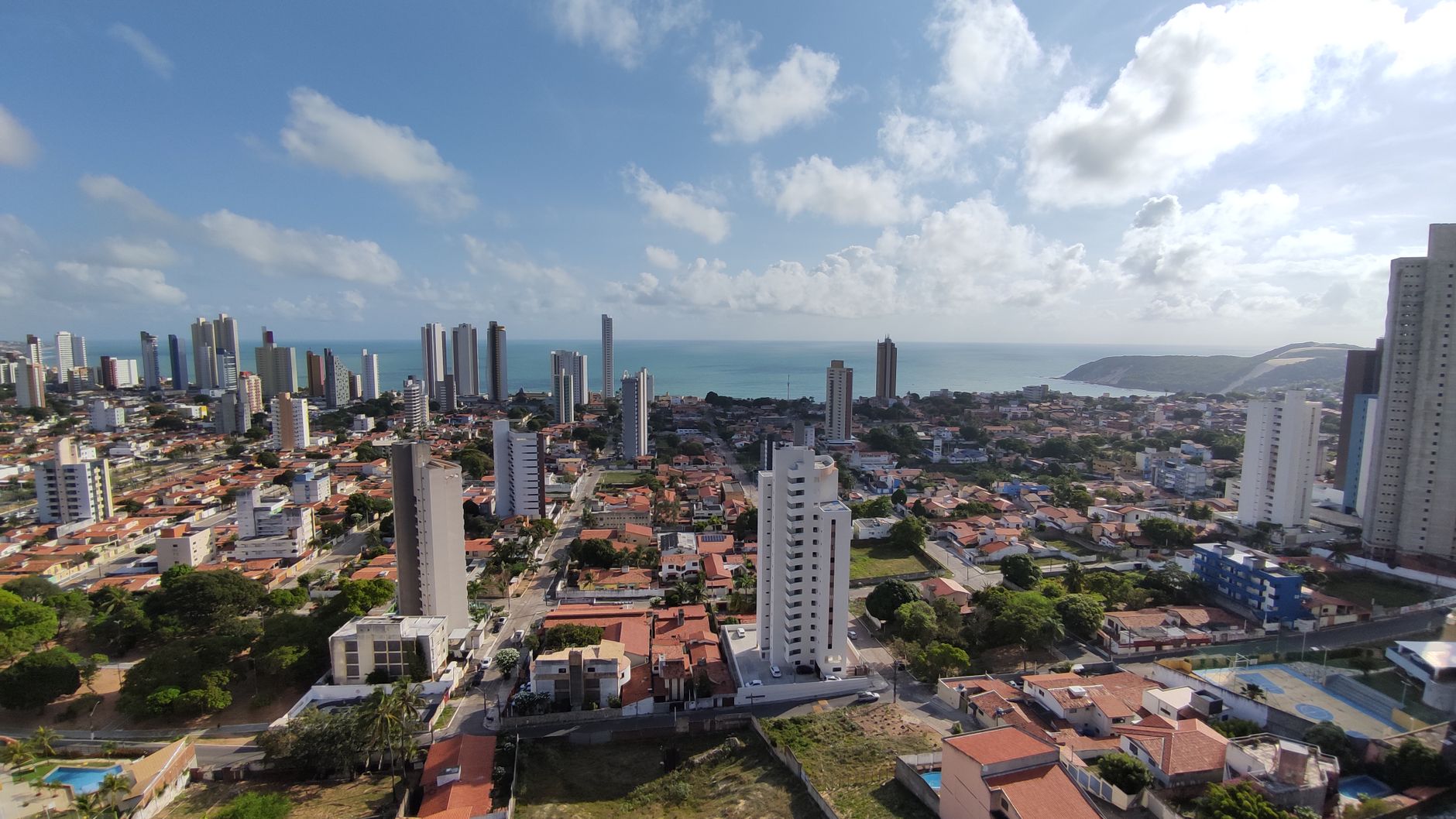
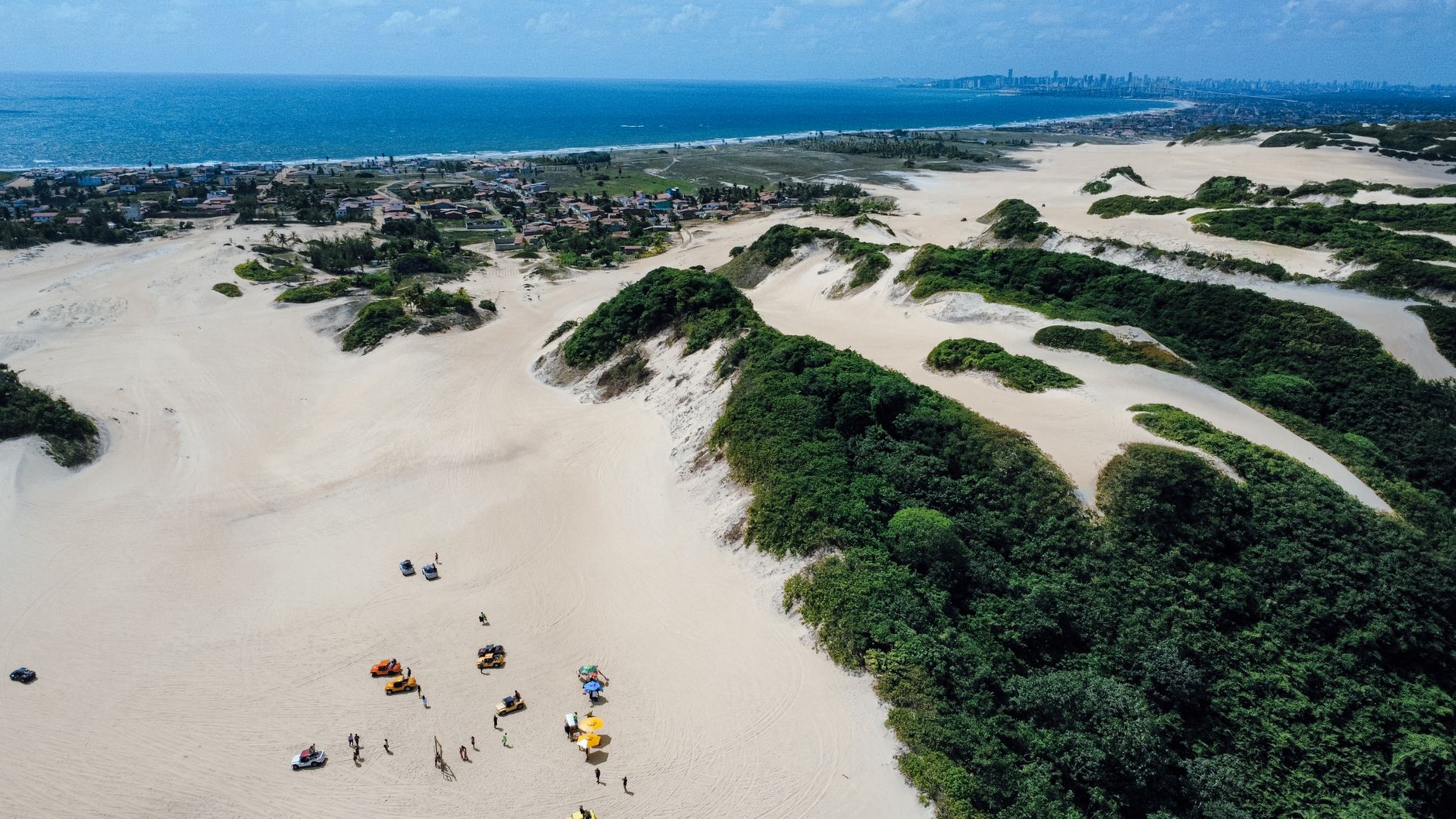
A visit here feels like a series of quick visual hits: a long curved beach fronted by hotels, a tall lone white dune (Morro do Careca) marked off by fences, and wide yellow-red dunes shifting inland toward Genipabu. The pace is relaxed but bright: businesses open early and beach life starts at dawn, while the city centre winds down earlier than major tourist hubs. Expect sun, wind and heat more than street nightlife; late-night food options are concentrated in Ponta Negra and Petrópolis.
Travelers often underestimate the time needed for day trips: dune buggies and reef boats are half-day commitments and need morning boarding to avoid rough seas and midafternoon winds. The layout suits people who prefer a small set of high-impact activities rather than trying to cram many museums into short visits. Practical navigation is straightforward: beaches are close together but some major sights sit outside the built-up zone and require a private transfer or tour.
Is 3 days in Natal enough?
Three days in Natal is enough to cover Ponta Negra and Morro do Careca, Forte dos Reis Magos, a dune buggy trip to Genipabu and a reef snorkel at Maracajaú. Expect to skip less-accessible attractions inland and any long transfers to farther states; boat and buggy trips require half-days and morning starts.
Who This Guide Is For
Best for first-time visitors who like beaches, short tours and easy walking; not ideal for travelers seeking intensive cultural museum crawls or those unwilling to book boat/buggy operators in advance. Moderate budgets work best; luxury travellers should plan to stay on Via Costeira.
Local Tips for Natal
Practical details that most travel sites skip — specific to Natal.
- Genipabu buggies: insist on written confirmation whether the tour is 'com emoção' (fast, R$200–400 per buggy shared) or 'sem emoção' (slower); price usually quoted per buggy, not per person.
- Parrachos de Maracajaú reef trips leave from Maracajaú pier (Maxaranguape); expect R$90–160 including mask and snorkel if booked through the local operators, and check tide/sea conditions the day before.
- Forte dos Reis Magos charges a small admission (around R$6) and opens early; take a 20–30 minute taxi or bus from Ponta Negra (bus lines toward Ribeira/Centro stop nearby).
- Parque das Dunas (entrance on Av. Alexandrino de Alencar) is the city’s main urban green area with a low entry fee (about R$6); good early-morning trails to escape midday heat and sun.
- Evening crafts: Feira de Artesanato de Ponta Negra on Av. Erivan França runs most evenings (Wed–Sun); many vendors prefer cash and some prices are negotiable but expect fixed prices on high-quality pieces.
How This Guide Was Prepared
This guide treats Natal as a coastal city defined by sand moves and short transit distances, not as a single-beach resort. Most guides over-focus on staged beach photos and miss practical issues like timing Genipabu buggy runs, boat schedules to the parrachos reefs and limited late-night bus service. The plan prioritizes realistic travel times, operator choices and where to spend money to avoid common tourist disappointments. This guide was prepared through a structured research that combines destination research, geographic context, itinerary planning logic, and content review.
Plan Your Stay in Natal
Use this itinerary as your starting point, then compare areas to stay, transport options, seasonal timing, and realistic daily costs before booking.
Why Visit
The coastline variety within short drives is unusually compact: Ponta Negra (urban beach and evening life), Via Costeira (hotel strip with calm water spots) and Genipabu (moving dunes and buggy culture) are all reachable in a day or less. Each offers a distinct experience without long transfers.
The dune culture itself is a draw. Genipabu has guided buggy rides and camel-like dromedário rides that are specific to this stretch of the Rio Grande do Norte coast and involve local operators who run seasonal schedules.
Water-based wildlife is accessible: Parrachos de Maracajaú coral reefs allow straightforward snorkeling trips with operators who provide gear and short boat transfers to the reefs. This makes reef snorkeling possible for non-swimmers willing to use basic flotation.
A short historic strand sits at Forte dos Reis Magos and the Centro Histórico where local crafts and a handful of small museums can be seen in a few hours, so the trip combines natural spectacles with compact cultural stops.
Quick Planning Tips
Fly into São Gonçalo do Amarante airport (NAT); Uber and airport taxis are common — expect an Uber to Ponta Negra to cost roughly R$70–120 and a taxi R$120–180 depending on traffic. The main intercity bus terminal (Rodoviária) links to local buses that serve Ponta Negra and the Centro, but buses slow down after 9pm.
Carry Brazilian reals for beach vendors and small crafts; many beachside stalls accept cards but smaller operators and market stalls prefer cash. ATMs are common in the Centro and major malls but carry a little cash for remote tours.
Avoid booking Genipabu and Maracajaú tours for late afternoons; mornings tend to have calmer seas and more predictable dune conditions. Reserve popular operators a day ahead for weekends and public holidays to ensure spots and agreed prices.
Day 1
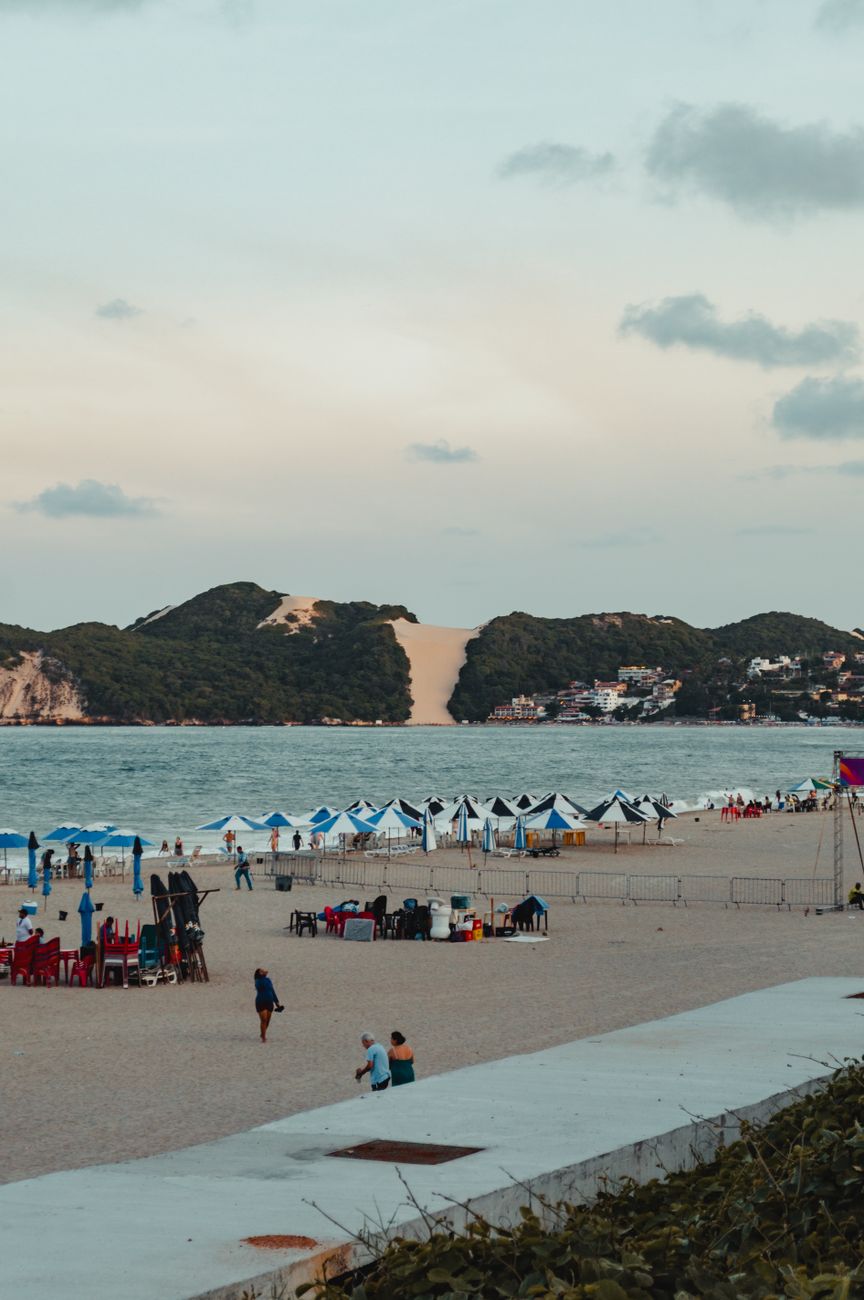
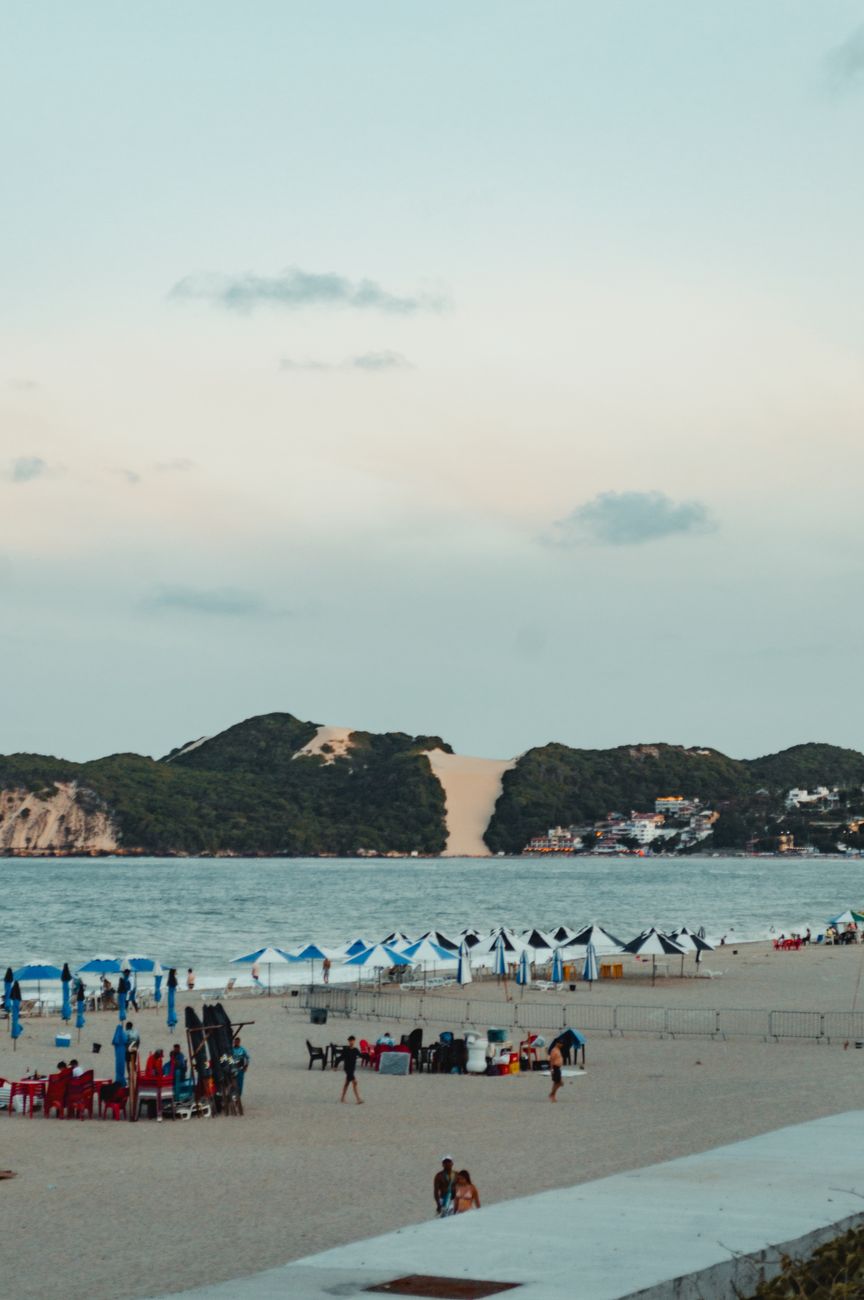
Start at Ponta Negra beach and walk the sand toward Morro do Careca for photos; note the dune is protected and fenced off so plan viewpoints from the beachfront (allow 1–2 hours). Ponta Negra has promenades and kiosks along Av. Erivan França where breakfast and cold drinks are easy to find.
From Ponta Negra take a 15–25 minute taxi or local bus to Forte dos Reis Magos at the mouth of the Potengi River; tour the 16th-century fort and the adjacent tidal viewpoints (allow 1–1.5 hours). The walk out to the fort from the nearest bus stop is short but sun-exposed.
After the fort, head to the nearby Centro de Turismo and Mercado de Artesanato for local crafts and a late lunch; many stalls serve regional snacks and grilled seafood (budget 45–70 minutes). From the Centro take a short taxi (10–15 minutes) to Parque das Dunas for a late-afternoon trail or viewpoint; the park has shaded paths and a small visitor centre (allow 1–1.5 hours).
Dinner suggestion: try a seafood meal at one of the restaurants along Av. Praia de Meio or in Petrópolis — moqueca or grilled fish with local mandioca is common (expect R$40–90 per person). For the evening: a quiet walk along Ponta Negra promenade or a drink at a bar on Av. Engenheiro Roberto Freire.
Day 2
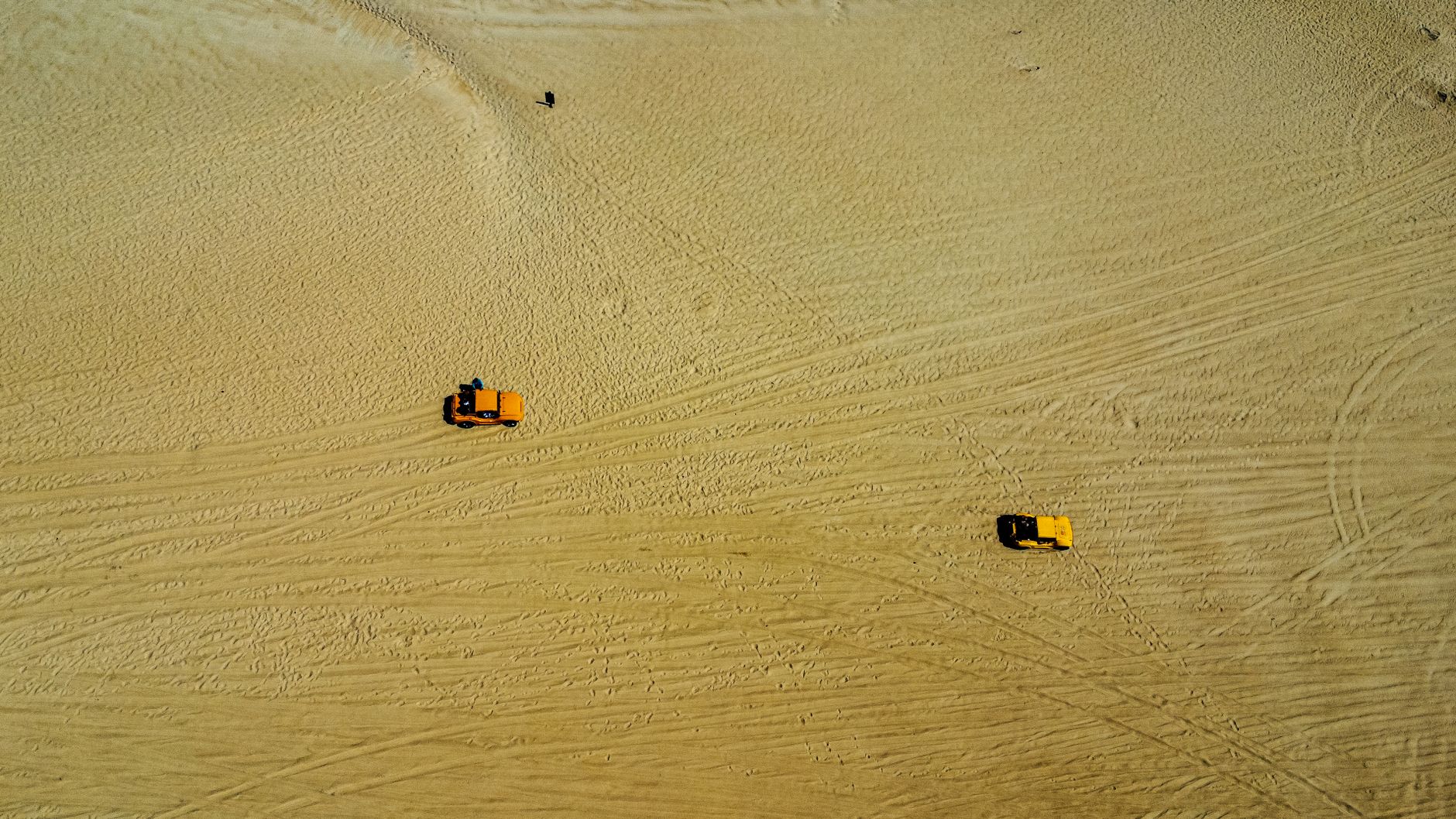
Dedicate this day to Genipabu dunes and the coastal dunes north of the city; book a morning buggy tour that includes both dune circuits and a stop at Lagoa de Genipabu when available. Pickup from Ponta Negra generally takes 30–50 minutes depending on traffic; the buggy circuit lasts about 2–3 hours and can be paired with a dromedário ride on-site.
After the dunes, continue north to a calmer beach for lunch or head back through the small beach towns en route to Parrachos de Maracajaú if planning a reef trip the next day. Many visitors either return mid-afternoon to rest or visit small local fruit sellers along the way for açaí or coconut water.
If not doing Maracajaú today, use the late afternoon for a food-focused exploration of Petrópolis: Rua Chile and Rua Potengi have bars and informal restaurants with regional cervejas and petiscos like carne de sol. Plan transport: expect transfers of 30–60 minutes between dune sites, and always confirm return times with the tour operator.
Evening recommendation: book a seafood churrasco or a regional restaurant that serves caldinho de sururu as a starter; this day is physically active so a filling dinner helps recover.
Day 3
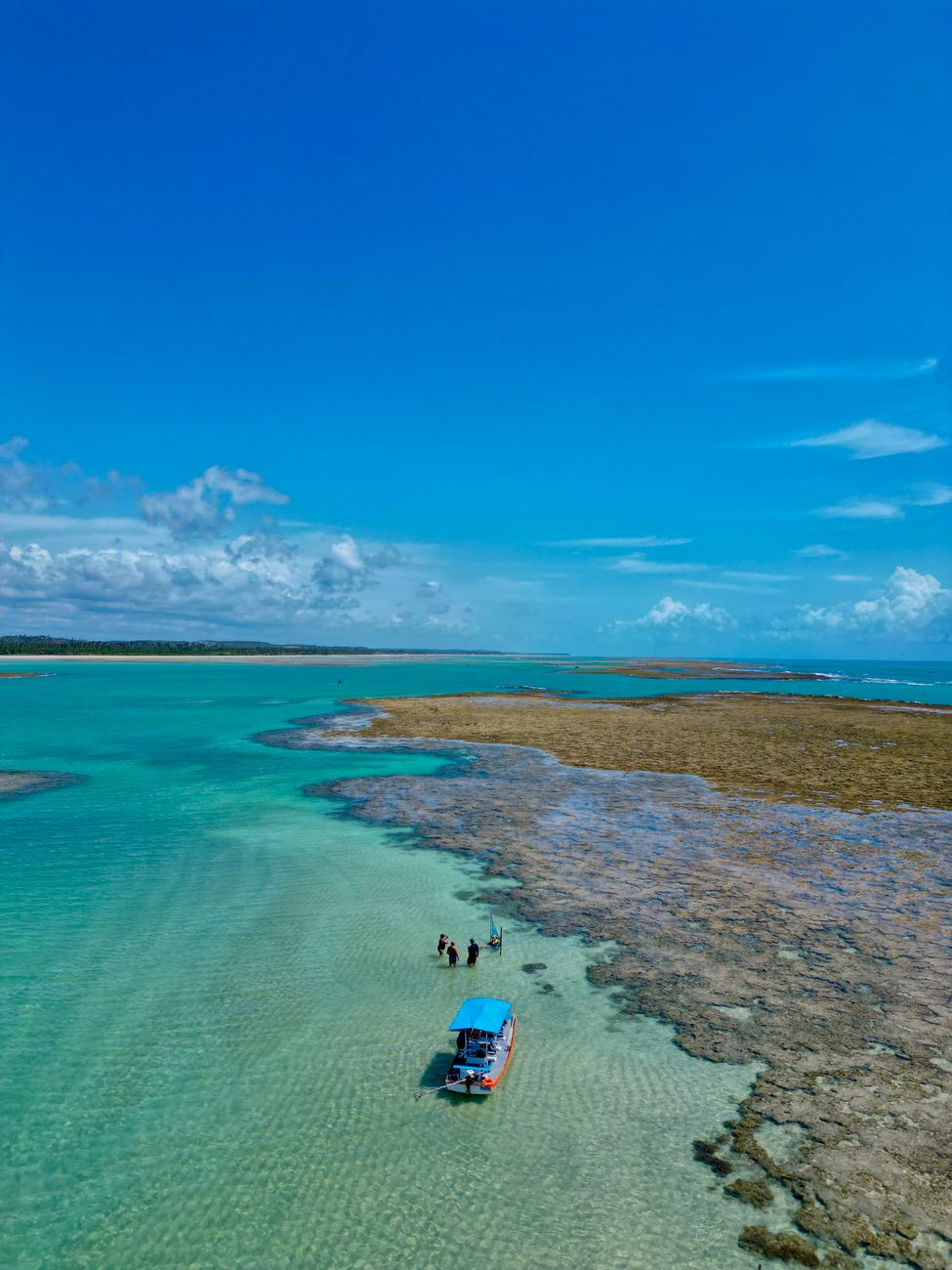
Reserve day three for Parrachos de Maracajaú reef snorkeling or a relaxed morning along Via Costeira depending on flight schedules. For the reef trip, boats leave in the morning from Maracajaú pier; trips take 3–4 hours including transfer time and snorkeling stops so plan a hotel checkout or luggage hold accordingly. Transfers from Ponta Negra to Maracajaú are 45–70 minutes by car.
If the flight is in the afternoon, stay close: Via Costeira hotels and Ponta Negra kiosks are a practical base and allow a last swim before heading to São Gonçalo do Amarante airport. For an early afternoon flight, clear a morning for Parque das Dunas or a last visit to the Centro de Turismo for souvenirs.
Lunch before departure: choose a simple regional meal near the hotel—fish, rice, beans and fried cassava—for a quick plate that won't delay travel. For airport transfers allow at least 90 minutes to 2 hours in good traffic; during weekends or holidays add extra buffer.
Practical note: many reef and dune operators require check-in 30–45 minutes before scheduled depart and can charge cancellation fees for same-day changes, so confirm bookings the night before.
Best Local Experiences
Genipabu dune buggy tour (choose 'com emoção' or 'sem emoção') is a defining local activity and requires a licensed operator and morning departure. Parrachos de Maracajaú snorkeling trips deliver accessible reef experiences with operators who provide basic gear and short boat transfers.
Feira de Artesanato de Ponta Negra on Av. Erivan França offers regional crafts, lacework and ceramics and runs most evenings; bring cash for smaller purchases. Parque das Dunas on Av. Alexandrino de Alencar offers shaded trails and birdwatching within the urban area — a good escape from the hot midday sun.
Barreira do Inferno rocket base has guided visits on certain days and provides a different technical-cultural option beyond beaches; check in advance for tour availability. Finally, take a late-afternoon walk along the Ponta Negra promenade and sample local street snacks like tapioca crepes from beach kiosks for a true everyday taste of the place.
Where to Stay
Ponta Negra: best for beach access and evening options; close to Morro do Careca and evening markets. Suitable for first-time visitors and mid-range budgets. Typical nightly rates: R$220–500 (about €40–95 / US$45–100), depending on season and hotel class.
Via Costeira: hotel strip with larger resorts and quieter beachfronts; suits travellers seeking a hotel-focused stay or families. Nearby amenities are hotel restaurants; transport to the Centro takes 20–30 minutes. Typical nightly rates: R$350–900 (about €63–170 / US$70–190).
Petrópolis and Areia Preta: residential neighbourhoods with restaurants and bars that suit travellers looking for local dining and shorter taxi rides to Centro. These areas are more local-priced and good for mid-budget travellers. Typical nightly rates: R$140–350 (about €25–65 / US$30–75).
Booking tips: during Carnival and New Year rates rise sharply, so reserve early. Hotels often include breakfast; check cancellation policies for day-trip plans that might change with weather.
Food and Drink
Caldinho de sururu: a small, thick shellfish soup often served as a bar starter; found in Petrópolis and seafood bars, R$8–15. Tapioca (breakfast option): cassava pancake filled with cheese, coconut or meat; common at beach kiosks and breakfast stalls, R$6–12.
Carne de sol com macaxeira: sun-dried beef served with fried cassava and often manteiga de garrafa; available in mid-range restaurants and traditional eateries, R$30–65. Moqueca potiguar-style: fish stewed with local ingredients—ask for versions at beachfront restaurants near Praia do Meio, R$45–90.
Street food: acarajé and tapioca vendors appear in evenings near markets and the promenade; expect R$6–20 per item. Drinks: regional cachaça cocktails and cold beers are common — a draft beer costs about R$6–12 and a cocktail R$12–30.
Dinner recommendation: choose a seafood restaurant near Av. Praia de Meio or the hotel strip for grilled fish and local side dishes; mid-range dinner per person R$45–120 including drinks.
Getting Around
Public transport is dominated by municipal buses (ônibus) that run numbered routes between Rodoviária, Centro and beaches. There is no city tram network and metro service is not a practical option for tourists; buses and private transfers are the norm. Single bus fare is around R$4.50 (≈€0.80 / US$0.90) and bus passes are uncommon for short stays; most regular visitors use Uber or taxis for convenience.
Airport transfers from São Gonçalo do Amarante airport (NAT) cost roughly R$70–120 by rideshare and R$120–180 by taxi to Ponta Negra. For day trips, most reef and dune operators include pickup from Ponta Negra hotels; confirm pickup points in writing. Useful apps: Uber and local taxi apps for rides; WhatsApp is commonly used to coordinate tour bookings with operators.
Practical tip: buses can be slow because of frequent stops and limited night schedules; factor taxi/Uber rides into evening plans and for early-morning departures to tours.
Best Time to Visit
High season: December to March brings hot weather (average highs 29–32°C) and higher hotel rates around holidays; expect larger crowds and booked tours. January and February are busiest, especially around summer holidays.
Shoulder months: April–June have slightly lower temperatures (25–28°C) and fewer tourists; this is often the best value for beach days and day trips, with generally calmer seas for reef excursions. July sees domestic travel peaks due to school holidays, increasing prices.
Low season: August–November can be windier and slightly cooler (23–27°C) with sporadic rain; prices fall and tour operators may reduce departures. For reliable reef snorkeling and calmer seas, pick April–June when wind is moderate and operators run regular trips.
Budget and Practical Tips
Daily budget estimates: budget traveller R$180–300 per day (accommodation R$120–200, food R$40–60, transport R$10–30, low entry fees); mid-range R$350–700 per day (accommodation R$220–400, meals R$90–150, transfers and tours R$40–120); conversion approx 1 BRL ≈ €0.18 / US$0.20. Expect higher rates during holidays and weekends.
Tour costs: Genipabu buggy shared tours R$200–400 per buggy (split between passengers), Maracajaú reef trips R$90–160 per person including gear, Forte dos Reis Magos small entry about R$6, Parque das Dunas similar small fee. Tipping norms: restaurants often add 10% service (confirme se incluso); leaving 10% for good service is customary when not included. For guides and drivers a small tip of R$10–20 for a half-day tour is common.
Practical payments: cards are widely accepted at hotels and larger restaurants; bring cash for beach vendors, market stalls and small transfers. Keep a photocopy/photo of passport and have WhatsApp contact details for tour operators.
FAQ
Is it safe to walk around Ponta Negra at night?
Ponta Negra is generally busy in the evenings but exercise standard caution; stick to well-lit streets, avoid empty side streets and use a taxi or rideshare late at night.
How do I get from the airport to Ponta Negra?
Uber rides cost roughly R$70–120 and airport taxis R$120–180 to Ponta Negra; many hotels offer paid transfers—compare prices and confirm fixed fares.
Are there metro or tram services for tourists?
There is no tram network and metro service is not a practical tourist option; buses, taxis and rideshares are the primary ways to get around.
Is a city tourist card worth buying?
There is no widely used universal city card that covers tours and transport; pay per attraction and book boat/buggy trips directly with operators for transparency.
How much time should the Genipabu dune trip take?
Expect a full half-day including transfers—plan on 4–5 hours from pickup to return if leaving from Ponta Negra.
What is the best way to book a Parrachos de Maracajaú trip?
Book through a local operator with confirmed departure times; trips depend on tide and weather, so reconfirm the day before via WhatsApp.
Are reef snorkel trips suitable for non-swimmers?
Many operators provide life vests and shallow reef stops; non-swimmers can participate if comfortable with guided floats and basic safety gear.
Is tipping expected for dune buggy drivers?
A small tip (R$10–20 per person) is customary if the driver provided a good and safe experience.
Conclusion
Three days here deliver the essential contrasts: the compact city beach life around Ponta Negra, the wind-sculpted dunes of Genipabu and the accessible coral reefs at Maracajaú. Visitors will most likely remember the dune rides and the different colours of sand and sea more than any single restaurant or museum.
If time runs short, prioritize a morning reef snorkel or a dune buggy circuit—both are experiences that cannot be replicated by a simple beachfront walk and they define the region’s coastal character. Book those half-day trips early and leave space in the schedule for heat and transfer times.
How this guide was prepared
This guide was prepared through a structured research that combines destination research, geographic context, itinerary planning logic, and content review.