
Three-Day Monterrey Itinerary and Practical Weekend Guide
A frank 3-day Monterrey plan with transit steps, must-see Fundidora, Macroplaza and La Huasteca, realistic food picks, prices and timing for a weekend.
A compact, realistic plan for 72 hours in Monterrey that balances museums, mountain views, carne asada culture and efficient transit without sugarcoating costs or crowds.
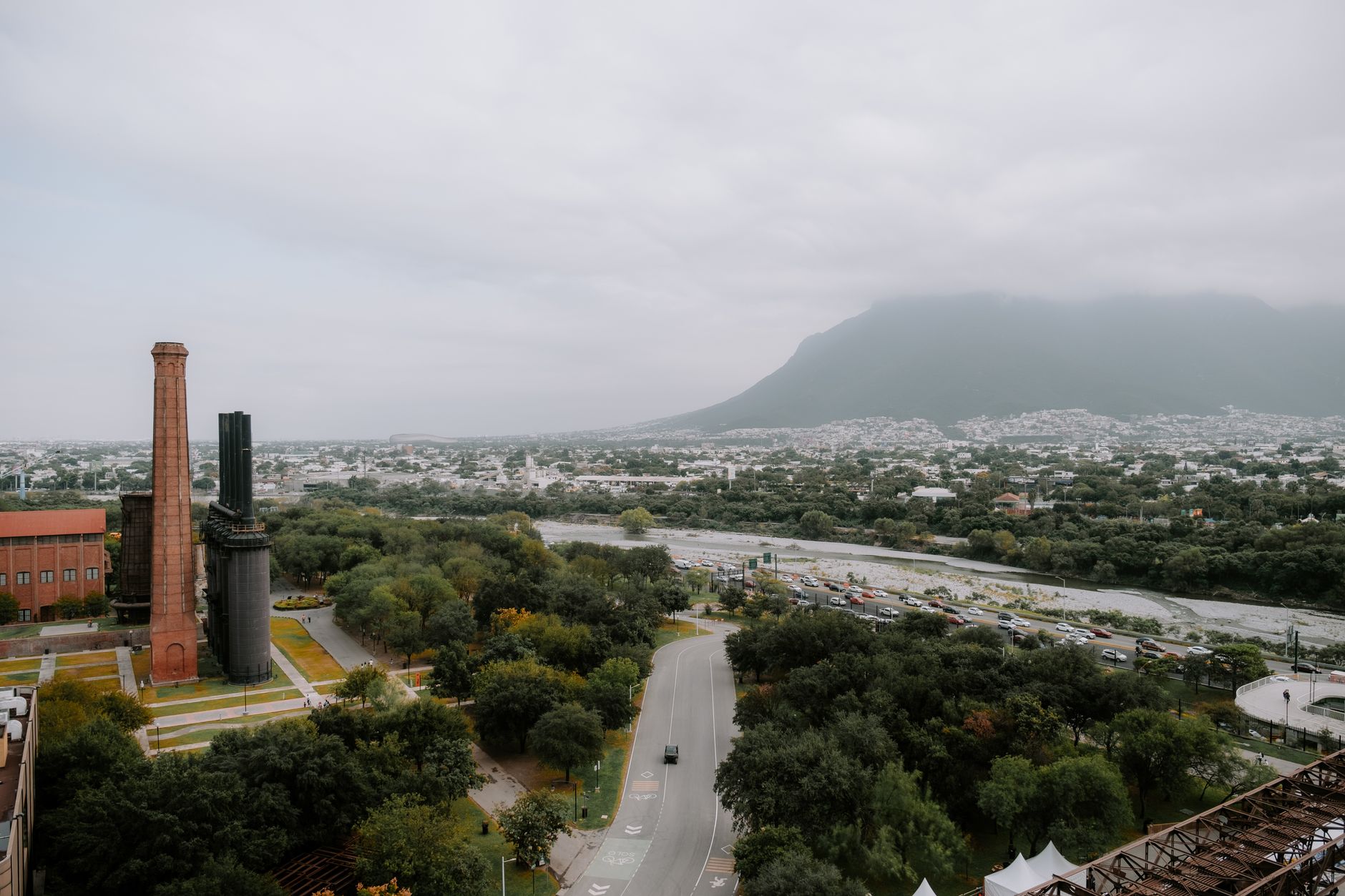
First impressions are a contrast: steelworks-turned-park next to neon-lit shopping malls and granite ridgelines above town. The mood shifts fast with location—downtown is formal, Super Lomas and San Pedro are affluent and leafy, while industrial districts feel utilitarian and loud.
Expect heat in spring and summer, highways that take longer than they look on a map, and a local appetite for red meat that shapes meal schedules. Many visitors underestimate distances between attractions and the need to combine transit and short taxi rides when traveling on a tight schedule.
This place suits travelers who accept a layered urban experience: public-art-lined boulevards, serious museums built from steel heritage, and easy access to serious outdoor rock and canyon terrain just outside the urban core. Accommodations range from budget options around Alameda to higher-end hotels in San Pedro Garza García, so pick a base that matches how much driving or transit is desired.
Is 3 days in Monterrey enough?
Three days are enough to cover downtown highlights (Macroplaza, MARCO, Fundidora), a mountain viewpoint and a neighborhood food crawl. A caveat: fitting in distant day trips such as Grutas de Garcia or a full climbing day in La Huasteca will require extra time or a car.
Who This Guide Is For
Best for travelers who like urban industry, strong regional food (cabrito/carne asada) and short hikes; poor fit for visitors seeking a slow beach-style escape or a museum-heavy itinerary that needs more than 72 hours.
Local Tips for Monterrey
Practical details that most travel sites skip — specific to Monterrey.
- Buy a reusable Metrorrey card at any Line 1 or Line 2 station (small deposit around 20 MXN) and tap for the ~4.50 MXN single fare—cash on board buses is slower and exact change is required.
- Take the Paseo Santa Lucía boat from the Macroplaza dock early (09:00–11:00) to avoid noisy tour groups; the embankment walk between Macroplaza and Parque Fundidora is free and flows better on weekdays.
- Reserve a table at El Rey del Cabrito (several branches including San Pedro and Centro) for late lunch; cabrito plates run about 250–500 MXN depending on cut and sides.
- Access to La Huasteca (Parque Ecológico La Huasteca) is easiest by taxi or rental car from Monterrey Centro—public transit reaches nearby towns but adds an hour; parking at checkpoints is common and sometimes charged per vehicle.
- Museo del Acero Horno3 requires timed tickets for the furnace elevator experience (around 100–140 MXN); arriving mid-morning avoids the busiest school and tour groups.
How This Guide Was Prepared
Monterrey mixes heavy industry, steep granite peaks and a strong meat-and-beer culture in a way nearby cities don’t. Many guides treat it like a flashy weekend spot; this one explains the real logistics—how to use Metrorrey, which viewpoints need a car, and where heat and traffic consume time. This guide was prepared through a structured research that combines destination research, geographic context, itinerary planning logic, and content review.
Plan Your Stay in Monterrey
Use this itinerary as your starting point, then compare areas to stay, transport options, seasonal timing, and realistic daily costs before booking.
Why Visit
The industrial-to-park conversion at Parque Fundidora and Museo del Acero Horno3 is an unusual urban reuse example that explains local identity and offers both museum-level exhibits and outdoor space. The Paseo Santa Lucía canal links Fundidora to Macroplaza and is a controlled, walkable corridor with public art and boat rides.
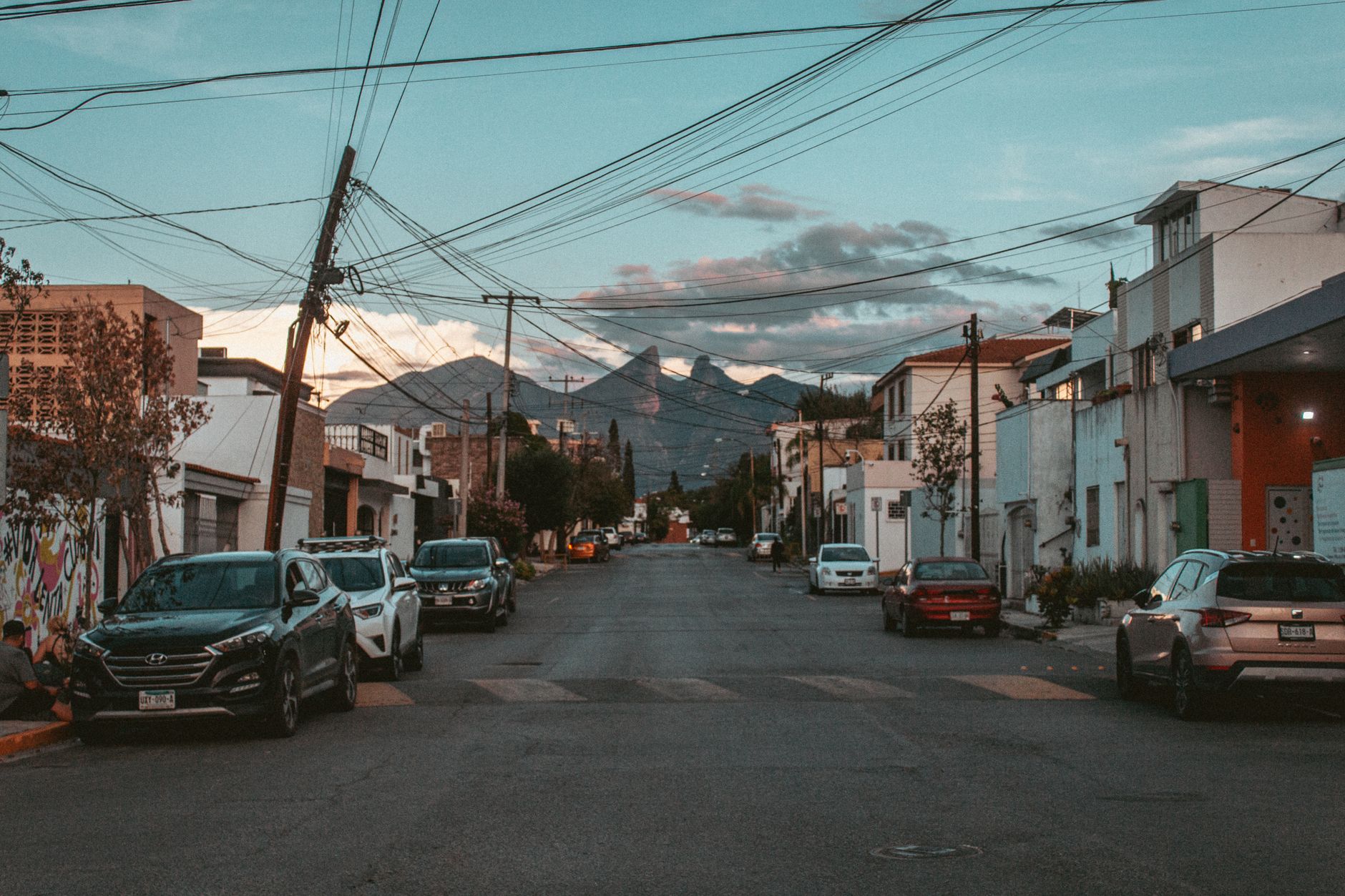
Meat culture is distinctive: cabrito (roast young goat) and norteño carne asada are regional specialities best tried at longstanding restaurants like El Rey del Cabrito and late-night taquerías such as Tacos Orinoco. The mountain backdrop matters—Cerro de la Silla and La Huasteca provide accessible day climbs, canyon routes and a different climate a short drive from the center.
Modern cultural institutions such as MARCO and Museo de Historia Mexicana house rotating exhibitions and local-identity shows, so art and history visitors get more than a checklist of colonial markers. A contrast between new-money shopping in San Pedro and working-class neighborhoods adds texture to an urban visit.
Quick Planning Tips
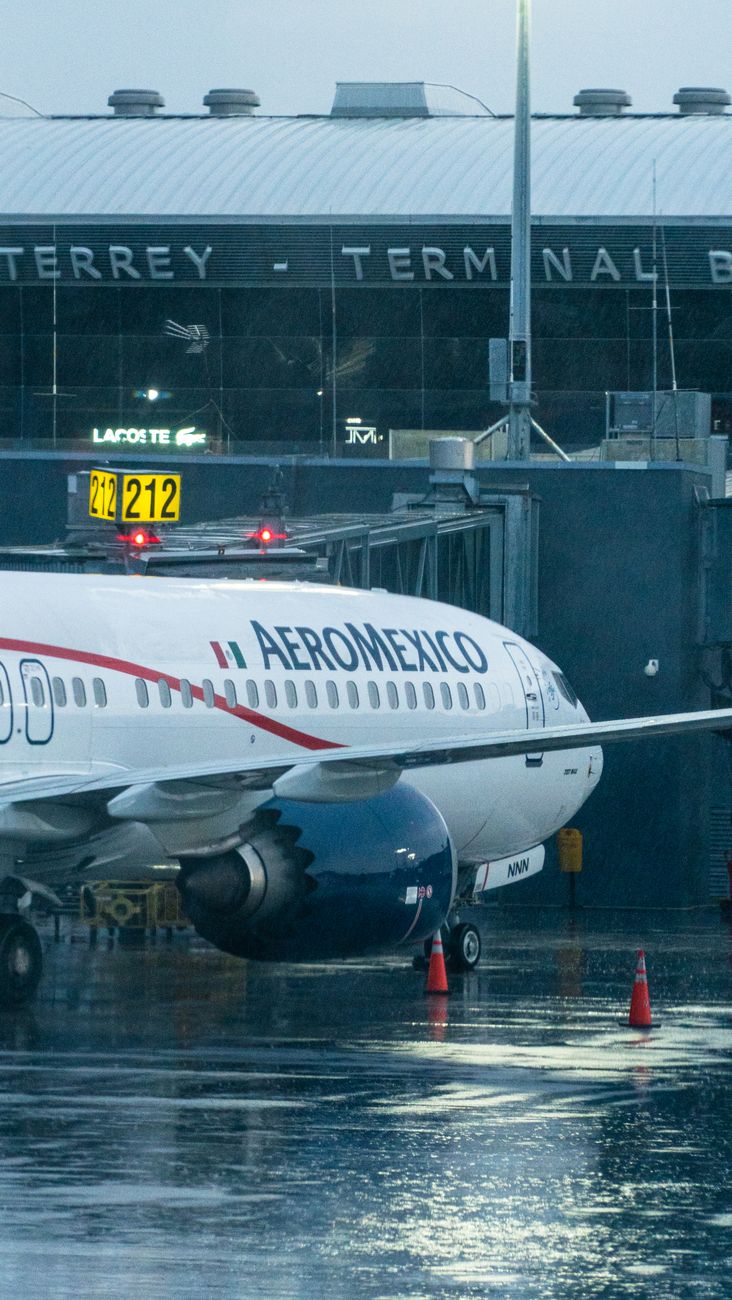
Fly into Aeropuerto Internacional General Mariano Escobedo (MTY) and budget 25–45 minutes to reach central hotels depending on rush-hour traffic; taxis and authorized airport shuttles are reliable but negotiate or use the airport booth rates. A reusable Metrorrey card bought at station kiosks cuts down queue time for repeated trips—keep small bills for buses and market purchases.
Pack sun protection and water for daytime walking; spring and summer heat can spike above 30°C and shade is sparse on some plazas. One planning mistake to avoid is treating downtown as fully walkable: walking entire routes between Macroplaza, Barrio Antiguo and Paseo Santa Lucía adds minutes and heat; use a short taxi for comfort and time savings.
Day 1
Morning: Start at Macroplaza—visit the Fuente de Neptuno and walk past Palacio de Gobierno to Museo de Historia Mexicana (allow 60–90 minutes). The museum is a short walk from Macroplaza and gives context on Nuevo León and regional development.
Late morning: Walk to MARCO (Museo de Arte Contemporáneo) on Ave. Constitución; plan 60–90 minutes for the main halls and temporary exhibits. From MARCO it’s a 10–15 minute walk to Paseo Santa Lucía entrance near Barrio Antiguo.
Lunch: Cross to Paseo Santa Lucía and eat at a riverside café or take a 10-minute taxi to El Rey del Cabrito for a traditional cabrito plate (250–450 MXN). Expect 10–15 minutes transit between the canal and El Rey del Cabrito branch in Centro.
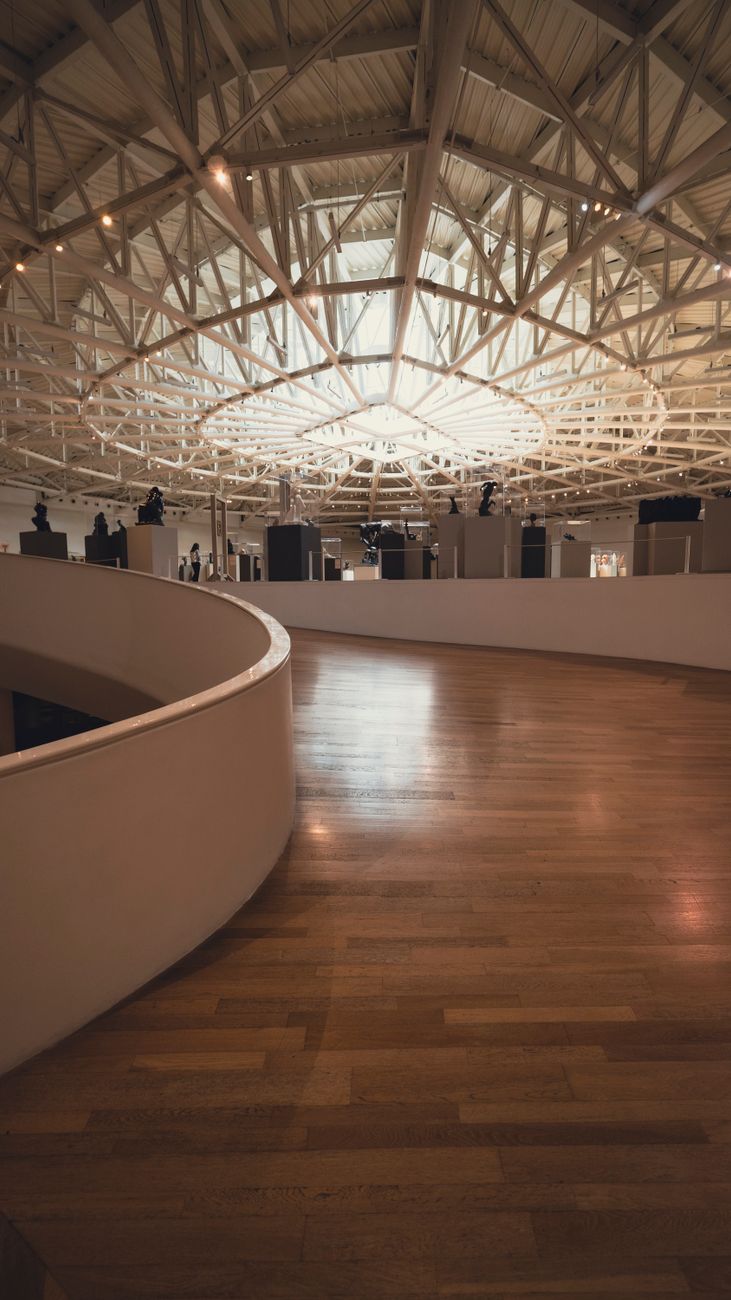
Afternoon: Take the Paseo Santa Lucía boat ride down to Parque Fundidora (30–45 minutes including stops) and spend time at Museo del Acero Horno3; the furnace elevator requires timed entry—budget 90–120 minutes. Walking between Fundidora landmarks is 5–20 minutes.
Evening: Return to Barrio Antiguo for dinner and bar hopping along Calle Morelos; weekdays can be quieter, so confirm opening hours. For a higher-end option, book Pangea in San Pedro (reserve in advance; 15–25 minutes by taxi from Centro).

Day 2
Morning: Head to Barrio Antiguo for coffee and pastries, then browse local design shops on Calle Morelos and Plaza Zaragoza; allow 1–2 hours. From Barrio Antiguo a short taxi (5–10 minutes) reaches Alameda and Av. Constitución for public transit options.
Late morning: Take Metrorrey Line 1 or a short taxi to Estadio BBVA for a stadium photo stop or a scheduled tour if available; checking game schedules matters as match days change local transport flows. Travel time from Centro is about 20–30 minutes by metro or taxi.
Lunch: Try tacos at Tacos Orinoco (several locations open late); expect 60–120 MXN per person for a filling street-food lunch. After lunch, take Line 2 to San Pedro Garza García for upscale shopping along Plaza Fiesta San Agustín or Museo del Obispado (Palacio del Obispado) viewpoint.
Afternoon: Visit the Obispado viewpoint and Museo del Obispado for regional military and municipal archives; it’s a short taxi from San Pedro center (10–15 minutes). Return to Centro by taxi or Line 2 and rest.
Evening: Explore craft beer bars in Barrio Antiguo; many microbreweries and gastropubs cluster on Calle Morelos and Calle José Benítez. Weekends are livelier; weekdays close earlier.
Day 3
Morning: Make an early start for La Huasteca (Parque Ecológico La Huasteca) for a short hike, scrambling or scenic drive; allow 3–4 hours including travel time. A taxi or rental car is easiest—expect 25–45 minutes each way from central areas depending on traffic.
Late morning: If not doing La Huasteca, a good alternative is a guided half-day to Grutas de Garcia (cave system) near Villa de García; the cable car and guided tour take about 2–3 hours and require a reservation on busy weekends.
Lunch: Stop at a roadside carne asada stand or a local fonda on the way back—plates with grilled cuts typically cost 120–300 MXN. Return toward the center in time for last-minute museum stops or shopping.
Afternoon/Departure: For travelers checking out for an afternoon flight, leave La Huasteca or Grutas by early afternoon to allow for airport security and traffic; allocate at least 60–90 minutes from downtown to Aeropuerto Internacional General Mariano Escobedo. If flight is later, use the final afternoon for a relaxed walk along Paseo Santa Lucía or a last café in Barrio Antiguo.
Best Local Experiences
Buy cabrito at El Rey del Cabrito or try a smaller pulquería-style joint for a local take on roast goat—this is a regional rite and not a tourist novelty. Take the Paseo Santa Lucía boat from Macroplaza to Fundidora for a controlled waterway walk with public art stops.
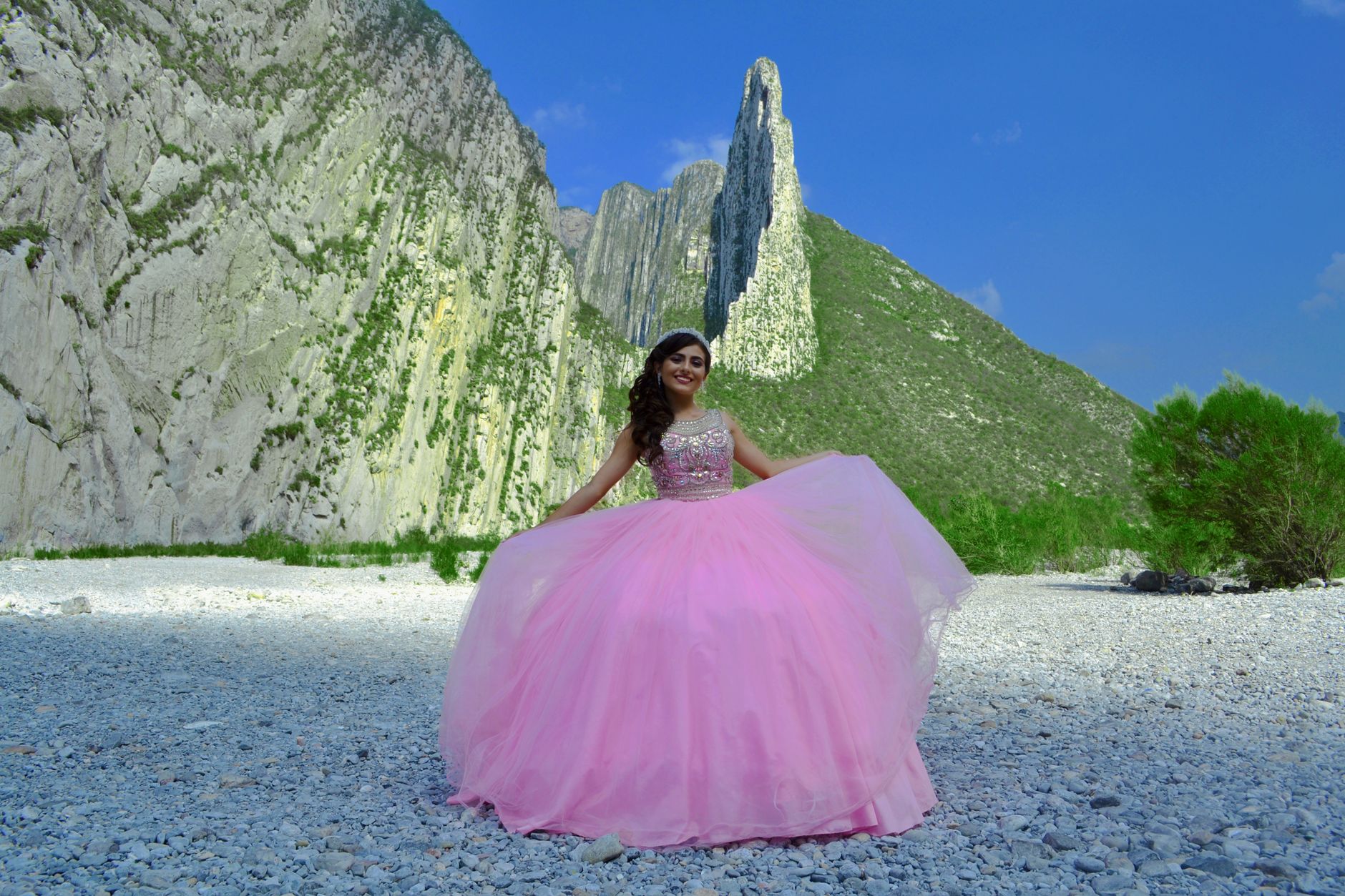
Climb or hike in La Huasteca for short technical scrambles and visible granite faces used by local climbers; bring proper footwear and water. Attend a weekend football match at Estadio BBVA if schedules align—experience local fandom and taquería lines outside the stadium.
Visit Museo del Acero Horno3 for an industrial heritage tour that includes the furnace elevator and rooftop views. Explore Barrio Antiguo’s mix of restored houses, small galleries and late-night taquerías on Calle Morelos for a concentrated local scene.
Where to Stay
Centro/Historic: Best for first-time visitors who want walking access to Macroplaza, MARCO and Barrio Antiguo. Pros: museums and canal within walking distance. Typical nightly costs: 700–1,500 MXN (35–80 USD / 32–75 EUR) for mid-range hotels.
San Pedro Garza García: Suited to travelers seeking safer streets, higher-end dining and quieter nights; closer to Pangea and San Pedro shopping. Pros: calmer, more upscale. Typical nightly costs: 1,800–4,000 MXN (100–220 USD / 90–205 EUR) for mid-to-high-end hotels.
Colonia Obispado/Monterrey Oeste: Good for budget to mid-range travelers who want access to mountain viewpoints like Mirador del Obispado and quicker routes to La Huasteca. Pros: practical for outdoor days. Typical nightly costs: 600–1,200 MXN (30–65 USD / 27–60 EUR).
Food and Drink
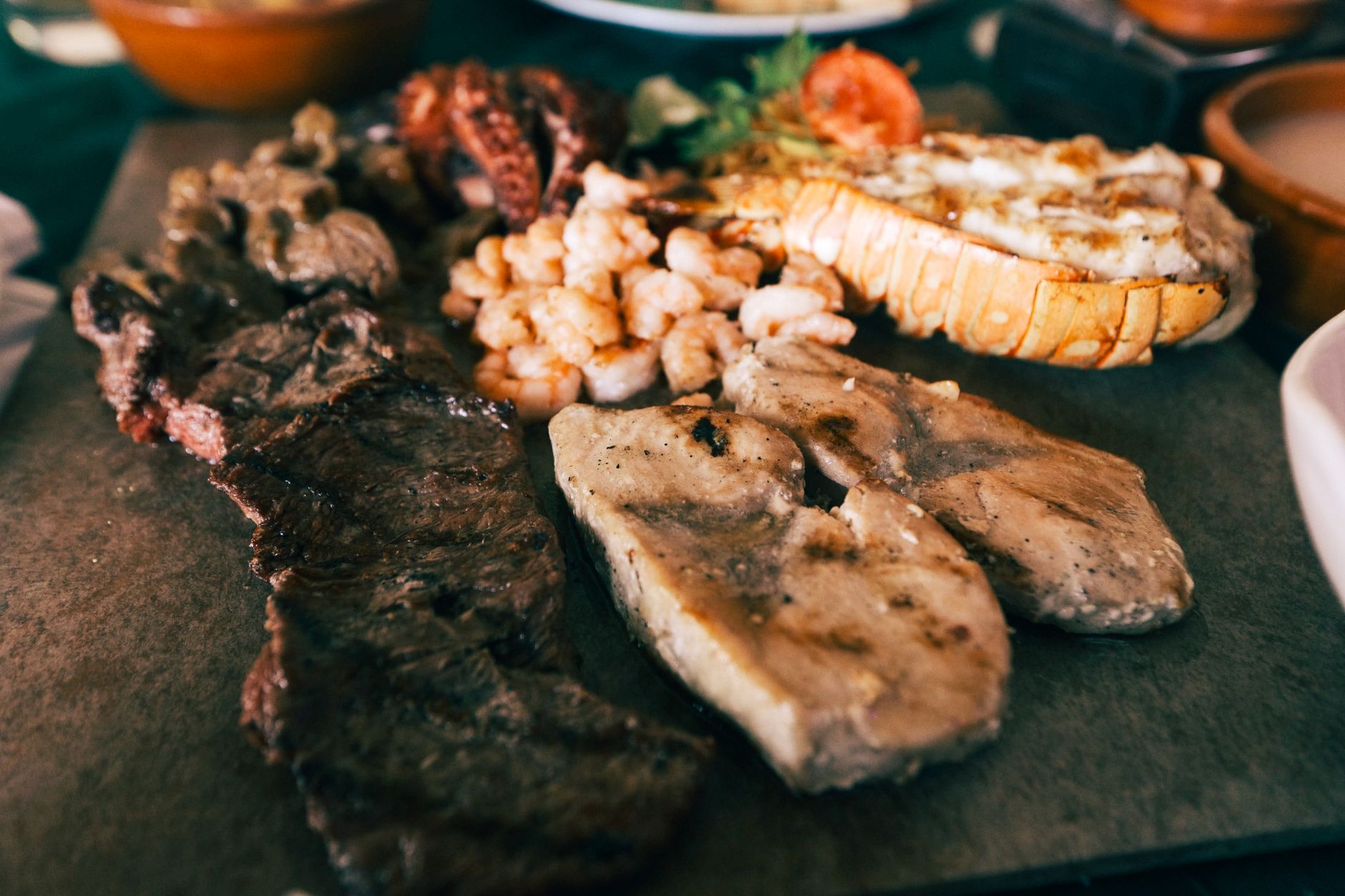
Cabrito: Roast young goat, often split and slow-cooked; best at El Rey del Cabrito or small parrillas in Centro. Price: 250–450 MXN per plate. Carne asada norteña: Grilled cuts served with tortillas and salsas; available at parrillas and roadside asadas for 120–300 MXN.
Tacos al pastor and late-night tacos: Tacos Orinoco is a reliable local option open late; expect 15–40 MXN per taco. Machacado con huevo: Dried, shredded beef fried with eggs, usually served for breakfast at local fondas for 70–120 MXN.
Street snacks and markets: Try gorditas and quesadillas in Mercado Juárez or small stands near Barrio Antiguo—snacks range 30–80 MXN. Drinks: local craft beers are plentiful in microbreweries around Barrio Antiguo (50–120 MXN per pint); agua fresca stands cost 15–35 MXN.
Getting Around
Main public transit is Metrorrey with Line 1, Line 2 and Line 3 covering core corridors; stations include Acero, Cintermex, and Fundidora near major sights. Single-ride fares are around 4.50 MXN and reusable station cards can be recharged at kiosks; keep small cash for buses and market purchases.
Buses cover many neighborhoods but routes can be slow; key avenues for bus travel include Av. Constitución and Av. Miguel Alemán. Ride-hailing apps Uber and DiDi are widely used; taxis can be arranged through hotel desks or airport booths for predictable pricing.
Useful apps: Moovit and Google Maps for transit planning; use the Metrorrey station kiosks for card top-ups. A typical taxi from Aeropuerto Internacional General Mariano Escobedo to Centro runs 350–500 MXN depending on traffic and luggage.
Best Time to Visit
Spring (March–May): Warm days (20–30°C) and lower humidity than summer; good for walking and early hikes but expect pollen and some windy days. Shoulder-season crowds are moderate and prices are reasonable.
Summer (June–August): Hot and humid with frequent afternoon storms; temperatures often exceed 30°C. Museums are air-conditioned but outdoor activities are less comfortable; book tours or hikes early in the morning.
Autumn/Winter (September–February): Cooler, drier air with days around 15–25°C and cooler nights; December–January can be chilly at higher viewpoints. Best value months with fewer tourists and clearer mountain views are October–November and February.
Budget and Practical Tips
Daily budget example (mid-range traveler): Accommodation 1,200 MXN (≈65 USD / 60 EUR), food 600 MXN (≈33 USD / 30 EUR), transport 120 MXN (≈7 USD / 6 EUR), entries and tours 200 MXN (≈11 USD / 10 EUR). Total ≈2,120 MXN per day (≈116 USD / 106 EUR).
Budget options: Hostels or basic hotels in Centro cost 400–700 MXN per night. Splurge options: fine dining and San Pedro hotels push totals significantly higher. Many places accept cards but carry cash for markets, small eateries and bus fares.
Tipping: Restaurants typically expect 10–15% if service is not included; small-change tipping for taxi drivers is normal but not mandatory. Expect to show ID when paying with some credit cards; keep a photocopy or photo of passport in case it’s requested.
FAQ
Is Monterrey safe for tourists?
Central areas and San Pedro are generally safe in daytime; exercise normal city caution after dark, avoid poorly lit side streets, and use taxis or ride-hailing at night.
What is the best way to get from the airport to downtown?
Use authorized airport taxi booths or ride-hailing apps; allow 30–45 minutes for the journey depending on traffic.
Is there a city pass that covers museums and transport?
No widely used all-in-one pass; buy individual museum tickets and a rechargeable Metrorrey card for transit savings.
Can public transit reach La Huasteca or Cerro de la Silla?
Public transit reaches nearby neighborhoods but not direct trailheads; a taxi or rental car is the practical option for those outdoor areas.
Are museums wheelchair accessible?
Major museums such as MARCO and Museo del Acero Horno3 have ramps and elevators, but check specific exhibit access in advance.
Is tap water safe to drink?
Tap water is not recommended for visitors; use bottled water for drinking and brushing teeth if sensitive.
Do restaurants accept credit cards?
Many mid-range and high-end restaurants accept cards; carry cash for street food, markets and small vendors.
When are the best months for outdoor climbing or hiking?
October–May offers cooler, drier conditions for climbing in La Huasteca and hikes up Cerro de la Silla.
Conclusion
Three days provide a clear slice of what defines the region: industrial heritage turned public space, meat-focused dining, and immediate mountain scenery. Most travelers will remember the contrast between steel-and-water park spaces and sheer granite ridges visible from many neighborhoods.
If time runs short, prioritize Paseo Santa Lucía, Museo del Acero Horno3 and one mountain viewpoint or La Huasteca short hike—those give the best sense of how urban and outdoor life intersect locally.
How this guide was prepared
This guide was prepared through a structured research that combines destination research, geographic context, itinerary planning logic, and content review.