

Practical 3-Day Itinerary for Bandung — Urban, Lembang & Food
A practical 3-day guide to Bandung covering neighborhoods, transport (Damri, angkot, Bandros), costs, and a realistic itinerary for first-time visitors.
A clear, honest 72-hour plan that balances central sights, a Lembang day trip, and the walking, eating, and transit realities needed to make the most of a short stay.
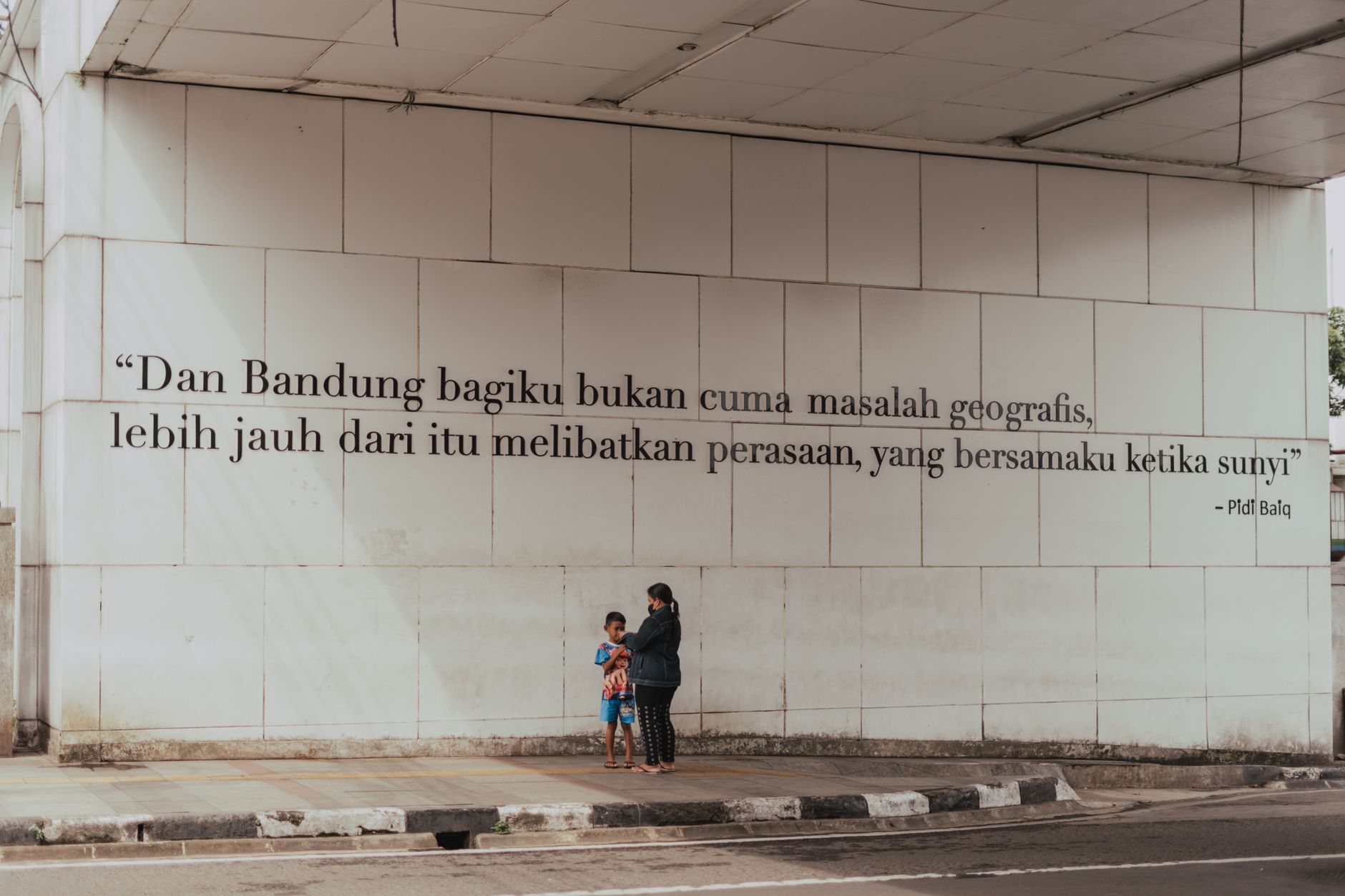
Bandung presents as a mid-sized Indonesian city with an unusual mix: colonial-era boulevards, a modern mall culture, and highland resorts a short drive away. The mood shifts quickly from traffic-clogged Jalan Dago to cool, misty Lembang in under an hour when roads cooperate. First impressions often surprise visitors expecting a compact old town; instead, the experience is spread across distinct pockets that require a mix of walking, short rides, and one or two longer transfers.
Crowds concentrate at Braga and Alun-Alun on weekends, and the city can feel loud during rush hours. Noise, smoke from motorcycles, and frequent one-way streets are part of daily life. The place suits travelers who accept pragmatic logistics—using angkot, Bandros, Grab/Gojek, or a hired car—and who want food markets, factory outlets, and one nature day in the highlands rather than a single concentrated walking sightline.
Basic expectations: allow extra time for travel between neighborhoods; plan one fall-back indoor activity (a museum or mall) for rainy afternoons; and factor in early starts for attractions outside the urban core.
Is 3 days in Bandung enough?
Yes—three days allows a solid introduction: a full day in the historic core (Braga, Gedung Sate, Gedung Merdeka), a day trip to Lembang (Tangkuban Perahu, Dusun Bambu), and a market/food day including Pasar Baru and Cihampelas. Caveat: squeezing Kawah Putih in Ciwidey on the same trip is possible but makes the schedule rushed and adds two hours each way by car.
Who This Guide Is For
Best for independent travelers who can handle some traffic, enjoy street food and short hikes, and want an urban-plus-highlands mix. Poor fit for those who want a purely pedestrian city center experience or need fully accessible transport between all sights.
Local Tips for Bandung
Practical details that most travel sites skip — specific to Bandung.
- Take the Damri airport shuttle from Husein Sastranegara Airport to Stasiun Bandung (Hall) — ticket bought at arrivals counter runs about IDR 40,000–55,000 depending on route.
- Bandros (Bandung tourist bus) runs a short loop with stops at Alun-Alun, Braga, and Gedung Sate; single-ride fares are roughly IDR 20,000 and useful for short sightseeing hops.
- Angkot minibuses run labelled routes (numbers and terminal names painted on the windshield); typical cash fares are IDR 4,000–6,000 — exact change expected and drivers may not speak English.
- Lembang attractions such as Tangkuban Perahu and Dusun Bambu generally close gates around 17:00–18:00; start early from the city (45–90 minutes by car) to see crater views at daylight.
- Factory outlets on Jalan Riau and Jalan Setiabudi often close by 19:00 on weekdays and later on weekends; afternoon is the best time to try sizes and avoid morning stock arrivals.
How This Guide Was Prepared
A three-day visit to Bandung works best when it accepts the city's traffic, its patchwork of colonial and modern zones, and the need for at least one day outside the centre in Lembang or Ciwidey. Many guides treat Bandung like a single, walkable downtown; the practical challenge is that attractions are spread and public transit mixes formal buses, angkot, and app-based rides—this guide lays out realistic transit options, timed moves, and where to skip queues and crowds. This guide was prepared through a structured research that combines destination research, geographic context, itinerary planning logic, and content review.
Plan Your Stay in Bandung
Use this itinerary as your starting point, then compare areas to stay, transport options, seasonal timing, and realistic daily costs before booking.
Why Visit
There are concrete reasons to pick this destination for a short trip. First, the culinary scene combines Sundanese street food, market stalls, and cafés clustered around Braga and Dago, making it a compact food experience without long transfers between meals. Second, the proximity to highland terrain such as Tangkuban Perahu and Dusun Bambu means a single overnight base gives both urban culture and mountain air.
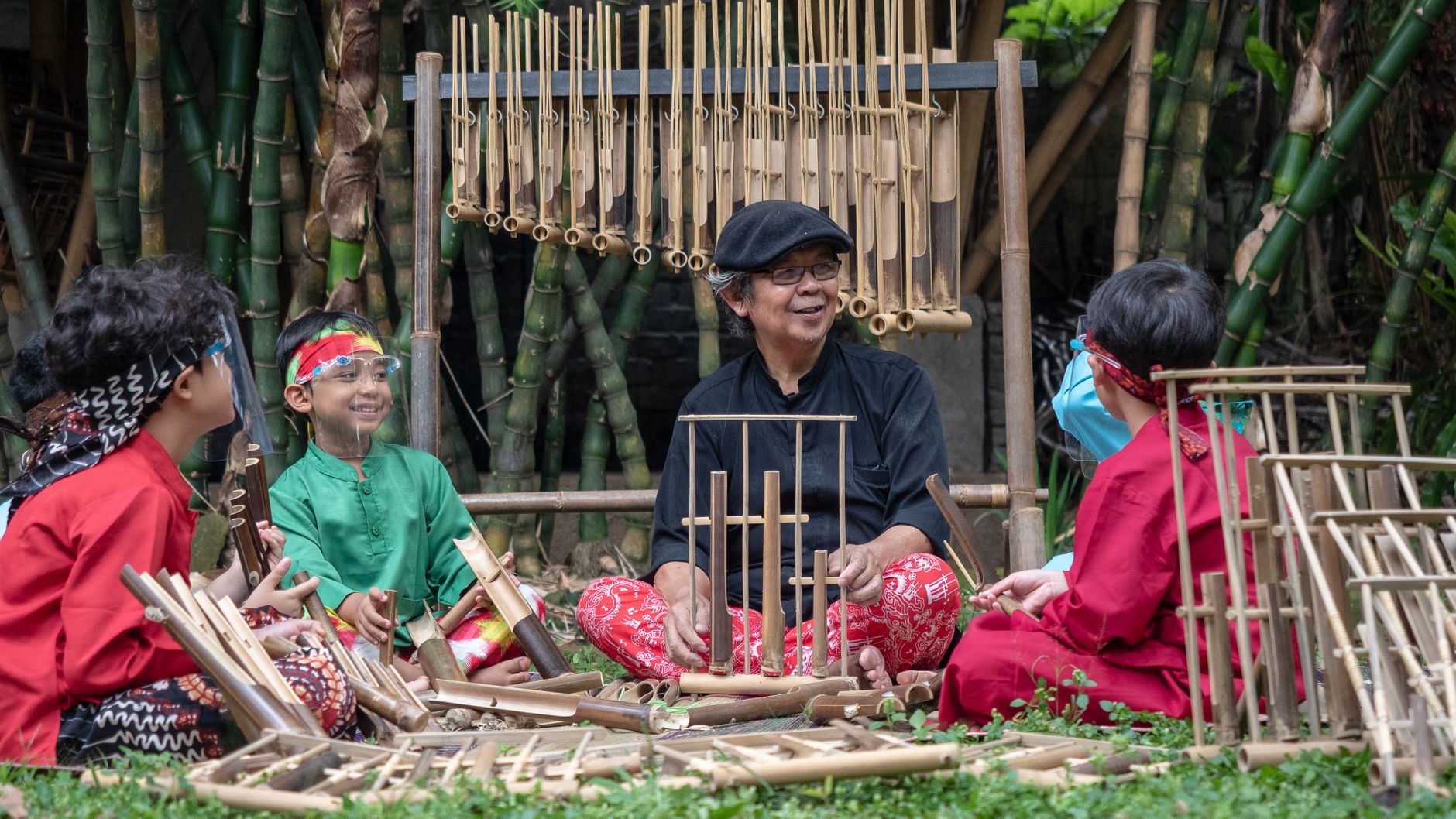
Third, the city’s factory outlets on Jalan Riau and Jalan Setiabudi offer accessible shopping for shoes and jeans at marked-down prices; a half-day of fitting is realistic. Fourth, cultural performances at Saung Angklung Udjo and the colonial spaces around Gedung Merdeka provide specific, bookable activities that showcase Sundanese music and the city’s role in Indonesia’s history.
These are practical draws rather than abstract claims—meals, a highland crater visit, outlet shopping, and a music performance can all be scheduled into three days with confirmed times and realistic transit allowances.
Quick Planning Tips
Fly into Husein Sastranegara Airport for the closest access to the centre; Damri shuttle buses run to Stasiun Bandung and Alun-Alun for around IDR 40,000–55,000. For arrivals by train, most intercity services stop at Stasiun Bandung (central) or Kiaracondong; use the KAI Access app to check schedules and print or show your e-ticket.
Carry small denominations of rupiah for angkot and pasar purchases; many small stalls and minibuses are cash-only. Book a Lembang day trip or a private car for Tangkuban Perahu and Dusun Bambu rather than relying on public minibuses—drivers and tour operators are easy to book via Grab/Gojek or local travel desks.
Avoid the planning mistake of treating the center as fully walkable—walking between Braga, Cihampelas, and Dago is possible but slow with uphill stretches and heavy traffic. Confirm opening hours for Saung Angklung Udjo and Trans Studio Bandung in advance and buy any timed-entry tickets online where offered.

Day 1
Morning: Start at Alun-Alun Bandung for an easy introduction. The square sits in front of Masjid Raya Bandung and Gedung Sate is a 10–15 minute walk northwest across the Gasibu field; allow 15 minutes to walk and photograph the Gedung Sate facade. From Gedung Sate, walk or take a short Grab ride (5–10 minutes) to Gedung Merdeka on Jalan Asia Afrika where the Asia-Africa Conference Hall and museum are located; allow 45–60 minutes for the museum.
Late morning: Stroll down Braga Street (Jalan Braga) — shops and colonial storefronts are within a 5–10 minute walk of Gedung Merdeka. Stop at a café on Braga for kopi tubruk or Bandung-style coffee; typical coffee prices are IDR 20,000–35,000.
Lunch: Walk 10 minutes to Pasar Baru Trade Center for noodles or local tongseng at small warungs; a filling meal costs IDR 25,000–50,000. Afternoon: Head to Cihampelas Walk (Ciwalk) by angkot or Grab (10–20 minutes depending on traffic) for a mix of outlet stores and the famous Cihampelas Jeans shops; allocate 1.5–2 hours for shopping and a coffee break.
Evening: Dinner at a Sundanese restaurant near Dago or try street-side sate areas on Jalan Braga. End the night with a short Bandros hop if schedules align, or walk around Gasibu for an evening city view; expect compact nightlife rather than late-night clubs in the downtown core.
Day 2
Full day: Dedicate this day to Lembang and the highland attractions. Leave early (07:00–08:00) to avoid weekend queues. First stop: Tangkuban Perahu — allow 45–90 minutes by car depending on traffic from central Bandung. Park and walk to the viewpoints; crater edges often have vendors selling light snacks and jackets. Entry fees fluctuate but budget IDR 30,000–70,000 per person for gate fee and a small extra for parking.
Midday: Drive 15–25 minutes to Dusun Bambu or the Lembang Floating Market for sheltered walking, local snacks, and Instagram-style photo spots; allow 1.5–2 hours. These sites close their gates in the late afternoon so plan the visit before 16:30.
Afternoon: Optionally visit Farmhouse Lembang (European-style set-piece with ticketed entry) or Maribaya for short forest walks and waterfalls; transport between sites is 10–30 minutes. Return to the city in the evening—expect road slowdowns on Jalan Dago and near Pasteur toll.
Dinner: Back in the city, try a Sundanese family-style restaurant for grilled fish and sayur asem. Evening recommendation: if energy allows, visit a late-night street market near Jalan Setiabudi for snacks and inexpensive factory-outlet pickups.

Day 3
Morning: Use this day for markets and a cultural stop. Start at Pasar Baru Trade Center for textiles and local snacks; arrive by 08:30 to beat midday crowds and allow 1–2 hours. Walk 10–15 minutes to Jalan Cihampelas to see the outdoor malls and the Cihampelas Walk pedestrian strip — good for last-minute shopping and jeans fittings.
Late morning: Visit Saung Angklung Udjo for a performance and instrument workshop; the show runs mid-morning and requires booking in advance for guaranteed seats. Travel time from Cihampelas is 20–30 minutes by car. Allocate at least 90 minutes for the performance and hands-on section.
Lunch: Eat at a warung near Dago or sample bubur ayam at a local stall (IDR 20,000–35,000). Afternoon option for those catching later flights: head to a mall near the airport such as Trans Studio Mall or return to the hotel to checkout. Allow extra buffer for traffic—Husein Sastranegara Airport is close to central areas, but afternoon congestion near Pasteur toll can add 30–45 minutes.
Practical note: If the flight is in the afternoon, skip longer excursions like Kawah Putih and keep the third morning light and local so transfer times are predictable.
Best Local Experiences
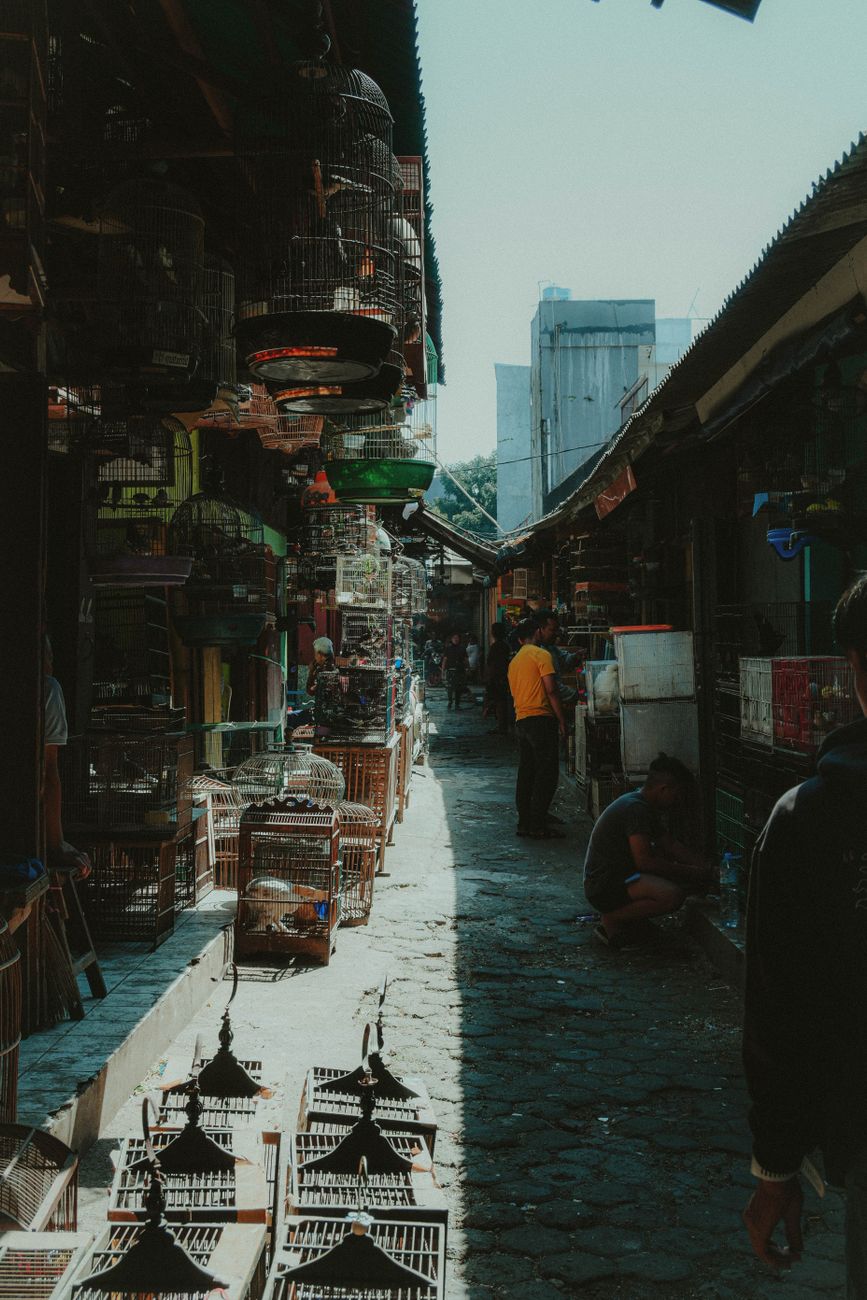
Spend time at Pasar Baru Trade Center for textiles, shoe stalls, and budget tailoring services specific to the city. Book a Saung Angklung Udjo performance to hear angklung ensembles and try the bamboo instruments firsthand. Ride the Bandros tourist bus for a short loop hitting Braga, Gedung Sate, and Alun-Alun—useful for quick orientation.
Shop factory outlets on Jalan Riau and Jalan Setiabudi for discounted brand items and local labels; bring time to try sizes and haggle politely. Visit Cihampelas Walk for the jeans market and the elevated open-air mall experience unique to that street. For nature, choose either Tangkuban Perahu for a crater visit or Kawah Putih in Ciwidey for a milky crater lake—both require a car or tour and take most of a day.
Additional activities: a food walk along Braga and Asia Afrika, coffee shops on Jalan Dago for working afternoons, and visiting Gedung Merdeka for a short history stop focused on the 1955 conference.
Where to Stay
Dago (near Jalan Dago and Dago Pakar) — Suited for café culture and nightlife, convenient for walking to Dago factories and cafes. Nightly costs: budget guesthouses IDR 200,000–400,000 (≈ USD 13–27), mid-range hotels IDR 600,000–1,200,000 (≈ USD 40–80).
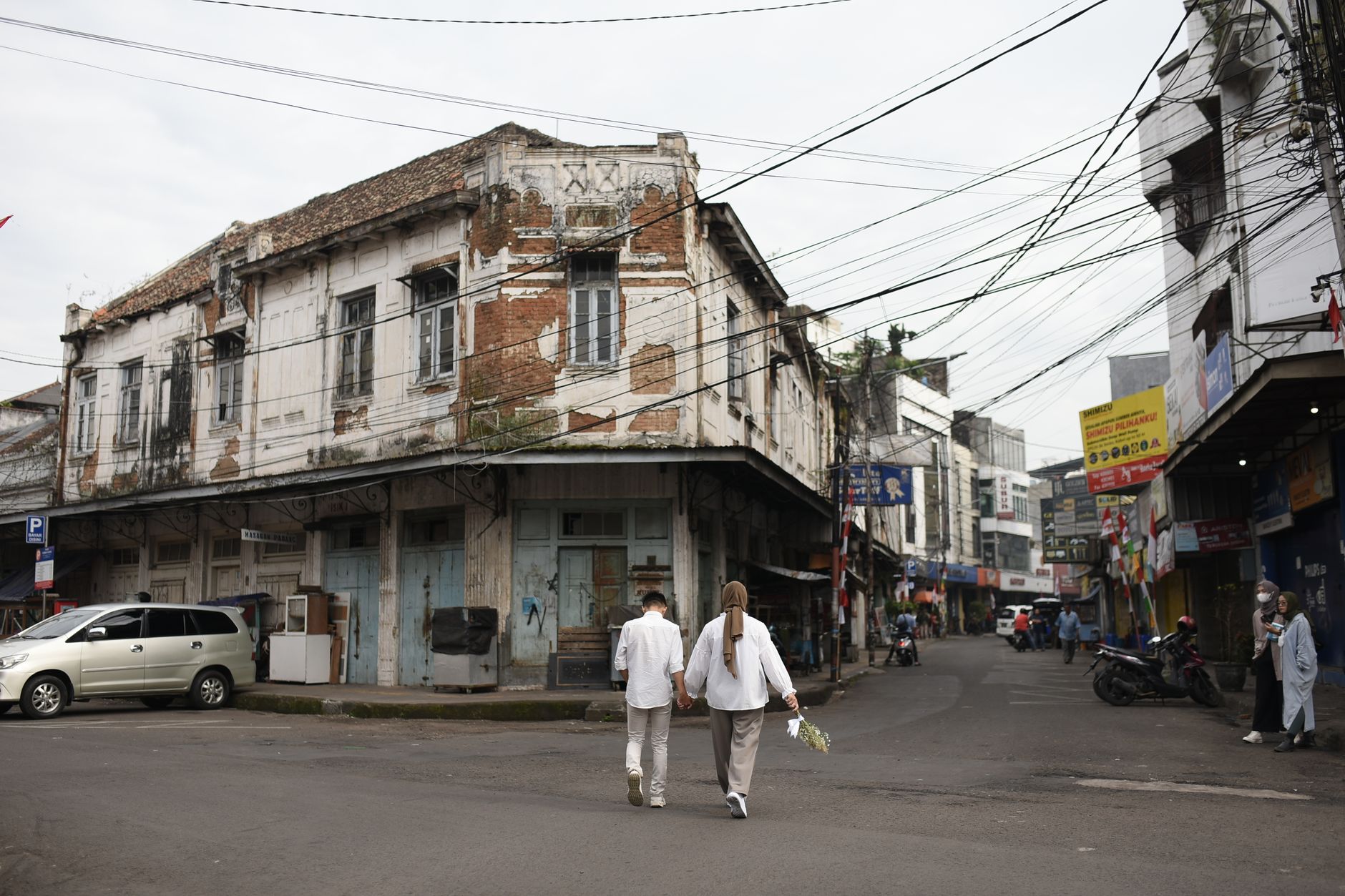
Braga / Asia Afrika (historic centre) — Suited for first-time visitors wanting immediate access to Alun-Alun, Gedung Merdeka, Braga cafés, and official sights. Nightly costs: small boutique hotels IDR 400,000–900,000 (≈ USD 27–60).
Lembang (outskirts, for one-night highland stay) — Suited for those prioritizing early access to Tangkuban Perahu and Dusun Bambu; expect cooler rooms and resort-style properties. Nightly costs: guesthouses and homestays IDR 300,000–700,000 (≈ USD 20–47), small resorts IDR 800,000–1,500,000 (≈ USD 53–100).
Choose the central district for first arrivals and an extra night in Lembang if prioritizing sunrise crater views. Booking a hotel with a reliable driver contact or shuttle reduces friction when arranging early departures to highland sites.
Food and Drink
Nasi Timbel – Wrapped rice served with fried chicken, tahu, tempe, and sambal; find good versions at family-style Sundanese restaurants around Dago and near Jalan Setiabudi. Price: IDR 30,000–60,000.
Bubur Ayam – Chicken rice porridge commonly sold at morning stalls and food courts; typical price IDR 15,000–30,000. Good for a quick breakfast before markets.
Batagor – Fried fish dumplings (bakso tahu goreng) sold at kiosks like Batagor Kingsley or street carts in Cihampelas; price IDR 15,000–30,000 per portion.
Mie Kocok – A beef-and-bone broth noodle dish available at long-running stalls near Pasar Baru; expect IDR 20,000–40,000. It’s hearty and local.
Bandung’s kopi and susu (white coffee with condensed milk, often called kopi susu) — available at Braga cafés and specialty coffee shops on Jalan Dago; price IDR 20,000–40,000.
Dinner recommendation: choose a Sundanese warung that serves nasi liwet or grilled fish with shared plates for groups; expect IDR 60,000–150,000 per person for a full meal in a mid-range restaurant. Street snacks and market foods keep costs low, but hygiene varies—pick busy stalls with turnover.
Getting Around
Angkot minibuses are the backbone of local short trips; routes are painted on windshields and fares are cash-only (around IDR 4,000–6,000). Use angkot for short hops like Cihampelas to Dago or Pasar Baru to Braga.
Trans Studio Mall and larger malls are often linked by private shuttle or reachable by Grab/Gojek. Bandros (Bandung tourist bus) runs a short loop with stops at central landmarks—single rides about IDR 20,000 and cash or QR payments at the driver on some routes.
Intercity and long-distance rail services arrive at Stasiun Bandung (central) and Kiaracondong; book via the KAI Access app. For airport transfers, Damri operates scheduled shuttles from Husein Sastranegara Airport to key city points (IDR 40,000–55,000). Grab and Gojek cover car and motorbike rides across the city; expect a 20–30 minute airport taxi to central areas to cost IDR 60,000–120,000 depending on traffic.
Single local fares: angkot IDR 4,000–6,000, Bandros IDR 20,000, short Grab rides often IDR 15,000–50,000; day passes are not common for tourists, so mix cash and app-based rides. Download Gojek or Grab and the KAI Access app for trains; Google Maps and Waze work for driving times.
Best Time to Visit
Dry season (May–September) offers clearer skies in the highlands and lower chance of rain, with daytime temperatures around 18–26°C and cooler nights. This period is popular for crater visits and outdoor markets; weekends can be crowded, especially in Lembang.
Wet season (October–April) brings frequent afternoon rain and higher humidity; temperatures remain mild at 20–28°C but trails and crater access can be muddy or closed after heavy rains. Travel costs off-peak (November–March) can be lower and hotels offer deals, but expect some itinerary disruption.
Shoulder months April and October often balance lower crowds with reasonable weather; pick a midweek stay to avoid weekend traffic and local holiday surges. For best value, travel in May or September outside national holidays.
Budget and Practical Tips
Sample daily budget (midrange traveler): accommodation IDR 600,000 (≈ USD 40) per night, food IDR 150,000 (≈ USD 10), transport IDR 100,000 (Grab/angkot and short rides ≈ USD 7), entry fees and activities IDR 150,000 (≈ USD 10). Total daily ≈ IDR 1,000,000 (≈ USD 67). Lower-budget travelers can reduce accommodation to IDR 200,000–350,000 and eat mostly at markets to halve daily costs.
Bring cash in small denominations; many street vendors, angkot drivers, and small markets do not accept cards. Use Grab or Gojek for short rides rather than taxis for price transparency, and confirm pickup maps before ordering. Tipping is not mandatory—rounding up or leaving small change at restaurants is appreciated but not expected.
Practical tip: book early-morning transport for Lembang and highland sites to avoid both traffic and afternoon fog that obscures crater views. Keep photocopies of passport pages if staying in smaller guesthouses that request ID for registration.
FAQ
Is Bandung safe for solo travelers?
Yes—general safety is similar to other Indonesian cities; watch belongings in crowded markets, avoid poorly lit side streets late at night, and use registered taxis or app rides after dark.
How do I get from the airport to the city centre?
Damri buses run scheduled shuttles to Stasiun Bandung and Alun-Alun (IDR 40,000–55,000); Grab/Gojek car rides cost IDR 60,000–120,000 depending on traffic and time of day.
Is a city card or pass worth buying?
There is no single, widely used city pass that covers all attractions; individual paid attractions like Trans Studio or Saung Angklung Udjo require separate tickets—buy them online if timed entry is offered.
Can public transport reach Tangkuban Perahu or Kawah Putih?
Direct public transport is limited; Tangkuban Perahu and Kawah Putih are best reached by private car, rental with driver, or organized tour that includes pickup and drop-off.
Are cards widely accepted in shops and restaurants?
Cards and QRIS payments are common at malls and mid-range restaurants, but many small stalls, markets, and angkot drivers require cash—carry small bills.
What is the best way to plan a Lembang day trip?
Book an early private car or join a small-group tour that starts before 08:00 to visit Tangkuban Perahu, Dusun Bambu, and Maribaya without rushing and to avoid afternoon closures and traffic.
Is English widely spoken?
Basic English is common in hotels and tourist attractions, but outside those areas Bahasa Indonesia or local Sundanese are dominant—use translation apps or basic phrases for markets.
Any safety concerns with food and water?
Eat at busy stalls and cooked food; avoid untreated tap water—use bottled water for drinking and brushing teeth.
Conclusion
Three days provides a pragmatic snapshot: the colonial core and markets, a full day in the Lembang highlands, and time to eat and shop without a frantic pace. The most memorable element for many travelers is the contrast between warm, crowded city streets and the cool crater views at Tangkuban Perahu.
If time becomes tight, prioritise a morning at Gedung Merdeka and Braga plus an afternoon market visit, or swap the market for Saung Angklung Udjo to secure a cultural performance. The single thing to prioritise when short on time is an early departure to a highland crater—clear views there make the trip distinct from nearby cities.
How this guide was prepared
This guide was prepared through a structured research that combines destination research, geographic context, itinerary planning logic, and content review.