
Semarang in 3 Days: Practical Weekend Itinerary and Tips
A practical 3-day guide to Semarang with transit tips, budgets, and an itinerary covering Kota Lama, Lawang Sewu, Sam Poo Kong, local markets, and food.
A clear, realistic 72-hour plan for seeing central Semarang: colonial buildings in Kota Lama, Lawang Sewu, Sam Poo Kong, the Great Mosque complex, and the best local eats without wasting time.
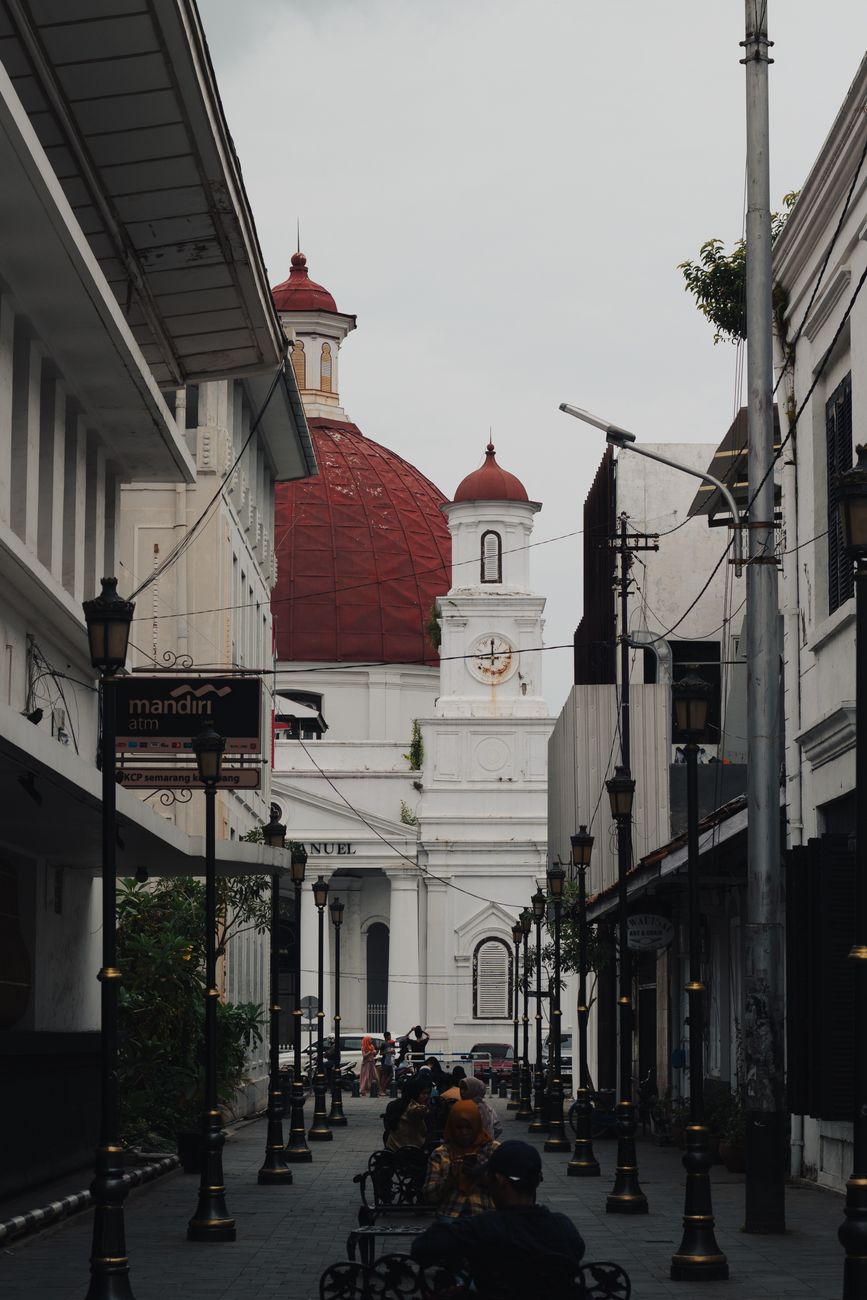
First impression on arrival is a mix: colonial brick facades and Dutch-era signage sit beside busy trading streets and modern shopping towers. Streets near Simpang Lima are noisy and busy; Kota Lama feels quieter by comparison, with broad cobbled streets and rows of old warehouses. Expect heat, intermittent construction, and more two-wheel traffic than pedestrians outside the core.
Common preconceptions often picture a purely heritage city or a beach destination. Reality is a working port city with active neighborhoods, a strong Chinese-Indonesian presence in the old Chinatown, and pragmatic local life centered on markets and street food. This suits travelers who want architecture, street-level culture, and food rather than a polished resort experience.
Is 3 days in Semarang enough?
Yes, three days is enough to cover central historical sites (Kota Lama, Lawang Sewu), Sam Poo Kong, and a food-focused evening in Chinatown, with time left for a mosque visit and a short coastal walk. The caveat: there won’t be time for long day trips to Karimunjawa or in-depth exploration of northern industrial suburbs.
Who This Guide Is For
Best for travelers who want architecture, street food, and short cultural walks on a modest budget; less suitable for those wanting beaches or island escapes or a slow luxury stay.
Local Tips for Semarang
Practical details that most travel sites skip — specific to Semarang.
- Trans Semarang BRT runs multiple corridors; single-journey fares are roughly IDR 3,500–5,000 — buy a ticket at the station gate or pay with Gojek/Grab credit where accepted.
- Lawang Sewu normally opens at 08:00 and charges about IDR 15,000 on weekdays and IDR 20,000–25,000 on weekends and holidays — early arrival reduces crowds and heat.
- Tawang Station is the main rail hub for arrivals from Jakarta, Yogyakarta and Surabaya; book tickets in advance on the KAI Access app to secure lower fares and seat options.
- Pasar Semawis (night market in Kampung Pecinan) runs Friday–Sunday evenings on Gang Pinggir and Jalan Gajah Mada; expect lumpia for IDR 10,000–25,000 and wingko at about IDR 5,000–12,000.
- Grab and Gojek motorbike rides are often the fastest way across Jalan Ahmad Yani during rush hour; typical ojek fares inside the centre run IDR 8,000–25,000 depending on distance.
How This Guide Was Prepared
Three days here reward travelers who want a mix of colonial architecture, Chinese-Indonesian temple life, and coastal food culture rather than nonstop temple-hopping or a museum crawl. Many guides either list attractions without transit realities or promise a packed schedule that ignores traffic and opening hours; this guide gives timed, neighborhood-based logistics and honest price expectations. This guide was prepared through a structured research that combines destination research, geographic context, itinerary planning logic, and content review.
Plan Your Stay in Semarang
Use this itinerary as your starting point, then compare areas to stay, transport options, seasonal timing, and realistic daily costs before booking.
Why Visit
Kota Lama provides the most concentrated set of Dutch colonial buildings in the area, including warehouses, narrow alleys and Gereja Blenduk on Jalan Letjen Suprapto. Lawang Sewu offers distinctive architecture and a compact museum experience a short walk from Tawang Station. Sam Poo Kong shows the maritime Chinese heritage and is architecturally ornate without the long queues found at larger temples.
Food culture is another reason: lumpia sellers, tahu gimbal stands and wingko at Pasar Semawis give quick, affordable tastes that define the city’s street menu. Proximity to major rail lines makes a three-day trip practical as a weekend from Yogyakarta or Surabaya without an overnight train. Finally, the Great Mosque complex combines modern scale with access to an observation deck and is a practical cultural stop that differs from the colonial offerings.

Quick Planning Tips
Arrive via Ahmad Yani International Airport (SRG) or by train to Tawang Station; airport-to-city-center taxi or Grab takes 25–40 minutes depending on traffic. Buy train tickets on the KAI Access app for best seat choices and electronic tickets.
Carry small cash for markets and warungs; many smaller sellers accept only cash and give change in rupiah. Avoid planning multiple distant stops in a single morning — Ahmad Yani and Jalan Pemuda corridors have predictable congestion that adds 20–40 minutes to surface trips.
Day 1
Morning: Start at Tawang Station and walk 10–15 minutes to Lawang Sewu on Jalan Pemuda. Allow 60–90 minutes for the building and exhibition; expect IDR 15,000–25,000 entry. From Lawang Sewu, walk 10 minutes west to the southern edge of Kota Lama.
Late morning: Explore Gereja Blenduk on Jalan Letjen Suprapto and the surrounding warehouses; most façades are accessible on foot. Allow 60–75 minutes for photo stops and a coffee at a heritage café such as Toko Oen (on Jalan Pemuda), which is a short taxi or 15–20 minute walk from Blenduk.
Lunch: Eat at a nearby warung serving lumpia Semarang or at Toko Oen for a more substantial Dutch-era lunch. Expect lunch prices of IDR 30,000–70,000 per person.
Afternoon: Walk through Jalan Gajah Mada toward Pasar Semawis area and visit small shops and souvenir stalls; allow 45–60 minutes. Take Trans Semarang or a short Grab ride (5–15 minutes) to the Great Mosque of Central Java for the late afternoon and the observation deck.
Evening: Head to Pasar Semawis in Kampung Pecinan for a street-food dinner (Friday–Sunday evenings). Try lumpia, tahu gimbal and grilled skewers; expect IDR 10,000–30,000 per dish. Finish with a relaxed stroll along the old port front or a drink near Simpang Lima.

Day 2
Morning: Take a Grab or Trans Semarang to Sam Poo Kong on Jalan Simongan (expect 15–25 minutes from Kota Lama). Spend 60–90 minutes exploring the temple courtyards, carved gates and coastal views. Admission is usually a small donation or ticket around IDR 10,000.
Late morning: From Sam Poo Kong, ride 10–20 minutes to Gedung Batu or Jalan Simongan markets for local snacks like wingko and kue basah. Market browsing typically takes 45 minutes; buy snacks to eat later while walking.
Lunch: Eat at a local warung serving soto Semarang or bandeng presto near Jalan Pandanaran; a main dish costs IDR 20,000–45,000. After lunch, take Trans Semarang to Museum Ronggowarsito or the provincial museum for a compact cultural overview (allow 60–90 minutes).
Afternoon: Visit the Old Port area near Marina Beach for a short coastal walk and photo stop; this is a quieter contrast with the morning temples. Travel time from the museum is 20–30 minutes by car.
Evening: Return toward Simpang Lima for dinner at a mid-range restaurant or try street stalls on Jalan Pemuda. Consider a short visit to the rooftop near Simpang Lima for city views at night; expect a light drink price of IDR 25,000–60,000.

Day 3
Morning: Start with breakfast at a warung serving soto Semarang or at a kopitiam for light coffee and wingko. Then visit Museum Mandala Bhakti or the Gedung Sasono cultural centre to fill remaining historical gaps; each visit usually takes 45–75 minutes.
Late morning: Walk through small lanes near Jalan Pandanaran where local shops sell snacks and crafts; plan 30–45 minutes. If checking out of accommodation, store luggage at a train station locker or with the hotel to free the day.
Lunch: Choose a central nasi campur or seafood place near Marina Beach if heading north; expect IDR 40,000–80,000 for a main course. After lunch, return to Simpang Lima for last-minute shopping or a quick visit to Gereja Blenduk if missed earlier.
Afternoon (for departures): Allow 45–60 minutes to get to Ahmad Yani Airport from central Simpang Lima by taxi/Grab under normal traffic; add 30–45 minutes for peak traffic. If catching a late train from Tawang Station, budget 30 minutes for a Grab and 20–30 minutes for check-in time.
Evening recommendation: If time allows before departure, grab a final dessert at Toko Oen or a quick portion of lumpia to take on the trip.

Best Local Experiences
Pasar Semawis night market in Kampung Pecinan (Friday–Sunday) for street-food mixing Chinese-Indonesian flavors and live grilling. Walking Kota Lama early morning to see streets without the heavy midday heat and to photograph Blenduk Church and warehouse façades.
Lawang Sewu tour for quick architectural context and historical displays about the railway and colonial administration. Sam Poo Kong temple visit to observe Chinese temple rituals and large red lanterns; best mid-morning to avoid tour groups. A ride on Trans Semarang corridors to experience local commuter life and reach neighborhoods quickly.
Street-food crawl along Jalan Gajah Mada and Jalan Pandanaran to sample lumpia, tahu gimbal, bandeng presto and wingko. These are concrete, repeatable experiences specific to the city’s food scene.

Where to Stay
Kota Lama / Old Town: Suits people who want walkable access to Gereja Blenduk, museums and Pasar Semawis. Expect guesthouses and heritage hotels from about IDR 300,000–700,000 per night (≈EUR 18–40 / USD 20–45).
Simpang Lima / City Centre: Best for those who want nightlife, shopping malls and transport links; hotels range from budget to mid-range and cost roughly IDR 350,000–1,000,000 per night (≈EUR 20–60 / USD 25–70). Close to Trans Semarang stops.
Gajahmada / Chinatown area near Sam Poo Kong: Good for food-focused travelers and night markets; small hotels and homestays typically charge IDR 200,000–600,000 per night (≈EUR 12–35 / USD 15–45). Walking distance to Pasar Semawis and temple sites.
Choose accommodation based on priorities: heritage atmosphere (Kota Lama), transport and dining options (Simpang Lima), or nightlife and markets (Gajahmada).
Food and Drink
Lumpia Semarang: A spring-roll filled with bamboo shoots, shrimp and jicama; find good versions at Pasar Semawis stalls or warungs on Jalan Gajah Mada; expect IDR 10,000–25,000 each. Bandeng Presto: Pressure-cooked milkfish deboned and marinated; try at specialist outlets near Jalan Pandanaran; main portions cost IDR 30,000–75,000.
Tahu Gimbal: Fried tofu with shrimp fritter, bean sprouts and peanut sauce; common at central warungs and near Pasar Johar; prices about IDR 10,000–25,000. Soto Semarang: A clear, slightly spiced beef or chicken soup with lontong; find good bowls near the train station or local warungs for IDR 12,000–30,000.
Wingko (wingko babat): A toasted coconut cake sold as a snack or airport purchase; expect IDR 5,000–15,000 each. Coffee and kopitiam culture: Simple kopi tubruk or kopi susu at cafés and kopitiams; typical price IDR 10,000–30,000. For dinner, try a seafood place near Marina Beach or Jalan Tanjung Mas for grilled fish; main dishes cost IDR 40,000–120,000.
Getting Around
Trans Semarang BRT is the backbone for surface public transit; corridors run across central axes and stops are frequent near Simpang Lima, Jalan Pemuda and Tawang Station. Single-ride fares normally cost IDR 3,500–5,000; payment often by cash at station gates or by e-wallets used with driver-based services.
Trains arrive and depart from Tawang Station for long-distance travel to Jakarta, Yogyakarta and Surabaya; buy tickets via the KAI Access app. Motorbike taxis (ojek) operated via Gojek or Grab are the fastest option for short hops; expect fares from IDR 8,000 for nearby trips.
Metered taxis, GrabCar and GoCar cover door-to-door trips; airport rides to central Simpang Lima usually run IDR 80,000–130,000 depending on traffic. Use Grab, Gojek and KAI Access apps for most bookings; the city's map and offline screenshots are essential for smaller warungs without addresses.
Best Time to Visit
Dry season from May to September offers lower rainfall, clearer skies and slightly lower humidity; daytime highs range 28–33°C and evenings cool to 23–26°C. Peak domestic travel months are July and August and Indonesian holiday weekends when hotels and attractions are busier and prices rise.
Wet season runs from October to April with frequent afternoon showers and higher humidity; showers can disrupt market visits and coastal walks. For best value and fewer crowds, aim for shoulder months May–June or September; these months balance drier weather with lower domestic tourist volume.
Budget and Practical Tips
Sample daily budget (mid-range): Accommodation IDR 350,000 (≈EUR 20 / USD 25), food IDR 150,000 (≈EUR 9 / USD 11), local transport IDR 50,000 (≈EUR 3 / USD 4), entry fees IDR 40,000 (≈EUR 2.5 / USD 3.5). That totals roughly IDR 590,000 per day (≈EUR 35 / USD 44).
Lower-budget travelers can halve accommodation and food costs by using homestays and warungs; expect IDR 200,000–350,000 per day. Tipping is modest: small change or rounding up at warungs, 5–10% in higher-end restaurants if service is good; drivers and porters appreciate small cash tips (IDR 5,000–20,000).
Bring a mix of cash and e-wallets (Gopay, OVO) — many small sellers are cash-only. Carry photocopies or photos of passport and accommodation details; mobile signal is generally reliable in central districts but weaker near industrial outskirts.
FAQ
Is Semarang safe for solo travelers?
Yes, central neighborhoods like Kota Lama and Simpang Lima are generally safe during daytime; standard precautions apply at night—avoid unlit back alleys and keep valuables secured.
How do I get from Ahmad Yani Airport to the city centre?
Use Grab or a metered taxi for a 25–40 minute ride to Simpang Lima; expect IDR 80,000–130,000 depending on traffic.
Is a city card or tourism pass worth buying?
There is no widely used all-in-one city pass; buying individual tickets for sites like Lawang Sewu and Sam Poo Kong and using KAI Access for train fares is more practical.
What is the best way to travel to Yogyakarta from here?
Take a train from Tawang Station to Yogyakarta Tugu via KAI; journey time is around 3–3.5 hours depending on service.
Are museums and attractions English-friendly?
Major sites have some English signage, but small museums and warungs may not; use translation apps and photos to communicate.
Can public transit reach Sam Poo Kong and the Great Mosque?
Yes, Trans Semarang has stops within walking distance of both, but a short Grab or ojek ride saves time and avoids transfers.
Any safety notes about street food?
Eat at stalls with active turnover and obvious cooking on-site; avoid raw salads from untrusted vendors and carry hand sanitizer.
Conclusion
A three-day plan concentrates on the best contrasts: colonial Kota Lama and Lawang Sewu, Chinese-influenced Sam Poo Kong, and the food scene around Pasar Semawis and Jalan Pandanaran. Walk early mornings, use Trans Semarang and ojek for tight schedules, and keep expectations realistic about partial restorations and sporadic crowds.
If time runs short, prioritize Kota Lama plus a Sam Poo Kong visit and an evening at Pasar Semawis — those three deliver architecture, heritage ritual and the food culture that most visitors remember.
How this guide was prepared
This guide was prepared through a structured research that combines destination research, geographic context, itinerary planning logic, and content review.