

3-Day Practical Guide to Yogyakarta: Temples, Food, Transit
Three days in Yogyakarta covers Borobudur or Prambanan, Kraton and Malioboro, plus food and neighbourhoods with transit costs included and realistic timings.
A clear, no-nonsense 72-hour plan for Yogyakarta that balances sunrise temples, kraton culture, markets and street food while keeping transit and costs realistic.
Yogyakarta feels like a working cultural capital: loud motorbikes, mosque calls, street vendors and a steady stream of students and artists. First impressions are sensory—traffic and energy alongside unexpected quiet corners in the kraton precinct and leafy guesthouse lanes such as Prawirotaman and Sosrowijayan.
Expect crowds around Malioboro and organized tour groups at Borobudur and Prambanan; many travellers overbook sunrise visits and underestimate transport times from Yogyakarta International Airport (YIA) or Lempuyangan train station. This place suits people who like temple architecture, batik craft, active street food culture and short drives to volcanic landscapes rather than those looking for secluded beaches or long-distance wilderness.
Practical realities matter: language basics, cash in IDR in small denominations, and using Gojek or Grab for short hops makes a big difference to daily rhythm. Plan for noise at night in central areas, and pick accommodation in Prawirotaman or around Tugu if quieter streets are desired.
Is 3 days in Yogyakarta enough?
Three days in Yogyakarta is enough to experience a sunrise at either Borobudur or Prambanan, walk the Kraton and Malioboro precincts, and sample neighbourhood food scenes. One honest caveat: visiting both Borobudur and Prambanan properly (including sunrise) requires extra time or a fast-paced middle day.
Who This Guide Is For
Best for first-time cultural travellers who want temples, batik and street food without long trekking or diving; less suitable for travellers seeking a slow countryside retreat or multi-day Merapi climbs.
Local Tips for Yogyakarta
Practical details that most travel sites skip — specific to Yogyakarta.
- Yogyakarta International Airport (YIA) to Giwangan terminal by DAMRI bus costs about IDR 35,000–50,000 and runs on a fixed timetable—buy tickets at the DAMRI counter, not on the curbside drivers.
- Kraton Ngayogyakarta Hadiningrat has a small ticket counter and often only accepts cash (IDR 5,000–20,000 range); carry small rupiah notes and arrive before 10:30 to join the guided sections.
- TransJogja buses accept contactless e-money (BCA Flazz or other bank e-cards) and single fares are about IDR 3,500–5,000 depending on distance—keep a small e-money card loaded for convenience.
- Kotagede silver workshops typically close earlier on Sundays and many individual craftsmen open from around 09:00 to 16:00—plan a morning visit to see production rather than just shops.
- Many Malioboro and Jalan Sosrowijayan sellers expect haggling; start 30–40% below the first price and watch for stamped ‘batik tulis’ claims—check production at Jalan Wijilan for genuine thin-skinned bakpia gula or pantheon stalls for proper batik.
How This Guide Was Prepared
Yogyakarta rewards curiosity but most guides cram every temple and day trip into an unrealistic schedule. This guide prioritises doable blocks: one major temple sunrise, one cultural day in the kraton area, and one neighbourhood-focused day with clear transit times and real price ranges. It calls out where crowds, noise and vendor tactics actually matter so plans match on-the-ground travel. This guide was prepared through a structured research that combines destination research, geographic context, itinerary planning logic, and content review.
Plan Your Stay in Yogyakarta
Use this itinerary as your starting point, then compare areas to stay, transport options, seasonal timing, and realistic daily costs before booking.
Why Visit
One: temple architecture that can be experienced in concentrated form. Borobudur presents Buddhist stupa terraces and reliefs while Prambanan offers soaring Hindu spires; each offers different photographic and interpretive experiences and both are reachable by 40–90 minute road trips from central Yogyakarta.
Two: living court culture around the Kraton Ngayogyakarta Hadiningrat and Taman Sari where gamelan, keris-making and palace routines still matter to locals; visiting a batik workshop in Kotagede or a keris smith gives direct contact with local craft economies.
Three: street-level food and snack culture—Malioboro, Jalan Sosrowijayan and Prawirotaman host hawkers and warungs for bakpia, gudeg and kopi tubruk that are easy to sample in small portions.
Four: proximity to outdoor options—single-day drives to Mount Merapi viewpoints, Ratu Boko, or even a quick overnight to Gunung Kidul beaches if time allows—making the city a practical base for mixed itineraries.

Quick Planning Tips
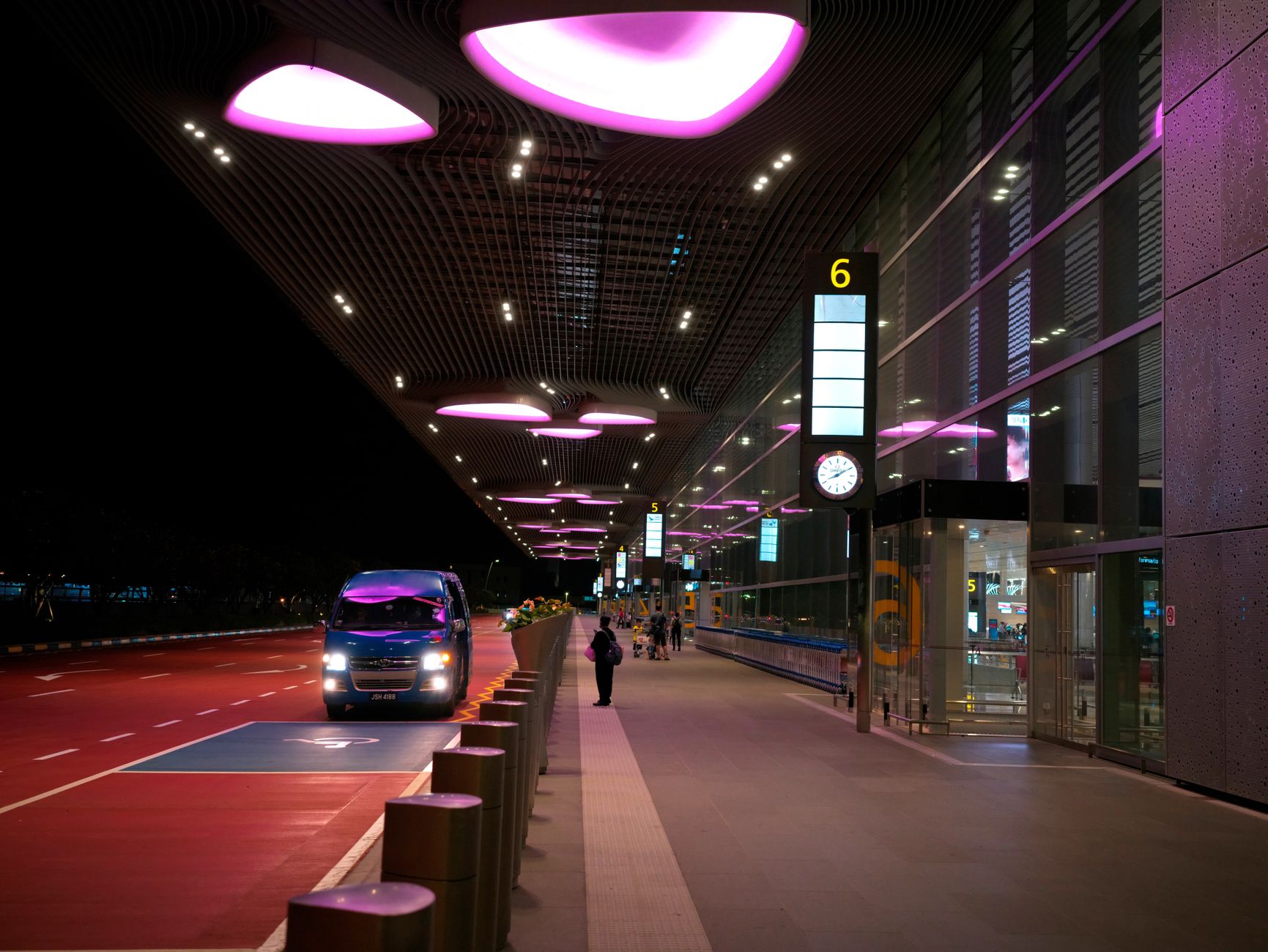
Airport access: Yogyakarta International Airport (YIA) is in Kulon Progo; DAMRI buses run to Giwangan and to Lempuyangan station for around IDR 35,000–50,000 and are the most reliable budget option. Bluebird taxis and pre-booked airport transfer vans are available if arriving late.
Payment and cards: many street stalls and small warungs are cash-only; ATMs dispense rupiah at Lempuyangan, Malioboro and major malls. Load an e-money card (BCA Flazz or similar) for TransJogja buses and some street vendors that display stickers.
Planning mistake to avoid: assuming all attractions open early or at consistent hours—Taman Sari, some batik workshops and small museums close early or observe different holiday schedules, so allocate morning blocks for those sites.
Day 1
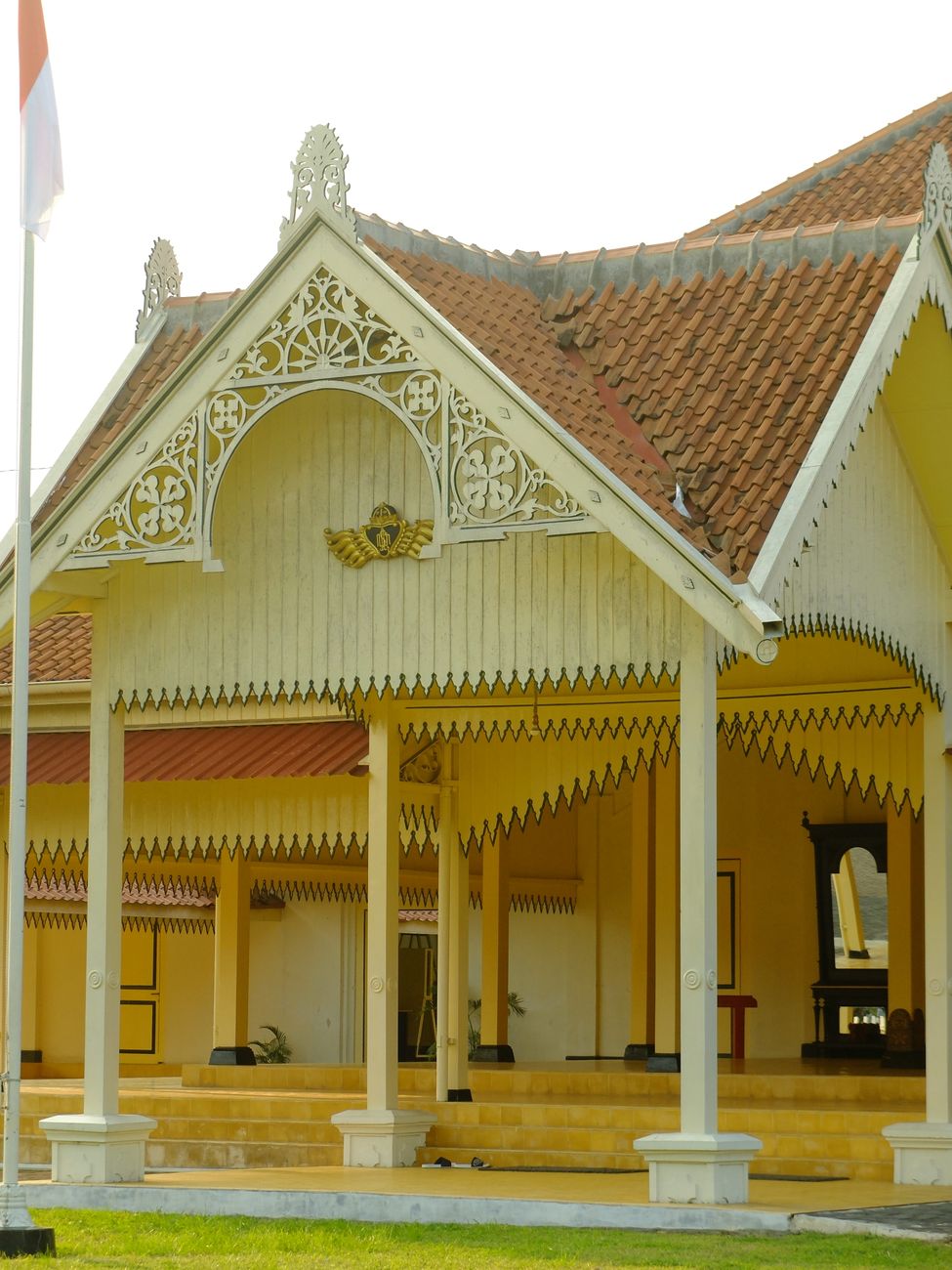
Morning: Start at the Kraton Ngayogyakarta Hadiningrat near Jalan Rotowijayan; allow 1.5–2 hours for the palace grounds and the small on-site museum. From the Kraton, walk 5–10 minutes to Taman Sari Water Castle; expect a guided route and narrow staircases—plan 45–60 minutes.
Midday: Walk or take a short becak (pedicab) ride to Jalan Wijilan for bakpia and small batik stalls; lunch at a nearby gudeg warung such as Gudeg Yu Djum on Wijilan or a quieter spot on Prawirotaman if seeking a sit-down meal. Allow 30–60 minutes for lunch and buying snacks.
Afternoon: Head to Malioboro Street for people-watching, street vendors and the Bank Indonesia building; this area is best explored on foot for 1–2 hours. Walk south to Tugu Yogyakarta monument (about 15 minutes from central Malioboro) for photos and short rest.
Evening: Dinner on Jalan Sosrowijayan at a nasi goreng or soto stall, then a slow walk back through Malioboro as lights come on. If interested in gamelan, check performance times at the Kraton or smaller galleries in Prawirotaman for an evening session.
Day 2
This day concentrates on temples—pick one sunrise and a cultural follow-up. Option A: Borobudur sunrise requires a 50–90 minute drive from central Yogyakarta depending on traffic; leave around 03:30–04:00 for a usual 05:00 sunrise trip. Allow at least three hours on site for terraces, reliefs and returning photos plus time for a late breakfast at a nearby diner or hotel.
Option B: Prambanan sunrise is closer (about 30–45 minutes) and permits combining a morning visit with Ramayana ballet options in the evening at the Prambanan square. After the temple, visit the nearby Sewu and Plaosan temples for quieter archaeological context; these are 10–30 minutes by car.
Afternoon: Return to the city and rest, then visit Kotagede in the late afternoon for silver workshops and small galleries; the walkable core around Jalan Gading and Jalan Kotagede is compact and artisanal. Dinner in Prawirotaman at a warung serving local-style grilled fish or a small restaurant; that neighbourhood stays lively into the evening with cafés and guesthouses.

Day 3
Morning: If not used on Day 2, do an early visit to either Borobudur or Prambanan now; otherwise choose a neighbourhood morning in Kotagede or the Museum Sonobudoyo close to Jalan Malioboro. Allow 2–3 hours for museum visits and craft browsing.
Late morning to early afternoon: For a relaxed last day, take TransJogja or a short Grab ride to Taman Sari markets and Jalan Prawirotaman cafés—this is a good time to buy souvenirs like gudeg crackers, bakpia, and smaller batik pieces. If checking out of accommodation and catching a late flight, leave enough buffer for luggage transfer and traffic; DAMRI to YIA from Giwangan or Lempuyangan takes roughly 1–1.5 hours including transfer time.
Afternoon option: For an afternoon flight, skip a distant temple and instead visit Ratu Boko for sunset if outbound time permits; it’s about 40 minutes by car from central hotels. Final meal: try nasi gudeg with krecek at a reliable warung near the station before a timed transfer to the airport.

Best Local Experiences
Kraton palace ceremonies and guided tours: attend a weekday courtyard performance or guided visit to learn palace protocols and see gamelan instruments. Malioboro night market: cheap snacks, fluorescent lights and horse-drawn carriages offer a noisy, vivid street experience.
Kotagede silver workshops: watch pewter and silver being rolled and stamped, buy directly from makers on Jalan Kotagede. Bakpia and gudeg tasting: sample bakpia pathok on Jalan Wijilan and gudeg on Jalan Wijilan or at Gudeg Yu Djum; both are city-specific snacks with clear local identity.
Prambanan and Borobudur early visits: sunrise at either place changes light and crowd dynamics; plan transport and tickets ahead as many vendors sell package tours that add time and cost. Mount Merapi viewpoint drives and jeep tours: short, rough excursions out of the city for volcanic landscapes, often departing from Kaliurang.

Where to Stay
Prawirotaman: suits independent travellers and food-focused visitors; close to cafés, guesthouses and nightlife on Jalan Prawirotaman. Expect IDR 200,000–500,000 per night (about €11–€27 / $12–$30) for mid-range guesthouses.
Malioboro / Sultan's Palace area: best for first-time visitors who want to be in the middle of activity and close to Kraton and main museums; rooms range from budget homestays IDR 100,000–250,000 to mid-range hotels IDR 350,000–700,000 per night (€20–€40 / $22–$45). Expect noise at night and busy streets.
Kotagede and Sosrowijayan: suit travellers seeking quieter lanes with artisan shops. Kotagede is quieter in the mornings and close to silver workshops; expect guesthouses and boutique options around IDR 250,000–600,000 per night (€15–€35 / $16–$40). Sosrowijayan is a middle ground with short walks to Malioboro and calmer side streets.
Food and Drink
Gudeg: young jackfruit stew in sweet coconut sauce served with rice, chicken and krecek; find good gudeg at Gudeg Yu Djum (Jalan Wijilan) or smaller home-style warungs for IDR 20,000–40,000 per plate (€1–€2.50 / $1.10–$3). Bakpia Pathok: small sweet bean or cheese-filled pastries sold on Jalan Wijilan and at stalls near Malioboro—single pieces IDR 3,000–6,000.
Nasi Gudeg with krecek (street version): richer, drier version at night markets and warungs around Malioboro; expect IDR 15,000–35,000. Kopi tubruk and local coffee shops: strong black coffee with grounds served in small cups—kopi tubruk in local warungs costs IDR 5,000–15,000.
Street food to try: sate klathak (skewered goat seasoned simply) at Pak Pong near Bantul outskirts on some streetside stalls, and nasi goreng Jawa with sweeter kecap manis at Jalan Sosrowijayan. Dinner recommendation: a mid-range restaurant in Prawirotaman serving local grilled fish or mixed Javanese plates for IDR 60,000–120,000 per person (€3.50–€7 / $4–$8).
Getting Around
Public transport includes TransJogja buses (multiple corridors such as 1A, 2A etc.), local angkot (small shared minibuses), and ride-hailing via Gojek and Grab for motorbike taxis (ojek) and car rides. Single TransJogja fares are roughly IDR 3,500–5,000; day passes are uncommon so expect pay-per-ride or use e-money cards.
Card and app details: carry a contactless e-money card (BCA Flazz or other bank e-cards) for buses and some vendors; use the Gojek or Grab apps for motorbike taxis and car rides. Taxi from Yogyakarta International Airport (YIA) to central hotels is typically IDR 120,000–200,000 (€7–€12 / $8–$13) depending on traffic; DAMRI buses are cheaper and scheduled.
Tips: use motorbike taxis for short daytime hops to avoid traffic; for temple day-trips, hire a driver for a half- or full-day rate (IDR 350,000–600,000 for a driver and car depending on distance).
Best Time to Visit
Dry season (May to October) is the most reliable for sunrise visits and driving to Borobudur or Prambanan; temperatures average 24–31°C with lower rainfall and clearer skies for temple photography. Peak travel months are July and August and the period around Eid (Lebaran), when local travel spikes and accommodation can be fully booked.
Wet season (November to April) brings higher humidity and frequent afternoon showers; visibility for sunrise can be poor and some outdoor activities like jeep tours on Merapi become muddy. For best value and fewer crowds, aim for shoulder months April–June or September–October when weather is usually good but prices and visitor numbers are more moderate.
Budget and Practical Tips
A realistic daily budget for a moderate traveller: accommodation IDR 250,000–500,000 (€15–€27 / $16–$30), food IDR 80,000–150,000 (€4.50–€8 / $5–$9), transport IDR 30,000–100,000 (€1.70–€5.40 / $2–$6) depending on day trips, and entry fees IDR 50,000–400,000 (€3–€22 / $3–$24) depending on temple choices. Overall, expect roughly IDR 450,000–1,000,000 per day (€25–€55 / $27–$60) for a balanced mix of modest hotels, local meals and one temple trip.
Tipping norms: small tips are appreciated but not required; rounding up bills for food stalls and leaving 5–10% in restaurants with table service is acceptable. Practical tip: carry small denominations of cash (IDR 5,000, 10,000, 20,000) for stalls and buses, and always check whether a listed price is for foreigners or locals at museum counters.
FAQ
Is Yogyakarta safe for solo travellers?
Yes; common issues are petty theft in crowded Malioboro and occasional bag snatches on scooters—use a crossbody bag with a zipper and avoid displaying valuables in dense crowds.
Can public transit reach Borobudur or Prambanan?
Direct public buses are limited—most travellers hire a driver, take a TransJogja plus local shuttle, or join a tour; allow 50–90 minutes to Borobudur and 30–45 minutes to Prambanan by car.
Is a city pass or tourist card worth buying?
No widely-used universal pass exists; buy separate tickets for Borobudur/Prambanan and use small cash for Kraton and Taman Sari—organized combos sold by tour operators add convenience but often cost more.
Are motorbike taxis safe to use?
Motorbike taxis via Gojek or Grab are common and generally safe for short trips; wear a helmet and confirm the fare in the app for car rides during heavy traffic.
What about souvenir buying—where to go?
For authentic batik and crafts, visit Kotagede and Jalan Wijilan; Malioboro is useful for inexpensive souvenirs but often has mass-produced items and higher haggling pressure.
Can both Borobudur and Prambanan be done in one day?
Technically possible with an early start and hired car, but it becomes rushed—better to reserve one for sunrise and the other for a different morning if possible.
Is it safe to drink tap water?
No—drink bottled or filtered water. Carry a refillable bottle and refill at guesthouses with filtered water taps.
Conclusion
A three-day plan that limits destinations to one sunrise temple, palace and neighbourhood exploration, and an artisan area will feel full but manageable. Most travellers will remember the sunrise light on temple spires or the intense sweet-savoury flavour of gudeg; if time runs short, prioritise a single sunrise (Borobudur for terraces, Prambanan for spires) and a long evening meal in Prawirotaman or Sosrowijayan.
Practical priorities are timing and transport—book sunrise transfers early, keep cash in small bills, and use Gojek for short urban hops to maximize what can be comfortably seen in 72 hours.
How this guide was prepared
This guide was prepared through a structured research that combines destination research, geographic context, itinerary planning logic, and content review.