
Belgrade in 3 Days: Practical Itinerary and Local Tips
A practical 3-day Belgrade itinerary with neighbourhood plans, transport tips, and realistic costs to help first-time visitors make the most of a long weekend.
A focused 72-hour plan for seeing Kalemegdan, Skadarlija, Ada Ciganlija and Zemun with honest advice on transport, money and where time gets wasted.
First impressions are often a mix of wide rivers, busy boulevards and sudden quiet side streets. The atmosphere can feel brusque: cars, construction and loud cafés are common near major junctions. Expect concrete, scattered classical façades and a handful of high‑energy nightlife pockets rather than a neatly curated centre.
Crowds concentrate along Knez Mihailova and Kalemegdan during daytime and on riverfront clubs after dark. This suits travellers who like to combine walking, cafés and late evenings. Those seeking polished museums with lengthy English tours may find the pace uneven.
Is 3 days in Belgrade enough?
Three days is enough for a tight, varied sampler: the fortress and pedestrian centre, a riverside afternoon and nightlife, plus a half‑day in Zemun or an outer museum. Expect to skip deeper museum collections and long day trips unless extra time is added.
Who This Guide Is For
Best for travellers who want a mix of history, nightlife and open‑air culture on a modest budget. Not ideal for visitors wanting a slow museum‑by‑museum deep dive or a luxury spa weekend.
Local Tips for Belgrade
Practical details that most travel sites skip — specific to Belgrade.
- Buy a BusPlus card at kiosks (trafika) or service points and top up there; single rides on city buses, trams and trolleys are about 90 RSD when paid electronically.
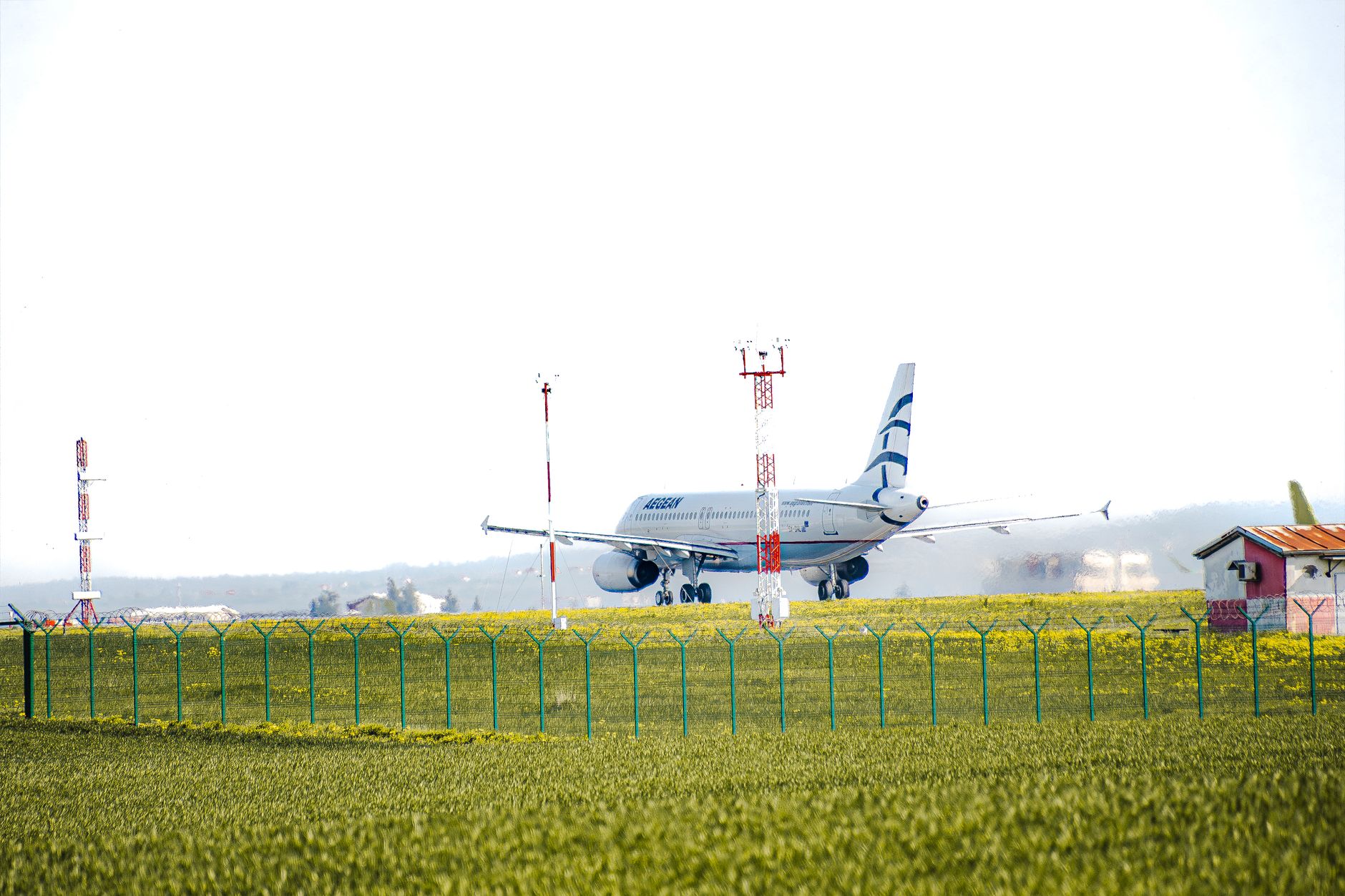
- From Nikola Tesla Airport use the A1/A2 shuttle minibuses to Slavija or Zeleni Venac for roughly 300–400 RSD, or expect a licensed taxi (meter + airport supplement) to central districts for about 1,500–2,500 RSD.
- Skadarska Street (Skadarlija) fills for dinner after 20:00 and many tafanas run fixed-set menus and live music—reserve or arrive by 19:00 on weekends.
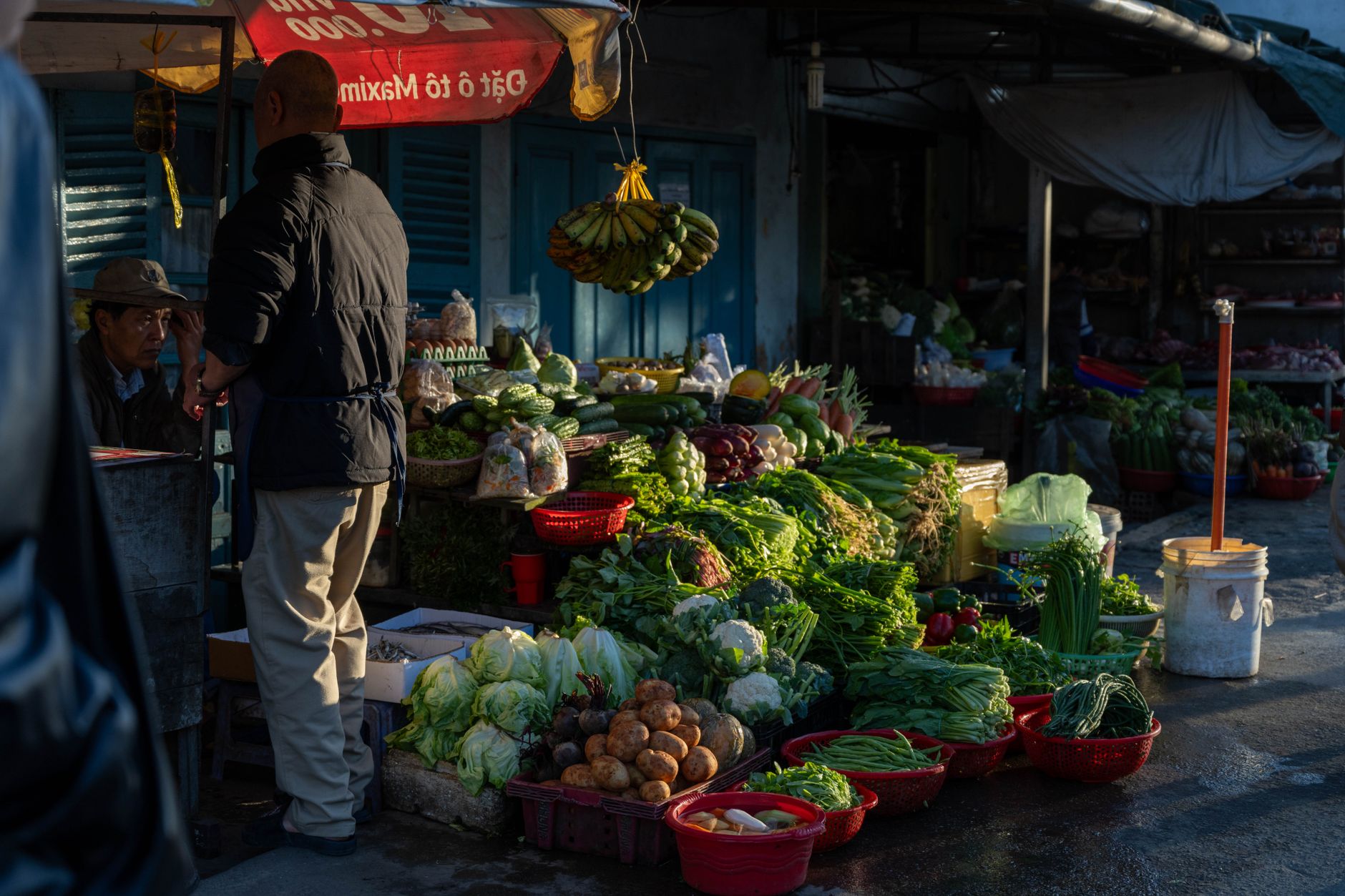
- Kalenic and Zeleni Venac markets open early; go before 10:00 for the best produce, prices and fewer crowds—expect to pay in cash for produce and small vendors.
- Use the GSP Beograd schedules and the Moovit or Google Maps apps for real-time tram/bus info; suburban lines (BG Voz) use separate tickets and run from Prokop/Beograd Center station.
How This Guide Was Prepared
Belgrade requires a different kind of attention than most guidebook cities: it is raw, loud and built from layers of 19th‑century streets, socialist modernism and riverside redevelopment. Many guides treat it as a party stop or a checklist of monuments; this guide prioritises how to move between neighbourhoods, where local life actually happens, and which experiences are worth the time and money. This guide was prepared through a structured research that combines destination research, geographic context, itinerary planning logic, and content review.
Plan Your Stay in Belgrade
Use this itinerary as your starting point, then compare areas to stay, transport options, seasonal timing, and realistic daily costs before booking.
Why Visit
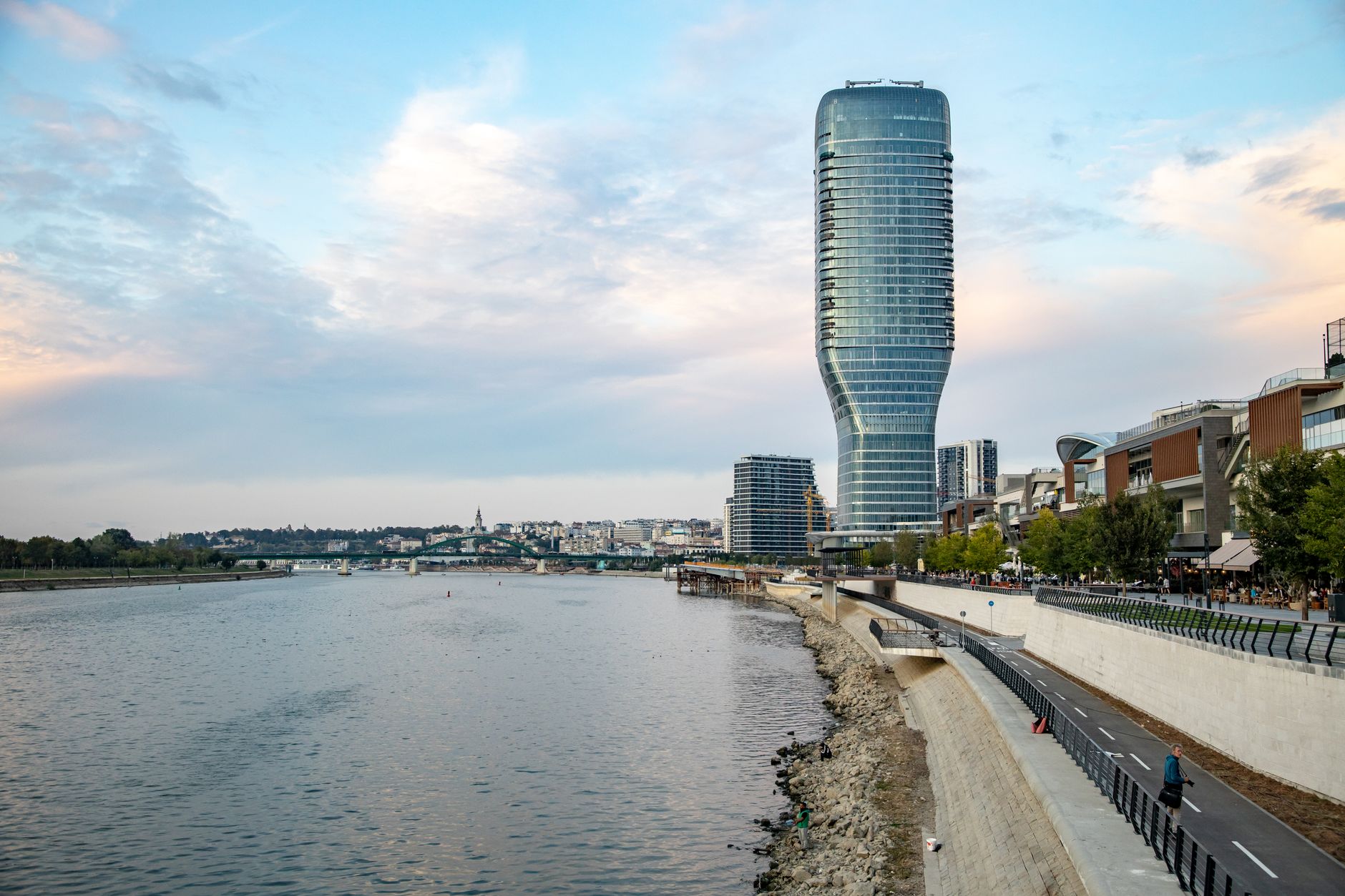
The riverside scene is distinctive: two rivers meet and the Sava embankment has recent redevelopment at Beton Hala with restaurants and bars literally on the water. That combination of old cafés and new riverside venues is a key reason to come.
Historic layers are visible within walking distance: Kalemegdan Fortress overlooks river junctions and is a compact area of cannon alleys, the Victor statue and city views. Nearby Knez Mihailova is a long pedestrian spine for shops and street performers.
Local food culture is direct and satisfying: kafanas in Skadarlija serve grilled meats and live traditional music, while markets like Kalenic offer affordable local produce. Finally, neighbourhood contrasts—from Vračar’s church domes to the blocky avenues of Novi Beograd—make short walks feel like transitions between mini‑cities.
Quick Planning Tips
Arrive at Nikola Tesla Airport and choose between the A1/A2 shuttle minibuses to Slavija or a licensed taxi; minibuses are cheaper and drop closer to main hotels. Keep small cash in dinar (RSD) for market stalls and small kafanas; cards work in most restaurants but not always at open markets.
Avoid booking a single central hotel and commuting every day; splitting time between Stari Grad and Novi Beograd loses time. Check opening hours: many small museums close one weekday afternoon, so verify before planning a morning visit.
Day 1
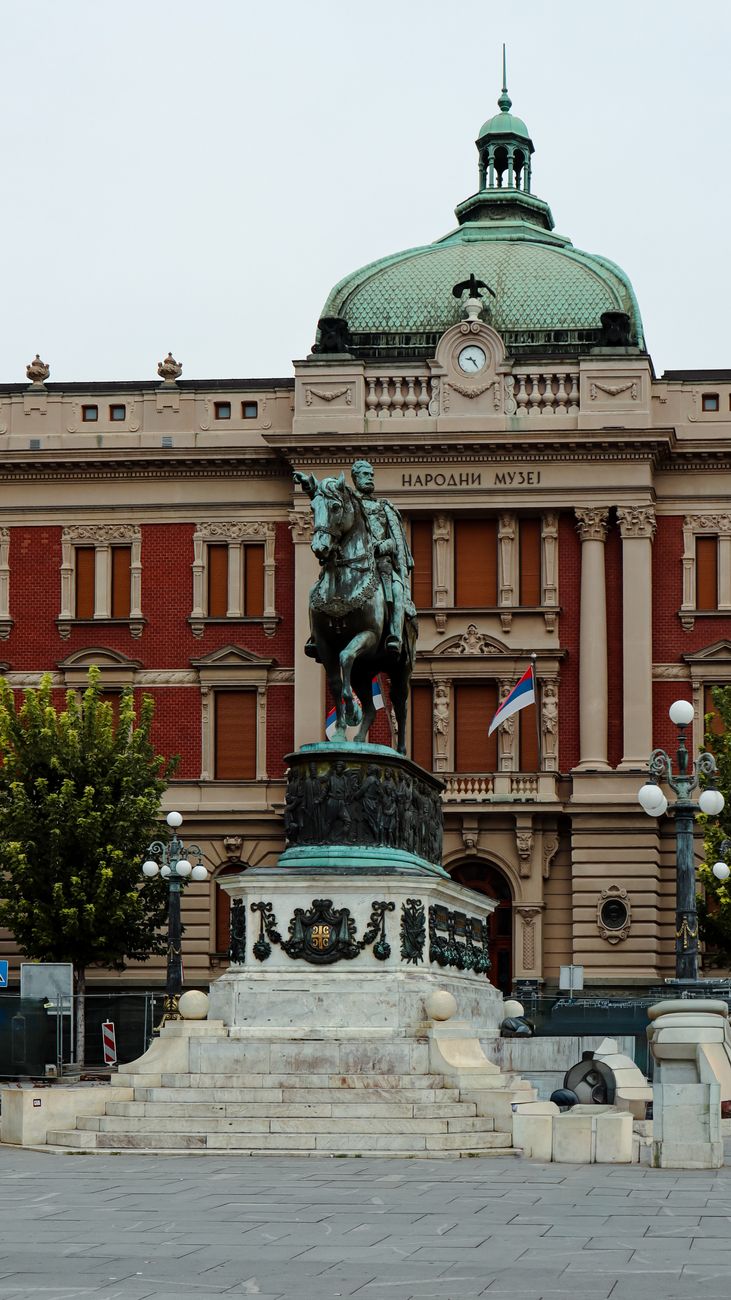
Start at Republic Square (Trg Republike) to orient. The National Theatre and the National Museum border the square and Knez Mihailova pedestrian street extends west for a 10–15 minute stroll to Kalemegdan Fortress.
Spend the late morning at Kalemegdan Fortress and the Military Museum courtyard for city and river views; allow 90–120 minutes. Walk down to the riverside (10–15 minutes) and cross Branko’s Bridge if needed to get a sense of the confluence.
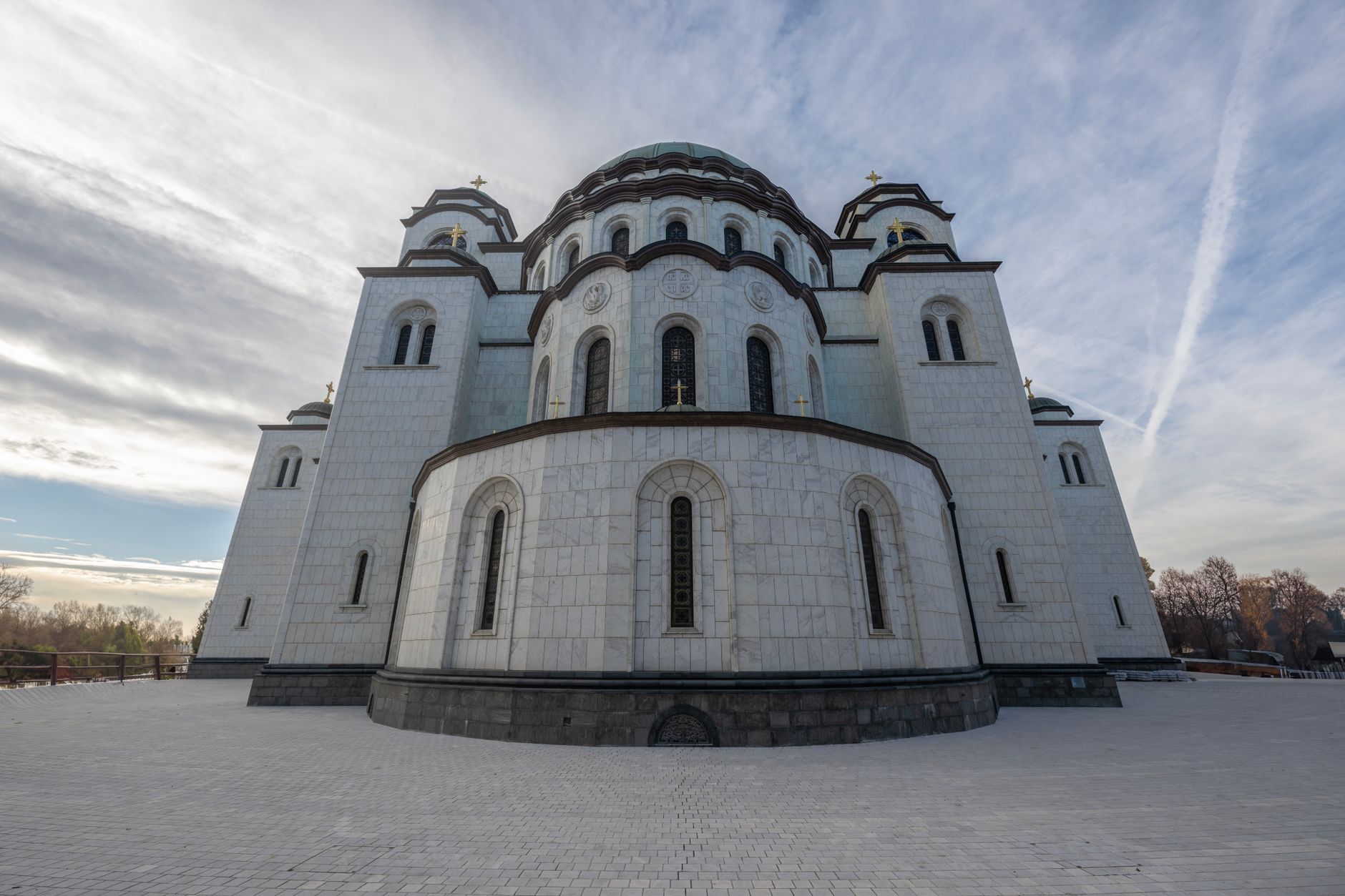
Lunch at '? (Question Mark) kafana on Knez Mihailova or a quick Ćevapčići at 'Lazarev' near the pedestrian zone—expect 500–950 RSD for a main dish (4–8 EUR). After lunch, visit St. Sava Temple on Trg Svetog Save; from Knez Mihailova it is roughly a 20–25 minute walk or a 10‑minute taxi ride.
Late afternoon can be used to browse the boutiques and bookshops along Knez Mihailova. For dinner head to Skadarlija; choose a traditional kafana like Tri Šešira for live music and set menus. Evening recommendation: for a riverside drink walk to Beton Hala—15–20 minutes by tram or a short taxi—and try one of the newer river bars that stay open late.
Day 2
Begin the day in Vračar with St. Sava Temple and the surrounding alleys; allow 60–90 minutes for the church interior and nearby cafés. From Vračar, take a 15–20 minute tram or bus ride to New Belgrade (Novi Beograd), crossing either Branko’s or Gazela bridge.
Explore Novi Beograd’s block architecture and head to the Museum of Contemporary Art or the Ušće Park area—both are within a short bus or taxi ride from the river bridges. Allocate 90 minutes for the museum or a relaxed hour in the park.
Afternoon at Ada Ciganlija offers swimming, cycling or a riverbank walk. From Novi Beograd it’s a 15–25 minute taxi or a 30–40 minute bus ride depending on traffic. Rent a bike or grab a kiosk coffee; expect higher prices on the island in summer.
Dinner back on the riverfront at Beton Hala gives a different mood to last night—choose a riverside grill or seafood restaurant. Evening recommendation: check club listings in Savamala for live DJ sets; it’s a short taxi ride from Beton Hala and often runs late into the small hours.
Day 3
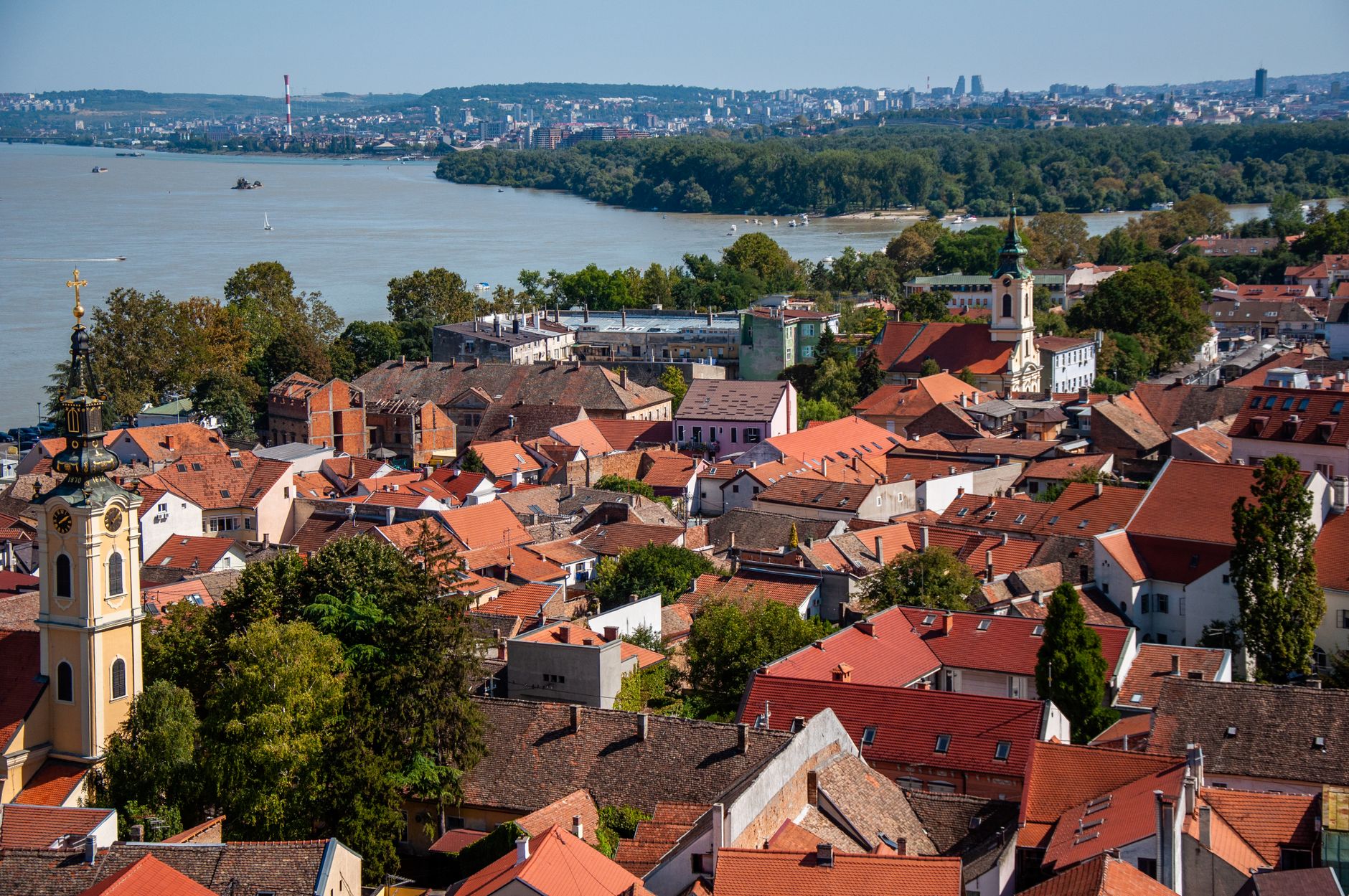
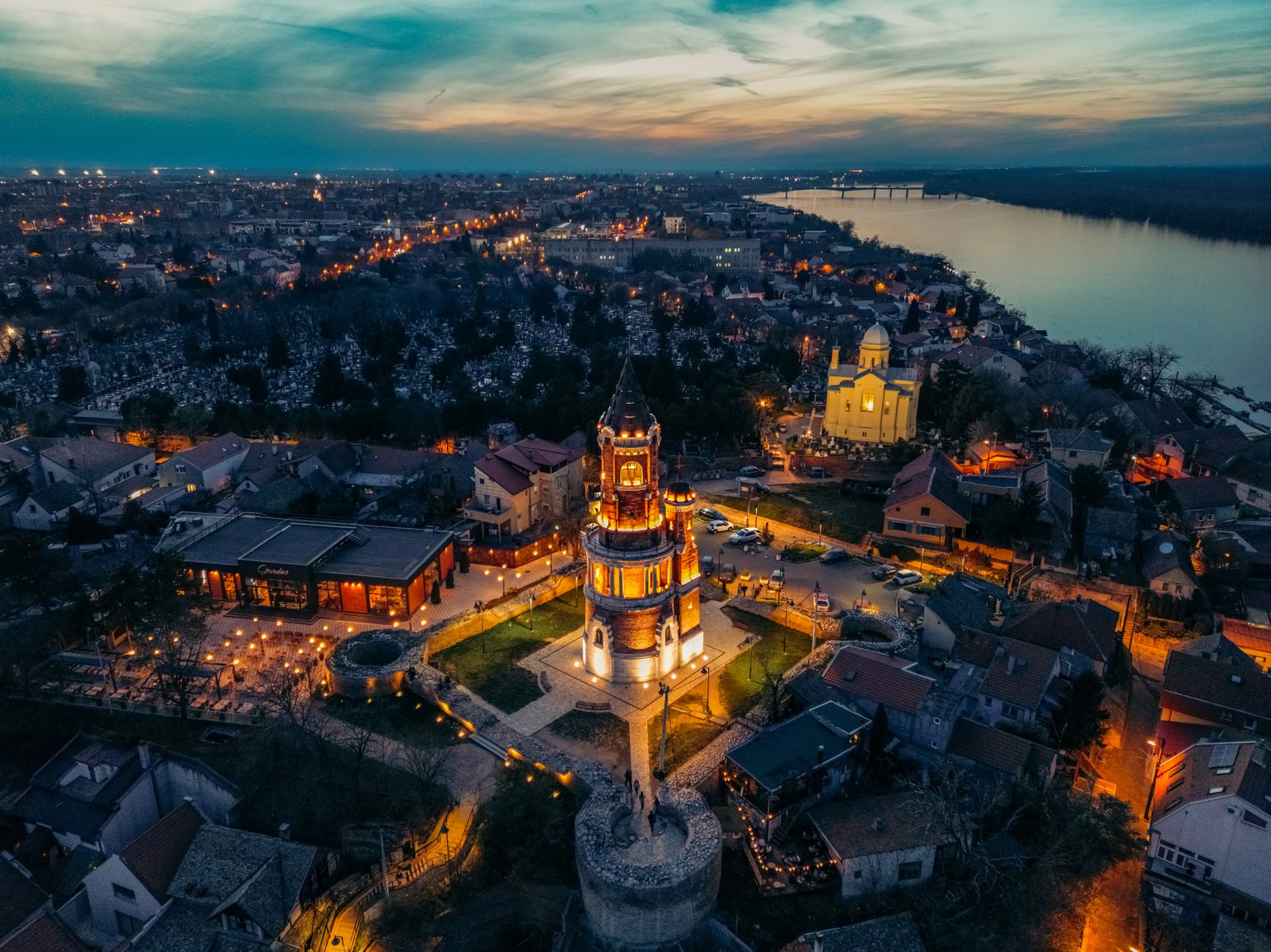
Spend the morning in Zemun on the Danube’s right bank. Start at Gardoš Hill and the Millennium Tower for narrow streets and river views; it’s a 20–30 minute taxi from central pedestrian zones or reachable by tram plus a short walk. Allow 90 minutes to stroll the quay and sample local fish restaurants.
Return toward the city and visit the Museum of Yugoslavia and the House of Flowers (Tito’s mausoleum) for a compact historical visit; from Zemun expect a 20–25 minute taxi ride. Plan 60–90 minutes here, particularly if interested in Cold War exhibits.
If catching an afternoon flight, schedule transit to Nikola Tesla Airport via A1 shuttle from Slavija or allow 45–60 minutes by taxi depending on traffic. For a last meal, stop at a kafana near the station or a bakery for burek and coffee—fast and budget‑friendly before luggage checks.
Evening recommendation if staying: a relaxed riverfront meal in Zemun or a casual beer in Dorćol to close the trip.
Best Local Experiences
Kalenic Market on Ruzveltova or Kalenicova Street is where many locals buy produce; go early and haggle lightly with green‑grocers. Zeleni Venac market near the city centre is good for cold cuts and quick bites.
Skadarlija’s live kafana scene is specific: traditional songs and accordion, with Tri Šešira and Dva Jelena as longstanding venues. Ada Ciganlija’s beaches and cycling loop are a local summer ritual—bike rentals and watersport kiosks line the shore.
Savamala offers creative galleries, street art and late nightlife anchored around Karađorđeva and Beton Hala. For a quieter local afternoon, walk Topčider Park and the Royal Compound area to see large trees, walking paths and smaller monuments.
Where to Stay
Stari Grad (Old Town): best for first‑time visitors who want to walk to Knez Mihailova, Republic Square and Kalemegdan. Many hotels and apartments are within 10 minutes of major sights. Expect nightly rates from 7,000–15,000 RSD (60–130 EUR) for midrange hotels.
Vračar: suits those who prefer quieter streets and proximity to St. Sava Temple and local cafés. A mix of guesthouses and boutique hotels sits here. Typical nightly costs are 6,000–12,000 RSD (50–100 EUR).
Novi Beograd (New Belgrade): practical for business travellers and those who prefer modern apartments, large boulevards and quick access to Ušće and riverfront. Good value options and chain hotels are common. Expect 5,500–11,000 RSD (45–95 EUR) per night. Choose this area for calmer nights and easy taxi access to the airport.
Food and Drink
Ćevapčići: small grilled minced meat sausages served with lepinja (flatbread) and raw onions; try at local ćevabdžinica for about 400–900 RSD (3.5–8 EUR). Pljeskavica: a grilled meat patty often served with kajmak; order at traditional kafana or grill places for 500–1,000 RSD.
Burek with cheese or meat: a flaky pastry sold at bakeries—ideal for breakfast; expect 150–300 RSD (1.5–2.5 EUR). Rakija (plum brandy, šljivovica): a strong distilled spirit offered in kafanas and tastings; a small shot is 150–300 RSD.
Ajvar and kajmak: condiments to order with grilled dishes—buy jars at Kalenic Market or taste in restaurants. For dinner in a traditional setting try Tri Šešira in Skadarlija or smaller kafanas in Dorćol; mains range 800–2,000 RSD depending on selection.
Street food option: quick burek or a sausage stand near markets; expect cheap eats and fast service. For coffee culture, espresso or turska kafa appears in cafés and costs 120–250 RSD.
Getting Around
Public transit is run by GSP Beograd and includes buses, trams and trolleybuses. Buy and top up a BusPlus card at kiosks (trafika) or service centers; single ride fares are about 90 RSD when paid electronically. Use BG Voz for suburban trains connecting to Prokop/Beograd Center and outlying stations.
Relevant tram lines serve central arteries; bus routes link Novi Beograd, Vračar and Zemun. For airport transfers use A1/A2 shuttle minibuses to Slavija/Zeleni Venac, or a licensed taxi with meter from Nikola Tesla Airport for roughly 1,500–2,500 RSD depending on traffic. Apps: GSP Beograd info, Moovit and Google Maps for schedules; CarGo and Naxi are common for ride bookings.
Best Time to Visit
Spring (April–May) brings mild weather and fewer tourists; daytime highs 15–22°C and comfortable walking conditions. Late spring is good value before the summer peak.
Summer (June–August) is hot, often 25–33°C, with the heaviest crowds on riverfronts and at Ada Ciganlija. Expect higher restaurant prices and busy nightlife venues, especially in July and August.
Autumn (September–October) returns to cooler days 10–20°C and fewer crowds; September offers warmer evenings and still‑active riverside life. Winter (November–February) can dip near 0°C with occasional snow; museums are quieter but outdoor activities are limited.
Budget and Practical Tips
Typical daily budget for a sensible traveller:
Accommodation: 6,000–12,000 RSD (50–100 EUR) per night for a midrange hotel. Food: 1,500–3,000 RSD (12–25 EUR) per day buying a mix of markets, cafés and one sit‑down meal. Transport: 200–600 RSD (2–5 EUR) per day depending on trips; airport shuttle or taxi extra. Entry fees: expect 300–800 RSD (2.5–7 EUR) for major museums; some small museums are cheaper.
Tipping: rounding up the bill or leaving 5–10% in restaurants is common but not obligatory. Carry some cash in RSD for markets and small vendors; many places accept cards but small operations do not.
FAQ
Is Belgrade safe for solo travellers?
Most central areas are safe by daytime and evenings; use normal precautions at night around crowded nightlife spots and avoid poorly lit side streets.
How do I get from Nikola Tesla Airport to the city cheaply?
Use the A1/A2 shuttle minibuses to Slavija or Zeleni Venac (about 300–400 RSD) or take a licensed taxi—ask for the meter or use a ride app.
Is a city card worth buying?
No comprehensive city card is necessary for three days; buy individual museum tickets as needed and use BusPlus for transit instead.
Can English be used widely?
English is commonly understood in hotels, major restaurants and tourist spots; smaller markets and older cafés may have limited English.
Are taxis reliable and cheap?
Licensed taxis are metered but always check the meter or use CarGo/Naxi to avoid overpaying; airport fixed fares from informal drivers can be higher.
Is it easy to visit Novi Sad or other nearby cities as a day trip?
Novi Sad is reachable by bus or train in about 1.5–2 hours and makes a feasible day trip; plan for longer travel times if returning late.
Conclusion
A three‑day visit yields a layered impression: fortress views, lively riverfronts and neighbourhood contrasts between old streets and socialist blocks. The most memorable elements are riverside evenings, Skadarlija’s live music and the sudden quiet of market mornings.
If time is limited, prioritise Kalemegdan for views, a riverside meal at Beton Hala and an hour in Skadarlija for atmosphere. Those three will give a compact and honest sense of the place.
How this guide was prepared
This guide was prepared through a structured research that combines destination research, geographic context, itinerary planning logic, and content review.