

Mendoza in 3 Days: Practical Wine, Andes and City Plan
A compact, honest 3-day plan for Mendoza that balances city sights, Malbec tastings in Maipú/Luján de Cuyo, and an Andes half-day with transit tips.
A tightly focused 72-hour plan for Mendoza that mixes downtown parks and museums, a full day of winery visits in Maipú or Luján de Cuyo, and an Andes outing or Potrerillos escape.
Expect a city that acts as a practical hub for vineyards and the Andes rather than a compact sightseeing stroll. Streets near Plaza Independencia are roomy, tree-lined and geared to cafés, parks and public sculpture; quieter residential barrios like Chacras de Coria feel very different from the centro.
Travelers often think of endless winery visits when they picture Mendoza, but the real rhythm alternates urban cafés, single full winery days, and long drives to mountain viewpoints. The best short itineraries balance one concentrated winery day with a relaxed city loop and one outdoors option.
Is 3 days in Mendoza enough?
Three days gives a realistic taste of the urban core, one full winery day in Maipú or Luján de Cuyo, and an outdoors half-day (Potrerillos or Cerro de la Gloria) or a long Aconcagua day trip. The main caveat is that a true Valle de Uco or Aconcagua summit experience requires more time and travel.
Who This Guide Is For
Best for wine-minded travelers who move at a steady pace and are comfortable booking winery visits. Not ideal for those wanting extensive high-mountain trekking or a slow, all-winery immersion across multiple valleys.
Local Tips for Mendoza
Practical details that most travel sites skip — specific to Mendoza.
- Buy and top up a SUBE card at kioscos or the Terminal del Sol; it’s required for most colectivos and the Metrotranvía and avoids the need for exact change on board.
- The Metrotranvía light rail (Metrotranvía de Mendoza) accepts SUBE and is the quickest option to reach Parque General San Martín from central Plaza Independencia.
- Vendimia (Fiesta Nacional de la Vendimia) takes place in early March — many bodegas and restaurants reduce services during the festival week, and hotels and tours sell out fast.
- Bike-and-wine tours are concentrated around Chacras de Coria and Maipú; expect 3–5 small bodegas per half-day and reserve a map or guide because road signage is sparse.
- Restaurant bills often show IVA (21%) and sometimes a service charge; if service is not included, leave about 10% in cash at table-side rather than adding on card.
How This Guide Was Prepared
This guide treats Mendoza as a working wine region and gateway to the high Andes rather than a postcard destination. Many guides over-focus on glossy vineyard photos and ignore everyday realities: long distances between valleys, frequent bodegas that require bookings, and local transit that runs on SUBE cards rather than tourist passes. This guide was prepared through a structured research that combines destination research, geographic context, itinerary planning logic, and content review.
Plan Your Stay in Mendoza
Use this itinerary as your starting point, then compare areas to stay, transport options, seasonal timing, and realistic daily costs before booking.
Why Visit
There is no substitute for tasting Malbec where it is grown: Luján de Cuyo and Maipú wineries offer cellar tours that explain oak, altitude and irrigation choices. The high plain above the city provides accessible mountain scenery—Potrerillos and Aconcagua views are day-trip possibilities without mountaineering gear.
Public green space is unusually generous for an Argentine provincial capital; Parque General San Martín is large enough for a morning run, a formal rosedal, and monuments such as Cerro de la Gloria. Local food and simple parrillas are straightforward and affordable for international travelers, especially outside high-season vendimia dates.
The transport base makes Mendoza useful as a regional hub: long-distance buses leave from Terminal del Sol to Salta, Bariloche and Buenos Aires, so a short stay can easily connect into a longer Argentina route.

Quick Planning Tips
The airport is Aeropuerto El Plumerillo (MDZ); a licensed remis or Cabify takes about 20–40 minutes to downtown depending on traffic. Terminal del Sol is the bus hub for intercity and is where long-distance buses and local tourist shuttles congregate.
Buy a SUBE card on arrival to use colectivos and the Metrotranvía; many drivers no longer accept cash. Book popular bodegas (Catena Zapata, Ruca Malen, Zuccardi) at least a week ahead in high season and two weeks during vendimia.
Day 1
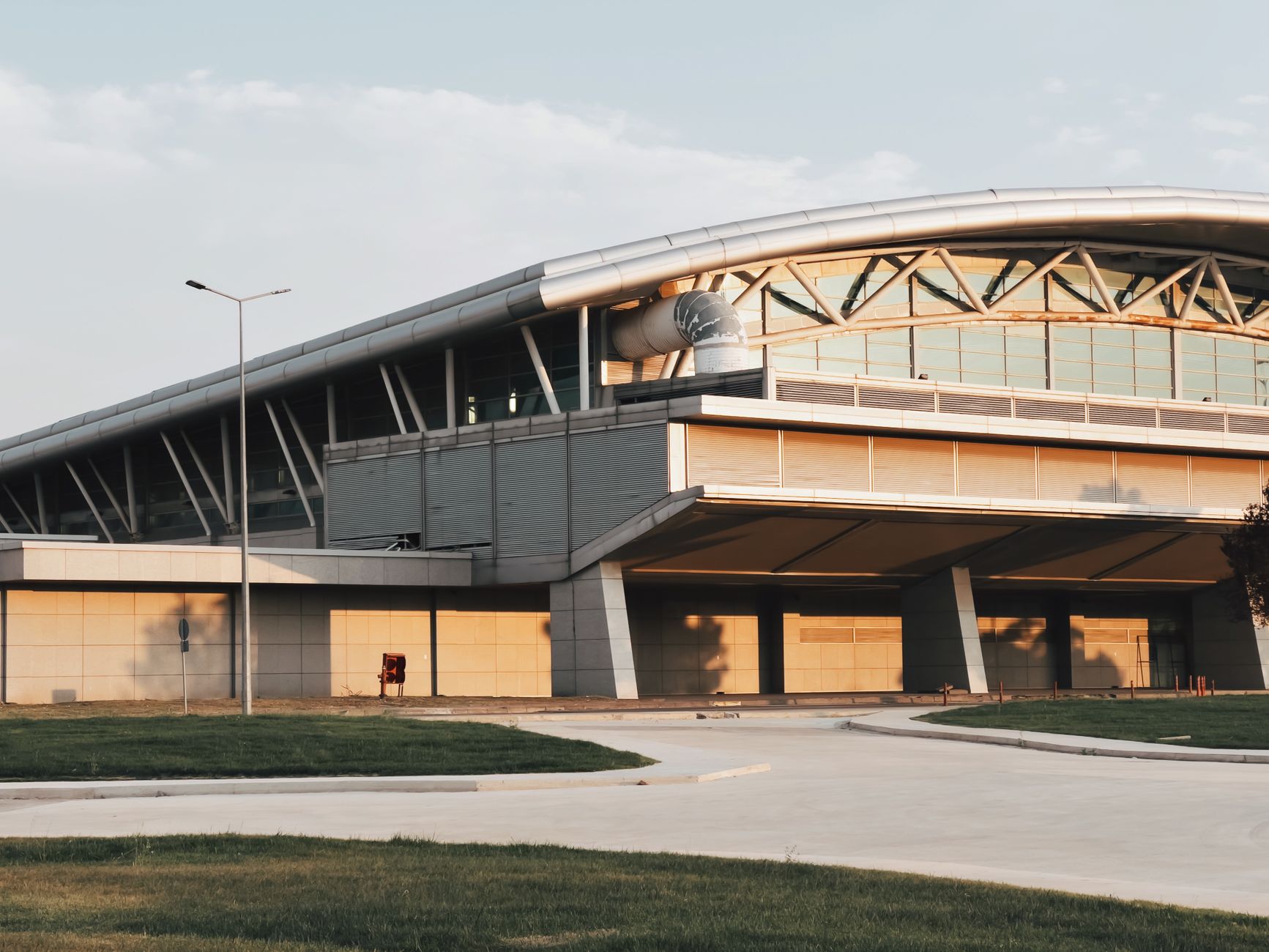
Morning: Start at Plaza Independencia to orient and visit the Museo del Área Fundacional beside the square. The museum is small but explains Mendoza’s urban layout; allow 45–60 minutes. From the plaza it’s a 5–10 minute walk to the peatonal Sarmiento for shops and cafés.
Late morning: Walk or take a short Metrotranvía ride to Parque General San Martín; cross the park to the Rosedal and then climb to Cerro de la Gloria for city-and-Andes views. Walking from Plaza Independencia to the park is 20–30 minutes; the Metrotranvía cuts that to about 10 minutes.
Lunch: Eat at a classic parrilla near the park such as Los Puestos del Parque or a nearby bodegón; expect mains ARS 1,500–3,500 (≈ USD 4–10 at the conversion cited below). Afternoon: Visit the Museo Municipal de Arte Moderno (MMAMM) or stroll Avenida España and the riverfront. Both are a 10–15 minute walk from the park.
Late afternoon and dinner: Return toward Avenida Arístides Villanueva for an early dinner and bar choices. For a special meal, book 1884 Restaurante (Francis Mallmann) in advance; expect tasting menus or mains priced higher than typical local restaurants. Evening: Walk Arístides Villanueva for low-key bars and cafés—it’s a local meeting spot rather than a nightclub scene.

Day 2
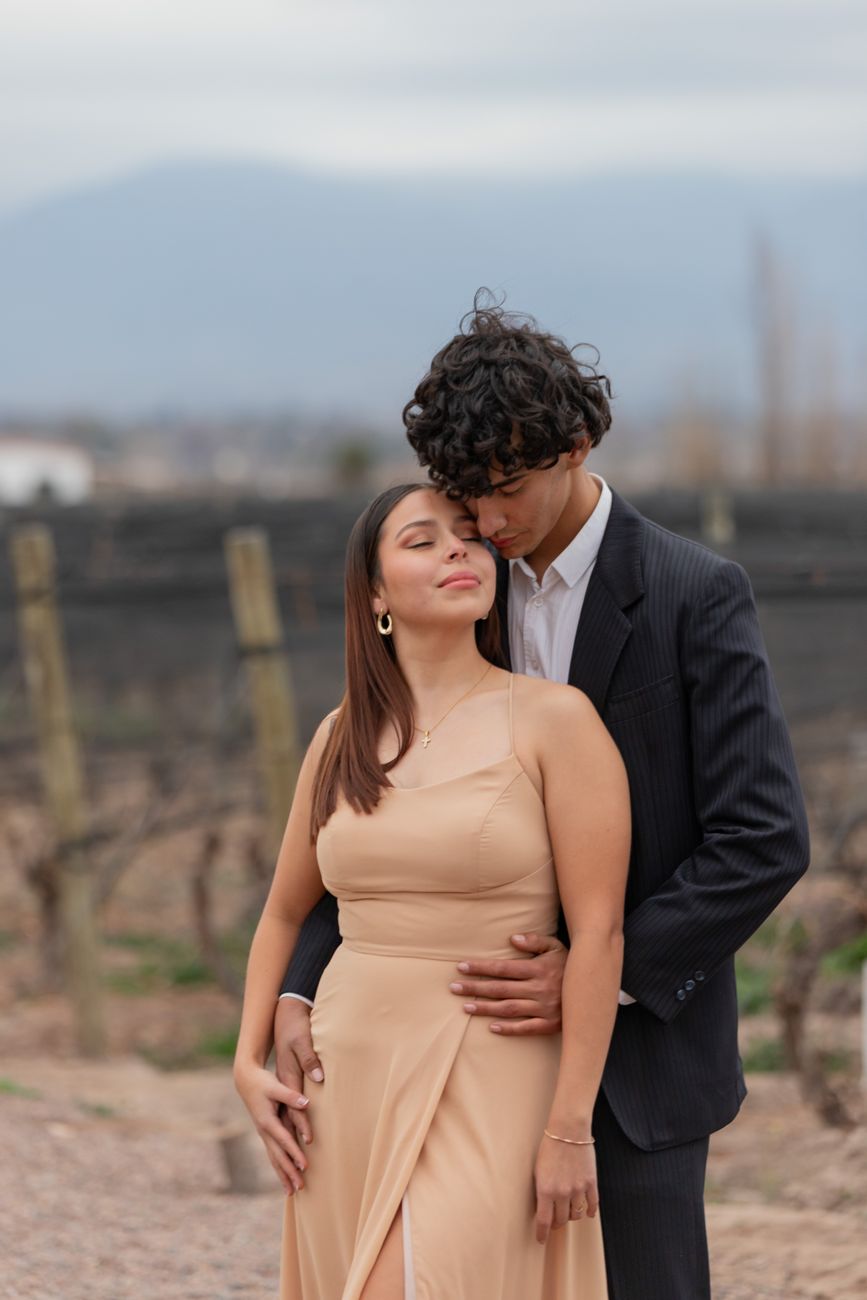
Spend a full day in the wine districts—choose Maipú for close-in bodegas or Luján de Cuyo for altitude and classic Malbec producers. Arrange a driver, join a small-group tour, or rent a car; expect 20–40 minutes by car to Maipú and 25–45 minutes to central Luján de Cuyo from downtown.
Morning: Start at a major house such as Bodega Trapiche or Norton for a cellar tour and tasting; typical formal tastings run 1–1.5 hours. Transfer to a second stop like Ruca Malen or Catena Zapata for a seated tasting and lunch pairing; a winery lunch with pairings can take 90–120 minutes and often shows local produce and olive oil.
Afternoon: Finish with a smaller boutique bodega or a visit to the wine museum at a chosen site for a short guided tasting. If based in Chacras de Coria, use the village cafés to break up the day; Chacras also suits afternoon bike-and-wine departures.
Practical notes: Limit to two full tasting experiences to avoid palate fatigue and to ensure travel buffers; small bodegas often close mid-afternoon so check return transport ahead of time.
Day 3
Option A — Andes viewpoint and Potrerillos: Head west to Potrerillos reservoir for a short walk by the dam and mountain views. Drive time is roughly 45–60 minutes from downtown; include stops at Mirador del Valle or small mountain cafés. This itinerary suits travelers catching an evening flight or those who want mountain scenery without a full Aconcagua day.
Option B — Aconcagua day trip: A full-day excursion to Parque Provincial Aconcagua requires about 3–4 hours each way by car; expect an early departure and a long return. The park has short viewpoint walks near the Col and the more serious base-camp trails if time allows; check park entrance rules and fees before booking.
If departing in the afternoon: plan a morning at a nearby museum or last-minute shopping at local food stores, return to your hotel to collect luggage, and leave at least 2 hours extra for airport transfer and airport security. Arrange a confirmed remis or Cabify for airport trips—taxis can charge variable rates for luggage and night-time pickups.

Best Local Experiences
Vendimia celebrations in March include the Ciudad de Mendoza parade and the official National Vendimia show at the Frank Romero Day Stadium; attending requires advance tickets. A guided tasting at Bodega Catena Zapata or Zuccardi explains altitude viticulture and is more educational than casual tasting bars.
Chacras de Coria’s restaurant strip and weekend artisan market offer a slower alternative to the centro; many independents close Mondays so plan accordingly. A bike-and-wine half-day from Maipú takes riders along quiet country roads between family-owned bodegas and is an efficient way to see multiple producers.
Potrerillos and the nearby foothills offer short hikes, kayaks and reservoir views without committing to mountaineering; local outfitters run half-day trips. The Museo del Área Fundacional and Museo del Vino (at select bodegas) provide context for local viticulture and city development.

Where to Stay
Centro / Plaza Independencia: Suits walkers who want easy access to museums, restaurants and the Metrotranvía. Expect a range from budget hostels to midrange hotels; typical nightly cost ARS 6,000–20,000 (≈ USD 17–57). Many properties offer easy pickup options for winery tours.
Arístides Villanueva / Godoy Cruz edge: Suits travelers seeking evening restaurants and bars close to the park. Prices are similar to centro for midrange hotels or private apartments; expect ARS 7,000–25,000 (≈ USD 20–71) per night depending on season.
Chacras de Coria (Luján de Cuyo): Suits slower, food-and-wine stays and boutique guesthouses; it’s quieter and closer to several bodegas. Expect boutique B&Bs and small hotels at ARS 10,000–35,000 (≈ USD 29–100) per night.
Food and Drink
Malbec: the defining local wine; try a vertical tasting at a named bodega (e.g., Catena Zapata or Bodega Zuccardi) to compare altitudes and oak regimes. Typical winery tasting fees range ARS 2,000–8,000 (≈ USD 6–23) depending on the cellar and pairings.
Empanadas mendocinas: baked or fried pastries with beef, onion and spices. Good versions appear at Mercado Central stalls and local bakeries for ARS 150–350 each (≈ USD 0.50–1). Provoleta: grilled provolone with oregano and chile flakes, commonly served at parrillas for ARS 700–1,500 (≈ USD 2–4).
Locro and humita: seasonal traditional dishes found at family restaurants, especially in winter and national holidays; expect ARS 700–1,200 for a substantial portion. Fernet con cola: a common local mixed drink at bars; a drink is typically ARS 400–900.
Dinner recommendation: 1884 Restaurante for a high-end Mendoza tasting experience (reserve) or smaller parrillas such as El Patio de Jesús for straightforward grilled meats and local wines.
Getting Around
Modes: colectivos (city buses), the Metrotranvía light rail, taxis and licensed remises, and private transfers for winery days. Buy a SUBE card and use it on most colectivos and the Metrotranvía; purchase points include kioscos and the Terminal del Sol.
Typical fares: a single city bus/Metrotranvía trip on SUBE is roughly ARS 120–250 depending on distance and subsidy brackets; there is no widely used tourist day pass across all services. Taxi airport transfers run about ARS 5,000–12,000 depending on vehicle and time of day; Cabify operates in the metro area and can show a fixed fare before booking.
Apps: use Moovit or Google Maps for route planning and Cabify for on-demand car service; local remis companies provide fixed-price airport transfers and can be booked by phone or hotel desk.
Best Time to Visit
Spring (September–November) offers mild days (15–25°C) and lower prices; vineyards are leafy and outdoor tasting terraces are pleasant. Autumn (March–May) is also good weather-wise with harvest activity early in March; temperatures in March–April sit around 18–28°C but expect crowds during Vendimia events.
Summer (December–February) is hot and dry; afternoon highs commonly reach 30–38°C and mid-day outdoor tasting can be uncomfortable without shade. Winter (June–August) brings cooler days (5–15°C) and clear air; nearby ski resorts open on higher slopes and mountain views are crisp.
Best value months combine shoulder-season weather and fewer crowds: late September–November and late April–May. Avoid booking big vineyard tours during the Vendimia festival unless interested in festival events and advance pricing.
Budget and Practical Tips
Approximate conversion used in these examples: 1 USD ≈ 350 ARS and 1 EUR ≈ 380 ARS—exchange rates fluctuate, so check live rates before travel. Daily budget (per person): Backpacker: ARS 5,000–10,000 (≈ USD 14–29) for hostel, food from markets, and shared transport. Midrange: ARS 12,000–30,000 (≈ USD 34–86) includes a midrange hotel, two meals in restaurants and one winery tasting.
Add-on costs: winery tastings with tours or lunches ARS 2,000–8,000 each (≈ USD 6–23); Aconcagua day trips with transport ARS 8,000–20,000 (≈ USD 23–57) depending on group size and shuttle. Tipping: restaurants often add service on the bill; when service is not included, leave ~10% in cash. Carry some cash in ARS for small shops, market stalls and taxis outside app coverage.
FAQ
How safe is Mendoza for solo travelers?
Mendoza is generally safe in central areas during the day; take normal precautions at night—avoid poorly lit streets and keep valuables secure.
Can public transport reach the main wineries?
Some bodegas near Maipú and Luján de Cuyo are reachable by local colectivos or the Metrotranvía plus short taxi rides, but most visitors prefer booked transfers or drivers for winery hops.
Is a city card or pass worth buying?
There is no single unified tourist pass for all transport and attractions; a SUBE card is essential for buses and the Metrotranvía, but most wineries charge separate tasting fees.
Do wineries accept walk-ins?
Many smaller bodegas require reservations for tours and tastings, especially weekends and during Vendimia; large producers may take walk-ins but expect limited options.
How to get to Aconcagua from the city?
Aconcagua is reachable by car or organized tour with a 3–4 hour drive each way; self-driving requires mountain experience and attention to weather changes.
Are credit cards widely accepted?
Cards are accepted at hotels, larger restaurants and many bodegas, but small markets and taxis often prefer cash, so carry ARS for incidentals.
Conclusion
Three days offers a practical cross-section: a morning in the centro and Parque General San Martín, a full winery day in Maipú or Luján de Cuyo, and one outdoors option toward Potrerillos or Aconcagua viewpoints. The detail most likely to stand out is the contrast between broad urban parks and high-altitude vineyard plots—altitude and irrigation decisions visibly shape wines here.
If time is tight, prioritize one winery with a seated tasting and a park-and-museum morning; a single well-chosen winery plus a short Andes viewpoint delivers a balanced impression of the region.
How this guide was prepared
This guide was prepared through a structured research that combines destination research, geographic context, itinerary planning logic, and content review.