
Sarajevo in 3 Days: A Practical Itinerary, Costs & Tips
A frank, practical 3-day Sarajevo itinerary covering Baščaršija, Tunnel of Hope, tram tips, realistic costs, and where to save time on a short trip.
A clear 72-hour plan for Sarajevo that balances the Old Town, wartime sites, neighbourhood walks and food without sugarcoating crowds, cost or pacing.
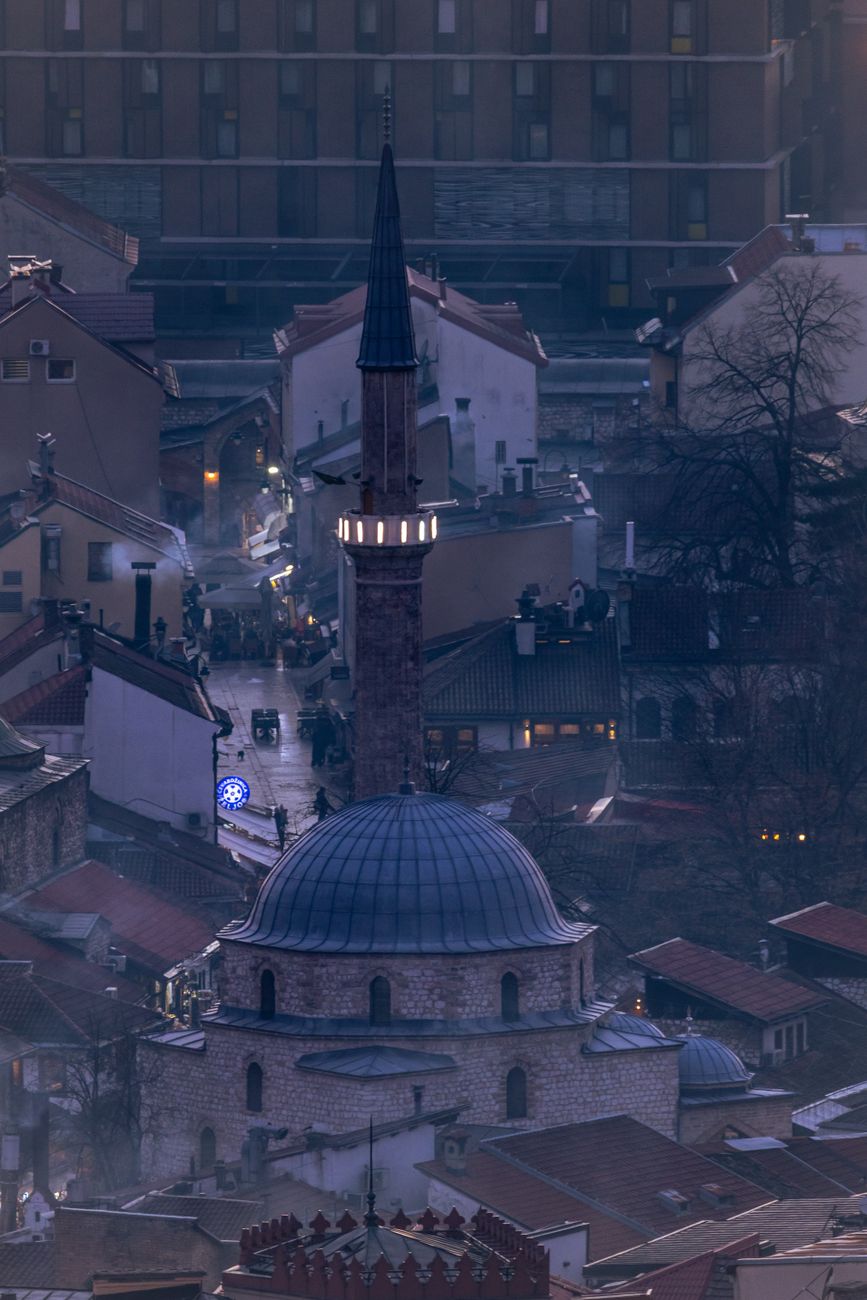
Expect a city where Ottoman street patterns, Austro-Hungarian boulevards and recent wartime scars coexist in tight geographic spaces. The first impression is narrow stone streets, low-rise buildings by the Miljacka river, mosque calls alongside tram clatter, and many memorials that sit within everyday neighbourhood life. Visitors often assume the itinerary is either entirely 'old town' or entirely 'war sites'; both are necessary because the two strands are woven into local everyday routines. The pace is generally moderate: mornings suit museum visits when crowds are smaller, mid-afternoons are for lingering over coffee and burek, and early evenings for viewpoints like the Yellow Fortress. This layout suits travellers who like walking, short climbs and concentrated cultural context rather than long, leisurely days.
Is 3 days in Sarajevo enough?
Yes — three days allows a solid introduction: Baščaršija, the Latin Bridge/Vijećnica, the Tunnel of Hope, and a neighbourhood walk to Ilidža or the Yellow Fortress. Caveat: there is not enough time for a relaxed day trip to Mostar or a long Adriatic side trip without adding travel time.
Who This Guide Is For
Best for first-time visitors who want culture, wartime history and food in a compact stay; not ideal for travellers who expect beach time, long hikes in the mountains, or a slow luxury escape on this itinerary.
Local Tips for Sarajevo
Practical details that most travel sites skip — specific to Sarajevo.
- Buy single tram/bus tickets at newsstands (kiosks) near stops or from the driver and validate immediately; single urban fare is about 1.60 BAM (≈0.80 EUR) and inspectors fine for unvalidated tickets is noticeably higher.
- Markale Market (Trg Markale) runs early mornings near the Latin Bridge; go 07:00–09:30 for the best produce, local ćevapi sellers and fewer crowds.
- Tunnel of Hope (Tunel Spasa) entrance on the Butmir side sells tickets at the site; the small museum entry is about 5 BAM and the last guided visits tend to be mid-afternoon, so schedule early.
- Make reservations for dinner at Inat Kuća on the Miljacka riverside if aiming for a riverside table; the restaurant is known for higher prices than typical kafanas and fills up on weekends.
- Sunset from the Yellow Fortress (Žuta Tabija) above Baščaršija is 10–20 minutes uphill on foot from the old bazaar; bring a light jacket and water in spring and autumn.
How This Guide Was Prepared
A true three-day visit to Sarajevo mixes Ottoman-era Old Town streets with recent wartime sites and robust neighbourhood life; most guides either over-focus on the past or treat the centre as a single attraction. This guide gives timed, neighbourhood-based steps, realistic cost estimates, transit options and what to skip to avoid a rushed trip. This guide was prepared through a structured research that combines destination research, geographic context, itinerary planning logic, and content review.
Plan Your Stay in Sarajevo
Use this itinerary as your starting point, then compare areas to stay, transport options, seasonal timing, and realistic daily costs before booking.
Why Visit
Baščaršija provides an Old Town experience that differs from coastal Croatian cities by combining Ottoman-era bazaars with living neighbourhoods and strong culinary traditions like ćevapi and burek. The Tunnel of Hope offers a compact, powerful explanation of the 1992–1996 siege with a preserved tunnel section and exhibits accessible in a single visit. Vijećnica (the City Hall) and the Latin Bridge area show Austro-Hungarian architecture and the assassination site linked to World War I in a walkable cluster. Nearby Ilidža and Vrelo Bosne offer short escapes to river springs and parkland within public-transport distance, useful for travellers who want a nature break without a long drive.
Quick Planning Tips
Most international arrivals come via Sarajevo Airport (SJJ) or by train/bus to the main coach station near Marijin Dvor. Official airport taxis charge around 25–35 BAM to the centre; get a fixed rate at the official desk rather than hailing outside. Public transport requires paper tickets bought at kiosks or from drivers — single fares are about 1.60 BAM; keep small change. Currency is the convertible mark (BAM) and many small cafés still prefer cash; carry at least 20–40 BAM while wandering Old Town. Avoid planning the Tunnel of Hope for a late afternoon arrival day because the museum closes earlier than central sites; schedule it as a morning or mid-day visit.

Day 1
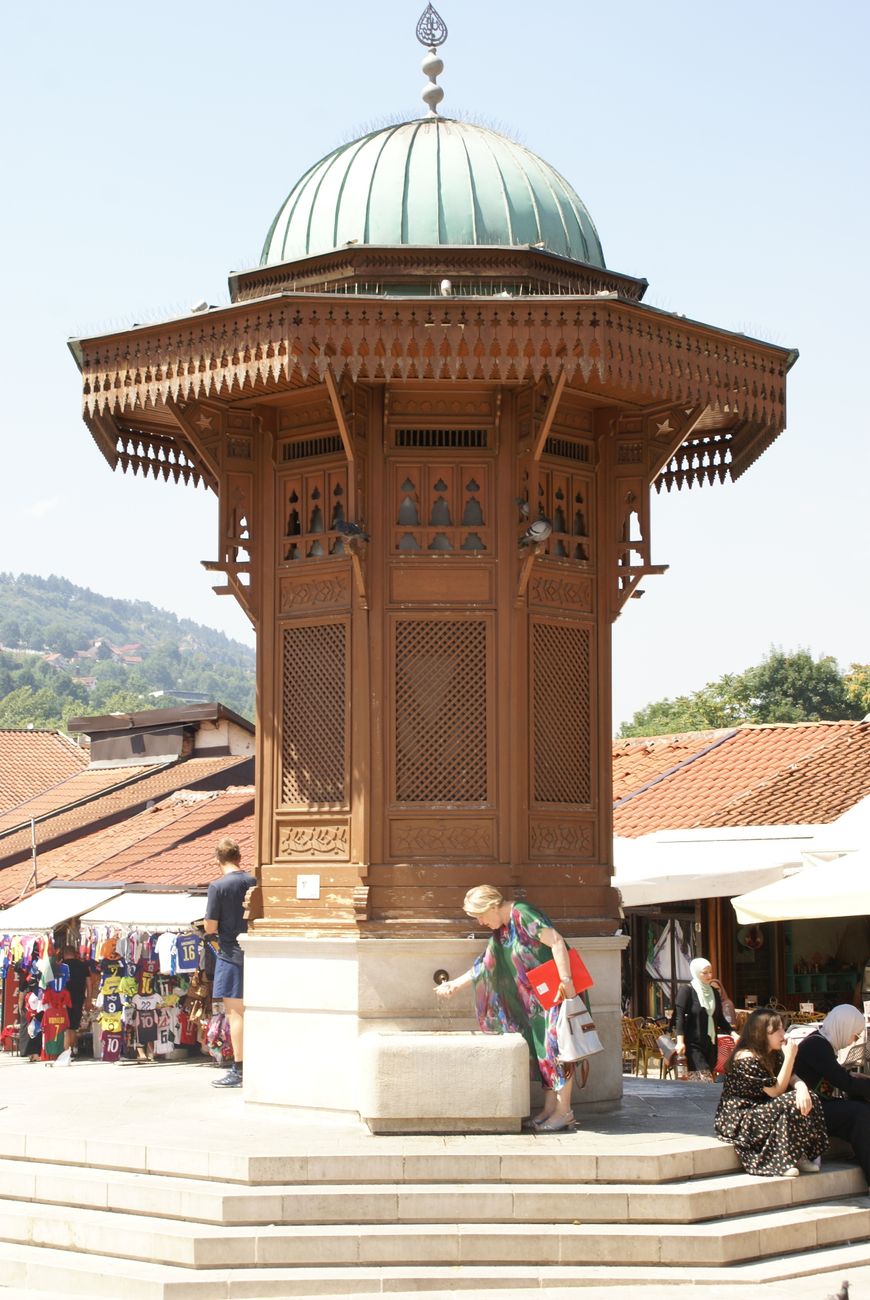
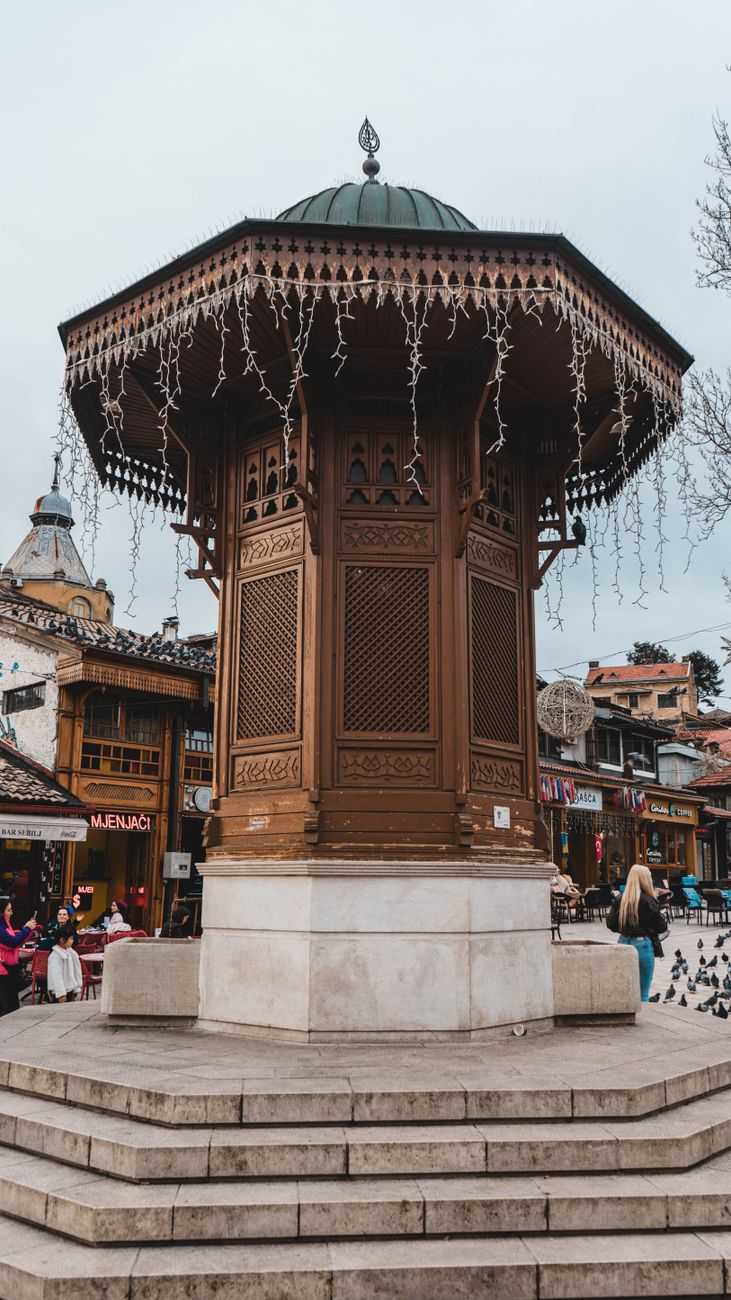
Morning: Start in Baščaršija at the Sebilj fountain and walk Ferhadija pedestrian street to see small craft shops and the Gazi Husrev-beg Mosque. Allow 1–2 hours for the mosque, the Old Bazaar lanes, and quick visits to Morica Han and local copper workshops. Travel time between Sebilj and Vijećnica is a 10–15 minute walk along the Miljacka river.
Midday: Cross to the Latin Bridge area to visit the Latin Bridge and the small exhibition nearby; this cluster fits into a 60–90 minute window. Lunch at Ćevabdžinica Željo or Baščaršija’s street ćevapi stands offers a substantial local meal for roughly 8–12 BAM. Expect lines at peak lunch times.
Afternoon: Walk to Vijećnica (City Hall) and the library exterior; allocate 30–45 minutes. From Vijećnica, either take tram or a 20–25 minute uphill walk to the Yellow Fortress (Žuta Tabija) for panoramic views — the walk is steep but popular for sunset timing.
Evening: Dine at Inat Kuća on the riverside if reserving ahead, or pick one of the kafanas on Sarači street for more modest prices. Finish with a short walk along the Miljacka; expect street noise and groups in the old bazaar area on weekend evenings.
Day 2
Morning: Begin with the Tunnel of Hope visit in Butmir; allocate 1.5–2 hours including the museum and the preserved tunnel section. The site is outside the immediate centre so plan 20–30 minutes by taxi or 40–50 minutes by bus from Marijin Dvor depending on traffic.
Midday: Return to Marijin Dvor and visit the War Childhood Museum on Džemala Bijedića or the Historical Museum of Bosnia and Herzegovina for wartime context; each museum usually needs 1–2 hours and charges modest entry fees (museum fees typically 5–10 BAM). Lunch in Marijin Dvor brings options from burek bakeries to bistro menus; a filling meal here costs about 6–12 BAM.
Afternoon: Take a tram or bus to Ilidža (regional bus/tram routes serve this direction) to walk Vrelo Bosne — the spring park with mineral-rich water, horse carriages and paved paths. Plan 2–3 hours; the park is flat and good for cooling off in summer. Return by tram or taxi takes roughly 30–45 minutes.
Evening: Explore Bistrik or the opera district around the National Theatre for a quieter dinner option; small restaurants here serve local stew (čevapi or klepe) and are less tourist-priced than Baščaršija. If still energetic, an evening view from Avaz Twist Tower’s observation platform shows the city lights.
Day 3
Morning: Start with a focused museum visit such as the War Childhood Museum or the Jewish Historical Museum; these are compact and emotionally direct, so 60–90 minutes should suffice. From the museum area, stroll to the Ferhadija pedestrian street for coffee and pastry (burek) at a local pekara — allow 30–45 minutes. Plan shorter museum visits if an afternoon departure is scheduled.
Midday: Walk through Baščaršija lanes to catch any shops missed earlier or to visit craft stalls on Sarači; grab a quick street-food lunch like stuffed somun or a burek with yogurt for around 3–6 BAM. If checking out of accommodation, leave bags at a locker or arrange a late check-out; many guesthouses will hold luggage for a small fee.
Afternoon: If an afternoon flight is the plan, aim to be at Sarajevo Airport at least 90 minutes before departure; taxi to the airport normally takes 20–30 minutes from the centre without heavy traffic. If time allows instead of a rush, take a tram ride across the Miljacka and visit the rare Austro-Hungarian villas near Koševo for a short walk before heading to the station.
Evening: For those staying later, finish with a relaxed dinner at a riverside restaurant near the Miljacka; otherwise, ensure transport to the station or airport is pre-booked and confirm the fare to avoid last-minute surcharges.

Best Local Experiences
Markale Market (Trg Markale) for early-morning produce, local cheese and small ćevapi stalls; arrive at market opening to avoid crowds. A tram-side coffee ritual at a kafana on Ferhadija or near the Sebilj fountain gives a sense of daily social life; order a small Bosnian coffee and linger 20–30 minutes. The Tunnel of Hope visit is a distinctive wartime experience not replicated elsewhere nearby and can be paired with personal stories in the War Childhood Museum. Nighttime views from the Yellow Fortress reward a short climb and offer a clear perspective of the Old Town layout. Vrelo Bosne at Ilidža is an easy public-transport nature escape with river springs, horse carts and tree-lined paths. Other specific experiences include: watching a coffee-making demonstration in Baščaršija, buying hand-hammered copper in a metal workshop on Sarači, and taking an informal walking tour focused on the Siege memorials along the Miljacka corridor.

Where to Stay
Baščaršija / Old Town: Suits travellers who want immediate access to bazaars, mosques and most sightseeing on foot. Expect guesthouses and small boutique hotels from about 40–90 BAM per night (≈20–45 EUR). Narrow streets can be noisy at night on weekends.
Marijin Dvor / Centar: Suits those who prefer more modern hotels, easy tram access and proximity to museums; mid-range hotels are common here. Nightly rates run roughly 60–120 BAM (≈30–60 EUR). This area is more businesslike and quieter after dark than the Old Town.
Ilidža / Vrelo Bosne area: Suits travellers who want nature nearby and quieter nights; expect guesthouses and family-run pensions from 35–80 BAM per night (≈18–40 EUR). Travel time to central Baščaršija is 20–40 minutes by tram or taxi, so plan accordingly.
Food and Drink
Ćevapi: Small grilled minced meat sausages usually served with somun, raw onions and kajmak; best versions at Ćevabdžinica Željo or Mrkva; price about 8–12 BAM for a filling plate. Burek: A flaky, savory pastry filled with meat, cheese or spinach; find good burek at local pekaras (bakeries) such as Buregdžinica Bosna for 2–4 BAM. Bosnian coffee (kafa): Strong, unfiltered coffee served in a džezva with a small glass of water and sometimes rahat lokum; try it at traditional kafanas in Baščaršija for 1–2.50 BAM. Desert: Baklava is common after meals; try at bakery counters around the Old Town for 2–4 BAM a piece. Breakfast option: a pekara breakfast of burek and ayran or yogurt will be a cheap, filling start at 3–6 BAM. Dinner recommendation: Inat Kuća for a riverside meal if the budget allows (mains often 20–35 BAM), or a modest family-run kafana in Bistrik for local stews and lower prices.
Getting Around
No metro exists; urban transport relies on trams and buses operated by KJKP GRAS and other regional carriers. Trams run on numbered lines (1–6) along the main corridors and connect Marijin Dvor, Baščaršija and surrounding districts. Single paper tickets cost about 1.60 BAM; a 24-hour pass is roughly 4.50 BAM. Buy tickets at kiosks (newsstands) or from drivers on buses; validate immediately. Taxis are plentiful but agree a price or use a radio taxi service; airport fares normally 25–35 BAM to the centre. Useful apps include Moovit for schedules and Google Maps for tram/bus routing; local taxi apps and radio-taxi phone numbers can be found at hotel desks. For intercity travel, Centrotrans operates coaches to Mostar and other regional destinations.
Best Time to Visit
Late spring (May–June) and early autumn (September–October) balance mild temperatures and fewer tourist groups; expect daytime highs 18–26°C and cool nights. July–August is warm (25–32°C) and busier with more day-trip arrivals from neighbouring Croatia; accommodations and some restaurants fill earlier. Winter months (December–February) bring cold, wet weather and occasional snow; cultural sites remain open and prices tend to be lower, but expect shorter daylight and some transport delays. Shoulder months often offer the best value when museums and tours are running and outdoor viewpoints are pleasant.
Budget and Practical Tips
Typical daily budget for a mid-range traveller: Accommodation 60–120 BAM (≈30–60 EUR), food 20–40 BAM (≈10–20 EUR), local transport 3–6 BAM (≈1.5–3 EUR), entry fees 10–20 BAM (≈5–10 EUR). A tighter budget can manage on 40–70 BAM per day by using hostels, street food and walking. Museum entries commonly range 3–10 BAM; the Tunnel of Hope is about 5 BAM. Tipping is customary but modest: leave 5–10% in restaurants if service is good; rounding up small bills is normal in cafés. ATMs are widely available; many smaller businesses prefer cash in BAM. Basic travel insurance is advisable particularly for health and trip cancellation given the terrain and seasonal weather variability.
FAQ
Is Sarajevo safe for tourists?
Yes; normal safety precautions apply. Petty pickpocketing can occur around Baščaršija and transport hubs, so watch belongings and avoid poorly lit side streets at night.
How do I get from Sarajevo Airport to the centre?
Official airport taxis charge around 25–35 BAM to the city; there is no single dedicated airport bus, but some hotels arrange shuttle services — confirm a fixed fare at the official desk.
Is a Sarajevo city card or tourist pass worth buying?
No widely used all-in-one city card is standard; most visitors save money by buying individual museum tickets and using single tram tickets or a 24-hour pass when needed.
Can Mostar be a day trip from Sarajevo?
Possible but tight: bus or train takes about 2–3 hours each way, so a full day is consumed in travel; overnight stays are preferable for relaxed exploration.
Are credit cards widely accepted?
Cards are accepted in hotels and many restaurants in the centre, but small shops, bakeries and market stalls often prefer cash in BAM.
Which transit app is best for navigating local buses and trams?
Moovit and Google Maps reliably show tram and bus routes; schedules can change so allow extra time for connections.
Conclusion
Three days provide a concentrated, honest look at the city’s layered identity: Old Town alleyways, wartime sites and neighbourhood life. Visitors most often remember the contrast between Baščaršija’s busy market streets and the quiet testimony of the Tunnel of Hope and smaller museums. If pressed for time, prioritise a morning in Baščaršija and an afternoon at the Tunnel of Hope or the War Childhood Museum — that combination delivers core context, food and view without excessive rushing.
How this guide was prepared
This guide was prepared through a structured research that combines destination research, geographic context, itinerary planning logic, and content review.