

Fortaleza 3-Day City Guide: Practical Itinerary & Tips
A practical 3-day Fortaleza guide with neighbourhood plans, transit advice, realistic budgets and must-eat dishes to use on a short weekend.
A no-nonsense, three-day plan for Fortaleza that balances beaches, markets and neighbourhood food without overscheduling or hiding costs.
A visit starts with wide avenues along the coast, loud motorbike traffic and a visible rhythm set by beach stalls and seafood markets. First impressions can surprise those expecting a quiet resort: there is constant activity along Av. Beira-Mar and Praia de Iracema after sunrise and a real working-harbour feel in Mucuripe. The city suits travellers who like combining short beach sessions with lively market browsing, evening music and decent seafood within short taxi rides. Prepare for frequent card-machine hiccups and sudden rain showers in certain months.
Is 3 days in Fortaleza enough?
Yes — three days are enough to get a clear first impression: a beach morning, a market or museum afternoon, a night in Iracema or Varjota and a dedicated visit to Praia do Futuro. Expect to skip deeper day trips inland and longer beach stretches that require more relaxed pacing.
Who This Guide Is For
Best for travellers who like food-focused days, short urban walks and easy beach time; less suitable for backpackers wanting daily long-distance excursions or travellers seeking quiet, rural solitude.
Local Tips for Fortaleza
Practical details that most travel sites skip — specific to Fortaleza.
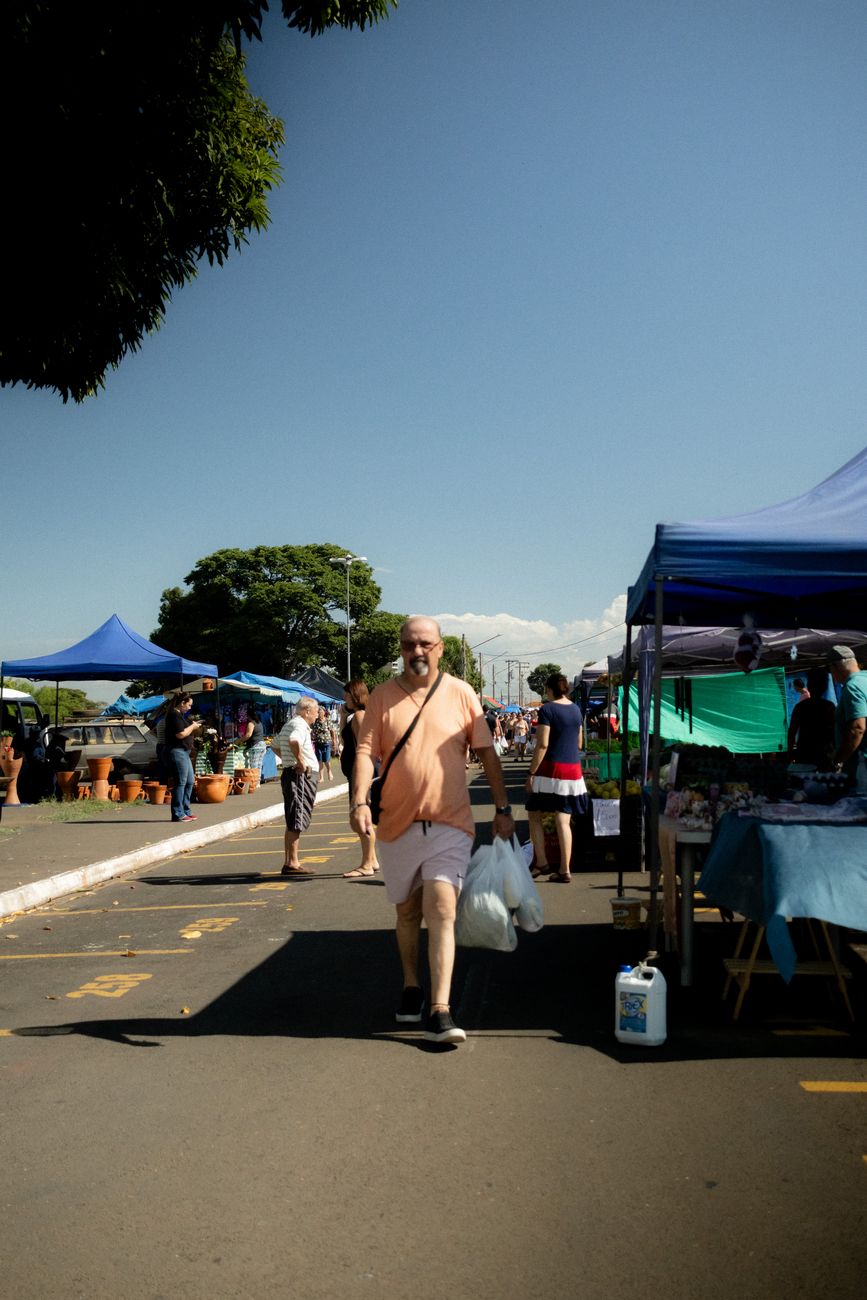
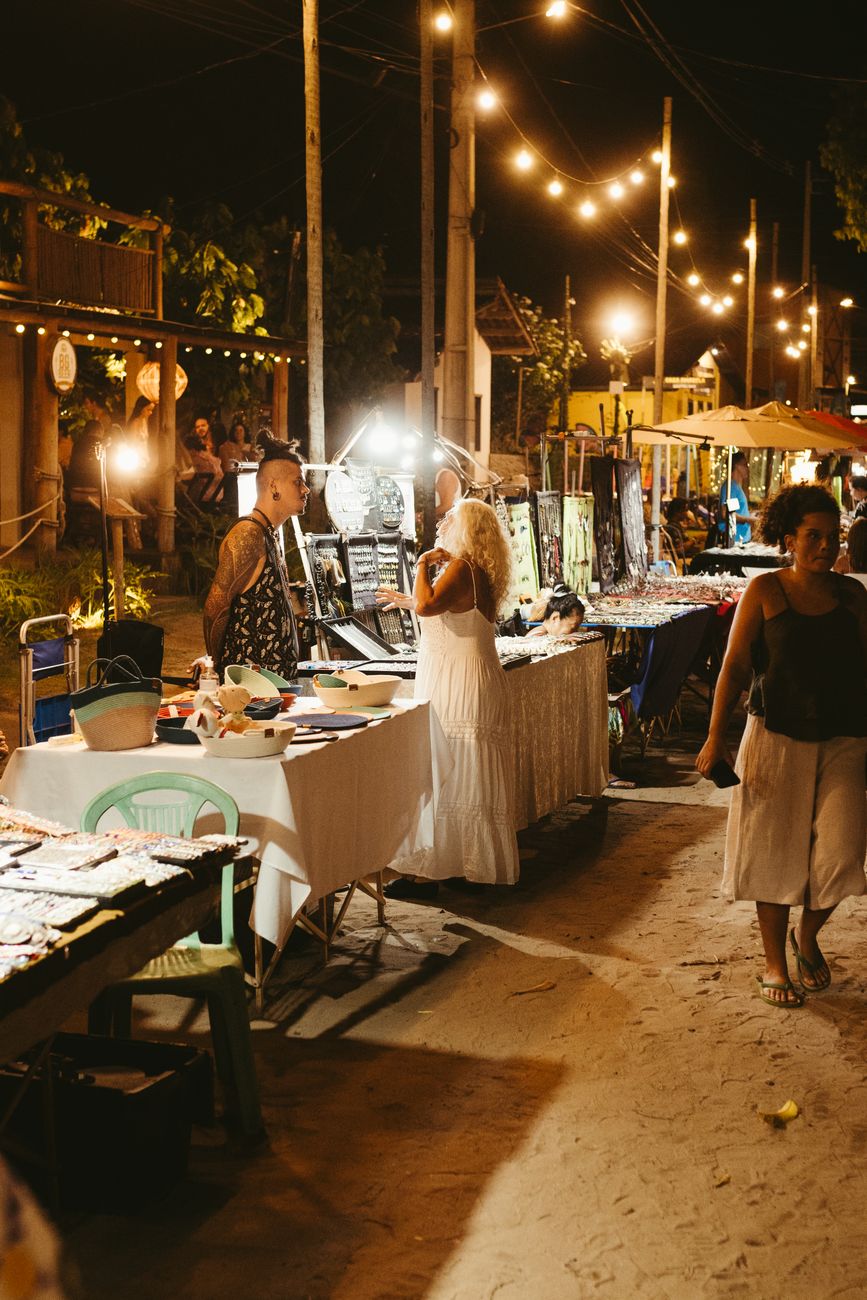
- Feirinha da Beira-Mar runs every evening on Avenida Beira-Mar from about 18:00; many stalls close around 23:00 and most prefer cash over cards.
- Praia do Futuro barracas such as Crocobeach and Barraca do Caranguejo commonly charge for sunbeds or require a minimum spend—expect R$20–R$60 per person at peak times.
- Buy Metrofor single tickets or reloadable cards at Parangaba or Central stations; the Metrô de Fortaleza (Metrofor) line to Mucuripe is often faster than cross-city buses during rush hour.
- Mercado Central on Rua Dr. José Lourenço stays open daily but many artisan stalls close midday Sunday; carry small bills (R$10 and R$20) for haggling.
- Av. Monsenhor Tabosa (Aldeota/Varjota) is the restaurant corridor where card machines sometimes fail during dinner rush—keep R$50–100 in cash for emergency payments.
How This Guide Was Prepared
This guide focuses on how Fortaleza actually feels for a short visit: a coastal metropolis with busy beachfront avenues, a serious local seafood scene and unpredictable weather windows. Many guides over-emphasize sun-and-beach snapshots and ignore market hours, beach barraca fees and how slow card machines can shape a day. This guide was prepared through a structured research that combines destination research, geographic context, itinerary planning logic, and content review.
Plan Your Stay in Fortaleza
Use this itinerary as your starting point, then compare areas to stay, transport options, seasonal timing, and realistic daily costs before booking.
Why Visit
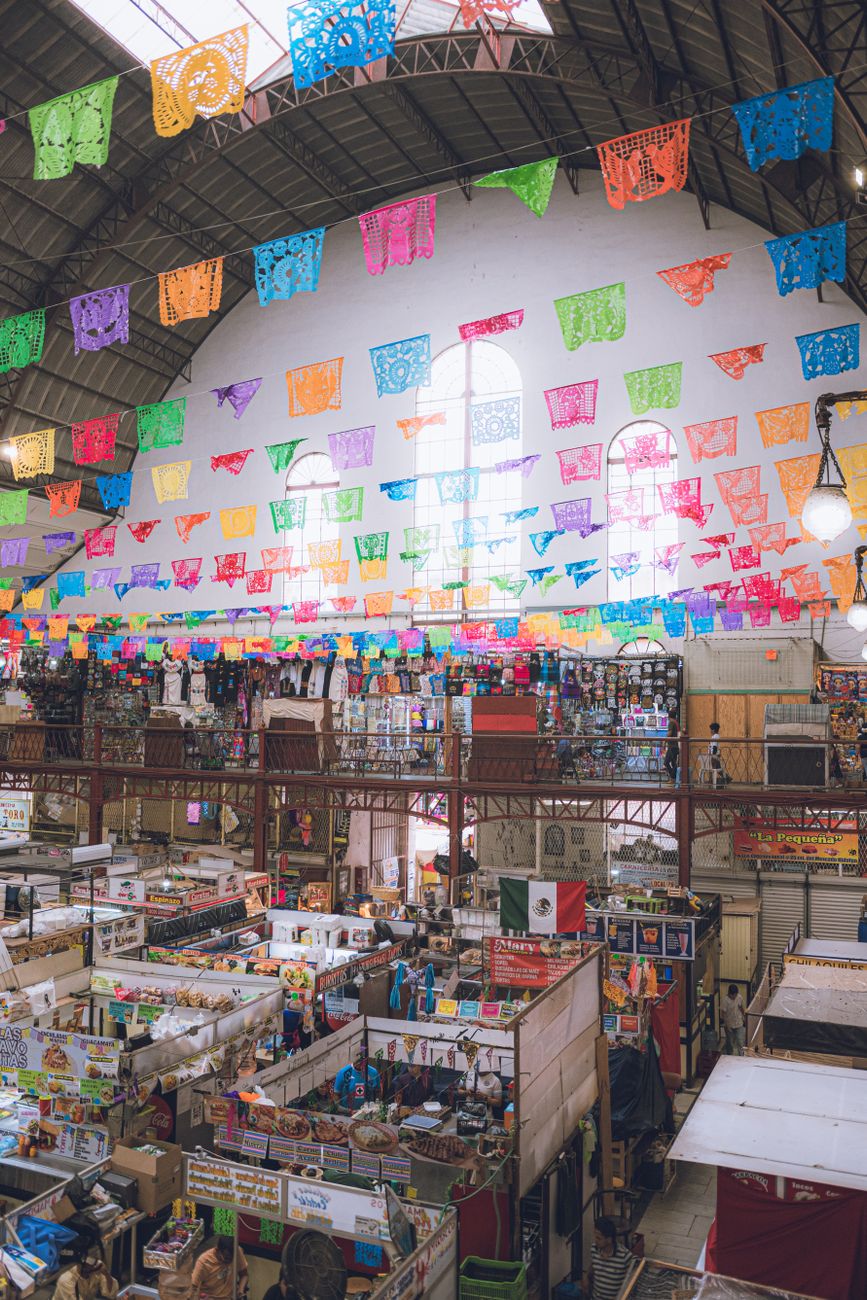
Local seafood and market culture are unusually accessible: Mercado Central and the Mucuripe fish market put fresh catches and local ingredients within reach of any visitor. Beaches are close to urban services, allowing a morning swim followed by a short walk to a seafood lunch on Av. Beira-Mar or in Mucuripe. Theatro José de Alencar and Dragão do Mar offer affordable cultural programming—plays, small concerts and rotating exhibitions that fit tight schedules. Short transfers to nearby beach towns and regional festivals mean this city works well as a short hub for Northeast Brazil exploration.
Quick Planning Tips
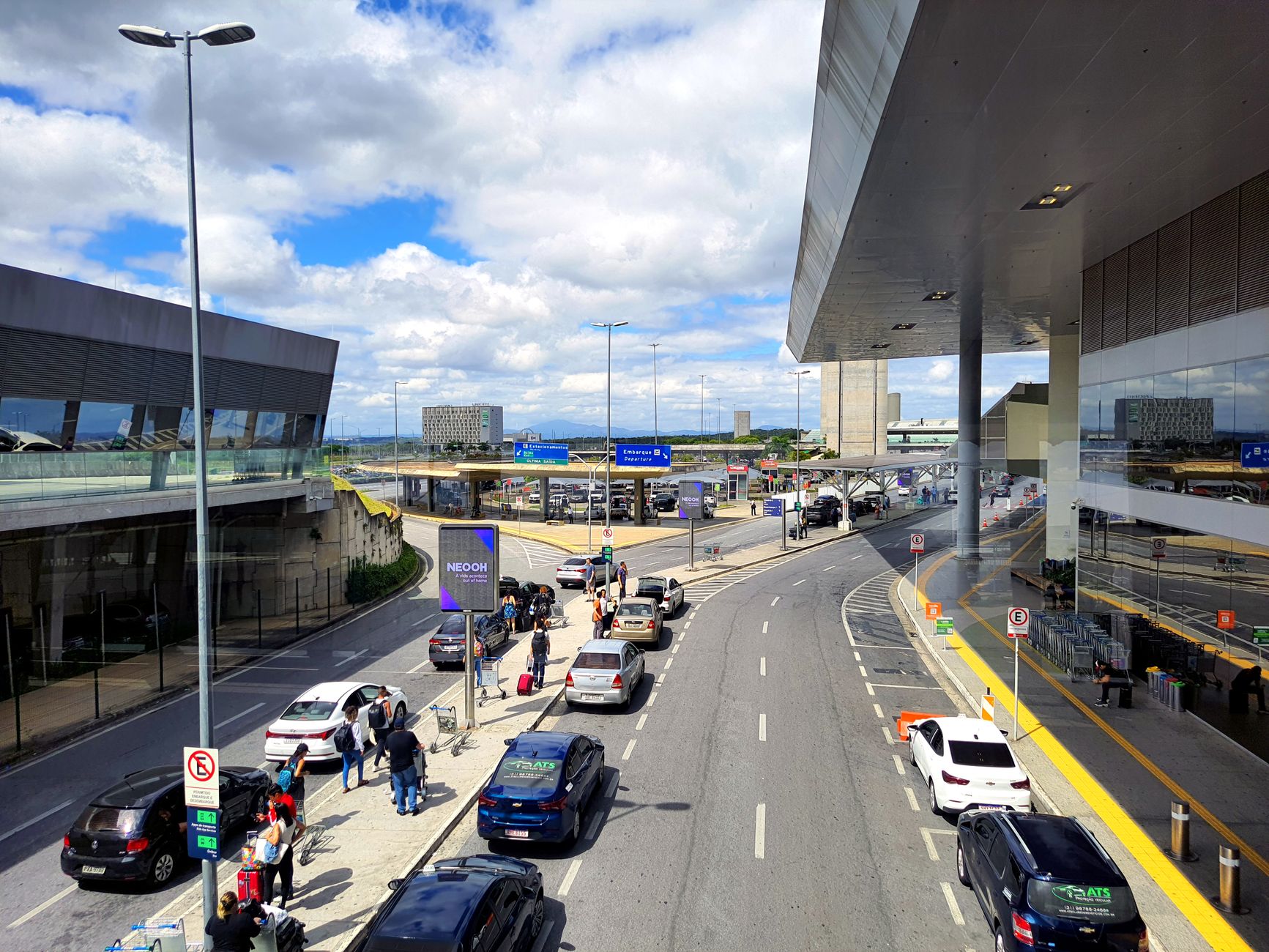
Best airport transfer: Pinto Martins (FOR) to Meireles takes 25–40 minutes by taxi or ride-hail (Uber/99); expect R$60–100 depending on traffic. Main station transfers: Rodoviária (Central bus station) is central and walkable to some downtown sights; use the Metrofor or short taxis for other neighbourhoods. Payment tip: use small bills and a mix of card and cash—street stalls and smaller restaurants often insist on cash. A common planning mistake is underestimating weekend traffic when moving between Meireles, Aldeota and Praia do Futuro.
Day 1
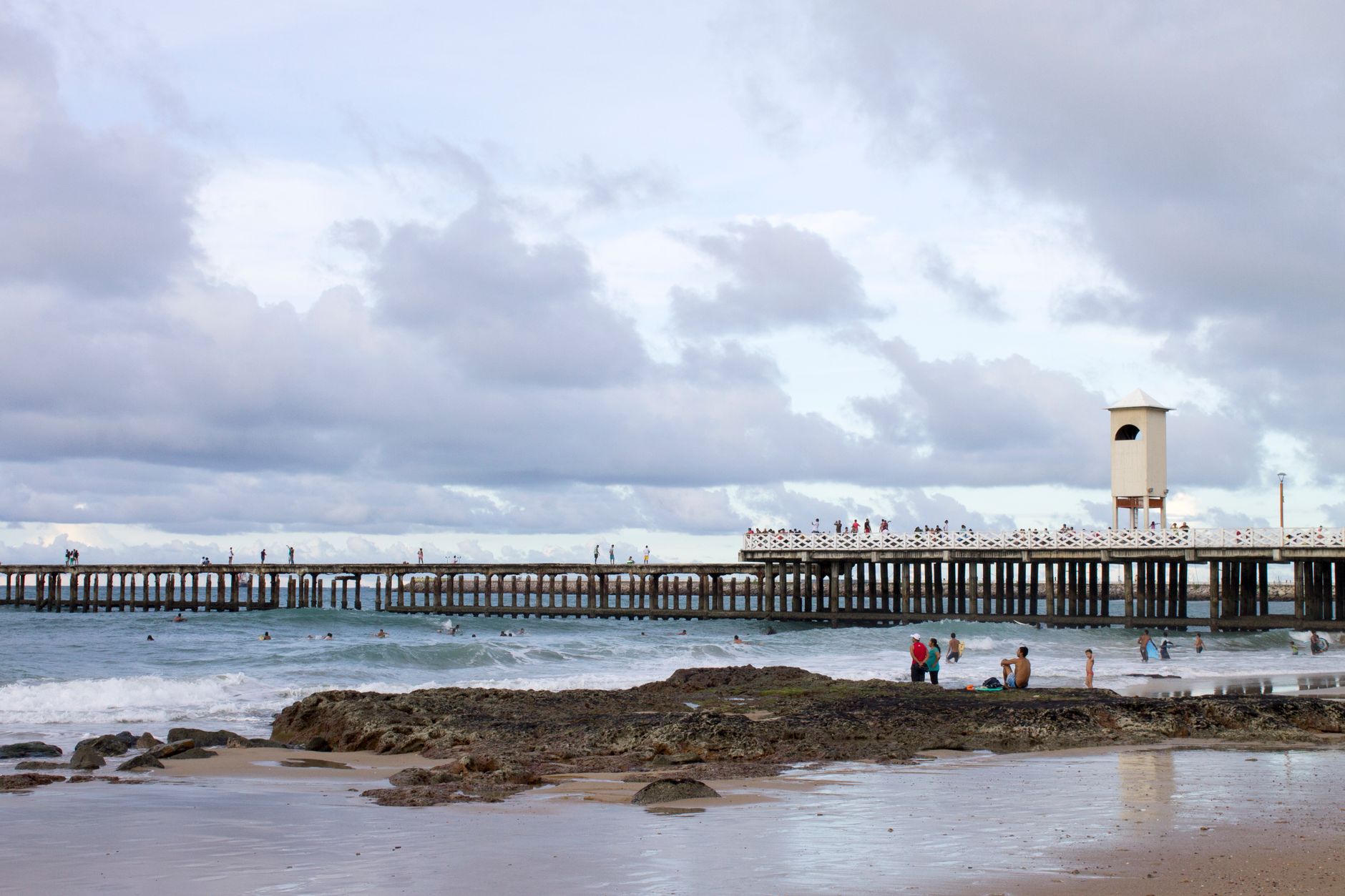
Morning: Start at Av. Beira-Mar for a sunrise walk and the Feirinha da Beira-Mar (market opens ~18:00 but the avenue itself is lively early); the beachfront promenade is flat and good for a 30–45 minute walk. Next, cross to Praia de Iracema to visit Ponte dos Ingleses and the Santos Dumont lighthouse area; walking between Beira-Mar and Iracema takes 10–15 minutes. Midday: Head to Mercado Central (Rua Dr. José Lourenço) for lunch at a local stall serving carne de sol with macaxeira—walk or 10-minute taxi from Iracema. Afternoon: Walk to Theatro José de Alencar for a guided tour or exterior photos (10–15 minutes). Evening: Spend the night at Dragão do Mar Center of Art and Culture; check the schedule for concerts or exhibitions and have dinner at a nearby restaurant on Rua Dragão do Mar or Varjota (10–15 minute taxi).
Day 2
Morning: Dedicate the morning to Praia do Futuro and its barracas; choose one with good reviews (Crocobeach or Barraca do Caranguejo) and budget for chair fees or a minimum spend. Transit time: expect 25–40 minutes by car from Aldeota/Meireles; buses take longer. Lunch: Eat at the barraca or return toward Mucuripe for fresh seafood at Mercado do Peixe. Afternoon: Visit Mucuripe harbour and the Mucuripe Fish Market for people-watching and to see local fishermen unloading catches (20 minutes by taxi from Praia do Futuro). Evening: Explore Varjota for a restaurant-focused night—Rua Padre Mororó and adjacent blocks host contemporary local cuisine; short taxi from Mucuripe.
Day 3
Morning: Walk or take a short taxi to Parque do Cocó for a shaded city escape and a boat ride on the creek if available; plan 1.5–2 hours. Midday: Return to Aldeota for lunch—Aldeota offers more mid-range restaurants and bakeries for quick meals (10–20 minutes from Cocó). Afternoon options for departing travellers: if catching a late flight, visit Forte de Nossa Senhora da Assunção near Praia de Iracema for a quick historical stop then head to Pinto Martins airport; allow 40–60 minutes travel time from Meireles in peak traffic. If checking out midday, leave luggage at the hotel and use a locker service or request late check-out, then choose a single nearby attraction near your accommodation.
Best Local Experiences
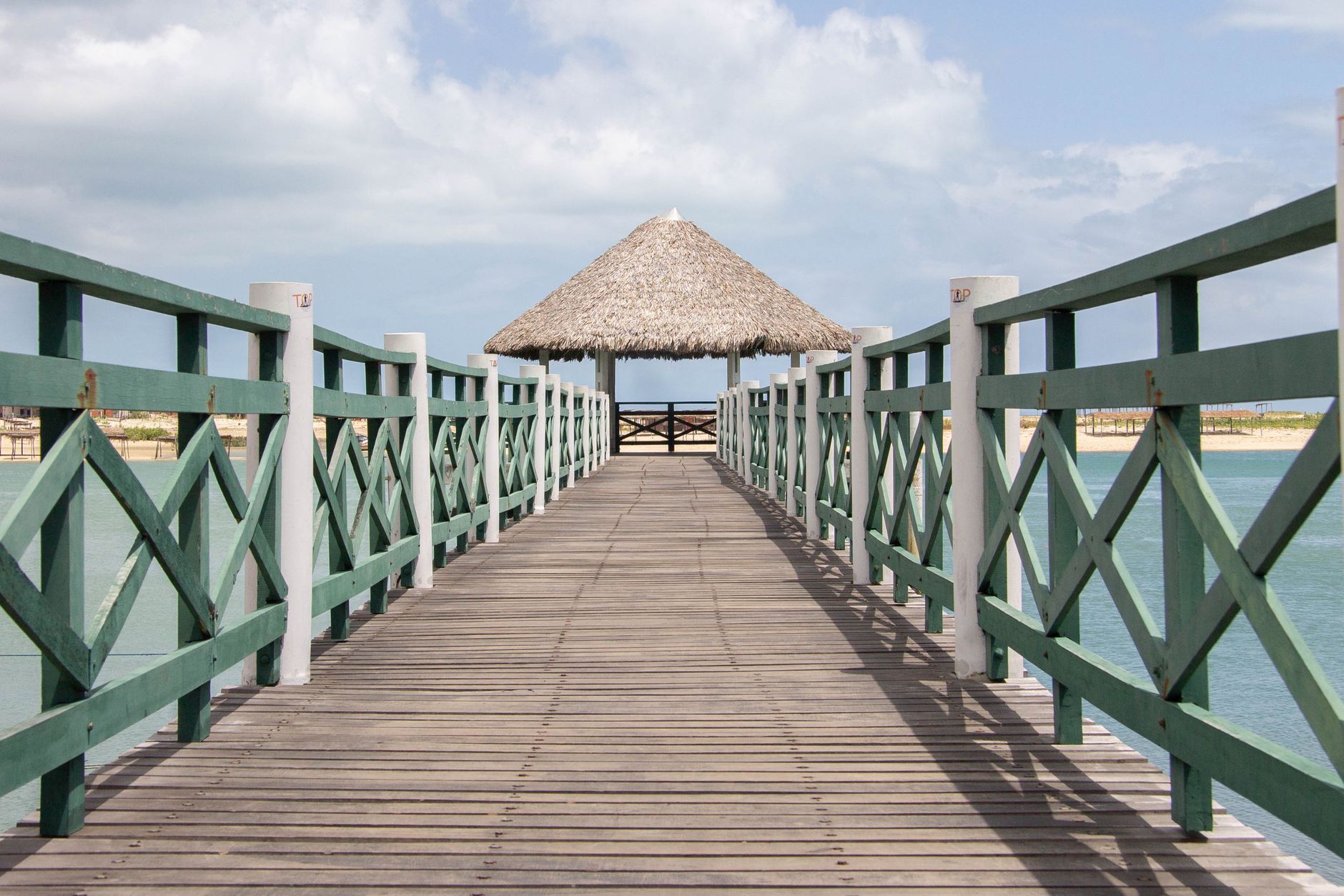
Feirinha da Beira-Mar (evening craft market on Av. Beira-Mar) for souvenirs and local snacks. Mercado Central (Rua Dr. José Lourenço) for regional handicrafts and cheap meals. Mucuripe Fish Market for early-morning fish auctions and raw seafood tasting. Praia do Futuro barracas for a proper beach-day with barraca service and grilled seafood. Parque do Cocó for an urban nature walk and shaded canoeing. Theatro José de Alencar for architecture and short guided tours. Arena Castelão for a local football match when fixtures align; the atmosphere is intense and useful for seeing local culture.
Where to Stay
Meireles: Suits first-time visitors who want immediate beach access, the Av. Beira-Mar promenade and evening markets; walking distance to many restaurants and a standard mid-range hotel costs R$200–R$450/night (approx €38–€85 / US$40–US$90). Aldeota: Suits travellers focused on restaurants and shopping with calmer streets; near Av. Dom Luís and Rua Padre Mororó, expect R$160–R$320/night (approx €30–€60 / US$35–US$70). Praia de Iracema: Suits nightlife and cultural venues, near Ponte dos Ingleses and Dragão do Mar; prices range R$180–R$350/night (approx €34–€67 / US$38–US$75). Budget hostels around Centro and Joaquim Távora can drop to R$60–R$120/night (approx €12–€23 / US$12–US$25).
Food and Drink
Tapioca (breakfast): a cassava starch crepe filled with queijo coalho, coconut or ham; find at street stalls and bakeries for R$6–R$12. Ginga com tapioca (street food): small fried fish served with tapioca; common on Praia de Iracema and at beach stalls for R$10–R$25. Carne de sol com macaxeira (dried salted beef with cassava): a regional staple often served in Mercado Central or Varjota restaurants for R$25–R$60. Peixada Cearense (fish stew): local fish cooked with vegetables and farofa, available in Mucuripe or Beira-Mar restaurants for R$35–R$80. Cajuína (non-alcoholic cashew juice): a clear, boiled cashew drink typical to Ceará; found at local bars and restaurants for R$5–R$12. For dinner recomendation try a seafood restaurant in Varjota or Mucuripe for a mid-range meal around R$60–R$120 per person.
Getting Around
Modes: Metrô de Fortaleza (Metrofor), municipal buses (ônibus), taxis and ride-hailing apps (Uber, 99). Metrofor connects Central/Parangaba with Mucuripe and is useful for some cross-city trips; buy single tickets or reload cards at stations. Single bus fares are around R$4–R$5 and metro fares are usually lower—expect R$3–R$4; day passes are not universally offered on all systems so check at stations. Taxi from Pinto Martins airport to Meireles costs approximately R$60–R$100; Uber and 99 are usually cheaper by 10–30% but surge pricing can change that. Use Google Maps or Moovit for routes and times, and carry cash for short bus rides and market purchases.
Best Time to Visit
December–February: Hot with average highs 29–32°C and more humidity; popular holiday period and higher prices. March–May: Rainy season peaks in April with heavier showers and occasional wind; surf is strong but expect some beach closures. June–August: Drier and slightly cooler nights with highs around 28–30°C; good value and more stable beach weather. September–November: Transition months with warm sea temperatures and fewer tourists; often the best balance of price and beach weather. For lower prices and reliable sun, target August–November; avoid planning all outdoor activities in April unless flexible with time.
Budget and Practical Tips
Daily budget example per person: Accommodation mid-range R$200–R$350 (≈€38–€67 / US$40–US$75); food R$60–R$120 (≈€11–€23 / US$12–US$25); transport R$20–R$60 (≈€4–€12 / US$4–US$13); entries and activities R$10–R$80 (≈€2–€15 / US$2–US$17). Tip norms: restaurants sometimes add service (10%) but small restaurants rarely do—round up or leave 5–10% for good table service. ATMs are common but smaller vendors prefer cash; avoid withdrawing repeatedly to minimize bank fees. Carry photocopy of passport, use hotel safes for valuables and confirm card acceptance before ordering in markets and some restaurants.
FAQ
Is Fortaleza safe for tourists?
Most central and beachfront areas are safe during daytime and in well-lit tourist corridors, but petty theft and bag snatching occur—avoid isolated streets at night and keep valuables secure.
How do I get from Pinto Martins airport to the city center?
Taxis and ride-hail services (Uber/99) are the simplest; taxi fare to Meireles runs about R$60–R$100 depending on traffic, ride-hail apps may be cheaper off-peak.
Is a Fortaleza city pass worth it?
There is no widely used single city pass; Metrofor reload cards and paying per museum or attraction is usually more flexible for a three-day stay.
Which beaches are safest for swimming?
Praia do Futuro has the most lifeguard presence and organised barracas; Meireles and Iracema have stronger currents—swim near lifeguards and check local flags.
Can I rely on public transit to reach Praia do Futuro?
Buses serve Praia do Futuro but schedules are slower; many travellers prefer a 25–40 minute taxi or ride-hail for convenience.
Are card payments widely accepted?
Cards are common in hotels and larger restaurants but small stalls, feiras and some barracas often accept cash only—carry small denominated notes.
Conclusion
Three days can produce a clear, compact experience: a beach morning, a market or cultural afternoon and at least one reefside barraca or Varjota restaurant for dinner. Expect to leave with memories of grilled seafood, market noise and long beachfront walks rather than deep inland exploration. If short on time, prioritise Praia do Futuro for a full beach-day or a concentrated seafood market meal in Mucuripe—either will convey the city's coastal character efficiently.
How this guide was prepared
This guide was prepared through a structured research that combines destination research, geographic context, itinerary planning logic, and content review.