
3 Days in Brasilia: A Practical Itinerary
Plan 3 days in Brasilia with this practical itinerary covering major sights, neighborhoods, food, and transport.
A hard-nosed, usable 72-hour plan for Brasília that prioritizes the Esplanada, Parque da Cidade and Lago Sul, with exact transit, meal and timing notes.
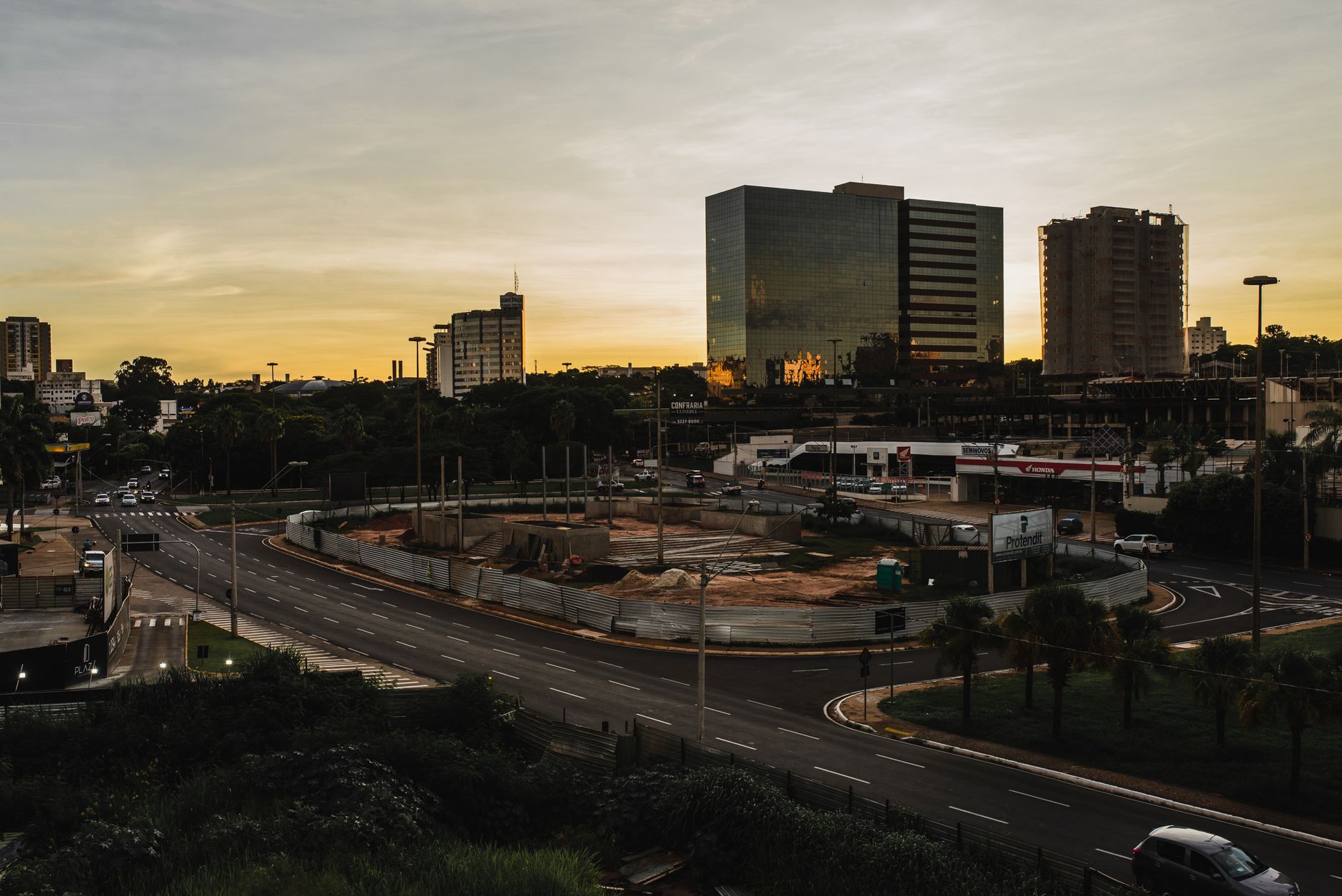
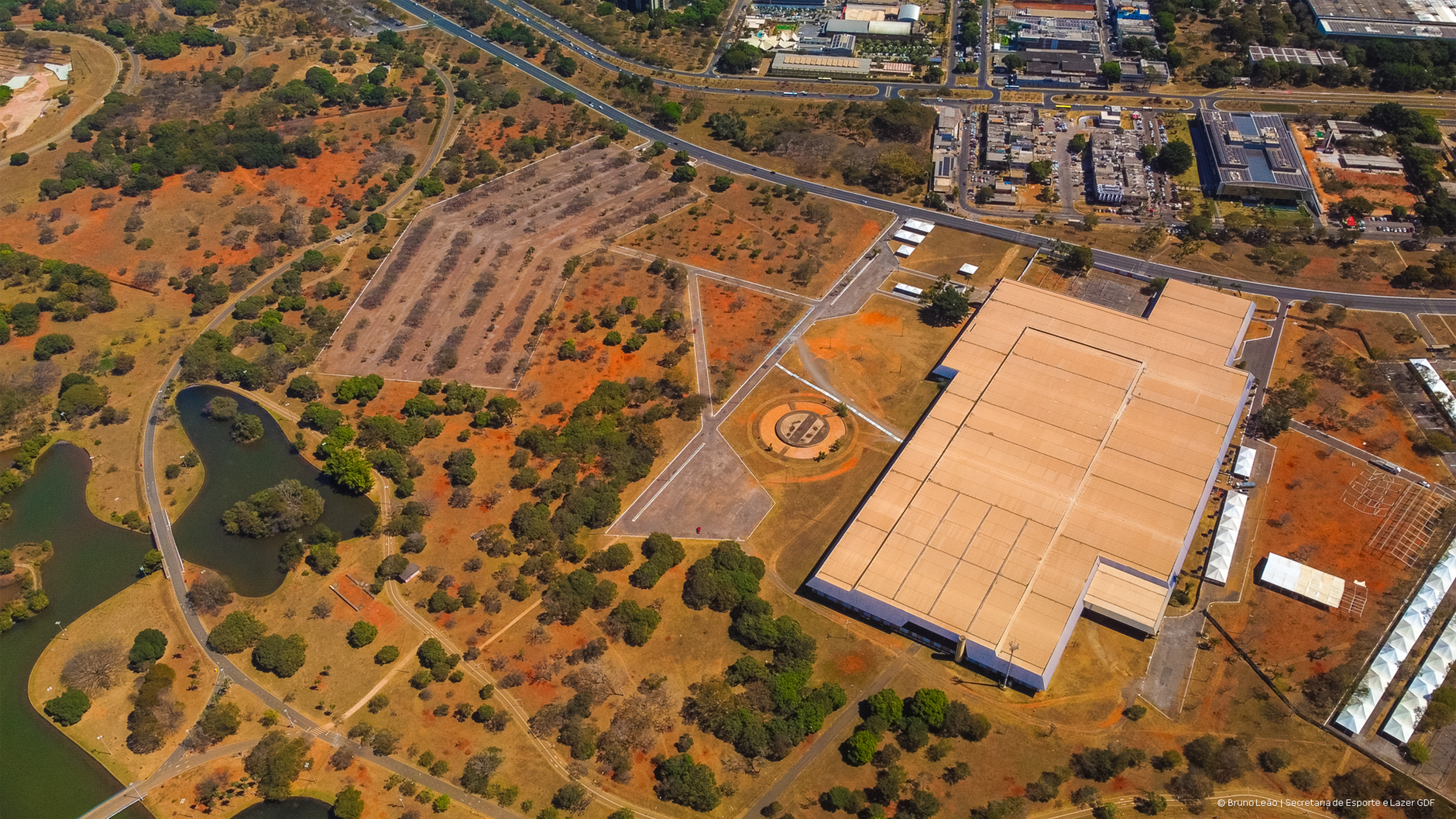
Expect broad avenues, wide lawns and modernist civic architecture as the immediate impression. The Plano Piloto was drawn to separate uses: government and ministries on the Esplanada, commercial blocks along the W3, residential superquadras and recreational spaces toward the lake. Crowds are concentrated at key tourist nodes rather than spread throughout a compact centre, so travel plans should account for transit time and security checkpoints.
Many visitors assume Brasília behaves like other Brazilian capitals with lively street life after dark; most nightlife is dispersed into specific bars in Asa Norte, 108 Sul or Lago Sul, and several government buildings close for tours on weekdays or require prior ID checks. The city suits travelers who value architectural clarity, museums about national politics, and open-air exercise routes; it is less suited to those expecting narrow pedestrian streets and dense restaurant rows.
Is 3 days in Brasilia enough?
Three days is enough to see the main Brasília sights: Congresso Nacional, Catedral, Memorial JK, Parque da Cidade and Pontão do Lago Sul. There will not be time for deep trips into satellite cities like Planaltina or the full surrounding cerrado countryside.
Who This Guide Is For
Best for travelers who want architecture, civic institutions and outdoor green spaces with mid-range budgets; poor fit for those seeking vibrant nightlife or a dense museum crawl.
Local Tips for Brasilia
Practical details that most travel sites skip — specific to Brasilia.
- Buy a Cartão Metrô-DF rechargeable card at any Metrô-DF station (initial card around R$5) and top up at machines — single rides are about R$4.70 as of 2024.
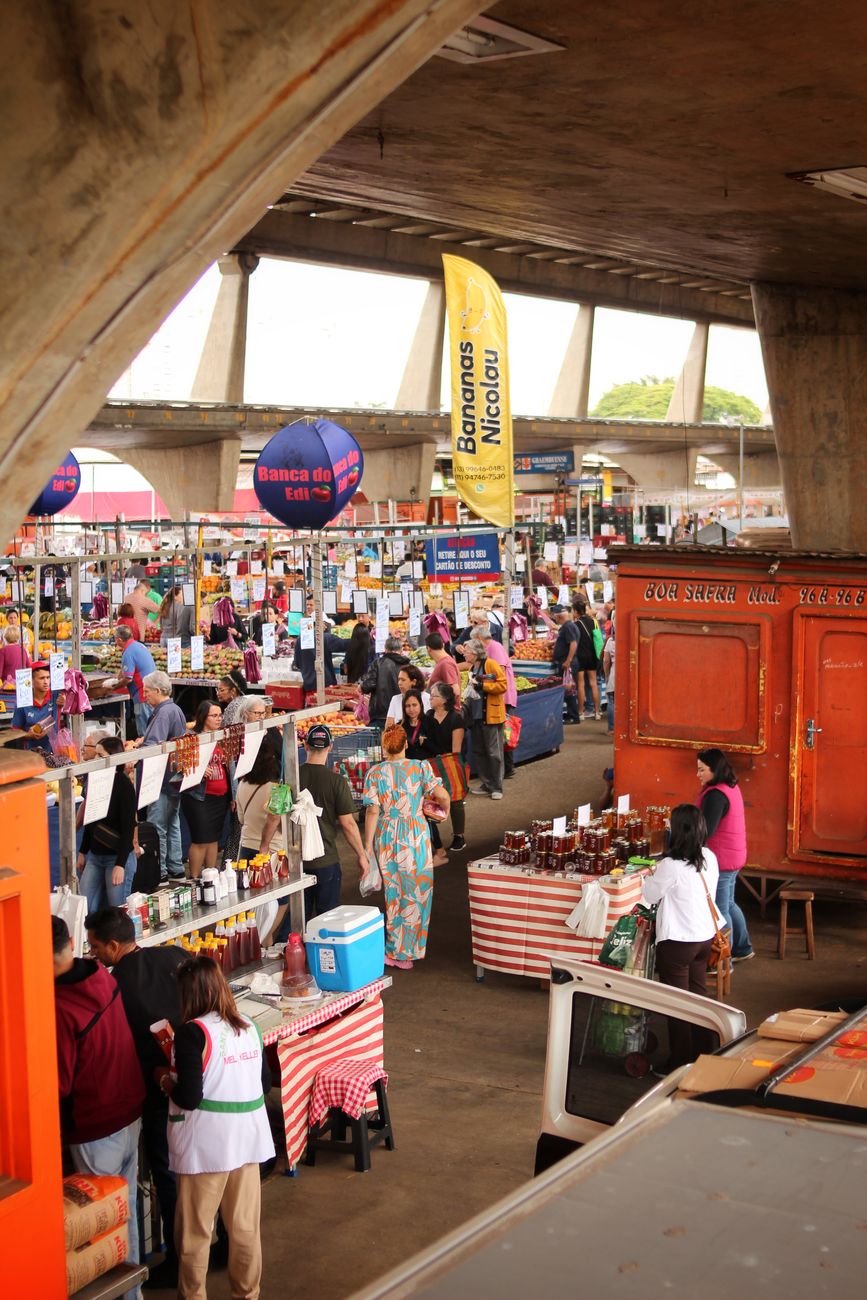
- Feira da Torre de TV runs most Sundays on Esplanada dos Ministérios and starts around 7:00–8:00; stalls often pack up by 13:00, so arrive early for crafts and local snacks.
- Parque da Cidade Sarah Kubitschek has bike rental kiosks near the Estádio Nacional entrance; expect R$10–20 per hour for basic bikes and bring sunscreen.
- Guided visits to Congresso Nacional and Palácio do Planalto require online registration and photo ID; schedule at least 48 hours in advance via the official government visitor pages.
- Pontão do Lago Sul parking fills by late afternoon on weekends; take bus-route 337 or a taxi from Esplanada to avoid the long search for a spot.
How This Guide Was Prepared
Brasília is a planned capital where distances and formal buildings define the experience; many guides sell it as a quick stop between other cities and miss how transit and security shape every visit. This guide focuses on realistic pacing across the Esplanade, residential sectors and the lakefront, and highlights practical booking, timing and transit details that most short itineraries skip. This guide was prepared through a structured research that combines destination research, geographic context, itinerary planning logic, and content review.
Plan Your Stay in Brasilia
Use this itinerary as your starting point, then compare areas to stay, transport options, seasonal timing, and realistic daily costs before booking.
Why Visit
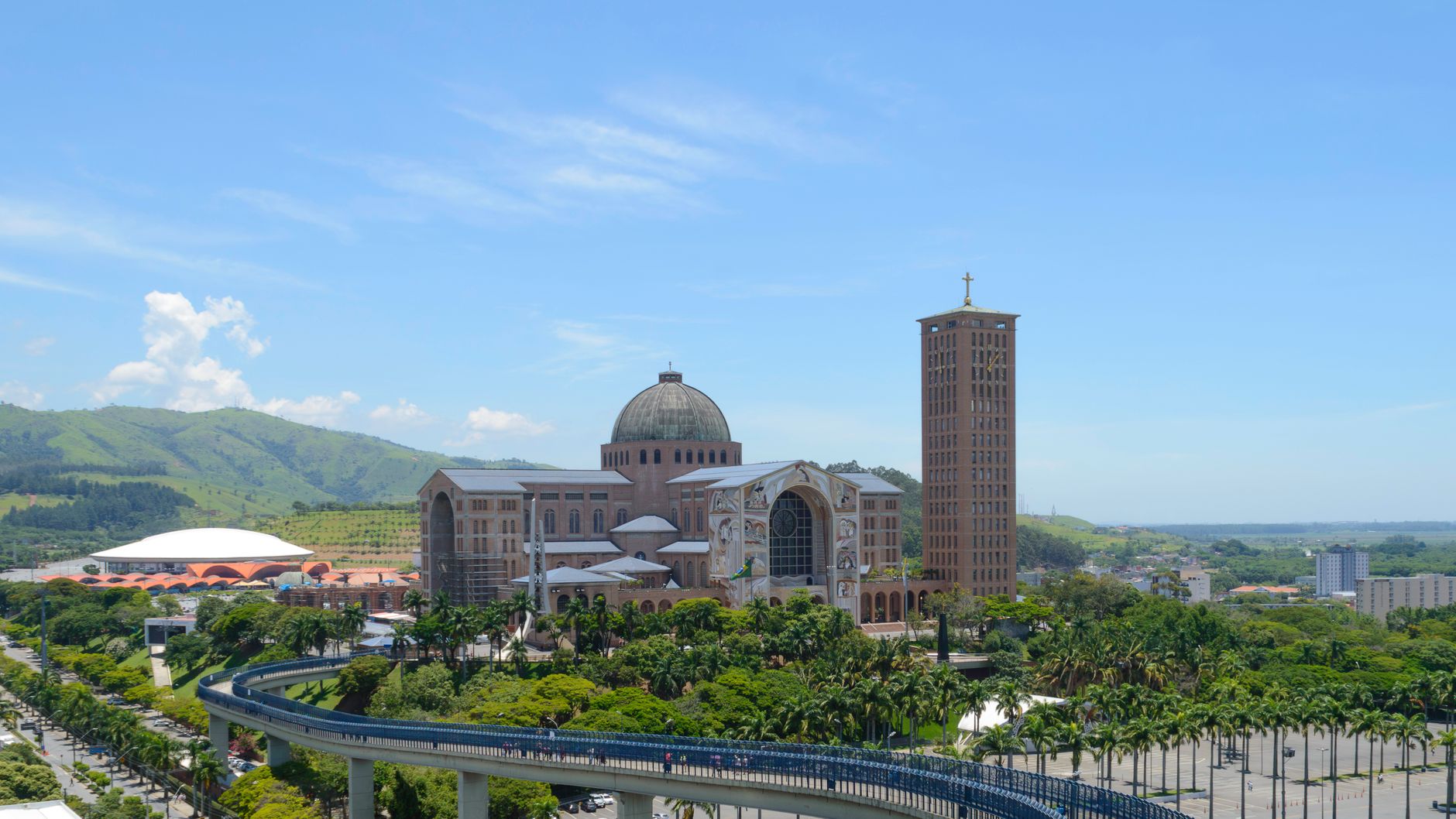
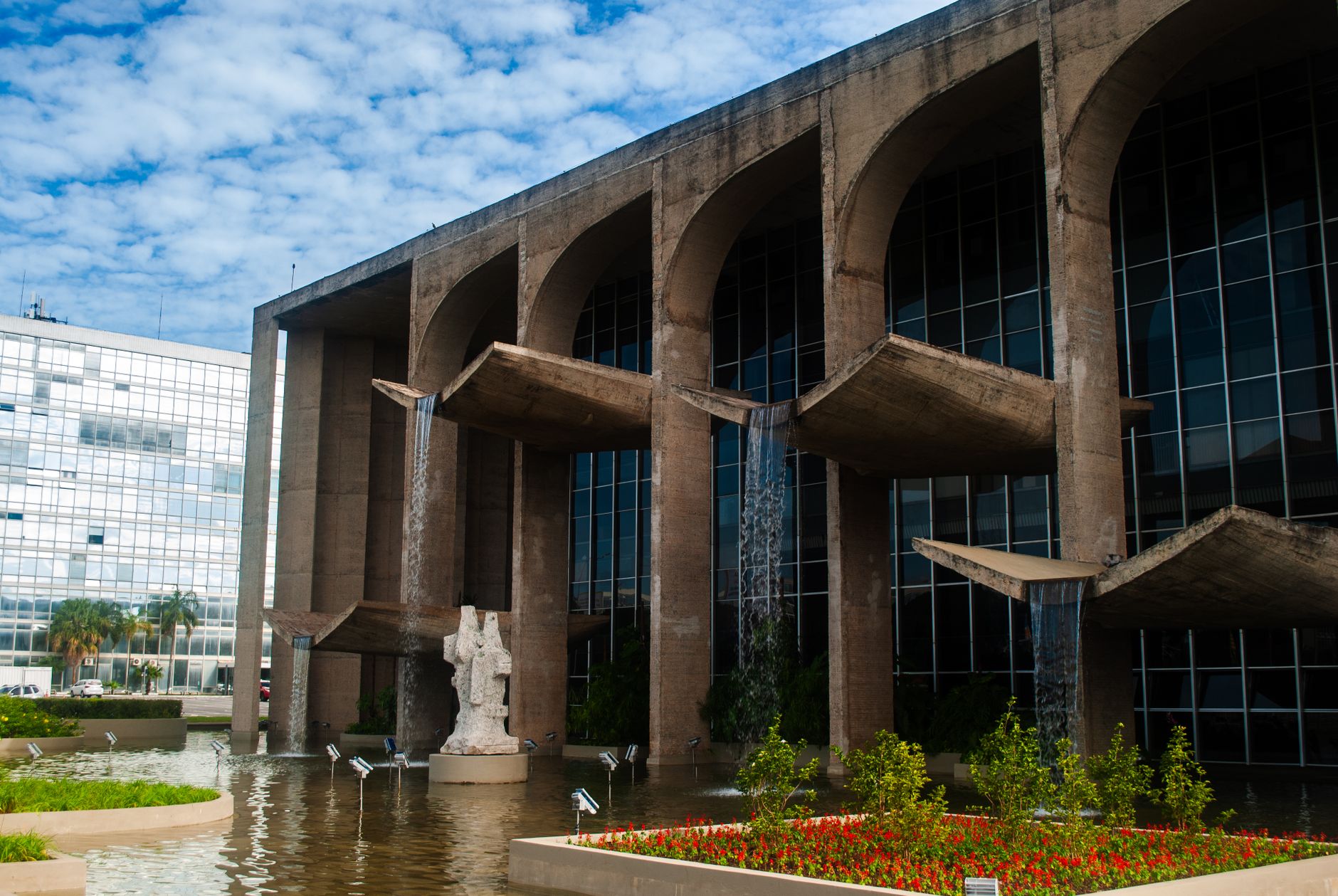
See modernist public architecture by Oscar Niemeyer at the Congresso Nacional, Catedral Metropolitana and Itamaraty — these are singular in scale and intent. The Memorial JK explains the capital’s founding through documents and artifacts tied directly to Juscelino Kubitschek, offering context that other guides often skim.
Outdoor life is a major reason: Parque da Cidade offers long running and cycling paths and Pontão do Lago Sul has lake views and casual restaurants for sunsets. The Torre de TV and Feira da Torre de TV provide a compact market experience with crafts, local food and a clear view over the Plano Piloto. Finally, Brasília acts as a gateway to cerrado day trips and neighboring Goiás, so a short city stay pairs well with regional exploring.
Quick Planning Tips
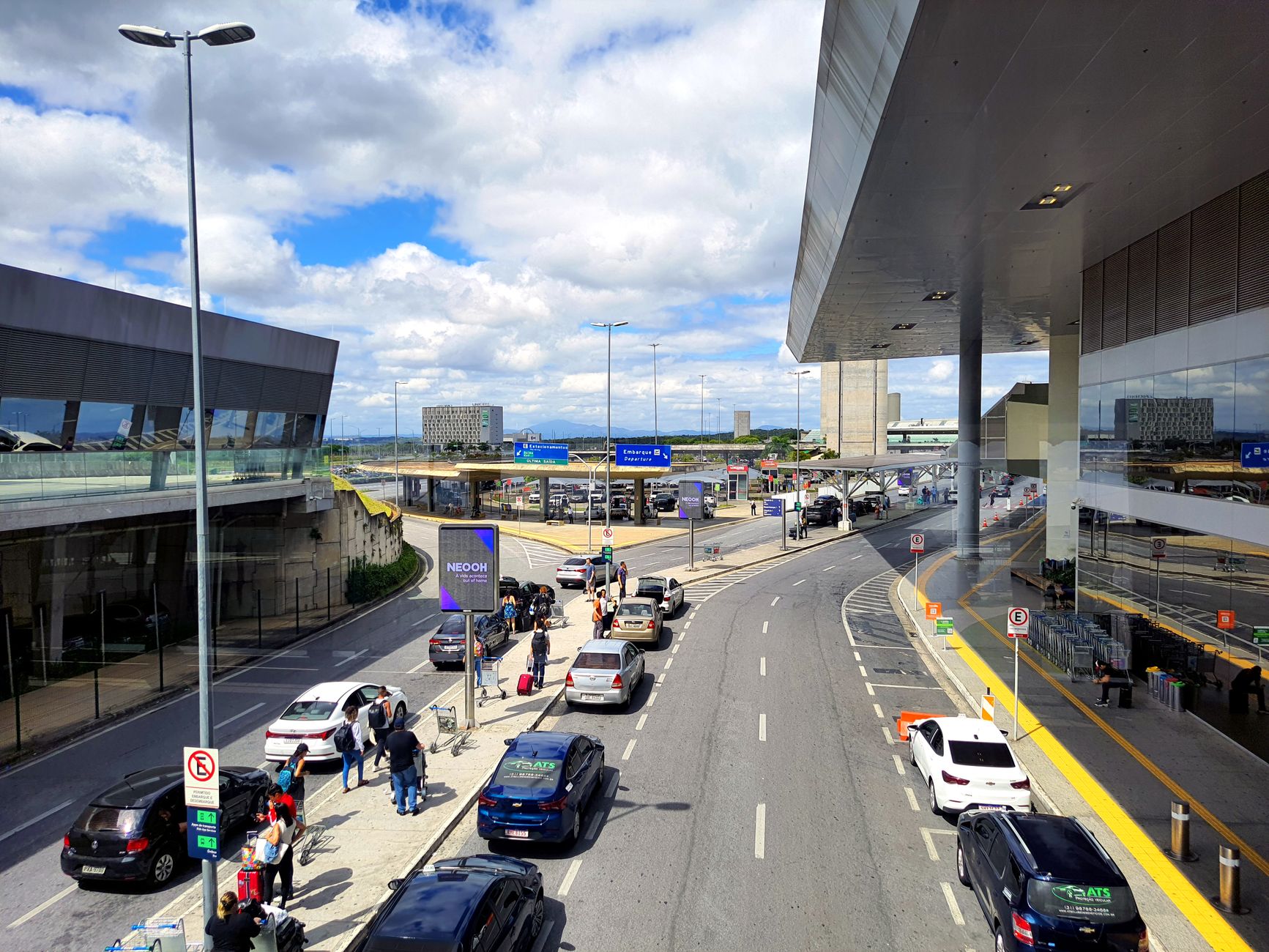
Fly into Presidente Juscelino Kubitschek (BSB); the quickest way to central Plano Piloto is a 25–40 minute taxi or app ride costing about R$60–90 depending on traffic. Metrô-DF connects Estrutural to the central stations (Central, Praça do Relógio) on the Green and Orange lines; bring cash or card to buy a Cartão Metrô-DF on arrival.
ATMs and card acceptance are common in hotels and larger restaurants but some street vendors take cash only; plan to carry small notes for markets and Sunday stalls. Avoid the mistake of assuming museums and official buildings admit walk-in visitors — check the official visitor pages for Congresso Nacional and Palácio do Planalto and allow 48 hours for authorization.
Day 1
Morning: Start at Congresso Nacional on the Esplanada dos Ministérios; guided tours require online registration and a photo ID at the gate. Leave time for security and plan 60–90 minutes inside; the pedestrian area in front provides a clear view of the twin towers and legislative chambers.
Walk 5–10 minutes to Museu Nacional Honestino Guimarães for temporary exhibitions and Niemeyer’s concrete forms; budget 45–60 minutes. From there, cross to Catedral Metropolitana Nossa Senhora Aparecida (a 7–10 minute walk) to see the hyperboloid roof and stained-glass windows; allow 30–45 minutes.
Lunch: Eat at Restaurante Palácio do Itamaraty cafeteria or try Restaurante Mangai in Asa Norte (about a 15-minute taxi). In the afternoon, visit Memorial JK (10–15 minute taxi) and allow 60–90 minutes for exhibits about the capital’s creation and personal items of Juscelino Kubitschek.
Evening: Head to Pontão do Lago Sul (20–30 minutes by taxi from Esplanada) for sunset and a casual dinner at Barraca do Lago or Restaurante X, where shared plates and lake views are the draw. Expect traffic returning after 20:00 on weekends.
Day 2
Morning: Start with Parque da Cidade Sarah Kubitschek for jogging or cycling; pick up a rental bike near the Estádio Nacional entrance and plan a 1–2 hour loop. From the park, take a 10–15 minute taxi to Torre de TV for the observation deck and the Feira da Torre de TV if it’s Sunday; the market opens early and winds down by midday.
Lunch: Sample pastel and caldo de cana at the Torre de TV market or have a sit-down meal on W3 in Asa Sul. Afternoon: Explore the superquadras in Asa Norte and Asa Sul — Avenida W3 and W2 host bars, cafes and bookstores; travel between the park and Asa Norte by bus or a short ride via app-based taxi (10–15 minutes).
Late afternoon: Visit Santuário Dom Bosco in the Lago Sul area to see its distinctive blue stained glass windows (20–25 minutes by taxi from Asa Norte). Evening: Try a bar in 108 Norte for craft beer and late snacks; nightlife clusters around a few blocks rather than a single street.
Day 3
Morning: Reserve a short visit to Palácio da Alvorada for exterior photos and the gardens; guided interior tours are limited so factor security checks. From Alvorada, travel 20–30 minutes to Pontão do Lago Sul if a sunrise walk or cafe breakfast is preferred.
Late morning: Check out the Centro de Convenções or CCBB Brasília for rotating exhibitions (confirm opening days) and allow 60 minutes. For travelers checking out or catching an afternoon flight, plan to return to the hotel by 12:00, collect luggage and leave for the airport at least 90 minutes prior to domestic flights and 2.5 hours for international.
Lunch: Choose a lakeside restaurant near Pontão for a final meal before departure; taxis to BSB from Lago Sul take about 25–35 minutes. Afternoon option: If flight is late, squeeze in a 60–90 minute walk along the Paranoá shoreline or a quick visit to the nearby shopping centers in Lago Sul for last-minute souvenirs.
Best Local Experiences
Feira da Torre de TV on Sundays for local crafts, pastel stalls and a skyline view from the tower. A guided tour of Congresso Nacional to see the Chamber and Senate galleries and learn about legislative architecture and security protocols.
Bike or run on Parque da Cidade’s long loop and use the outdoor exercise equipment near the Estádio Nacional. Sunset at Pontão do Lago Sul with a meal and a walk along the Paranoá lakefront. Visit Memorial JK for context on the capital’s founding and to see personal artifacts of Juscelino Kubitschek.
Also worth: the Torre de TV observation deck for a compact aerial view, Santuário Dom Bosco for its blue glass, and a short evening in Asa Norte for casual bars and regional restaurants. Each experience is specific to how the capital was planned and how public life flows across open, separated spaces.
Where to Stay
Asa Norte: Best for restaurant options, bars and a younger crowd; close to W3 and bus lines to the Esplanada. Expect mid-range hotels and guesthouses from R$220–450 per night (approx €40–80 / US$45–90).
Asa Sul / 108 Sul: Suited to travelers who want quieter blocks and short taxis to the Esplanada; good for families and mid-range budgets. Prices are similar to Asa Norte, roughly R$240–500 per night (approx €45–90 / US$50–100).
Lago Sul: Recommended for lakefront access, more upscale hotels and evening restaurants at Pontão do Lago Sul; better for those with a higher budget or who prioritize sunsets. Expect R$350–800 per night (approx €65–145 / US$75–160).
Food and Drink
Feijoada: Black bean and pork stew traditionally served on Saturdays; try at local restaurants in Asa Sul or at Feira da Torre de TV on weekend stalls for R$30–60. Pão de queijo: Cheese bread common at neighborhood bakeries and breakfast kiosks, usually R$2–6 per unit depending on size.
Pequi rice (arroz com pequi): Regional fruit used in central-west dishes — strong flavor; find it in restaurants serving Goiás cuisine, about R$25–45 per plate. Caldo de cana: Fresh sugarcane juice sold at markets like Torre de TV for R$4–8 a small cup — a good morning pick-me-up.
Street food: Pastel and coxinha are widely available at markets and food kiosks for R$6–12 each. Dinner recommendation: Try a churrascaria or a lakeside restaurant at Pontão do Lago Sul for grilled meats and local fish; expect R$60–140 per person at mid-range places.
Getting Around
Metrô-DF runs Green and Orange lines linking roughly from the north/south satellite corridors into Central stations; key stops include Central, Praça do Relógio and Galeria. Buy a Cartão Metrô-DF at stations and top up at machines; single fares are about R$4.70 and transfers to buses are paid separately.
DFTrans operates the main bus network across the Plano Piloto and to satellite cities; look for routes that include Estação Central. App-based taxis and ride-hailing services (Uber, 99) are widely used and often faster between spread-out points; a taxi from BSB airport to the Esplanada is roughly R$60–90.
Useful apps: Metrô-DF official site or app for schedules, DFTrans route planners and Google Maps for combined transit routing. Keep small change for buses and market purchases.
Best Time to Visit
Dry season (May to September) brings clear skies, cool mornings and daytime highs around 22–28°C, ideal for outdoor walks and lakefront dining. This is the busiest tourist window so expect higher hotel prices on weekends and events.
Wet season (October to April) has frequent afternoon thunderstorms, higher humidity and daytime highs of 28–34°C; museums and indoor sites remain accessible but afternoon plans may need flexibility. Shoulder months April and October often balance lower prices with decent weather.
Budget and Practical Tips
Typical daily budget for a mid-range traveler: Accommodation R$250–450 per night (approx €45–80 / US$50–90), food R$70–130 per day (approx €12–23 / US$15–28), transport R$20–50 per day including metro and taxis (approx €4–9 / US$5–10), and entry fees R$10–40 for museums and memorials (approx €2–7 / US$2–8). Expect higher restaurant bills at Pontão do Lago Sul and lower-cost options at markets.
Tipping: Restaurants often add a 10% service charge; if not included, 10% is customary for table service. For taxis, round up or add 5–10% for convenience; small tips to porters and guides are appreciated but not mandatory.
Carry a mix of cash and cards; many smaller stalls and market stands accept only cash. For flights, allow extra time for security lines and weekend traffic when returning to BSB.
FAQ
Is Brasília safe for tourists?
Central tourist areas and major parks are generally safe during daylight hours; standard precautions apply, avoid poorly lit streets at night and keep valuables discreet.
Can the metro get to major sights?
Metrô-DF serves central stations like Central and Praça do Relógio; many sights require short taxi rides from the nearest station.
Is a city card or pass worth buying?
No widely used single pass covers both metro and all bus lines for tourists; pay per trip with the Cartão Metrô-DF and use DFTrans or ride apps for buses and taxis.
How long should I allow for a Congresso Nacional visit?
Allow 60–90 minutes including security checks and the guided portion; book online in advance.
Are museums open on Mondays?
Several museums and cultural centres close on Mondays; check opening days for Museu Nacional Honestino Guimarães and CCBB Brasília before planning.
What’s the best way to get from the airport to the lakefront?
A taxi or app-based ride is fastest (25–35 minutes); buses are cheaper but slower and involve transfers.
Conclusion
A three-day stay yields a clear, well-paced picture of Brasília’s planned layout: the Esplanada’s institutional axis, the recreational sweep of Parque da Cidade and the evening pull of Pontão do Lago Sul. Expect to remember the scale of public buildings, the way civic spaces open onto long lawns, and the practicalities of security and transit that shape visits.
If time runs short, prioritize a guided visit to Congresso Nacional plus a sunset at Pontão do Lago Sul; those two experiences give both the political context and the waterfront atmosphere that define most short trips.
How this guide was prepared
This guide was prepared through a structured research that combines destination research, geographic context, itinerary planning logic, and content review.