
Three Days in Brooklyn: A Practical Weekend Itinerary
A frank, walkable 3-day guide to Brooklyn with transit tips, neighbourhood routes, food picks, and realistic timing advice for a busy weekend.
A no-nonsense 72-hour plan for seeing the borough’s waterfront, parks, markets and food scenes without overscheduling. Includes transit, costs and what to skip.
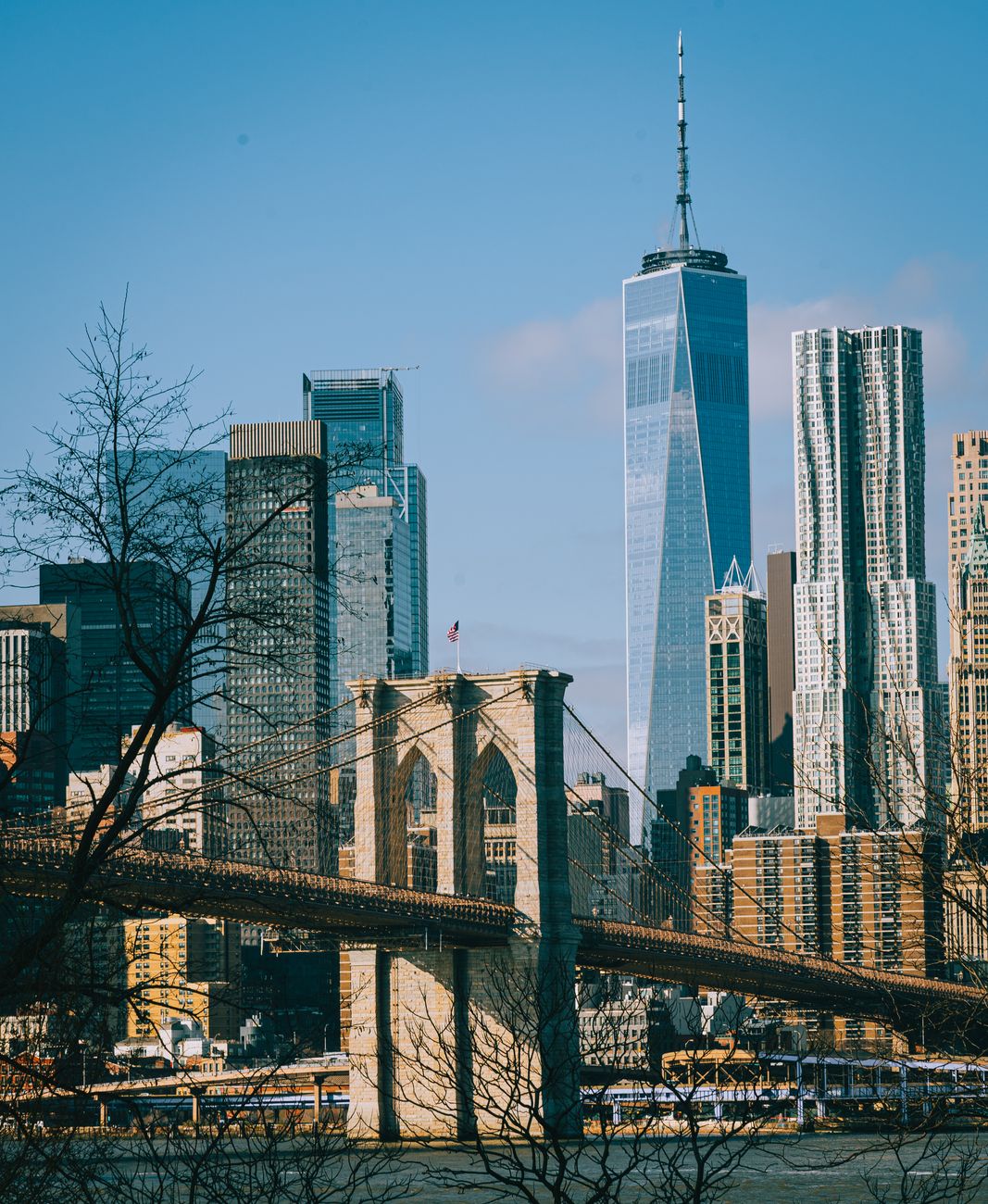
Expect changing moods across short distances: old industrial waterfront and soaring views in one area, tree-lined brownstones and playgrounds in another, and a street-art, late-night food culture elsewhere. The first impression is often loud transit noise and lots of construction alongside unexpectedly calm park spaces.
Most visitors overestimate how compact the borough feels; walking is great within neighbourhood blocks but traveling between DUMBO, Williamsburg and Coney Island takes time. This guide breaks those places into manageable chunks and suggests where to spend time rather than trying to tick every ‘must-see’ off a list.
Is 3 days in Brooklyn enough?
Yes — three days lets a visitor cover signature waterfront views (DUMBO, Brooklyn Bridge Park), one major museum or park (Brooklyn Museum/Prospect Park), and two neighbourhoods (Williamsburg and Park Slope) with relaxed meals. Caveat: a full day at Coney Island or deep art tours require extra time and will have to be dropped or shortened.
Who This Guide Is For
Best for travelers who like walking, street food, city photography, and short ferry or subway hops rather than packaged tours. Less suitable for visitors needing fully accessible itineraries or those set on seeing Manhattan highlights in the same trip.
Local Tips for Brooklyn
Practical details that most travel sites skip — specific to Brooklyn.
- Use OMNY (contactless pay at turnstiles) for subway and bus; single ride fare is $2.90 and most phones or tap cards work without buying a MetroCard.
- Smorgasburg runs Saturdays at East River State Park (Kent Ave & N 7th St, Williamsburg) and Sundays at Brooklyn Bridge Park Pier 5 in summer — go before 11:30am for shorter lines.
- High Street–Brooklyn Bridge (A/C) station is the quickest subway access for DUMBO; it’s a 6–8 minute walk to Brooklyn Bridge Park Pier 1.
- Brooklyn Museum typically lists standard adult admission around $16 and has pay-as-you-wish evenings on some first Saturdays — check the museum calendar before planning.
- The G train is the only subway line that operates exclusively inside the borough and is useful for transfers between Williamsburg, Greenpoint and Park Slope without entering Manhattan.
How This Guide Was Prepared
This guide treats Brooklyn as a set of distinct neighbourhoods with different rhythms rather than a single ‘scene’. Many guides overemphasize one waterfront view and ignore how far apart places actually are; this plan gives realistic transit times, midday rest windows, and neighborhood-specific meal and nightlife picks so three days feel feasible instead of frantic. This guide was prepared through a structured research that combines destination research, geographic context, itinerary planning logic, and content review.
Plan Your Stay in Brooklyn
Use this itinerary as your starting point, then compare areas to stay, transport options, seasonal timing, and realistic daily costs before booking.
Why Visit
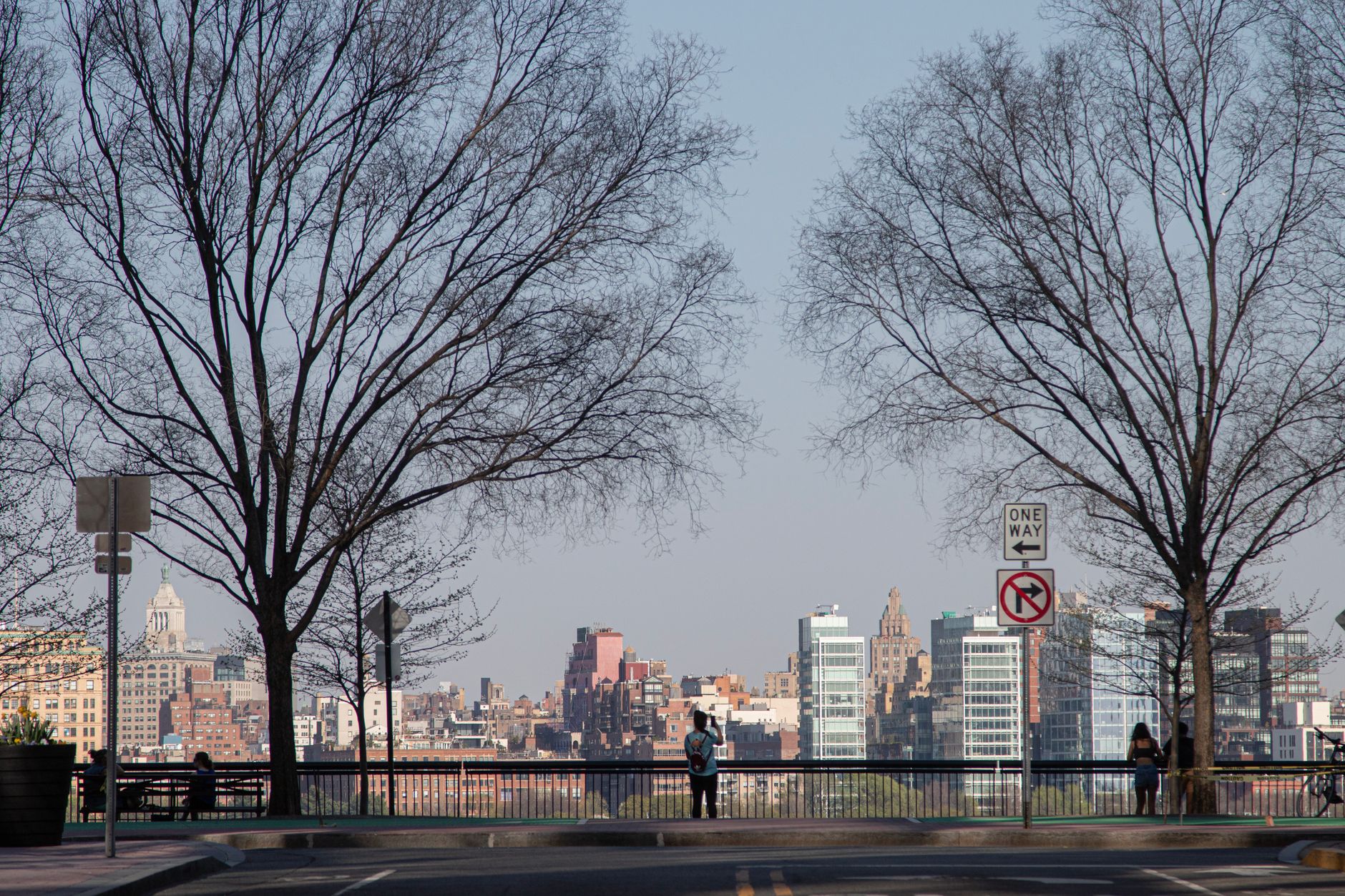
Distinct neighbourhood variety within short transit hops: DUMBO’s riverfront piers and cobbled streets contrast with Williamsburg’s café and music scene and Park Slope’s family-friendly brownstones. Waterfront access is unusually public here — Brooklyn Bridge Park offers piers, lawns and skyline views that can be scheduled into a single afternoon.
Food and market life are local draws: Smorgasburg and Brooklyn Flea rotate vendors and let visitors sample immigrant-run stalls without reservations. For green space, Prospect Park and the adjacent Brooklyn Botanic Garden provide a full-day alternative to crowded city parks. Practical advantages include easy ferry connections to Manhattan and several major subway hubs (Atlantic Terminal, Jay St–MetroTech) that make short-stay planning straightforward.
Quick Planning Tips
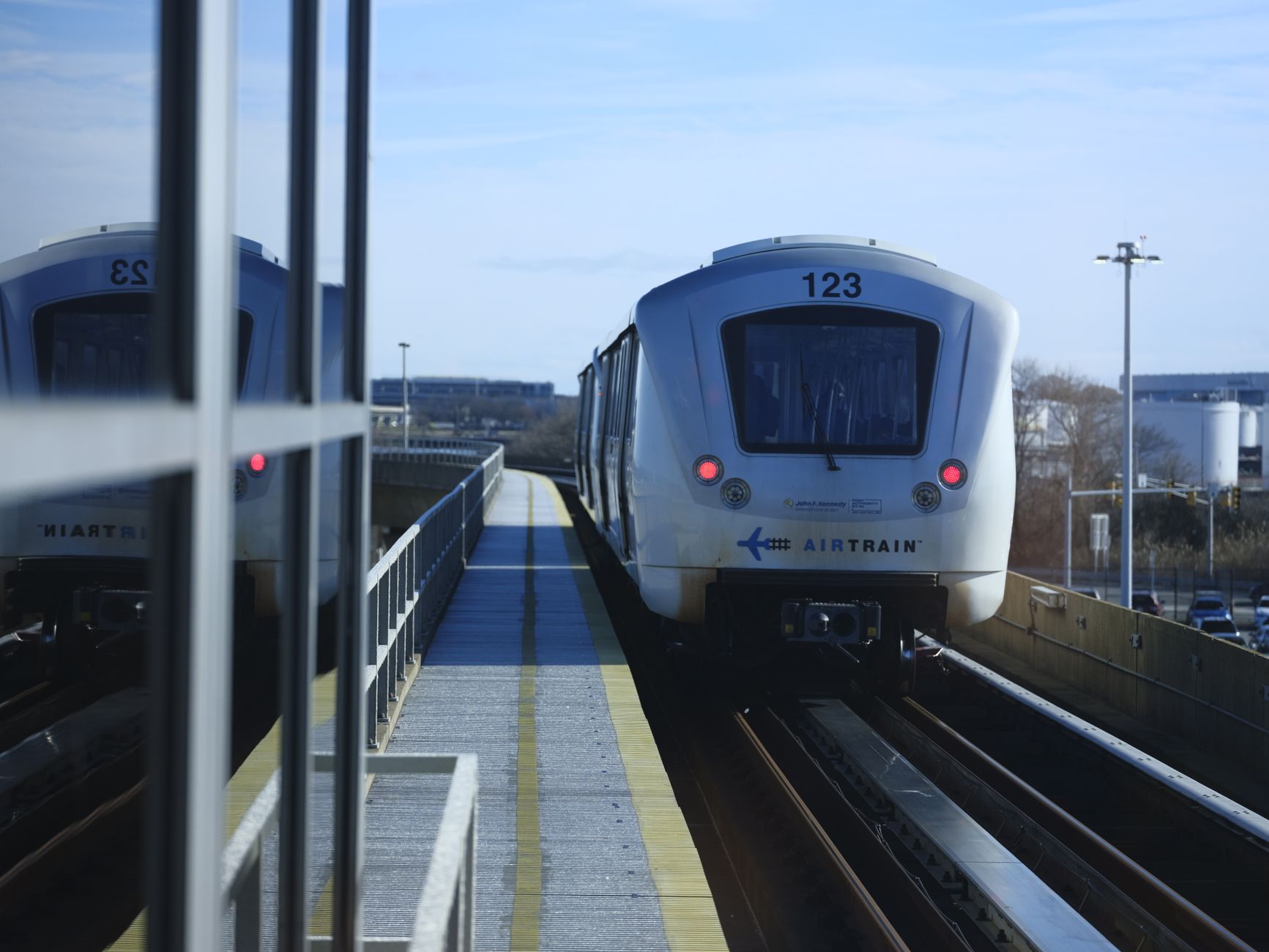
From JFK, fastest options are AirTrain plus LIRR to Atlantic Terminal (LIRR ~20 minutes to Atlantic Terminal from Jamaica) for quicker downtown access, or AirTrain to Howard Beach then the A train for a direct subway route; AirTrain costs $8.25 and subway/LIRR fares vary. From LaGuardia, take the Q70 SBS to Jackson Heights–Roosevelt Ave then subway, or use a rideshare if carrying heavy luggage.
Carry a contactless card or set up OMNY on a phone for subway and bus taps; many subway stations still sell MetroCards but using OMNY avoids a machine line. Avoid driving unless staying long-term — parking fines, alternate-side rules and paid parking quickly erase any convenience. Pack a light rain layer spring–fall; ferries and waterfront piers can be windy even on warm days.
Day 1
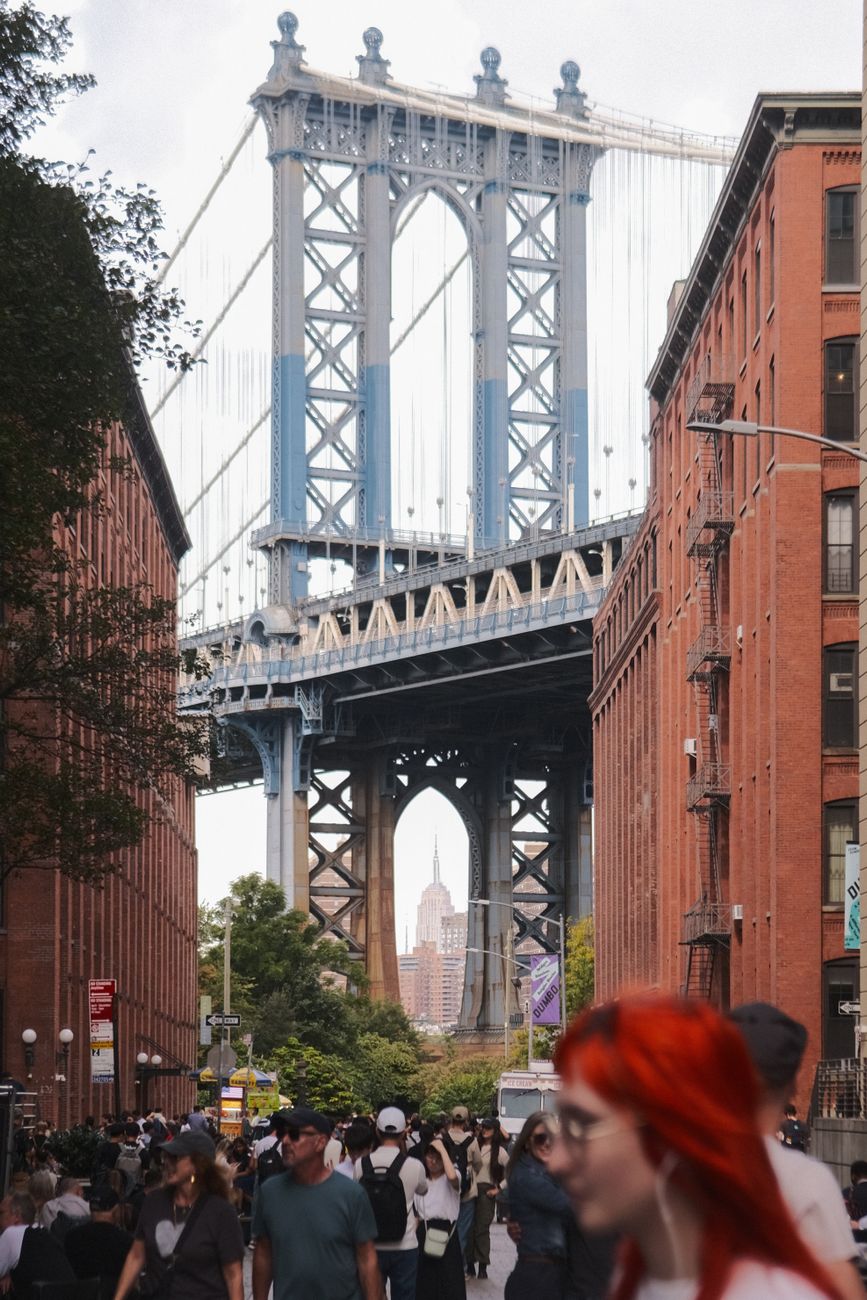
Morning: Start in DUMBO. Exit High Street–Brooklyn Bridge (A/C) and walk 6–8 minutes to Brooklyn Bridge Park Pier 1 for skyline photos and the restored Jane’s Carousel. From Pier 1, walk along the waterfront to Pebble Beach and then to the Washington Street spot under the Manhattan Bridge for the classic bridge frame photo.
Lunch: Juliana’s or Grimaldi’s (under the bridge) offer coal-oven pizza; expect a 20–45 minute wait at peak times or order takeout. Afternoon: Walk north along the East River to Brooklyn Heights Promenade (10–15 minutes from DUMBO) for quieter views and brownstone streets on Willow, Henry and Pineapple Street. Visit the Brooklyn Historical Society or stroll to Montague Street for coffee and shops.
Late afternoon/Evening: Head to Atlantic Terminal/Barclays Center (A/C/F/2/3 at Jay St or Atlantic Av–Barclays Center via a 20–25 minute subway ride from High St by taking A/C into Manhattan and switching, or a direct 15–20 minute rideshare). Dinner near Barclays — try a neighborhood gastropub, then catch a concert or Nets game if scheduled. For a quieter end, return to the waterfront for evening lights.

Day 2
Morning: Explore Williamsburg. Take the L train to Bedford Avenue and walk the length of Bedford Ave for cafés, thrift stores and independent bakeries. Visit the waterfront at East River State Park for skyline photos and, on Saturdays, Smorgasburg vendors (seasonal), which is adjacent to the park.
Lunch: Try a wood-fired sandwich or ramen in Williamsburg; many places near North 6th Street offer quick service. Afternoon: Head east to Bushwick for street art and the Bushwick Collective on Troutman and St Nicholas Avenues; take the L and a short bus or a 10–15 minute rideshare from Bedford Ave. Allow 20–30 minutes transit depending on connections.
Evening: Return toward Williamsburg for dinner at a reservation spot like Lilia or a low-key BBQ spot such as Fette Sau. For nightlife, rooftop bars on Wythe Ave have views but expect cover charges on weekend nights; cheaper options are live music venues or late-night food stalls along Wythe and Bedford.
Day 3
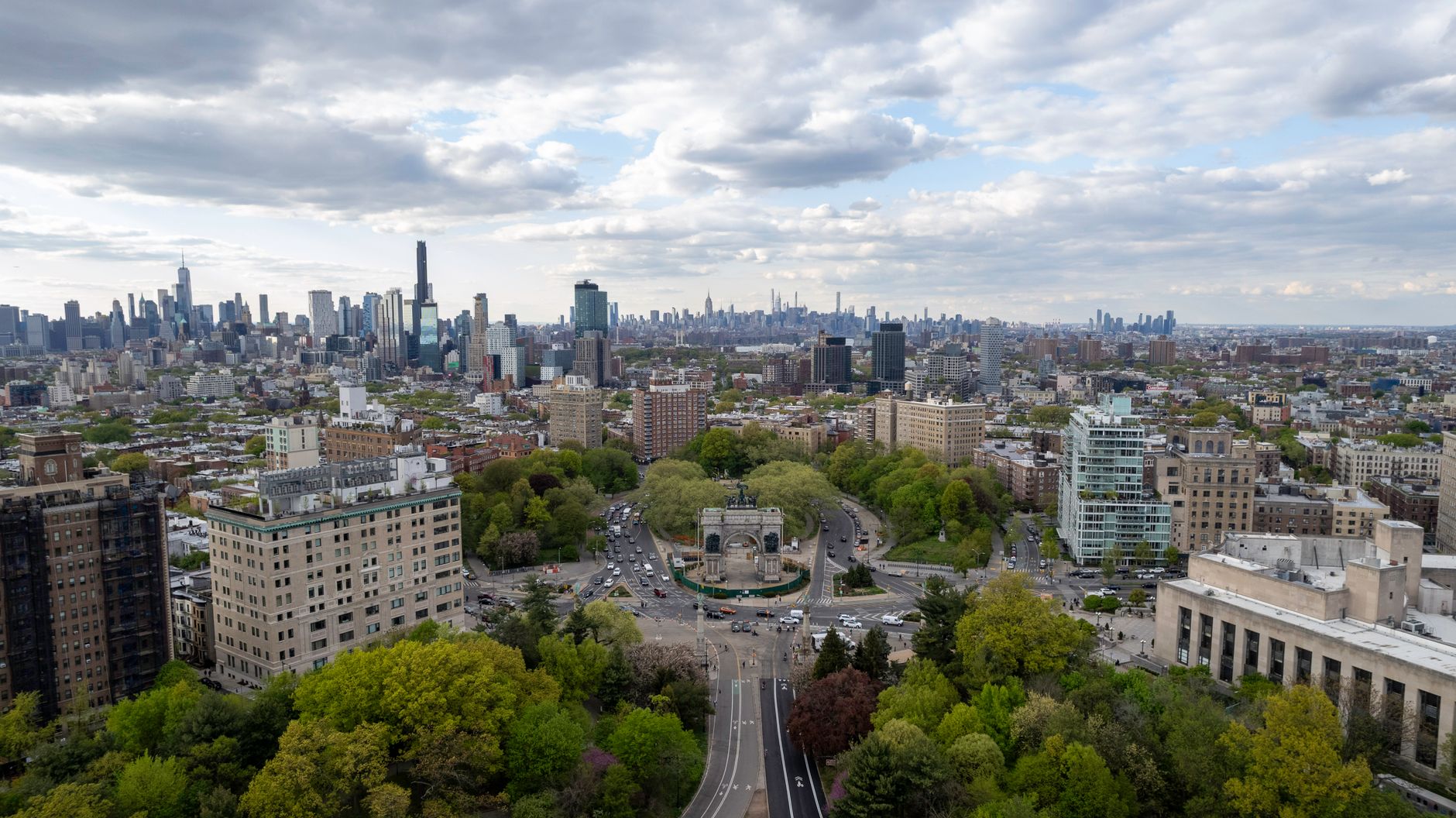
Morning: Start at Prospect Park—enter at Grand Army Plaza and stroll the Mall and Long Meadow. The Brooklyn Botanic Garden sits adjacent (6–10 minute walk from Grand Army Plaza) and is best before noon to avoid bus tours; weekend entry for adults is usually around $18–20.
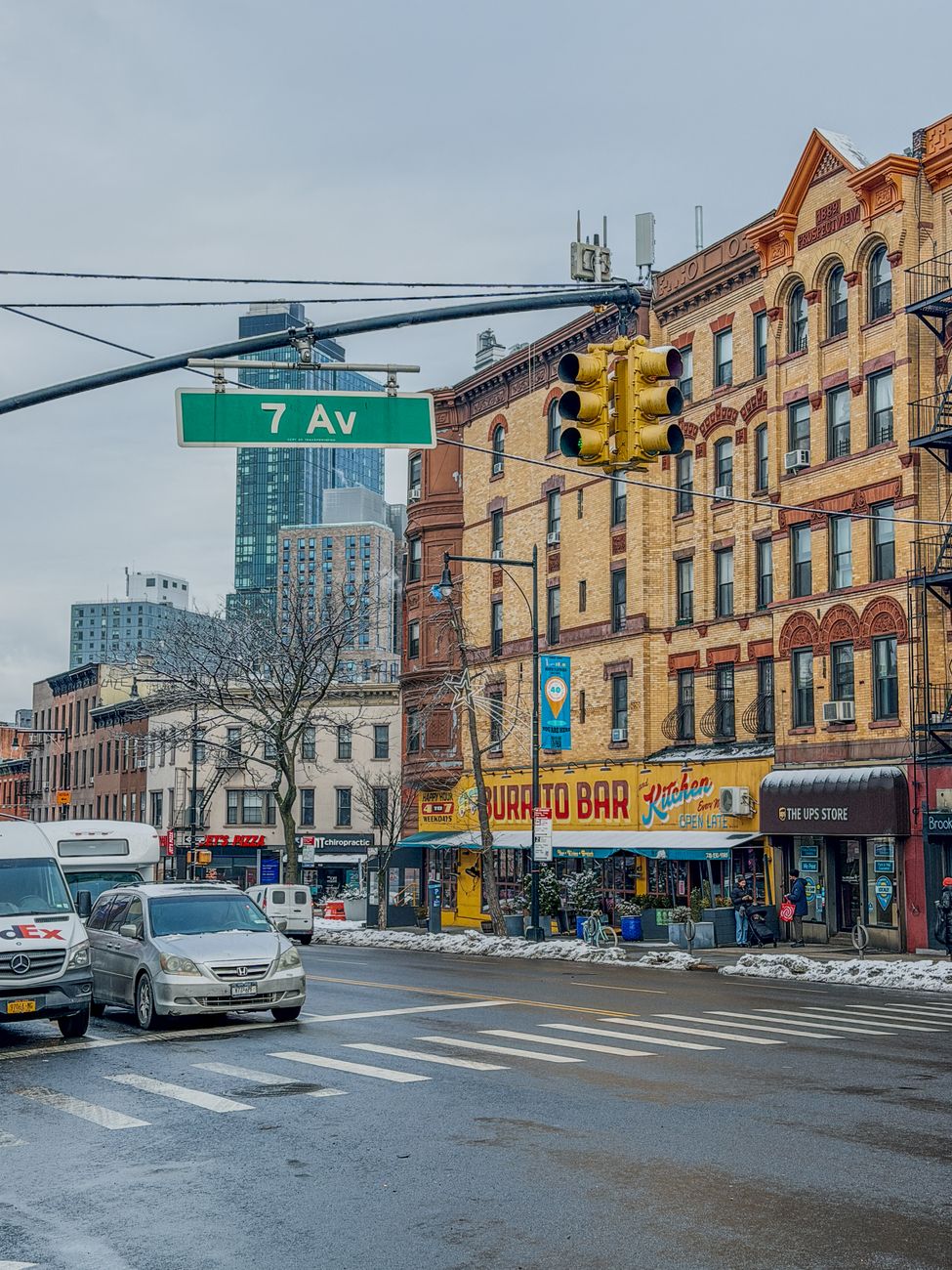
Lunch: Eat in Park Slope on 5th or 7th Avenue; casual delis and family-run restaurants offer sandwiches and prix-fixe lunch options. Afternoon: Choose one of two options depending on flight timing: (A) Museum option — visit the Brooklyn Museum (about a 10-minute walk from the Botanic Garden) for a 1.5–2 hour visit; or (B) Beach option — head to Coney Island via the F or Q train (45–60 minutes from Prospect Park) for a boardwalk walk and a Nathan’s hot dog.
Late afternoon/Departure notes: If leaving for an afternoon flight, store luggage at Atlantic Terminal or arrange a pickup — LIRR from Atlantic Terminal to Jamaica for JFK runs regularly and saves time over local subway. Allow generous transfer time for security and peak traffic when choosing trains or rideshares.
Best Local Experiences
Smorgasburg (East River State Park on Saturdays, Pier 5 on Sundays in summer) for sampling rotating vendors without reservations. Brooklyn Flea markets (Fort Greene and local pop-ups) for vintage finds and artisan stalls on weekends.
A Coney Island boardwalk visit for old-school amusement park rides and a swim or seaside walk; try to go on a weekday or early morning to avoid peak crowds. Bushwick Collective street-art walking route around Troutman and St Nicholas offers large murals accessible without a guide.
Ride the NYC Ferry (East River route) between DUMBO, North Williamsburg and Wall Street for shorter transit times with waterfront views; buy tickets in the app and sit on the lower deck if it’s windy. Attend a Barclays Center event for a music or sports night that keeps schedules predictable and locally interesting.
Where to Stay
DUMBO: Suited for photographers and those prioritizing waterfront views and morning light; closest to Brooklyn Bridge Park and short ferry rides to Manhattan. Expect nightly rates roughly $200–350 USD (≈€185–325) for mid-range rooms; boutique hotels and short-term rentals dominate.
Williamsburg: Best for nightlife, cafés, and independent boutiques; near Bedford Avenue and the East River waterfront. Nightly cost commonly ranges $150–300 USD (≈€140–280) depending on how close to the river or Bedford Ave the room is. Park Slope/Prospect Heights: Suits families and quieter travelers who want brownstones, local grocery stores and proximity to Prospect Park and the Brooklyn Museum. Expect $130–250 USD per night (≈€120–230) for comfortable mid-range options.
Choose location by priorities: DUMBO for views and short walking loops, Williamsburg for nightlife and food, Park Slope for daytime green space and lower noise after 10pm.
Food and Drink
Bagel with schmear: A boiled-then-baked bagel, spread with cream cheese — classic shops like Bagel Hole (Park Slope) charge about $3–6. Street food: Halal cart platters (rice, gyro or chicken with white and red sauces) run $8–12 and are common near subway exits and late-night areas.
Pizza: Coal- or brick-oven pies at Juliana’s or Grimaldi’s in DUMBO; expect $20–30 for a whole pie and $3–5 per slice at some counters. Dinner recommendation: Lilia in Williamsburg for pasta and Italian mains (mains $18–30); reservations generally required. Craft beer: Brooklyn Brewery tastings or local taprooms serve pints $7–10; bottle shops offer six-packs and growlers for takeaway.
Breakfast alternative: Local deli coffee and egg sandwich for $4–8, or sit-down café breakfasts on Bedford Ave for $10–18. Dessert and boardwalk classics: Nathan’s Famous hot dogs on Coney Island for $4–8 and soft-serve or funnel cake stands in summer.
Getting Around
Subway lines that matter most here include A/C, F, G, L, 2/3, N/Q/R and the Q to Coney Island; Jay St–MetroTech, Atlantic Av–Barclays Center and High St–Brooklyn Bridge are key stations. OMNY is the contactless fare system for taps at turnstiles; single ride is $2.90 and debit/credit cards or phones work. For tourists who prefer unlimited travel, a 7-day unlimited MetroCard (if purchased at machines) typically costs around $33 — check machines for current options.
Buses such as the B44 SBS (Church Ave/Nostrand Ave corridor), B61 and B62 are useful for short cross-town trips. NYC Ferry’s East River route connects North Williamsburg, DUMBO and Pier 11; buy tickets in the NYC Ferry app. Taxi and rideshare apps (Uber, Lyft, Via) are available; expect a flat taxi fare to or from JFK to central Brooklyn to run roughly $60–90 including tolls and tip, while an MTA+LIRR combo from Atlantic Terminal to Jamaica then AirTrain to JFK may be faster during peak traffic. Useful apps: MTA official app, Citymapper or Google Maps for real-time transit and ferry schedules.
Best Time to Visit
Spring (April–June) offers mild temperatures around 50–75°F (10–24°C) and blooming trees in Prospect Park; weekends start to fill but midweek remains quiet. Summer (July–August) is warm to hot 75–90°F (24–32°C) and busiest at waterfronts and Coney Island; expect crowds, longer waits at popular eateries, and higher rates.
Fall (September–November) provides cool, comfortable weather 50–70°F (10–21°C) and good value on weekdays; foliage in Prospect Park peaks in October. Winter (December–February) is cold and quieter, 25–40°F (−4–4°C); museums and indoor food scenes are less crowded but some outdoor vendors and ferries operate reduced schedules. Best balance of weather and crowds: late spring and early fall.
Budget and Practical Tips
Typical daily budget for a mid-range traveler: Accommodation $130–300 USD (≈€120–280), food $40–80 USD (≈€37–74), transport $8–15 USD (≈€7–14), entry fees $10–30 USD (≈€9–28). Hostels or shared rooms lower accommodation costs; private rooms in DUMBO and waterfront areas push the high end.
Tipping: Restaurants usually expect 15–20% on the pre-tax bill; $1–2 per drink at bars is common. Taxis and rideshares generally receive a 10–15% tip; bellhops or hotel porters are typically tipped $1–2 per bag. Cash is useful for small vendors and subway token booths are rare; most places accept card or contactless payments. Carry a small umbrella for sudden rain and a lightweight daypack for markets and walking days.
FAQ
Is Brooklyn safe to visit for tourists?
Most areas frequented by visitors are safe during the day and into the evening, but standard city precautions apply—keep valuables secure, stay in well-lit areas at night, and check recent local advisories for specific neighbourhood updates.
How do I get from JFK or LaGuardia to central Brooklyn?
From JFK, AirTrain to Jamaica and LIRR to Atlantic Terminal is fastest for downtown Brooklyn; AirTrain to Howard Beach plus A train is cheaper but slower. From LaGuardia, the Q70 bus to Jackson Heights for subway connections or a rideshare are common choices.
Is a city pass worth it?
There is no single borough-only pass that covers all local attractions; Manhattan/Brooklyn combined CityPASS can save on a few major sites but rarely covers markets and neighbourhood activities, so add it only if planning multiple paid museums.
Are there direct ferries between Manhattan and Brooklyn neighbourhoods?
Yes — the NYC Ferry East River route stops at DUMBO/Pier 11 and North Williamsburg; tickets are bought in the NYC Ferry app and offer scenic, lower-stress transfers compared with packed subways.
Can three days cover Coney Island and DUMBO comfortably?
Technically yes, but expect a full day for Coney Island because transit from northern neighbourhoods is 45–60 minutes; combine Coney with a relaxed morning in Prospect Park if prioritizing beaches.
Is OMNY the only fare option?
OMNY is widely accepted for contactless payments; MetroCards may still be sold at station machines but contactless is faster and avoids lines.
What are common opening hours for restaurants and markets?
Most cafés open by 8–9am, casual eateries close around 10–11pm, and nightlife venues run later; Smorgasburg and flea markets typically operate weekends from mid-morning to mid-afternoon seasonally.
Conclusion
A well-paced 72-hour visit highlights how different blocks can feel: industrial riverside piers, family streets around Prospect Park, and creative clusters in Williamsburg and Bushwick. The clearest memory is often a skyline viewpoint from a pier or the promenade paired with a strong local meal — prioritize one of those if time runs short.
If only one thing gets prioritized, choose a morning waterfront walk (Brooklyn Bridge Park or DUMBO) followed by a relaxed market lunch; that combination shows the borough’s access to water, food and walkable blocks with minimal transit stress.
How this guide was prepared
This guide was prepared through a structured research that combines destination research, geographic context, itinerary planning logic, and content review.