

3-Day Practical Guide to Yokohama-shi: Itinerary & Tips
A practical three-day Yokohama-shi guide with timed routes, transit advice, prices and food picks to plan an efficient weekend without wasting time.
An honest, efficient 72-hour plan for Yokohama-shi: what to prioritize, where to save time, and realistic costs for transit, meals and key sights.
First impressions are often of a long harbor front, tall office towers at Minato Mirai and a dense pocket of restaurants in Chinatown; expect shipping cranes in the distance and a compact public-transport grid that makes short hops efficient. The pace is calmer than central Tokyo during daytime but intensifies at evening dining hours around Noge and Chinatown. Many visitors treat this place as a half-day stop from Tokyo and miss how distinct neighbourhood characters stack close together: portfront shopping and observatories, immigrant food traditions in Chinatown, British-influenced Yamate houses and quieter traditional gardens like Sankeien. This layout suits travellers who prefer concentrated walks and a handful of museum visits rather than long, scattered itineraries.
Is 3 days in Yokohama-shi enough?
Yes — three days is enough to experience Minato Mirai, Chinatown, Yamate/Motomachi and a Shin-Yokohama visit while allowing time for a museum or garden. Expect to skip slower experiences like a full Zoorasia zoo visit or exhaustive museum-hopping unless more time is available.
Who This Guide Is For
Best for urban explorers who like museums, coastal promenades and specialised food stops; less suitable for travellers wanting rural hiking, long beach days, or intensive nature time.
Local Tips for Yokohama-shi
Practical details that most travel sites skip — specific to Yokohama-shi.
- Buy a Suica or PASMO card at JR or Keikyu stations on arrival — it works on JR, Keikyu, Tokyu, Minatomirai and Yokohama Municipal Subway lines and eliminates the need to buy single tickets.
- CupNoodles Museum Yokohama has a 500 JPY general admission and a separate My CUPNOODLES Factory custom cup activity that costs around 300–400 JPY for the container and topping station.
- Sankeien Garden adult admission is about 700 JPY; enter via Negishi Station (JR Keihin-Tohoku Line) then take a 15–20 minute bus 58/159 or a 25-minute walk downhill from Negishi slope.
- Minatomirai Line runs between Yokohama Station (via Shin-Takashima for access) and Motomachi-Chukagai; a one-way ride between Yokohama Station and Motomachi-Chukagai is roughly 200–250 JPY depending on origin.
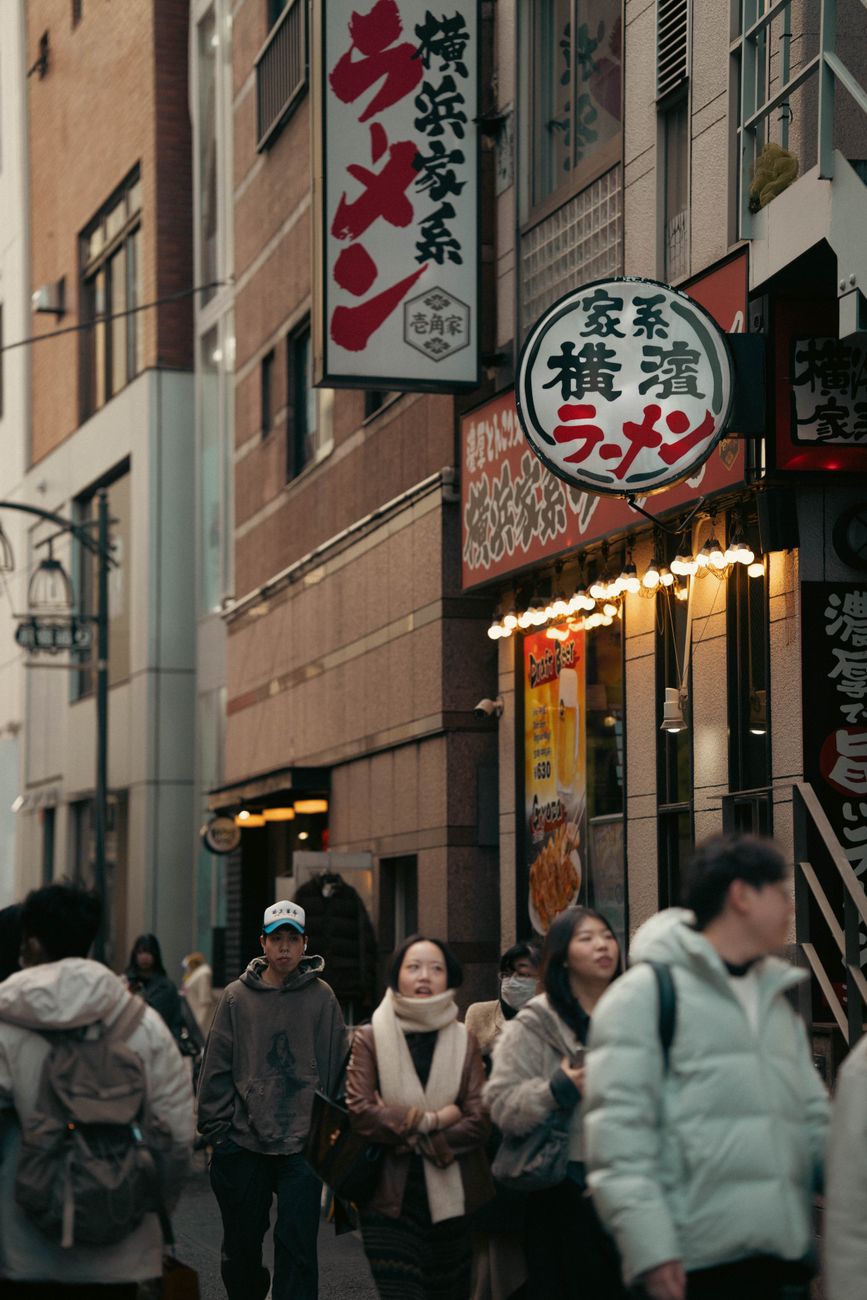
- Shin-Yokohama Ramen Museum charges an entry fee (around 310–370 JPY) separate from the cost of ramen bowls; it’s easy to reach using the JR Yokohama Line from Yokohama Station (20–25 minutes).
How This Guide Was Prepared
Yokohama-shi is a waterfront city with a strong port identity and distinct neighbourhoods that reward short stays if routes are planned logically. Many guides treat it as an appendage to Tokyo; this guide treats it as a compact city whose museums, portsides and neighbourhood food scenes can be sampled properly in three days with realistic walking and transit times. This guide was prepared through a structured research that combines destination research, geographic context, itinerary planning logic, and content review.
Plan Your Stay in Yokohama-shi
Use this itinerary as your starting point, then compare areas to stay, transport options, seasonal timing, and realistic daily costs before booking.
Why Visit
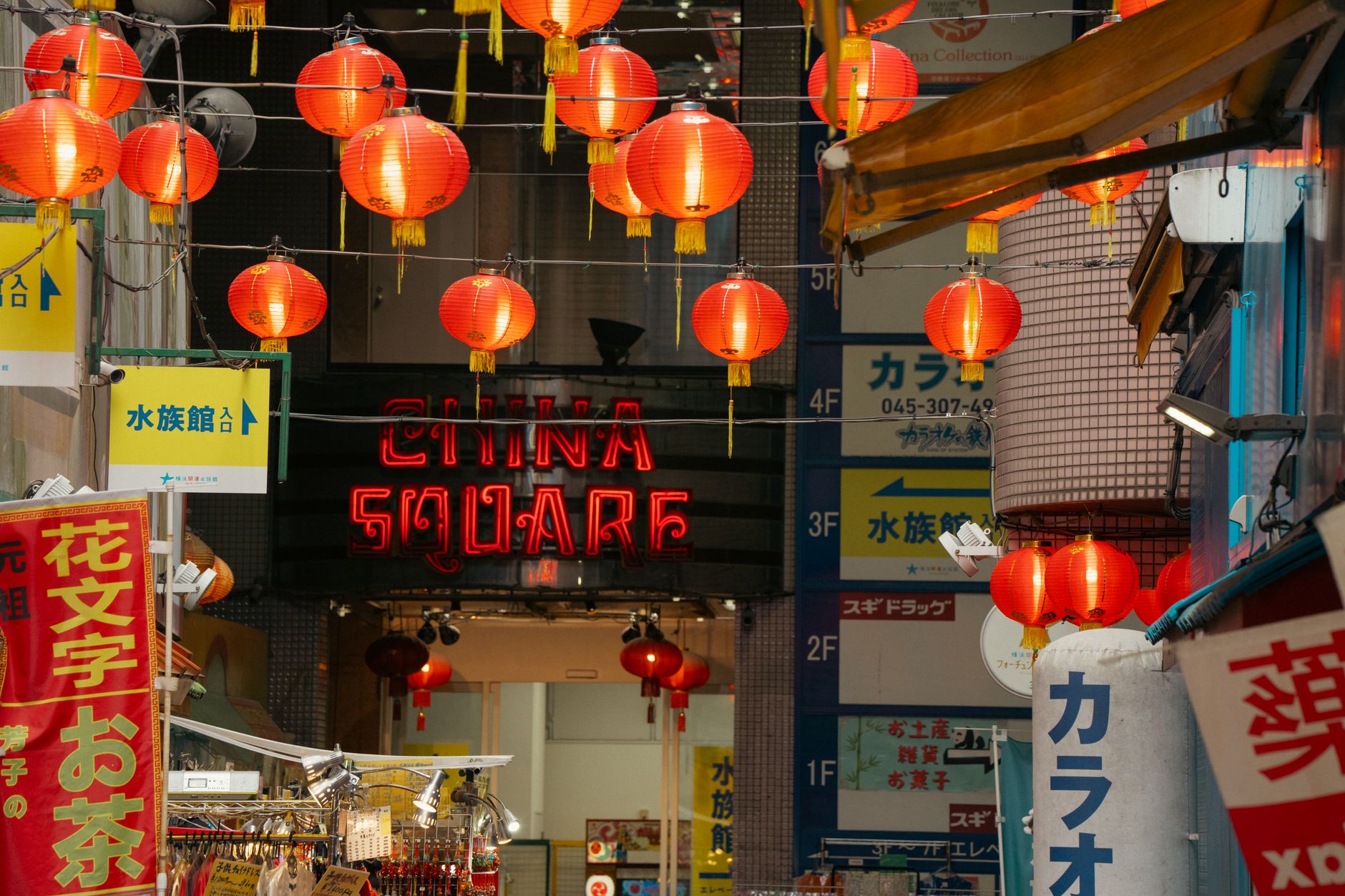
A concentrated modern port district: Minato Mirai and the Landmark Tower offer a quick skyline experience without a full city transit day. Museums with specific themes: CupNoodles Museum tells a clear invention story and the Yokohama Museum of Art hosts rotating international exhibitions with manageable visit times. Distinct food quarters: Chinatown (Motomachi-Chukagai) provides focused eating options for dumplings, pork buns and Cantonese bakeries within walking distance of the Red Brick Warehouse. Nearby contrasts: Yamate’s foreign-residence houses and Sankeien Garden provide green, slower-paced corners that differ from the portfront and are reachable with short transit rides.
Quick Planning Tips
Fly into Haneda for the fastest door-to-door time: Keikyu Line from Haneda Airport to Yokohama Station takes about 20–25 minutes with direct Airport Express trains and costs roughly 300–500 JPY depending on service. From Narita use the Narita Express to Yokohama (through Tokyo) or take an Airport Limousine bus; expect 90–120 minutes and higher fares. Carry an IC card (Suica or PASMO) for convenience — buy one at any JR or Keikyu ticket counter; it also works on convenience stores and vending machines. Avoid buying separate single paper tickets for every short hop; topping up the IC card saves time and reduces queueing at ticket machines.

Day 1
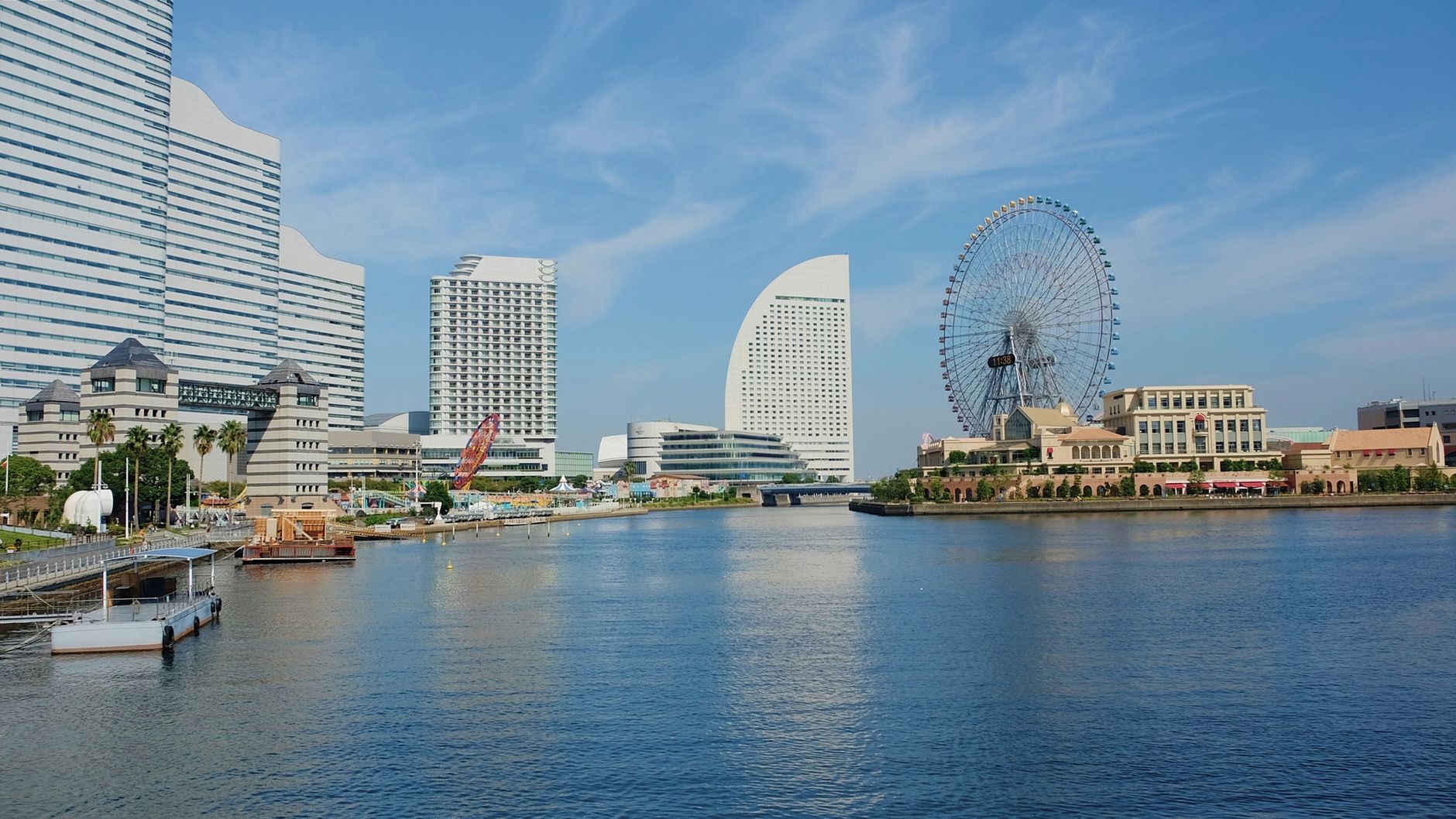
Start at Yokohama Station: allow 20–30 minutes to navigate exits and pick up a Suica/PASMO if needed. Walk or ride the Minatomirai Line (5 minutes) to Minato Mirai — explore Queen’s Square shopping, stroll along the promenade to Cosmo Clock 21 and visit the Yokohama Museum of Art (allow 1.5–2 hours). From Minato Mirai, walk 10–15 minutes to the Red Brick Warehouse (Aka-Renga) for shopping and architecture; check event schedules because temporary markets can change opening hours. Lunch at Red Brick Warehouse’s cafes or try the nearby Renga Terrace restaurants for seafood and set lunches (expect 1,200–2,200 JPY). After lunch, walk 15 minutes to Osanbashi Pier for harbor views and photographing skyline reflections, then take the 20–25 minute walk or a short tram/bus ride to Chinatown (Motomachi-Chukagai) to sample steamed pork buns and nikuman from street stalls. Dinner in Chinatown: try a long-established Cantonese restaurant for Peking duck or multi-dish sets; expect 2,000–5,000 JPY per person depending on choices. Evening recommendation: return to the Landmark Tower Sky Garden for sunset or night views — allow 45–60 minutes including elevator queue.
Day 2
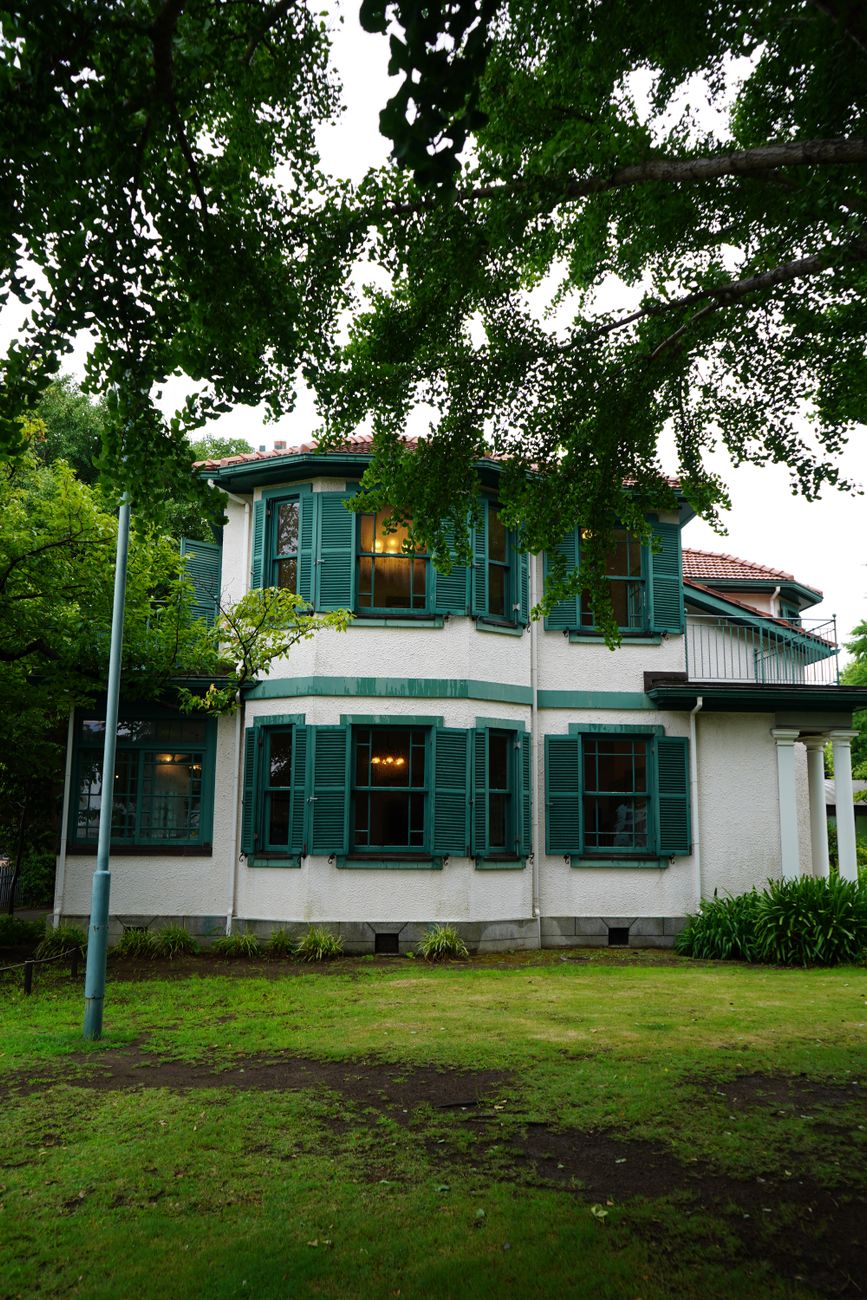
Begin in Yamate and Motomachi: take the JR Negishi or local buses to Motomachi-Chukagai Station and walk up to the foreign residences on Yamate Yamate Park (allow 1.5–2 hours for houses like the Former British Consul’s Residence and the Bluff area). Descend to Motomachi Shopping Street for boutique stores and Western-style bakeries — stop for coffee and a croissant or a curry bread from a local bakery (300–600 JPY). From Motomachi, walk 10–15 minutes to Sankeien Garden; allocate 2–3 hours for the gardens, historic teahouses and seasonal blooms (adult admission around 700 JPY). Afternoon: head back toward Negishi Station (bus 58/159 or 20 minute walk) and take the JR Keihin-Tohoku Line to Noge for early evening drinks and casual izakaya dining — Noge is a 5–10 minute walk from Sakuragicho Station. Dinner recommendation: try an izakaya in Noge for yakitori, sashimi and local sake; expect 2,500–4,000 JPY per person including a couple of drinks. Evening recommendation: explore Noge’s narrow alleys where small bars and live-music venues often have no cover charge but early arrivals are advised for seats.
Day 3
Reserve this day for Shin-Yokohama and transit logistics if catching an afternoon train or flight. Take the JR Yokohama Line from Yokohama Station to Shin-Yokohama (about 20–25 minutes). Visit the Shin-Yokohama Ramen Museum — try one small ramen bowl from a regional vendor (entry plus a bowl can total 800–1,500 JPY depending on choices). Return to central Yokohama and use remaining time for any missed spots: a quick stop at the CupNoodles Museum (allow 1–1.5 hours; My CUPNOODLES custom activity extra) or a short visit to the Nissan Global Headquarters area for exhibitions and car fans (check opening days). Practical note for departures: if catching a Haneda flight, allow 60–90 minutes train plus transfer time; from Yokohama Station take the Keikyu Line direct to Haneda Airport on Airport Express trains in about 20–25 minutes. Evening recommendation if time allows: final meal near Yokohama Station — a larger tempura or soba set is a fast and satisfying option before departure.
Best Local Experiences
Explore Chinatown food routes: buy pork buns at Kikuya or use hole-in-the-wall dim sum spots on Kanteibyo street for quick tasting. Attend a Red Brick Warehouse market or craft fair if dates match — those events concentrate local foods and makers in an easy loop. Do the My CUPNOODLES Factory workshop at the CupNoodles Museum for a personalised souvenir and a short, well-signposted activity. Take an evening bar crawl in Noge, where small izakaya and music spots operate in tight rows and accept cash; it’s an economical way to sample multiple small plates. Walk Osanbashi Pier early morning for ship spotting and unobstructed skyline photos; ferries and cruise ships often berth there, giving a different scale than the city sidewalks.

Where to Stay
Minato Mirai: suits travellers wanting immediate access to waterfront attractions, museums and the Landmark Tower; near Minatomirai Station and Queen’s Square. Expect mid-range hotel rates around 10,000–20,000 JPY per night (¥10,000–¥20,000; roughly €60–€120 / $65–$130). Kannai / Sakuragicho: suits budget-to-mid travellers who want better access to trains and Noge nightlife; near Sakuragicho Station and the JR Negishi/Keihin-Tohoku Lines. Small business hotels and guesthouses range from 6,000–12,000 JPY per night (¥6,000–¥12,000; €35–€70 / $40–$80). Yokohama Station area: suits those catching trains early or arriving late; largest choice of chain hotels and frequent airport connections. Expect a wider price range: 7,000–18,000 JPY per night (¥7,000–¥18,000; €40–€110 / $45–$125).
Food and Drink
Shumai and Nikuman in Chinatown: steamed dumplings (shumai) and pork buns (nikuman) sold at street stalls and bakeries like Kikka Bakery; expect 200–600 JPY per piece or small set. Cup Noodles experience: not a menu dish but a museum activity; create a personalised cup for about 300–400 JPY plus admission. Sanma or seafood set lunches: available at Red Brick Warehouse and waterfront restaurants; typical lunch set prices 1,200–2,500 JPY. Ramen at Shin-Yokohama Ramen Museum: small bowls from regional vendors run 600–1,200 JPY; entry fee for the museum is separate (roughly 300–400 JPY). Breakfast option: Japanese-style bakeries and kissaten coffee shops on Motomachi serve toast sets, curry bread and hand-drip coffee for 500–900 JPY. Street food and snacks: try nikuman, xiaolongbao, and kakigori from seasonal stalls in summer; prices vary 300–800 JPY. Dinner recommendation: an izakaya in Noge for grilled skewers, seafood and share plates; typical dinner spend 2,500–4,000 JPY including drinks. Include one sit-down seafood or sushi meal near the pier if planning a splurge — expect 4,000–8,000 JPY for higher-end sets.
Getting Around
Use JR lines, Minatomirai Line, Tokyu Toyoko Line, Keikyu Main Line and the Yokohama Municipal Subway (Blue Line and Green Line) for most city travel. A single metro ride starts around 210 JPY for short distances; expect average short trips across central areas to fall between 210–330 JPY. A one-day Yokohama Municipal Subway pass costs about 700 JPY; buy at subway stations. IC cards (Suica/PASMO) are the simplest option for mixed-mode travel and also work on buses and at convenience stores. Useful apps: Navitime for Japan Travel and Jorudan for train routing and platform info; Google Maps is generally reliable for walking and surface transit. Approximate taxi fare from Haneda Airport to central Yokohama runs 6,000–10,000 JPY depending on traffic and exact destination; Narita to Yokohama by taxi is usually not cost-effective (expect much higher fares).
Best Time to Visit
Spring (March–May): cherry blossom season draws crowds in March–April, especially at Sankeien and along waterfront parks. Temperatures range from about 8–20°C and this period balances weather and daylight well. Summer (June–August): hot, humid and rainy at times with August being the warmest; expect 25–32°C and heavy humidity — crowds peak at waterfront festivals and on holiday weekends. Autumn (September–November): crisp weather and foliage from mid-October; temperatures easing from 22°C down to 10°C, and lower tourist density after Golden Week. Winter (December–February): cool and dry with temperatures often between 2–12°C; good value for accommodation but shorter daylight hours and chilly winds on the pier.
Budget and Practical Tips
Typical daily budget for a mid-range traveler: accommodation ¥10,000–¥15,000; food ¥3,000–¥6,000; transport ¥800–¥2,000; entries and activities ¥1,000–¥2,500. Converted: accommodation €60–€90 / $65–$95, food €18–€36 / $20–$40, transport €5–€12 / $6–$14. Museum entries vary: CupNoodles Museum ~500 JPY, Sankeien ~700 JPY, Landmark Tower observatory ~1,000 JPY — plan a small buffer for special exhibitions. Tipping is not customary in Japan; cover charges at izakaya or service fees are rare, so round up or leave exact change if wanting to show appreciation. Carry cash for small vendors and some museum activities; credit cards are accepted at larger museums, hotels and restaurants but smaller shops and bakeries can be cash-only.
FAQ
Is Yokohama-shi safe for solo travellers?
Yes. Street crime is low compared with many large cities, but normal precautions apply at night in small alleys and when using ATMs; keep belongings secure on crowded trains.
Is a city pass worth buying?
There is no single pass that covers every attraction; a Yokohama Municipal Subway one-day pass (~700 JPY) helps if using only subway lines, but attraction-specific passes (for Landmark Tower observatory or CupNoodles Museum) are separate.
How do I get from Haneda Airport to the city center?
Take the Keikyu Line (Airport Express or Limited Express) to Yokohama Station in about 20–25 minutes; fares vary 300–650 JPY depending on service.
Can Suica or PASMO be used everywhere?
Yes, Suica and PASMO work across JR, Tokyu, Keikyu, Minatomirai Line, buses and many shops; top up at stations or convenience stores.
Are English signs common on trains and stations?
Major stations and lines have English signage and announcements; smaller bus routes and independent shops may have limited English.
Is one day enough for Chinatown?
One day is more than enough to sample main street foods and visit a large restaurant; a full day could be spent if planning to dine at multiple sit-down venues or visit museums nearby.
How crowded does Minato Mirai get on weekends?
Weekends and event days attract large crowds around Red Brick Warehouse and Cosmo Clock 21; arrive early for quieter photos and shorter queues.
Is Zoorasia feasible in a day trip?
Zoorasia is large and located in Aoba Ward; expect half a day or more to do it justice, so it’s not recommended if three days are fully scheduled for central sights.
Conclusion
Three days lets travellers see Minato Mirai, Chinatown, Yamate/Motomachi and a Shin-Yokohama specialty stop without rushing transit. Realistic pacing means prioritising one museum or garden and leaving larger attractions like Zoorasia or extended shopping for a return visit. If time runs short, prioritise a portfront walk (Osanbashi to Red Brick Warehouse) plus a Chinatown meal — those two elements convey much of what makes the place distinct from nearby Tokyo and are easy to fit into an abbreviated schedule.
How this guide was prepared
This guide was prepared through a structured research that combines destination research, geographic context, itinerary planning logic, and content review.