
Practical 3-Day Guide to New York City: Sights & Transit
A clear, no-nonsense 3-day plan for New York City that lists transit tips, realistic timings, costs, and exact places to visit so time is used well.
A realistic, timed 72-hour plan that balances Midtown landmarks, Lower Manhattan and Brooklyn, and museums/parks with exact transit tips, estimated costs, and meal stops.
Expect a city that runs on transit timetables, deliveries, construction and late service changes as much as on sightseeing. First impressions are often made by noise, crowds and many small neighbourhood businesses rather than curated tourist zones. Many planners underestimate the time between places because blocks are long and crosswalk waits add up; allowing thirty to forty minutes for most Midtown-to-Lower Manhattan trips keeps an itinerary realistic. This guide suits people who want a compact, practical plan with clear transit moves and honest trade-offs rather than a list of every possible attraction.
Is 3 days in New York City enough?
Three days is enough to sample Manhattan's headline sights plus one or two neighbourhoods in Brooklyn, using the subway efficiently. The honest caveat: museum-heavy itineraries or a relaxed pace through multiple outer boroughs require more time and must be pared back.
Who This Guide Is For
Best for first-time visitors who want a compact mix of landmarks, parks and food on a mid-range budget. Poor fit for travelers wanting a slow trip focused entirely on museums, long walks in outer boroughs, or a luxury dining-only weekend.
Local Tips for New York City
Practical details that most travel sites skip — specific to New York City.
- Use OMNY contactless at subway turnstiles or buses ($2.90 per ride); tapping a contactless card or phone is now the default and avoids buying a MetroCard for single short stays.
- A 7-day unlimited MetroCard costs $34 and pays off after about 12 rides; buy at subway vending machines if planning heavy subway use.
- Staten Island Ferry from Whitehall Terminal to St. George is free and gives a good close-up view of the Statue of Liberty without the time or cost of Statue Cruises.
- Smorgasburg runs in Williamsburg (Saturdays) and Prospect Park (Sundays) with vendor food from $6–$12 per item—check exact location for the weekend of travel.
- PATH trains run between Manhattan (33rd St and World Trade Center) and Jersey City/Hoboken for $2.80 per ride; buy a PATH SmartLink card or use contactless payment at the faregate.
How This Guide Was Prepared
This guide treats New York City as a working metropolis rather than a stage set: expect transit noise, real neighborhoods, and queues. Many guides list a long wish list; this one prioritizes what is achievable in three days, where to skip the line, and which paid sights actually repay the time. This guide was prepared through a structured research that combines destination research, geographic context, itinerary planning logic, and content review.
Plan Your Stay in New York City
Use these planning pages to compare areas to stay, expected costs, seasonal timing, and local transport before booking.
Why Visit
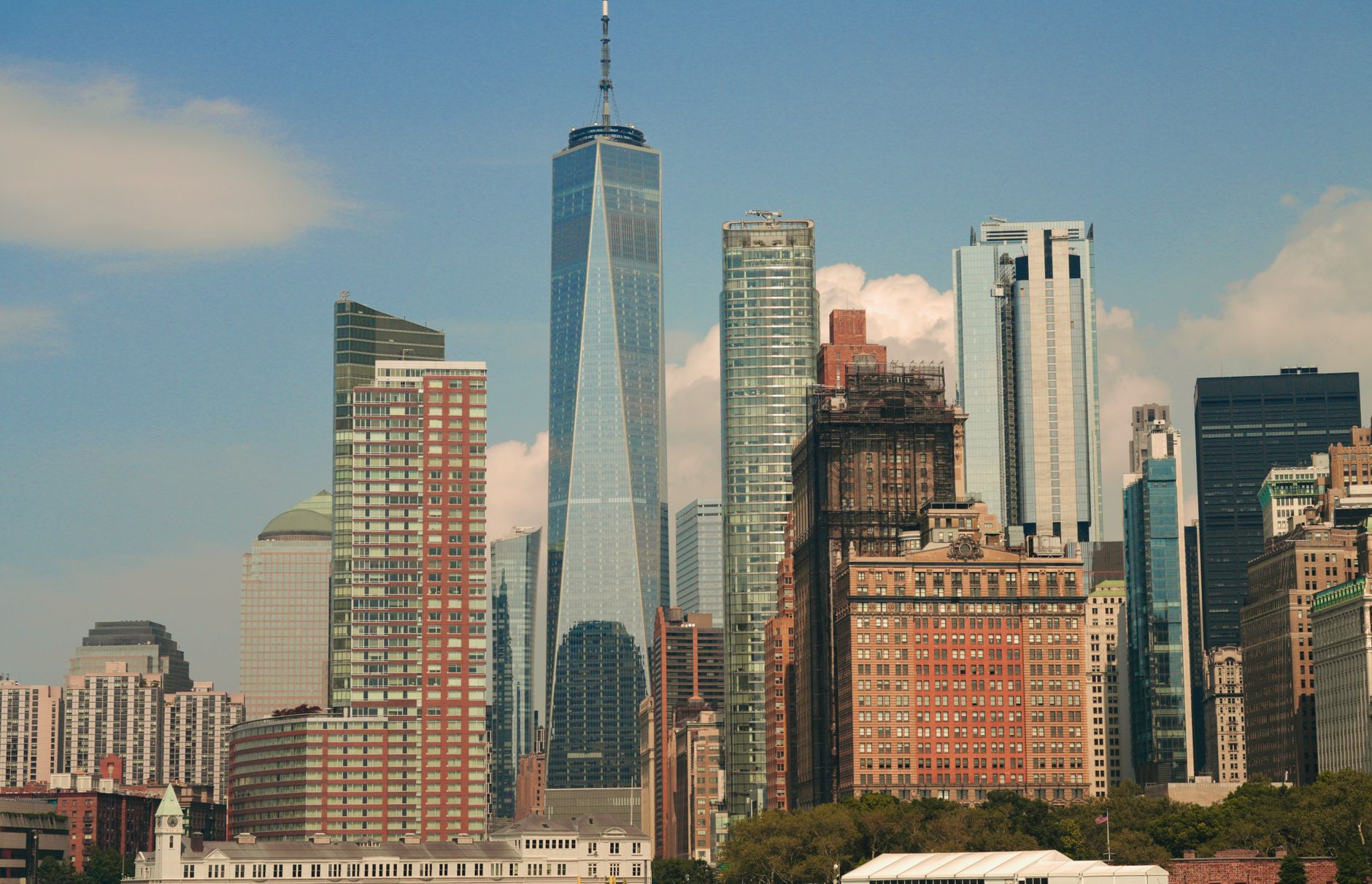
Iconic architecture and skyline views are concentrated in a small area: Empire State Building, Rockefeller Center observation deck, and One World Observatory provide very different vantage points. Parks and public promenades are unusually accessible: Central Park offers green space next to Museum Mile while the High Line reuses an elevated freight line for a linear park and public art. Food options are intensely local and specific: Katz's Delicatessen, Smorgasburg weekend markets, and neighborhood bakeries like Levain or Two Little Red Hens each deliver a very different culinary experience. The transit network is dense enough that a visitor can reasonably see Manhattan’s highlights and a single Brooklyn neighbourhood in three days without renting a car.

Quick Planning Tips
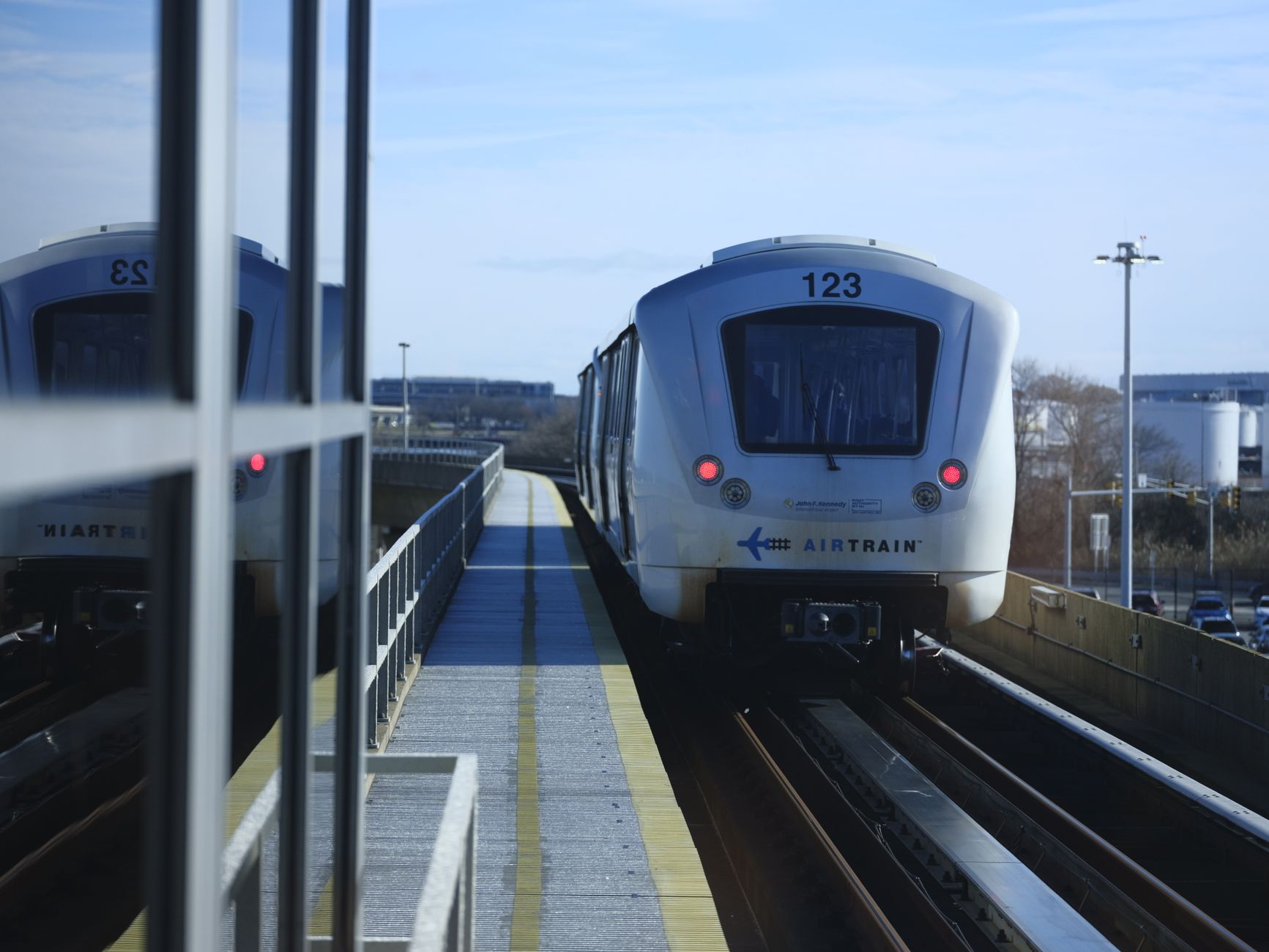
From JFK the AirTrain to Jamaica Station costs $8.25 and then a subway ride ($2.90) into Manhattan; expect 45–75 minutes total. From Newark, take NJ Transit or Amtrak to Newark Liberty International Airport Station plus the free AirTrain link; taxi rides from Newark to Midtown commonly run $70–$100 depending on traffic. Use OMNY contactless or buy a 7-day MetroCard ($34) if planning frequent subway and bus trips; cash fares are not accepted at subway turnstiles. Avoid the planning mistake of stacking multiple paid observation decks in one day—pick one and pair it with walking neighbourhoods to avoid long queues and rushed transit.
Day 1
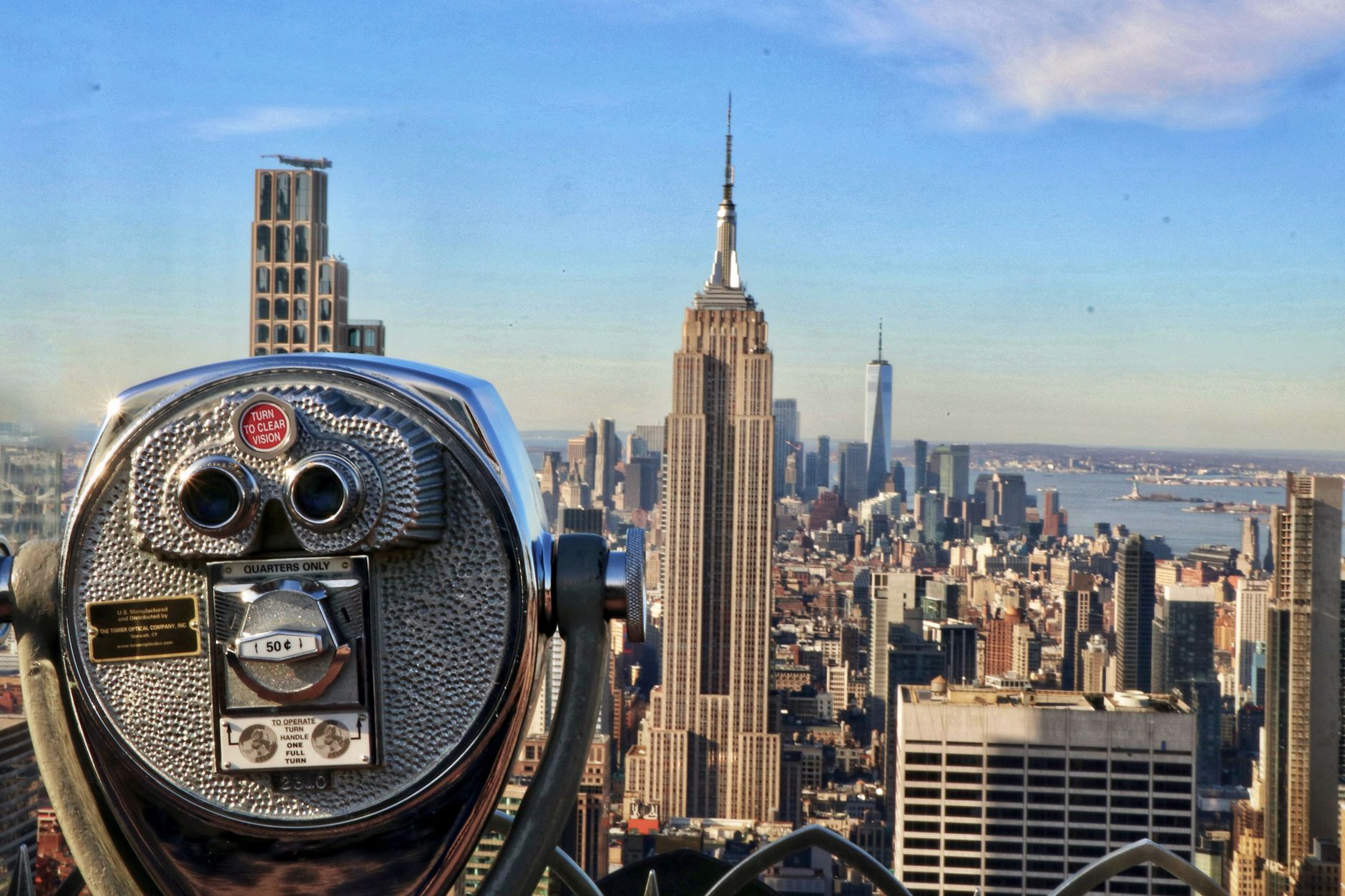
Morning: Start in Midtown at Bryant Park (seating, coffee) then walk two blocks to the New York Public Library main branch on 42nd Street. From there the walk to Grand Central Terminal is 6–10 minutes; allow time to see the main concourse and the Whispering Gallery near the Oyster Bar. Midday: Head up Fifth Avenue (10–15 minutes to Rockefeller Center) to Top of the Rock for 360-degree views; timed entry lines move faster than the Empire State on busy days. Lunch: Eat in Koreatown (32nd Street between Fifth and Sixth Avenues) for fast bibimbap or dumplings—expect $12–$18 per meal. Afternoon: Walk west to MoMA (5–10 minutes) or take the E train one stop; museum admission about $25. Late afternoon: Walk south to Times Square (10–12 minutes) and experience the area before an evening Broadway show; allow 30–60 minutes to reach a theater from Midtown museums depending on time of day. Dinner: Book a pre-theater prix fixe or try a nearby casual spot in Hell's Kitchen—many offer $25–$40 dinner options. Evening: See a Broadway performance; arrive 30–45 minutes before curtain to navigate security and pick up tickets.
Day 2
Morning: Take the subway (A/C or 1) to Chambers or Fulton to reach the 9/11 Memorial and One World Observatory; give 90–120 minutes for the memorial and museum lines if visiting the museum (admission $28–$40). Walk across the Oculus for quick photos and then head to Battery Park for ferry access. Midday: Take the Staten Island Ferry from Whitehall Terminal (free round-trip) for skyline and Statue of Liberty views; total time 1–1.5 hours including boarding and return. Lunch: After the ferry, return to Manhattan and take the R or W to Brooklyn via the Brooklyn Bridge subway, or walk the Brooklyn Bridge (30–45 minutes) to DUMBO. Afternoon: In DUMBO and Brooklyn Bridge Park explore Pebble Beach, Jane’s Carousel, and Washington Street for classic views of the bridge and skyline; Smorgasburg operates on Saturdays nearby for diverse vendor food. Evening: Take the F or A/C back from Hoyt–Schermerhorn or Jay St–MetroTech to Manhattan, or use the East River Ferry service for a scenic return; dinner options in Williamsburg include small restaurants and bars with mains $18–$35. Night: For skyline views at night, return to the Brooklyn Heights Promenade (short subway or walk) for quieter waterfront views.

Day 3
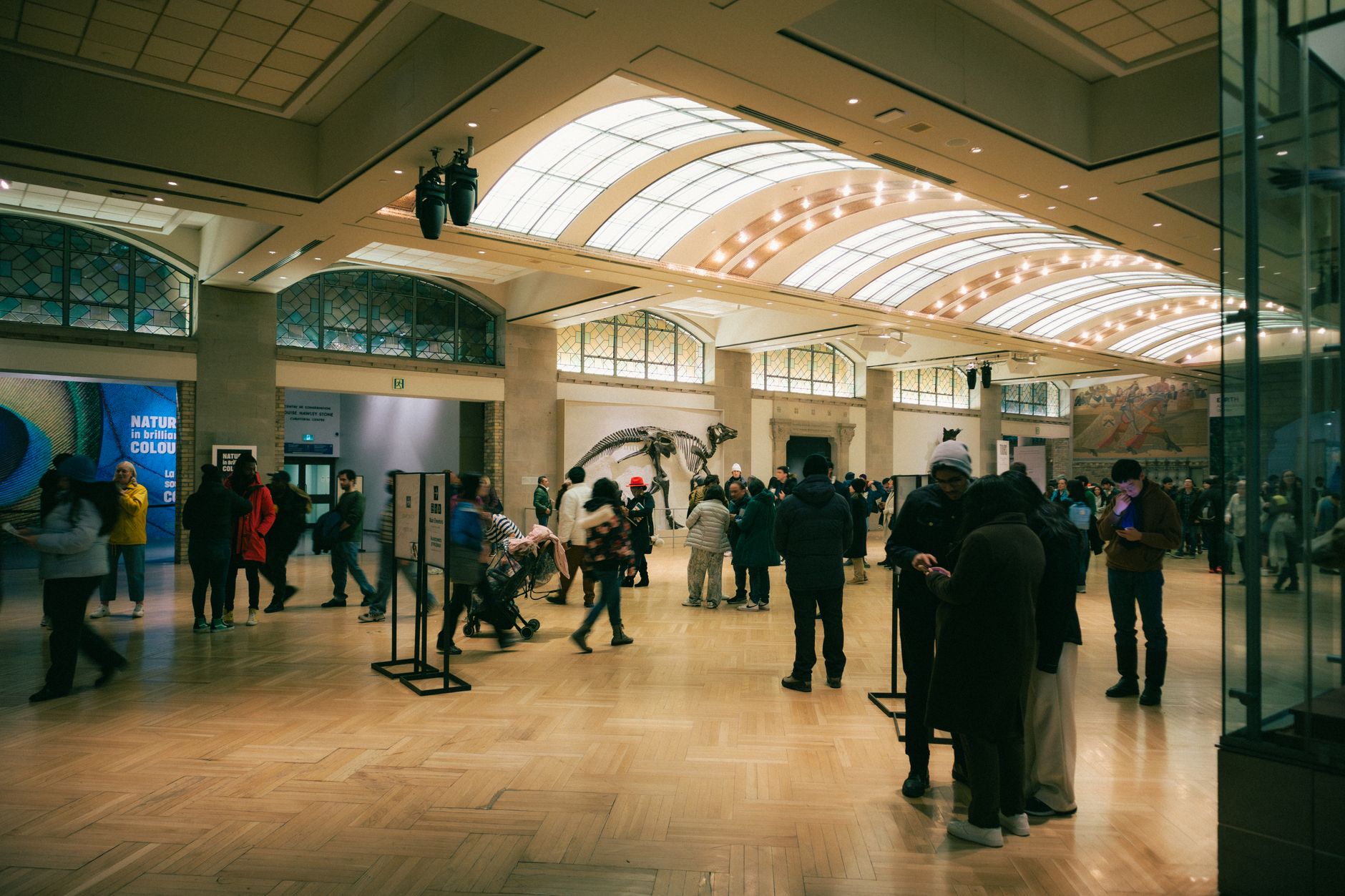
Morning: Start on the Upper West Side at the American Museum of Natural History (adults around $23–$28 suggested admission for non-residents); allocate 2–3 hours for highlights like the dinosaur halls and the Rose Center. Midday: Walk or take the M79 crosstown bus to the southern edge of Central Park and picnic at Sheep Meadow if weather allows. Lunch: Try a bagel and smoked fish from a reputable shop such as Russ & Daughters or a sit-down at Jacob’s Pickles on the Upper West Side ($15–$25). Afternoon: Walk along Museum Mile from the Met (Metropolitan Museum of Art admission around $30 for general visitors) and choose one major museum—spending 2 hours at the Met or the Guggenheim is realistic. Practical note: If catching an afternoon flight, stash luggage at a storage service near Penn Station or Grand Central and head to the airport with time for the AirTrain and security; allow at least 2.5–3 hours to JFK and 2–2.5 to Newark from Midtown depending on traffic.
Best Local Experiences
Smorgasburg (Williamsburg Saturdays, Prospect Park Sundays) for dozens of vendors and high-quality street food items from $6–$12. Chelsea Market on 15th Street between Ninth and Tenth Avenues for specialty food shops, fresh oysters, and pasta stands; expect $10–$25 per vendor meal. Roosevelt Island Tram from 59th Street and Second Avenue for a quick aerial commute with Manhattan skyline views; single fare equals a subway ride. Staten Island Ferry round-trip from Whitehall Terminal for free water views and a good budget alternative to Statue Cruises. Essex Market and the Lower East Side for Jewish delis, bodegas, and small restaurants—Essex Street Market houses vendors with meals $6–$15.

Where to Stay
Midtown (around Times Square/42nd Street): Suits first-time visitors who value being central to theaters, subway lines (1/2/3, 7, N/Q/R/W) and many hotels; expect $200–$350 per night (USD), roughly €185–€325. Lower Manhattan/Financial District (FiDi, South Street Seaport): Suits travelers who want quick access to Battery Park, One World, and PATH to New Jersey; quieter at night on weekdays and prices around $150–$260 per night, roughly €140–€240. Williamsburg, Brooklyn (Bedford Ave area): Suits younger travelers and those after nightlife and independent cafés; convenient for the L train to Manhattan and East River Ferry; expect $140–$250 per night, roughly €130–€235. Upper West Side: Suits families and museum-goers near Central Park and the American Museum of Natural History with apartment-style hotels and mid-range options around $160–$280 per night, roughly €150–€260.
Food and Drink
Bagel with lox and cream cheese: A boiled-then-baked bagel topped with smoked salmon—Russ & Daughters or Ess-a-Bagel are reliable; expect $8–$16. Pastrami on rye: Thick-sliced pastrami from Katz's Delicatessen with mustard, pickles on the side; a sandwich runs $24–$30. Pizza by the slice: Thin-crust New York-style from places like Prince Street Pizza or Joe’s; slices typically $4–$6, whole pies $18–$30. Halal cart platter (chicken and rice with white and red sauces): Street food staple from vendors like The Halal Guys; platters run $6–$10 depending on location. New York cheesecake: Dense cream-cheese cake sold by the slice at Junior’s or Eileen’s Special Cheesecake; slices $5–$8. Breakfast option: Classic bacon, egg and cheese from a deli or cart on a roll for $4–$7. Dinner recommendation: For a sit-down meal with local character try a neighborhood Italian trattoria in the East Village or Arthur Avenue in the Bronx for authentic Italian markets and restaurants—entrees $18–$35.
Getting Around
Subway lines use letters and numbers (A/C/E, 1–7, B/D/F/M, L, N/Q/R/W) and run 24/7 with reduced overnight frequencies; check service changes before travel. OMNY contactless fare is $2.90 per ride; a 7-day unlimited MetroCard is $34 and is bought at vending machines. Key commuter options include PATH (to Hoboken and Jersey City, $2.80), NYC Ferry lines along the East River (fares around $4.00), and Citi Bike bike-share with 24-hour passes around $12 or single rides for short trips. Taxi flat fare from JFK to Manhattan is $70 plus tolls and tip; Uber/Lyft vary with surge pricing. Useful apps: MTA.info for service changes, Citymapper for route planning, and the Citi Bike app for docking status.
Best Time to Visit
Spring (April–June): Temperatures typically 50–75°F (10–24°C) with blossoming parks and moderate crowds; a good balance of weather and value, though late May sees more tourists. Summer (June–August): Temperatures often 75–90°F (24–32°C) with high humidity and peak crowds; outdoor rooftop bars and ferries are busiest and hotel rates peak. Fall (September–November): Temperatures 50–70°F (10–21°C), lower humidity, and leaf color in parks; October is especially pleasant and rates start to drop after mid-November. Winter (December–February): Temperatures 20–40°F (-6–4°C) with potential snow; holiday lights and skating rinks draw crowds in December but January offers lower hotel prices and short museum lines.
Budget and Practical Tips
Sample daily budget for a mid-range traveler: Accommodation $150–300 per night (USD) (~€140–€280), food $40–80 (~€37–€74), transport $6–12 (~€6–€11) depending on subway use and occasional taxi, entry fees $20–60 (~€18–€55) if visiting a museum and an observation deck. Tipping norms: restaurants typically 15–20% before tax; bars $1–2 per drink; taxis 10–20%; hotel porters $1–2 per bag. Cash is accepted but contactless payment is standard for transit and many vendors; carrying a debit/credit card with chip and contactless works best. Avoid the practical mistake of underestimating walking distances—maps show blocks but actual walking time increases with crosswalks and traffic signals.
FAQ
Is three days enough to see the major sights?
Yes for a surface-level visit—pick one observation deck, Central Park, a museum, and a neighbourhood like DUMBO or Williamsburg to avoid rushed travel.
Is New York safe for tourists at night?
Most tourist areas are busy at night; standard precautions—watch belongings, avoid poorly lit side streets, and use licensed taxis or rideshares—keep incidents rare but be aware of pickpocketing in crowded locations.
Should a visitor buy a CityPASS or New York Pass?
CityPASS or Explorer Pass can save money if visiting multiple major paid attractions in a short time; compare the attraction list to planned visits because suggested-admission museums may not be included or worth a pass.
Can I use the subway to get to JFK or Newark airports?
To JFK use the AirTrain ($8.25) from Jamaica Station plus subway; to Newark take NJ Transit or Amtrak to Newark Liberty International Airport Station and the AirTrain at the airport—expect transit time of 45–90 minutes depending on origin.
Is tap-to-pay OMNY better than a MetroCard?
OMNY is simpler for short stays since it charges $2.90 per tap; frequent riders should consider a 7-day MetroCard ($34) to save money.
Are there luggage storage options for a late flight departure?
Yes—locker and private luggage storage services operate near Penn Station, Grand Central and tourist hubs for $6–$15 per bag depending on length and service.
Conclusion
Three days provides a compact but rewarding picture: landmark observation points, a major park and museums, plus time in at least one neighbourhood outside Midtown. The memory most likely to last is the contrast between elevated city views and quieter waterfront promenades, so prioritize one good skyline view and one neighborhood walk over trying to collect every ticketed attraction. If time becomes tight, skip an additional paid observation deck and use that hour for a longer park visit or a nearby market meal.
How this guide was prepared
This guide was prepared through a structured research that combines destination research, geographic context, itinerary planning logic, and content review.