
3 Days in Brugge: A Practical Itinerary
Plan 3 days in Brugge with a neighborhood-by-neighborhood itinerary, transit tips, top sights, food picks and day trips to Ghent or the Belgian coast.
A compact, walkable plan to see Bruges’ canals, Belfry, museums, chocolate and nearby coast over a relaxed 3-day break.
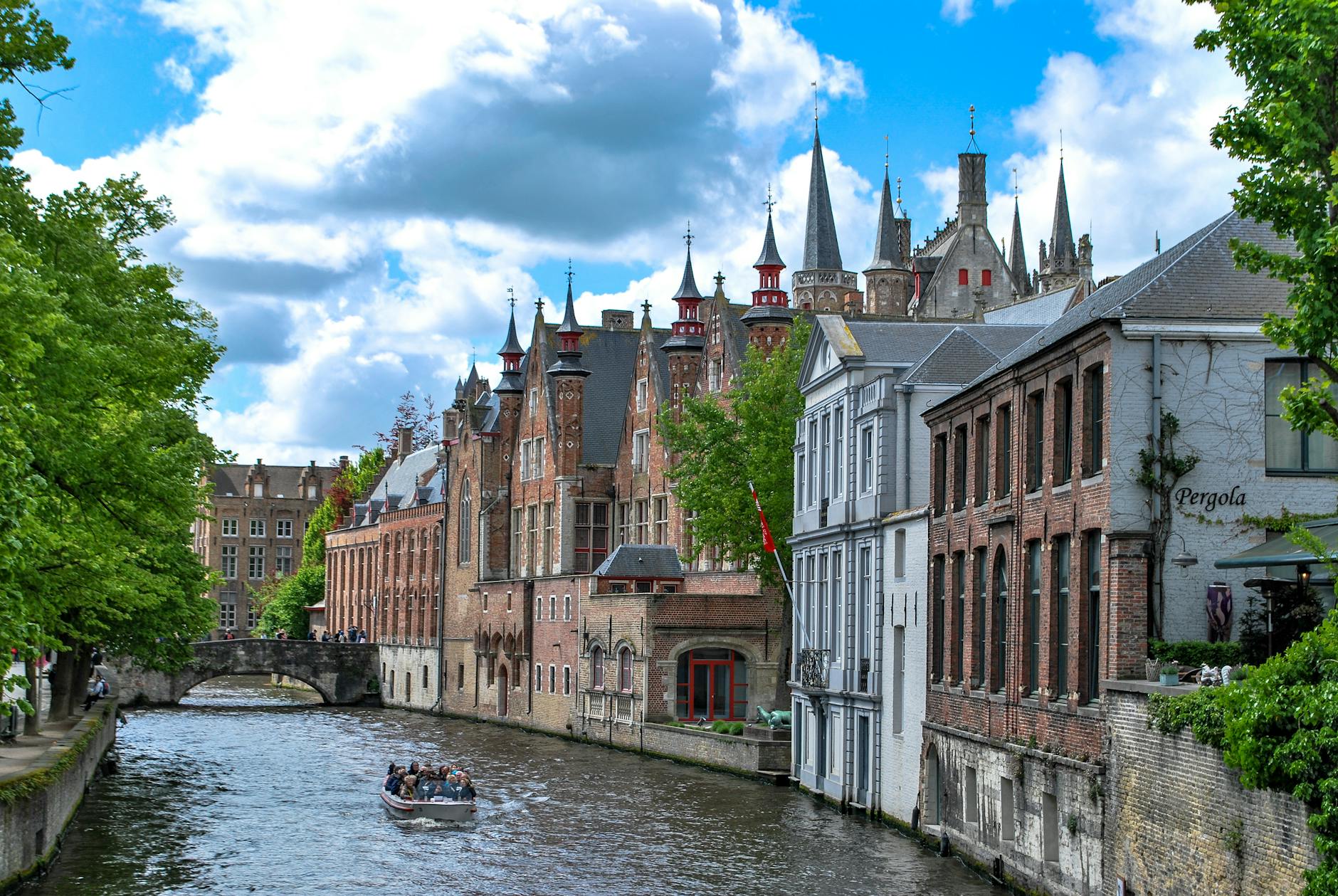
Bruges is a compact medieval city of canals, cobbled lanes and gabled houses where history feels immediate and easy to explore on foot. It suits couples seeking a romantic escape, history and art lovers who want concentrated museums and churches, foodies chasing chocolate and beer, and families who enjoy slow days by the water. Three days is ideal: that gives you time to see the Market and Belfry, visit two museums, take a canal boat, wander the Beguinage and Minnewater, sample local specialties, and still fit in a short coastal or Ghent day trip without rushing. The city’s small scale makes a relaxed 3-day plan feel complete.
Quick Answer
A compact, walkable plan to see Bruges’ canals, Belfry, museums, chocolate and nearby coast over a relaxed 3-day break.
Who This Guide Is For
This guide is best for first-time visitors, couples, solo travelers, and anyone planning 3-day city break, romantic getaway, history & museums in Brugge with a balance of highlights, local character, and reasonable spending.
How This Guide Was Prepared
This guide was prepared through a structured editorial workflow that combines destination research, geographic context, itinerary planning logic, and practical travel review.
Plan Your Stay in Brugge
Use this itinerary as your starting point, then compare areas to stay, transport options, seasonal timing, and realistic daily costs before booking.
Why Visit
A perfectly preserved medieval center with canals and a lively food scene makes this an easy, atmospheric break.
You’ll find outstanding historical buildings, world-class Flemish art, and a culture of chocolate and beer that’s uniquely Belgian.
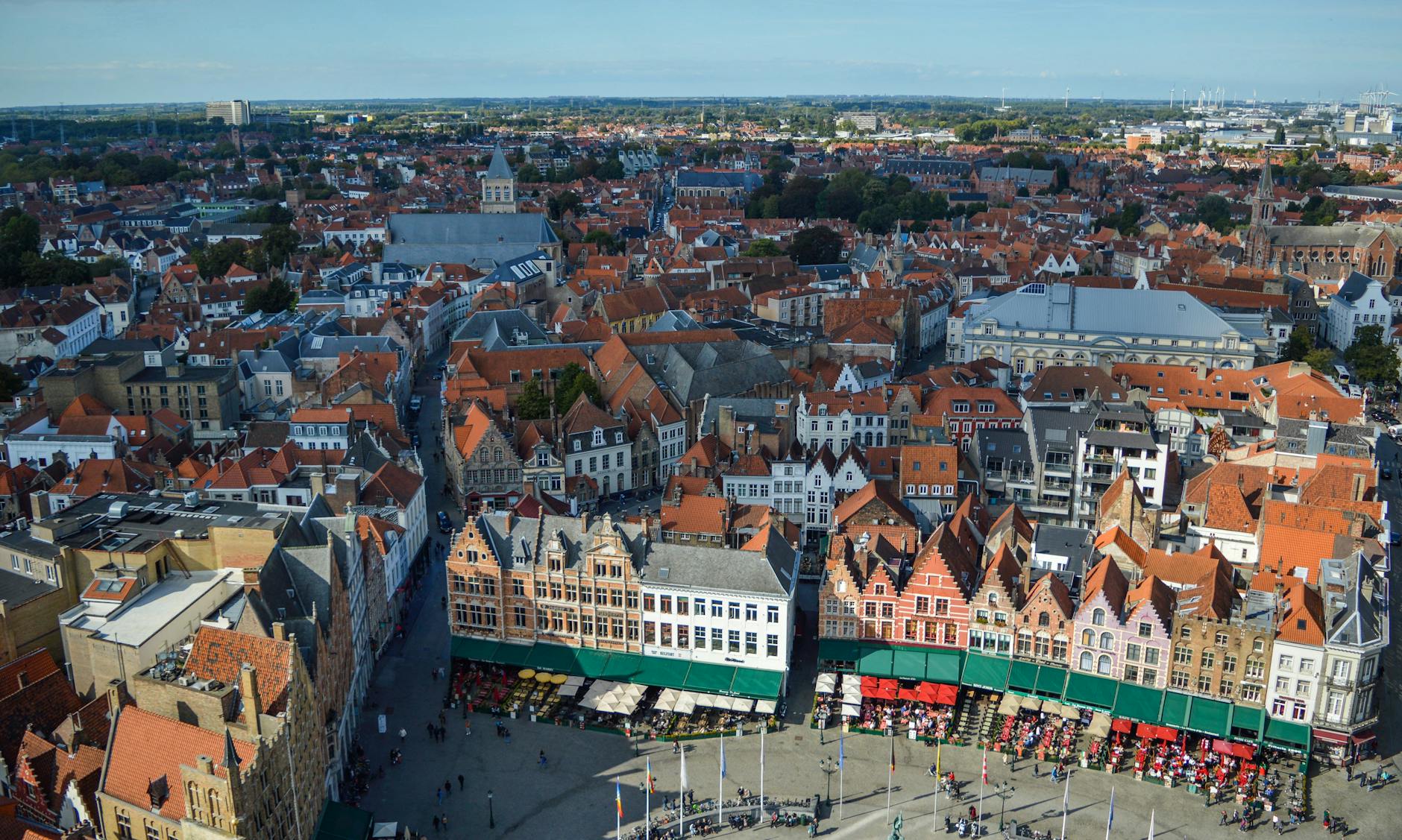
It’s compact—most highlights are within a 20–30 minute walk—so you see a lot without wasting time on long transfers.
Quick Planning Tips
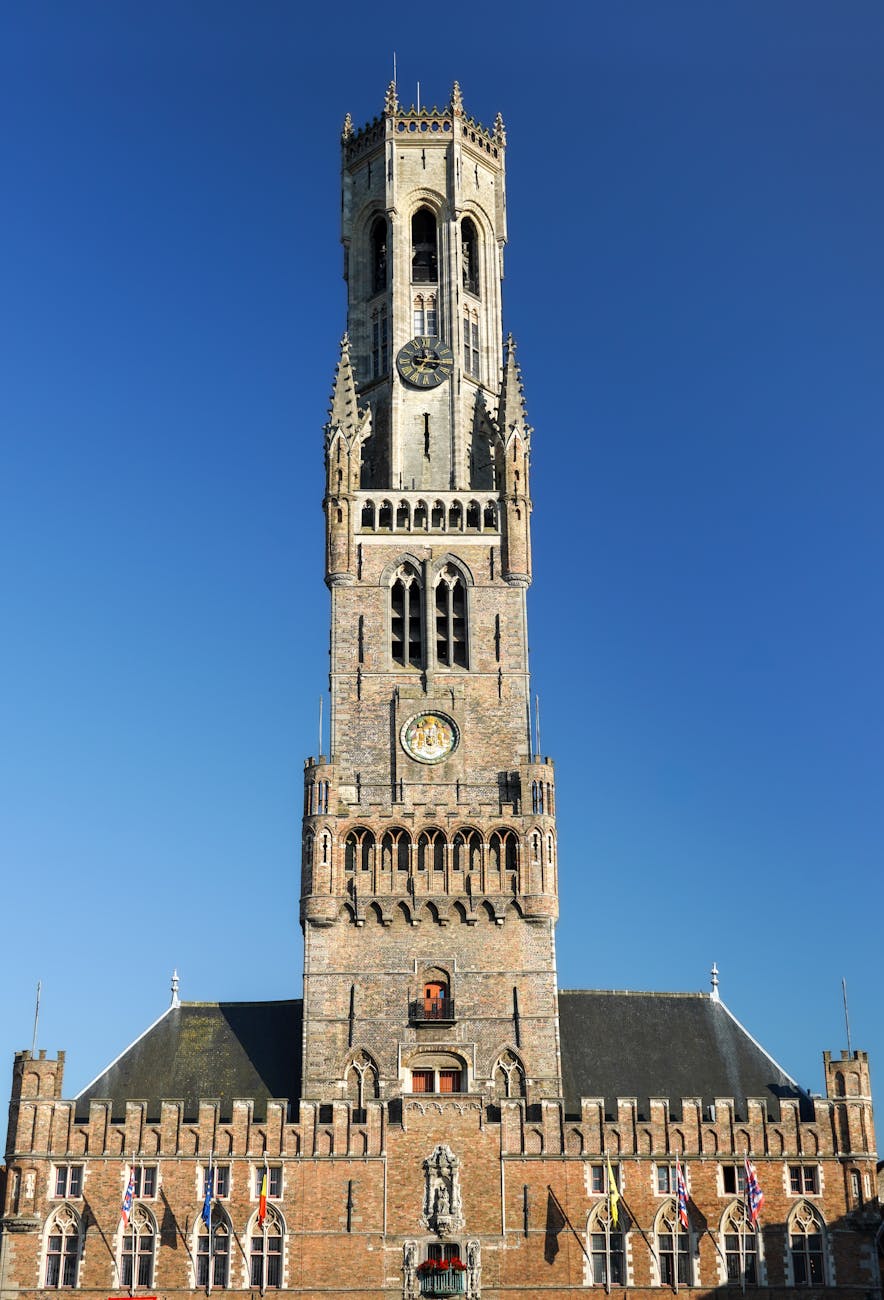
Book the Belfry tickets early or arrive at opening to avoid long queues. Reserve canal-boat slots during high season.
Wear sturdy shoes for cobbles and bring a light rain layer—weather changes fast. If you plan a day trip to the coast or Ghent, use the train from Brugge station (8–12 minutes walk from Markt).
Look up museum opening days: some are closed one weekday. Buy a Brugge City Card if you want multiple museums and a canal cruise included.
Day 1
Morning: Start at the Markt. Climb the Belfry for panoramic views, then stroll Burg Square and visit the Basilica of the Holy Blood.
Lunch: Try moules-frites or carbonade at a terrace on Jan van Eyckplein.
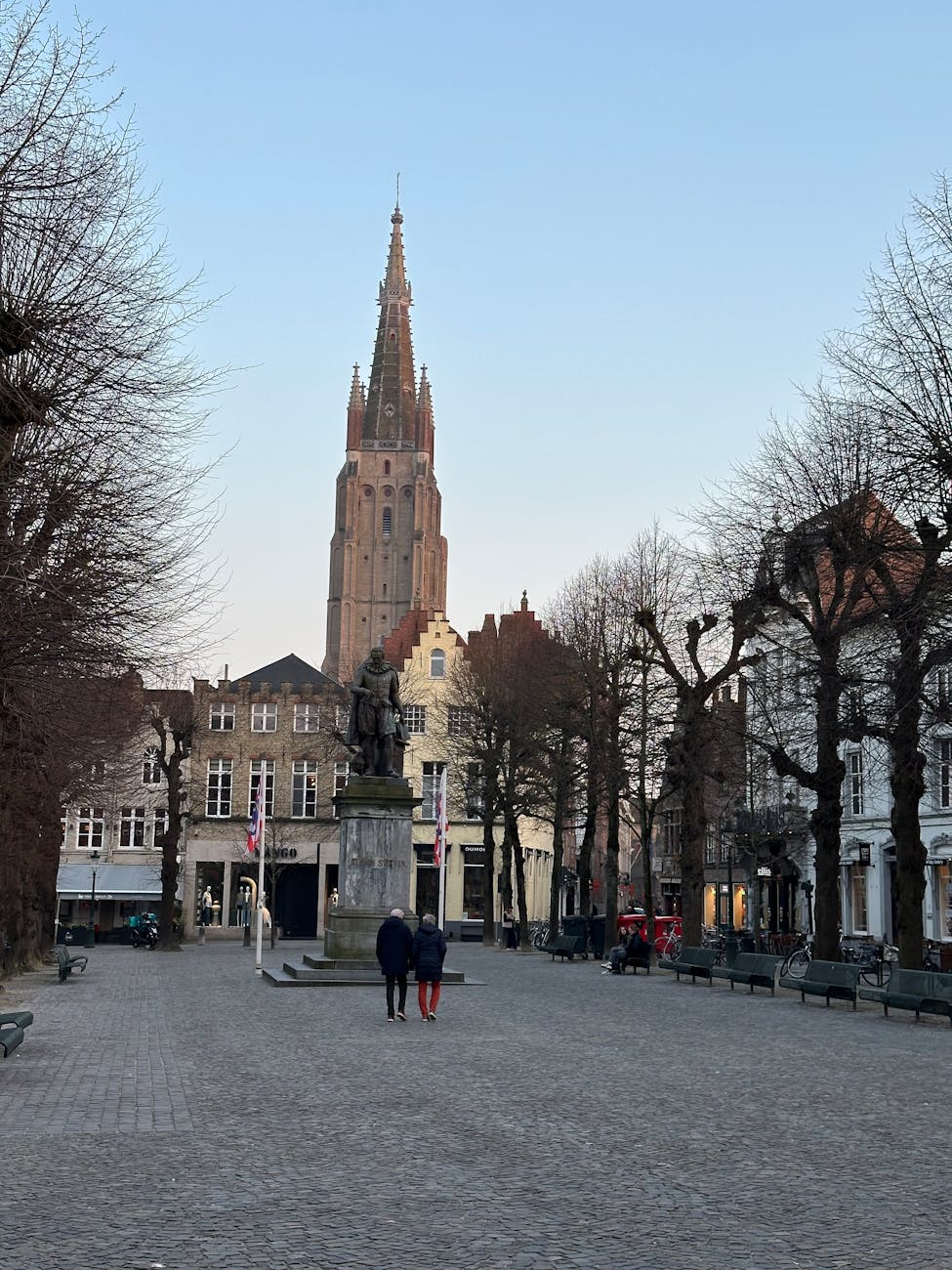
Afternoon: Explore Groeninge Museum for Flemish primitives, then walk to the Church of Our Lady to see Michelangelo’s Madonna and Child.
Evening: Dinner in the historic center and a relaxed night walk along the canals—Rozenhoedkaai is magical after dusk.
Day 2
Morning: Canal boat ride from Rozenhoedkaai to understand the city’s layout. Visit Sint-Janshospitaal and its art collection.
Lunch: Sample local waffles or a sandwich at a café near Wollestraat.
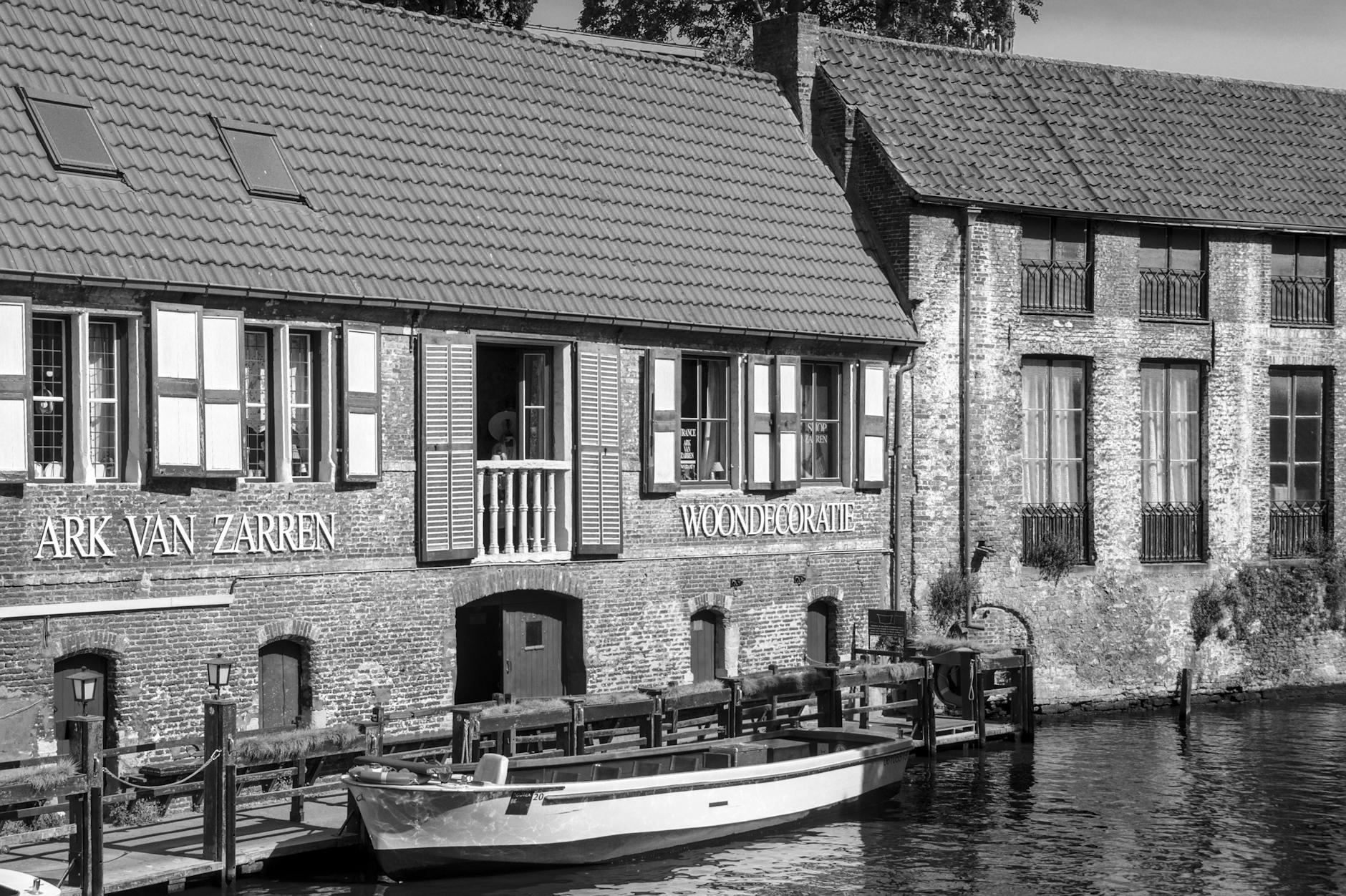
Afternoon: Head to the Begijnhof and Minnewater Park for a peaceful walk and photos. Cross to the windmills on the Kruisvest for a postcard view.
Evening: Book a beer-pairing dinner or stop at a cozy brasserie. Consider a guided night tour that covers legends and hidden corners.
Day 3
Option A — Local deep dive: Visit the Chocolate Museum and a confectionery shop with a tasting, then take a lace workshop or visit the Lace Center.
Option B — Day trip: Take a 30–40 minute train to Blankenberge or Oostende for the beach, or 30–40 minutes to Gent for more medieval streets and modern dining.
Afternoon: Return for last-minute shopping—handmade lace, chocolates, and local beer. Enjoy a farewell canal-side meal before departing.
Best Local Experiences
Take an early-morning canal boat to avoid crowds and capture calm water reflections.
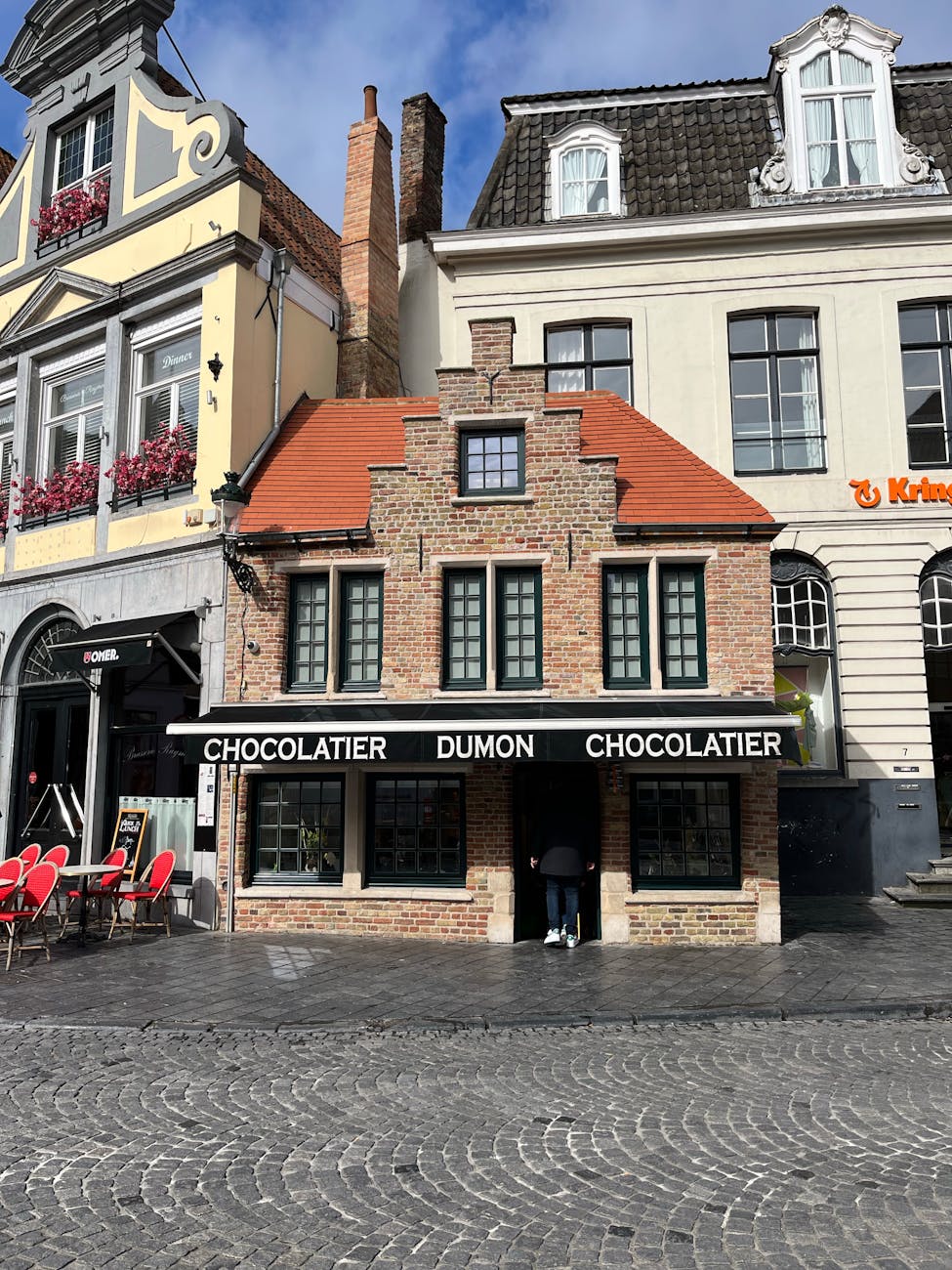
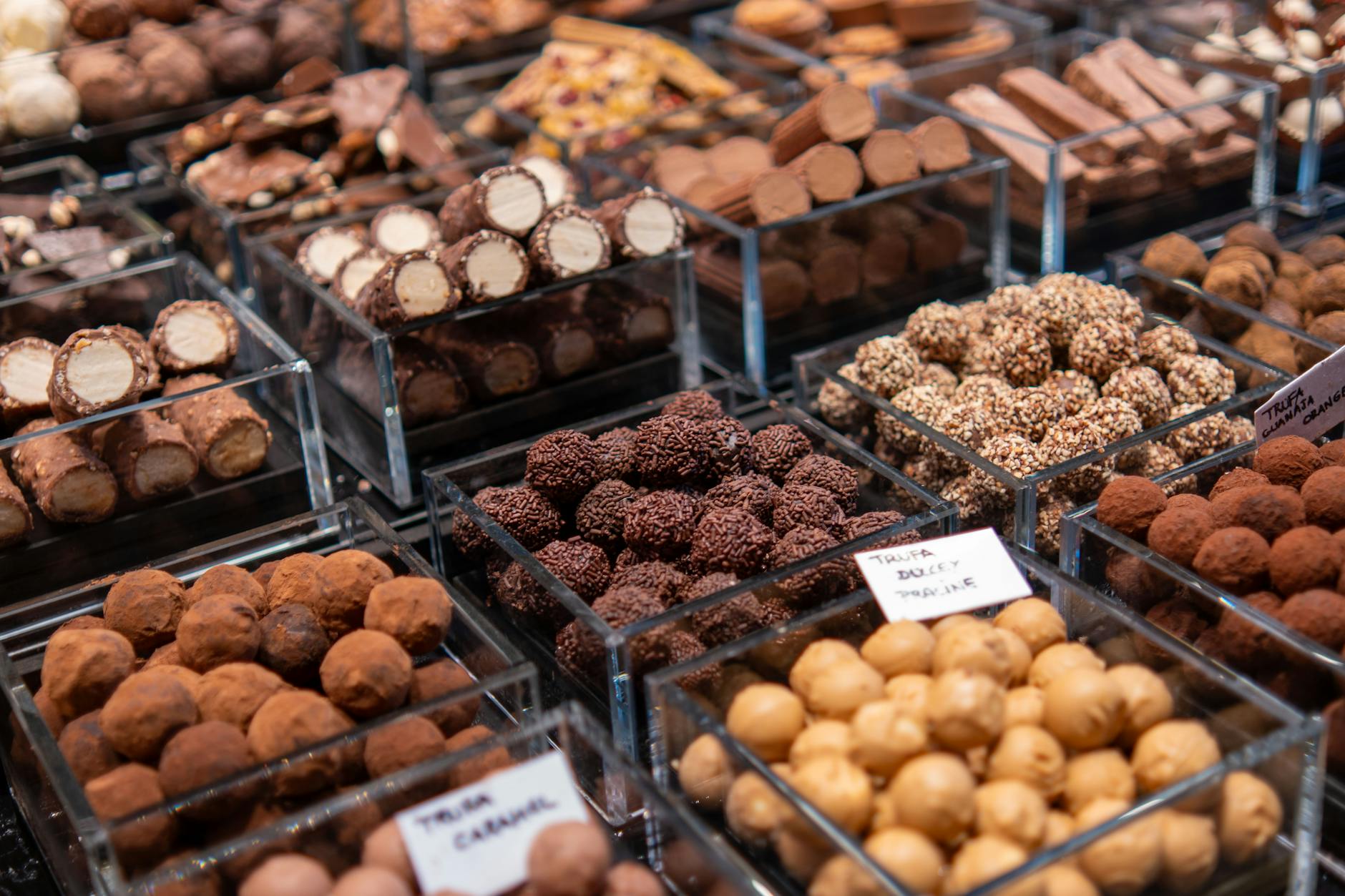
Visit a local chocolatier for a tasting and watch production when possible. Join a beer tasting at a microbrewery or a cellar bar to learn about Trappist and Flemish styles.
Attend a lace demonstration at the Lace Center or meet artisans in the old quarters. Rent a bike briefly to reach the outer windmills and parklands.
Where to Stay
Stay in the Markt/Burg area for immediate access to main sights, morning atmosphere and evening dining options.
For quieter canal views pick a guesthouse near Minnewater or the Dijver. Families may prefer hotels near the train station for easy luggage transfers.
Book early for high season or weekends; boutique hotels and converted townhouses offer the most character but expect cobbled access and smaller rooms.
Food and Drink
Must-tries: Belgian waffles, dark and milk chocolates from artisanal shops, moules-frites, Flemish stew (carbonade flamande), and local beers.
Recommended streets and areas: Wollestraat for cafés, Simon Stevinplein for lively terraces, and smaller alleys off the Markt for traditional restaurants.
Reserve for popular dinner spots on weekends. Visit a beer café for tasting flights and bring home a bottle from one of the local breweries.
Getting Around
The center is highly walkable—plan to do most sightseeing on foot. Cobblestones are everywhere; comfortable shoes are essential.
Public buses connect the station and outskirts; buy tickets on the De Lijn app or at the station. Short bike rentals are available but be cautious on narrow streets.
Trains link Brugge to Ghent, Brussels and the coast; day-trip trains run frequently and the station is a 10–15 minute walk from the Markt.
Best Time to Visit
Late spring (May–June) and early autumn (September) offer mild weather, fewer crowds and blooming canalside trees.
Summer is lively but busy; expect queues and higher prices. Winter brings a romantic atmosphere and Christmas markets but shorter days and colder weather.
Midweek visits reduce crowds at major attractions; aim for Monday–Wednesday in shoulder seasons if you prefer quieter streets.
Budget and Practical Tips
Currency: euro. Cards are widely accepted but carry cash for small cafés and market stalls.
Tipping: service is often included, but leaving a small tip for good table or tour service is appreciated.
Museum closures: check opening days—some close one weekday. Bring a reusable water bottle; refill stations are available. Watch for pickpockets in crowded spots and secure luggage when taking day trips.
FAQ
How many days do I need in Bruges?
Three days covers the main sights, a museum or two, a canal boat and a short day trip without rushing.
Is Bruges expensive?
Prices are similar to other Western European tourist cities; budget options exist for food and lodging but restaurants near the Markt are pricier.
Can I visit the coast from here?
Yes—Blankenberge and Oostende are 20–30 minutes by regional train, ideal for a half- or full-day trip.
Do I need a car?
No. The city center is best on foot and public transport links are excellent for day trips.
Are museums family-friendly?
Many have family trails and child-focused exhibits; the Chocolate Museum is especially popular with kids.
Is English widely spoken?
Yes. Dutch is the local language, but French and English are commonly used in tourism and hospitality.
Conclusion
Three days in this compact, picture-perfect city lets you enjoy history, canals, chocolate and beer at a relaxed pace. Plan mornings for top attractions, use afternoons for parks or a day trip, and leave evenings for lingering meals and twilight canal views. With thoughtful timing and comfortable shoes, a weekend here feels both complete and unhurried.
How this guide was prepared
This guide was prepared through a structured research that combines destination research, geographic context, itinerary planning logic, and content review.