
Three Days in Denver: Practical 3-Day Itinerary
A clear, realistic 3-day plan for Denver covering Union Station, RiNo, Red Rocks and logistics including transport, costs, and neighbourhood tips.
A no-nonsense 72-hour plan for seeing downtown transit hubs, neighbourhoods, a mountain outing and local food without overbooking each day.
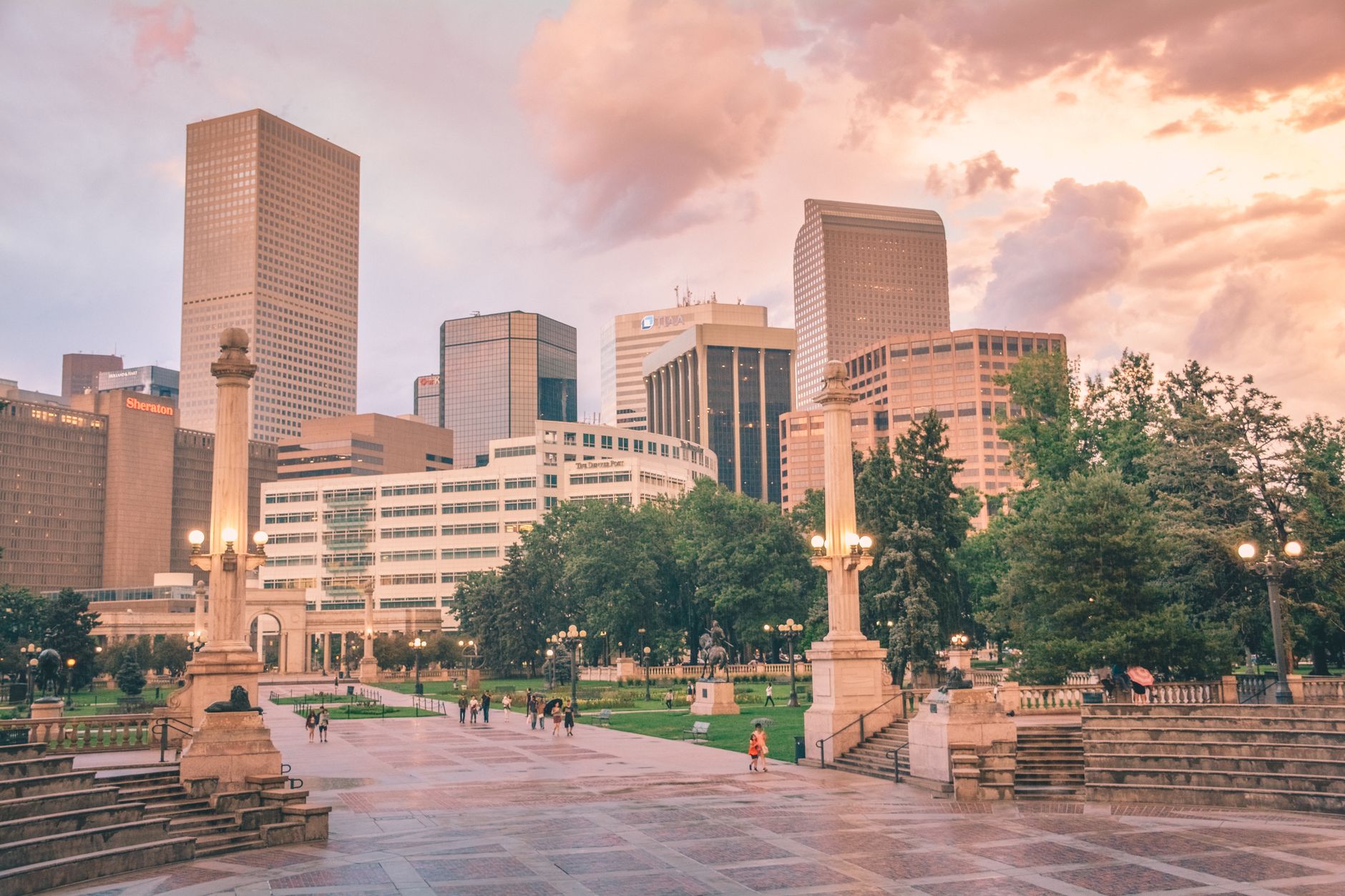
Expect a city where outdoor culture and craft food sit beside straightforward office towers and a measurable western history. First impressions often come from Union Station or the skyline seen from Commons Park along the South Platte; those places give a useful contrast between railroads, riverfront greenway projects, and contemporary neighbourhoods. Downtown blocks are walkable but sun and altitude make mid-day rests sensible. The mood is casual: people cycle, breweries are plentiful, and a concert at Red Rocks shapes the evening calendar more than a single museum.
Is 3 days in Denver enough?
Yes—three days is enough to sample downtown (Union Station, LoDo), an arts and brewery day in RiNo/LoHi, and a single mountain-adjacent outing such as Red Rocks or Golden. The main caveat: a true Rocky Mountain National Park visit requires more time; a full park loop will push travel time and remove urban exploration time.
Who This Guide Is For
Best for travelers who want a mix of city culture, craft food and a short outdoor day; not ideal for those who plan extensive hiking in the high Rockies or who need a slow-paced, all-day museum schedule.
Local Tips for Denver
Practical details that most travel sites skip — specific to Denver.
- The A Line commuter rail from Denver International Airport to Union Station costs about $10.50 one-way and takes roughly 37 minutes; buy tickets on the RTD Mobile Tickets app before boarding.
- Union Station's ground floor, including Mercantile Dining & Provision and Stoic & Genuine, operates late and is a reliable food option if arrival days or weather disrupt plans.
- RiNo First Friday art walks (monthly) concentrate new mural drops and gallery openings along Walnut Street and 36th Street—expect crowds from 5pm to 9pm and limited parking.
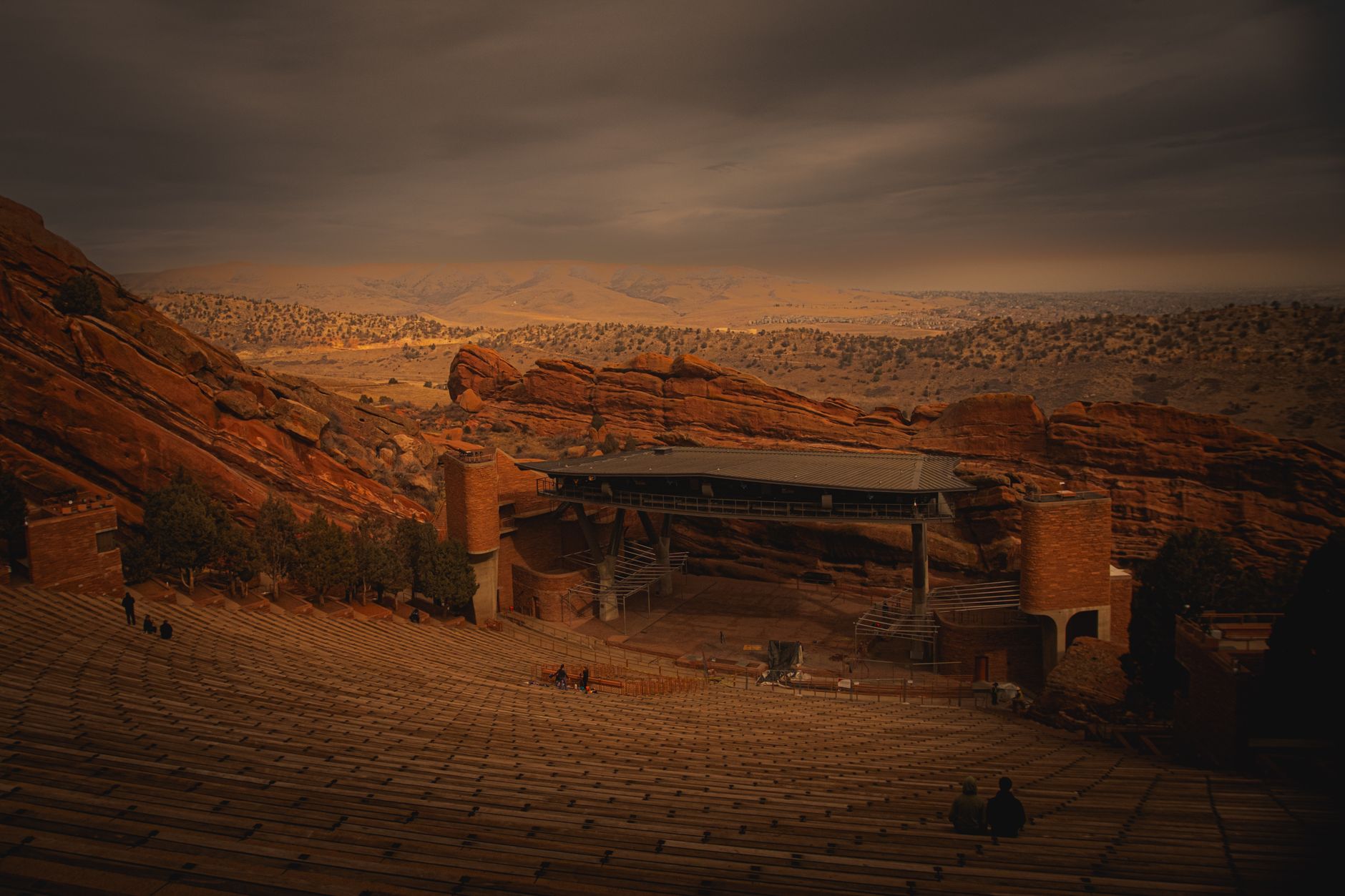
- Red Rocks Park drive is steep and narrow; allow 25–35 minutes from downtown without traffic but 45–60+ minutes on concert nights—park staff enforce posted shuttle and parking rules.
- Many breweries and popular brunch spots (Snooze, Denver Central Market vendors) don’t take reservations; expect 20–60 minute waits on weekends and use a Walk-In app or order ahead when available.
How This Guide Was Prepared
This guide treats Denver as a mid-size American city with easy mountain access, not as only a gateway to ski country. Many guides either overemphasize day trips to the Rockies or cram too many neighborhoods into a single day; this plan balances downtown cultural sites, RiNo/creative districts, and one realistic half- or full-day outside the urban grid. Practical timing, transit options to the airport, and altitude-aware tips are prioritized over sightseeing checklists. This guide was prepared through a structured research that combines destination research, geographic context, itinerary planning logic, and content review.
Plan Your Stay in Denver
Use this itinerary as your starting point, then compare areas to stay, transport options, seasonal timing, and realistic daily costs before booking.
Why Visit
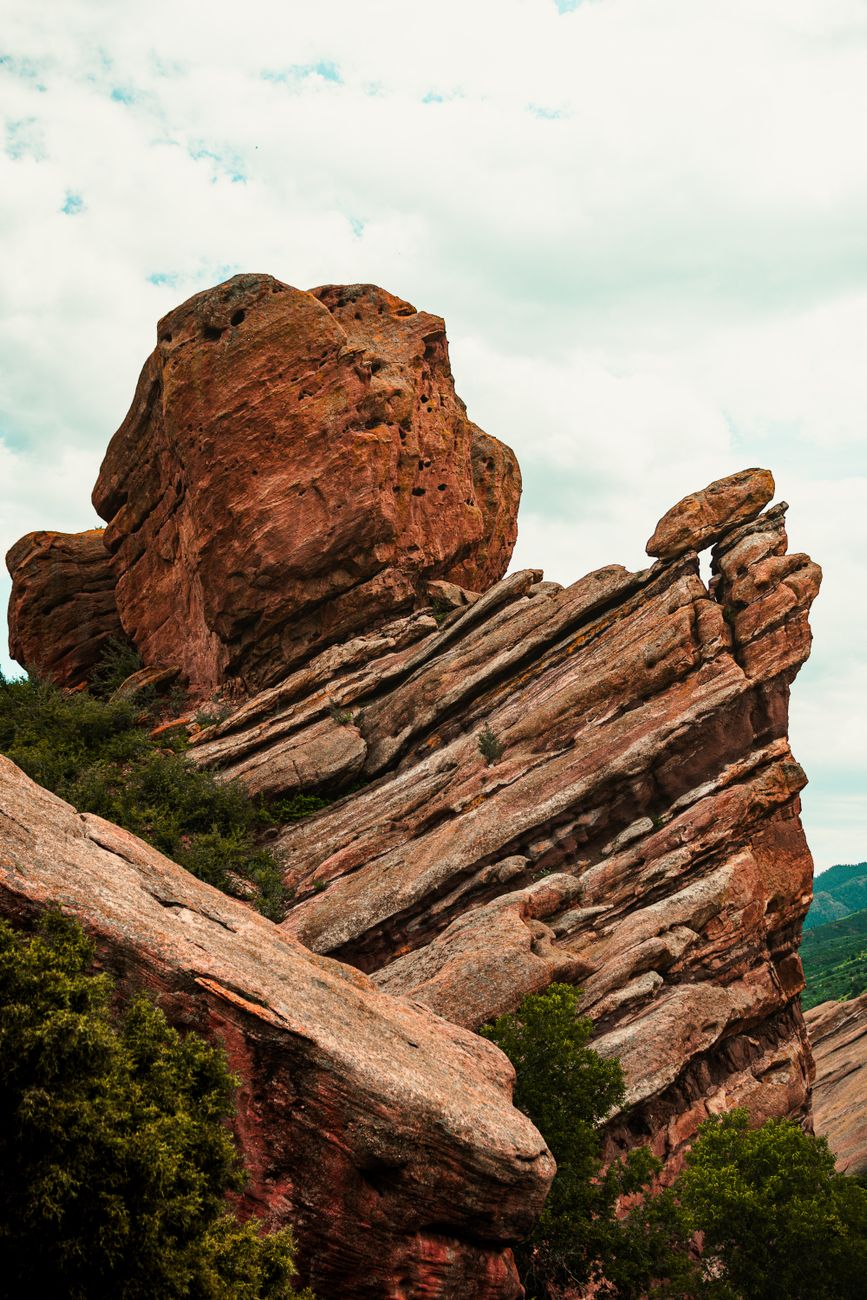
Reason one: Red Rocks Amphitheatre and its short trails combine an outdoor concert culture with geology that’s immediately accessible from the metro area. Reason two: the arts and street-art scenes in RiNo and the Santa Fe Art District offer rotating mural walks and small galleries that change monthly. Reason three: transit access—Union Station links to the A Line from the airport and multiple light-rail and bus lines, making a no-car trip feasible. Reason four: a concentrated brewery and craft-food scene with bookable tours (Great Divide, Denver Beer Co., Odell offshoots) plus historic LoDo streets like Larimer Square for evening dining.
Quick Planning Tips
Take the A Line train from Denver International (DEN) to Union Station—plan 37 minutes travel time and buy a ticket on the RTD Mobile Tickets app before boarding. Credit and debit cards are accepted almost everywhere; keep small bills ($1-$5) for tips and occasional street vendors. Avoid renting a car for downtown-only days; parking rates in LoDo or Cherry Creek can be $20–40 per day and traffic to mountain trailheads peaks on weekend mornings. One planning mistake to avoid is scheduling a Red Rocks show and a Rockies game on the same evening; both create heavy traffic and limited on-site parking.

Day 1
Start at Union Station for coffee and a quick walk through the terminal; Mercantile Dining & Provision and Pigtrain Coffee are handy for breakfast. Walk 2–5 minutes to the 16th Street Mall and take the free MallRide shuttle west to Larimer Square—on foot that’s about a 10–12 minute walk. Larimer Square has Victorian-era buildings with restaurants and boutiques; spend an hour browsing and aim for lunch at Biker Jim’s Gourmet Dogs (LoDo) or Mercantile if preferring a sit-down meal. From Larimer Square walk 8–10 minutes to Coors Field; if a Rockies game is scheduled, arrive 60–90 minutes before first pitch for security lines and local food stands. After the ballpark, stroll the Platte River Trail toward Confluence Park (15–20 minutes) where kayakers and paddleboarders launch in summer. Dinner options include Guard and Grace (steak) or The Source food hall in RiNo if a shorter transfer is wanted. End the evening with a rooftop drink at ViewHouse or a live show at the Ogden Theatre depending on schedule.
Day 2
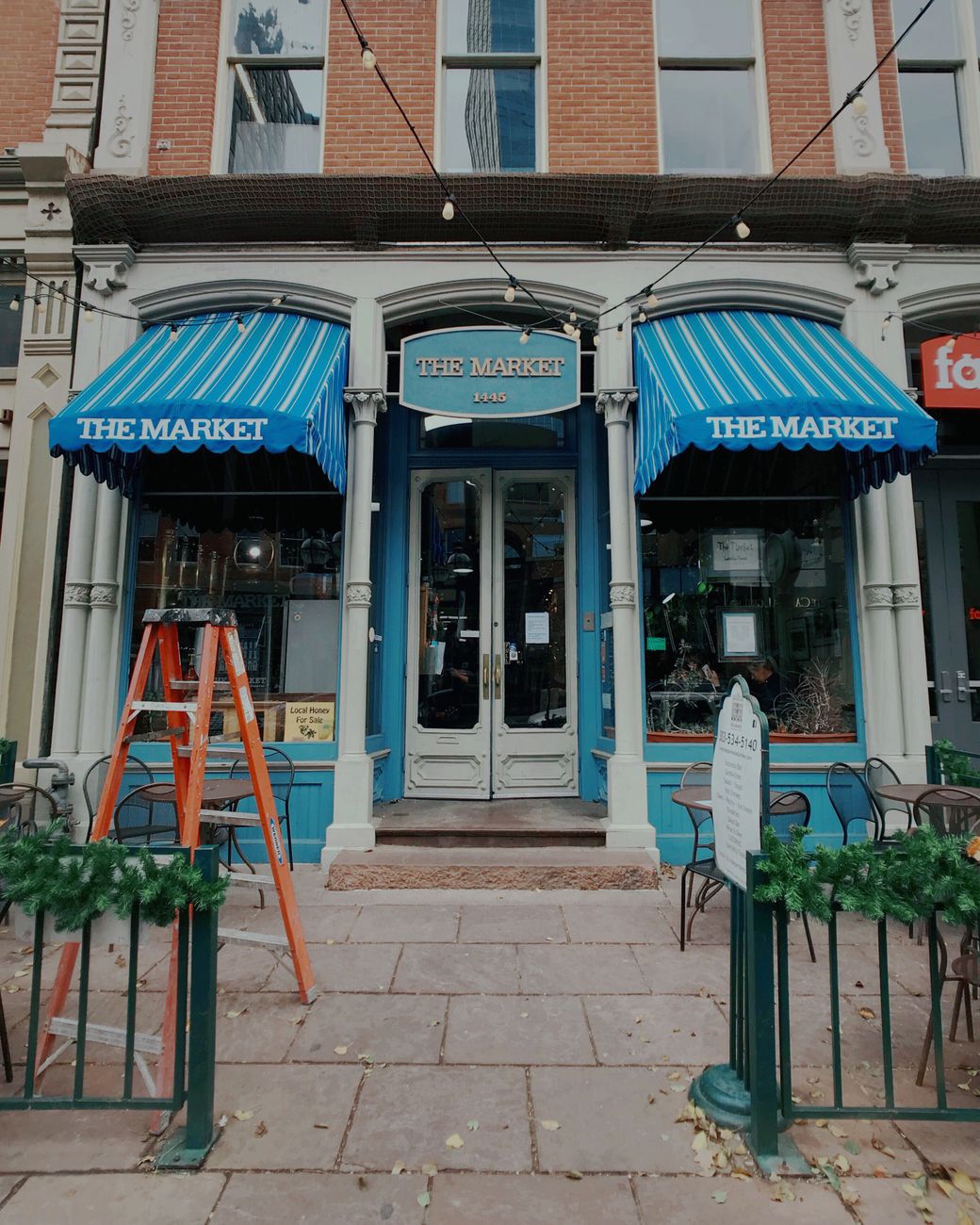
Devote this day to RiNo and north Denver creative districts. Begin at Denver Central Market for breakfast vendors and espresso; the market sits on 26th Street and provides a practical start point. Walk or take a short rideshare to the River North murals along Walnut Street and 36th Street—set aside time for photography and small galleries. Midday, visit The Source for lunch at Acorn or Comal, then cross to Confluence Park for riverside people-watching and bike rentals from Denver B-cycle stations. In the afternoon reserve a brewery tour at a nearby taproom such as Ratio Beerworks or Great Divide’s downtown location; tours and tastings typically run 45–90 minutes. Transit between RiNo and LoHi is a 10–15 minute Lyft or a 20–30 minute bus ride depending on stops. For dinner head to Avanti Food & Beverage for varied options and skyline views, then spend the evening on a bar crawl along Blake Street or at a concert venue in LoDo if performances align. RiNo feels experimental; plan extra time for lines and pop-up events.
Day 3
Reserve the third day for either a short mountain-adjacent outing or deeper museum time depending on flight schedules. For a quick outdoor option drive or rideshare 25–35 minutes west to Red Rocks Park; hike the Trading Post Trail and visit the Colorado Music Hall of Fame on site. Expect heavier travel times if a concert is scheduled—allow extra buffer. Alternatively stay closer and visit the Denver Museum of Nature & Science and the Denver Botanic Gardens in City Park; both are within 10–20 minutes of Union Station by car or 20–30 minutes by transit. Lunch can be at Steuben’s Uptown or Sam’s No. 3 for a local diner experience. For travelers with afternoon flights, check out of the hotel mid-morning, store luggage with the front desk or use a staffed storage service, and take the A Line from Union Station to DEN—allow 90–120 minutes from downtown to airport security in peak periods. Finish with a late coffee near the station if time permits.
Best Local Experiences
Cherry Creek North shopping and the seasonal Cherry Creek Arts Festival (July) combine galleries and street vendors over one long weekend. The First Friday Art Walks in the Santa Fe and RiNo districts concentrate gallery openings and murals on the first Friday of each month. The Great American Beer Festival in October draws large crowds and brewery releases—book lodging well in advance if attending. Farmer markets such as the Cherry Creek Farmers Market (Sundays, seasonal) and the South Pearl Street market are proper local scenes for seasonal produce. Evening concerts at Red Rocks define summer nights; check the schedule early because tickets sell out for major acts. Each option highlights a different local rhythm: arts, beer culture, open-air markets, and outdoor music.
Where to Stay
LoDo (Lower Downtown): suits travellers who want walkable nightlife, Union Station access, and sports venues nearby. Expect mid-range hotels $150–$300/night (USD) — roughly €140–€280. Capitol Hill: suits museum-goers and people who prefer older apartment-style hotels near the Denver Art Museum and Civic Center; rooms typically $100–$180/night — about €95–€165. RiNo (River North): suits art and brewery fans who value walkable taprooms and studios; boutique hotels and rentals run $130–$240/night — around €120–€220. Cherry Creek North: suits shoppers and travellers wanting quieter tree-lined streets and higher-end dining; expect $180–$350/night — €165–€320. Prices depend on season and event weekends, and booking within a week of major festivals often pushes costs to the high end.
Food and Drink
Breakfast: Try a breakfast burrito from a local chain like Illegal Pete’s or a sit-down option at Snooze, an A.M. Eatery; burritos run $6–$12 and Snooze breakfasts $10–$18. Street food: Biker Jim’s Gourmet Dogs serves inventive hot dogs (bison, elk) for $6–$10. Dinner: Mercantile Dining & Provision in Union Station offers market-to-table plates and shared boards—mains $18–$35. Local dish: green chili (pork or pork-free options) appears on breakfast plates and smothered burritos; a good bowl at Sam’s No. 3 costs $8–$12. Craft beer: sample local breweries such as Great Divide, Denver Beer Co., and Ratio; pints are usually $6–$9. For a heartier Colorado-specific option, bison burgers are available at multiple pubs—expect $12–$18. These choices show the mix of quick local bites and higher-end dinner options; reservations help for evening dining.
Getting Around
RTD light rail and buses form the backbone of transit; the A Line connects DEN airport to Union Station, and multiple light-rail lines (D, F, H, L, R are common downtown branches) cover other corridors. The 16th Street Mall has a free MallRide shuttle between Union Station and Civic Center. Single local rides on RTD buses and light rail are about $3.00 one-way; the airport A Line fare is about $10.50 one-way. A day pass on RTD mobile ticketing is useful if making several trips; buy via the RTD Mobile Tickets app. Taxis and rideshares (Uber/Lyft) fill gaps—airport rides to downtown typically cost $40–$60 in a rideshare and $60–$80 for a taxi depending on traffic. For short hops, Denver B-cycle stations provide bike-share options and dockless scooters appear seasonally. Useful apps: RTD Mobile Tickets and Transit for schedules.
Best Time to Visit
Late spring (May) and early fall (September) combine moderate temperatures and fewer tourists; high temperatures typically range 60–80°F (15–27°C) and shoulder rates are better than mid-summer. Summer (June–August) is warm—70–90°F (21–32°C)—and attracts festival crowds and full concert schedules, increasing hotel rates. Winter (December–February) is cold with daytime highs often 20–45°F (-6–7°C) and occasional snow; this period suits those combining a city trip with nearby ski plans but expect shorter daylight. Avoid large-event weekends for lower prices and less congestion—October hosts the Great American Beer Festival which fills hotels and drives up local prices.
Budget and Practical Tips
Estimated daily budget for a mid-range traveler: accommodation $120–$220 (USD) ~ €110–€205, food $40–$80 ~ €37–€75, local transport $8–$20 ~ €7–€18, and attractions $10–$40 ~ €9–€37 depending on museum or tour choices. A budget traveller relying on hostels or simple hotels should expect $60–$110/night (~€55–€100). Tipping norms: restaurants 15–20% before tax, $1–$2 per drink at bars, and round up taxi and rideshare fares; tip hotel housekeeping $1–$3 per night. Many venues accept cards; carry small cash for street vendors or tips. Expect higher prices during sports playoffs, Red Rocks tours, and festival weekends.
FAQ
Is Denver safe for solo travelers?
Most central neighbourhoods are safe in daylight; standard urban precautions (avoid poorly lit areas at night, watch belongings) apply, and some blocks near transit hubs have more visible homelessness—stay on busier streets.
How do I get from DEN airport to downtown?
Use the A Line RTD train to Union Station (about 37 minutes, ~$10.50) or rideshare/taxi (40–60 minutes depending on traffic).
Is a city pass worth buying?
A Denver CityPASS saves money only if visiting multiple pricier attractions like the zoo, aquarium, and museum; calculate individual admissions before purchasing.
Can public transit get me to Red Rocks?
Public transit to Red Rocks is limited; special event shuttles operate for concerts from designated park-and-rides—check the venue schedule and reserve shuttle spots early.
Is altitude something to worry about?
Yes—expect lighter exertion, increased sunburn risk and mild headaches for some; hydrate, avoid heavy alcohol your first day, and plan lower-effort activities initially.
Are there reliable bike-share options?
Denver B-cycle stations exist in central neighbourhoods for short trips; check docking availability with the B-cycle app.
Conclusion
A three-day visit will most likely be remembered for contrasts: a morning at Union Station, afternoon mural hunts and brewery stops, and an outdoor highlight at Red Rocks or Golden. Prioritize one outdoor outing rather than trying to fit a full Rocky Mountain park loop into the same trip—this keeps transit times manageable and leaves room for evening dining and local culture. If time runs short, skip additional neighbourhoods and spend the extra hours in RiNo or at a single long meal in Union Station to feel the city’s character without constant transiting.
How this guide was prepared
This guide was prepared through a structured research that combines destination research, geographic context, itinerary planning logic, and content review.